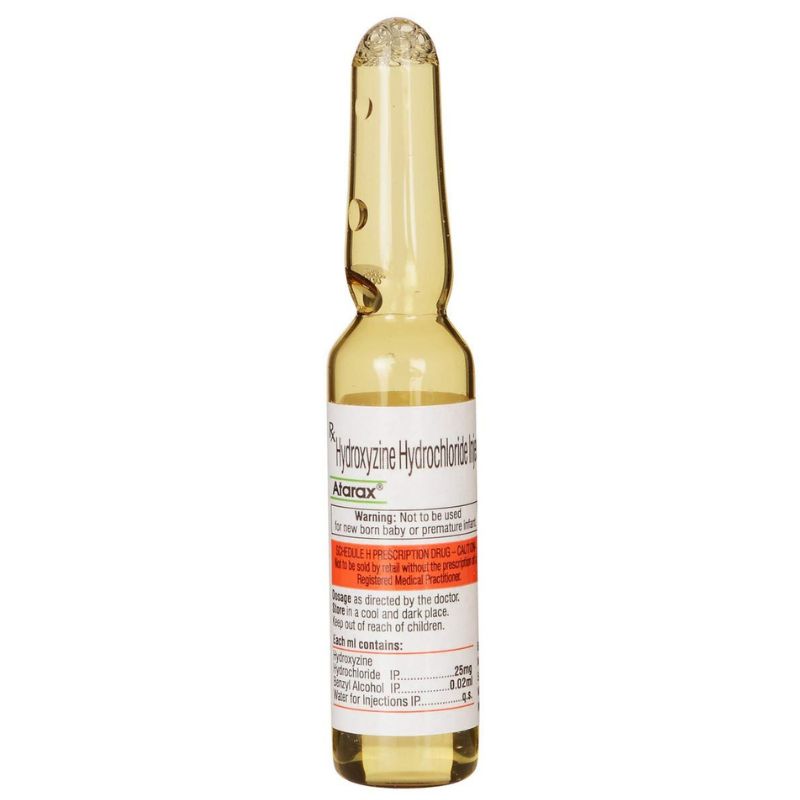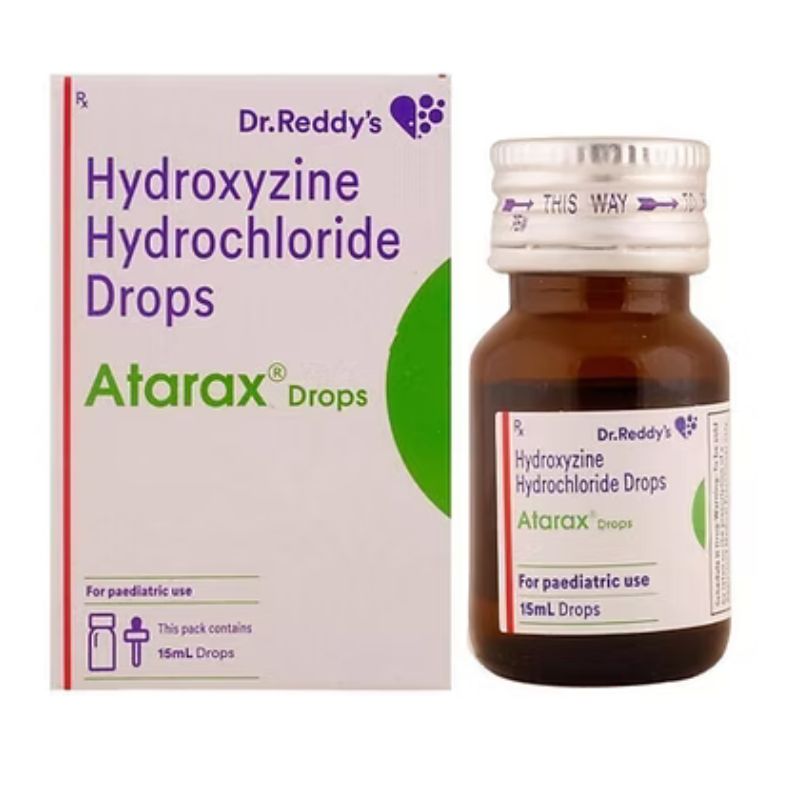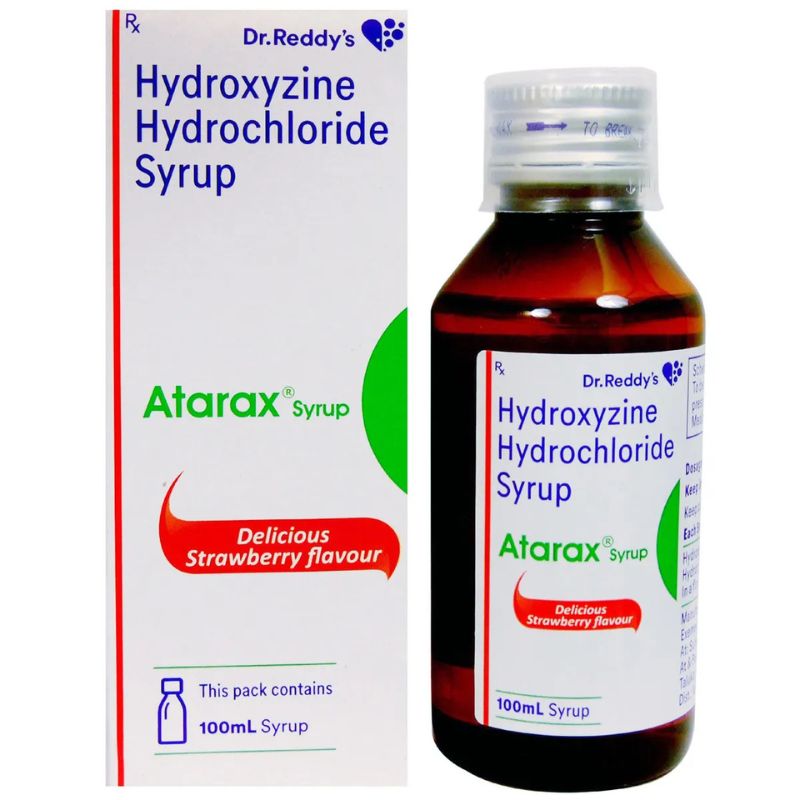
Alerex 25 Tablet is an antihistamine medicine used to relieve allergy symptoms and manage anxiety or tension. It contains Hydroxyzine (25mg), which works by blocking histamine receptors in the body, reducing allergic reactions such as itching, rash, and hives. It also has sedative and anxiolytic properties, helping to calm patients in cases of anxiety or tension.
Uses:
-
Relief from allergic conditions such as urticaria (hives), eczema, and pruritus (itching)
-
Management of anxiety, tension, and agitation
-
Preoperative sedation and to enhance sleep quality in certain conditions
-
Helps reduce nausea and vomiting caused by motion sickness
Dosage:
The usual adult dose is one tablet 1–3 times daily, or as prescribed by your doctor. Dosage may vary depending on the condition being treated.
How to Use:
Swallow the tablet whole with water, with or without food. Take at the same time each day if on a regular schedule. Follow your doctor’s instructions carefully.
Precautions:
-
Inform your doctor if you have liver, kidney, or heart disease, glaucoma, or breathing problems.
-
May cause drowsiness; avoid driving or operating machinery while taking this medicine.
-
Pregnant and breastfeeding women should use only under medical supervision.
-
Avoid alcohol or other sedatives during treatment.
Side Effects:
Common side effects include drowsiness, dry mouth, headache, dizziness, or mild nausea. Rarely, allergic reactions, confusion, or severe sedation may occur. Seek medical attention if severe symptoms develop.

ALERGIN is an anti-allergic (antihistamine) medication commonly available as tablets, syrup, and under slightly varied names (e.g., Alergin L, Alergin Syrup). Its primary active ingredient is Cetirizine 10mg. Some variants, like ALERGIN L, may contain Levocetirizine 5mg—another potent, modern antihistamine. Both are widely used to relieve allergy symptoms efficiently.
Composition
| Product Type |
Active Ingredient |
Strength |
| Alergin Tablet |
Cetirizine |
10mg |
| Alergin Syrup |
Cetirizine |
Per pediatric dose |
| Alergin L Tablet |
Levocetirizine |
5mg |
Uses
Relief from symptoms of:
Allergic rhinitis (hay fever): sneezing, runny/blocked nose, itchy/red/watery eyes
Skin allergies: urticaria (hives), eczema, rashes
Allergic reactions to food, insect bites, pollen, or dust
Conjunctivitis and other allergic conditions
Suitable for both adults and children (aged 6 years or older)
How It Works
Blocks the action of histamine, a chemical responsible for causing allergic symptoms.
Reduces or eliminates symptoms such as itching, swelling, rash, sneezing, and watery eyes.
Dosage and Administration
Alergin Tablet (Cetirizine 10mg): Usual adult dose is one tablet daily; dose for children depends on age and weight.
Alergin L Tablet (Levocetirizine 5mg): Typically one tablet daily; pediatric use as advised by a physician.
Syrup: Dose is based on doctor’s advice according to child’s weight/age.
Take with or without food; swallow the tablet whole with water.
Can be taken once daily, preferably in the evening or as recommended.
Side Effects
Generally well tolerated; most common:
Sleepiness/drowsiness
Dry mouth
Fatigue
Headache
Dizziness
Sore throat
Less commonly: constipation, fever, cough, nasal congestion, or mild stomach upset.
Usually mild and temporary. Seek medical advice for severe or persistent effects.
Precautions
Inform your doctor in case of:
Kidney or liver issues
Epilepsy or a history of seizures
Pregnancy or breastfeeding
Concurrent medications (risk of interactions)
Avoid alcohol as it may increase drowsiness.
Not for use in children below 6 years unless prescribed.
Storage
Store at room temperature, protected from sunlight and moisture.
Keep out of reach of children.
Note
ALERGIN should be used strictly as per doctor’s advice.
Complete the course or use regularly if prescribed for chronic allergy prevention.
Stop 2–3 days prior to allergy testing, as it may interfere with results.
For individual dosing and suitability, always consult your healthcare provider.

ALERGIN-L is an antihistamine tablet containing Levocetirizine Hydrochloride IP 5 mg. It is primarily used to treat and relieve symptoms of various allergic conditions, including:
Allergic rhinitis (nasal allergies)—sneezing, runny or blocked nose, itchy and watery eyes
Skin allergies—urticaria (hives), eczema, rashes, and reactions to insect bites or stings
Allergic conjunctivitis (eye allergies)
How it works:
Levocetirizine blocks the histamine receptors in the body, reducing symptoms like itching, swelling, sneezing, and rash caused by allergic reactions.
How to take:
Can be taken with or without food, usually in the evening.
Use as directed by your physician. Do not stop early, as symptoms may return.
Suitable for adults and children above 6 years; not recommended in younger children.
Common side effects include:
Drowsiness or sleepiness, dry mouth, headache, fatigue, and sometimes cough or sore throat. These are generally mild and temporary.
Precautions:
Consult your doctor if you have kidney problems, epilepsy, or are pregnant or breastfeeding. Use caution when driving or operating machinery, as it may cause drowsiness. Inform your doctor of all medications you are taking to avoid interactions.
Summary:
ALERGIN-L is effective and generally well-tolerated for the management of allergy symptoms. Take it as prescribed for optimal relief

Uses:
Allegra 120mg Tablet is an antihistamine used to relieve allergy symptoms such as sneezing, runny nose, itchy or watery eyes, and itching of the nose or throat. It is also used for treating chronic urticaria (hives) and other allergic skin conditions.
How to Use:
Take Allegra 120mg Tablet orally with water. It can be taken with or without food. Do not crush or chew the tablet unless advised by your doctor. Use it exactly as prescribed.
Dosage:
Precautions:
-
Inform your doctor if you have kidney or liver problems.
-
Avoid alcohol while taking this medicine.
-
Pregnant or breastfeeding women should take it only after medical advice.
-
Do not exceed the recommended dose.
Side Effects:
Some people may experience mild side effects such as headache, dizziness, nausea, drowsiness, or dry mouth. Severe allergic reactions are rare but require immediate medical attention.

Uses:
Allegra 180mg Tablet is an antihistamine used to relieve allergy symptoms such as sneezing, runny nose, itchy or watery eyes, and itching of the nose or throat. It is also used for chronic urticaria (hives) and other allergic skin conditions.
How to Use:
Take Allegra 180mg Tablet orally with water. It can be taken with or without food. Do not crush or chew the tablet unless advised by your doctor. Follow the prescribed dosage carefully.
Dosage:
Precautions:
-
Inform your doctor if you have kidney or liver problems.
-
Avoid alcohol while taking this medicine.
-
Pregnant or breastfeeding women should use only under medical advice.
-
Do not exceed the recommended dose.
Side Effects:
Mild side effects may include headache, dizziness, nausea, drowsiness, or dry mouth. Severe allergic reactions are rare but require immediate medical attention.

Uses:
Allegra-M Tablet is used to relieve symptoms of allergic conditions such as seasonal allergic rhinitis (hay fever), chronic urticaria (hives), sneezing, runny nose, itchy or watery eyes, and nasal congestion. It combines an antihistamine (Fexofenadine) and a leukotriene receptor antagonist (Montelukast) to reduce allergy and inflammation symptoms.
How to Use:
Take Allegra-M Tablet orally with water. It can be taken with or without food. Follow the prescribed dosage and do not crush or chew the tablet unless advised by your doctor.
Dosage:
Precautions:
-
Inform your doctor if you have liver or kidney problems.
-
Pregnant or breastfeeding women should take it only under medical supervision.
-
Avoid alcohol while using this medicine.
-
Do not exceed the prescribed dose.
Side Effects:
Some may experience headache, dizziness, nausea, stomach pain, or drowsiness. Severe allergic reactions are rare but require immediate medical attention.

Avil NU 10mg Tablet is an antihistamine used mainly for allergic conditions such as sneezing, runny nose, itching, watery eyes, allergic rhinitis, urticaria (hives) and other seasonal allergies. It works by blocking the action of histamine, a chemical responsible for allergy symptoms.
Dosage:
Usually 1 tablet once daily, preferably at night. Follow your doctor’s exact dose if prescribed.
How to Use:
Swallow the tablet with water. Can be taken with or without food, but taking it at the same time daily improves results. Avoid alcohol as it may increase drowsiness.
Precautions:
-
Avoid driving or operating heavy machinery (may cause drowsiness).
-
Inform your doctor if you have kidney disease.
-
Avoid alcohol and sedatives.
-
Pregnant or breastfeeding women should consult a doctor before use.
-
Do not exceed the recommended dose.
Side Effects:
Uses:
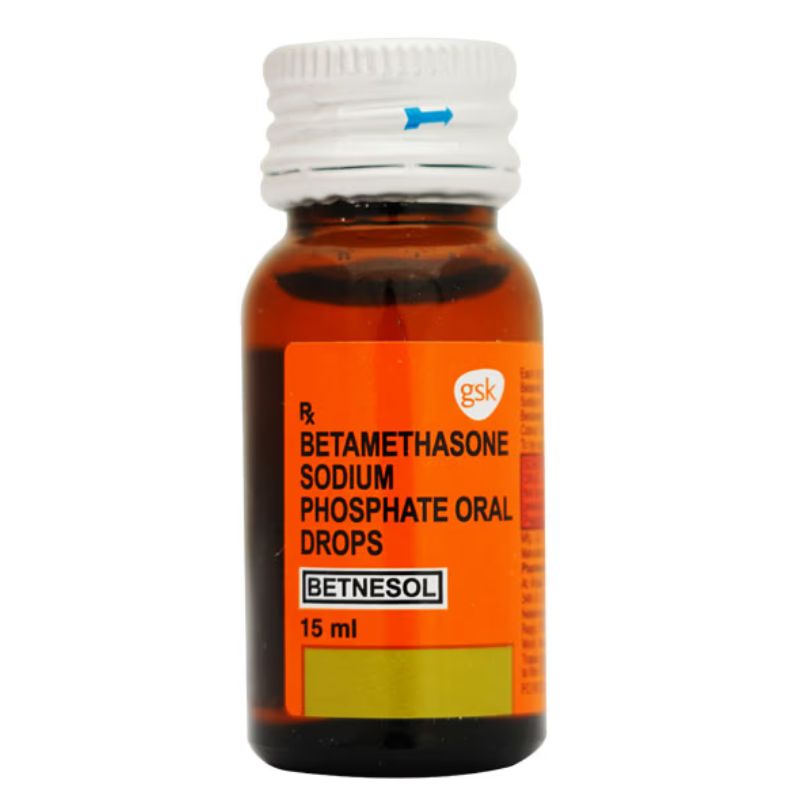
Betnesol Oral Drops are used for:
Betamethasone is a corticosteroid that reduces inflammation and suppresses overactive immune responses.
Dosage:
How to Use:
-
Measure the dose using a dropper.
-
Administer directly in the mouth or as advised by the doctor.
-
Shake the bottle well before use.
Precautions:
-
Use only as prescribed.
-
Monitor for blood sugar changes if diabetic.
-
Avoid prolonged use without medical supervision.
-
Inform your doctor if you have infections or high blood pressure.
-
Not recommended during pregnancy or breastfeeding unless prescribed.
Side Effects:
-
Mild irritation or burning sensation in the mouth
-
Rare: increased blood sugar, fluid retention, infection risk

BILACIP is an antihistamine tablet containing 20mg of Bilastine 20mg. It is primarily used to relieve symptoms associated with various allergic conditions, including allergic rhinitis and urticaria (hives). Bilastine is a non-sedating, second-generation antihistamine designed for once-daily use.
Uses
- Allergic rhinitis (hay fever): sneezing, blocked or runny nose, itchy or watery eyes
- Chronic idiopathic urticaria (hives): red, itchy, raised skin rashes
- Relief of other allergy symptoms such as itching, swelling, and skin irritation
How It Works
Bilastine works by selectively blocking histamine H1 receptors in the body, thereby preventing the action of histamine—a key substance that triggers allergy symptoms. This action helps reduce sneezing, itching, swelling, rashes, and watery eyes.
Dosage & Administration
- Typical dose: 1 tablet (20mg) once daily, preferably at the same time each day
- How to take: Swallow whole with water, at least 1 hour before or 2 hours after a meal or fruit juice for optimum absorption
- For adults and children 12 years and above
- Duration: As advised by your doctor
Precautions
- Not recommended for children under 12 years
- If you are pregnant, breastfeeding, or have severe kidney problems, consult your doctor before use
- Inform your doctor about all ongoing medications to prevent drug interactions
- Avoid fruit juice and alcohol with this medication
- Do not drive or operate heavy machinery until you know how BILACIP affects you—it is typically non-sedating but can rarely cause drowsiness or dizziness
Possible Side Effects
Most side effects are mild and temporary:
- Headache
- Drowsiness or dizziness (rare)
- Abdominal pain
- Dry mouth
- Nausea
- Stomach discomfort or diarrhoea (especially in children)
Seek medical attention for severe allergic reactions, persistent symptoms, or serious side effects.
Storage
- Store at room temperature, away from moisture and direct sunlight
- Keep out of reach of children
Note
- Use BILACIP only under medical supervision.
- Complete the full treatment course as prescribed, even if symptoms improve early.
Summary:
BILACIP Tablets (Bilastine 20mg) provide effective, once-daily relief from a broad range of allergic symptoms with minimal risk of drowsiness, making them suitable for both allergic rhinitis and chronic urticaria in adolescents and adults