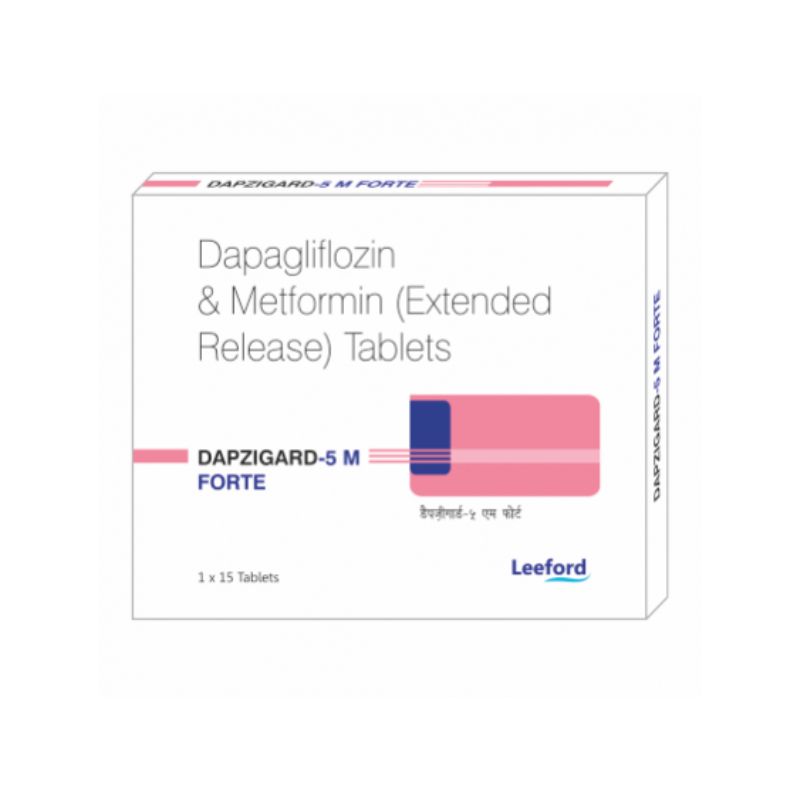
DAPZIGARD 5 M FORTE Tablet is a dual oral antidiabetic for adults with type 2 diabetes, particularly when single therapy or lower-dose combinations fail to achieve adequate glycemic control.
Uses / Indications
-
Type 2 diabetes mellitus: Used to improve blood sugar control in adults, usually alongside proper diet and exercise, or in combination with other antidiabetic agents (like insulin or GLP-1 agonists).
-
Especially beneficial for overweight patients or those with high cardiovascular/kidney risk.
How it Works / Key Benefits
-
Dapagliflozin: Increases urinary glucose excretion by inhibiting SGLT2 in kidney tubules, lowering blood sugar, with added benefits of modest weight loss and mild blood pressure reduction.
-
Metformin (ER): Reduces liver glucose production and increases insulin sensitivity, with sustained release to minimize GI side effects and keep sugar controlled throughout the day.
-
Combination provides broader control of fasting and post-meal blood sugar, and offers kidney and heart protection in select patients.
Dosage & Administration
-
Taken once daily (dose as per prescription), ideally with the main meal; swallow whole with water—do not break, crush, or chew.
-
Not recommended for moderate to severe kidney or liver disease, pregnancy, breastfeeding, or in children/adolescents under 18 years.
-
Avoid alcohol—raises lactic acidosis risk with metformin.
-
Regular kidney function, blood sugar, and periodic blood tests are required during therapy.
Safety & Side Effects
-
Common: Diarrhea, stomach pain, loss of appetite, sore throat, nasal congestion, headache, nausea, vomiting, genital fungal infections, and increased urination.
-
Occasional/serious: Low blood sugar (with other antidiabetics), dehydration, lactic acidosis (rare but serious—seek urgent care for severe weakness, breathing issues), urinary tract infection.
-
Contact a doctor if unusual weakness, breathing trouble, severe abdominal pain, or signs of infection develop.
Note:
DAPZIGARD 5 M FORTE is best used as part of a comprehensive diabetes plan including healthy diet, regular exercise, and physician monitoring for best results and safety.
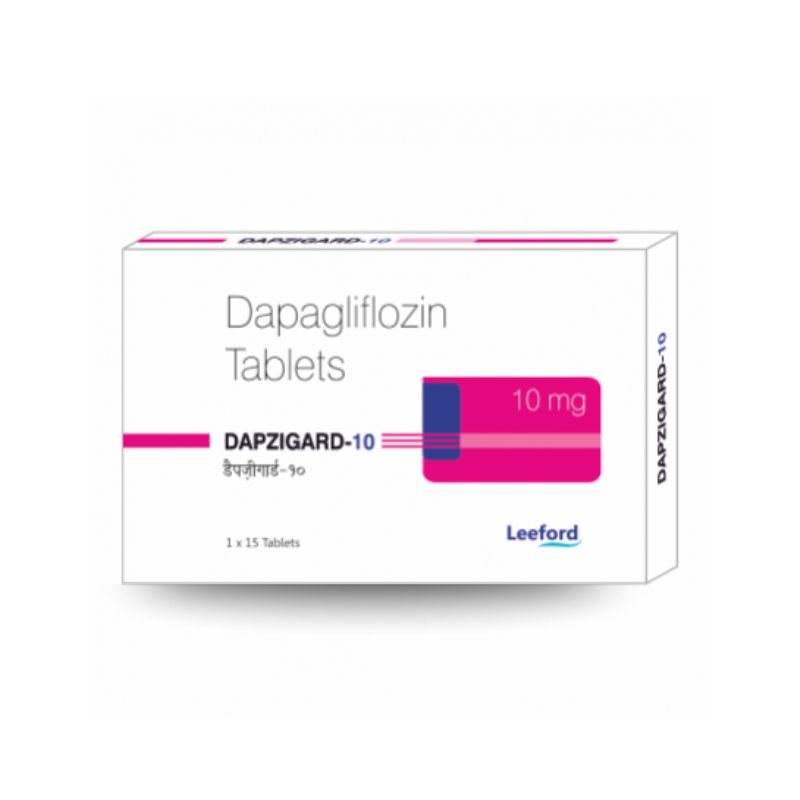
DAPZIGARD-10 Tablet is an SGLT2 inhibitor used in adults for multiple cardio-renal-metabolic benefits, primarily in type 2 diabetes but also in heart failure and chronic kidney disease.
Uses / Indications
-
Type 2 Diabetes Mellitus: Improves glycemic control, usually alongside diet and exercise, and can be combined with other antidiabetic medicines.
-
Heart Failure: Reduces the risk of hospitalizations and death due to worsening heart failure, even in non-diabetics.
-
Chronic Kidney Disease (CKD): Slows kidney decline, lowers the risk of end-stage kidney disease, and reduces major kidney/heart events.
-
Especially considered when patients cannot tolerate or have inadequate control with metformin, or need extra cardio-renal protection.
How it Works / Key Benefits
-
Mechanism: Blocks SGLT2 in the kidney, increasing urinary sugar excretion and lowering blood glucose without causing low blood sugar by itself.
-
Offers modest weight loss, mild blood pressure reduction, heart and kidney protection.
-
Reduces the effort needed by the heart to pump blood and can improve heart failure outcomes.
Dosage & Administration
-
Typical dose: 10 mg once daily, with or without food, at the same time each day.
-
Continue only if kidney function is adequate; not suitable for patients with significant eGFR reduction.
-
Swallow whole with water; stay well hydrated to avoid dehydration.
Safety & Side Effects
-
Common: Genital yeast infection, urinary tract infection, increased urination, mild dehydration, back pain, nausea.
-
Serious/rare: Diabetic ketoacidosis (even with normal sugar), severe urinary infection, hypotension, allergic reactions.
-
Not suitable for children, pregnancy, breastfeeding, or severe kidney/liver problems without specialist oversight.
-
Avoid excessive alcohol and report weakness, stomach pain, trouble breathing, or reduced urine output to your doctor.
Note:
DAPZIGARD-10 should be used under medical supervision, as part of an integrated strategy with diet, exercise, and regular clinical monitoring for diabetes, heart, and kidney health.
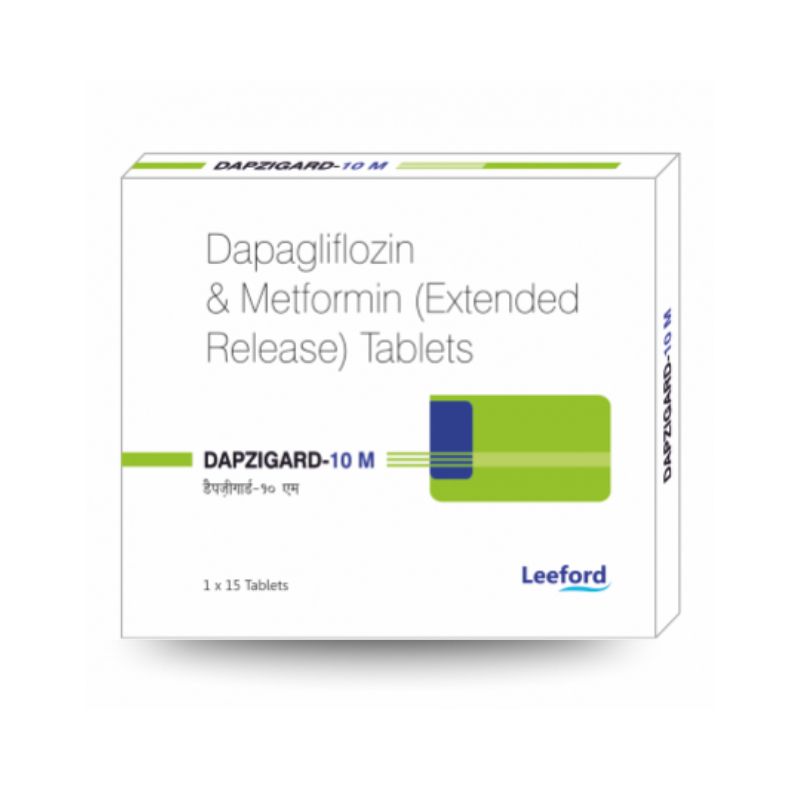
DAPZIGARD-10 M Tablet is a dual oral antidiabetic for adults with type 2 diabetes, used when single-agent or lifestyle therapy is insufficient to control blood sugar.
Uses / Indications
-
Type 2 diabetes mellitus: Improves glycemic control in adults, usually as part of combination therapy with other antidiabetics, plus diet and exercise.
-
Also shown to reduce the risk of heart failure hospitalizations and slow kidney disease progression in eligible patients.
How it Works / Key Benefits
-
Dapagliflozin: Inhibits SGLT2 in the kidney, increasing urinary glucose excretion, lowering blood sugar, plus added benefits of modest weight loss and cardioprotection.
-
Metformin (ER): Decreases hepatic glucose output and improves insulin sensitivity; extended-release reduces GI side effects and gives prolonged glucose control.
-
Dual action lowers both fasting and post-prandial glucose, and reduces risk of diabetes complications such as heart, kidney, and nervous system disease.
Dosage & Administration
-
One tablet daily with food, or as advised by a doctor; swallow whole with water—do not chew, crush, or split.
-
Not for use in severe kidney/liver disease, pregnancy, or in people under 18 years.
-
Alcohol avoidance is advised to minimize lactic acidosis risk with metformin.
-
Regular kidney function, sugar, and other periodic testing should be continued during treatment.
Safety & Side Effects
-
Common: Genital yeast infections, urinary tract infection, increased urination, diarrhea, nausea, sore throat, runny nose, headache.
-
Occasional/serious: Low blood sugar (if used with insulin or sulfonylurea), lactic acidosis (rare but serious), dehydration, severe infection, allergic reaction.
-
Maintain hydration and good genital hygiene; monitor for new or unusual symptoms and report promptly.
Note:
DAPZIGARD-10 M is a prescription-only medication and should always be used as part of holistic diabetes care, with diet, exercise, and regular medical supervision for maximum safety and benefit.
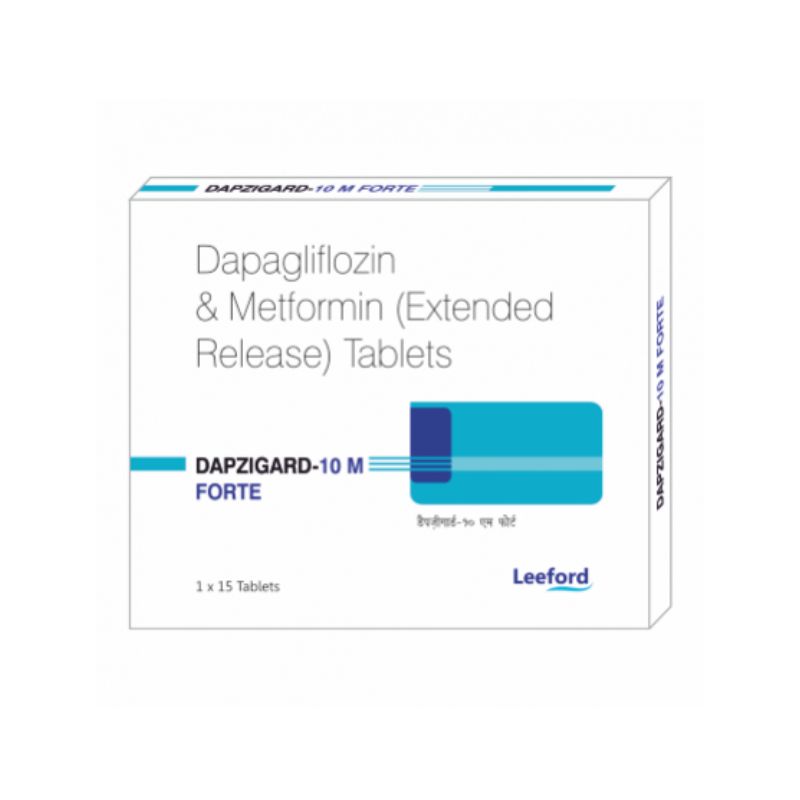
DAPZIGARD-10 M FORTE Tablet is an oral antidiabetic combination for adults with type 2 diabetes, used when single agents or lower-dose combinations do not achieve adequate glycemic control.
Uses / Indications
-
Type 2 diabetes mellitus: Improves blood sugar control in adults, and is often prescribed alongside diet and exercise, or in combination with other antidiabetic agents.
-
Complication prevention: Helps lower the risk of diabetic complications like kidney damage, retinopathy, heart attack, and amputation related to uncontrolled blood sugar.
How it Works / Key Benefits
-
Dapagliflozin: Inhibits SGLT2 in the kidney, promoting glucose removal via urine; reduces both fasting and postprandial sugar, lowers blood pressure, and may aid weight loss.
-
Metformin (ER): Reduces liver glucose output and improves insulin sensitivity throughout the body; extended release formulation provides stable, all-day glucose control with less GI irritation.
-
Combination is more effective at controlling sugar than either agent alone, and also offers some protection against cardiovascular and renal complications.
Dosage & Administration
-
One tablet daily (or as prescribed), with food; swallow whole, do not chew, crush, or split.
-
Not for use in patients with type 1 diabetes, ketoacidosis, significant kidney/liver disease, or during pregnancy/breastfeeding.
-
Maintain hydration, regular meal schedule, and continue blood sugar/kidney function monitoring as advised by your doctor.
Safety & Side Effects
-
Common: Nausea, vomiting, diarrhea, urinary/genital fungal infection, sore throat, runny nose, headache, polyuria, flatulence, taste changes, mild low blood sugar (with other antidiabetics), dizziness.
-
Occasional/serious: Lactic acidosis (with metformin—seek urgent medical attention if rapid breathing, fatigue, severe stomach pain), dehydration, urinary tract infection, allergic reaction.
-
Avoid alcohol to lessen the risk of lactic acidosis and hypoglycemia.
-
Good genital hygiene reduces risk of fungal infection; hydration helps prevent dehydration and kidney strain.
Note:
DAPZIGARD-10 M FORTE provides strong dual-agent control of blood sugar and diabetes complications, but must be used under medical supervision with attention to diet, exercise, hydration, and regular health monitoring for safety and effectiveness.
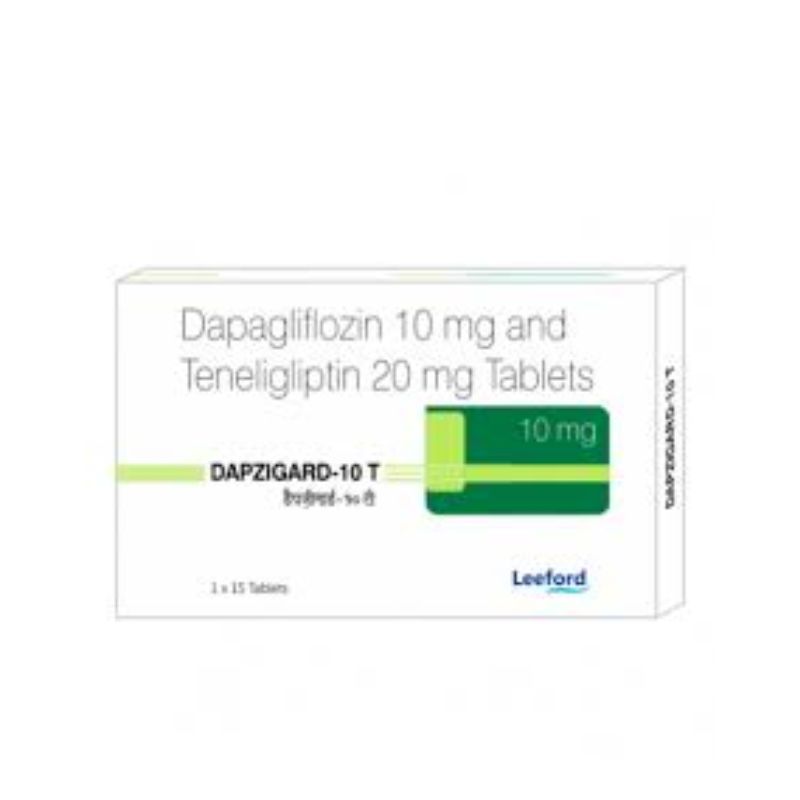
DAPZIGARD-10 T Tablet is a fixed-dose oral antidiabetic for adults with type 2 diabetes, used when previous regimens don’t provide adequate glycemic control or to simplify multidrug therapy.
Uses / Indications
-
Type 2 diabetes mellitus: Lowers blood sugar in adults, especially those inadequately controlled by single or dual therapy, and is taken alongside a healthy diet and regular exercise.
-
Can be used in combination with other oral antidiabetic agents as prescribed.
How it Works / Key Benefits
-
Dapagliflozin: SGLT2 inhibitor—promotes urinary glucose excretion, lowers fasting and postprandial sugar, offers modest blood pressure/weight benefit and heart/kidney protection.
-
Teneligliptin: DPP-4 inhibitor—increases insulin secretion and suppresses glucagon, blunting sugar rise after food and reducing HbA1c.
-
Dual mechanism targets multiple pathways: SGLT2 inhibition for renal glucose excretion and DPP-4 inhibition for beta cell enhancement, giving pronounced glycemic lowering without significant weight gain or hypoglycemia risk (when used without sulfonylureas/insulin).
-
Recent studies and real-world experience in India show effective and well-tolerated glycemic lowering with this combination.
Dosage & Administration
-
Usually one tablet once daily at the same time each day, with or without food.
-
Swallow whole with water—do not crush or chew.
-
Not for type 1 diabetes, diabetic ketoacidosis, or in severe kidney/liver dysfunction.
-
Regular blood sugar self-monitoring is essential, especially if combined with other antidiabetics.
Safety & Side Effects
-
Common: Urinary/genital infection (itching/discomfort), increased urination, headache, diarrhea, nausea, upset stomach, dehydration.
-
Serious (rare): DK (ketoacidosis with/without normal sugar), severe infection/allergy, pancreatitis, extreme weakness—seek urgent care for breathing difficulty, severe dehydration or unexplained pain.
-
Hydration is crucial; inform the doctor if you have frequent infections or develop new symptoms.
Note:
DAPZIGARD-10 T is part of a modern diabetes care plan—maximize effect and safety with lifestyle management, periodic checkups, and by promptly reporting new symptoms to the treating physician.
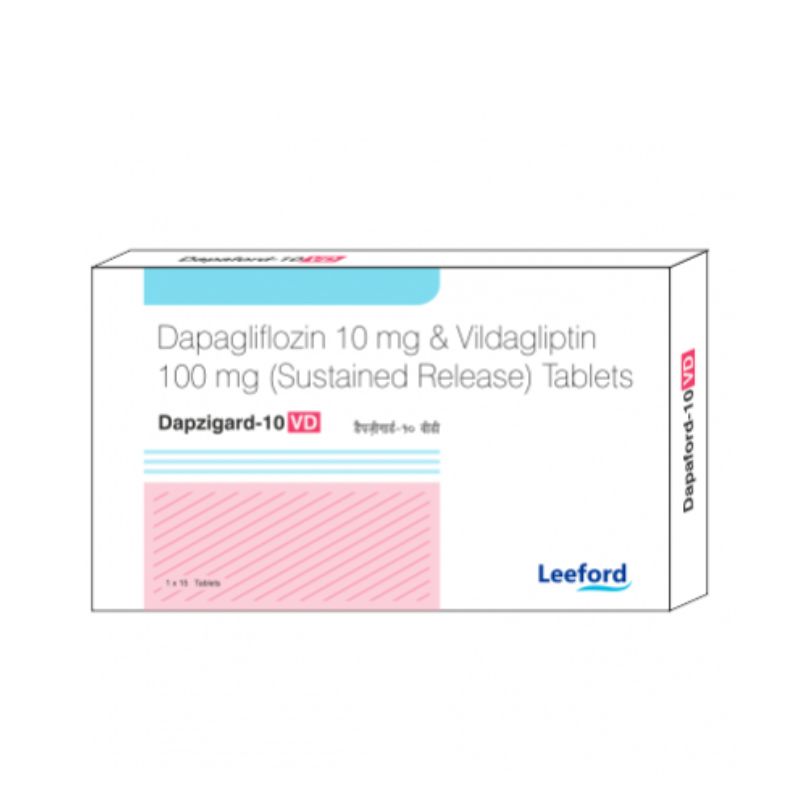
DAPZIGARD-10 VD Tablet is a dual oral antidiabetic used in adults with type 2 diabetes mellitus, especially when previous therapy and/or metformin monotherapy do not provide adequate blood glucose control.
Uses / Indications
-
Type 2 diabetes mellitus: Improves glycemic control in adults, usually prescribed alongside diet, exercise, and sometimes other diabetic medications.
-
Particularly useful for high-risk or poorly controlled cases, and may also reduce risk of cardiovascular and kidney complications.
How it Works / Key Benefits
-
Dapagliflozin: Inhibits SGLT2 in the kidneys, promoting sugar excretion in urine, reducing fasting and post-meal glucose, with added benefits for weight and blood pressure.
-
Vildagliptin (SR): DPP-4 inhibitor—enhances insulin secretion and reduces glucagon after meals, providing better postprandial sugar control, increased natural insulin response, and overall HbA1c reduction.
-
Synergistic dual mechanism targets two major pathways of glucose regulation, giving tighter and more sustained control when combined.
Dosage & Administration
-
Typically one tablet daily, with or without food, at a consistent time; swallow whole with water.
-
Adherence to diet and exercise, hydration, and regular glucose monitoring are recommended.
-
Do not use in severe kidney/liver dysfunction, pregnancy/breastfeeding, or children under 18.
-
Avoid excessive alcohol intake to minimize risk of side effects.
-
Only adjust/stopping medicine on doctor’s advice—don’t self-discontinue.
Safety & Side Effects
-
Common: Hypoglycemia (especially if on sulfonylureas or insulin), urinary/genital fungal infection, increased urination, UTIs, headache, dizziness, nausea, mild dehydration, tremors.
-
Serious/occasional: Severe infection, pancreatitis, loss of appetite, vomiting, allergic reaction, severe dehydration.
-
Maintain genital hygiene and drink sufficient fluids to reduce infection risk.
-
Inform the doctor of new symptoms, other medicines, or pre-existing conditions before starting.
Note:
DAPZIGARD-10 VD is part of a comprehensive diabetes care plan—combine with lifestyle modification and regular medical follow-up for best blood sugar and complication risk reduction.
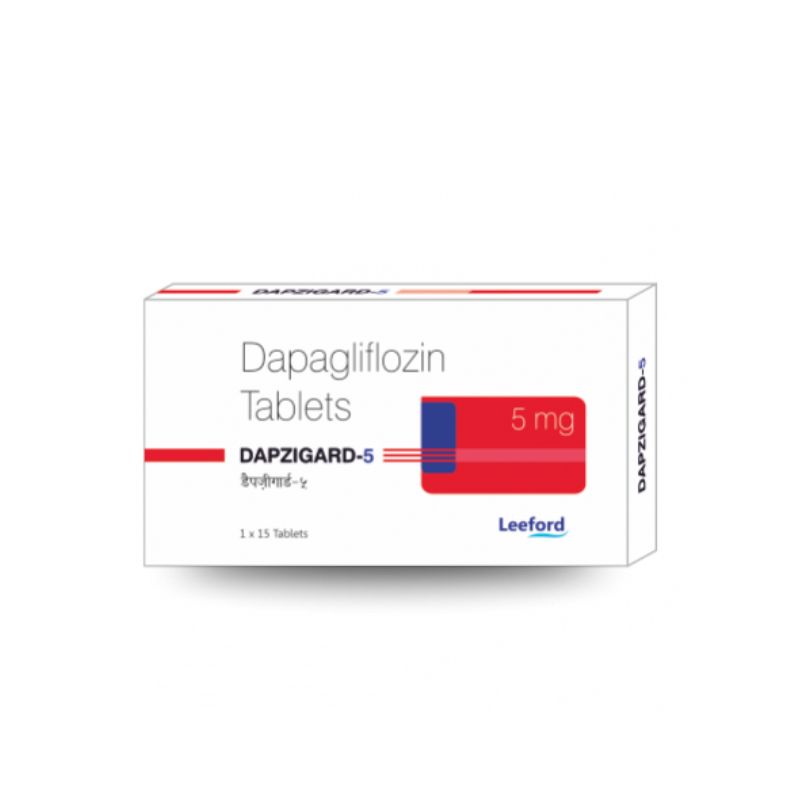
DAPZIGARD-5 is an SGLT2 inhibitor used in adults primarily for type 2 diabetes, but it also offers important benefits for heart failure and chronic kidney disease.
Uses / Indications
-
Type 2 Diabetes Mellitus: Lowers blood sugar when diet, exercise, or other antidiabetic agents are insufficient.
-
Heart Failure: Reduces risk of hospitalization and protects against worsening heart failure, even in non-diabetics in some cases.
-
Chronic Kidney Disease (CKD): Slows kidney disease progression, reduces risk of kidney failure, and lowers the chances of major heart or kidney events.
-
Shown to reduce overall cardiovascular death and complications in at-risk populations.
How it Works / Key Benefits
-
Mechanism: Blocks SGLT2 receptors in the kidney to increase urinary glucose excretion, lowering blood sugar without causing hypoglycemia alone.
-
Benefits include modest weight loss, mild blood pressure reduction, heart protection, and kidney preservation.
-
Not typically used for type 1 diabetes (due to risk of DKA) or in patients with severe kidney impairment.
Dosage & Administration
-
Taken once daily, either alone or alongside other diabetes or heart failure medications; dose and duration are prescribed individually.
-
Swallow whole with water, at the same time daily, with or without food.
-
Kidney function should be checked before and during therapy; dose is not started or continued if eGFR is below the recommended range.
Safety & Side Effects
-
Common: Genital yeast infection, urinary tract infection, increased urination, mild dehydration, thirst, nausea, constipation, or dizziness.
-
Occasional/serious: Ketoacidosis (even with normal sugar), severe urinary tract infection, hypotension, increased cholesterol, rare severe allergic reactions.
-
Not for pregnancy, breastfeeding, type 1 diabetics, or in children under 18 without specialist advice.
-
Hydration and regular sugar/urine monitoring are recommended.
Note:
DAPZIGARD-5 is a long-term therapy for type 2 diabetes, heart failure, or CKD. It is best used as part of a comprehensive care plan—only under medical supervision with regular checkups.
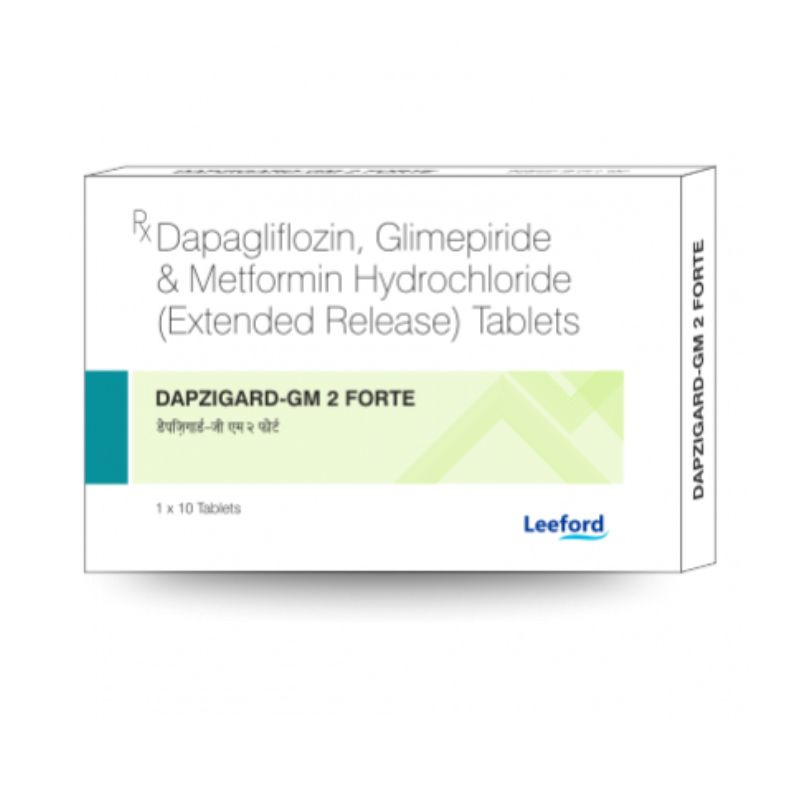
DAPZIGARD-GM 2 FORTE is a triple fixed-dose oral antidiabetic for adults with type 2 diabetes, intended for use when dual therapy or lower-dose options fail to adequately control blood sugar.
Uses / Indications
-
Type 2 diabetes mellitus: For robust control of elevated blood sugar, especially in patients not meeting targets on two-agent therapy.
-
Can reduce the risk of long-term diabetes complications: kidney disease, eye/nerve/heart problems, and vascular events.
How it Works / Key Benefits
-
Dapagliflozin: Enhances urinary glucose excretion by blocking SGLT2 in the kidney, lowering blood sugar and aiding weight loss, blood pressure reduction, and cardiovascular and kidney protection.
-
Glimepiride: Increases pancreatic insulin release, suppresses glucose output, and helps control post-meal sugar spikes.
-
Metformin (ER): Reduces hepatic glucose production and improves insulin sensitivity; extended release gives sustained, day-long sugar control with lower GI side effects.
-
Clinical studies show this triple combination produces significantly lower HbA1c and fasting/post-meal sugar than dual combinations or monotherapies, with similar safety.
Dosage & Administration
-
Take one tablet daily with a meal (usually breakfast or as directed); swallow whole—do not chew, crush, or split.
-
Maintain regular timing and do not skip meals to avoid hypoglycemia.
-
Consistent self-monitoring of blood sugar and kidney function tests advised throughout therapy.
Safety & Side Effects
-
Common: Hypoglycemia (sweating, shakiness, confusion), dizziness, weakness, headache, nausea, increased urination, genital yeast infection, mild swelling, flatulence, appetite loss.
-
Occasional/serious: Urinary tract infection, rare lactic acidosis (with metformin), dehydration, allergic reaction—seek immediate care for severe symptoms.
-
Avoid alcohol to decrease the risk of lactic acidosis and hypoglycemia; maintain good hygiene to minimize risk of genital infection.
-
Not for type 1 diabetes, diabetic ketoacidosis, advanced kidney/liver disease, pregnancy, or in children.
Note:
DAPZIGARD-GM 2 FORTE is a high-strength, comprehensive diabetes treatment and must be used as part of a holistic care plan (diet, exercise, and regular clinical monitoring) for best safety and effectiveness.
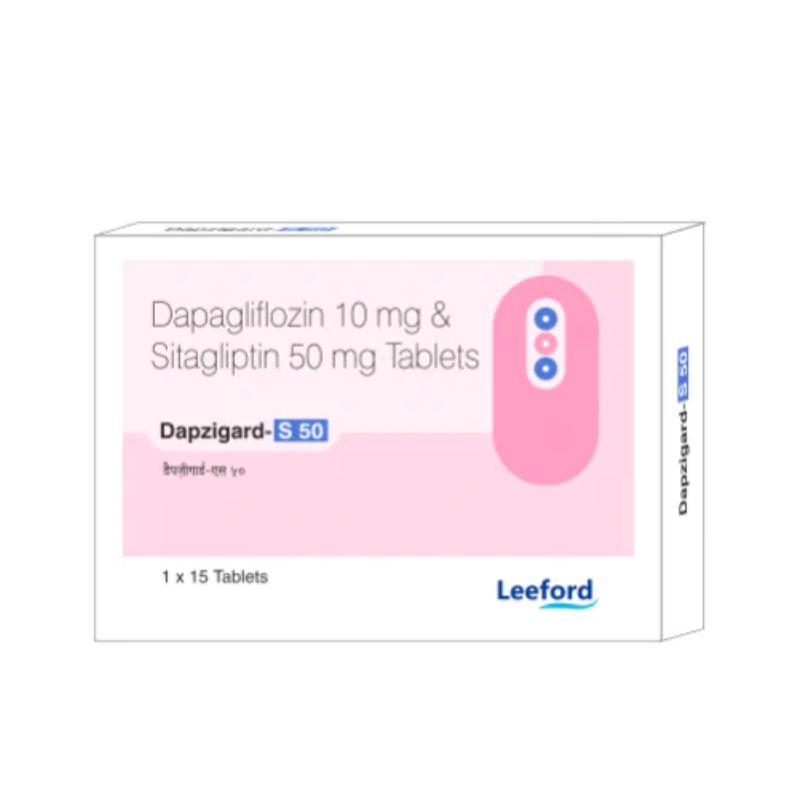
DAPZIGARD-S 50 Tablet is a dual oral antidiabetic for adults with type 2 diabetes mellitus, typically used when diet, exercise, and conventional single-agent or dual therapy are insufficient.
Uses / Indications
-
Type 2 diabetes mellitus: Improves blood sugar control in adults and is taken alongside diet and exercise, alone or with other oral antidiabetic agents.
-
Helps lower risk of long-term complications—eye, kidney, nerve, and vascular problems related to diabetes.
How it Works / Key Benefits
-
Dapagliflozin: SGLT2 inhibitor—removes excess glucose by increasing urinary excretion, lowers fasting and post-meal glucose, supports mild weight loss, and may offer heart/kidney protection.
-
Sitagliptin: DPP-4 inhibitor—boosts insulin release and reduces glucagon (post-meal), causing more natural sugar lowering without hypoglycemia (unless combined with insulin/sulfonylureas).
-
Effective dual action for a wider range of blood glucose control with lower hypoglycemia risk and no weight gain.
Dosage & Administration
-
One tablet daily—take at the same time each day, with or without food; swallow whole, don’t break, crush, or chew.
-
Do not stop or adjust dose without medical advice, as this risks poor blood sugar and complications.
-
Inform the doctor about all other medicines, supplements, and conditions before starting.
Safety & Side Effects
-
Common: Urinary/genital infection, increased urination, nasal congestion, sore throat, headache, dizziness, rashes.
-
Occasional/serious: Hypoglycemia (especially with insulin or sulfonylurea), dehydration, severe allergic reactions, pancreatitis (rare).
-
Good hydration and genital hygiene lower infection risk.
-
Not for patients with type 1 diabetes, diabetic ketoacidosis, severe kidney/liver failure, or pregnancy/breastfeeding—consult a doctor for advice.
Note:
DAPZIGARD-S 50 is part of a modern diabetes management program and requires adherence to healthy lifestyle and regular monitoring for best safety and results.
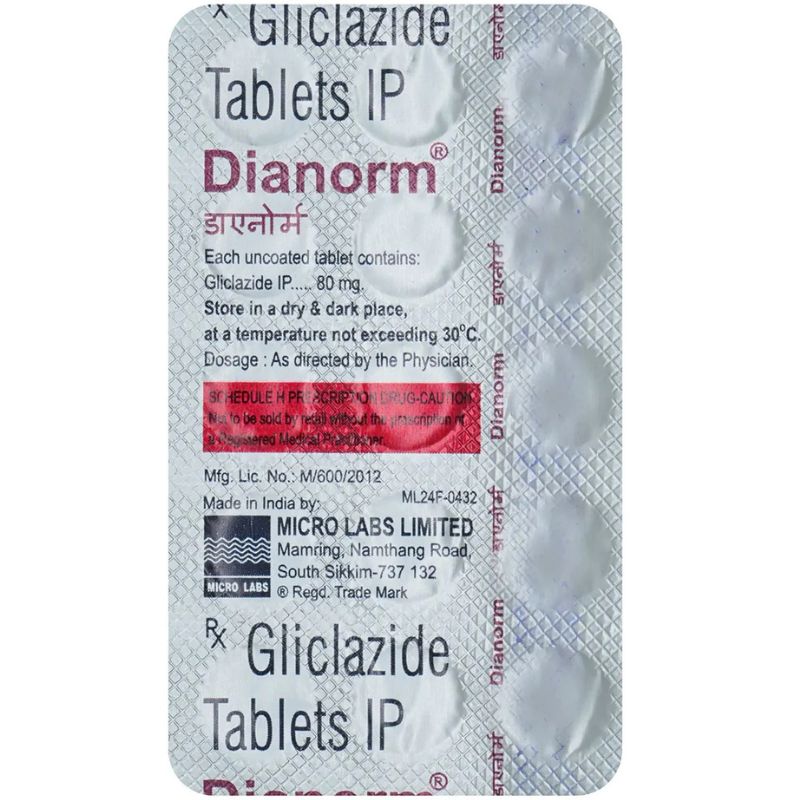
diaNORM 80mg Tablet is an oral antidiabetic medicine containing Gliclazide (80mg), which belongs to the sulfonylurea class of drugs. It is used to control high blood sugar levels in patients with Type 2 Diabetes Mellitus (non-insulin-dependent diabetes). Gliclazide works by stimulating the pancreas to produce more insulin and improving how the body utilizes it.
Regular use of diaNORM helps maintain blood sugar within normal limits and prevents long-term diabetes-related complications such as nerve damage, kidney failure, blindness, and heart problems. Along with medication, proper diet, regular exercise, and weight control are essential for effective diabetes management.
Uses:
-
Treatment of Type 2 Diabetes Mellitus
-
Helps in reducing and maintaining blood glucose levels
-
Prevents complications like neuropathy (nerve damage), retinopathy (eye damage), and nephropathy (kidney damage)
Dosage:
The dosage is individualized based on blood sugar levels and doctor’s recommendation. Usually taken once or twice daily, preferably before meals.
-
Swallow the tablet whole with water.
-
Take it at the same time each day to maintain steady insulin levels.
-
Avoid skipping meals after taking the tablet to prevent hypoglycemia (low blood sugar).
-
Do not stop the medicine abruptly without consulting your doctor.
How to Use:
Take diaNORM 80mg Tablet before food, ideally before breakfast and/or dinner, as directed by your doctor. Swallow it whole with a glass of water — do not crush or chew. Follow a balanced diet and engage in regular physical activity to achieve better blood sugar control. Monitor your blood sugar levels regularly while using this medication.
Precautions:
-
Avoid alcohol, as it can cause sudden drops in blood sugar.
-
Inform your doctor if you have liver, kidney, or heart disease.
-
Not suitable for patients with Type 1 Diabetes or diabetic ketoacidosis.
-
Pregnant and breastfeeding women should use only if prescribed.
-
Carry a source of sugar or glucose in case of hypoglycemia symptoms (sweating, trembling, hunger, dizziness, confusion).
-
Use with caution in elderly patients or those taking other antidiabetic drugs.
Side Effects:
Common: Low blood sugar, dizziness, headache, nausea, stomach upset, tiredness.
Serious (seek medical help): Severe hypoglycemia, yellowing of eyes/skin (liver problem), persistent vomiting, unusual weakness, allergic rash or swelling of the face/throat.
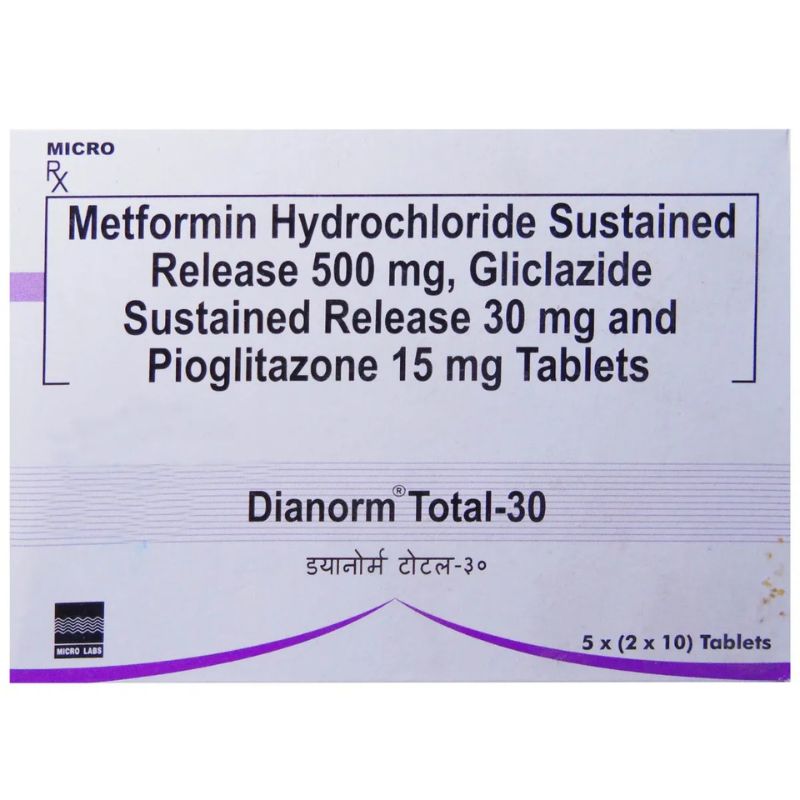
Dianorm Total 30 Tablet SR is a triple-drug antidiabetic medicine used to effectively manage Type 2 Diabetes Mellitus (non-insulin-dependent diabetes) in adults. It combines Gliclazide, Pioglitazone, and Metformin, three powerful agents that work through different mechanisms to maintain optimal blood sugar control and reduce the risk of diabetes-related complications.
-
Gliclazide (30mg): A sulfonylurea that increases insulin secretion from the pancreas.
-
Pioglitazone (15mg): A thiazolidinedione that improves insulin sensitivity in muscle and fat tissue, helping the body use insulin more efficiently.
-
Metformin (500mg): A biguanide that decreases glucose production in the liver and enhances the body’s response to insulin.
The “SR” (Sustained Release) formulation ensures the medicine releases slowly throughout the day, providing long-lasting blood sugar control with a single daily dose.
Uses:
-
Treatment of Type 2 Diabetes Mellitus
-
Helps control blood sugar levels when monotherapy or dual therapy is insufficient
-
Prevents diabetes-related complications such as nerve damage, kidney problems, vision loss, and heart disease
Dosage:
The dosage should be prescribed by your doctor based on your blood sugar levels, age, and overall health condition.
-
Usually taken once daily, preferably with breakfast or the first main meal of the day.
-
Swallow the tablet whole with a glass of water. Do not crush or chew the tablet.
-
Take it at the same time each day for the best results.
-
Avoid skipping meals after taking the medicine to prevent hypoglycemia (low blood sugar).
-
Continue taking it regularly — stopping suddenly may cause blood sugar spikes.
How to Use:
Take Dianorm Total 30 Tablet SR with or after meals to reduce gastric irritation. Swallow the tablet whole with water; do not crush or chew. Maintain a balanced diet, follow an exercise routine, and monitor your blood sugar regularly as directed by your doctor. Consistent use of the medicine helps achieve long-term blood sugar stability and prevents diabetic complications.
Precautions:
-
Avoid alcohol, as it may increase the risk of low blood sugar or lactic acidosis (a rare but serious side effect of Metformin).
-
Not recommended for patients with Type 1 Diabetes or diabetic ketoacidosis.
-
Avoid use in those with severe liver, kidney, or heart disease.
-
Use with caution in patients with fluid retention or heart failure, due to Pioglitazone.
-
Pregnant and breastfeeding women should use only under medical advice.
-
Monitor blood sugar regularly and carry a glucose source (like sugar candies) to treat sudden hypoglycemia symptoms such as sweating, shakiness, or confusion.
Side Effects:
Common: Nausea, vomiting, diarrhea, stomach upset, headache, dizziness, mild weight gain, or swelling in legs and feet.
Occasional: Low blood sugar (hypoglycemia), fatigue, or metallic taste.
Serious (seek immediate help): Signs of lactic acidosis (muscle pain, extreme tiredness, trouble breathing), liver problems (yellowing of skin/eyes), or severe allergic reactions (rash, itching, swelling).
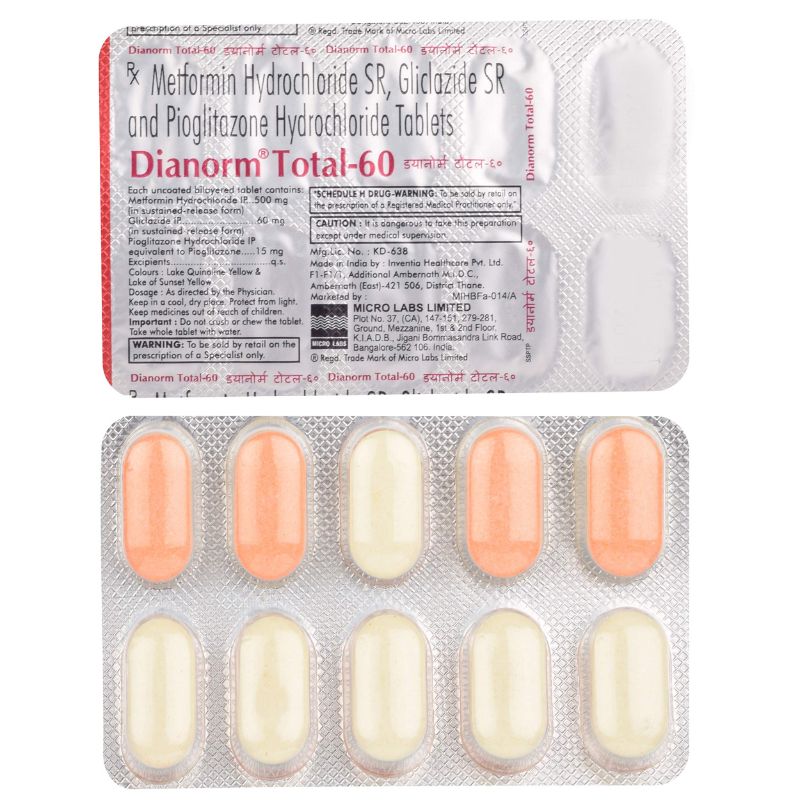
Dianorm Total 60 Tablet SR is a triple-combination antidiabetic medicine designed for the effective management of Type 2 Diabetes Mellitus in adults. It contains Gliclazide, Pioglitazone, and Metformin, which work together to control blood sugar levels by targeting different mechanisms of glucose regulation.
-
Gliclazide (60mg): A sulfonylurea that stimulates the pancreas to release more insulin.
-
Pioglitazone (15mg): A thiazolidinedione that improves insulin sensitivity in muscle and fat cells, helping the body use insulin more efficiently.
-
Metformin (500mg): A biguanide that reduces glucose production in the liver and improves the body’s response to insulin.
The “SR” (Sustained Release) formulation ensures the medicine is released gradually, maintaining stable blood sugar control throughout the day and reducing the risk of sudden sugar fluctuations.
Uses:
-
Treatment of Type 2 Diabetes Mellitus (non-insulin-dependent diabetes)
-
Helps control blood glucose levels when diet, exercise, or single-drug therapy are inadequate
-
Prevents diabetes-related complications such as neuropathy, nephropathy, retinopathy, heart disease, and stroke
Dosage:
The dosage is individualized based on the patient’s blood sugar levels, response to therapy, and doctor’s recommendation.
-
Usually taken once daily with breakfast or the first main meal.
-
Swallow the tablet whole with water — do not crush or chew.
-
Take it at the same time every day to ensure consistent blood sugar control.
-
Do not skip meals after taking the tablet, as it may cause hypoglycemia (low blood sugar).
-
Do not stop this medicine without consulting your doctor.
How to Use:
Take Dianorm Total 60 Tablet SR with or immediately after meals to minimize stomach irritation. Swallow it whole with a full glass of water. Because it’s a sustained-release (SR) tablet, it provides a slow, consistent release of medicine to maintain effective blood sugar control throughout the day. Combine this medication with a healthy diet, regular exercise, and blood sugar monitoring for optimal results.
Precautions:
-
Avoid alcohol, as it can increase the risk of low blood sugar and lactic acidosis.
-
Inform your doctor if you have liver, kidney, or heart problems.
-
Not suitable for patients with Type 1 Diabetes or diabetic ketoacidosis.
-
Avoid use in severe heart failure, liver disease, or kidney impairment.
-
Pregnant or breastfeeding women should take this medicine only if prescribed.
-
Monitor your blood sugar regularly and watch for symptoms of hypoglycemia such as sweating, dizziness, trembling, or hunger.
-
Use cautiously if you are taking other antidiabetic medicines.
Side Effects:
Common: Nausea, vomiting, stomach discomfort, diarrhea, dizziness, headache, weight gain, or swelling due to fluid retention.
Occasional: Low blood sugar, tiredness, metallic taste, or mild stomach upset.
Serious (seek medical help): Signs of lactic acidosis (muscle pain, rapid breathing, severe weakness), liver dysfunction (yellowing of eyes/skin), or severe allergic reactions (rash, itching, swelling).