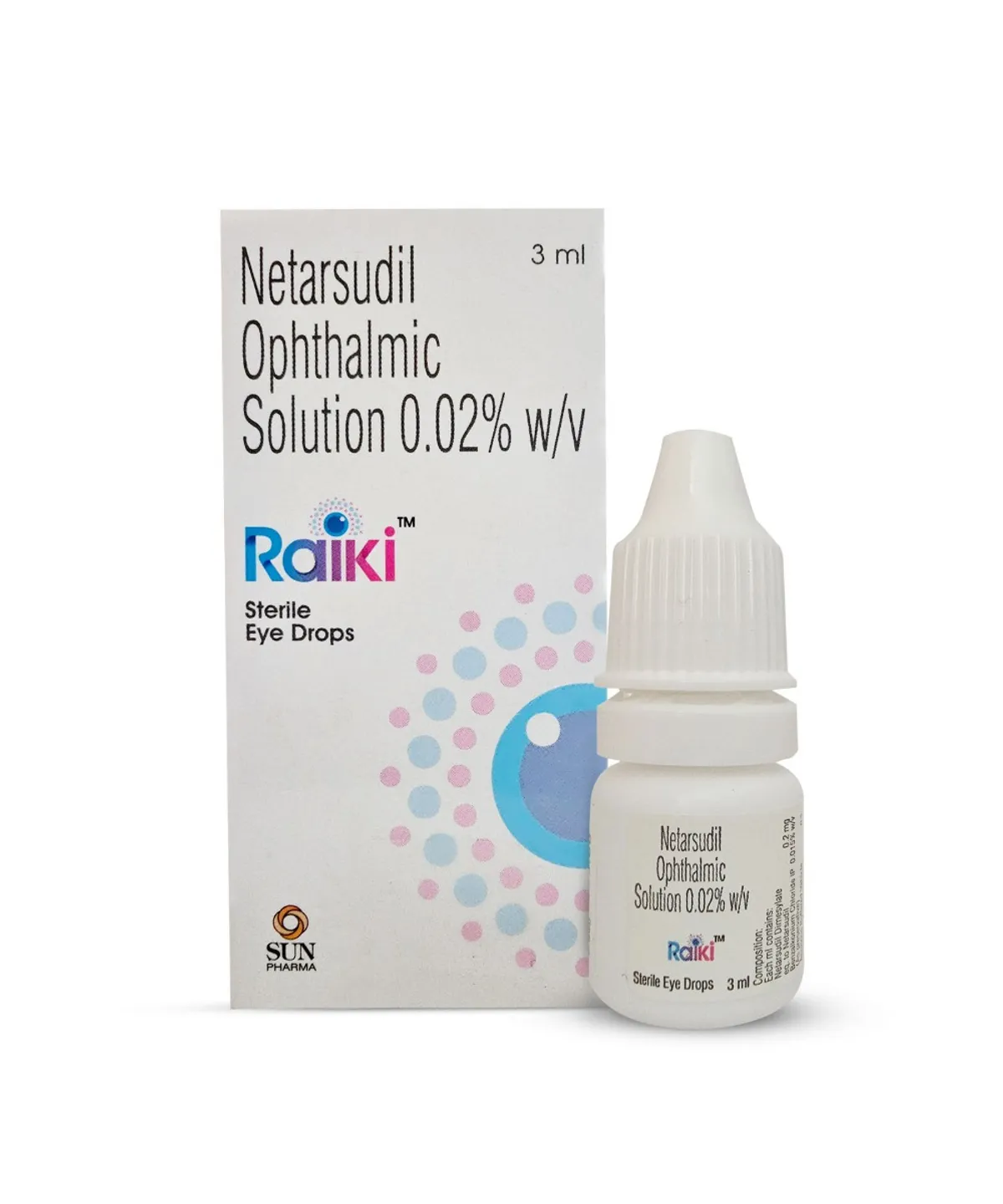
Raiki 0.02% Eye Drop contains Netarsudil (0.02% w/v), a medication used to lower intraocular pressure (IOP) in patients with open-angle glaucoma or ocular hypertension. It works by increasing the outflow of fluid from the eye, helping to reduce pressure and prevent damage to the optic nerve.
Uses:
-
Management of open-angle glaucoma
-
Treatment of ocular hypertension
-
Helps reduce intraocular pressure to prevent optic nerve damage
How to Use:
Instill 1 drop in the affected eye(s) once daily, preferably in the evening. Wash hands before use and avoid touching the tip of the dropper to the eye or any surface.
Dosage:
Precautions:
-
Avoid contact with eyes if allergic to Netarsudil or other ingredients.
-
Remove contact lenses before application; wait at least 15 minutes before reinserting.
-
Do not use with other eye drops unless advised by your doctor.
-
Store in a cool, dry place and keep out of reach of children.
Side Effects:
-
Mild eye redness or irritation
-
Eye discomfort or itching
-
Blurred vision temporarily
-
Rare: eye pain, swelling, or allergic reactions

Soha Eye Drop is a lubricant eye solution used to relieve dryness, irritation, and discomfort in the eyes. Sodium Hyaluronate helps retain moisture on the eye surface, providing long-lasting hydration and protection for sensitive or dry eyes.
Uses:
Dosage & How to Use:
-
Instill 1–2 drops in the affected eye(s) as needed, or as directed by a doctor
-
Wash hands before use
-
Avoid touching the tip of the dropper to the eye or any surface
Precautions:
-
Do not use if the solution changes color or becomes cloudy
-
Remove contact lenses before use unless the product is labeled safe for lenses
-
Consult a doctor if symptoms persist or worsen
Side Effects:
-
Mild stinging or burning may occur temporarily
-
Rarely, allergic reactions such as redness or swelling

Soha Liquigel is a lubricant eye gel used to relieve moderate to severe dry eyes and irritation. With a higher concentration of Sodium Hyaluronate (0.18%), it provides longer-lasting hydration, soothing, and protection to the eye surface, especially in cases of persistent dryness.
Uses:
-
Relieves moderate to severe dry eyes
-
Soothes irritation, redness, and discomfort
-
Provides prolonged hydration for sensitive eyes
Dosage & How to Use:
-
Apply 1–2 drops in the affected eye(s) 2–4 times daily, or as directed by a doctor
-
Wash hands before application
-
Avoid touching the tip of the dropper to the eye or any surface
Precautions:
-
Do not use if solution changes color or consistency
-
Remove contact lenses before use unless specified as safe for lenses
-
Consult an eye doctor if symptoms persist or worsen
Side Effects:
Uses:
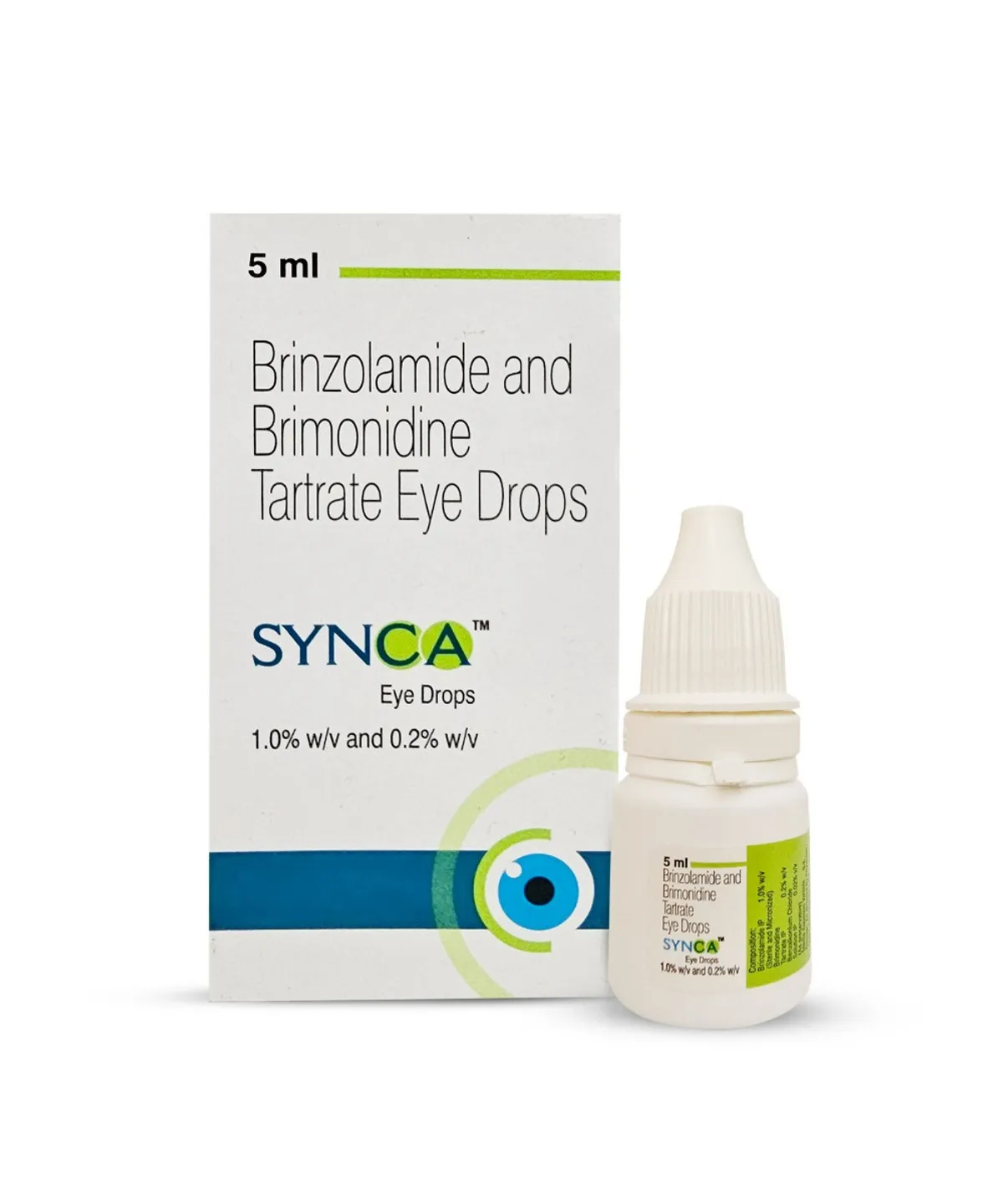
Synca Eye Drop is a prescription ophthalmic medication used to lower elevated intraocular pressure (IOP) in patients with glaucoma or ocular hypertension. It contains Brinzolamide and Brimonidine, two active agents that work together to decrease fluid production and improve drainage in the eye, thereby reducing pressure and preventing damage to the optic nerve. Regular use helps protect vision and prevent progressive vision loss caused by high eye pressure.
How to Use:
Use Synca Eye Drop exactly as prescribed by your ophthalmologist.
-
Wash your hands thoroughly before and after using the drops.
-
Tilt your head back and gently pull down the lower eyelid to create a small pocket.
-
Instill the prescribed number of drops into the affected eye(s).
-
Close your eyes for a minute or two and press lightly on the corner of your eye (near the nose) to prevent the medicine from draining away.
-
Avoid touching the dropper tip to any surface, including the eye, to prevent contamination.
If you are using other eye medications, maintain at least a 5–10 minute gap between applications.
Precautions:
-
Do not use Synca Eye Drop if you are allergic to Brinzolamide, Brimonidine, or any of the other ingredients.
-
Inform your doctor if you have kidney, liver, or heart disease, or a history of depression or low blood pressure.
-
Use with caution if you are taking medications for high blood pressure, heart conditions, or antidepressants.
-
Avoid alcohol and driving immediately after using the drops, as it may cause temporary blurred vision or dizziness.
-
Not recommended for use in children unless advised by a doctor.
Dosage:
The typical recommended dosage is one drop in the affected eye(s) twice daily, or as directed by your doctor. Use it consistently for the best results. Do not skip doses or stop using it suddenly without consulting your ophthalmologist, as this may increase eye pressure again.
Side Effects:
Common side effects of Synca Eye Drop may include:
-
Temporary blurred vision
-
Eye redness or irritation
-
Dry eyes or watery eyes
-
Burning or stinging sensation after application
-
Headache or drowsiness (in some cases)
If side effects persist or worsen, or if you experience symptoms like severe eye pain, swelling, or vision changes, seek immediate medical attention.
Uses:
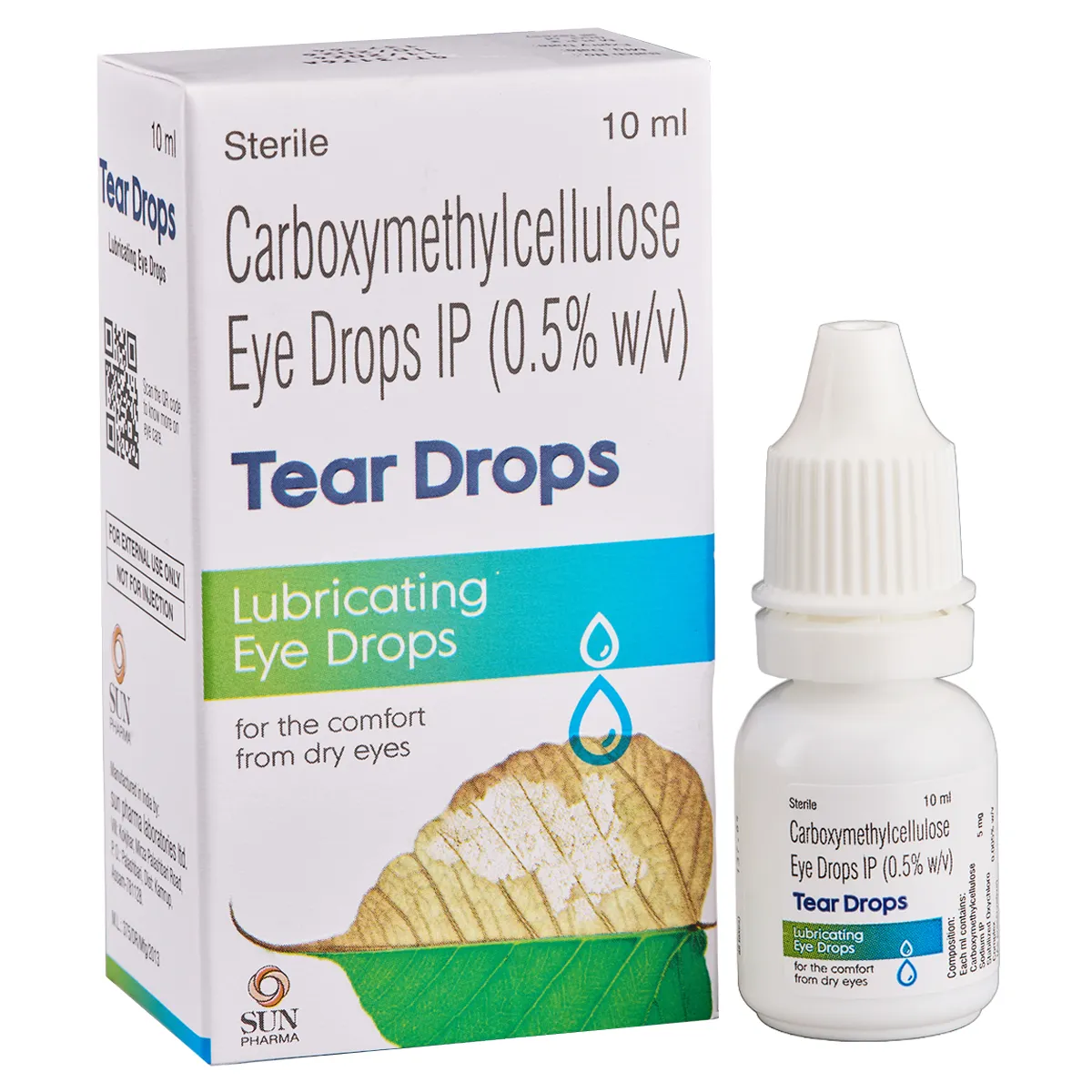
Tear Drops containing Carboxymethylcellulose (0.5% w/v) are used to relieve dry eyes and associated discomfort. They act as artificial tears to lubricate the eyes, reduce irritation, burning, and stinging, and provide moisture to the ocular surface. These drops are suitable for individuals experiencing dryness due to prolonged screen use, environmental factors, contact lens wear, or age-related tear deficiency.
How to Use:
-
Wash your hands thoroughly before use.
-
Tilt your head back and gently pull down the lower eyelid to form a small pocket.
-
Instill the prescribed number of drops into the affected eye(s).
-
Close your eyes gently for 1–2 minutes. Avoid touching the dropper tip to your eye or any surface to prevent contamination.
-
If using other eye drops, wait at least 5–10 minutes before applying Tear Drops.
Precautions:
-
For external ophthalmic use only.
-
Avoid touching the dropper tip to your eyes or any surface.
-
Remove contact lenses before using, unless your doctor advises otherwise.
-
Do not use if the solution changes color or appears cloudy.
-
Consult a doctor if you have eye infections, allergies, or persistent irritation.
-
Keep out of reach of children.
Dosage:
Use as directed by your doctor or as needed to relieve dryness and irritation. Usually, 1–2 drops in the affected eye(s) several times a day. Adjust frequency based on symptom relief.
Side Effects:
Tear Drops are generally well-tolerated. Mild side effects may include:
If persistent redness, swelling, or severe discomfort occurs, discontinue use and consult a doctor immediately.

Uses:
Tear Drops Gel is a prescription ophthalmic gel used to relieve dry eyes and associated irritation. It combines Carboxymethylcellulose (1%), which acts as a lubricant and moisture-retaining agent, with Oxychloro Complex (0.0075%), which helps cleanse the ocular surface and provides antimicrobial protection. The gel is particularly beneficial for people experiencing severe or chronic dry eye symptoms, eye irritation from environmental factors, or discomfort from prolonged screen use.
How to Use:
-
Wash your hands thoroughly before use.
-
Tilt your head back and gently pull down the lower eyelid to create a small pocket.
-
Instill the prescribed amount of gel into the affected eye(s).
-
Close your eyes gently and blink to distribute the gel evenly. Avoid touching the dropper tip to your eye or any surface to prevent contamination.
-
If using other eye medications, wait at least 10–15 minutes before applying the gel.
Precautions:
-
For external ophthalmic use only.
-
Do not touch the dropper tip to your eye or any surface.
-
Remove contact lenses before using the gel unless your doctor advises otherwise.
-
Avoid using if the solution appears discolored or cloudy.
-
Consult a doctor if you have eye infections, allergies, or persistent irritation.
-
Keep out of reach of children.
Dosage:
Use as prescribed by your doctor. Typically, 1–2 applications in the affected eye(s) per day, or as directed, depending on the severity of dryness and irritation. Adjust frequency based on symptom relief.
Side Effects:
The gel is generally well-tolerated. Mild side effects may include:
Discontinue use and consult a doctor if severe redness, swelling, or persistent discomfort occurs.

Uses:
Timolet Eye Drop is used to reduce elevated intraocular pressure (IOP) in patients with glaucoma or ocular hypertension. It contains Timolol (0.5% w/v), a non-selective beta-adrenergic blocker that decreases the production of aqueous humor in the eye, helping to lower eye pressure and reduce the risk of optic nerve damage.
How to Use:
-
Wash your hands before use.
-
Tilt your head back and gently pull down the lower eyelid to form a small pocket.
-
Instill 1 drop into the affected eye(s) as prescribed.
-
Close your eyes gently and press lightly on the inner corner of the eye for 1–2 minutes to prevent drainage.
-
Avoid touching the dropper tip to your eye or any surface to prevent contamination.
-
If using other eye drops, wait at least 5–10 minutes between applications.
Precautions:
-
For ophthalmic use only.
-
Inform your doctor if you have heart disease, asthma, chronic obstructive pulmonary disease (COPD), or diabetes.
-
Do not use in case of known allergy to Timolol or other beta-blockers.
-
Use caution if pregnant or breastfeeding; only use under medical supervision.
-
Avoid driving or operating machinery if vision is temporarily blurred after application.
Dosage:
Typically, 1 drop in the affected eye(s) twice daily, or as prescribed by your ophthalmologist. Follow the prescribed schedule strictly to maintain optimal eye pressure control.
Side Effects:
Common side effects may include:
Serious side effects (rare) requiring immediate medical attention:
-
Slow heart rate, dizziness, or fainting
-
Shortness of breath, wheezing, or severe asthma attacks
-
Swelling of face, lips, or eyes
Uses:
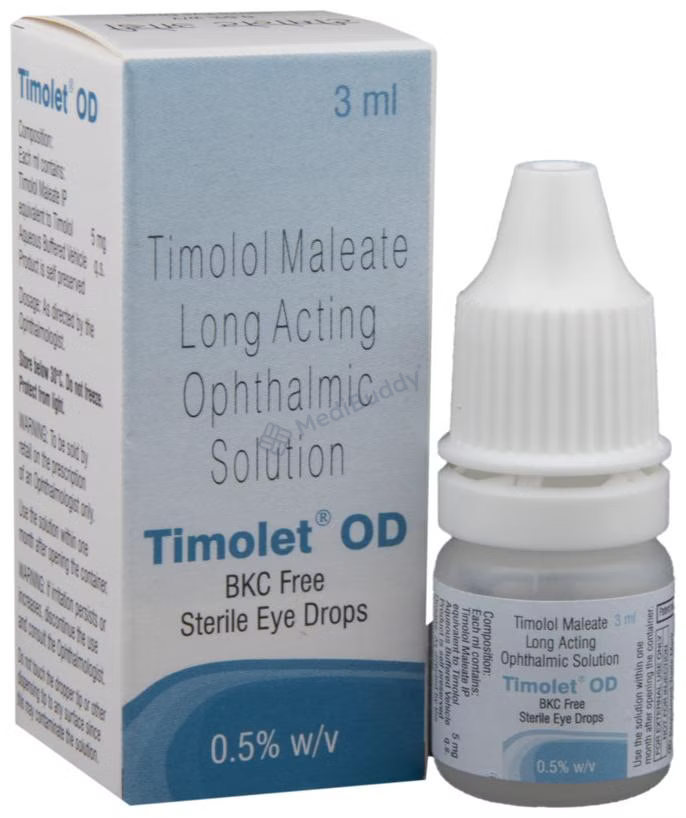
Timolet OD Eye Drops are used to lower elevated intraocular pressure (IOP) in patients with glaucoma or ocular hypertension. The active ingredient Timolol (0.5% w/v) is a non-selective beta-adrenergic blocker that reduces the production of aqueous humor in the eye, helping to protect the optic nerve and prevent vision loss.
How to Use:
-
Wash your hands thoroughly before use.
-
Tilt your head back and gently pull down the lower eyelid to form a small pocket.
-
Instill 1 drop into the affected eye(s) as prescribed.
-
Close your eyes gently and press lightly on the inner corner for 1–2 minutes to prevent drainage.
-
Avoid touching the dropper tip to your eye or any surface to prevent contamination.
-
If using multiple eye medications, wait at least 5–10 minutes between applications.
Precautions:
-
For ophthalmic use only.
-
Inform your doctor if you have heart disease, asthma, COPD, diabetes, or any eye infections.
-
Avoid use if allergic to Timolol or other beta-blockers.
-
Use with caution in pregnancy or breastfeeding, only under medical supervision.
-
Temporary blurred vision may occur; avoid driving or operating machinery immediately after application.
Dosage:
Typically, 1 drop in the affected eye(s) once daily (OD), or as directed by your ophthalmologist. Follow the prescribed schedule strictly to maintain optimal intraocular pressure control.
Side Effects:
Common side effects may include:
Serious side effects (rare) requiring immediate medical attention:
-
Slow heart rate, dizziness, or fainting
-
Shortness of breath or severe asthma attack
-
Swelling of face, lips, or eyes
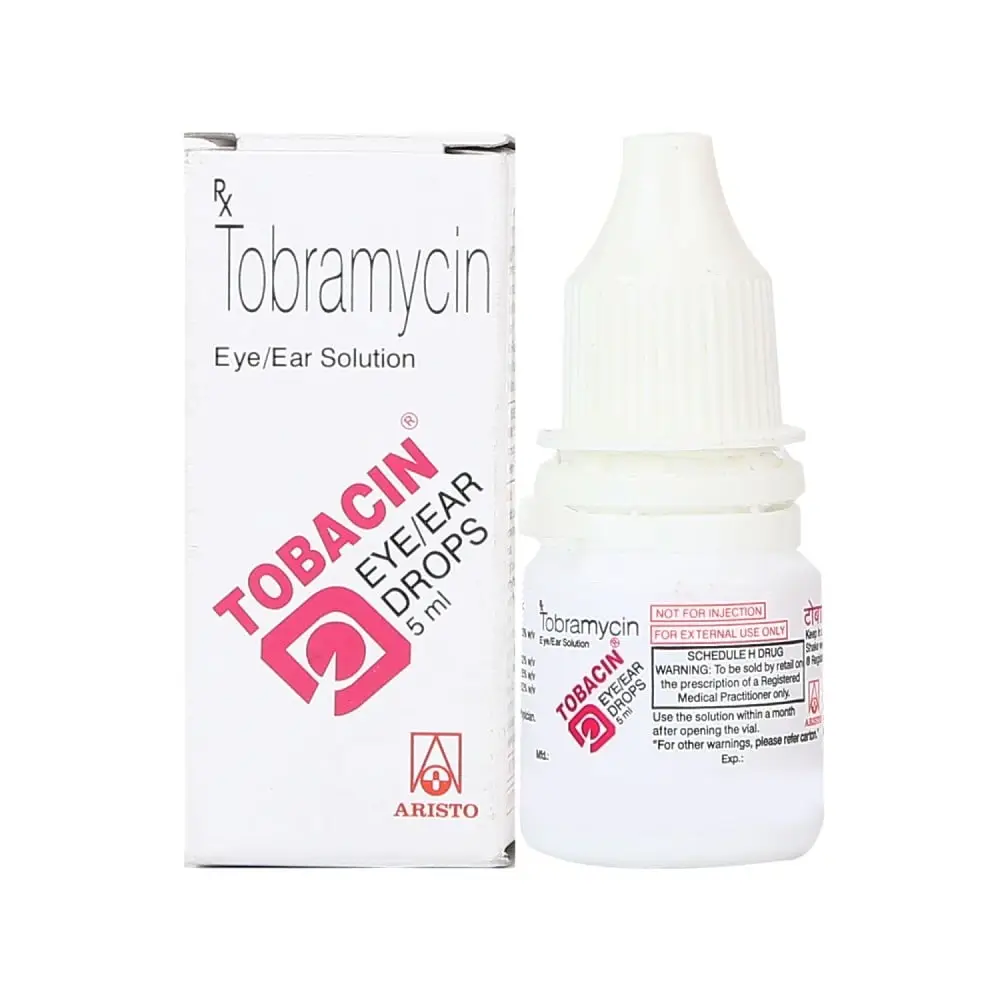
Tobacin Eye/Ear Drops contain Tobramycin, an aminoglycoside antibiotic used to treat bacterial infections of the eye or ear. It works by inhibiting the growth of susceptible bacteria, helping to clear infections and reduce inflammation.
Uses / Indications:
-
Treatment of bacterial conjunctivitis (eye infection)
-
Management of external ear infections caused by susceptible bacteria
-
Relief from associated redness, irritation, or discharge
Dosage:
-
Eye Drops: Instill 1–2 drops into the affected eye every 4–6 hours, or as prescribed
-
Ear Drops: Instill the recommended number of drops into the affected ear as directed
-
Use for the full course as prescribed by a healthcare professional
Side Effects:
-
Mild burning or stinging sensation
-
Temporary blurred vision (for eye drops)
-
Rare allergic reactions (rash, swelling, itching)
Precautions:
-
Do not touch the dropper tip to any surface to avoid contamination
-
Avoid contact with eyes when using ear drops and vice versa
-
Inform your doctor if you have kidney issues or are allergic to aminoglycosides
Storage:
-
Store in a cool, dry place, protected from light
-
Keep out of reach of children
-
Discard after the expiry date
Vovax Ear Drop is a combination medication used for the treatment of ear pain, ear infections, and wax buildup. It contains Benzocaine, a local anesthetic that helps relieve pain; Chlorbutol, which acts as an antiseptic and preservative; Paradichlorobenzene, which softens hardened ear wax; and Turpentine Oil, which helps reduce inflammation and discomfort. Together, these ingredients provide quick relief from earache, itching, congestion, and wax-related issues.
Uses:
-
Relief from ear pain and inflammation
-
Treatment of earwax blockage (cerumen impaction)
-
Helps soften and remove hardened earwax
-
Reduces itching, irritation, and minor ear infections
How to Use:
-
Use as directed by your doctor or as mentioned on the label.
-
Tilt your head to one side and instill 2–3 drops into the affected ear.
-
Keep your head tilted for a few minutes to allow the medicine to work.
-
Do not insert any objects (like cotton buds) into the ear after application.
Dosage:
-
Usually, 2–3 drops two to three times daily or as advised by your physician.
-
Continue the treatment for the recommended duration for best results.
Precautions:
-
For external use only. Do not swallow or apply to broken skin.
-
Avoid use if you have a perforated eardrum or ear discharge unless prescribed by a doctor.
-
Inform your doctor if you experience severe pain, swelling, or persistent infection.
-
Keep out of reach of children and store in a cool, dry place away from direct sunlight.
Side Effects:
-
Mild burning or irritation at the application site
-
Temporary stinging or redness
-
Allergic reaction (rare)
-
Prolonged use may cause dryness or irritation inside the ear canal