Uses:
KORANdil 5 Tablet is used for the management of angina pectoris (chest pain). It helps in:
-
Reducing the frequency and severity of angina attacks
-
Improving blood flow to the heart muscle
-
Relieving symptoms of chest discomfort caused by coronary artery disease
-
Supporting heart function and reducing oxygen demand on the heart
Dosage:
The usual recommended dose is one tablet once or twice daily, or as prescribed by the doctor. Dosage may be adjusted based on patient response and tolerance.
How to Use:
Take the tablet orally with water, preferably at the same time each day. It can be taken with or without food. Swallow the tablet whole; do not crush or chew.
Precaution:
-
Inform your doctor if you have low blood pressure, severe heart problems, or liver/kidney issues
-
Avoid alcohol as it may worsen side effects
-
Pregnant or breastfeeding women should only use this medicine if prescribed by a doctor
-
Regular monitoring of blood pressure and heart function may be advised
Side Effects:
Common side effects may include headache, dizziness, flushing, or mild nausea. Rarely, severe low blood pressure, fainting, or allergic reactions may occur. Seek immediate medical attention if you experience worsening chest pain, severe dizziness, or swelling.
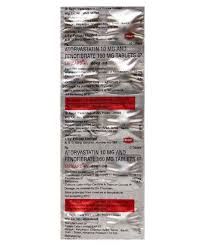
About Lipicard-AV Tablet
Lipicard-AV Tablet is a lipid-lowering medicine used to treat high cholesterol and high triglyceride levels in the blood.
It helps reduce the risk of heart disease, heart attack, and stroke by improving lipid profiles.
The combination of Atorvastatin (a statin) and Fenofibrate (a fibrate) provides a dual mechanism to control cholesterol and triglycerides effectively.
How It Works
-
Atorvastatin (10mg): Belongs to the statin class of drugs. It works by inhibiting the HMG-CoA reductase enzyme, which reduces cholesterol synthesis in the liver and lowers LDL (“bad” cholesterol) and total cholesterol.
-
Fenofibrate (160mg): Belongs to the fibrate class. It increases the natural enzyme lipoprotein lipase, which helps break down triglycerides and increases HDL (“good” cholesterol).
Together, these actions help improve the lipid balance and reduce cardiovascular risk.
Uses
-
Treatment of mixed dyslipidemia (high cholesterol + triglycerides)
-
Reduces LDL cholesterol, triglycerides, and total cholesterol
-
Increases HDL cholesterol (good cholesterol)
-
Lowers the risk of atherosclerosis, heart attack, and stroke
Directions for Use
-
Take one tablet daily, preferably after the evening meal or as directed by your doctor.
-
Swallow the tablet whole with water.
-
Maintain a low-fat diet, exercise routine, and healthy lifestyle for best results.
Side Effects
Common side effects may include:
Seek medical advice immediately if you experience severe muscle pain, dark urine, or yellowing of eyes/skin.
Precautions
-
Avoid alcohol as it increases the risk of liver problems.
-
Use cautiously in patients with liver, kidney, or gallbladder disease.
-
Regular monitoring of lipid profile, liver function, and muscle enzymes (CPK) is recommended.
-
Not recommended during pregnancy or breastfeeding.
-
Avoid taking with other cholesterol-lowering agents (like gemfibrozil) unless prescribed.
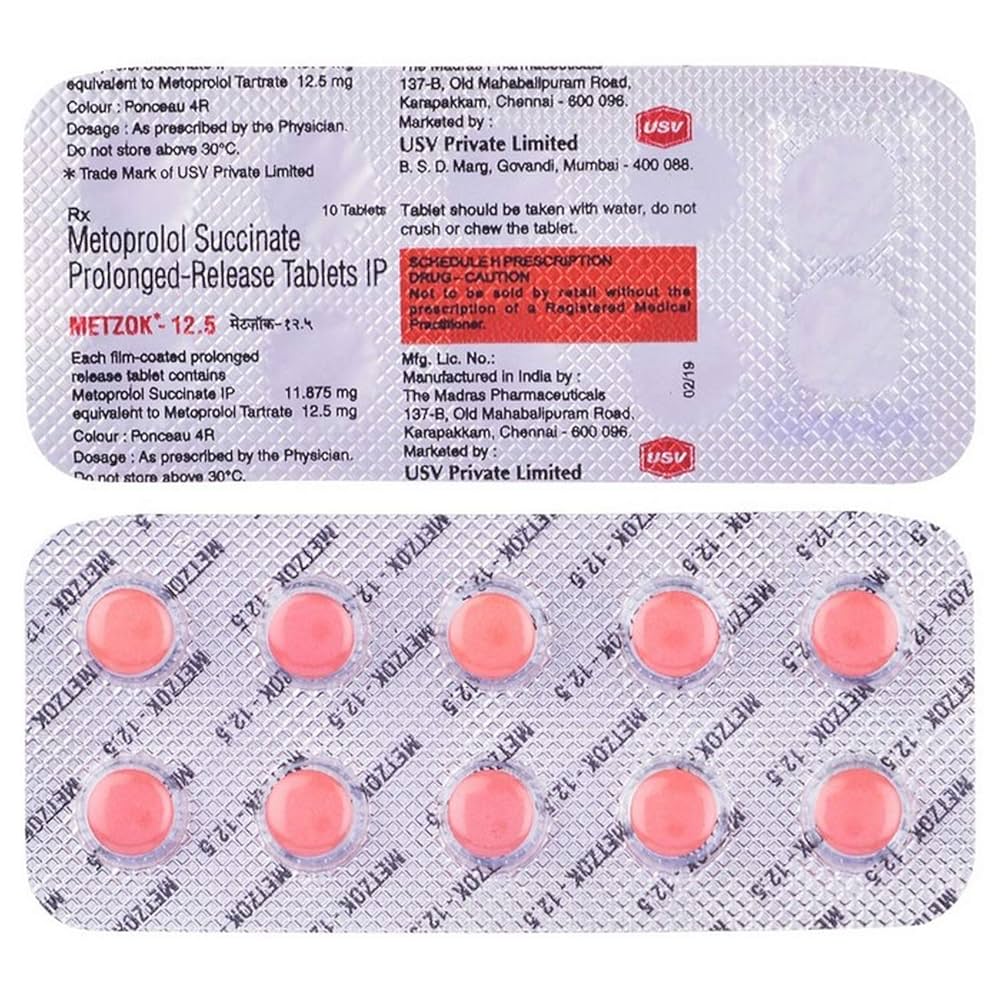
About Metzok 12.5 Tablet:
Metzok 12.5 Tablet contains Metoprolol Succinate, a selective beta-1 adrenergic receptor blocker. It is used for mild hypertension, angina, and early-stage heart conditions. It helps reduce cardiac workload and oxygen demand, supporting overall heart health.
How It Works:
Metoprolol selectively blocks beta-1 receptors in the heart, which:
-
Slows down the heart rate
-
Reduces the force of heart contraction
-
Lowers blood pressure
-
Decreases oxygen demand on the heart
Uses:
-
Management of mild to moderate hypertension
-
Prevention and treatment of angina
-
Supportive therapy in heart conditions requiring beta-blockers
-
Reduces the risk of heart attacks and other cardiovascular complications
Directions for Use:
-
Take once daily, preferably at the same time each day, with or after food.
-
Swallow the tablet whole with water; do not crush or chew.
-
Follow a healthy lifestyle, diet, and exercise regimen as advised by your physician.
Side Effects:
Common side effects may include:
Seek medical attention if you experience severe dizziness, fainting, irregular heartbeat, or shortness of breath.
Precautions:
-
Inform your doctor if you have heart block, asthma, or severe liver/kidney issues.
-
Do not stop medication suddenly; taper under medical supervision.
-
Not recommended during pregnancy or breastfeeding unless prescribed.
-
Monitor blood pressure and heart rate regularly.

Monotrate 10 Tablet is a prescription medicine used for the prevention and treatment of angina pectoris (chest pain due to heart disease). It contains Isosorbide Mononitrate, a nitrate that works by relaxing and widening blood vessels, allowing better blood and oxygen supply to the heart muscle. This helps reduce chest pain and strain on the heart.
Uses:
-
Prevention and long-term management of angina (chest pain)
-
Treatment of coronary artery disease
-
Reduces the risk of heart-related complications by improving blood supply
How to Use:
-
Take the tablet as prescribed by your doctor, usually once or twice daily.
-
Swallow whole with a glass of water; do not crush or chew.
-
Take at the same time each day for best results.
Dosage:
Precautions:
-
Inform your doctor if you have low blood pressure, anemia, or a history of heart failure.
-
Avoid alcohol as it may increase dizziness or cause severe drop in blood pressure.
-
Not suitable for patients taking medicines for erectile dysfunction (like sildenafil, tadalafil).
-
Caution is advised in pregnancy and breastfeeding.
Possible Side Effects:
-
Headache (very common at the start of therapy)
-
Dizziness or lightheadedness
-
Low blood pressure
-
Flushing (warmth, redness)
-
Nausea or vomiting

Monotrate 20 Tablet is a prescription medicine used in the prevention and long-term treatment of angina pectoris (chest pain due to heart disease). It contains Isosorbide Mononitrate, a nitrate medicine that relaxes and widens blood vessels, improving the oxygen and blood supply to the heart. This helps reduce chest pain and lowers strain on the heart.
Uses:
-
Prevention of angina (chest pain)
-
Treatment of coronary artery disease
-
Reducing the risk of heart complications by improving blood flow to the heart
How to Use:
-
Take the tablet in the dose and duration advised by your doctor.
-
Swallow whole with a glass of water; do not crush or chew.
-
Take at the same time every day for best results.
Dosage:
-
Dose will be decided by your doctor based on your health condition and response.
-
Do not stop treatment suddenly without consulting your doctor, as it may worsen angina.
Precautions:
-
Inform your doctor if you have low blood pressure, anemia, or a history of heart failure.
-
Avoid alcohol consumption as it may cause excessive low blood pressure and dizziness.
-
Do not take with erectile dysfunction medicines (like sildenafil, tadalafil) as it can cause dangerous fall in blood pressure.
-
Use with caution during pregnancy and breastfeeding.
Possible Side Effects:
-
Headache (common, especially when starting treatment)
-
Dizziness or fainting
-
Low blood pressure
-
Flushing (feeling warm, redness)
-
Nausea or vomiting

Omnitan 25 Tablet contains Losartan (25mg), an angiotensin receptor blocker (ARB) used to manage high blood pressure (hypertension), heart failure, and to lower the risk of heart attack and stroke. It also helps protect kidney function in patients with diabetes.
It works by relaxing blood vessels, making it easier for blood to flow and for the heart to pump efficiently. This helps reduce strain on the heart and lowers blood pressure.
How to take:
Omnitan 25 Tablet can be taken with or without food, preferably at the same time every day. It is usually prescribed alone or along with other medicines for better blood pressure control. Do not stop taking it suddenly without consulting your doctor, even if you feel well.
Common Side Effects:
Dizziness, low blood pressure, mild headache, high potassium levels, low blood sugar, and increased blood urea. These effects are generally temporary, but consult your doctor if they persist or worsen.
Safety Advice:
-
Alcohol: Avoid alcohol while on this medicine as it may increase the risk of dizziness or low blood pressure.
-
Pregnancy: Unsafe during pregnancy; can harm the unborn baby.
-
Breastfeeding: Probably safe if prescribed.
-
Kidney: Safe for most kidney patients but regular monitoring is recommended.
-
Liver: Use with caution in liver problems; not recommended in severe liver disease.
Note: Along with medication, lifestyle changes like a healthy diet, reducing salt intake, regular exercise, avoiding smoking, and limiting alcohol are important for better blood pressure control.

Omnitan 50 Tablet contains Losartan (50mg), an angiotensin receptor blocker (ARB) used to manage high blood pressure (hypertension), heart failure, and to lower the risk of heart attack and stroke. It also helps protect kidney function in patients with diabetes.
This medicine works by relaxing blood vessels, making it easier for blood to flow and for the heart to pump more efficiently. As a result, it lowers blood pressure and reduces strain on the heart.
How to take:
Omnitan 50 Tablet can be taken with or without food, preferably at the same time every day. It may be prescribed alone or in combination with other medicines. Do not stop taking it suddenly without consulting your doctor, even if you feel well.
Common side effects:
Dizziness, low blood pressure, mild headache, high potassium levels, low blood sugar, and increased blood urea. Most side effects are temporary, but consult your doctor if they persist.
Safety advice:
-
Alcohol: Avoid alcohol as it may increase dizziness or lower blood pressure.
-
Pregnancy: Unsafe during pregnancy; may harm the unborn baby.
-
Breastfeeding: Probably safe if prescribed.
-
Kidney: Safe in kidney disease but regular monitoring is recommended.
-
Liver: Use with caution in liver problems; not recommended in severe liver disease.
Note: Along with medication, lifestyle changes such as regular exercise, reducing salt intake, avoiding smoking, limiting alcohol, and maintaining a healthy weight can further help control blood pressure.
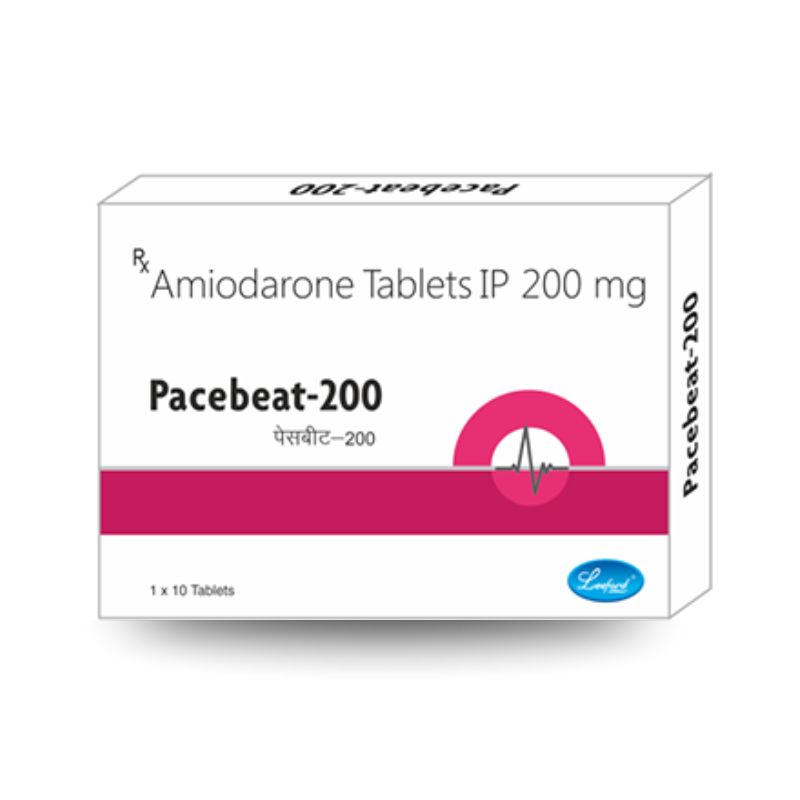
PACEBEAT-200 is a prescription antiarrhythmic tablet containing amiodarone hydrochloride 200 mg, used to treat and prevent serious heart rhythm disturbances. It is supplied in strip packaging, and is generally a higher-dose option for chronic arrhythmia management or acute therapy build-up.
Clinical Uses
-
Treatment and prevention of life-threatening ventricular arrhythmias (ventricular tachycardia, ventricular fibrillation).
-
Management of atrial fibrillation, atrial flutter, and Wolff-Parkinson-White syndrome in selected patients.
-
Used when other antiarrhythmics are ineffective, not tolerated, or contraindicated.
Mechanism of Action
Amiodarone modifies abnormal cardiac electrical signals by blocking multiple ion channels (potassium, sodium, calcium), and modulates adrenergic activity. This stabilizes heart rhythm and suppresses dangerous arrhythmias.
Dosage & Administration
-
Typical dose: 200–400 mg daily, or as directed by a cardiologist—often started with higher loading doses and reduced for maintenance.
-
Take at the same time daily, with food; do not stop suddenly without medical advice.
Common Side Effects
-
Cough, shortness of breath, upset stomach, sleep changes, itching, skin color changes, photosensitivity, tremor, dizziness, fatigue.
-
Rare but serious: lung damage, thyroid/liver issues, heart rate slowing/block, vision/nerve problems.
Precautions & Safety Advice
-
Thorough medical monitoring needed (ECG, liver, lung, thyroid, eye tests) for chronic users.
-
Avoid if pregnant, severe lung/liver/thyroid problems, or allergy to iodine/amiodarone
-
Drug interactions are common—discuss all medications with your physician.
-
Avoid grapefruit juice (increases blood levels and side effect risk).
PACEBEAT-200 is a high-potency antiarrhythmic option for effective control of severe and persistent heart rhythm abnormalities.
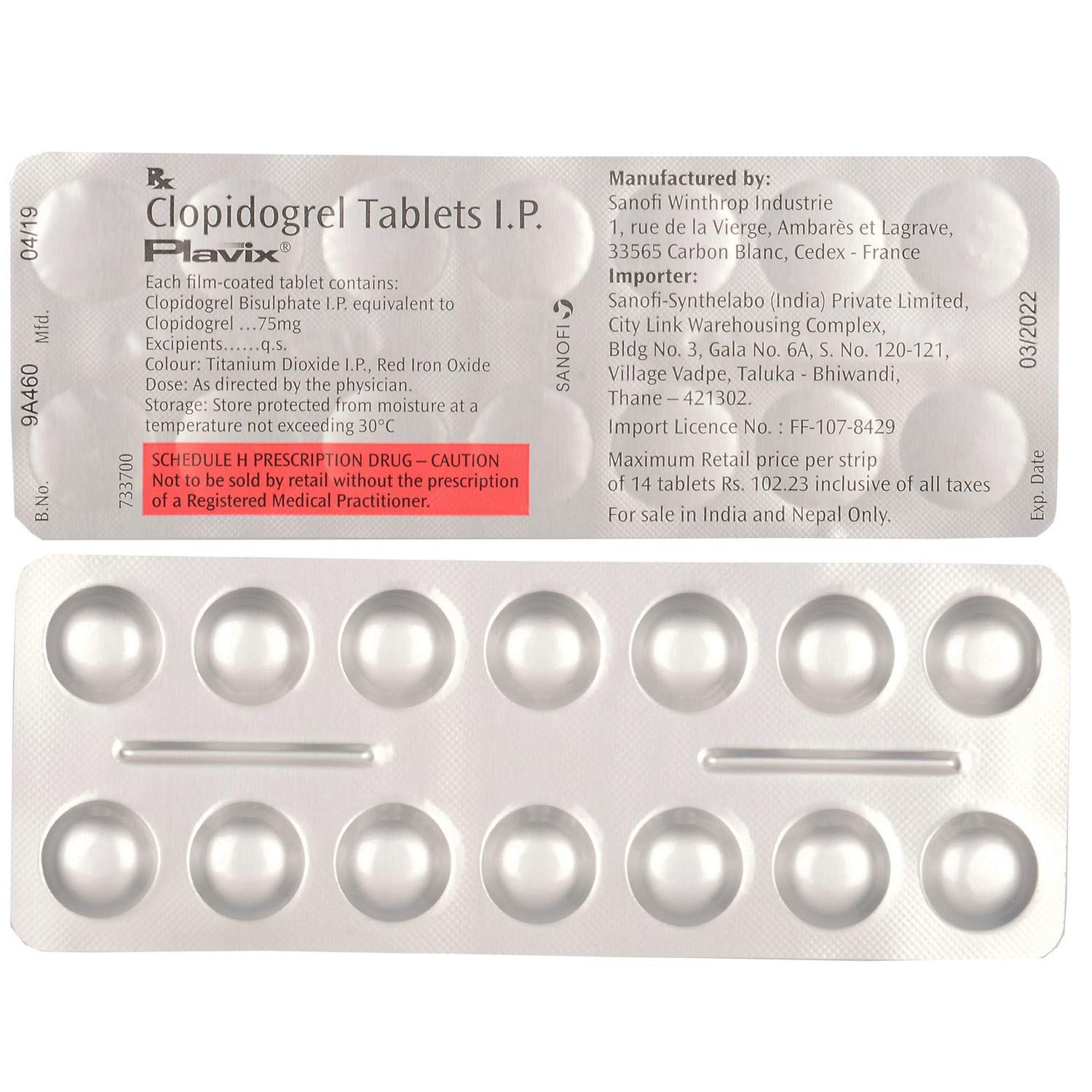
Plavix Tablet is a prescription medicine manufactured by Sanofi India Ltd. It contains Clopidogrel (75mg), an antiplatelet agent that helps prevent blood platelets from sticking together, thereby reducing the risk of blood clots.
This medicine is commonly prescribed to patients with a history of heart attack, stroke, or peripheral arterial disease. By preventing clot formation, Plavix lowers the risk of serious cardiovascular events and helps improve blood flow to vital organs.
Uses
-
Prevents blood clots in arteries and veins
-
Reduces the risk of heart attack in patients with coronary artery disease
-
Reduces the risk of stroke in patients with previous transient ischemic attacks (TIA) or ischemic stroke
-
Helps prevent complications in patients with peripheral arterial disease
Dosage
-
Take one tablet (75mg) orally once daily, or as prescribed by the doctor
-
Can be taken with or without food
-
Do not stop the medicine abruptly without consulting your doctor, as it may increase the risk of clotting
Side Effects
-
Bleeding more easily or prolonged bleeding from cuts
-
Bruising or nosebleeds
-
Rarely: stomach upset, rash, or allergic reactions
-
Very rare: severe bleeding events
Precautions
-
Inform your doctor before surgery or dental procedures, as bleeding risk may increase
-
Avoid medications or supplements that increase bleeding risk unless prescribed
-
Use cautiously in patients with a history of stomach ulcers, liver disease, or bleeding disorders
-
Regular monitoring may be required in long-term use
-
Not recommended during pregnancy or breastfeeding unless advised by a doctor

Ranozex Tablet ER contains Ranolazine (500mg), an extended-release anti-anginal medication used to treat chronic angina (chest pain). It works by improving blood flow to the heart, helping the heart muscle receive more oxygen and reducing the frequency and severity of angina attacks.
Uses:
-
Management of chronic stable angina
-
Reduces chest pain episodes and improves exercise tolerance
-
Helps improve overall heart function and oxygen supply to the heart
How to Use:
Take the tablet exactly as prescribed, usually twice daily with meals. Swallow the tablet whole; do not crush, chew, or split.
Dosage:
Precautions:
-
Inform your doctor if you have liver or kidney problems, low blood pressure, or a history of heart rhythm disorders.
-
Avoid grapefruit or grapefruit juice while taking this medicine as it may affect drug levels.
-
Use caution while driving or operating machinery, especially if dizziness occurs.
-
Consult your doctor if pregnant or breastfeeding.
Side Effects:
-
Dizziness, headache, or nausea
-
Constipation
-
Palpitations or irregular heartbeat in rare cases
-
Rare: severe allergic reactions or fainting
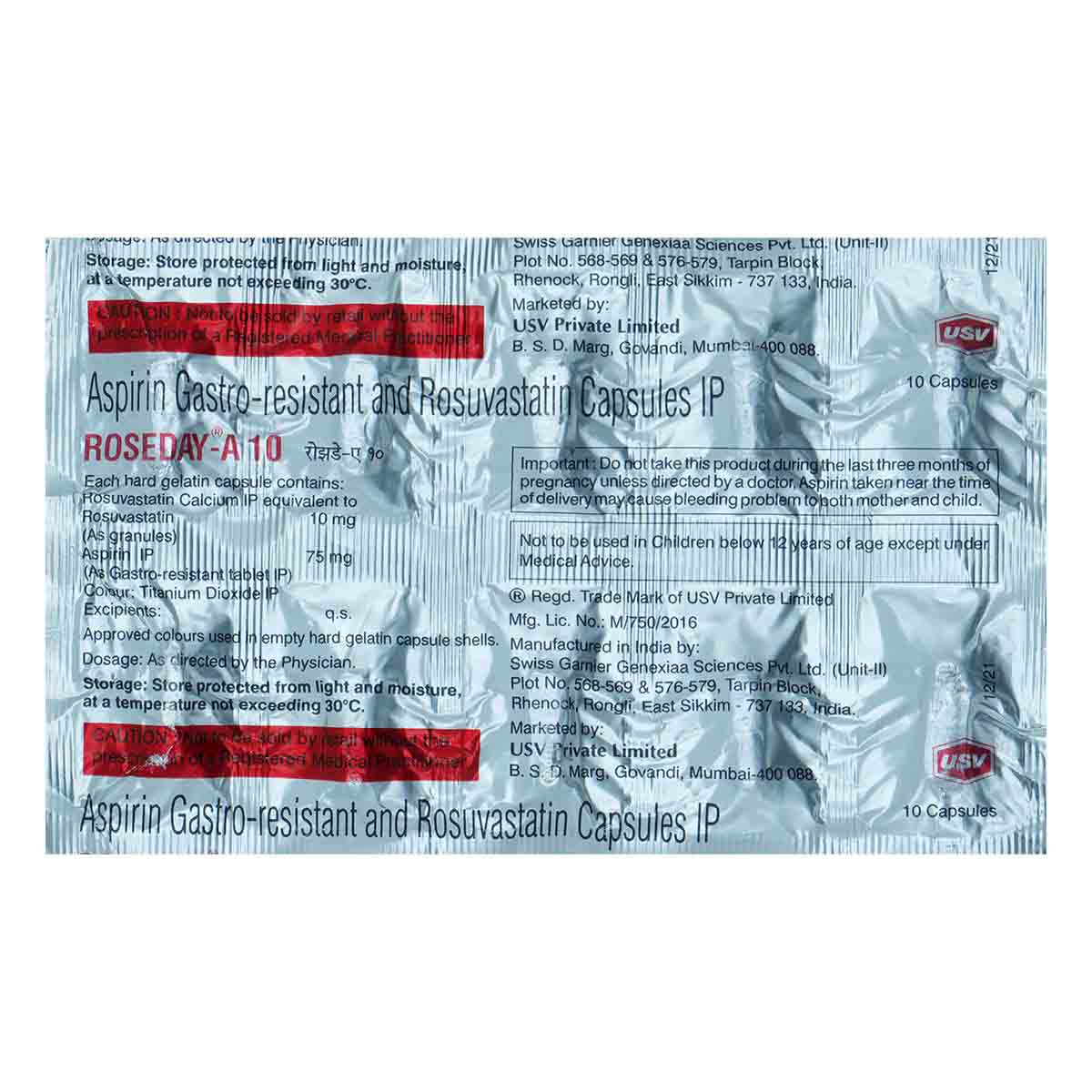
About Roseday-A 10 Capsule:
Roseday-A 10 Capsule combines Rosuvastatin, a statin that lowers LDL cholesterol and stabilizes arterial plaques, with Aspirin, an antiplatelet agent that prevents blood clot formation. This combination is prescribed for patients with high cholesterol and increased risk of cardiovascular events such as heart attack or stroke.
How It Works:
-
Rosuvastatin: Inhibits HMG-CoA reductase, reducing cholesterol synthesis in the liver, lowering LDL and triglycerides, and increasing HDL.
-
Aspirin: Inhibits platelet aggregation, preventing the formation of harmful blood clots.
-
The combination helps reduce cardiovascular risk in patients with high cholesterol and atherosclerosis.
Uses:
-
Treatment of high cholesterol and triglycerides
-
Reduces the risk of heart attack and stroke
-
Prevents blood clots in patients with cardiovascular risk
-
Suitable for patients requiring combined cholesterol-lowering and antiplatelet therapy
Directions for Use:
-
Take once daily, with or without food, as prescribed by your doctor.
-
Swallow the capsule whole with water.
-
Maintain a healthy diet, exercise, and lifestyle modifications to support heart health.
Side Effects:
Common side effects may include:
-
Mild headache or dizziness
-
Gastrointestinal discomfort (nausea, abdominal pain)
-
Muscle pain or weakness (myalgia)
-
Minor bleeding or bruising due to aspirin
Seek immediate medical attention if you experience severe muscle pain, dark urine, yellowing of skin/eyes, or serious bleeding.
Precautions:
-
Avoid in patients with liver disease, bleeding disorders, or aspirin allergy
-
Monitor liver function, cholesterol levels, and signs of bleeding regularly
-
Not recommended during pregnancy or breastfeeding unless prescribed
-
Inform your doctor about other medications to avoid interactions and bleeding risk
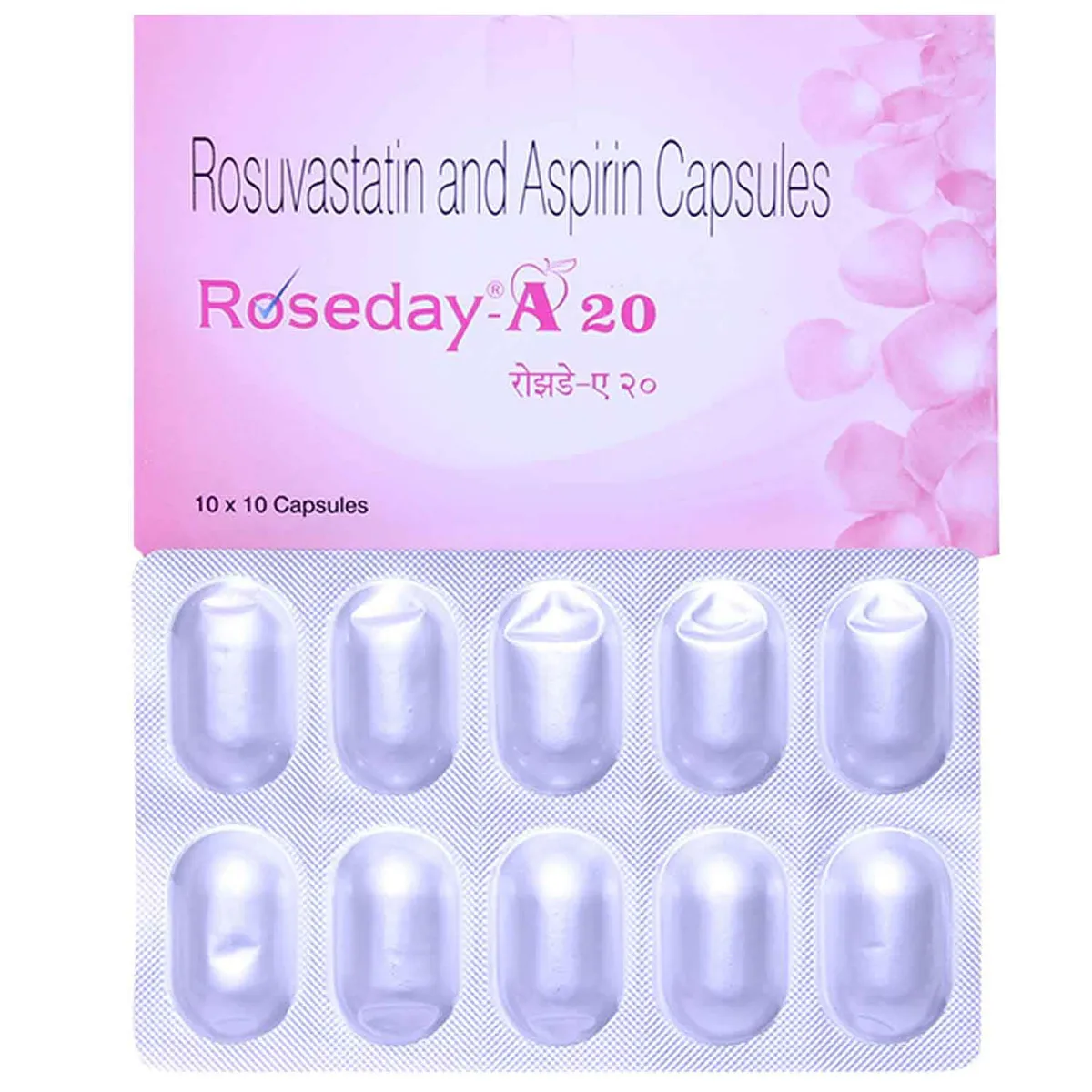
About Roseday-A 20 Capsule:
Roseday-A 20 Capsule combines Rosuvastatin, a statin that lowers LDL cholesterol and stabilizes arterial plaques, with Aspirin, an antiplatelet agent that prevents blood clot formation. It is prescribed for patients with high cholesterol and an increased risk of cardiovascular events such as heart attack or stroke.
How It Works:
-
Rosuvastatin: Inhibits HMG-CoA reductase, reducing cholesterol synthesis in the liver, lowering LDL and triglycerides, and increasing HDL.
-
Aspirin: Inhibits platelet aggregation, preventing formation of harmful blood clots.
-
The combination provides dual cardiovascular protection by lowering cholesterol and preventing thrombotic events.
Uses:
-
Management of high cholesterol and triglycerides
-
Reduces the risk of heart attack, stroke, and atherosclerosis
-
Prevents blood clots in patients at cardiovascular risk
-
Suitable for patients requiring combined cholesterol-lowering and antiplatelet therapy
Directions for Use:
-
Take once daily, with or without food, as prescribed by your doctor.
-
Swallow the capsule whole with water.
-
Maintain a healthy diet, regular exercise, and lifestyle modifications to optimize heart health.
Side Effects:
Common side effects may include:
-
Mild headache or dizziness
-
Gastrointestinal discomfort (nausea, abdominal pain)
-
Muscle pain or weakness (myalgia)
-
Minor bleeding or bruising due to aspirin
Seek immediate medical attention if you experience severe muscle pain, dark urine, yellowing of skin/eyes, or serious bleeding.
Precautions:
-
Avoid in patients with liver disease, bleeding disorders, or aspirin allergy
-
Monitor liver function, cholesterol levels, and signs of bleeding regularly
-
Not recommended during pregnancy or breastfeeding unless prescribed
-
Inform your doctor about other medications to prevent interactions and reduce bleeding risk