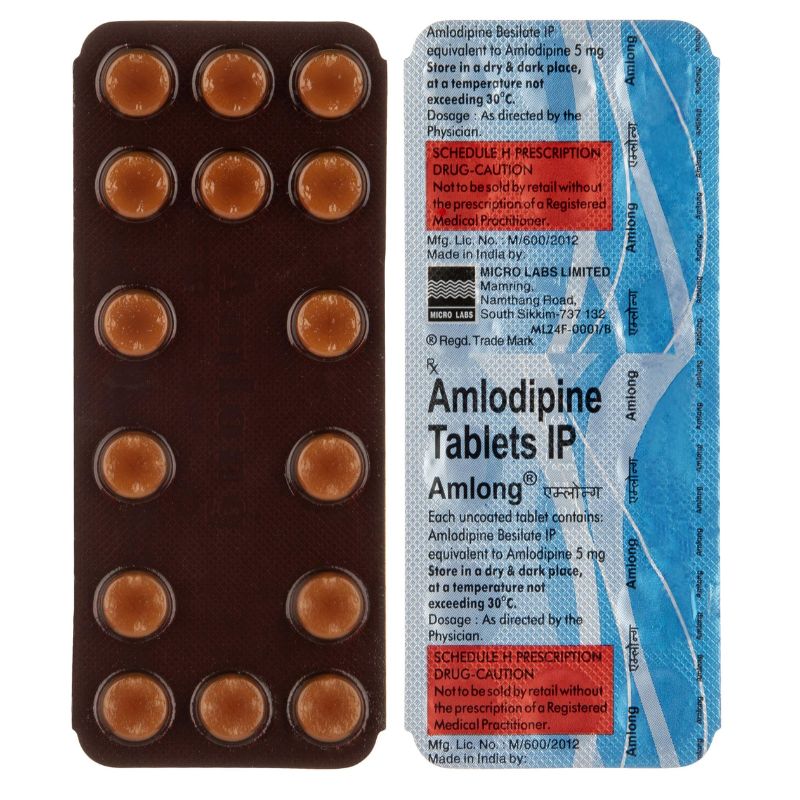
Main Uses
AMlong Tablet is mainly prescribed to:
-
Control high blood pressure (hypertension)
-
Prevent chest pain (angina)
-
Reduce the risk of heart attack, stroke, and other heart problems
By keeping blood pressure under control, it helps protect the heart, brain, and kidneys from long-term damage.
How It Works:
-
Amlodipine belongs to a class of medicines called calcium channel blockers.
-
It relaxes and widens blood vessels, improving blood flow and making it easier for the heart to pump blood.
-
This helps lower blood pressure, reduce chest pain, and improve oxygen delivery to the heart muscles.
Dosage:
-
Usually taken once daily, at the same time each day.
-
Your doctor will decide the exact dose based on your condition and blood pressure control.
-
Do not skip or stop taking it suddenly, as this can cause a sudden rise in blood pressure or chest pain.
How to Use:
-
Take the tablet by mouth with a glass of water, with or without food.
-
Swallow it whole — do not crush or chew.
-
Continue taking it regularly even if you feel fine — high blood pressure often shows no symptoms.
Precautions:
-
Inform your doctor if you have heart failure, liver disease, or very low blood pressure.
-
Avoid alcohol, as it can increase dizziness.
-
Be cautious when driving or standing up suddenly, as it may cause lightheadedness.
-
Use during pregnancy or breastfeeding only under a doctor’s supervision.
-
Follow a low-salt diet and maintain an active lifestyle for best results.
Side Effects:
Common:
-
Swelling of ankles or feet
-
Headache
-
Dizziness or fatigue
-
Flushing (warm feeling on the face)
-
Palpitations (mild fast heartbeat)
Serious (rare):
-
Severe chest pain or worsening angina
-
Irregular heartbeat
-
Allergic reaction (rash, itching, swelling, breathing difficulty)
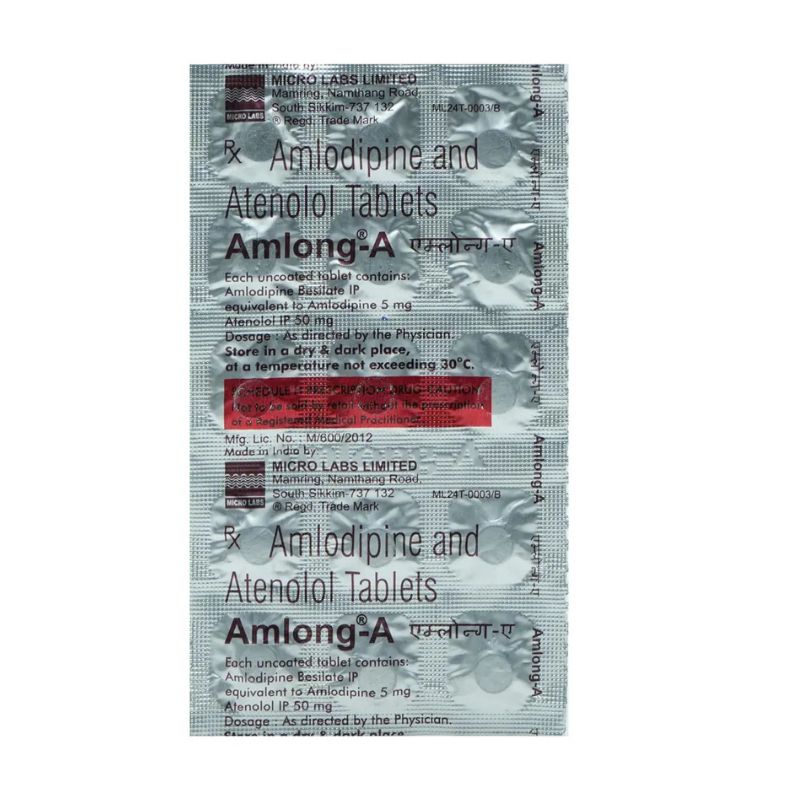
Main Uses
Amlong-A Tablet is mainly prescribed to:
-
Control high blood pressure (hypertension)
-
Prevent chest pain (angina)
-
Reduce the risk of heart attack and stroke
It helps in lowering blood pressure, reducing heart strain, and improving heart function by combining two effective heart medicines.
How It Works:
-
Amlodipine – a calcium channel blocker that relaxes and widens blood vessels, improving blood flow and lowering blood pressure.
-
Atenolol – a beta-blocker that slows the heart rate and reduces the force of heartbeats, making it easier for the heart to pump blood efficiently.
Together, they help control blood pressure, prevent chest pain, and protect the heart from overexertion.
Dosage:
-
Usually taken once daily, at the same time each day.
-
The dose is set by your doctor depending on your blood pressure and heart condition.
-
Do not stop suddenly, as this can cause a rapid rise in blood pressure or worsen chest pain.
How to Use:
-
Take the tablet by mouth with a glass of water, with or without food.
-
Swallow it whole — do not crush or chew.
-
Continue taking it regularly for long-term heart and blood pressure control.
Precautions:
-
Tell your doctor if you have heart failure, asthma, diabetes, thyroid problems, or liver/kidney disease.
-
Avoid alcohol, as it can increase dizziness or lower your blood pressure further.
-
Be cautious while driving or standing up suddenly — it may cause lightheadedness.
-
Use only under medical supervision during pregnancy or breastfeeding.
-
Regularly monitor your blood pressure and pulse rate as advised.
Side Effects:
Common:
Serious (rare):
-
Very slow heartbeat or fainting
-
Shortness of breath or chest tightness
-
Sudden weight gain or swelling due to fluid retention
-
Allergic reactions (rash, itching, swelling, difficulty breathing)
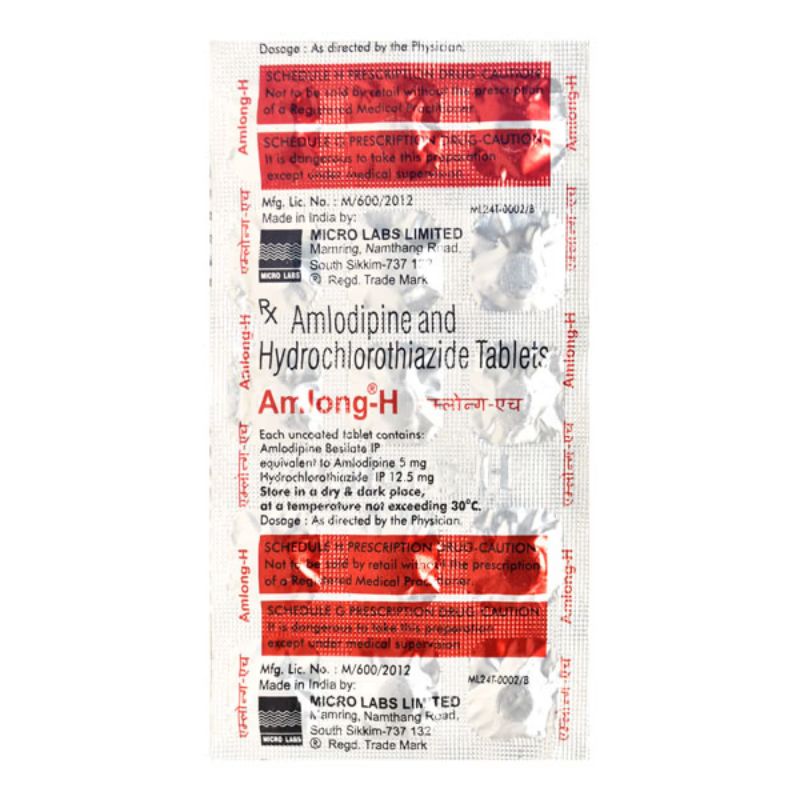
Main Uses
Amlong-H Tablet is mainly prescribed to:
-
Control high blood pressure (hypertension)
-
Reduce the risk of heart attack and stroke
-
Prevent fluid retention (edema) caused by high blood pressure
This combination medicine helps relax blood vessels and remove excess salt and water from the body, keeping your blood pressure under control and protecting the heart.
How It Works:
-
Amlodipine – a calcium channel blocker that relaxes and widens blood vessels, improving blood flow and lowering blood pressure.
-
Hydrochlorothiazide – a diuretic (water pill) that helps remove extra salt and water through urine, reducing fluid buildup and swelling.
Together, they make it easier for the heart to pump blood and maintain stable blood pressure.
Dosage:
-
Usually taken once daily, at the same time each day.
-
The dose is decided by your doctor based on your blood pressure levels.
-
Do not stop suddenly without consulting your doctor.
How to Use:
-
Take the tablet by mouth with water, preferably in the morning to avoid nighttime urination.
-
Can be taken with or without food.
-
Swallow it whole — do not crush or chew.
Precautions:
-
Inform your doctor if you have kidney or liver problems, heart disease, gout, or diabetes.
-
Avoid alcohol, as it may cause excessive dizziness or low blood pressure.
-
Stay hydrated, as the diuretic effect can cause water loss.
-
Use during pregnancy or breastfeeding only under medical supervision.
-
Regularly monitor your blood pressure, electrolytes, and kidney function.
Side Effects:
Common:
Serious (rare):
-
Muscle cramps or irregular heartbeat (due to low potassium)
-
Severe dehydration
-
Shortness of breath or chest pain
-
Allergic reaction (rash, itching, swelling, difficulty breathing)
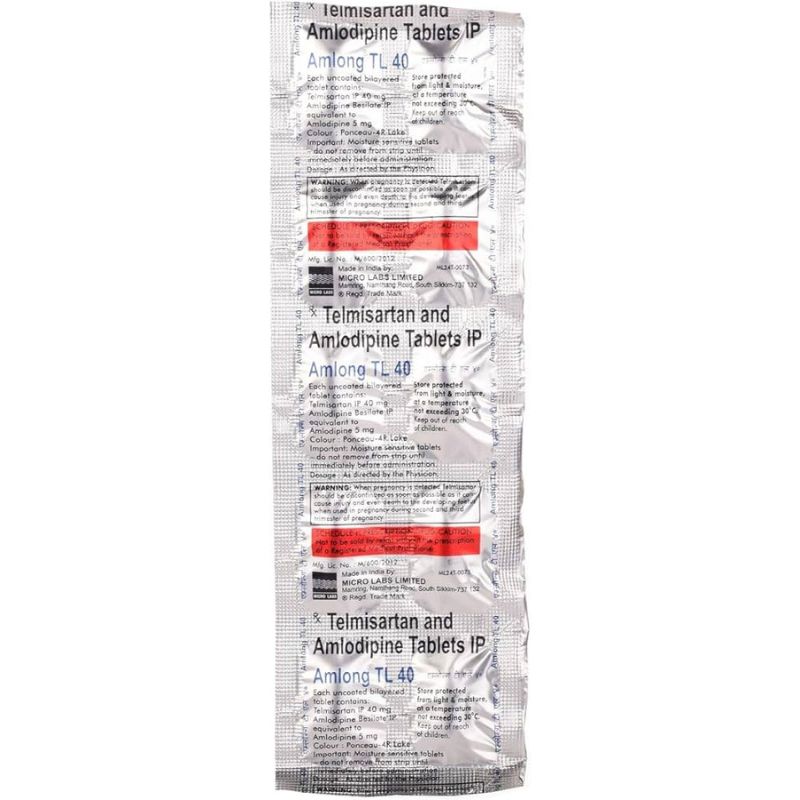
Main Uses
Amlong-TL 40 Tablet is mainly prescribed to:
-
Control high blood pressure (hypertension)
-
Reduce the risk of heart attack and stroke
-
Protect the kidneys (especially in patients with diabetes and hypertension)
This combination medicine helps relax blood vessels, improve blood flow, and reduce strain on the heart, keeping blood pressure stable.
How It Works:
-
Telmisartan – an angiotensin receptor blocker (ARB) that prevents blood vessels from tightening, allowing them to stay relaxed and open.
-
Amlodipine – a calcium channel blocker that widens blood vessels and improves blood flow, lowering pressure on the heart.
Together, they help maintain smooth blood circulation, prevent heart strain, and protect vital organs like the heart and kidneys.
Dosage:
-
Usually taken once daily, preferably at the same time each day.
-
The exact dose is set by your doctor based on your blood pressure levels.
-
Do not stop taking it suddenly, as it may cause a sudden rise in blood pressure.
How to Use:
-
Take the tablet by mouth with water, with or without food.
-
Swallow it whole — do not crush or chew.
-
Take it consistently for best results, even if your blood pressure feels normal.
Precautions:
-
Inform your doctor if you have liver, kidney, or heart problems, or if you are dehydrated.
-
Avoid alcohol, as it may cause dizziness or low blood pressure.
-
Stay hydrated, especially in hot weather or if you are on a low-salt diet.
-
Use during pregnancy or breastfeeding only under medical supervision.
-
Regularly monitor your blood pressure and kidney function as advised by your doctor.
Side Effects:
Common:
Serious (rare):
-
Low blood pressure (fainting or weakness)
-
Irregular heartbeat or chest pain
-
Swelling of face, lips, or throat (signs of allergy)
-
Sudden changes in urination
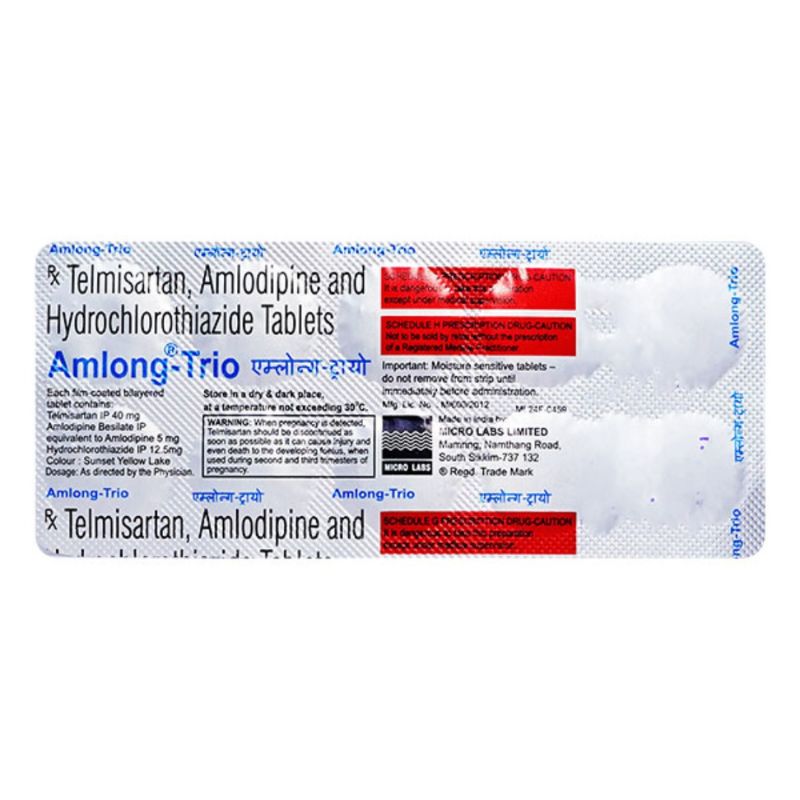
Main Uses
Amlong-Trio Tablet is mainly prescribed to:
-
Control high blood pressure (hypertension)
-
Lower the risk of heart attack, stroke, and kidney damage
-
Help remove excess salt and water from the body
This triple-combination medicine works in three different ways to effectively control blood pressure and keep the heart and kidneys healthy.
How It Works:
-
Telmisartan – an angiotensin receptor blocker (ARB) that relaxes and widens blood vessels, allowing easier blood flow.
-
Amlodipine – a calcium channel blocker that helps blood vessels relax and prevents them from tightening.
-
Hydrochlorothiazide – a diuretic (water pill) that helps eliminate excess salt and water through urine, reducing fluid buildup and pressure.
Together, these medicines maintain stable blood pressure, reduce heart strain, and protect organs from long-term damage caused by hypertension.
Dosage:
-
Usually taken once daily, preferably in the morning to avoid frequent nighttime urination.
-
The dose is determined by your doctor based on your blood pressure and overall health.
-
Do not stop suddenly, as it may cause a sudden spike in blood pressure.
How to Use:
-
Take the tablet by mouth with water, with or without food.
-
Swallow it whole — do not crush or chew.
-
Take it regularly, even if you feel fine, for best long-term control of blood pressure.
Precautions:
-
Inform your doctor if you have kidney, liver, or heart problems, gout, or diabetes.
-
Avoid alcohol, as it may increase dizziness or drop blood pressure too low.
-
Stay hydrated, as the diuretic component may cause fluid or electrolyte loss.
-
Use during pregnancy or breastfeeding only under strict medical supervision.
-
Regularly monitor blood pressure, kidney function, and electrolyte levels.
Side Effects:
Common:
Serious (rare):
-
Severe dehydration or low blood pressure
-
Irregular heartbeat
-
Shortness of breath or chest pain
-
Allergic reactions (rash, itching, swelling of face/lips/throat)

Uses:
Amlopin-AT Tablet is a combination medicine containing Amlodipine, a calcium channel blocker, and Atenolol, a beta-blocker. It is primarily used to:
-
Treat high blood pressure (hypertension)
-
Manage angina (chest pain)
-
Reduce the risk of heart attack and stroke in patients with cardiovascular conditions
-
Improve blood flow and reduce strain on the heart
Dosage:
-
The dosage depends on the patient’s age, medical condition, and response to treatment.
-
Typically, 1 tablet daily or as prescribed by a doctor.
-
Swallow the tablet whole with water. Do not crush or chew unless directed.
Precautions:
-
Do not use if allergic to Amlodipine, Atenolol, or related medications.
-
Use with caution in patients with heart failure, kidney problems, liver issues, or asthma.
-
Avoid abrupt discontinuation; stopping suddenly can worsen heart conditions.
-
Inform your doctor about all current medications to avoid interactions.
-
Not recommended during pregnancy or breastfeeding unless advised by a physician.
How to Use:
-
Take the tablet at the same time each day to maintain consistent blood levels.
-
Can be taken with or without food.
-
Monitor blood pressure and heart rate regularly as advised by your doctor.
Side Effects:
Common side effects may include:
-
Dizziness or lightheadedness
-
Fatigue or weakness
-
Swelling in hands, feet, or ankles
-
Slow heartbeat or palpitations
-
Rarely, severe allergic reactions, shortness of breath, or chest pain
Note:
Always follow your doctor’s prescription and guidance. Regular check-ups and monitoring of blood pressure and heart health are essential while taking Amlopin-AT Tablet.

Uses:
Amlopin-M Tablet PR is a combination medicine containing Amlodipine, a calcium channel blocker, and Metoprolol Succinate, a beta-blocker. It is primarily used to:
-
Treat high blood pressure (hypertension)
-
Manage chronic angina (chest pain)
-
Reduce the risk of heart attacks and cardiovascular complications
-
Improve blood flow and reduce strain on the heart
Dosage:
-
The dosage depends on the patient’s age, medical condition, and response to treatment.
-
Typically, 1 tablet daily or as prescribed by a doctor.
-
Swallow the tablet whole with water. Do not crush or chew unless instructed.
Precautions:
-
Avoid if allergic to Amlodipine, Metoprolol, or related drugs.
-
Use cautiously in patients with heart failure, kidney/liver problems, asthma, or diabetes.
-
Abrupt discontinuation may worsen heart conditions; follow the doctor’s guidance.
-
Inform your doctor about all current medications to avoid drug interactions.
-
Not recommended during pregnancy or breastfeeding unless prescribed.
How to Use:
-
Take the tablet at the same time each day for consistent blood levels.
-
Can be taken with or without food.
-
Regular monitoring of blood pressure and heart rate is advised.
Side Effects:
Common side effects may include:
-
Dizziness or lightheadedness
-
Fatigue or tiredness
-
Swelling of hands, feet, or ankles
-
Slow heartbeat or palpitations
-
Rarely, severe allergic reactions, shortness of breath, or chest pain
Note:
Always follow your doctor’s prescription and instructions. Regular check-ups and monitoring are essential while taking Amlopin-M Tablet PR.
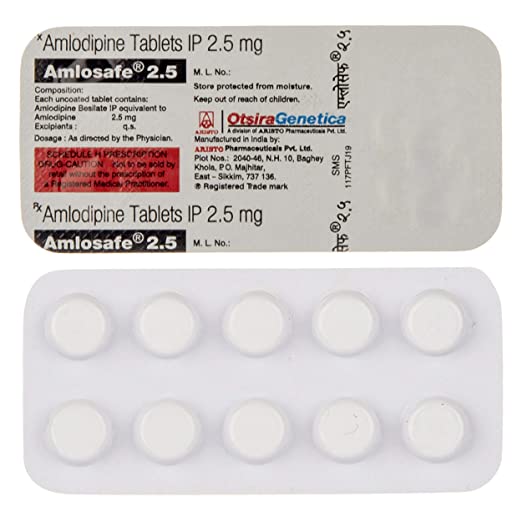
Uses:
Amlosafe 2.5 Tablet is prescribed for the management of:
-
High blood pressure (hypertension) – helps reduce strain on the heart and lowers the risk of stroke and heart attack.
-
Angina (chest pain due to reduced blood supply to the heart) – helps prevent episodes of chest pain.
-
Coronary artery disease – improves blood flow to the heart muscles.
How It Works:
-
Amlodipine belongs to the class of calcium channel blockers.
-
It relaxes and widens blood vessels, making it easier for the heart to pump blood.
-
Improves oxygen supply to the heart, reducing chest pain and cardiovascular strain.
Dosage & Administration:
-
Taken once daily, with or without food.
-
Dose is adjusted based on the patient’s condition and response.
-
Should be taken at the same time every day for best results.
-
Do not stop suddenly without consulting a doctor.
Side Effects:
Common:
-
Headache
-
Swelling in ankles/feet (edema)
-
Dizziness or lightheadedness
-
Flushing (warmth, redness of skin)
-
Fatigue
Serious (rare, seek medical help):
-
Severe chest pain or worsening angina
-
Irregular heartbeat
-
Difficulty breathing
-
Severe allergic reactions (rash, itching, swelling of face/lips/tongue)
Precautions & Warnings:
-
Use with caution in patients with heart failure, liver disease, or very low blood pressure.
-
Avoid alcohol as it may enhance dizziness or low blood pressure.
-
Not recommended during pregnancy or breastfeeding unless advised by a doctor.
-
Do not drive or operate heavy machinery if dizziness occurs.
Storage:
-
Store in a cool, dry place, away from direct sunlight.
-
Keep out of reach of children.
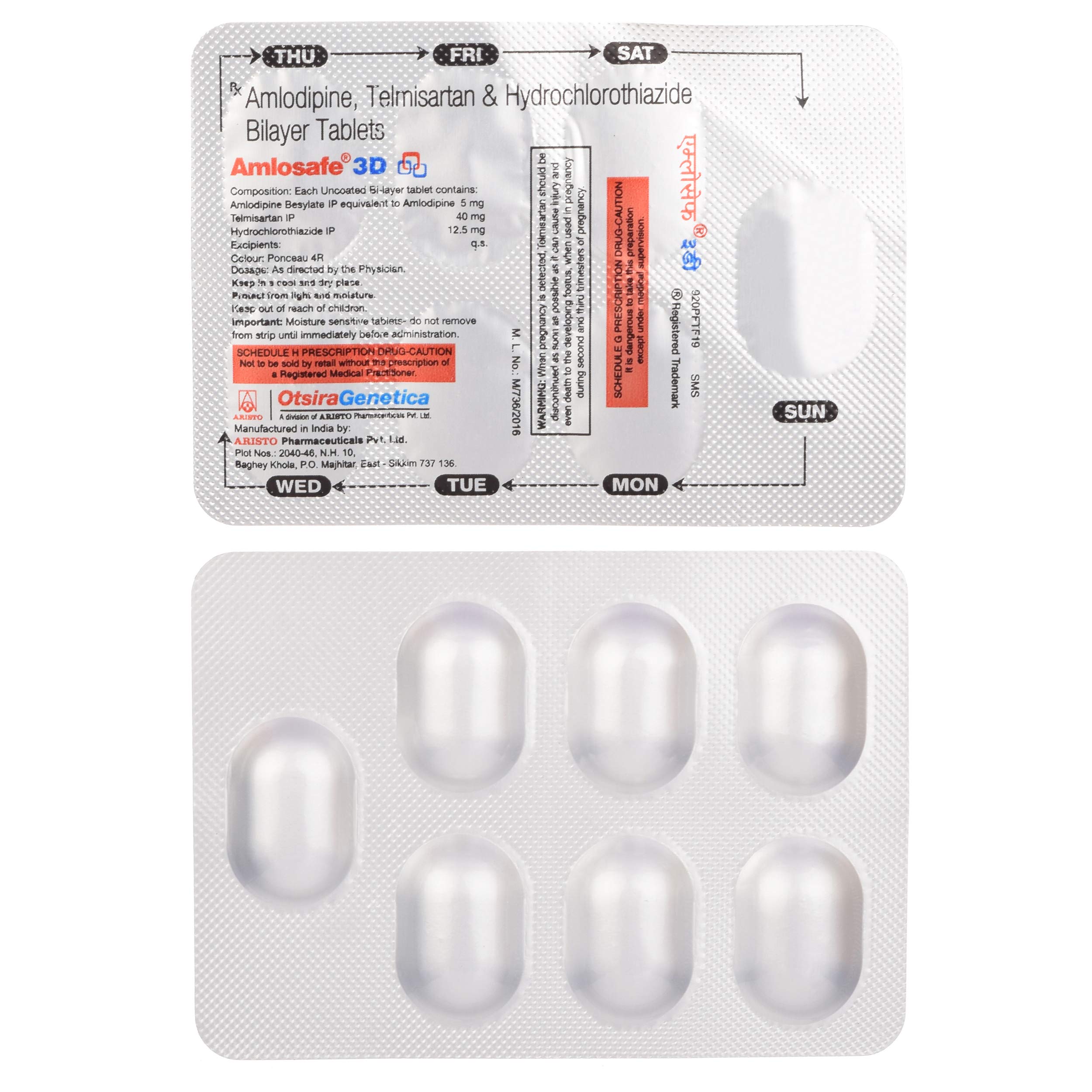
Uses:
Amlosafe 3D Tablet is prescribed for the treatment of high blood pressure (hypertension) in patients who require more than one medicine to achieve adequate blood pressure control. It helps:
-
Lower high blood pressure, reducing risk of stroke, heart attack, and kidney problems
-
Improve blood circulation by relaxing blood vessels
-
Reduce excess fluid retention and swelling
How It Works:
-
Telmisartan (40mg): An angiotensin II receptor blocker (ARB) that relaxes blood vessels and lowers pressure on the heart.
-
Amlodipine (5mg): A calcium channel blocker that widens arteries and improves blood flow.
-
Hydrochlorothiazide: A diuretic (“water pill”) that helps the body get rid of extra salt and water, reducing fluid buildup and blood pressure.
Together, these three medicines provide better blood pressure control than single or dual therapy.
Dosage & Administration:
-
Taken once daily, with or without food.
-
Take at the same time each day to maintain consistent blood levels.
-
Do not stop suddenly without consulting a doctor, as it may cause blood pressure spikes.
Side Effects:
Common:
Serious (seek medical attention):
-
Severe dehydration or electrolyte imbalance (muscle cramps, irregular heartbeat)
-
Very low blood pressure (fainting)
-
Signs of kidney problems (changes in urination, swelling)
-
Allergic reaction (rash, itching, swelling of face/lips)
Precautions & Warnings:
-
Use with caution in patients with kidney disease, liver disease, or heart failure.
-
Avoid excessive alcohol intake as it may worsen dizziness.
-
May lower potassium levels – periodic blood tests may be needed.
-
Not recommended during pregnancy and breastfeeding.
-
Avoid use with other strong diuretics or potassium supplements unless prescribed.
Storage:
-
Store in a cool, dry place, away from direct sunlight.
-
Keep out of reach of children.
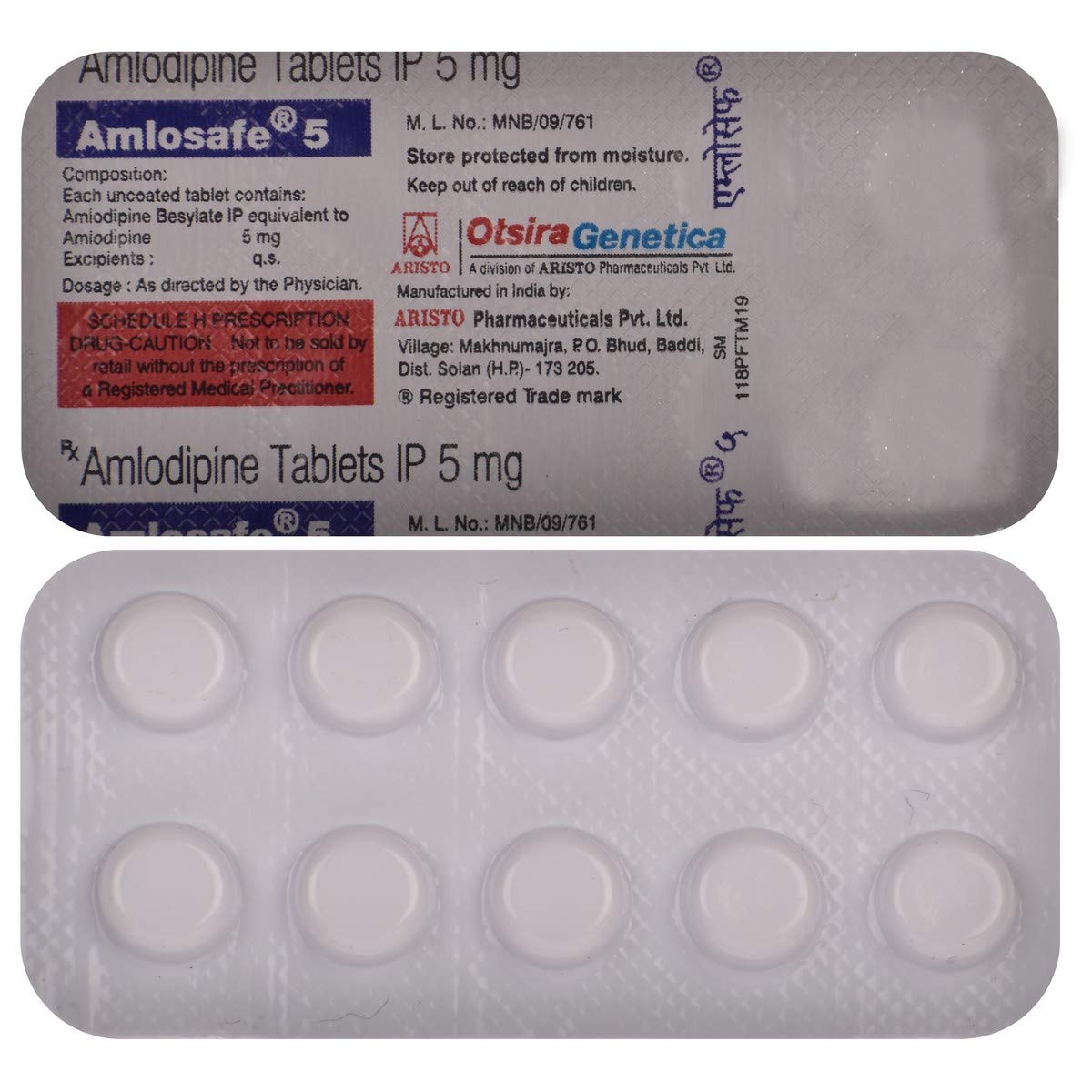
Uses:
Amlosafe 5 Tablet is prescribed for:
-
Hypertension (high blood pressure): Helps reduce strain on the heart and lowers risk of stroke, heart attack, and kidney damage.
-
Angina (chest pain due to heart-related issues): Reduces frequency and severity of chest pain episodes.
-
Coronary artery disease: Improves blood supply to the heart muscles.
How It Works:
-
Amlodipine belongs to the class of calcium channel blockers.
-
It relaxes and widens blood vessels, making it easier for blood to flow and the heart to pump.
-
Improves oxygen delivery to the heart, helping prevent chest pain.
Dosage & Administration:
-
Usually taken once daily, with or without food.
-
Should be taken at the same time every day for best results.
-
Dosage is individualized by the doctor depending on patient condition.
-
Do not stop abruptly without medical advice.
Side Effects:
Common:
Serious (rare):
-
Severe chest pain or worsening angina
-
Irregular heartbeat
-
Fainting or very low blood pressure
-
Allergic reactions (rash, itching, swelling of face/lips/tongue)
Precautions & Warnings:
-
Use cautiously in patients with heart failure, liver disease, or very low blood pressure.
-
Avoid alcohol as it may increase dizziness or fainting risk.
-
Not generally recommended during pregnancy and breastfeeding unless advised by a doctor.
-
May cause dizziness — avoid driving or operating machinery if affected.
Storage:
-
Store in a cool, dry place, away from direct sunlight and moisture.
-
Keep out of reach of children.
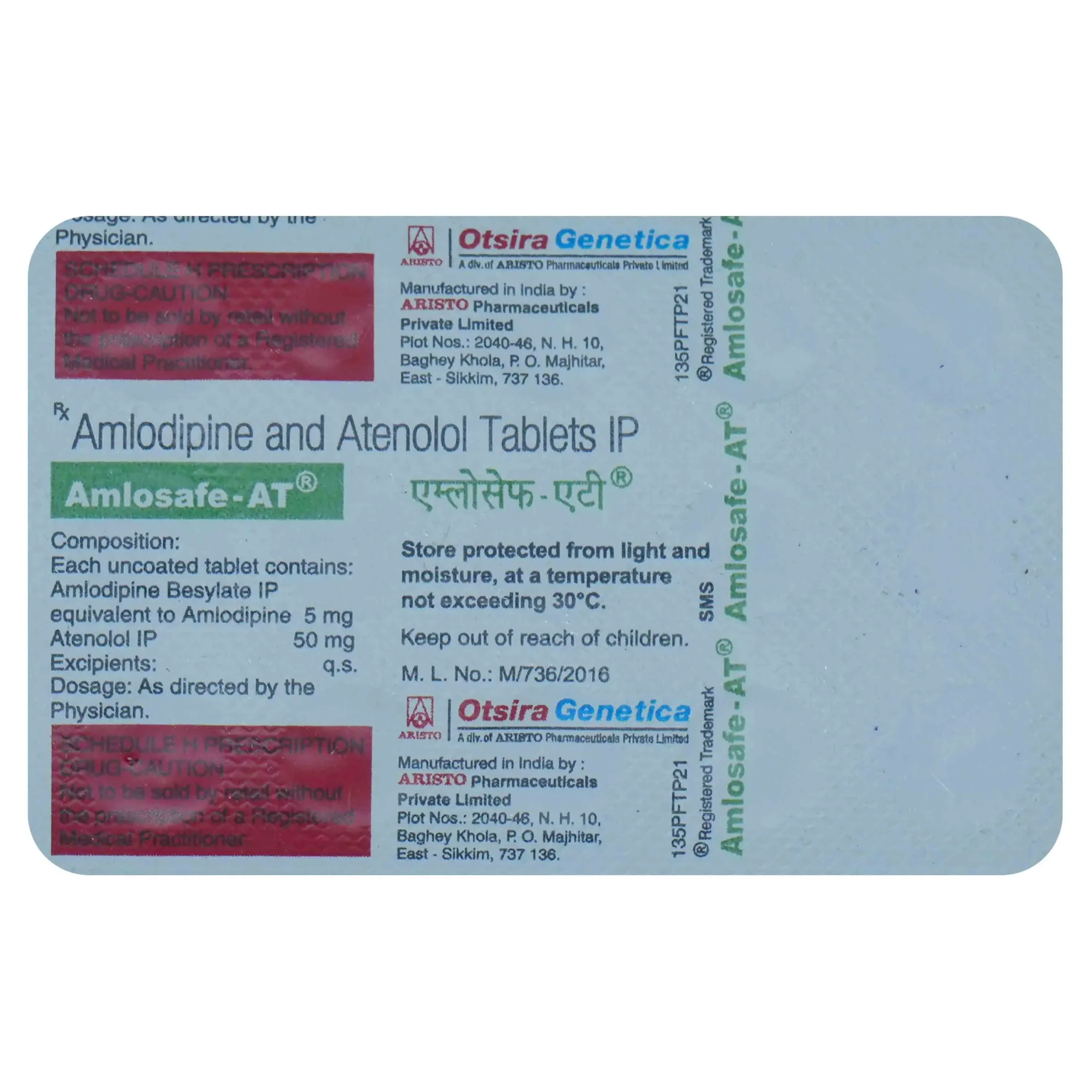
Uses:
Amlosafe-AT Tablet is used for:
-
Hypertension (high blood pressure): Helps reduce blood pressure effectively through dual action.
-
Angina (chest pain): Reduces frequency and severity of angina attacks.
-
Prevention of cardiovascular complications: Lowers the risk of heart attack, stroke, and other heart-related issues.
How It Works:
-
Amlodipine (5mg): A calcium channel blocker that relaxes and widens blood vessels, improving blood flow.
-
Atenolol (50mg): A beta-blocker that reduces heart rate and the heart’s workload, lowering blood pressure and oxygen demand.
-
Together, they provide synergistic blood pressure control and improve overall heart health.
Dosage & Administration:
-
Taken once daily, with or without food.
-
Should be taken at the same time each day for consistent effect.
-
Dose may be adjusted based on individual response.
-
Do not stop suddenly without guidance, as this may increase blood pressure or trigger angina.
Side Effects:
Common:
-
Dizziness, headache, fatigue
-
Swelling of ankles/feet (edema)
-
Slow heartbeat (bradycardia)
-
Flushing or mild stomach upset
Serious (seek medical attention):
-
Severe hypotension (very low blood pressure)
-
Shortness of breath or worsening heart failure
-
Allergic reactions (swelling, rash, difficulty breathing)
-
Severe fatigue or fainting
Precautions & Warnings:
-
Use cautiously in patients with heart block, heart failure, asthma, or kidney/liver disease.
-
May mask symptoms of low blood sugar in diabetic patients.
-
Avoid sudden discontinuation to prevent rebound hypertension or angina.
-
Limit alcohol intake as it may increase dizziness or hypotension.
Storage:
-
Store in a cool, dry place, away from direct sunlight and moisture.
-
Keep out of reach of children.
Uses:
This tablet is prescribed for:
-
Hypertension (high blood pressure): Provides dual action in lowering blood pressure.
-
Heart failure (in selected cases): Helps reduce workload on the heart.
-
Prevention of cardiovascular complications: Such as stroke, heart attack, and kidney damage due to high blood pressure.
How It Works:
-
Amlodipine: A calcium channel blocker that relaxes and widens blood vessels, improving blood flow.
-
Lisinopril: An ACE inhibitor that prevents the narrowing of blood vessels and reduces strain on the heart.
-
Together, they synergistically reduce blood pressure, improve circulation, and protect heart and kidney health.
Dosage & Administration:
-
Usually taken once daily, with or without food.
-
Should be taken at the same time each day for maximum benefit.
-
Dosage is adjusted by the doctor depending on blood pressure control and patient condition.
-
Do not discontinue suddenly without medical advice.
Side Effects:
Common:
-
Dizziness, headache, fatigue
-
Swelling of ankles/feet (edema)
-
Dry cough (due to lisinopril)
-
Flushing or low blood pressure
Serious (rare):
-
Severe allergic reaction (swelling of lips, throat, difficulty breathing)
-
Kidney problems (decreased urine output)
-
High potassium levels (muscle weakness, irregular heartbeat)
-
Very low blood pressure or fainting
Precautions & Warnings:
-
Not suitable for patients with history of angioedema, severe kidney disease, or pregnancy.
-
Use cautiously in patients with liver disease, heart failure, or dehydration.
-
Avoid potassium-rich supplements or salt substitutes unless prescribed.
-
Limit alcohol as it may enhance blood pressure–lowering effect.
Storage:
-
Store in a cool and dry place, away from direct sunlight and moisture.
-
Keep away from children’s reach.