
Calaptin 240 SR Tablet is a sustained-release calcium channel blocker containing Verapamil (240mg). It is used to treat:
-
Angina (chest pain related to the heart)
-
Hypertension (high blood pressure)
-
Arrhythmias (irregular heartbeats)
The sustained-release (SR) formulation allows for longer control with fewer daily doses, helping patients maintain stable blood pressure and heart rhythm throughout the day.
It works by relaxing blood vessels and improving blood and oxygen flow to the heart, reducing the workload on the heart. This makes it especially beneficial for patients with chronic angina and hypertension.
💊 How to Take:
-
Take with food, exactly as prescribed by your doctor.
-
Swallow whole—do not crush or break, as it is a sustained-release tablet.
-
Take at the same time each day for maximum effect.
-
Do not stop suddenly without medical advice, as it may worsen symptoms.
🌟 Benefits of Calaptin 240 SR Tablet
-
Prevents angina attacks by improving oxygen supply to the heart.
-
Lowers blood pressure, reducing strain on the heart and protecting against stroke/heart disease.
-
Helps regulate irregular heartbeats (arrhythmia).
-
SR formulation provides long-lasting effect with convenient dosing.
⚠️ Possible Side Effects
Common side effects (usually mild and temporary):
-
Constipation
-
Dizziness, headache, or fatigue
-
Nausea or upset stomach
-
Swelling in legs or feet (edema)
-
Low blood pressure (hypotension)
Rare but serious: heart failure, pulmonary edema – seek urgent medical help if severe swelling, breathing difficulty, or chest pain occurs.
✅ Safety Advice
-
Alcohol: ❌ Unsafe – may increase drowsiness, dizziness, and low blood pressure.
-
Pregnancy: ⚠️ Consult doctor – may be unsafe, limited human studies available.
-
Breastfeeding: ⚠️ Not recommended – may pass into breast milk.
-
Driving: ❌ Unsafe – may cause dizziness, blurred vision, or drowsiness.
-
Kidney/Liver Disease: Use with caution; dose adjustment may be required.
❗ Important Notes
-
Not suitable for sudden angina attacks – use only for prevention.
-
Works best when combined with a low-salt diet, weight control, and regular exercise.
-
Regular monitoring of blood pressure, heart rate, and liver/kidney function is recommended.
-
Inform your doctor if you have heart failure, very low BP, liver/kidney disease, or if you recently had a heart attack.
👉 In summary:
Calaptin 240 SR Tablet (Verapamil 240mg) is a long-acting medicine that controls high blood pressure, prevents angina, and manages irregular heart rhythms. By keeping blood vessels relaxed and improving oxygen supply, it helps reduce heart strain and protects against long-term cardiovascular risks.
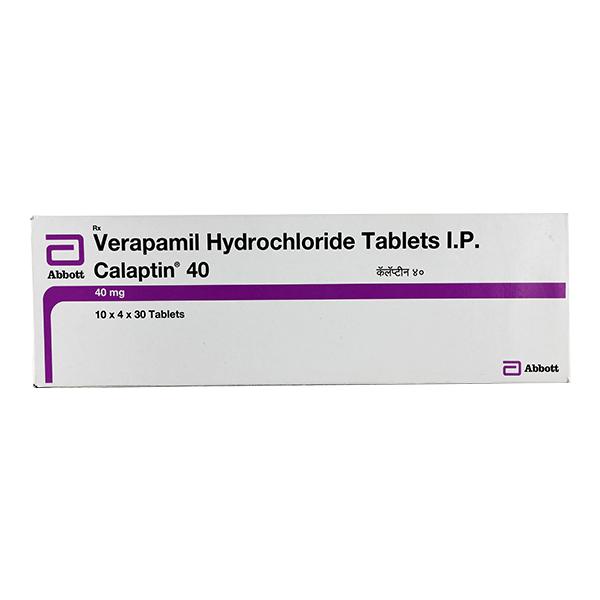
Calaptin 40 Tablet is a calcium channel blocker containing Verapamil (40mg), used for the treatment of:
-
Angina (heart-related chest pain)
-
Hypertension (high blood pressure)
-
Certain arrhythmias (irregular heartbeats)
It works by relaxing and widening blood vessels, improving oxygen supply to the heart and reducing its workload. This helps lower blood pressure, ease chest pain, and regulate heartbeat.
💊 How to Take:
-
Take with food, exactly as prescribed.
-
Swallow whole, do not crush or chew.
-
Take at the same time daily for maximum benefit.
-
Do not stop suddenly without medical advice, as it may worsen your condition.
⚠️ Possible Side Effects:
👉 Side effects are usually mild and resolve as your body adjusts. Consult your doctor if persistent.
✅ Safety Advice
-
Alcohol: ❌ Unsafe – may worsen side effects.
-
Pregnancy: ⚠️ Consult your doctor – may be unsafe.
-
Breastfeeding: ⚠️ Probably unsafe – drug may pass into breast milk.
-
Driving: ❌ Unsafe – may cause drowsiness, dizziness, or blurred vision.
-
Kidney: Use with caution – dose adjustment may be needed.
-
Liver: Use with caution – dose adjustment may be required.
ℹ️ Key Notes
-
Helps prevent angina attacks but not suitable for sudden chest pain relief.
-
Works best when combined with lifestyle measures (low-salt diet, exercise, weight control).
-
Regular monitoring of blood pressure, heart rate, and liver/kidney function may be needed.
-
Always inform your doctor about other medicines (especially for heart, blood pressure, or arrhythmia).
👉 In summary:
Calaptin 40 Tablet (Verapamil 40mg) is a trusted medicine for controlling chest pain, high blood pressure, and irregular heart rhythms. By relaxing blood vessels and regulating heart activity, it improves oxygen delivery, reduces strain on the heart, and helps you lead a more active life with reduced risk of cardiovascular complications.

Calaptin 80 Tablet is a prescription medicine containing Verapamil (80mg), a calcium channel blocker used to manage:
-
Angina (heart-related chest pain)
-
High blood pressure (hypertension)
-
Arrhythmias (irregular heartbeats)
It works by relaxing and widening blood vessels, improving oxygen and blood supply to the heart, and reducing the overall workload of the heart. This helps control blood pressure, prevent angina attacks, and regulate abnormal heart rhythms.
💊 How to Take:
-
Take with food, as advised by your doctor.
-
Swallow whole—do not crush or chew.
-
Take at the same time daily for best results.
-
Do not stop suddenly without medical guidance, as it may worsen heart symptoms.
🌟 Benefits of Calaptin 80 Tablet
-
Prevents and manages chronic angina (not for sudden attacks).
-
Lowers blood pressure, protecting against stroke and heart complications.
-
Helps maintain normal heart rhythm in arrhythmia.
-
Improves overall exercise tolerance and daily activity levels by reducing chest pain.
⚠️ Possible Side Effects
Common (usually mild and temporary):
-
Constipation
-
Dizziness, headache, or fatigue
-
Nausea or upset stomach
-
Swelling in ankles/feet (edema)
-
Low blood pressure (hypotension)
Serious (rare): heart failure, pulmonary edema – seek urgent help if chest pain, severe breathlessness, or swelling occurs.
✅ Safety Advice
-
Alcohol: ❌ Unsafe – may worsen dizziness and low blood pressure.
-
Pregnancy: ⚠️ Consult doctor – limited data, possible risk to baby.
-
Breastfeeding: ⚠️ Not recommended – may pass into breast milk.
-
Driving: ❌ Unsafe – may cause drowsiness, dizziness, or blurred vision.
-
Kidney/Liver Disease: Use cautiously; dose adjustments may be required.
❗ Important Notes
-
Not suitable for acute angina attacks – only for prevention/long-term control.
-
Works best alongside a healthy diet, weight management, and regular exercise.
-
Regular monitoring of blood pressure, heart rate, and organ function is advised.
-
Inform your doctor if you have heart failure, low BP, or history of recent heart attack.
👉 In summary:
Calaptin 80 Tablet (Verapamil 80mg) is a calcium channel blocker that helps prevent chest pain, control high blood pressure, and manage irregular heart rhythms. By reducing strain on the heart and improving oxygen supply, it supports long-term heart health when taken regularly under medical supervision.
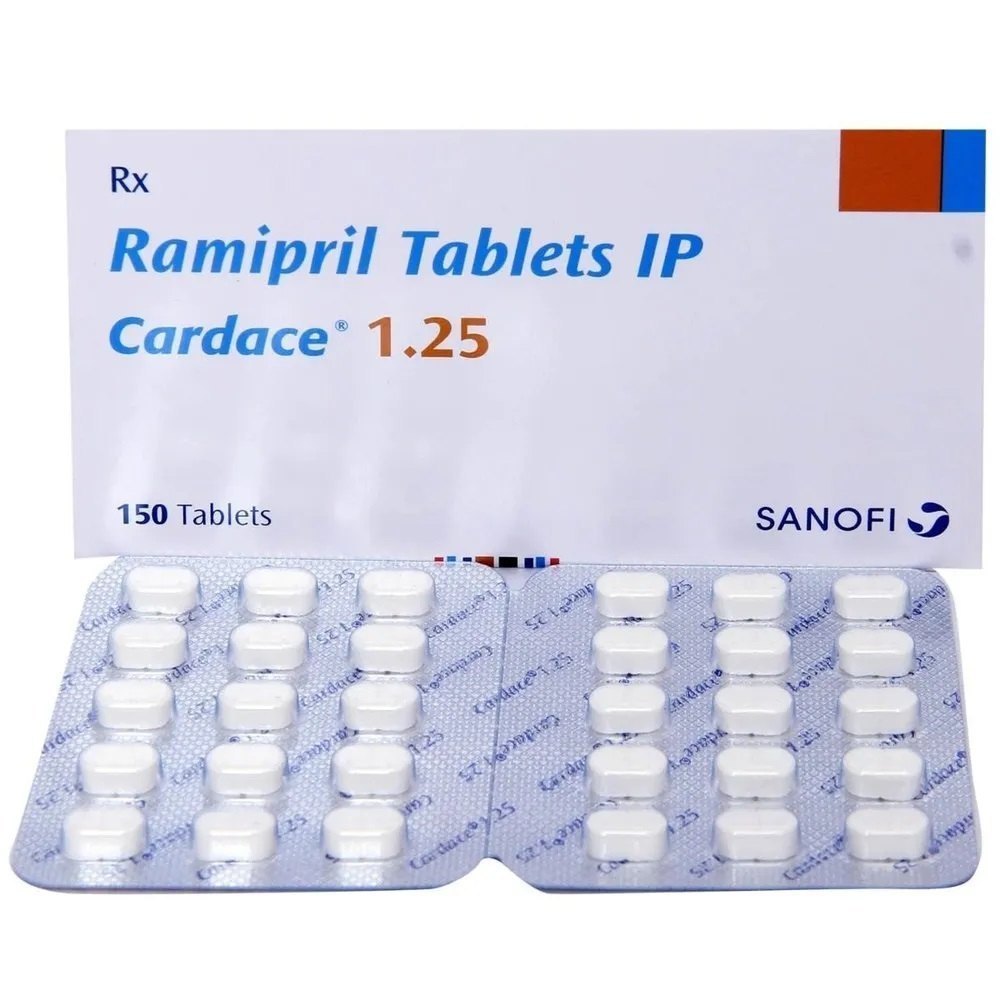
Uses:
Cardace 1.25 Tablet is an ACE inhibitor used to treat high blood pressure (hypertension), heart failure, and to reduce the risk of heart attacks or strokes in high-risk patients. It helps relax blood vessels, making it easier for the heart to pump blood.
How to Use:
Take the tablet orally with water, usually once daily or as prescribed by your doctor. It can be taken with or without food. Follow the prescribed dose carefully.
Dosage:
Precautions:
-
Inform your doctor if you have kidney or liver disease, heart problems, or a history of angioedema.
-
Avoid using potassium supplements or salt substitutes containing potassium unless advised by your doctor.
-
Pregnant or breastfeeding women should consult a doctor before use.
Side Effects:
Common side effects may include dizziness, headache, cough, or fatigue. Rarely, severe allergic reactions or low blood pressure may occur; seek immediate medical attention if severe.
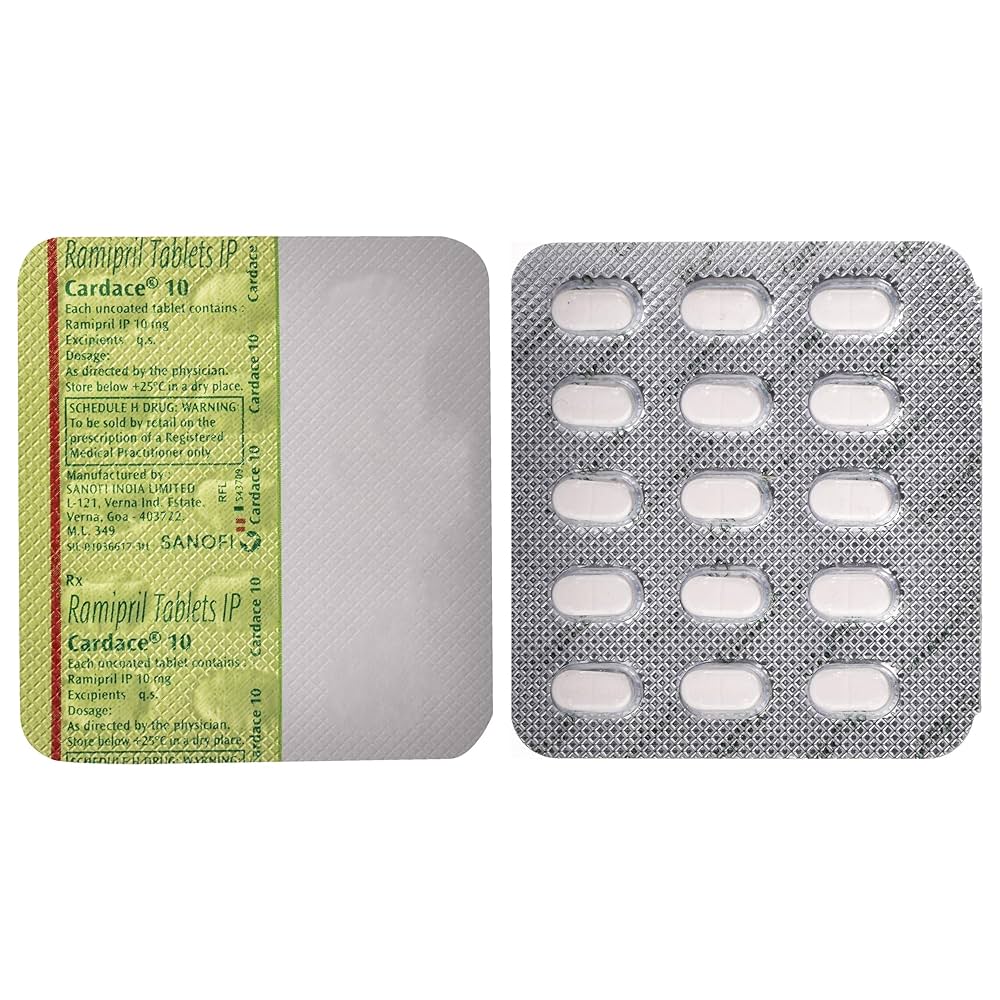
Uses:
Cardace 10 Tablet is an ACE inhibitor used to manage high blood pressure (hypertension), heart failure, and to reduce the risk of heart attacks or strokes in high-risk patients. It relaxes blood vessels, improving blood flow and reducing the heart’s workload.
How to Use:
Take the tablet orally with water, usually once daily or as prescribed by your doctor. It can be taken with or without food. Follow the prescribed dosage carefully.
Dosage:
-
Adults: Typically 2.5–10mg once daily, adjusted according to response and tolerance.
-
Children: Use only under strict medical supervision.
Precautions:
-
Inform your doctor if you have kidney or liver disease, heart problems, or a history of angioedema.
-
Avoid potassium supplements or salt substitutes containing potassium unless advised by your doctor.
-
Pregnant or breastfeeding women should consult a doctor before use.
Side Effects:
Common side effects include dizziness, headache, persistent cough, or fatigue. Rarely, severe allergic reactions or dangerously low blood pressure may occur; seek immediate medical attention if severe.
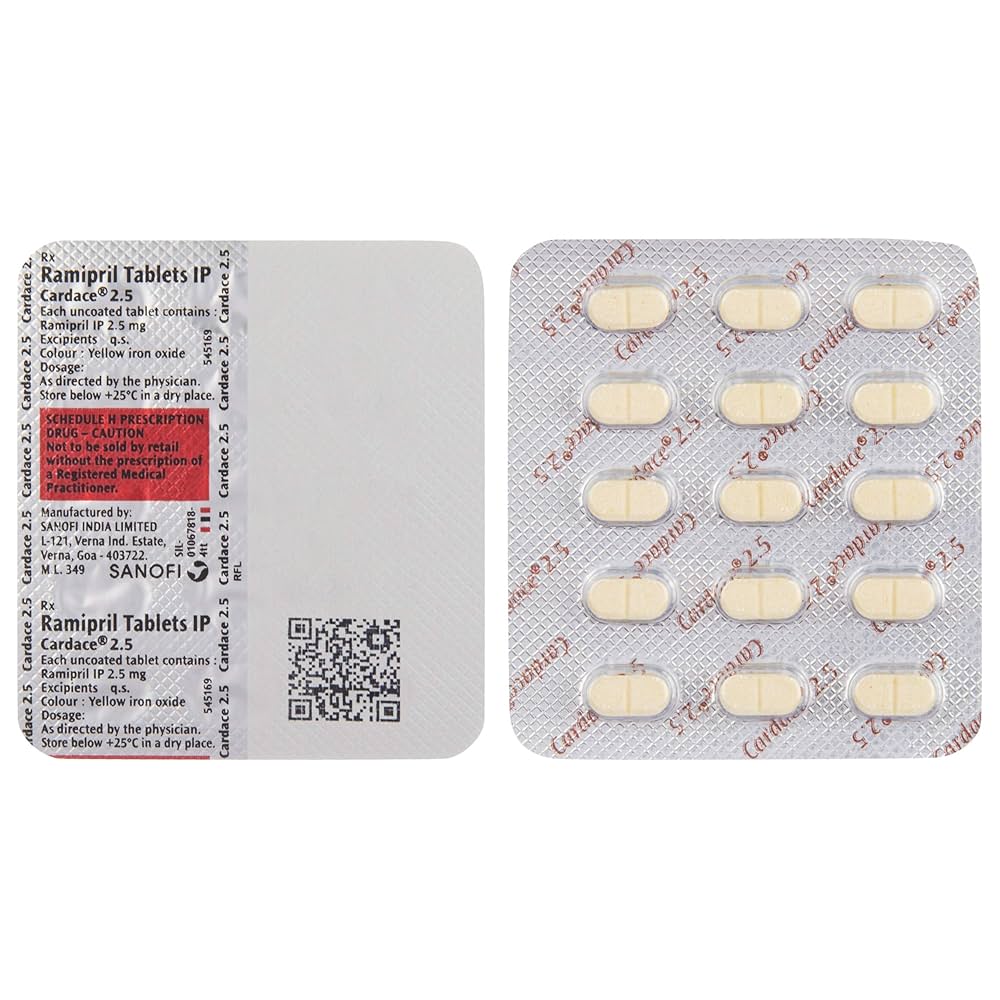
Uses:
Cardace 2.5 Tablet is an ACE inhibitor used to manage high blood pressure (hypertension), heart failure, and to reduce the risk of heart attacks or strokes in high-risk patients. It relaxes blood vessels, making it easier for the heart to pump blood.
How to Use:
Take the tablet orally with water, usually once daily or as prescribed by your doctor. It can be taken with or without food. Follow the prescribed dosage carefully.
Dosage:
-
Adults: Typically 2.5mg once daily initially, adjustable according to response and tolerance.
-
Children: Use only under strict medical supervision.
Precautions:
-
Inform your doctor if you have kidney or liver disease, heart problems, or a history of angioedema.
-
Avoid potassium supplements or salt substitutes containing potassium unless advised by your doctor.
-
Pregnant or breastfeeding women should consult a doctor before use.
Side Effects:
Common side effects may include dizziness, headache, persistent cough, or fatigue. Rarely, severe allergic reactions or low blood pressure may occur; seek immediate medical attention if severe.
Uses:
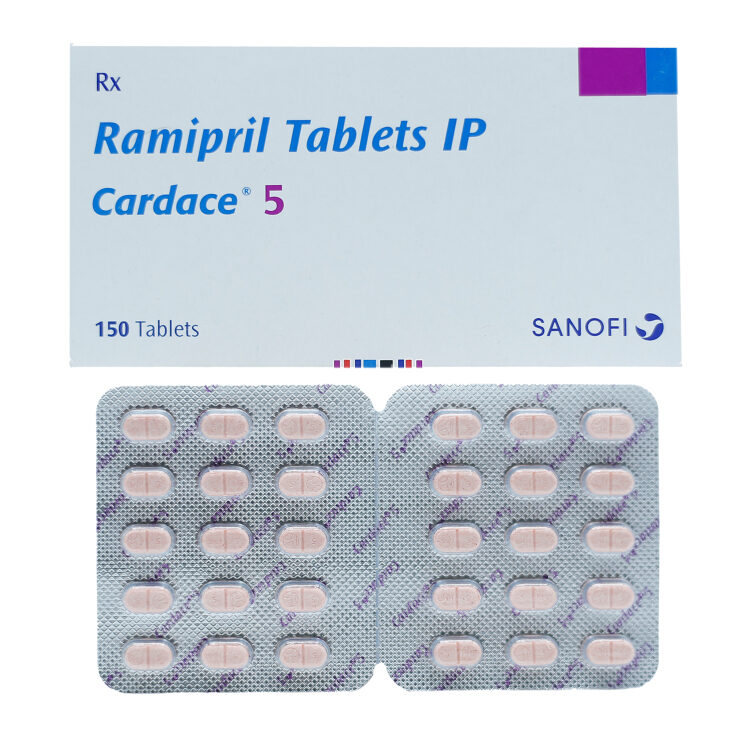
Cardace 5 Tablet is an ACE inhibitor used to treat high blood pressure (hypertension), manage heart failure, and reduce the risk of heart attacks or strokes in high-risk patients. It helps relax blood vessels, improving blood flow and reducing the heart’s workload.
How to Use:
Take the tablet orally with water, usually once daily or as prescribed by your doctor. It can be taken with or without food. Follow the prescribed dosage carefully.
Dosage:
-
Adults: Typically 5mg once daily initially, adjustable according to response and tolerance.
-
Children: Use only under strict medical supervision.
Precautions:
-
Inform your doctor if you have kidney or liver disease, heart problems, or a history of angioedema.
-
Avoid potassium supplements or salt substitutes containing potassium unless advised by your doctor.
-
Pregnant or breastfeeding women should consult a doctor before use.
Side Effects:
Common side effects include dizziness, headache, persistent cough, or fatigue. Rarely, severe allergic reactions or dangerously low blood pressure may occur; seek immediate medical attention if severe.
Uses:
Cardace AM 2.5 Tablet is used to manage high blood pressure (hypertension). It combines Amlodipine, a calcium channel blocker that relaxes blood vessels, and Ramipril, an ACE inhibitor that reduces the workload on the heart. This combination helps control blood pressure more effectively.
How to Use:
Take the tablet orally with water, usually once daily or as prescribed by your doctor. It can be taken with or without food. Follow the prescribed dosage carefully.
Dosage:
-
Adults: Typically 1 tablet once daily, adjustable according to response and tolerance.
-
Children: Use only under strict medical supervision.
Precautions:
-
Inform your doctor if you have kidney or liver disease, heart problems, or a history of angioedema.
-
Avoid potassium supplements or salt substitutes containing potassium unless advised by your doctor.
-
Pregnant or breastfeeding women should consult a doctor before use.
-
Monitor for signs of low blood pressure such as dizziness or fainting.
Side Effects:
Common side effects may include dizziness, headache, swelling of ankles, fatigue, or cough. Rarely, severe allergic reactions or dangerously low blood pressure may occur; seek immediate medical attention if severe.
Uses:
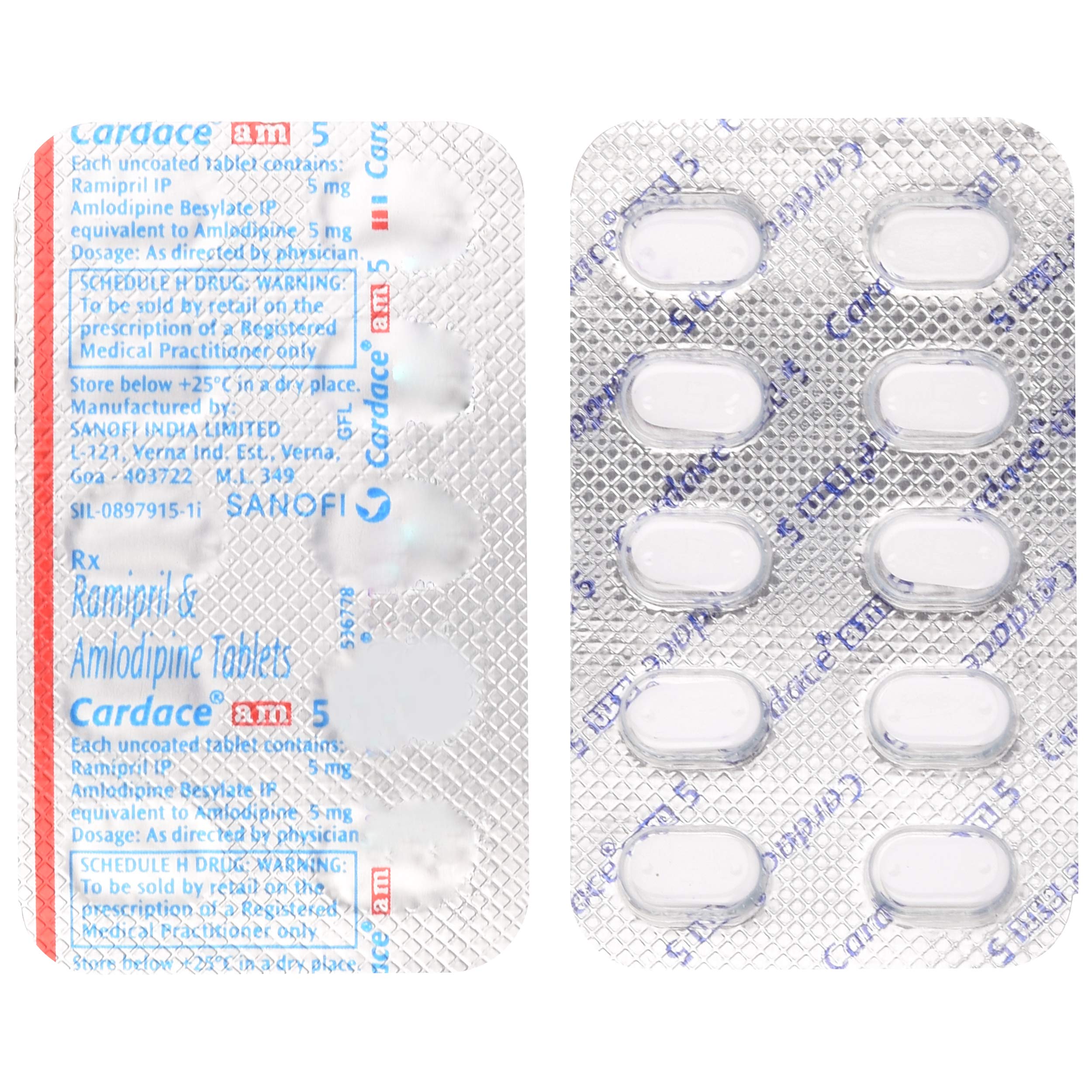
Cardace AM 5 Tablet is used to manage high blood pressure (hypertension). It combines Amlodipine, a calcium channel blocker that relaxes blood vessels, and Ramipril, an ACE inhibitor that reduces the heart’s workload. This combination provides effective blood pressure control.
How to Use:
Take the tablet orally with water, usually once daily or as prescribed by your doctor. It can be taken with or without food. Follow the prescribed dosage carefully.
Dosage:
-
Adults: Typically 1 tablet once daily, adjustable according to response and tolerance.
-
Children: Use only under strict medical supervision.
Precautions:
-
Inform your doctor if you have kidney or liver disease, heart problems, or a history of angioedema.
-
Avoid potassium supplements or salt substitutes containing potassium unless advised by your doctor.
-
Pregnant or breastfeeding women should consult a doctor before use.
-
Monitor for signs of low blood pressure such as dizziness or fainting.
Side Effects:
Common side effects may include dizziness, headache, swelling of ankles, fatigue, or cough. Rarely, severe allergic reactions or dangerously low blood pressure may occur; seek immediate medical attention if severe.
Uses:
Cardace H 10 Tablet is used to manage high blood pressure (hypertension). It combines Ramipril, an ACE inhibitor that relaxes blood vessels, with Hydrochlorothiazide, a diuretic that helps reduce excess fluid and sodium in the body. This combination effectively lowers blood pressure and reduces the risk of heart-related complications.
How to Use:
Take the tablet orally with water, usually once daily or as prescribed by your doctor. It can be taken with or without food. Follow the prescribed dosage carefully.
Dosage:
-
Adults: Typically 1 tablet once daily, adjustable according to response and tolerance.
-
Children: Use only under strict medical supervision.
Precautions:
-
Inform your doctor if you have kidney or liver problems, heart disease, or electrolyte imbalances.
-
Avoid potassium supplements or salt substitutes containing potassium unless advised by your doctor.
-
Pregnant or breastfeeding women should consult a doctor before use.
-
Monitor for signs of low blood pressure, dizziness, or dehydration.
Side Effects:
Common side effects may include dizziness, headache, fatigue, or increased urination. Rarely, severe allergic reactions, electrolyte imbalance, or dangerously low blood pressure may occur; seek immediate medical attention if severe.
Uses:
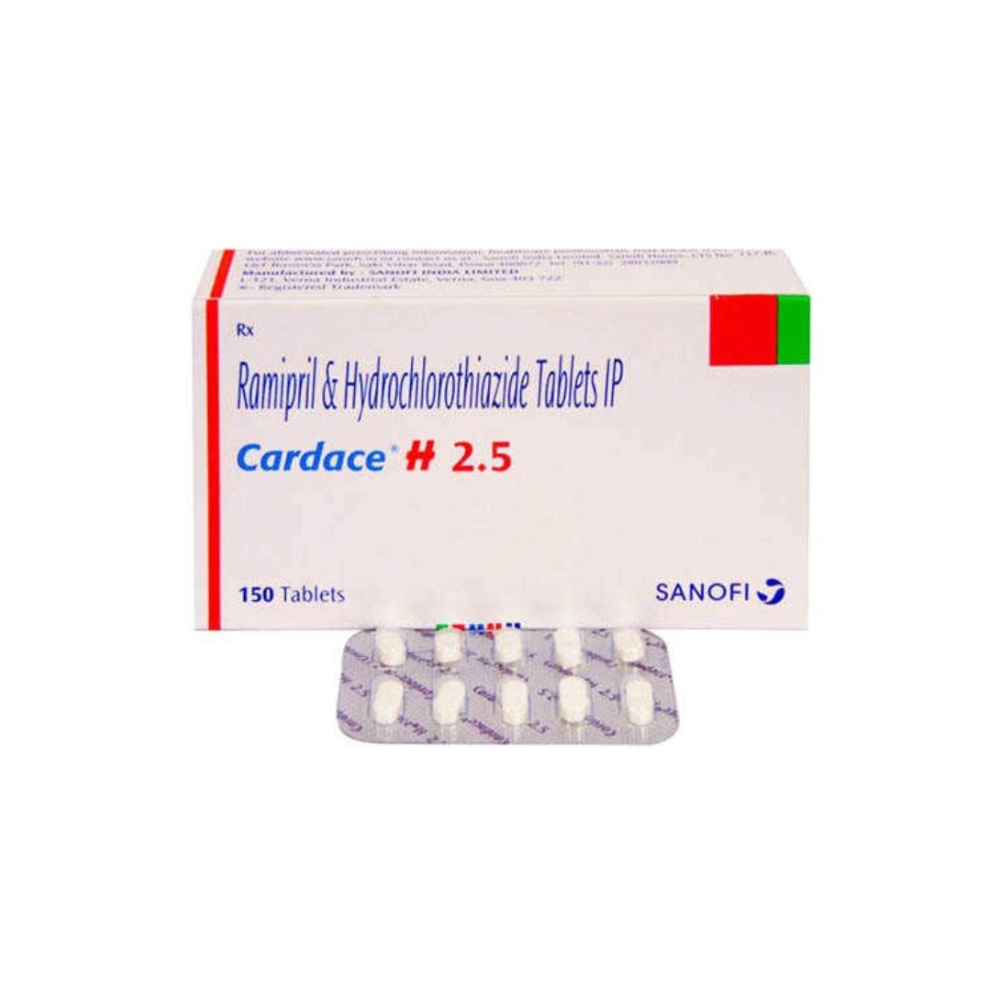
Cardace H 2.5 Tablet is used to manage high blood pressure (hypertension). It combines Ramipril, an ACE inhibitor that relaxes blood vessels, with Hydrochlorothiazide, a diuretic that reduces excess fluid and sodium in the body. This combination helps lower blood pressure and reduce the risk of heart-related complications.
How to Use:
Take the tablet orally with water, usually once daily or as prescribed by your doctor. It can be taken with or without food. Follow the prescribed dosage carefully.
Dosage:
-
Adults: Typically 1 tablet once daily, adjustable according to response and tolerance.
-
Children: Use only under strict medical supervision.
Precautions:
-
Inform your doctor if you have kidney or liver problems, heart disease, or electrolyte imbalances.
-
Avoid potassium supplements or salt substitutes containing potassium unless advised by your doctor.
-
Pregnant or breastfeeding women should consult a doctor before use.
-
Monitor for signs of low blood pressure, dizziness, or dehydration.
Side Effects:
Common side effects may include dizziness, headache, fatigue, or increased urination. Rarely, severe allergic reactions, electrolyte imbalance, or dangerously low blood pressure may occur; seek immediate medical attention if severe.
Uses:
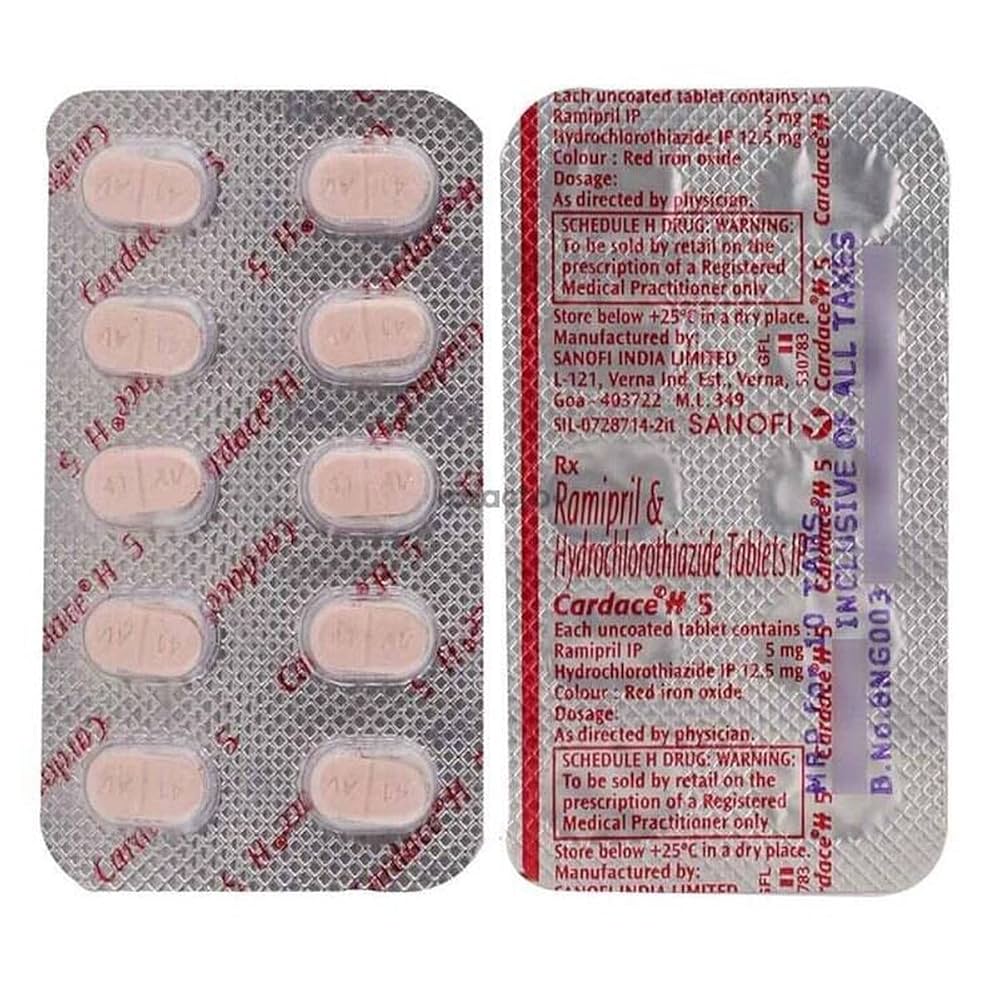
Cardace H 5 Tablet is used to manage high blood pressure (hypertension). It combines Ramipril, an ACE inhibitor that relaxes blood vessels, with Hydrochlorothiazide, a diuretic that helps remove excess fluid and sodium from the body. This combination effectively lowers blood pressure and reduces the risk of heart-related complications.
How to Use:
Take the tablet orally with water, usually once daily or as prescribed by your doctor. It can be taken with or without food. Follow the prescribed dosage carefully.
Dosage:
-
Adults: Typically 1 tablet once daily, adjustable according to response and tolerance.
-
Children: Use only under strict medical supervision.
Precautions:
-
Inform your doctor if you have kidney or liver problems, heart disease, or electrolyte imbalances.
-
Avoid potassium supplements or salt substitutes containing potassium unless advised by your doctor.
-
Pregnant or breastfeeding women should consult a doctor before use.
-
Monitor for signs of low blood pressure, dizziness, or dehydration.
Side Effects:
Common side effects include dizziness, headache, fatigue, or increased urination. Rarely, severe allergic reactions, electrolyte imbalance, or dangerously low blood pressure may occur; seek immediate medical attention if severe.