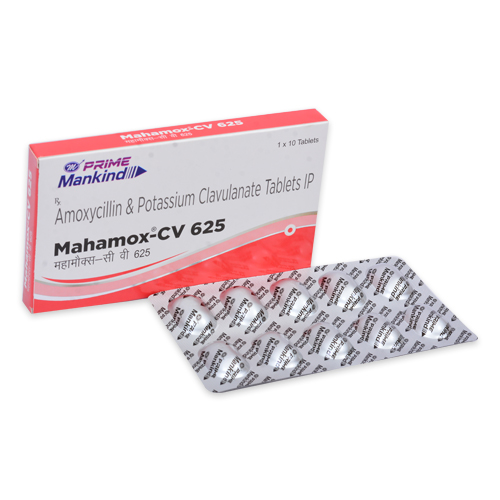
Mahamox CV 625 Tablet is a broad-spectrum antibiotic used to treat a wide range of bacterial infections. It contains Amoxicillin (500mg), a penicillin-type antibiotic that inhibits bacterial cell wall synthesis, and Clavulanic Acid (125mg), a beta-lactamase inhibitor that prevents bacteria from deactivating Amoxicillin. This combination makes it effective against beta-lactamase producing and resistant bacteria, ensuring rapid and effective treatment.
Mahamox CV 625 is commonly prescribed for respiratory infections, urinary tract infections, skin infections, dental infections, and ear-nose-throat infections, helping to relieve symptoms, eradicate the bacteria, and prevent complications.
Uses:
-
Respiratory tract infections (bronchitis, pneumonia, sinusitis)
-
Urinary tract infections (UTIs)
-
Skin and soft tissue infections
-
Dental and oral infections
-
Ear, nose, and throat infections
Key Benefits:
-
Broad-spectrum activity against resistant bacterial strains
-
Reduces fever, pain, and inflammation associated with infections
-
Helps prevent infection progression and complications
-
Supports faster recovery and reduces recurrence of bacterial infections
Directions for Use:
Take Mahamox CV 625 Tablet orally with a full glass of water, preferably after meals. Swallow the tablet whole; do not crush or chew. Follow the doctor’s dosage instructions carefully and complete the full course even if symptoms improve early.
Safety Advice:
-
Allergies: Avoid if allergic to penicillin or beta-lactam antibiotics.
-
Pregnancy & Breastfeeding: Consult your doctor before use.
-
Liver/Kidney Disorders: Use with caution; dose adjustment may be required.
-
Side Effects: May include diarrhea, nausea, vomiting, or rash; report severe reactions to a doctor immediately.

This combination tablet from Cipla Ltd. contains Ampicillin 125 mg and Dicloxacillin 125 mg, formulated to provide effective treatment against a wide range of bacterial infections.
-
Ampicillin is a broad-spectrum penicillin-class antibiotic that works by inhibiting bacterial cell wall synthesis, killing susceptible bacteria and preventing the infection from spreading.
-
Dicloxacillin is a penicillinase-resistant antibiotic that targets bacteria producing beta-lactamase, helping in infections that may not respond to standard penicillin therapy.
Together, this combination is effective against respiratory tract infections, skin infections, urinary tract infections, ear, nose, and throat infections, and bone infections, providing enhanced antibacterial coverage.
Uses:
-
Respiratory tract infections: Bronchitis, tonsillitis, pharyngitis, pneumonia
-
Skin and soft tissue infections
-
Urinary tract infections (UTIs)
-
Ear, nose, and throat infections
-
Bone and joint infections
Key Benefits:
-
Broad-spectrum antibiotic coverage against gram-positive and some gram-negative bacteria
-
Effective against beta-lactamase producing bacteria
-
Provides relief from fever, pain, swelling, and redness caused by infections
-
Helps prevent recurrence and spread of bacterial infections
How to Take:
-
Take as prescribed by your doctor
-
Swallow the tablet whole with water
-
Complete the full prescribed course even if symptoms improve early
Precautions:
-
Not effective against viral infections like cold or flu
-
Inform your doctor if you have a history of allergy to penicillins
-
Use with caution in patients with kidney or liver disease
-
Pregnant or breastfeeding women should take only if advised by a doctor
Possible Side Effects:
-
Mild: Nausea, vomiting, diarrhea, stomach pain, mild rash
-
Rare but serious: Severe allergic reactions, persistent diarrhea (C. difficile infection)
Storage:

Metrofur Plus Tablet is a combination medicine used to treat gastrointestinal infections and related symptoms. It combines:
-
Metronidazole (200mg): an antibacterial and antiprotozoal agent that fights infections in the intestines.
-
Dicyclomine (10mg): an antispasmodic that relaxes intestinal muscles, reducing cramps and abdominal pain.
-
Loperamide (1.5mg): an antidiarrheal that slows down bowel movements, improving stool consistency and reducing urgency.
This combination provides relief from diarrhea, abdominal cramps, and infections of the gastrointestinal tract.
Uses:
-
Treatment of infectious diarrhea and gastroenteritis
-
Relief from abdominal cramps and intestinal spasms
-
Management of diarrhea-related discomfort and urgency
-
Supports faster recovery from bacterial or protozoal intestinal infections
Dosage:
The usual adult dose is one tablet 2–3 times daily, or as prescribed by your doctor. Dosage may vary depending on the severity of symptoms. Complete the full course even if symptoms improve.
How to Use:
Swallow the tablet whole with water, preferably after meals. Follow your doctor’s instructions carefully. Do not crush or chew the tablet.
Precautions:
-
Inform your doctor if you have liver, kidney, or intestinal disorders.
-
Not recommended during pregnancy or breastfeeding unless advised by a doctor.
-
Avoid alcohol during treatment due to Metronidazole.
-
Ensure proper hydration during treatment.
Side Effects:
Common side effects may include nausea, dizziness, mild abdominal discomfort, constipation, or headache. Rare side effects may include allergic reactions, severe diarrhea, or neurological symptoms. Seek medical attention if severe reactions occur.

Uses:
Metrogyl 400 Tablet is mainly used to treat bacterial and parasitic infections, especially:
-
Amoebiasis (intestinal infections)
-
Giardiasis
-
Bacterial vaginosis
-
Dental infections
-
Skin, bone, and joint infections
-
Post-surgery infections caused by anaerobic bacteria
How it Works:
Metronidazole stops the growth of bacteria and parasites by damaging their DNA, helping the body clear the infection.
Dosage:
-
Typically taken 2–3 times a day after food.
-
Dose and duration depend on the infection type.
-
Complete the full course even if you start feeling better.
-
Only take as prescribed by your doctor.
How to Use:
Precautions:
-
Avoid alcohol (can cause severe reactions like vomiting, headache, flushing).
-
Inform your doctor if you have liver disease, kidney issues, seizures, or blood disorders.
-
Not recommended during first trimester of pregnancy unless advised.
-
Use with caution while breastfeeding.
Side Effects:
Common:
-
Nausea, vomiting
-
Metallic taste
-
Headache
-
Dizziness
-
Stomach pain
-
Loss of appetite
Serious (rare):
Uses:
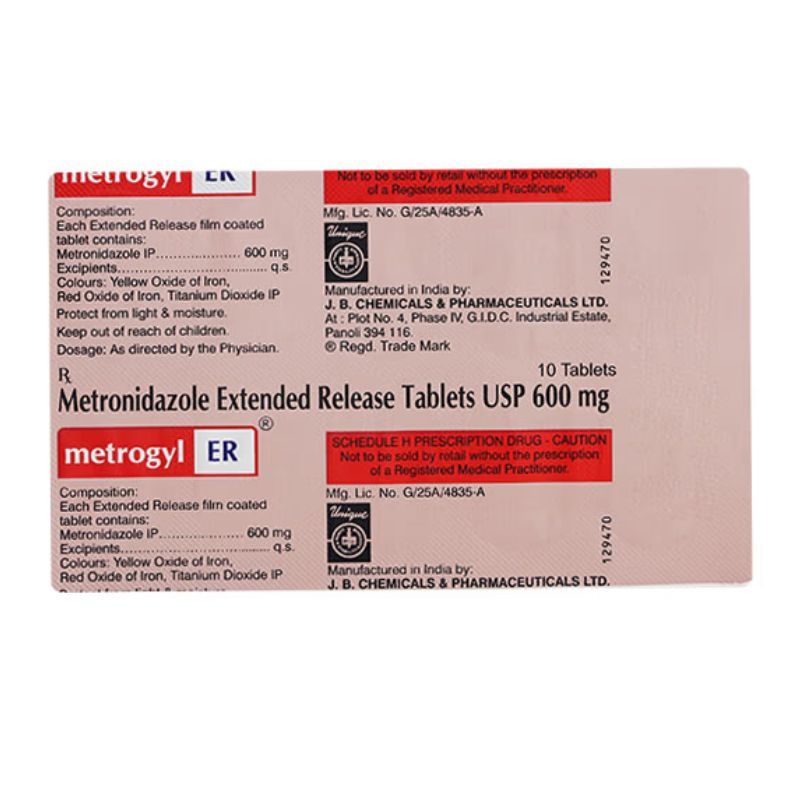
Metrogyl 600 Tablet ER (Extended Release) is used for treating moderate to severe bacterial and parasitic infections, including:
-
Amoebiasis (intestinal infections)
-
Liver abscess
-
Giardiasis
-
Bacterial vaginosis
-
Pelvic inflammatory infections
-
Post-surgical anaerobic infections
-
Dental infections
-
Skin, bone, joint, and abdominal infections caused by anaerobic bacteria
How it Works:
Metronidazole works by damaging the DNA of bacteria and parasites, preventing them from multiplying.
The ER (Extended Release) form keeps the medicine working longer with fewer doses.
Dosage:
-
Usually taken once or twice daily, depending on the infection.
-
Swallow whole; do not crush or chew (it’s extended release).
-
Duration depends on doctor recommendation.
-
Complete the full course even if symptoms improve.
How to Use:
Precautions:
-
Avoid alcohol — may cause severe reactions like nausea, flushing, palpitations.
-
Inform doctor if you have liver disease, kidney problems, seizures, or blood disorders.
-
Use with caution during pregnancy and breastfeeding.
-
Long-term use may cause nerve-related side effects.
Side Effects:
Common:
-
Nausea, vomiting
-
Headache
-
Metallic taste
-
Stomach cramps
-
Dizziness
-
Loss of appetite
Serious (rare):
Uses:
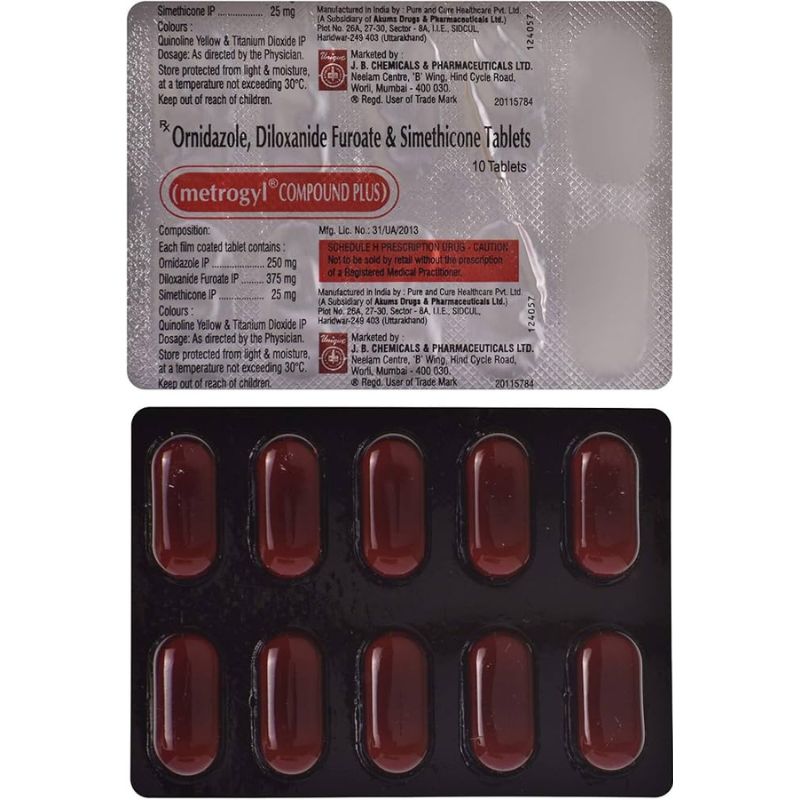
Metrogyl Compound Plus Tablet is used for treating intestinal infections caused by parasites and bacteria, especially:
-
Amoebiasis
-
Dysentery
-
Diarrhoea due to parasitic infection
-
Gas, bloating, abdominal discomfort
-
Mixed bacterial + parasitic intestinal infections
How it Works:
-
Diloxanide: Acts against amoeba in the intestines (luminal amoebicide).
-
Ornidazole: Kills parasites and anaerobic bacteria by damaging their DNA.
-
Simethicone: Reduces gas and bloating by breaking trapped gas bubbles.
Together, they cure infection while reducing abdominal discomfort.
Dosage:
-
Usually taken 1 tablet twice daily after meals.
-
Dosage depends on the infection severity.
-
Complete the full course as prescribed by the doctor.
How to Use:
Precautions:
-
Avoid alcohol (may cause nausea, flushing, headache).
-
Inform doctor if you have liver disease, kidney problems, seizures, or blood disorders.
-
Not recommended in pregnancy unless advised.
-
Safe only under doctor supervision for breastfeeding mothers.
Side Effects:
Common:
-
Nausea, vomiting
-
Stomach pain
-
Metallic taste
-
Bloating, gas
-
Headache
-
Dizziness
Serious (rare):

Uses:
Metrogyl Gel is mainly used for treating skin infections and inflammation, including:
-
Acne rosacea (redness, bumps on face)
-
Inflamed acne spots
-
Infected wounds
-
Skin redness and swelling caused by anaerobic bacteria
-
Certain fungal/bacterial mix infections (as advised by doctor)
How it Works:
Metronidazole reduces infection and inflammation by killing anaerobic bacteria and reducing the formation of harmful chemicals in the skin that cause redness and irritation.
How to Use:
-
Clean and dry the affected area.
-
Apply a thin layer of gel 1–2 times a day or as directed.
-
Avoid contact with eyes, mouth, and inside the nose.
-
Wash hands after applying.
Precautions:
-
For external use only.
-
Avoid applying on broken or severely irritated skin.
-
Avoid harsh creams, scrubs, or cosmetics on the treated area.
-
Use sunscreen if going out — it may increase sensitivity.
-
Inform your doctor if pregnant or breastfeeding.
Side Effects:
Common:
-
Mild burning
-
Skin dryness
-
Redness
-
Itching
-
Irritation
Rare:

Uses:
Metrogyl Suspension is used for treating bacterial and parasitic infections, especially in children, such as:
-
Amoebiasis (intestinal infection)
-
Giardiasis
-
Dysentery
-
Diarrhoea due to parasites
-
Dental infections
-
Infections of stomach and intestines
-
Post-surgery anaerobic infections (as advised)
How it Works:
Metronidazole kills anaerobic bacteria and parasites by damaging their DNA, stopping their growth and clearing infection.
Dosage:
-
Dose depends on child’s age, weight, and infection type.
-
Typically given 2–3 times a day after food.
-
Adults may also use it if prescribed.
-
Shake the bottle well before use.
-
Complete the full course even if symptoms improve.
How to Use:
-
Measure using the provided measuring cup/dropper.
-
Give after food to prevent stomach upset.
-
Avoid alcohol for adults using this suspension and 48 hours after finishing.
Precautions:
-
Avoid alcohol (for adults).
-
Inform doctor if the patient has liver disease, kidney problems, seizures, blood disorders.
-
Use with caution in pregnancy or breastfeeding (doctor decision).
-
Check expiry date before giving to children.
-
Do not give more than prescribed.
Side Effects:
Common:
-
Nausea, vomiting
-
Bitter/metallic taste
-
Stomach cramps
-
Loss of appetite
-
Headache
-
Dizziness
Rare but serious:
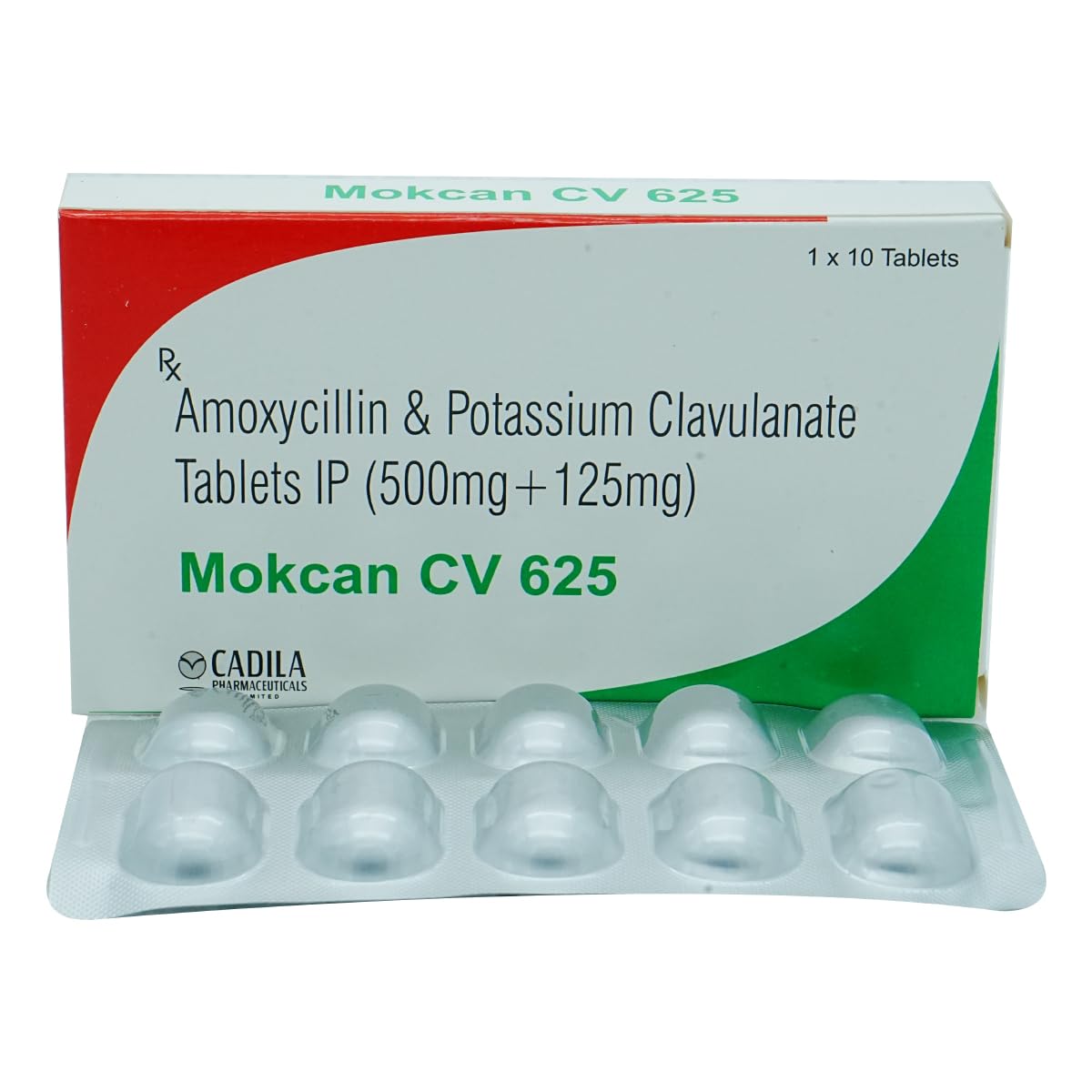
Mokcan CV 625mg Tablet is a broad-spectrum antibiotic used to treat bacterial infections. It combines Amoxicillin (500mg), a penicillin-type antibiotic that stops the growth of bacteria, with Clavulanic Acid (125mg), a beta-lactamase inhibitor that prevents certain bacteria from inactivating Amoxicillin. This combination enhances the effectiveness of the medicine against resistant bacterial strains.
Mokcan CV is commonly prescribed for respiratory tract infections, urinary tract infections, skin infections, and dental infections. It works by eliminating the bacteria causing the infection, reducing symptoms, and preventing the infection from worsening.
Uses:
-
Treatment of respiratory tract infections (sinusitis, bronchitis, pneumonia)
-
Urinary tract infections (UTIs)
-
Skin and soft tissue infections
-
Dental and oral infections
-
Ear, nose, and throat infections
Key Benefits:
-
Broad-spectrum antibiotic action for resistant bacteria
-
Helps relieve symptoms like fever, pain, and inflammation
-
Prevents progression and complications of bacterial infections
-
Enhances recovery speed and reduces the risk of recurrent infections
Directions for Use:
Take Mokcan CV 625mg Tablet orally with a full glass of water, preferably after meals. Swallow the tablet whole; do not crush or chew. Follow your doctor’s dosage instructions carefully and complete the full course even if symptoms improve early.
Safety Advice:
-
Allergies: Avoid if allergic to penicillin or beta-lactam antibiotics.
-
Pregnancy & Breastfeeding: Consult your doctor before use.
-
Liver/Kidney Disorders: Use with caution; dose adjustments may be needed.
-
Side Effects: May include diarrhea, nausea, vomiting, or rash; report severe reactions to a doctor immediately.

Mosi-D Eye Drop is a prescription ophthalmic medicine containing Moxifloxacin, a broad-spectrum fluoroquinolone antibiotic, and Dexamethasone, a corticosteroid. It is prescribed for bacterial eye infections accompanied by inflammation, helping to eliminate infection while relieving redness, swelling, discomfort, and irritation.
Uses of Mosi-D Eye Drop
- Bacterial conjunctivitis (pink eye)
- Bacterial eye infections with inflammation
- Post-operative eye infections (as prescribed)
- Redness and swelling caused by bacterial eye infections
Benefits of Mosi-D Eye Drop
- Effectively kills bacteria causing eye infections
- Reduces redness and inflammation
- Relieves pain and irritation
- Helps promote faster healing
- Prevents worsening of bacterial eye infections
How Mosi-D Eye Drop Works
- Moxifloxacin kills bacteria by preventing them from multiplying.
- Dexamethasone reduces inflammation, swelling, redness, and discomfort by suppressing the body’s inflammatory response.
Dosage
- Use Mosi-D Eye Drop exactly as prescribed by your doctor.
- Instill the recommended number of drops into the affected eye(s).
- Complete the full course of treatment even if symptoms improve.
How to Use
- Wash your hands before using the eye drops.
- Tilt your head back and gently pull down the lower eyelid.
- Instill the prescribed number of drops without touching the dropper tip to the eye or any surface.
- Close your eyes gently for 1–2 minutes after application.
- If using other eye medications, maintain at least a 5–10 minute interval.
Side Effects
Common side effects include:
- Temporary burning or stinging
- Eye irritation
- Blurred vision immediately after application
- Watery eyes
- Dry eyes
- Mild eye discomfort
Seek immediate medical attention if you experience severe eye pain, vision changes, swelling of the face, or signs of an allergic reaction.
Precautions
- For ophthalmic use only.
- Do not wear contact lenses while using this medicine unless advised by your doctor.
- Avoid touching the dropper tip to prevent contamination.
- Use with caution in patients with glaucoma or a history of increased eye pressure.
- Use during pregnancy or breastfeeding only if prescribed.
Drug Interactions
Although systemic interactions are uncommon, inform your doctor if you are using:
- Other eye drops or eye ointments
- Corticosteroid eye medicines
- Other antibiotic eye preparations
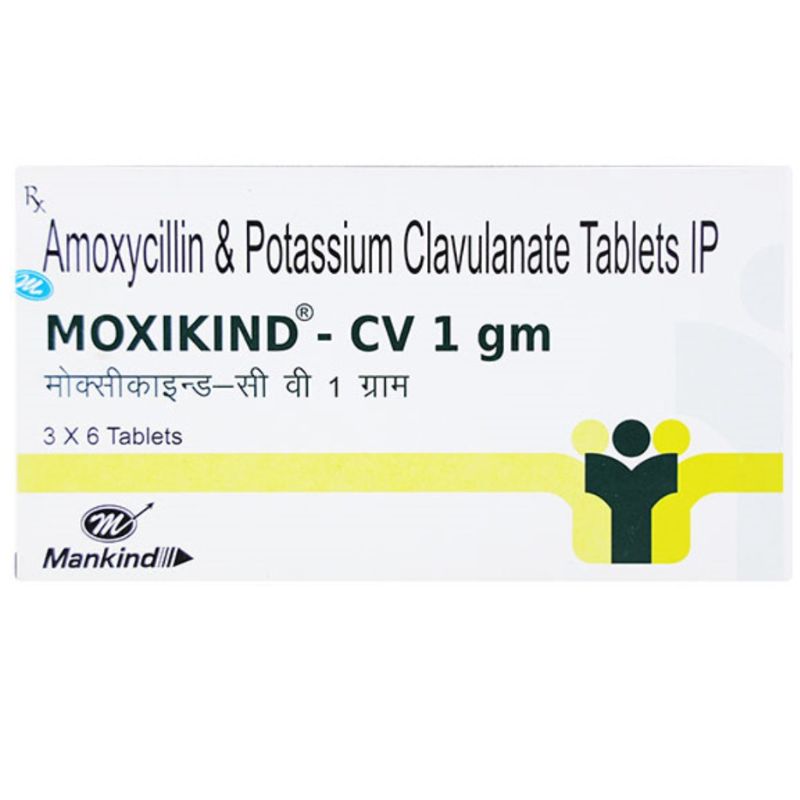
Uses
-
Main use: Strong antibiotic for bacterial infections
-
Used for infections of the lungs, throat, sinuses, ear, urinary tract, skin, teeth, joints
-
Amoxycillin kills bacteria
-
Clavulanic Acid improves effectiveness against resistant bacteria
Dosage
-
Usually 1 tablet twice daily, as prescribed
-
Take after food to reduce stomach upset
-
Complete full course, even if symptoms improve
How to Use
Precautions
-
Avoid if allergic to penicillins or cephalosporins
-
Inform doctor if: kidney disease, liver disease, mononucleosis
-
Drug interactions: allopurinol, warfarin, methotrexate, probenecid
-
May cause diarrhea—do not self-treat without advice
Side Effects
Common:
-
Diarrhea
-
Nausea
-
Vomiting
-
Stomach pain
Less common:
-
Skin rash
-
Liver enzyme changes
-
Yeast infection
Seek medical help if you develop severe diarrhea, jaundice, or allergic reaction (swelling, breathing difficulty).