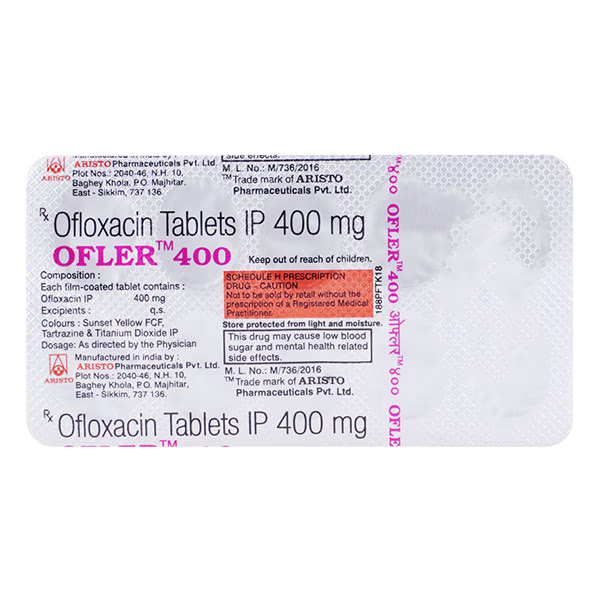
Uses:
Ofler 400mg Tablet is an antibiotic medicine used to treat bacterial infections. It belongs to the fluoroquinolone class of antibiotics and works by inhibiting the growth of bacteria. It is commonly prescribed for infections of the urinary tract, respiratory tract, skin, soft tissues, and gastrointestinal infections.
Dosage:
-
Take as prescribed by your doctor.
-
Usually taken once or twice daily, depending on the type and severity of infection.
-
Swallow the tablet with a full glass of water.
-
Complete the full course even if symptoms improve early to avoid bacterial resistance.
Precautions:
-
Not suitable for patients with allergy to fluoroquinolones.
-
Inform your doctor if you have kidney or liver problems.
-
Avoid taking with dairy products, calcium, iron supplements, or antacids within 2 hours of the dose.
-
Use cautiously in pregnant or breastfeeding women.
-
Report any unusual tendon or joint pain, as rare side effects may occur.
Side Effects:
-
Common: Nausea, vomiting, diarrhea, stomach discomfort
-
Less common: Headache, dizziness, mild skin rash
-
Rare: Tendon rupture, severe allergic reactions, liver issues
Additional Information:
Ofler 400mg Tablet provides effective treatment for bacterial infections when taken correctly. Adhering to the prescribed dosage, maintaining hydration, and following doctor’s advice ensures optimal recovery and minimizes side effects.

Oflomac Forte Oral Solution contains Ofloxacin (100mg/5ml), a fluoroquinolone antibiotic formulated in a liquid form for easy administration, especially in children or patients who cannot swallow tablets. It is used to treat a wide range of bacterial infections affecting the respiratory tract, urinary tract, gastrointestinal tract, skin, and soft tissues.
Ofloxacin works by inhibiting bacterial DNA gyrase and topoisomerase IV, enzymes essential for bacterial growth and replication, thereby stopping the infection from spreading.
Common Uses:
-
Respiratory tract infections (pneumonia, bronchitis)
-
Urinary tract infections (UTIs)
-
Gastrointestinal infections (infectious diarrhea, typhoid fever)
-
Skin and soft tissue infections
-
Certain ENT infections
Key Information:
-
Should be measured using a proper dosing spoon/cup.
-
Shake well before use.
-
Complete the full prescribed course even if symptoms improve early.
-
Avoid taking with dairy products or antacids containing magnesium/aluminum.
Possible Side Effects:
-
Nausea, vomiting, diarrhea
-
Abdominal discomfort
-
Dizziness, headache
-
Sleep disturbances
-
Rare: tendon inflammation or rupture, allergic reactions
⚠️ Precautions:
-
Dose should be adjusted in children based on weight.
-
Not recommended during pregnancy or breastfeeding unless prescribed.
-
Use with caution in patients with kidney, liver, or CNS disorders.
-
Avoid direct sunlight exposure to prevent photosensitivity reactions.
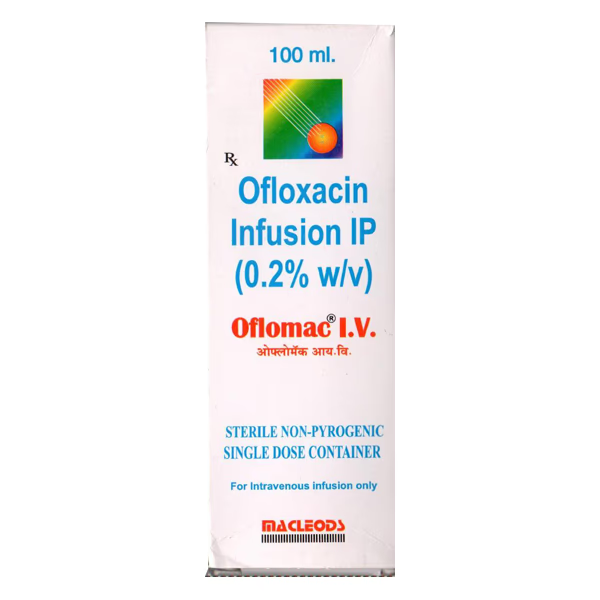
Oflomac IV 200mg Infusion contains Ofloxacin (200mg), a broad-spectrum antibiotic belonging to the fluoroquinolone class. It is given intravenously (IV) in hospitals or clinical settings to treat moderate to severe bacterial infections when oral administration is not possible or when faster action is required.
This medicine works by inhibiting bacterial enzymes DNA gyrase and topoisomerase IV, which are vital for bacterial replication and repair. As a result, it stops the growth and spread of infection-causing bacteria.
Common Uses:
-
Severe respiratory tract infections (pneumonia, bronchitis)
-
Complicated urinary tract infections (UTIs)
-
Gastrointestinal infections (including typhoid and severe diarrhea)
-
Skin and soft tissue infections
-
Intra-abdominal infections
-
Bone and joint infections
-
Septicemia (blood infections)
Key Information:
-
Administered only under medical supervision by IV infusion.
-
Dosage depends on infection type, severity, and patient’s condition.
-
Treatment may be switched to oral Ofloxacin once the patient improves.
-
Complete the full course to prevent antibiotic resistance.
Possible Side Effects:
-
Nausea, vomiting, diarrhea
-
Headache, dizziness
-
Injection site pain or redness
-
Insomnia or restlessness
-
Rare: tendon inflammation/rupture, allergic reactions, liver enzyme changes
⚠️ Precautions:
-
Use with caution in patients with kidney, liver, or CNS disorders.
-
Not recommended during pregnancy or breastfeeding unless necessary.
-
Avoid in patients with known hypersensitivity to fluoroquinolones.
-
Monitor for tendon pain/swelling and discontinue if symptoms appear.
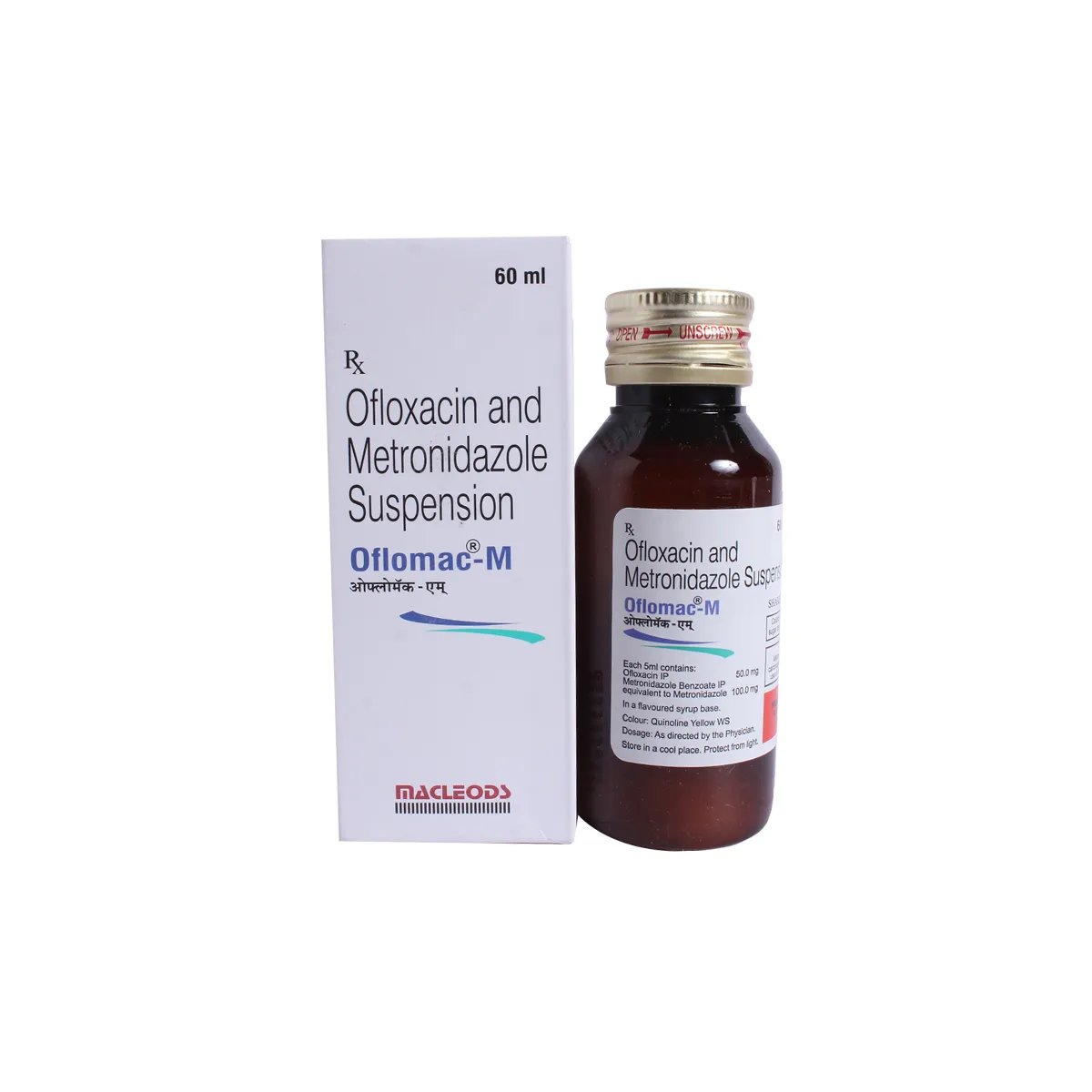
Oflomac-M Suspension is a combination antibiotic suspension containing Ofloxacin (50mg/5ml) and Metronidazole (100mg/5ml). It is specially formulated for children and adults who require liquid medication.
-
Ofloxacin is a fluoroquinolone antibiotic that stops the growth of a wide range of bacteria by inhibiting their DNA replication.
-
Metronidazole is an antiprotozoal and antibacterial agent effective against anaerobic bacteria and certain parasites.
Together, they provide a broad-spectrum action against bacterial and protozoal infections, especially those involving the gastrointestinal tract.
Common Uses:
-
Diarrhea and dysentery caused by mixed bacterial and protozoal infections
-
Gastrointestinal infections
-
Amoebiasis and giardiasis
-
Infections of the oral cavity, gums, and dental region
-
Certain gynecological and pelvic infections
Key Information:
-
Shake well before use.
-
Dose should be measured with a proper measuring spoon or cup.
-
Complete the full prescribed course even if symptoms improve.
-
Avoid taking with milk or antacids that reduce Ofloxacin absorption.
Possible Side Effects:
-
Nausea, vomiting, stomach upset
-
Metallic taste in mouth (due to Metronidazole)
-
Diarrhea or constipation
-
Headache, dizziness
-
Rare: tendon pain/swelling, allergic reactions, darkening of urine (harmless with Metronidazole)
⚠️ Precautions:
-
Use with caution in children; dose adjusted by weight.
-
Avoid alcohol during and at least 48 hours after treatment (Metronidazole can cause severe reactions with alcohol).
-
Not recommended during pregnancy or breastfeeding unless prescribed.
-
Patients with liver, kidney, or CNS disorders should be carefully monitored.

Ofron 200mg Tablet is a broad-spectrum antibiotic used to treat various bacterial infections. It contains Ofloxacin (200mg), a fluoroquinolone antibiotic that works by inhibiting bacterial DNA synthesis, effectively stopping bacterial growth. It is commonly prescribed for infections of the urinary tract, respiratory tract, skin, soft tissues, and gastrointestinal system.
Uses:
-
Treatment of urinary tract infections (UTIs)
-
Respiratory tract infections such as bronchitis and pneumonia
-
Skin and soft tissue infections
-
Gastrointestinal infections including typhoid and gastroenteritis
-
Eye and ear infections caused by susceptible bacteria (if prescribed)
Dosage:
The usual adult dose is one tablet (200mg) twice daily, or as prescribed by your doctor. The dose may vary depending on the severity and type of infection. Complete the full course of treatment even if symptoms improve to prevent recurrence or antibiotic resistance.
How to Use:
Swallow the tablet whole with water, with or without food. Avoid taking it with dairy products alone, as they may reduce absorption. Maintain adequate hydration while taking the medicine.
Precautions:
-
Inform your doctor if you have kidney or liver disease, history of tendon disorders, or heart problems.
-
Avoid excessive sunlight or UV exposure during treatment.
-
Not recommended for pregnant or breastfeeding women unless directed by a doctor.
-
Avoid antacids, iron, or zinc supplements close to the dose.
Side Effects:
Common side effects include nausea, diarrhea, dizziness, headache, or mild stomach discomfort. Rare but serious effects may include tendon rupture, severe allergic reactions, nerve damage, or irregular heartbeat. Seek medical attention if severe symptoms occur.
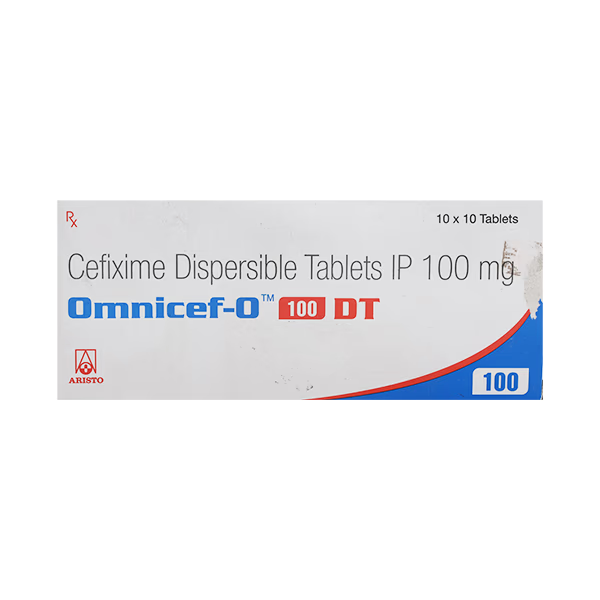
Uses:
Omnicef-O 100mg Tablet DT is an antibiotic used to treat bacterial infections. It belongs to the cephalosporin class of antibiotics and works by killing bacteria or stopping their growth. It is commonly prescribed for infections of the respiratory tract, urinary tract, throat, ear, and skin.
Dosage:
-
Take as prescribed by your doctor.
-
Usually taken once or twice daily, depending on the infection and severity.
-
The tablet is dispersible, which means it can be dissolved in water before taking if needed.
-
Complete the full course of antibiotics even if symptoms improve early, to prevent recurrence or antibiotic resistance.
Precautions:
-
Not suitable for patients with allergy to cephalosporins or penicillin.
-
Inform your doctor about any kidney or liver problems before use.
-
Use caution in pregnant or breastfeeding women.
-
Report any signs of severe diarrhea or allergic reactions immediately.
Side Effects:
-
Common: Nausea, vomiting, diarrhea, stomach upset
-
Less common: Headache, mild skin rash
-
Rare: Severe allergic reactions, liver issues, or persistent diarrhea
Additional Information:
Omnicef-O 100mg Tablet DT provides effective bacterial infection treatment in a convenient dispersible form. Following doctor’s instructions and maintaining hydration improves recovery and reduces the risk of side effects.
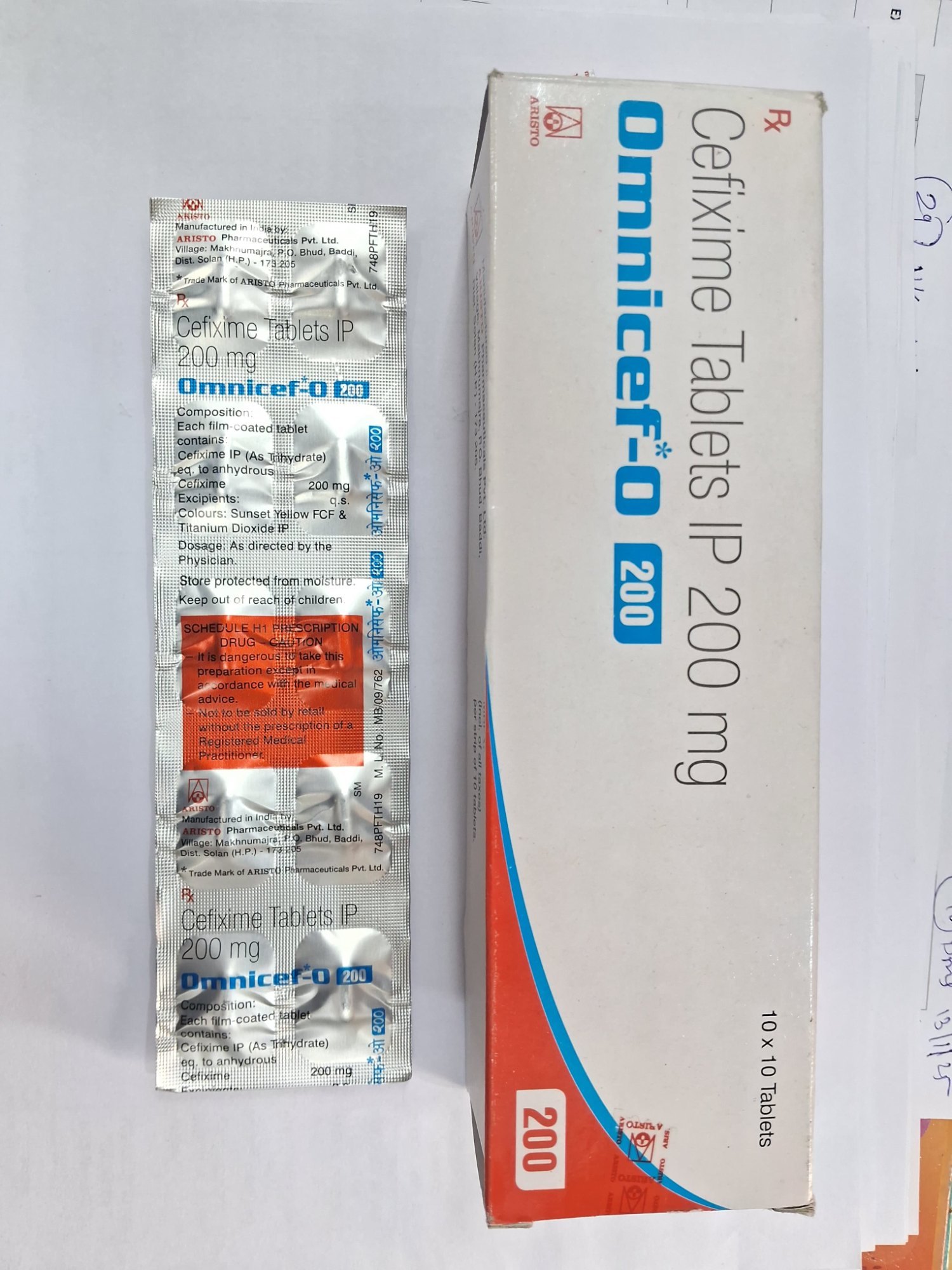
Uses:
Omnicef-O 200mg Tablet is an antibiotic used to treat bacterial infections. It belongs to the cephalosporin class of antibiotics, which work by killing bacteria or stopping their growth. It is commonly prescribed for infections of the respiratory tract, urinary tract, throat, ear, and skin.
Dosage:
-
Take as prescribed by your doctor.
-
Usually taken once or twice daily, depending on the infection type and severity.
-
Swallow the tablet with water.
-
Complete the full course of antibiotics even if symptoms improve early to prevent recurrence and antibiotic resistance.
Precautions:
-
Not suitable for patients with allergy to cephalosporins or penicillin.
-
Inform your doctor about kidney or liver problems before use.
-
Use with caution in pregnant or breastfeeding women.
-
Seek medical attention for severe diarrhea, allergic reactions, or persistent side effects.
Side Effects:
-
Common: Nausea, vomiting, diarrhea, stomach upset
-
Less common: Headache, mild skin rash
-
Rare: Severe allergic reactions, liver problems, or persistent diarrhea
Additional Information:
Omnicef-O 200mg Tablet provides effective treatment for bacterial infections. Following the prescribed dosage, maintaining hydration, and completing the full course are essential for optimal recovery and to minimize side effects.

Oratil 125mg Oral Suspension contains Cefuroxime (125mg/5ml), a second-generation cephalosporin antibiotic used to treat bacterial infections, especially in pediatric patients or adults who have difficulty swallowing tablets.
Cefuroxime works by inhibiting bacterial cell wall synthesis, leading to the death of susceptible bacteria. The oral suspension formulation allows flexible and accurate dosing based on patient weight and age.
Common Uses:
-
Respiratory tract infections (bronchitis, pneumonia)
-
Ear, nose, and throat infections (otitis media, sinusitis, pharyngitis)
-
Urinary tract infections
-
Skin and soft tissue infections
Key Information:
-
Shake the bottle well before each dose.
-
Measure doses accurately using the provided measuring device.
-
Can be taken with or without food.
-
Complete the full course of therapy even if symptoms improve.
Possible Side Effects:
-
Nausea, vomiting, or diarrhea
-
Abdominal discomfort
-
Headache
-
Rare: allergic reactions, including rash or anaphylaxis
⚠️ Precautions:
-
Inform your doctor of any allergies to penicillins or cephalosporins.
-
Use cautiously in patients with kidney impairment.
-
Maintain adequate hydration during treatment.
-
Avoid unapproved medications that may interact without consulting your doctor.

Oratil CV 500mg/125mg Tablet is a combination antibiotic containing Cefuroxime (500mg), a second-generation cephalosporin, and Clavulanic Acid (125mg), a beta-lactamase inhibitor. This combination enhances the antibacterial spectrum of cefuroxime by protecting it from degradation by beta-lactamase-producing bacteria.
It is used to treat moderate to severe bacterial infections caused by susceptible and beta-lactamase-producing organisms.
Common Uses:
-
Respiratory tract infections (bronchitis, pneumonia)
-
Ear, nose, and throat infections (otitis media, sinusitis, pharyngitis)
-
Urinary tract infections
-
Skin and soft tissue infections
-
Infections caused by beta-lactamase producing bacteria
Key Information:
-
Can be taken with or without food.
-
Complete the full course of therapy even if symptoms improve.
-
Take at evenly spaced intervals for consistent blood levels.
-
Follow the doctor’s dosage instructions carefully.
Possible Side Effects:
-
Nausea, vomiting, or diarrhea
-
Abdominal discomfort
-
Headache
-
Rare: allergic reactions, including rash or anaphylaxis
⚠️ Precautions:
-
Inform your doctor of any allergies to penicillins, cephalosporins, or beta-lactam antibiotics.
-
Use cautiously in patients with kidney impairment.
-
Maintain proper hydration during treatment.
-
Avoid unapproved medications that may interact without doctor guidance.

Oratil LZ Tablet is a combination antibiotic containing Cefuroxime (500mg), a second-generation cephalosporin, and Linezolid (600mg), an oxazolidinone antibiotic. This combination is used to treat severe or resistant bacterial infections, particularly those caused by Gram-positive bacteria, including multi-drug resistant strains.
Cefuroxime works by inhibiting bacterial cell wall synthesis, while Linezolid inhibits bacterial protein synthesis, providing a broad-spectrum antibacterial effect.
Common Uses:
-
Severe respiratory tract infections
-
Complicated skin and soft tissue infections
-
Infections caused by resistant Gram-positive bacteria
-
Hospital-acquired infections requiring combination therapy
Key Information:
-
Can be taken with or without food.
-
Follow the prescribed dosage and complete the full course.
-
Take at evenly spaced intervals for optimal blood levels.
-
Consult your doctor if symptoms persist or worsen.
Possible Side Effects:
-
Nausea, vomiting, or diarrhea
-
Headache
-
Fatigue
-
Rare: allergic reactions, blood disorders, neuropathy
⚠️ Precautions:
-
Use cautiously in patients with kidney or liver impairment.
-
Inform your doctor of any blood disorders or current medications to avoid interactions.
-
Monitor for signs of allergic reactions or unusual symptoms during therapy.
-
Avoid prolonged use without medical supervision due to potential bone marrow suppression from Linezolid.

Panderm NM Cream is a prescription topical medicine used to treat bacterial and fungal skin infections. It combines a steroid (Clobetasol) to reduce redness, swelling, and itching, an antifungal (Miconazole) to inhibit fungal growth, and an antibiotic (Neomycin) to prevent bacterial proliferation. Apply a thin layer to the affected area with clean, dry hands as directed by a doctor. Common side effects include mild burning, itching, or skin thinning. Avoid contact with eyes, mouth, nose, or vagina. Complete the full course to ensure effective treatment. Consult a doctor before use during pregnancy, breastfeeding, or if you have liver or kidney issues.
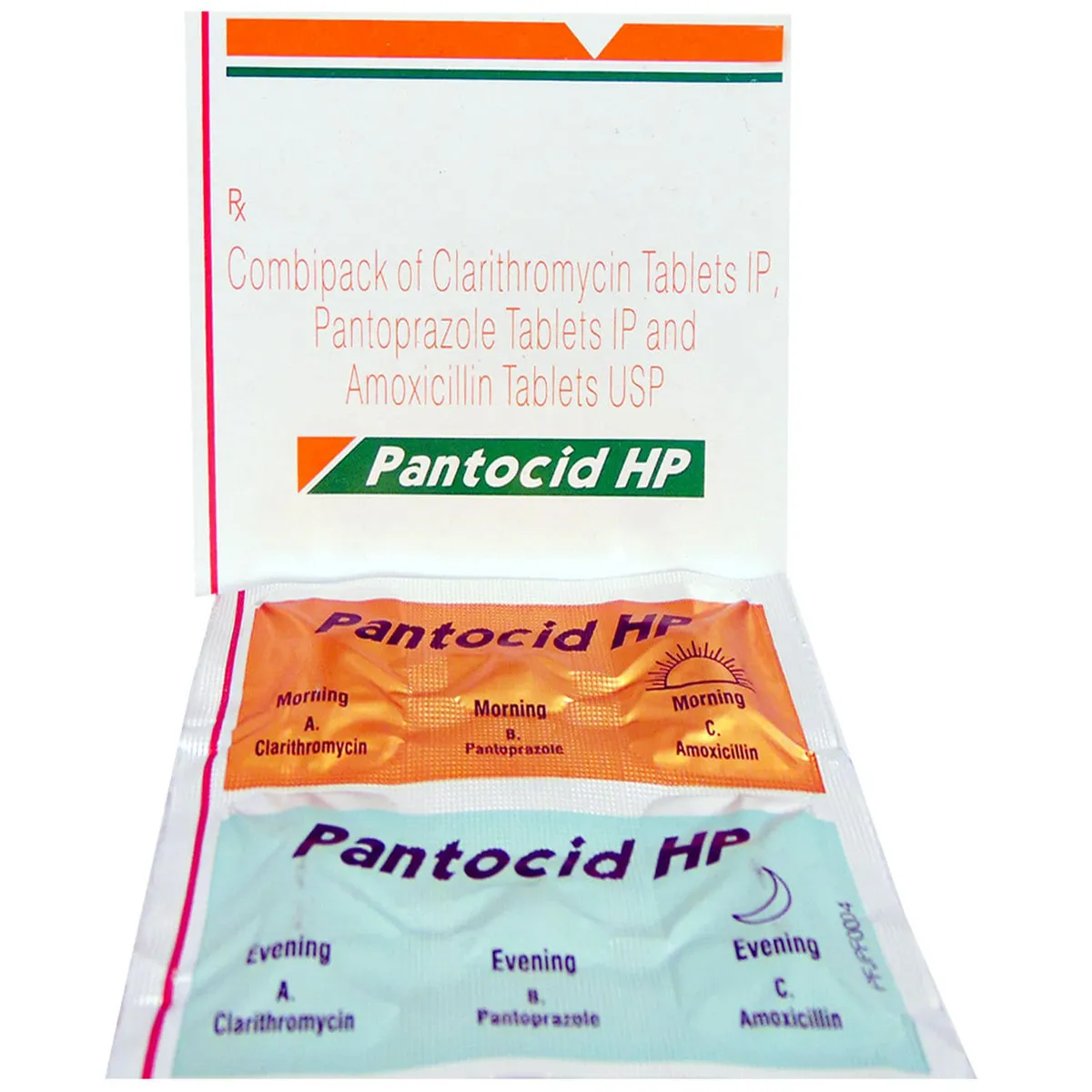
Pantocid HP Combipack is a triple therapy medicine containing Amoxycillin (750mg), Pantoprazole (40mg), and Clarithromycin (500mg). It is primarily used for the eradication of Helicobacter pylori (H. pylori) infection and treatment of acid-related gastrointestinal disorders.
-
Amoxycillin is a penicillin-type antibiotic that kills H. pylori bacteria.
-
Clarithromycin is a macrolide antibiotic that inhibits bacterial growth and supports eradication.
-
Pantoprazole is a proton pump inhibitor (PPI) that reduces stomach acid, helping heal ulcers and enhance antibiotic efficacy.
Uses:
-
Treatment of H. pylori infection
-
Management of peptic and duodenal ulcers associated with H. pylori
-
Reduces acidity, heartburn, and stomach pain
How to Use:
Take the medicines as prescribed by your doctor, usually for a 7–14 day course. Follow the recommended timing and complete the full course even if symptoms improve. Swallow tablets/capsules with water; do not crush or chew.
Dosage:
Dosage is determined by your doctor based on your condition and weight. Do not self-adjust or skip doses.
Precautions:
-
Inform your doctor if you have allergies to penicillin or macrolide antibiotics.
-
Use cautiously in patients with liver or kidney disease.
-
Avoid alcohol during therapy, as it may worsen side effects.
-
Complete the full course to prevent bacterial resistance.
-
Report severe diarrhea, allergic reactions, or persistent nausea immediately.
Side Effects:
-
Nausea, vomiting, diarrhea, abdominal discomfort
-
Headache, dizziness
-
Rarely, allergic reactions such as rash, itching, swelling, or difficulty breathing
-
Metallic taste or mild changes in taste perception..