


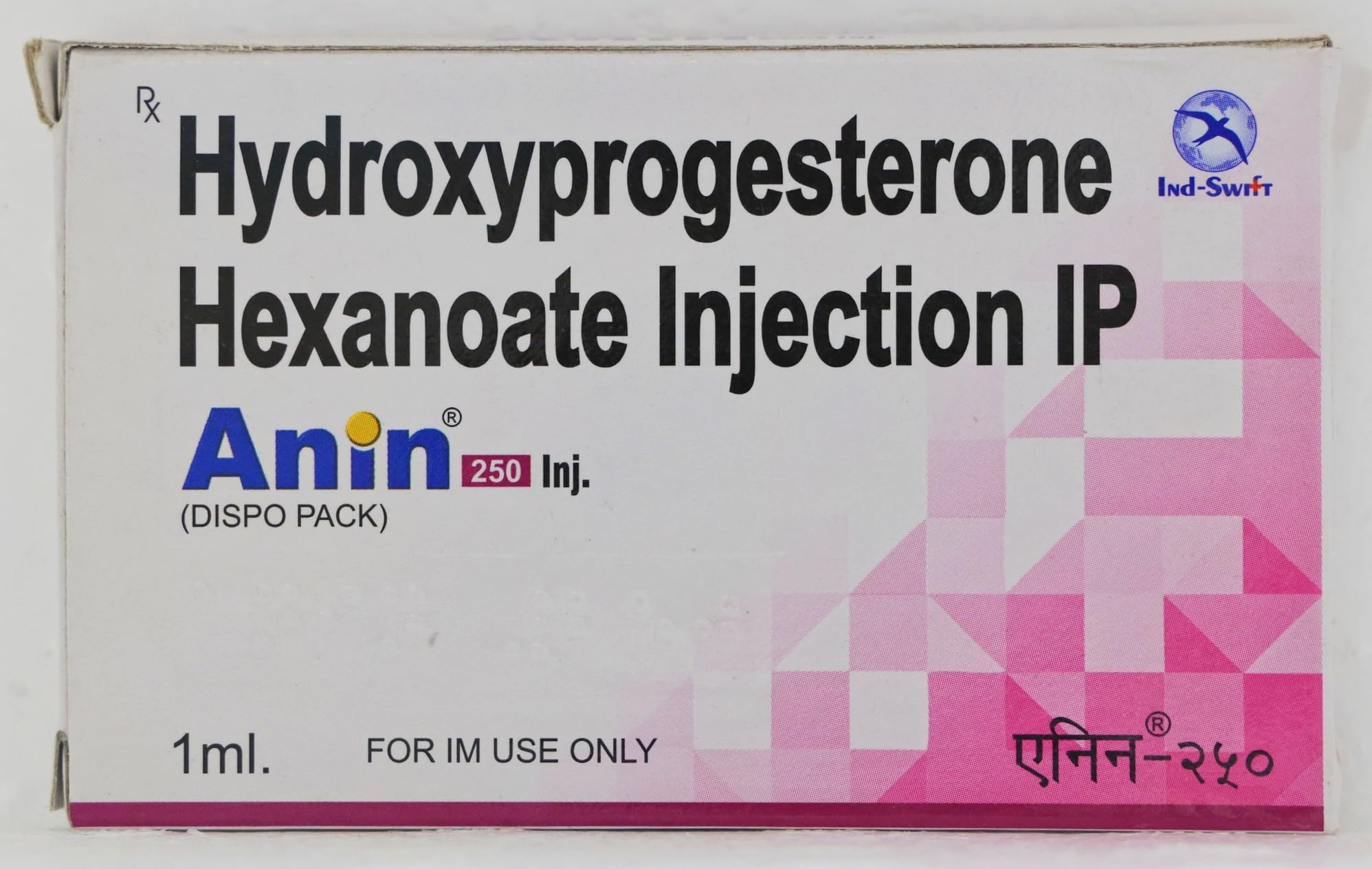
ANin 250 Injection

ANin 250 Injection contains Hydroxyprogesterone (250mg), a synthetic form of the natural hormone progesterone. It is used mainly in pregnancy-related conditions to help support and maintain pregnancy in women who may be at risk of miscarriage or preterm birth. Hydroxyprogesterone works by maintaining the hormonal balance necessary for a healthy pregnancy, relaxing the uterus, and preventing premature contractions.

Doctors commonly prescribe this injection to women with a history of recurrent miscarriage, threatened abortion (pregnancy at risk of ending), or preterm labor. By supplementing the body’s natural progesterone levels, ANin 250 Injection helps provide a supportive environment for fetal growth and reduces complications.

Uses

  • Prevention of preterm birth in women with a history of early delivery

  • Management of recurrent miscarriages caused by low progesterone levels

  • Treatment of threatened abortion (bleeding or risk of miscarriage)

  • Hormonal support in certain gynecological conditions where progesterone deficiency is a concern

How to Use
ANin 250 Injection is administered intramuscularly (into the muscle) by a doctor or trained healthcare professional. The dose, frequency, and duration depend on the patient’s condition and medical history. Do not self-administer this injection.

Dosage
The usual dose is 250mg once a week, but your doctor will decide the exact schedule based on your pregnancy status and health needs. Treatment is generally started between 16–20 weeks of pregnancy and continued until around 37 weeks or as advised by the doctor.

Possible Side Effects
Common side effects include pain, swelling, or redness at the injection site, nausea, headache, dizziness, or mild bloating. Some women may also experience breast tenderness, mood changes, or fluid retention. Rare but serious side effects can include allergic reactions, blood clots, or jaundice (yellowing of skin/eyes). Report any unusual or severe symptoms to your doctor immediately.

Precautions

  • Not recommended in women with liver disease, uncontrolled high blood pressure, clotting disorders, or breast/genital cancers.

  • Inform your doctor about any history of depression, asthma, epilepsy, or heart/kidney disease.

  • Use only under medical supervision during pregnancy; not recommended during breastfeeding unless prescribed.

  • Regular check-ups, including blood pressure and liver function monitoring, may be required during therapy.

When used under proper medical guidance, ANin 250 Injection helps maintain pregnancy, reduces the risk of preterm labor, and supports fetal development in women with progesterone deficiency.
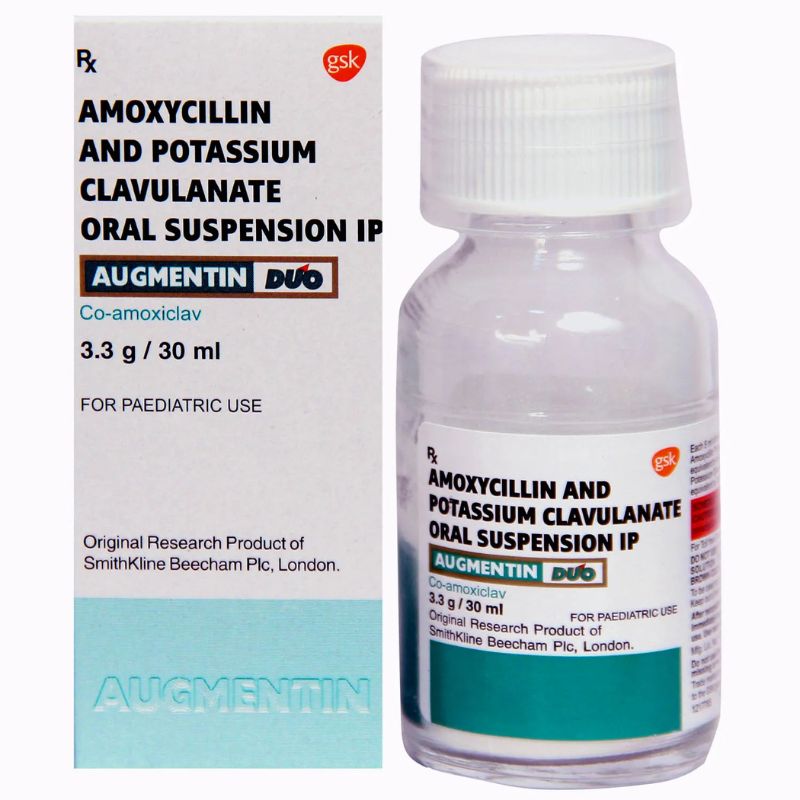
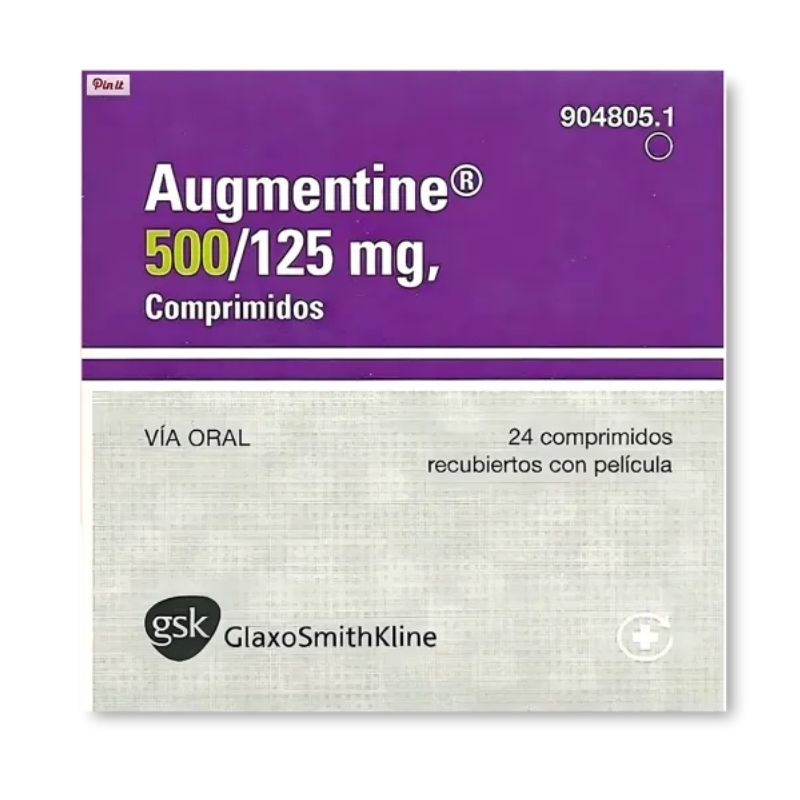
Augmentin 250/125 MG Tablet

Uses

  • Treats bacterial infections of the lungs, throat, ear, sinus, urinary tract, skin, teeth, and joints.

  • Works against bacteria resistant to normal amoxicillin because of the added clavulanic acid.

Dosage

  • Usually taken 1 tablet 2–3 times a day, depending on infection severity.

  • Take with food to reduce stomach upset.

  • Complete the full course even if you start feeling better.

  • Follow your doctor’s exact dose.

How to Use

  • Swallow the tablet whole with a glass of water.

  • Take at the same time every day for best results.

  • Do not skip doses or double dose if you miss one.

Precautions

  • Avoid if you have a history of allergy to penicillins or cephalosporins.

  • Inform your doctor if you have kidney/liver problems, mononucleosis, or are taking other antibiotics.

  • Can cause diarrhea—stay hydrated.

  • Not recommended in pregnancy/breastfeeding without doctor advice.

  • Can reduce effectiveness of some vaccines like typhoid oral vaccine.

Side Effects

  • Nausea, vomiting

  • Diarrhea

  • Stomach pain

  • Rash or skin allergy

  • Headache

  • Rare: Liver enzyme increase, jaundice (stop and consult doctor if this happens)

Augmentin Duo Oral Suspension

Uses

  • Treats bacterial infections in infants and children

  • Throat infections (tonsillitis, pharyngitis)

  • Ear infections (otitis media)

  • Lung infections (pneumonia, bronchitis)

  • Sinus infections

  • Urinary tract infections

  • Skin and soft tissue infections


Dosage

  • Dose depends on child’s age and body weight.

  • Usually given 2–3 times daily as prescribed.

  • Shake the bottle well before each use.

  • Measure with the provided dosing syringe/cup for accuracy.


How to Use

  • Give the dose with food to reduce stomach discomfort.

  • Ensure the child finishes the full course even if they feel better.

  • Refrigerate after reconstitution if instructed and use within the recommended period (usually 7 days).


Precautions

  • Do not use if the child has allergy to penicillins or cephalosporins.

  • Tell the doctor if the child has kidney/liver problems.

  • May cause loose motions—keep the child hydrated.

  • Avoid giving for viral infections like cold/flu.


Side Effects

  • Diarrhea

  • Nausea, vomiting

  • Stomach pain

  • Skin rash or mild allergy

  • Rare: liver enzyme increase or jaundice (seek immediate care)

Augmentin M 500mg/125mg Tablet

Uses

  • Used for infections of the lungs (pneumonia, bronchitis)

  • Throat & sinus infections

  • Ear infections

  • Skin & soft tissue infections

  • Urinary tract infections

  • Dental infections

  • Effective for bacteria that produce beta-lactamase (resistant infections)


Dosage

  • Typically 1 tablet twice a day, or as advised by your doctor.

  • Always take with food to improve absorption and avoid stomach upset.

  • Complete the full antibiotic course even if symptoms improve early.


How to Use

  • Swallow whole with water; do not crush or chew.

  • Take at fixed times daily.

  • If you miss a dose, take it soon unless it’s close to the next dose—do not double dose.


Precautions

  • Avoid if allergic to penicillins or cephalosporins.

  • Inform doctor if you have liver or kidney disease.

  • May cause diarrhea; drink plenty of fluids.

  • Long-term use can lead to secondary infections—use only as prescribed.

  • Use with caution during pregnancy or breastfeeding.


Side Effects

  • Nausea, vomiting

  • Loose stools / diarrhea

  • Gas, stomach pain

  • Skin rash or itching

  • Headache

  • Rare: liver enzyme elevation, jaundice (seek medical help if these occur)

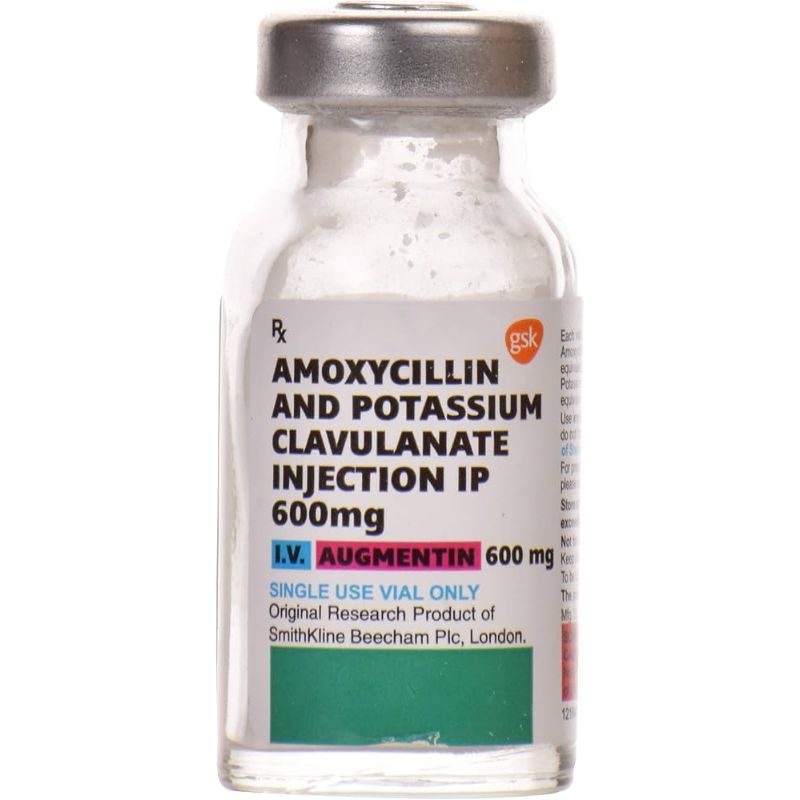
Augmentin Pediatric 600 mg Injection

Uses

  • Treats moderate to severe bacterial infections in children

  • Lung infections (pneumonia, bronchitis)

  • Severe throat/ear infections

  • Skin and soft tissue infections

  • Urinary tract infections

  • Bone and joint infections

  • Post-surgery infections


Dosage

  • Dose depends on child’s weight, age, and infection severity.

  • Given intravenously (IV) or intramuscularly (IM) by a trained healthcare professional.

  • Frequency: usually every 6–8 hours, as advised by the doctor.


How to Use

  • Administered only by nurses/doctors in a clinic or hospital.

  • Not for self-injection.

  • Child should be monitored for allergic reactions during and after injection.


Precautions

  • Not to be used in children allergic to penicillins or cephalosporins.

  • Inform the doctor about any kidney or liver disease.

  • May cause diarrhea; ensure the child is well-hydrated.

  • Use only for bacterial infections, not viral ones.

  • Monitor for injection-site pain or swelling.


Side Effects

  • Pain, redness or swelling at injection site

  • Diarrhea

  • Nausea, vomiting

  • Rash or mild allergy

  • Headache

  • Rare: liver enzyme elevation, jaundice (seek immediate care)

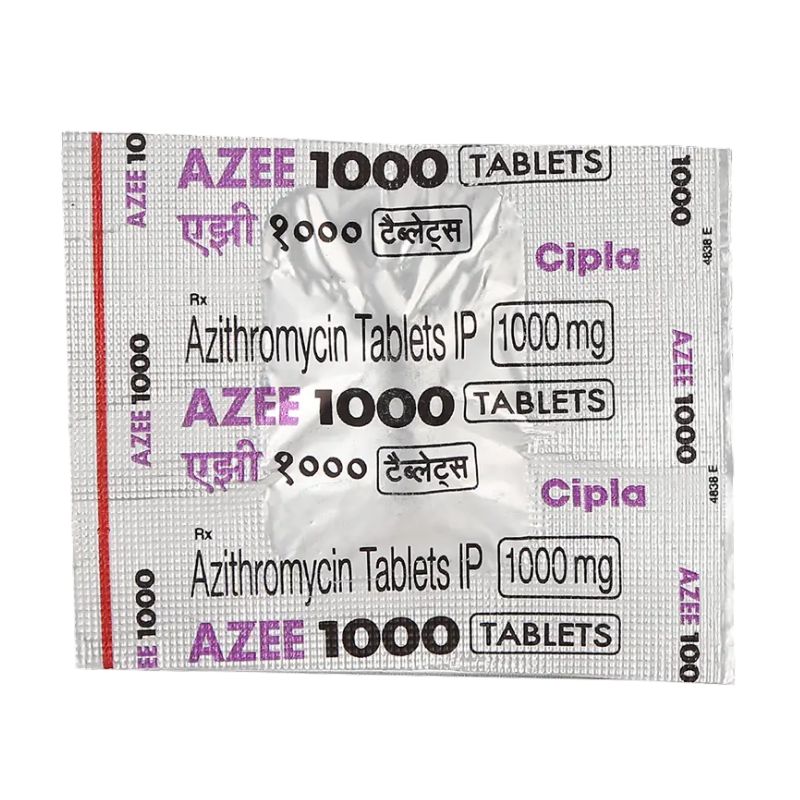
Azee 1000 Tablet

Azee 1000 Tablet is a high-strength macrolide antibiotic used to treat moderate to severe bacterial infections such as respiratory infections (pneumonia, bronchitis), skin infections, tonsillitis, sinusitis, and certain sexually transmitted infections (like chlamydia). It works by stopping the growth of bacteria and reducing infection-related symptoms.

Dosage:
Typical adult dose: 1 tablet once daily, usually for 1–3 days, depending on the infection.
Strongly follow your doctor’s exact prescription because this is a high-dose antibiotic.

How to Use:

  • Can be taken with or without food; take after food if stomach upset occurs.

  • Swallow the tablet whole with water.

  • Take at the same time every day.

  • Do not skip doses and complete the full course.

Precautions:

  • Avoid if you have liver disease, jaundice, or significant heart rhythm issues (QT prolongation).

  • Do not take antacids within 2 hours of this medicine.

  • This is not for viral infections (cold, flu, COVID).

  • Inform your doctor if you have kidney issues or low potassium/magnesium.

  • Pregnant or breastfeeding women should use only if advised.

  • Use cautiously with medicines for heart rhythm, blood thinning, or fungal infections.

Side Effects:

  • Nausea, vomiting

  • Diarrhea

  • Abdominal pain

  • Fatigue

  • Loss of appetite

  • Headache

  • Rare: irregular heartbeat, liver problems, allergic reactions, severe diarrhea (C. diff)

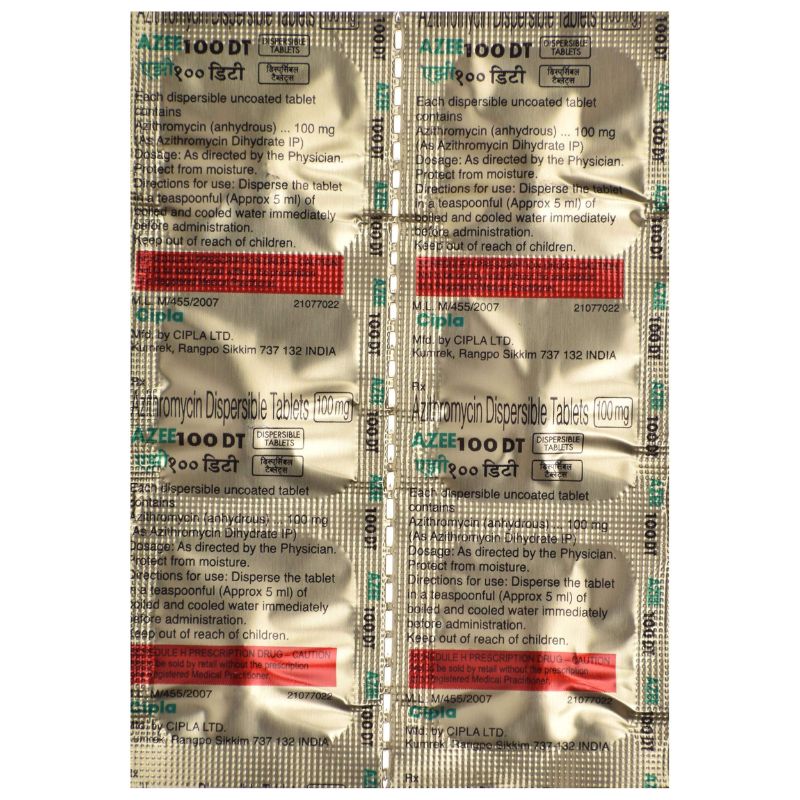
Azee 100mg Tablet DT

Azee 100mg Tablet DT is a dispersible antibiotic tablet used mainly in children to treat bacterial infections such as throat infection, tonsillitis, pneumonia, bronchitis, ear infection, skin infections, and certain atypical infections. Azithromycin stops the growth of infection-causing bacteria.

Dosage:
The dose depends on the child’s age and body weight.
Common pediatric dose: 10 mg per kg once daily, or as advised by the doctor.
Do not adjust the dose by yourself.

How to Use:

  • DT means Dispersible Tablet.

  • Dissolve the tablet in a small amount of clean water, stir, and give immediately.

  • Can also be swallowed whole if the child can manage.

  • Give with or without food, but after food may reduce stomach upset.

  • Complete the full antibiotic course, even if the child feels better.

Precautions:

  • Inform the doctor if the child has liver disease, heart rhythm problems, or severe diarrhea.

  • Avoid antacids for 2 hours before or after the dose.

  • Not for viral infections like cold or flu.

  • Store in a dry place and keep out of children’s reach.

  • Report if the child develops rash or breathing difficulty.

Side Effects:

  • Nausea, vomiting

  • Diarrhea

  • Mild stomach pain

  • Loss of appetite

  • Headache

  • Rare: allergic reaction, severe diarrhea, irregular heartbeat

Azee 100mg Tablet DT

Azee 100mg Tablet DT is a dispersible antibiotic tablet used mainly in children to treat bacterial infections such as throat infection, tonsillitis, pneumonia, bronchitis, ear infection, skin infections, and certain atypical infections. Azithromycin stops the growth of infection-causing bacteria.

Dosage:
The dose depends on the child’s age and body weight.
Common pediatric dose: 10 mg per kg once daily, or as advised by the doctor.
Do not adjust the dose by yourself.

How to Use:

  • DT means Dispersible Tablet.

  • Dissolve the tablet in a small amount of clean water, stir, and give immediately.

  • Can also be swallowed whole if the child can manage.

  • Give with or without food, but after food may reduce stomach upset.

  • Complete the full antibiotic course, even if the child feels better.

Precautions:

  • Inform the doctor if the child has liver disease, heart rhythm problems, or severe diarrhea.

  • Avoid antacids for 2 hours before or after the dose.

  • Not for viral infections like cold or flu.

  • Store in a dry place and keep out of children’s reach.

  • Report if the child develops rash or breathing difficulty.

Side Effects:

  • Nausea, vomiting

  • Diarrhea

  • Mild stomach pain

  • Loss of appetite

  • Headache

  • Rare: allergic reaction, severe diarrhea, irregular heartbeat

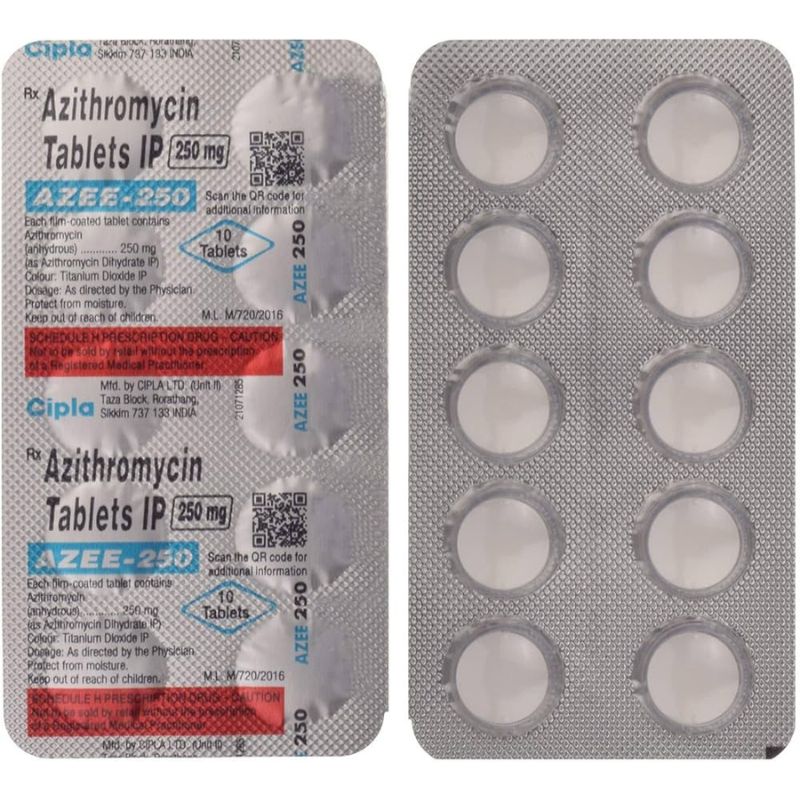
Azee 250 Tablet

Azee 250 Tablet is a macrolide antibiotic used to treat various bacterial infections such as throat infections, tonsillitis, pneumonia, bronchitis, skin infections, ear infections, dental infections, and certain sexually transmitted diseases. Azithromycin works by stopping the growth of bacteria and reducing infection symptoms.

Dosage:
Typical dose is 1 tablet once daily, usually for 3–5 days, depending on the infection.
Always follow your doctor’s exact instructions.

How to Use:
Take the tablet with or without food, but avoid taking it on an empty stomach if it causes nausea.
Swallow whole with water.
Do not skip doses and complete the full course to prevent antibiotic resistance.

Precautions:

  • Inform your doctor if you have liver disease, kidney problems, or heart rhythm disorders (QT prolongation).

  • Avoid taking antacids within 2 hours of this medicine.

  • Not effective for viral infections like common cold or flu.

  • Pregnant or breastfeeding women should take only on medical advice.

  • Use with caution in people with low potassium or magnesium levels.

Side Effects:

  • Nausea, vomiting

  • Diarrhea

  • Stomach pain

  • Headache

  • Loss of appetite

  • Rare: irregular heartbeat, severe allergic reaction, severe diarrhea

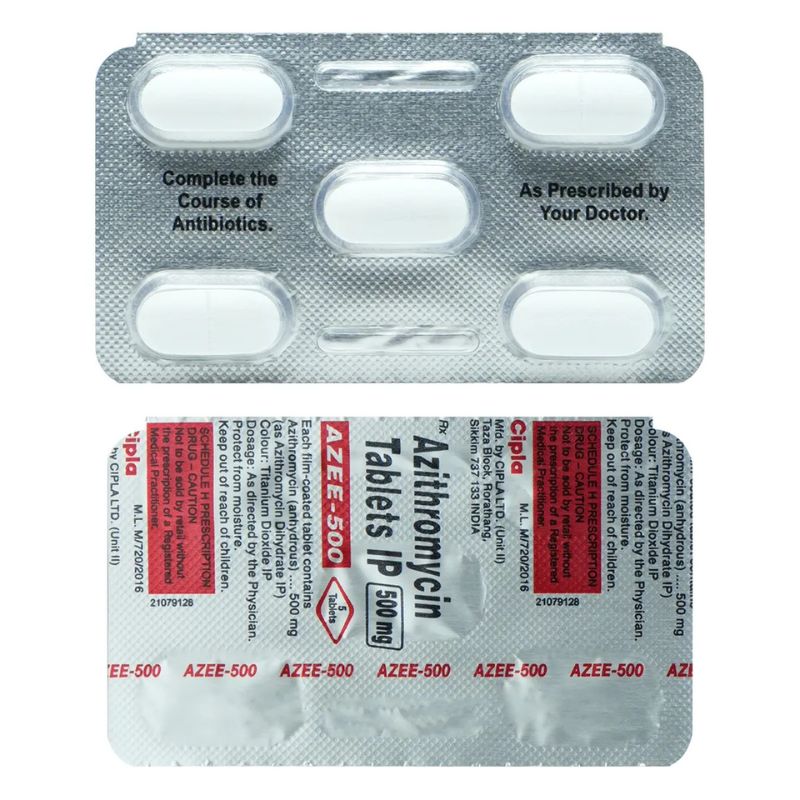
Azee 500 Tablet

Azee 500 Tablet is a macrolide antibiotic used for treating a wide range of bacterial infections such as throat infections, tonsillitis, pneumonia, bronchitis, sinusitis, skin infections, ear infections, and certain sexually transmitted infections. Azithromycin works by preventing bacteria from growing and spreading in the body.

Dosage:
Common adult dose: 1 tablet once daily, usually for 3–5 days, depending on the infection type.
Follow your doctor’s instructions strictly.

How to Use:

  • Take with or without food, but if it causes stomach upset, take it after food.

  • Swallow whole with water; do not crush or chew.

  • Take at the same time every day.

  • Complete the full course, even if symptoms improve early.

Precautions:

  • Avoid if you have a history of liver problems, jaundice, or heart rhythm issues (QT prolongation).

  • Do not take antacids 2 hours before or after this tablet.

  • Not useful for viral infections (cold, flu).

  • Use carefully if you have low potassium or magnesium levels.

  • Pregnant or breastfeeding women should take it only if recommended by a doctor.

  • Inform your doctor about other medicines, especially heart or blood-thinner medicines.

Side Effects:

  • Nausea, vomiting

  • Diarrhea

  • Stomach pain

  • Headache

  • Loss of appetite

  • Rare: irregular heartbeat, severe diarrhea, liver enzyme changes, allergic reactions

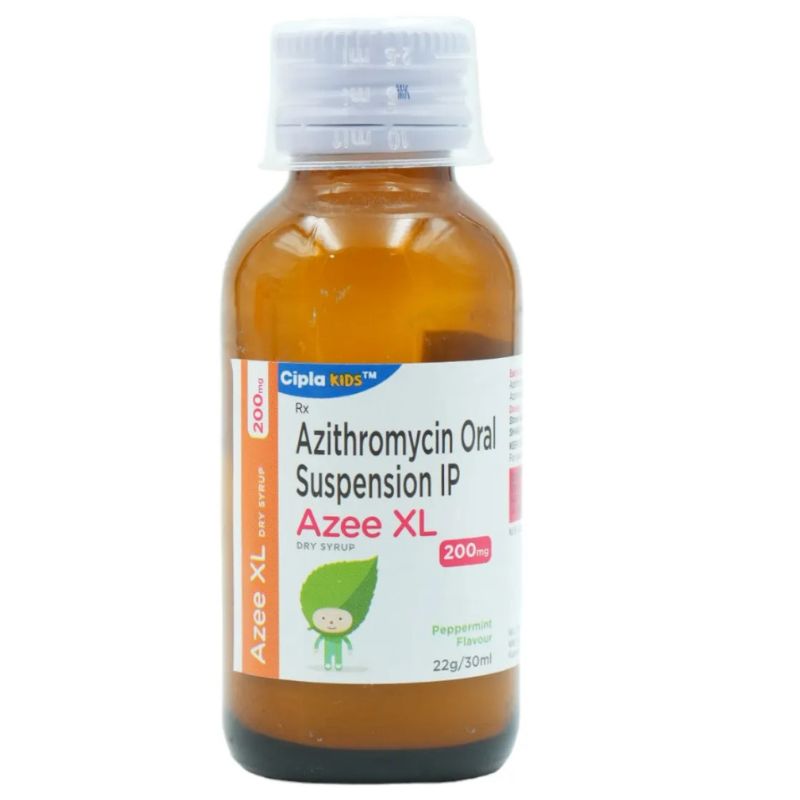
Azee XL 200mg Dry Syrup

Azee XL 200mg Dry Syrup is an extended-release antibiotic syrup for children, used to treat bacterial infections including throat infections, tonsillitis, pneumonia, bronchitis, sinus infections, ear infections, skin infections, and certain atypical infections. Azithromycin works by stopping the growth of harmful bacteria.

Dosage:
Dose depends on the child’s body weight and age.
Common dose: 10 mg per kg once daily, or as prescribed by the pediatrician.
Do not adjust the dose yourself.

How to Use:

  • Shake the bottle well before each use.

  • Measure dose using the provided measuring cup/syringe.

  • Can be given with or without food, but giving after food reduces stomach upset.

  • Complete the full course even if the child feels better early.

  • Once reconstituted (mixed with water), use within the recommended number of days.

Precautions:

  • Inform the doctor if your child has liver disease, heart rhythm issues, or severe diarrhea.

  • Do not give antacids within 2 hours of this syrup.

  • Not effective for viral infections like cold/flu.

  • Store tightly closed and out of children’s reach.

  • Stop and report if the child develops rash, breathing trouble, or persistent vomiting.

Side Effects:

  • Nausea, vomiting

  • Diarrhea

  • Stomach pain

  • Loss of appetite

  • Headache

  • Rare: allergic rash, irregular heartbeat, severe diarrhea

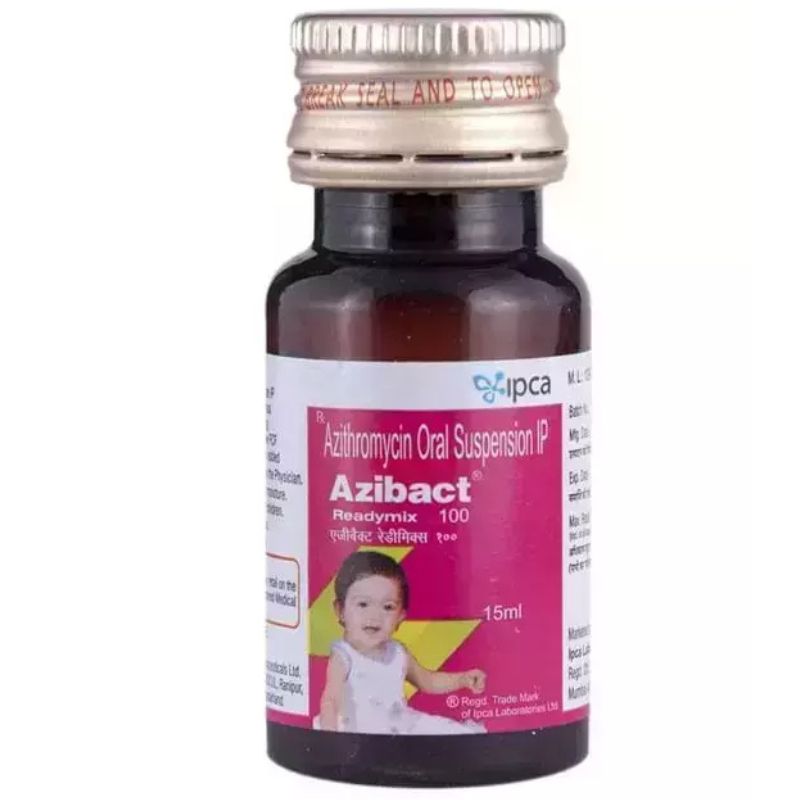
Azibact 100 Readymix Oral Suspension

Uses:
Azibact 100 Readymix Oral Suspension is an antibiotic used for treating bacterial infections in children, including throat infections, tonsillitis, ear infections, skin infections, and respiratory tract infections.

Dosage:
The dose depends on the child’s age and body weight. Usually given once daily for 3–5 days. Follow your doctor’s or pediatrician’s exact dosing instructions. Shake well before every use.

How to Use:
Use the provided measuring cup or syringe. Give after food to reduce stomach discomfort. Make sure the full course is completed even if symptoms get better early.

Precautions:

  • Not effective for viral illnesses (cold/flu).

  • Inform the doctor if the child has liver/kidney issues.

  • Use carefully in children with heart rhythm problems.

  • Avoid giving antacids within 2 hours of this medicine.

Side Effects:

  • Stomach pain

  • Nausea

  • Vomiting

  • Diarrhea

  • Mild rash

These are usually mild and temporary. Seek medical help if symptoms worsen.