Overview:
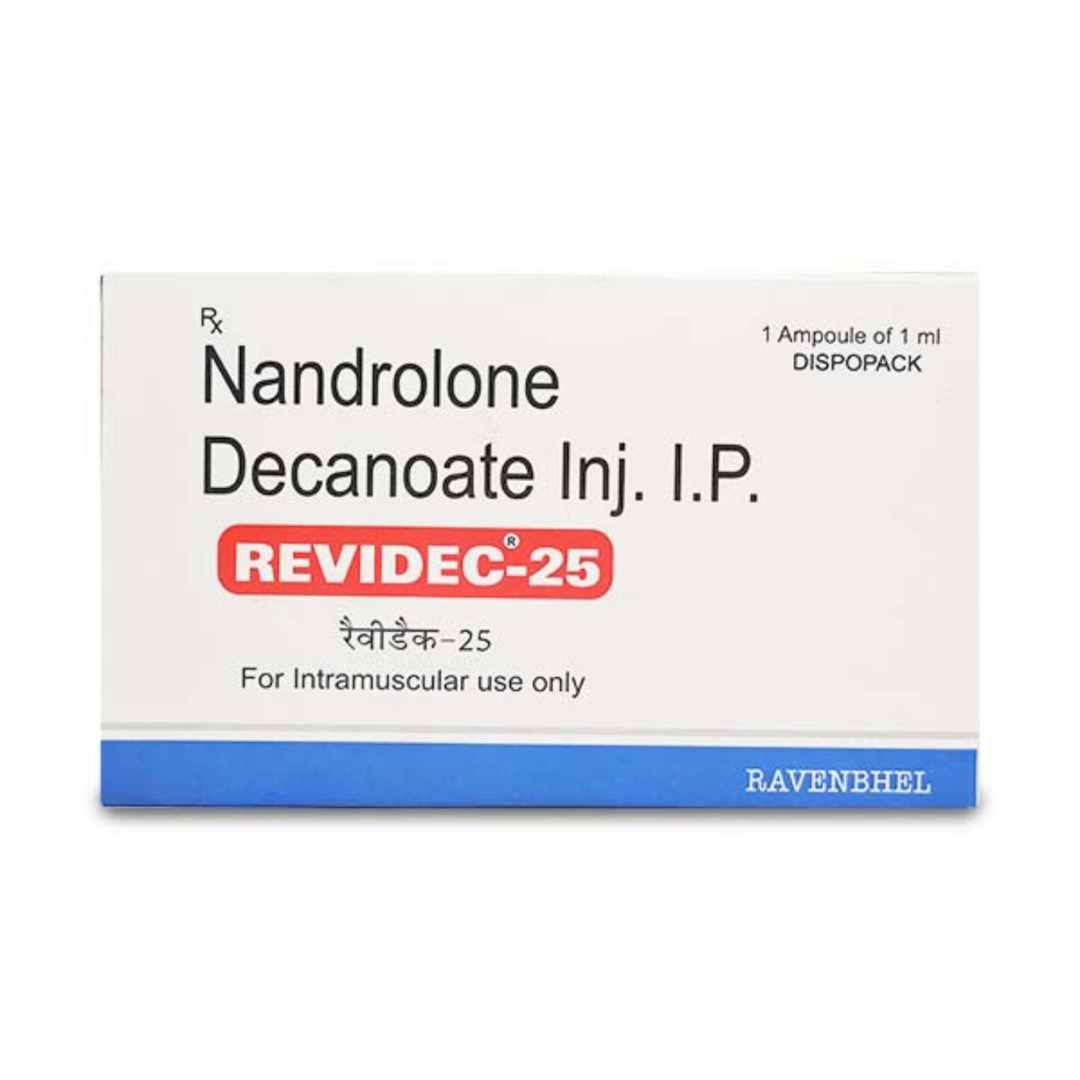
Revidec 25mg Injection contains Nandrolone Decanoate, an anabolic steroid used to promote muscle growth, recovery, and overall protein synthesis. It is prescribed under medical supervision for patients with muscle wasting, severe injuries, or chronic illnesses that affect body weight and muscle mass.
Uses:
-
Treatment of muscle wasting in chronic diseases such as HIV/AIDS or cancer
-
Supportive therapy in osteoporosis to improve bone density
-
May be prescribed for anemia due to chronic illness
-
Helps in weight gain and recovery after major surgeries or prolonged illness
Dosage / Administration:
-
Administered as a deep intramuscular injection
-
Dosage and frequency are determined only by a physician depending on patient condition, age, and response
-
Self-administration is not recommended
Side Effects:
Possible side effects include:
-
Pain or swelling at the injection site
-
Acne, oily skin, or hair growth changes
-
Mood changes, irritability, or aggression
-
Rare: Liver function changes, fluid retention, or cardiovascular issues
Precautions:
-
Not recommended for patients with prostate cancer, breast cancer, liver disease, or heart disease
-
Regular monitoring of liver function, lipid profile, and hormone levels is advised
-
Inform your doctor about other medications, especially corticosteroids or anticoagulants
-
Avoid use in pregnant or breastfeeding women
Safety Advice:
-
Alcohol: Limit intake, as it may increase liver stress
-
Driving: Usually safe, unless side effects like dizziness occur
-
Overdose Risk: Excessive use can lead to serious hormonal or cardiovascular complications
-
Storage: Store in a cool, dry place, away from light
Overview:
Revidec 50mg Injection is a high-strength anabolic steroid preparation containing Nandrolone Decanoate. It is prescribed under medical supervision to support muscle growth, recovery, and overall anabolic needs in patients with chronic illnesses, severe weight loss, or bone density issues.
Uses:
-
Treatment of muscle wasting in chronic diseases such as HIV/AIDS or cancer
-
Supportive therapy in osteoporosis to enhance bone density
-
May be used for anemia related to chronic illness
-
Helps in weight gain and recovery after prolonged illness, surgery, or trauma
Dosage / Administration:
-
Administered as a deep intramuscular injection
-
Dosage and frequency are determined only by a physician based on patient’s condition, age, and treatment response
-
Self-administration is not recommended
Side Effects:
Possible side effects include:
-
Pain, swelling, or redness at the injection site
-
Acne, oily skin, or changes in hair growth
-
Mood swings, irritability, or aggression
-
Rare: Liver dysfunction, fluid retention, cardiovascular issues, or hormonal imbalances
Precautions:
-
Avoid use in patients with prostate cancer, breast cancer, liver disease, or heart conditions
-
Regular monitoring of liver function, lipid profile, and hormone levels is recommended
-
Inform your doctor about other medications, especially corticosteroids, anticoagulants, or hormone therapy
-
Not recommended in pregnant or breastfeeding women
Safety Advice:
-
Alcohol: Limit intake to reduce liver stress
-
Driving: Safe unless dizziness or weakness occurs
-
Overdose Risk: Excessive use can lead to serious hormonal, cardiovascular, or liver complications
-
Storage: Store in a cool, dry place, away from light and moisture

Rubired S 5 Injection is an iron supplement administered via injection to treat or prevent iron deficiency anemia in patients who cannot tolerate oral iron supplements or require rapid correction of iron levels.
It provides direct delivery of elemental iron to the bloodstream, supporting the production of hemoglobin and red blood cells, and improving oxygen transport throughout the body.
Uses
Rubired S 5 Injection is used for:
-
Treatment of iron deficiency anemia
-
Rapid correction of iron levels in patients unable to take oral iron
-
Supplementation in chronic blood loss or iron deficiency conditions
-
Support for pregnant women, children, and adults with severe anemia (under medical supervision)
Advantages
-
Provides fast correction of iron deficiency
-
Ideal for patients with oral iron intolerance or malabsorption
-
Supports red blood cell formation and increases hemoglobin levels
-
Convenient injectable form for hospital or clinical use
Possible Side Effects
-
Mild pain, redness, or swelling at the injection site
-
Nausea or vomiting
-
Dizziness or headache
-
Rare but serious: allergic reactions, anaphylaxis, or hypotension
Precautions
-
Administer under medical supervision
-
Monitor for allergic reactions during and after injection
-
Not recommended for patients with hemochromatosis or iron overload
-
Inform your doctor if you have liver disease, kidney disease, or infections
-
Avoid overdose; excess iron can be toxic

Sensiclav 1.2 g Injection is a high-strength broad-spectrum antibiotic combining Amoxycillin and Clavulanic Acid.
-
Amoxycillin (1000mg): A penicillin-class antibiotic that inhibits bacterial cell wall synthesis, effectively killing susceptible bacteria.
-
Clavulanic Acid (200mg): A beta-lactamase inhibitor that prevents bacteria from deactivating Amoxycillin, enhancing its activity against resistant strains.
This injectable formulation is used for serious bacterial infections requiring rapid and potent antibiotic therapy.
Uses
Sensiclav 1.2 g Injection is prescribed for:
-
Severe respiratory tract infections (pneumonia, bronchitis, sinusitis)
-
Skin and soft tissue infections
-
Complicated urinary tract infections
-
ENT infections (otitis media, tonsillitis)
-
Bone and joint infections
-
Infections caused by beta-lactamase-producing bacteria
Advantages
-
High-strength antibiotic suitable for severe infections
-
Beta-lactamase protection ensures activity against resistant bacterial strains
-
Injectable form provides rapid therapeutic levels in the bloodstream
-
Effective for patients who cannot take oral antibiotics
Possible Side Effects
Common side effects:
-
Nausea, vomiting, or diarrhea
-
Pain, redness, or swelling at injection site
-
Mild skin rash
Rare but serious side effects:
-
Severe allergic reactions (anaphylaxis)
-
Liver enzyme abnormalities or hepatitis
-
Clostridium difficile-associated diarrhea
Precautions
-
Administer under medical supervision
-
Do not use in patients with penicillin allergy
-
Monitor for allergic reactions during and after injection
-
Use caution in patients with liver or kidney disease

Tazomac 4.5 g Injection is a high-strength broad-spectrum injectable antibiotic combining Piperacillin and Tazobactam.
-
Piperacillin (4000mg): A penicillin-class antibiotic that inhibits bacterial cell wall synthesis, effective against a wide range of Gram-positive and Gram-negative bacteria.
-
Tazobactam (500mg): A beta-lactamase inhibitor that protects Piperacillin from enzymatic degradation, enhancing efficacy against resistant bacterial strains.
This formulation is used for serious and complicated infections, typically in hospitalized patients, providing rapid therapeutic levels via intravenous administration.
Uses
Tazomac 4.5 g Injection is prescribed for:
-
Severe respiratory tract infections (pneumonia, bronchitis)
-
Skin and soft tissue infections
-
Complicated urinary tract infections
-
Intra-abdominal infections (peritonitis)
-
Septicemia and bloodstream infections
-
Infections caused by multi-drug resistant or beta-lactamase-producing bacteria
Advantages
-
High-strength injectable antibiotic effective for severe infections
-
Beta-lactamase protection ensures activity against resistant strains
-
Rapid intravenous delivery ensures prompt therapeutic levels
-
Suitable for hospital and critical care settings
Possible Side Effects
Common side effects:
-
Nausea, vomiting, diarrhea
-
Pain, redness, or swelling at injection site
-
Mild skin rash
Rare but serious side effects:
-
Severe allergic reactions (anaphylaxis)
-
Liver enzyme abnormalities
-
Clostridium difficile-associated diarrhea
-
Blood disorders (neutropenia, thrombocytopenia)
Precautions
-
Administer under medical supervision
-
Inform your doctor if you have penicillin allergy, liver, or kidney disease
-
Monitor for allergic reactions during and after injection
-
Dose adjustment may be required in renal impairment
Tazoter PS 1.125 g IV Injection is a broad-spectrum injectable antibiotic combining Piperacillin and Tazobactam.
-
Piperacillin (1 g): A penicillin-class antibiotic that inhibits bacterial cell wall synthesis, effective against a wide range of Gram-positive and Gram-negative bacteria.
-
Tazobactam (125 mg): A beta-lactamase inhibitor that protects Piperacillin from enzymatic degradation, enhancing activity against resistant bacterial strains.
This formulation is intended for moderate to severe infections, providing rapid intravenous therapy in hospital or clinical settings.
Uses
Tazoter PS 1.125 g IV Injection is prescribed for:
-
Respiratory tract infections (pneumonia, bronchitis)
-
Skin and soft tissue infections
-
Complicated urinary tract infections
-
Intra-abdominal infections (peritonitis)
-
Bloodstream infections (septicemia)
-
Infections caused by beta-lactamase-producing bacteria
Advantages
-
Broad-spectrum IV antibiotic effective against resistant bacteria
-
Beta-lactamase inhibitor ensures higher efficacy
-
Rapid therapeutic action due to intravenous administration
-
Suitable for hospitalized patients and severe infections
Possible Side Effects
Common side effects:
-
Nausea, vomiting, diarrhea
-
Pain or redness at injection site
-
Mild skin rash
Rare but serious side effects:
-
Severe allergic reactions (anaphylaxis)
-
Liver enzyme abnormalities
-
Clostridium difficile-associated diarrhea
-
Blood disorders (neutropenia, thrombocytopenia)
Precautions
-
Administer under medical supervision
-
Inform your doctor if you have penicillin allergy, liver, or kidney disease
-
Monitor for allergic reactions during and after injection
-
Dose adjustment may be required in renal impairment

Tobacin 80 mg Injection contains Tobramycin, an aminoglycoside antibiotic used for the treatment of serious bacterial infections. It works by inhibiting bacterial protein synthesis, effectively killing susceptible bacteria. This injectable formulation allows rapid and effective delivery of the antibiotic for systemic infections.
Uses / Indications:
-
Treatment of serious bacterial infections caused by susceptible strains
-
Respiratory tract infections, urinary tract infections, skin and soft tissue infections
-
Infections in hospitalized or immunocompromised patients
Dosage:
-
Administered by a healthcare professional
-
Dosage and frequency depend on the type and severity of infection, patient age, and kidney function
-
Usually given intravenously (IV) or intramuscularly (IM)
Side Effects:
-
Nephrotoxicity (kidney damage)
-
Ototoxicity (hearing loss or tinnitus)
-
Nausea, vomiting, or rash
-
Rare allergic reactions
Precautions:
-
Monitor kidney function and hearing during therapy
-
Use with caution in patients with kidney impairment or hearing disorders
-
Inform your doctor about any other medications being taken
Storage:
-
Store in a cool, dry place, protected from light
-
Keep out of reach of children
-
Do not use after expiry date
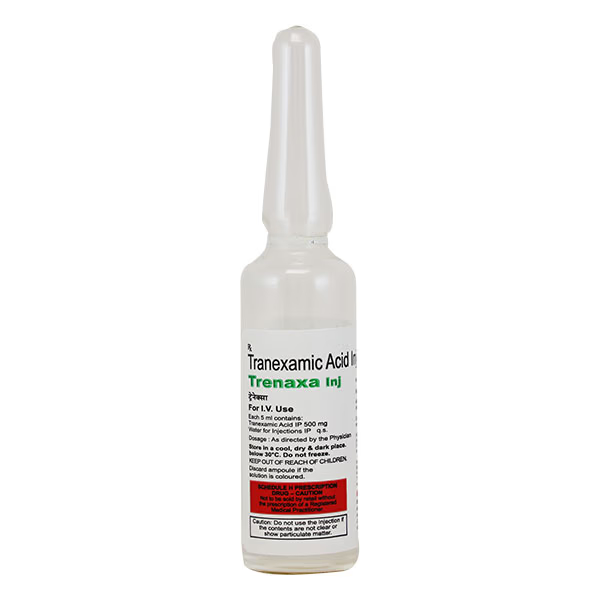
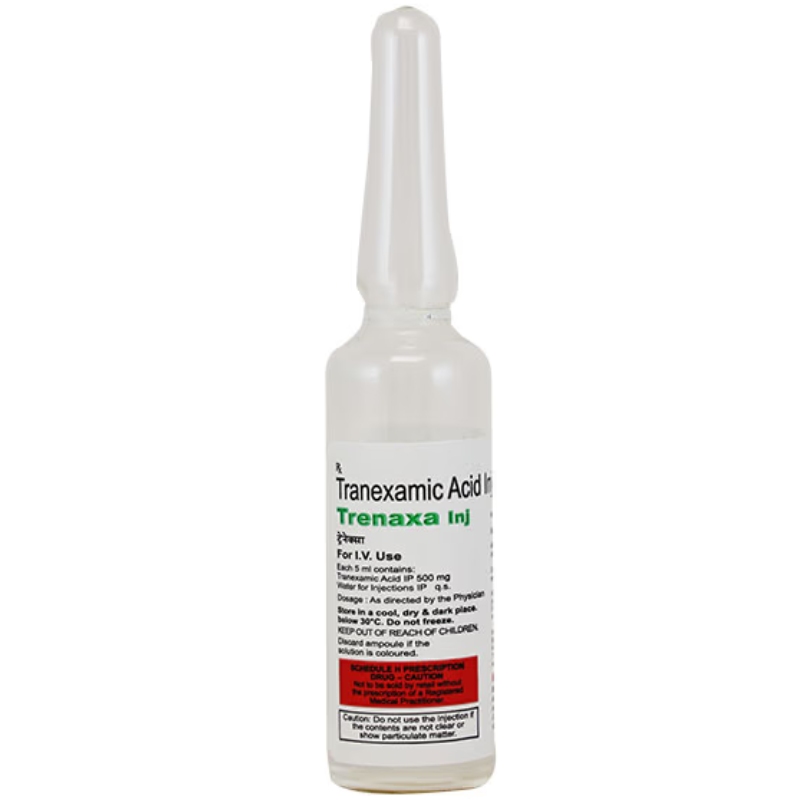
Trenaxa Injection contains Tranexamic Acid (500 mg), an antifibrinolytic agent that helps control or prevent excessive bleeding. It works by blocking the breakdown of blood clots, ensuring stable clot formation and reducing blood loss.
This injectable form is used when oral tablets are not suitable or when rapid action is required, such as during surgeries, trauma, or acute bleeding conditions.
Uses of Trenaxa Injection
-
Heavy menstrual bleeding (acute cases) when tablets are not effective or feasible.
-
Surgical bleeding (cardiac, orthopedic, gynecological, ENT, dental, etc.) to prevent excessive blood loss.
-
Trauma-related bleeding including accidents or injury with significant blood loss.
-
Postpartum hemorrhage (bleeding after childbirth) under medical supervision.
-
Hereditary bleeding disorders such as hemophilia, when bleeding episodes occur.
-
Other emergency bleeding conditions as decided by a healthcare provider.
Dosage & Administration
-
Administered only by a doctor or healthcare professional via intravenous (IV) injection or slow infusion.
-
The dose and duration depend on the condition being treated, severity of bleeding, age, and body weight.
-
Usually given before, during, or after surgery, or at the onset of bleeding episodes.
-
Not recommended for self-administration.
Possible Side Effects
Most patients tolerate Trenaxa Injection well, but some may experience:
-
Nausea, vomiting, diarrhea
-
Injection site reactions (pain, redness, swelling)
-
Headache or dizziness
-
Muscle cramps
Rare but serious:
-
Vision disturbances (color vision changes, blurred vision)
-
Seizures (in high doses)
-
Blood clot complications – deep vein thrombosis (DVT), pulmonary embolism, heart attack, stroke
Seek urgent medical care if sudden chest pain, shortness of breath, severe headache, leg swelling, or vision changes occur.
Precautions
-
Clotting disorders: Avoid if you have a history of thrombosis unless closely supervised by a doctor.
-
Kidney impairment: Dose adjustment may be needed; caution advised.
-
Vision monitoring: Rare vision-related side effects may require ophthalmic evaluation.
-
Pregnancy & breastfeeding: Use only if clearly necessary and under medical advice.
-
Drug interactions: Caution with oral contraceptives, blood thinners, or medicines affecting clotting.
Key Points to Remember
-
Trenaxa Injection is used in emergency or hospital settings to control active or severe bleeding.
-
Always administered by a healthcare professional.
-
Provides faster action compared to tablets.
-
Patients with a history of clotting disorders, kidney issues, or eye problems should use with caution.
-
Not for self-use; follow all medical advice during and after treatment.
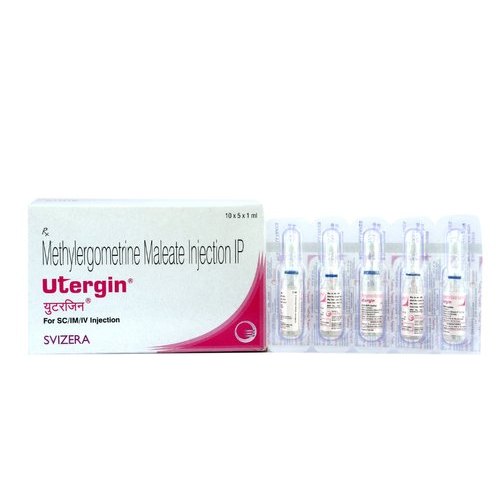
Utergin 0.2mg Injection contains Methylergometrine, a uterotonic agent used to prevent and treat postpartum hemorrhage by stimulating uterine contractions. It is commonly administered after childbirth to reduce excessive bleeding and promote uterine tone. This injection is essential in managing postpartum hemorrhage and preventing complications associated with uterine atony.
Uses:
-
Prevention and treatment of postpartum hemorrhage
-
Promotes uterine contraction immediately after delivery
-
Reduces excessive bleeding following childbirth or abortion
-
Helps maintain uterine tone in postnatal care
How to Use:
-
Administered intramuscularly (IM) or intravenously (IV) by a trained healthcare professional.
-
The usual dose is 0.2mg, repeated as per doctor’s instructions based on patient condition.
-
Do not self-administer; proper monitoring is required.
Precautions:
-
Use with caution in patients with hypertension, preeclampsia, heart disease, or renal/hepatic impairment.
-
Avoid in cases of hypersensitivity to ergot derivatives.
-
Monitor blood pressure and uterine response during administration.
-
Not recommended during pregnancy except immediately after delivery.
Side Effects:
Key Benefits:
-
Rapidly controls postpartum bleeding
-
Maintains uterine tone after delivery
-
Reduces risk of postpartum complications
-
Administered under professional supervision for safety and effectiveness
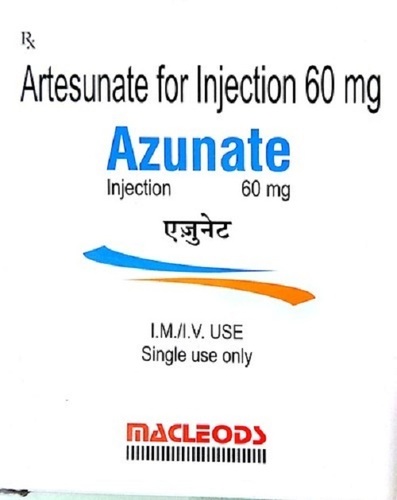
Zunate 60mg Injection contains Artesunate, an antimalarial medication used for the treatment of severe and complicated malaria caused by Plasmodium falciparum. It works by rapidly killing malaria parasites in the bloodstream, helping to reduce symptoms and prevent complications.
Uses / Indications:
-
Treatment of severe and complicated malaria
-
Malaria caused by Plasmodium falciparum
-
Often used in hospital settings for fast-acting treatment
Benefits:
-
Rapidly reduces malaria parasite load
-
Provides quick relief from fever and other malaria symptoms
-
Helps prevent malaria-related complications like organ failure
-
Often used in combination with other antimalarials for complete treatment
How to Use:
-
Administered intravenously (IV) or intramuscularly (IM) under medical supervision.
-
Dosage depends on patient’s weight, severity of infection, and clinical response.
-
Follow the full course of treatment to prevent recurrence.
Precautions:
-
Prescription required – use only under medical supervision.
-
Monitor for allergic reactions and kidney or liver function.
-
Caution in patients with pre-existing heart, liver, or kidney problems.
-
Not recommended for self-administration at home.
Possible Side Effects:
-
Mild: nausea, vomiting, headache
-
Rare: dizziness, rash, mild anemia
-
Very rare: severe allergic reactions, hemolytic anemia, heart rhythm changes
Storage:
-
Store in a cool, dry place, protected from light.
-
Keep out of reach of children.