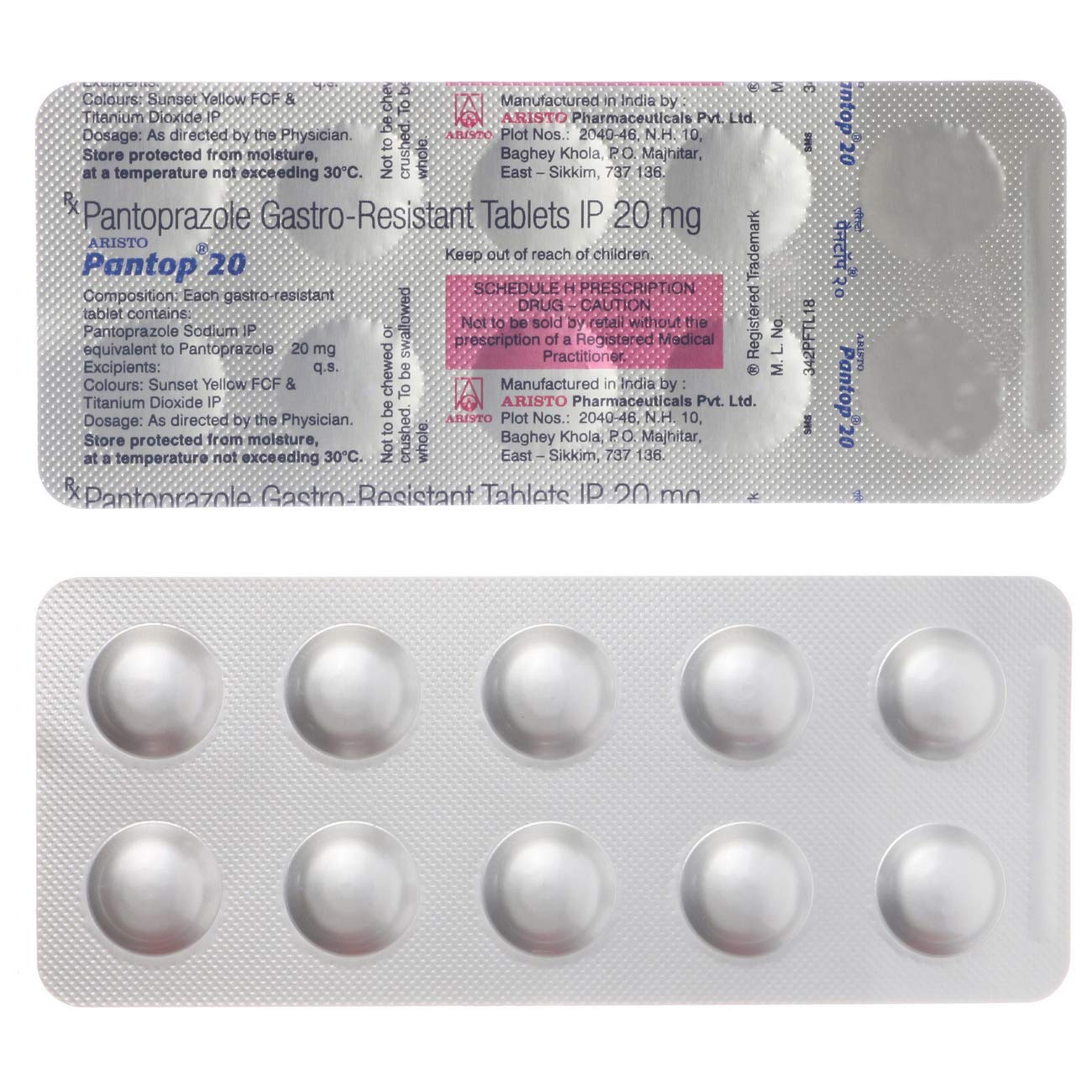
Pantop 20 Tablet contains Pantoprazole, a proton pump inhibitor (PPI). It is used to reduce stomach acid production and treat conditions associated with excess gastric acid, such as gastroesophageal reflux disease (GERD), peptic ulcers, and Zollinger-Ellison syndrome.
Uses
-
Gastroesophageal reflux disease (GERD) – heartburn, acid regurgitation
-
Peptic ulcers – gastric and duodenal ulcers
-
Erosive esophagitis – inflammation of the esophagus caused by stomach acid
-
Zollinger-Ellison syndrome – pathological overproduction of stomach acid
-
Prevention of NSAID-induced gastric ulcers
How It Works
Pantoprazole inhibits the proton pumps (H⁺/K⁺-ATPase) in the stomach lining, reducing the production of gastric acid. Lower acid levels help heal ulcers, reduce heartburn, and prevent acid-related complications.
Side Effects
Common:
-
Headache
-
Nausea, vomiting
-
Stomach pain, diarrhea
-
Flatulence
Serious (rare):
-
Severe allergic reactions (rash, itching, swelling, difficulty breathing)
-
Low magnesium levels (hypomagnesemia) with prolonged use
-
Liver enzyme elevation or jaundice
-
Clostridium difficile-associated diarrhea
Precautions
-
Use with caution in patients with liver disease
-
Not recommended for children under 12 years without medical supervision
-
Long-term use may lead to vitamin B12 deficiency or bone fractures
-
Inform your doctor of any allergies or other medications being taken
Administration
-
Taken orally, usually once daily, 30–60 minutes before meals
-
Swallow the tablet whole, do not crush or chew
-
Duration depends on condition severity and doctor’s prescription
-
Usually prescribed for short-term treatment (up to 8 weeks) for most conditions
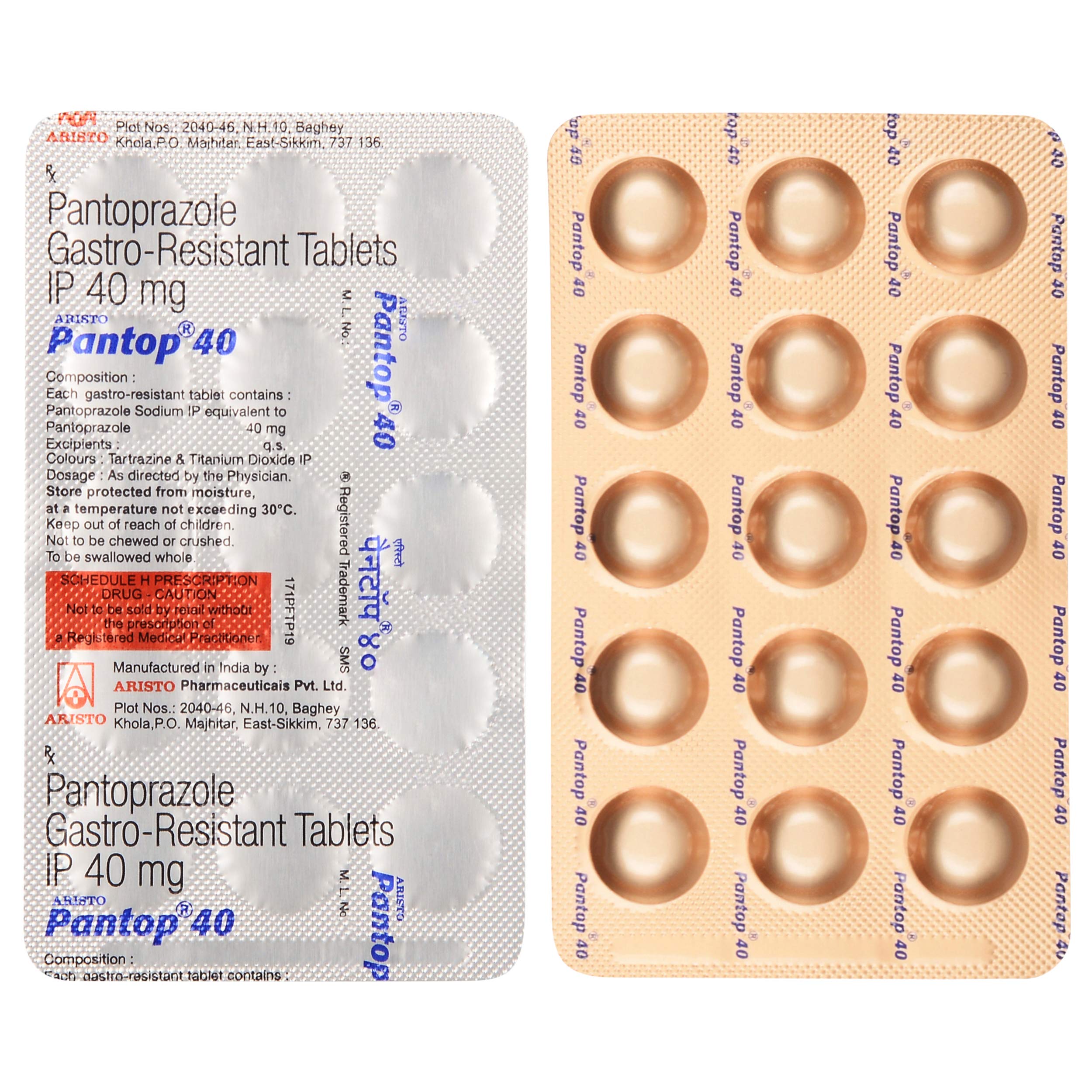
Pantop 40 Tablet contains Pantoprazole, a proton pump inhibitor (PPI). It is used to reduce stomach acid production in patients with more severe acid-related conditions or when a higher dose is required. It effectively manages GERD, peptic ulcers, erosive esophagitis, and Zollinger-Ellison syndrome.
Uses
-
Gastroesophageal reflux disease (GERD) – severe heartburn, acid regurgitation
-
Erosive esophagitis – inflammation and damage to the esophagus caused by stomach acid
-
Peptic ulcers – gastric and duodenal ulcers
-
Zollinger-Ellison syndrome – pathological overproduction of stomach acid
-
Prevention of NSAID-induced gastric ulcers in high-risk patients
How It Works
Pantoprazole works by inhibiting proton pumps (H⁺/K⁺-ATPase) in the stomach lining, reducing gastric acid production. This allows healing of ulcers, relief from heartburn, and prevention of acid-related damage.
Side Effects
Common:
-
Headache
-
Nausea, vomiting
-
Stomach pain, diarrhea
-
Flatulence
Serious (rare):
-
Severe allergic reactions (rash, itching, swelling, difficulty breathing)
-
Low magnesium levels (hypomagnesemia) with prolonged use
-
Liver enzyme elevation or jaundice
-
Clostridium difficile-associated diarrhea
Precautions
-
Use with caution in liver disease
-
Not recommended for children under 12 years without medical supervision
-
Long-term use may lead to vitamin B12 deficiency or increased risk of bone fractures
-
Inform your doctor about any other medications or allergies
Administration
-
Taken orally, usually once daily, 30–60 minutes before meals
-
Swallow the tablet whole, do not crush or chew
-
Higher strength (40mg) is often used for severe conditions or longer treatment courses
-
Duration depends on condition severity and doctor’s prescription
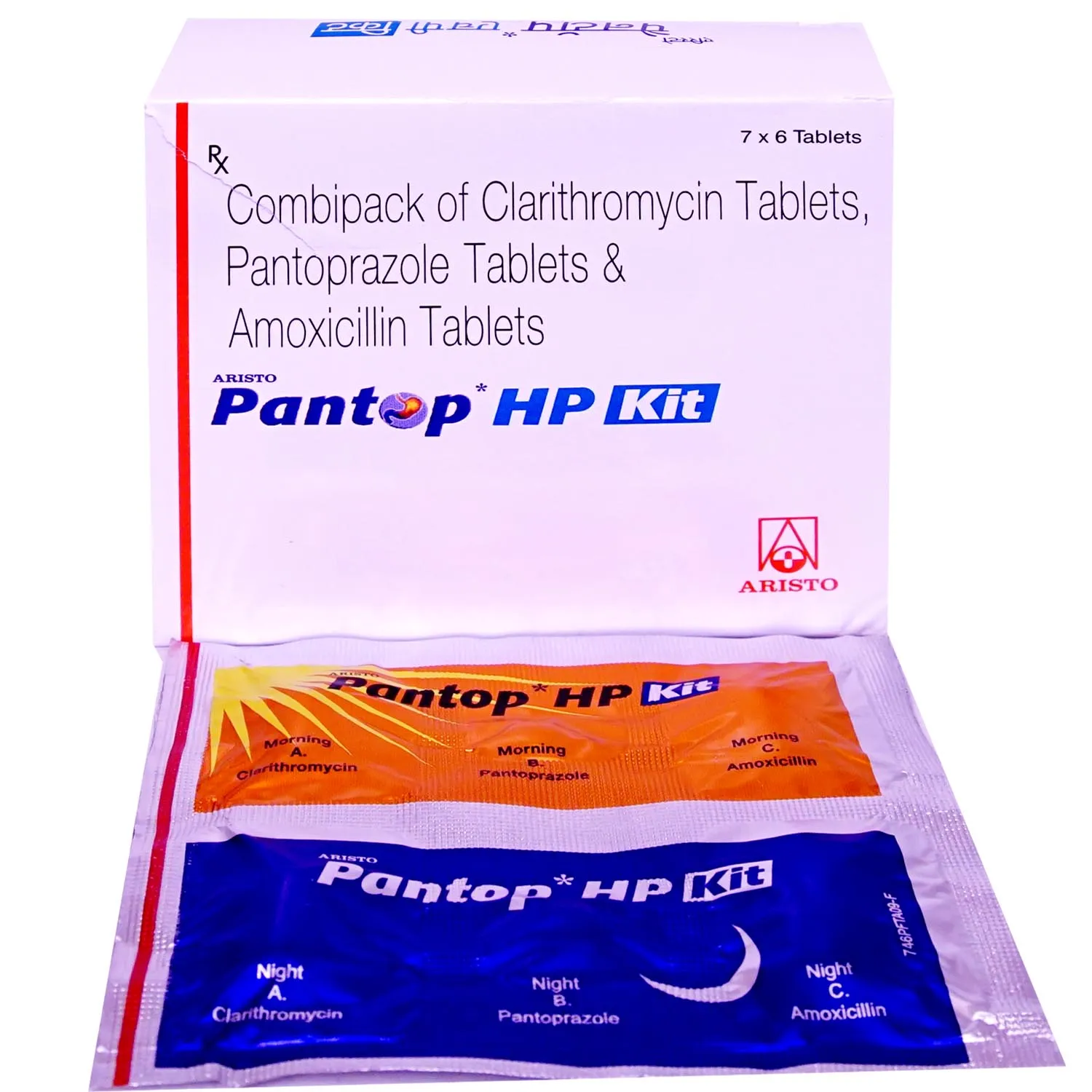
Pantop HP Kit is a triple-drug combination used for the eradication of Helicobacter pylori (H. pylori) infection, which is commonly associated with peptic ulcers and gastritis. This kit combines:
-
Pantoprazole (40mg) – a proton pump inhibitor that reduces stomach acid
-
Amoxycillin (750mg) – a broad-spectrum antibiotic that kills H. pylori
-
Clarithromycin (500mg) – a macrolide antibiotic that inhibits bacterial protein synthesis
The combination ensures effective H. pylori eradication while protecting the stomach lining.
Uses
-
Helicobacter pylori eradication in patients with peptic ulcer disease
-
Treatment of gastric and duodenal ulcers associated with H. pylori infection
-
Gastritis treatment caused by H. pylori
-
Prevention of ulcer recurrence following H. pylori eradication
How It Works
-
Pantoprazole: Reduces gastric acid production, creating a less acidic environment that helps antibiotics work effectively.
-
Amoxycillin: Disrupts bacterial cell wall synthesis, killing H. pylori.
-
Clarithromycin: Inhibits bacterial protein synthesis, preventing bacterial growth and replication.
The combination enhances eradication rates and reduces the risk of treatment failure.
Side Effects
Common:
Serious (rare):
-
Severe allergic reactions (rash, swelling, difficulty breathing)
-
Liver enzyme elevation
-
Clostridium difficile-associated diarrhea
-
QT prolongation (mainly due to Clarithromycin)
Precautions
-
Avoid in patients allergic to penicillin, clarithromycin, or PPIs
-
Use cautiously in liver or kidney impairment
-
Not recommended during pregnancy or breastfeeding unless prescribed
-
Complete the full course to prevent antibiotic resistance
-
Monitor for neurological symptoms or severe diarrhea during treatment
Administration
-
Taken orally as per doctor’s prescription
-
Usually administered as part of a 14-day H. pylori eradication regimen
-
Pantop HP Kit often includes separate packs of Pantoprazole, Amoxycillin, and Clarithromycin to be taken at specified times
-
Adhere strictly to timing and dosage instructions for maximum efficacy
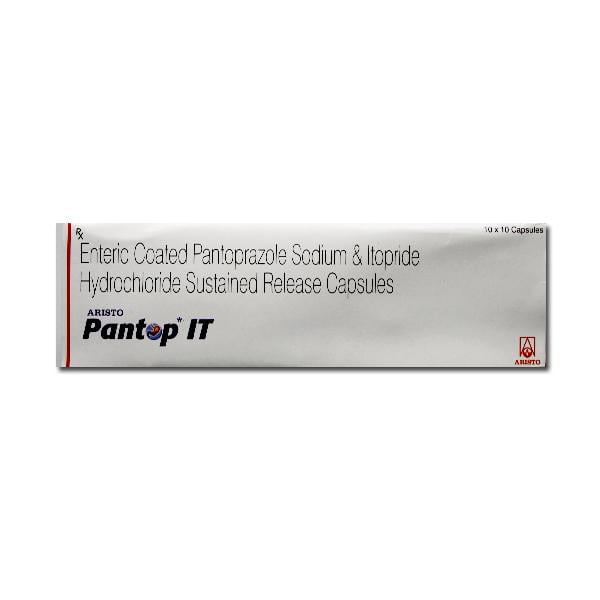
Pantop IT Capsule SR is a combination medication containing Pantoprazole, a proton pump inhibitor, and Itopride, a prokinetic agent. This sustained-release (SR) formulation is used to treat acid-related gastrointestinal disorders accompanied by delayed gastric emptying, bloating, or nausea. It provides both acid suppression and improved gastrointestinal motility.
Uses
-
Gastroesophageal reflux disease (GERD) – heartburn, acid regurgitation
-
Peptic ulcers – gastric and duodenal ulcers
-
Erosive esophagitis – inflammation and damage to the esophagus
-
Functional dyspepsia – bloating, early satiety, upper abdominal discomfort
-
Delayed gastric emptying (gastroparesis)
-
Nausea and vomiting associated with acid-related disorders
How It Works
-
Pantoprazole (40mg): Inhibits proton pumps in the stomach lining, reducing gastric acid secretion.
-
Itopride (150mg): Enhances gastrointestinal motility by stimulating acetylcholine release and inhibiting dopamine, improving gastric emptying and reducing discomfort.
The combination provides relief from heartburn, bloating, nausea, and abdominal fullness.
Side Effects
Common:
Serious (rare):
-
Severe allergic reactions (rash, swelling, difficulty breathing)
-
Liver enzyme elevation
-
Extrapyramidal symptoms (rare, mainly from Itopride)
Precautions
-
Avoid in patients allergic to Pantoprazole or Itopride
-
Use cautiously in patients with liver disease or gastrointestinal obstruction
-
Not recommended during pregnancy or breastfeeding unless prescribed
-
Do not exceed the prescribed dose
-
Monitor for neurological symptoms during prolonged use
Administration
-
Taken orally, usually once daily or as prescribed
-
Swallow the capsule whole, do not crush or chew
-
Can be taken before or after meals
-
Duration depends on condition severity and doctor’s recommendation

Pantop-D Capsule is a combination medication containing Pantoprazole, a proton pump inhibitor, and Domperidone, a prokinetic agent. It is used to treat acid-related gastrointestinal disorders associated with nausea, vomiting, or delayed gastric emptying. This lower-strength combination is often prescribed for mild to moderate acid reflux or dyspepsia.
Uses
-
Gastroesophageal reflux disease (GERD) – heartburn, acid regurgitation
-
Peptic ulcers – gastric and duodenal ulcers
-
Functional dyspepsia – bloating, early satiety, upper abdominal discomfort
-
Nausea and vomiting associated with acid-related disorders
-
Mild delayed gastric emptying (gastroparesis)
How It Works
-
Pantoprazole (20mg): Inhibits proton pumps in the stomach lining, reducing gastric acid secretion.
-
Domperidone (10mg): Enhances gastrointestinal motility, improves gastric emptying, and reduces nausea.
The combination provides relief from heartburn, bloating, and nausea.
Side Effects
Common:
Serious (rare):
-
Severe allergic reactions (rash, swelling, difficulty breathing)
-
Heart rhythm disturbances (QT prolongation, mainly from Domperidone)
-
Liver enzyme elevation
Precautions
-
Avoid in patients allergic to Pantoprazole or Domperidone
-
Use cautiously in patients with heart disease, liver impairment, or low potassium levels
-
Not recommended during pregnancy or breastfeeding unless prescribed
-
Avoid driving or operating machinery if dizziness occurs
-
Do not exceed the prescribed dose due to cardiac risk
Administration
-
Taken orally, usually once daily or as prescribed
-
Can be taken before meals for optimal effect
-
Swallow the capsule whole, do not crush or chew
-
Duration depends on severity of the condition and doctor’s recommendation
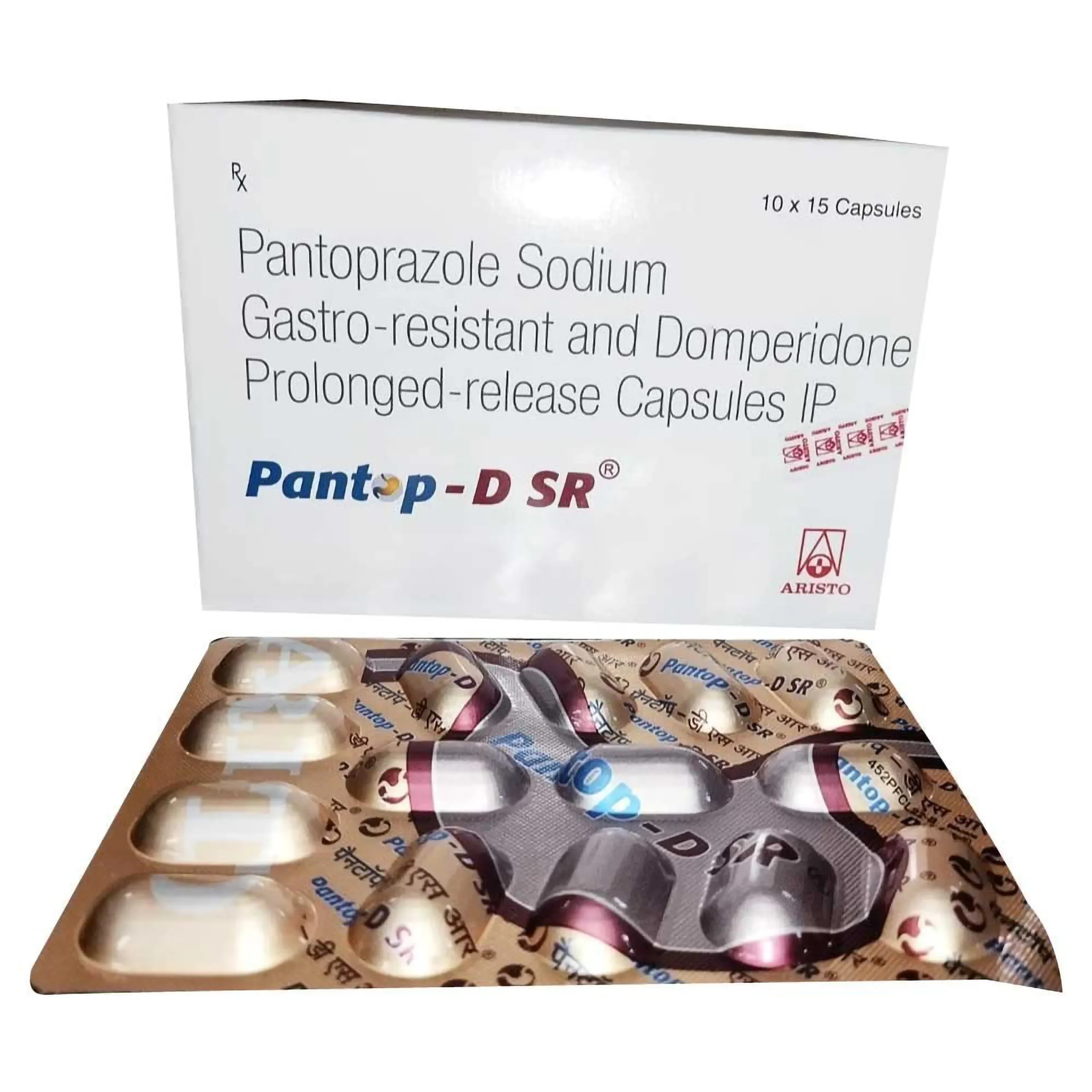
Pantop-D SR Capsule is a combination medicine containing Pantoprazole, a proton pump inhibitor, and Domperidone, a prokinetic agent. This formulation is used to treat acid-related gastrointestinal disorders with associated nausea, vomiting, or delayed gastric emptying. It provides both acid suppression and improvement of gastrointestinal motility.
Uses
-
Gastroesophageal reflux disease (GERD) – heartburn, acid regurgitation
-
Peptic ulcers – gastric and duodenal ulcers
-
Erosive esophagitis – inflammation of the esophagus
-
Functional dyspepsia – bloating, early satiety, and upper abdominal discomfort
-
Nausea and vomiting associated with acid-related disorders
-
Gastroparesis – delayed gastric emptying
How It Works
-
Pantoprazole (40mg): Inhibits proton pumps in the stomach lining, reducing gastric acid secretion.
-
Domperidone (30mg): Enhances gastrointestinal motility and increases the rate at which the stomach empties, reducing nausea and discomfort.
The combination provides relief from heartburn, bloating, and nausea.
Side Effects
Common:
Serious (rare):
-
Severe allergic reactions (rash, swelling, difficulty breathing)
-
Heart rhythm disturbances (QT prolongation, mainly from Domperidone)
-
Liver enzyme elevation
Precautions
-
Avoid in patients with allergy to Pantoprazole or Domperidone
-
Use cautiously in patients with heart disease, liver impairment, or low potassium levels
-
Not recommended during pregnancy or breastfeeding unless prescribed
-
Avoid driving or operating machinery if dizziness occurs
-
Do not exceed the prescribed dose due to risk of cardiac side effects
Administration
-
Taken orally, usually once daily or as prescribed
-
Can be taken before meals for optimal effect
-
Swallow the capsule whole, do not crush or chew
-
Duration depends on severity of the condition and doctor’s recommendation
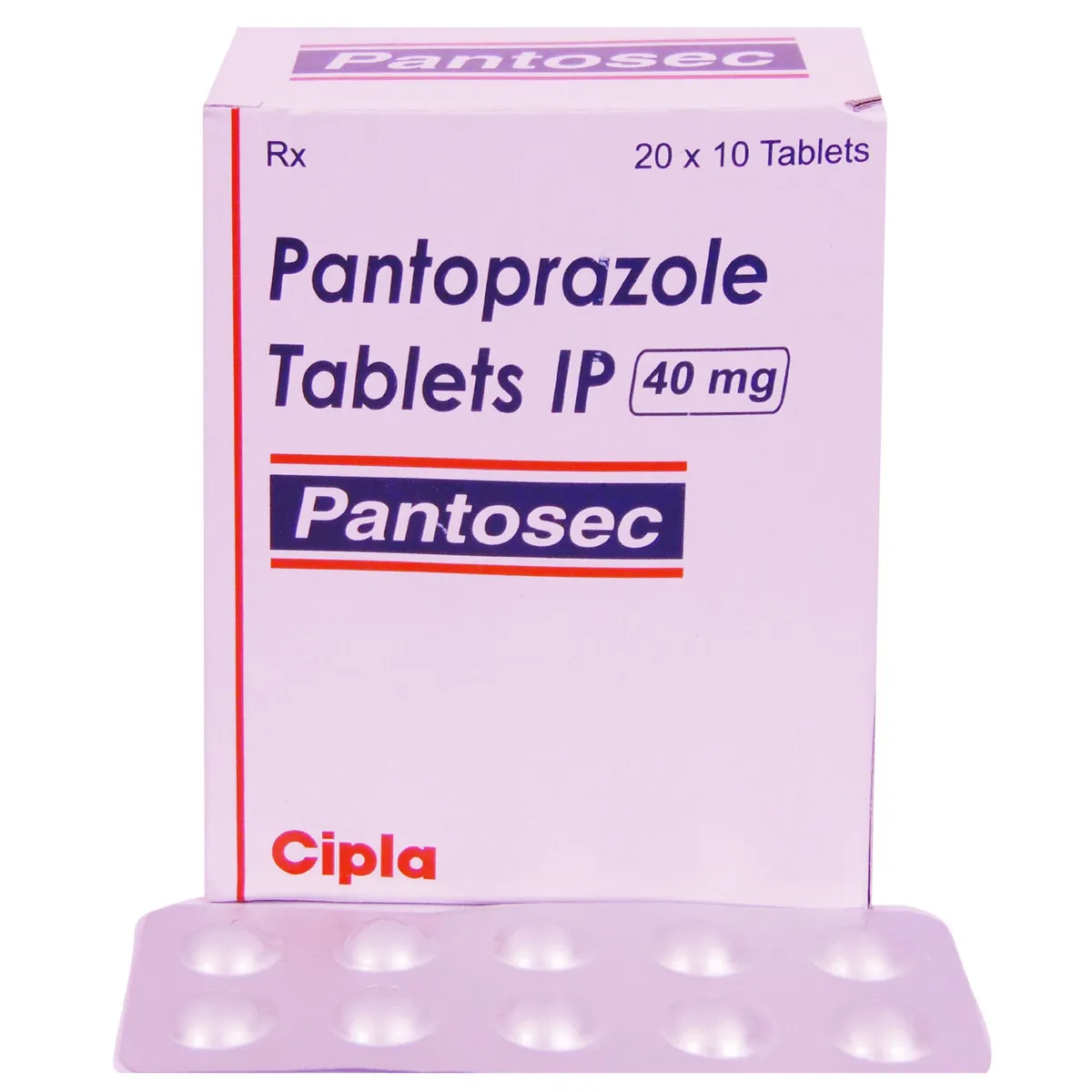
Pantosec Tablet is a proton pump inhibitor (PPI) used to treat conditions related to excess stomach acid. It helps relieve acidity, heartburn, acid reflux, indigestion, and stomach ulcers by reducing acid secretion in the stomach lining.
Uses
-
Gastroesophageal reflux disease (GERD)
-
Heartburn and acid reflux
-
Stomach and duodenal ulcers
-
Zollinger-Ellison syndrome (excessive acid production)
-
Indigestion due to high stomach acidity
-
Prevents acid-related damage in patients taking painkillers (NSAIDs)
How It Works
Pantoprazole reduces stomach acid by blocking the H+/K+ ATPase enzyme (proton pump) in the stomach lining. This action provides long-lasting relief from acid reflux and allows healing of the esophagus and stomach lining.
Side Effects
Common side effects may include:
Long-term use may lead to vitamin B12 deficiency, low magnesium, or bone weakness if not monitored.
Precautions & Warnings
-
Avoid in patients allergic to pantoprazole or other PPIs.
-
Use with caution in patients with liver disease.
-
Avoid long-term self-medication without medical supervision.
-
Safe use in pregnancy and breastfeeding should be confirmed by a doctor.
-
Limit alcohol and spicy foods, as they worsen acidity.
Dosage & Administration
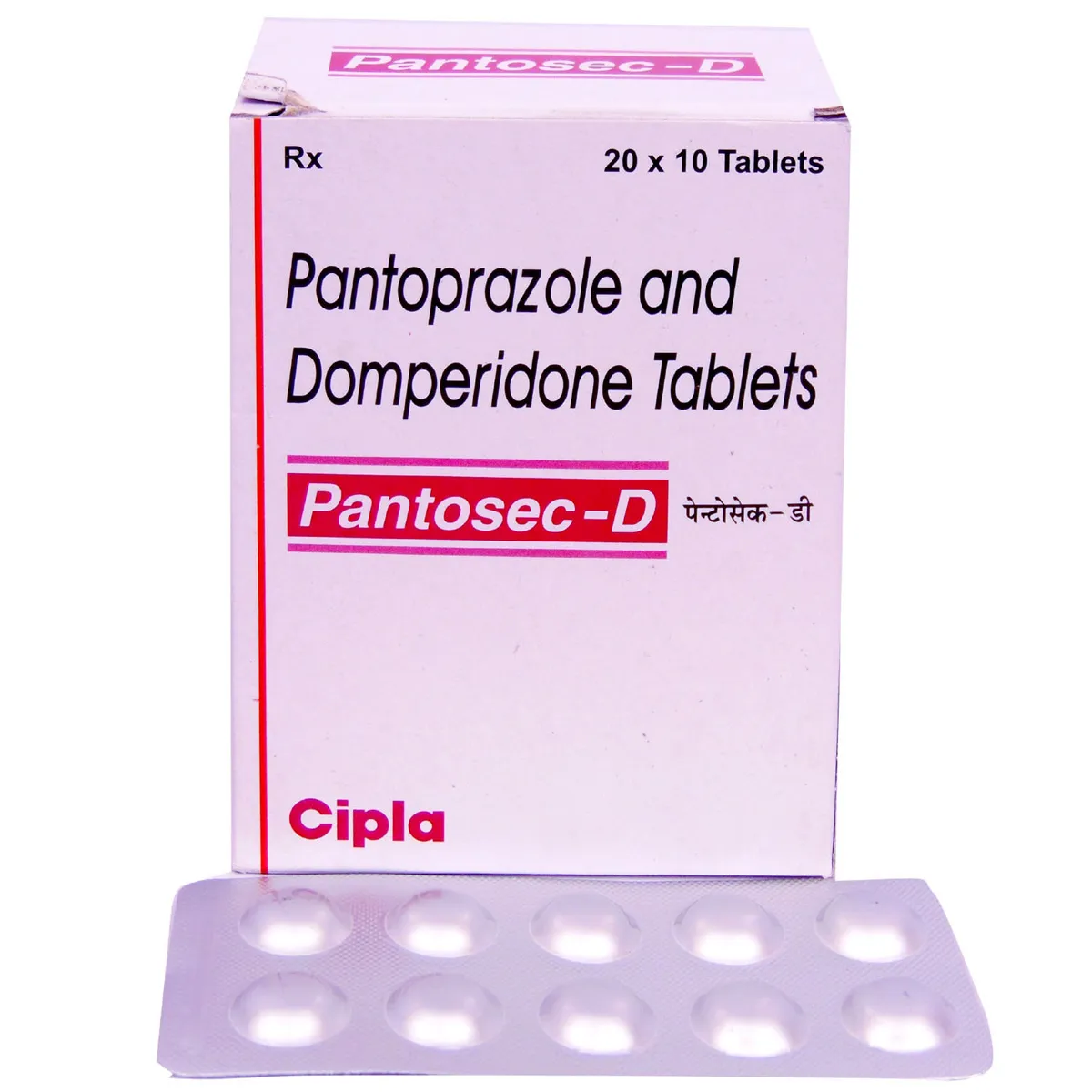
Pantosec-D Tablet is a combination medicine used to treat problems related to stomach acid reflux and delayed gastric emptying. It provides relief from heartburn, indigestion, bloating, acidity, nausea, and vomiting.
-
Pantoprazole (40 mg): A proton pump inhibitor (PPI) that lowers acid secretion in the stomach, providing long-lasting relief from acidity and protecting the esophagus and stomach lining.
-
Domperidone (10 mg): A prokinetic agent that increases movement of the stomach and intestines, helping in faster digestion and preventing nausea or vomiting.
Uses
-
Gastroesophageal reflux disease (GERD)
-
Persistent acidity and heartburn
-
Indigestion, belching, bloating
-
Stomach and duodenal ulcers
-
Nausea and vomiting linked to acid reflux
How It Works
Pantosec-D Tablet works in two ways:
-
Pantoprazole blocks proton pumps in the stomach, reducing acid secretion.
-
Domperidone speeds up stomach emptying and prevents reflux-related nausea and bloating.
Together, they provide faster and more complete relief compared to using pantoprazole alone.
Side Effects
Common side effects may include:
-
Headache
-
Abdominal pain
-
Diarrhea or constipation
-
Dry mouth
-
Dizziness or sleepiness
-
Flatulence
Rare but serious: irregular heartbeat, severe allergic reaction, or prolonged diarrhea.
Precautions & Warnings
-
Not suitable for patients with severe heart, liver, or kidney disease.
-
Use cautiously in patients with low magnesium or vitamin B12 levels.
-
Avoid alcohol and smoking, which may worsen reflux symptoms.
-
Pregnant or breastfeeding women should use only under doctor’s advice.
-
May cause drowsiness; avoid driving if affected.
Dosage & Administration
-
Usually taken once daily, 30 minutes before meals or as prescribed.
-
Tablet should be swallowed whole with water—do not chew or crush.

ParaCIP 500 Tablet is a commonly used analgesic and antipyretic medication designed to relieve pain and reduce fever. It contains Paracetamol (500mg), also known as Acetaminophen, which works by inhibiting the production of prostaglandins in the brain and at sites of inflammation. This helps to alleviate mild to moderate pain and lower elevated body temperature effectively.
It is widely used for headaches, muscle pain, joint pain, dental pain, menstrual pain, and fever. Its gentle action makes it suitable for adults and children when used in recommended doses.
Uses:
-
Relief of mild to moderate pain (headache, dental pain, muscle pain, joint pain)
-
Reduction of fever
-
Management of cold and flu symptoms
-
Supportive therapy for post-vaccination fever or mild pain
Key Benefits:
-
Effective and fast-acting pain relief
-
Reduces fever safely without causing stomach irritation
-
Suitable for routine use in adults and children (with appropriate dosage)
-
Well-tolerated with minimal side effects when used correctly
Directions for Use:
Take ParaCIP 500 Tablet orally with a full glass of water. It can be taken with or without food. Follow the recommended dosage as prescribed by your doctor and do not exceed the maximum daily limit to avoid liver damage.
Safety Advice:
-
Pregnancy & Breastfeeding: Generally considered safe, but consult your doctor.
-
Liver Disorders: Use with caution; avoid alcohol during treatment.
-
Allergies: Avoid if allergic to Paracetamol/Acetaminophen.
-
Side Effects: Rare, but may include nausea or mild rash; report severe reactions immediately.
-
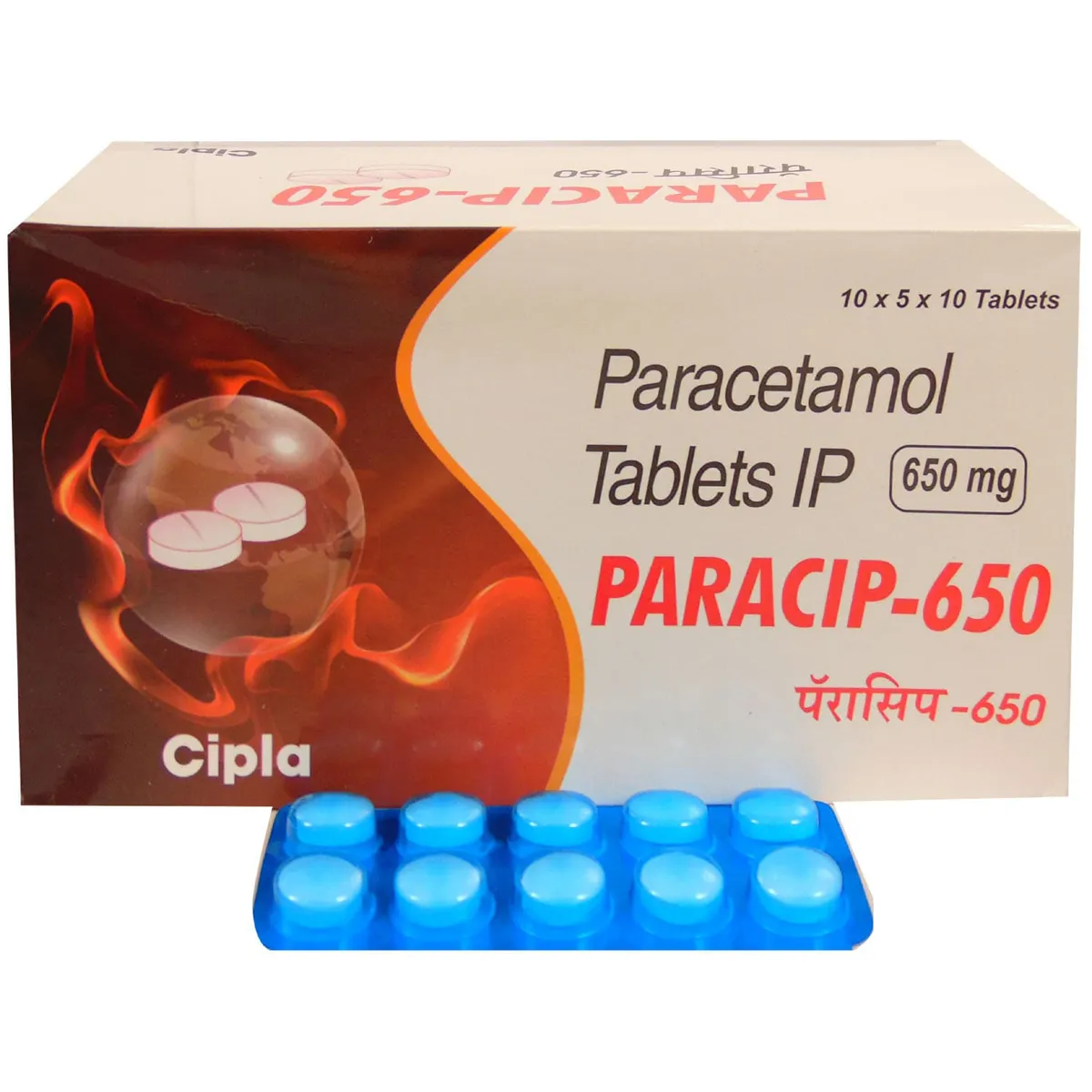
ParaCIP 650 Tablet is a high-strength analgesic and antipyretic medication used to relieve moderate pain and reduce fever effectively. It contains Paracetamol (650mg), also known as Acetaminophen, which works by blocking prostaglandin production in the brain and at sites of inflammation. This helps to alleviate pain and lower elevated body temperature quickly and safely.
It is commonly used for headaches, muscle and joint pain, dental pain, menstrual cramps, cold and flu symptoms, and post-vaccination fever. Its higher dose provides rapid and long-lasting relief, suitable for adults and adolescents as prescribed.
Uses:
-
Relief of moderate pain (headache, muscle pain, joint pain, dental pain)
-
Reduction of fever
-
Management of cold and flu symptoms
-
Post-vaccination or postoperative fever and mild pain
Key Benefits:
-
Fast-acting and effective pain relief
-
Reduces fever safely and reliably
-
Suitable for various types of acute pain
-
Well-tolerated when used as directed, with minimal side effects
Directions for Use:
Take ParaCIP 650 Tablet orally with a full glass of water, with or without food. Follow the doctor’s prescribed dosage and do not exceed the recommended daily limit to avoid liver damage.
Safety Advice:
-
Pregnancy & Breastfeeding: Generally considered safe, but consult your doctor.
-
Liver Disorders: Use with caution; avoid alcohol during treatment.
-
Allergies: Avoid if allergic to Paracetamol/Acetaminophen.
-
Side Effects: Rare; may include mild nausea or rash. Report severe reactions immediately.
-
Drug Interactions: Inform your doctor about other medications, especially those affecting the liver.
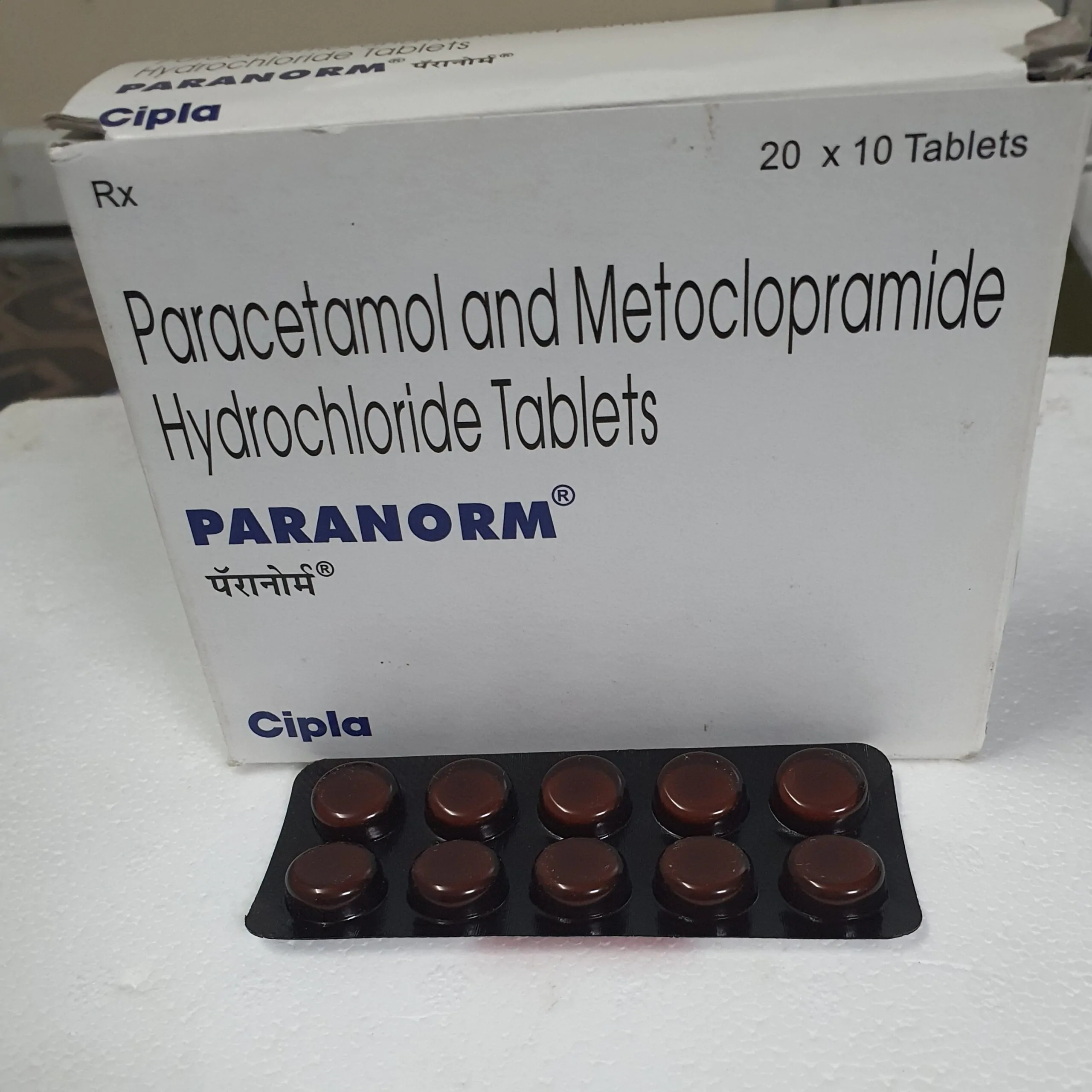
Paranorm Tablet is a combination medication used for the symptomatic treatment of migraine headaches. It combines metoclopramide, a prokinetic agent, with paracetamol, a widely used analgesic and antipyretic.
-
Metoclopramide works by blocking dopamine receptors in the brain, which helps in controlling nausea and vomiting associated with migraines. Additionally, it enhances the motility of the upper gastrointestinal tract, facilitating the movement of food through the stomach.
-
Paracetamol acts centrally in the brain to inhibit the production of prostaglandins, chemicals responsible for pain and fever, thereby providing relief from headache and reducing fever.
Indications:
Dosage and Administration:
-
Dosage: As prescribed by a healthcare professional, typically taken at the onset of a migraine attack.
-
Administration: Swallow the tablet whole with a glass of water. It can be taken with or without food.
-
Frequency: Follow the dosing schedule provided by your doctor. Do not exceed the recommended dose.
Safety Information:
-
Storage: Store in a cool, dry place away from direct sunlight. Keep out of reach of children.
-
Precautions: Consult a doctor before use if you have a history of gastrointestinal disorders, liver or kidney impairment, or cardiovascular conditions.
-
Alcohol: Limit alcohol consumption, as it may increase the risk of liver damage and gastrointestinal bleeding.
-
Pregnancy and Breastfeeding: Consult a healthcare provider before using this medication during pregnancy or breastfeeding.
Side Effects:
Common side effects may include:
Serious side effects are rare but may include:
-
Allergic reactions such as rash, itching, or swelling
-
Yellowing of the skin or eyes (jaundice)
-
Unusual tiredness or weakness
-
Dark-colored urine or pale stools
If any of these serious side effects occur, seek medical attention immediately.
Important Notes:
-
Overdose: In case of overdose, seek immediate medical attention. Symptoms may include nausea, vomiting, loss of appetite, confusion, and unusual tiredness.
-
Missed Dose: If a dose is missed, take it as soon as possible, unless it’s almost time for the next dose. Do not double the dose to make up for a missed one.
-
Drug Interactions: Inform the healthcare provider about all other medications being taken, including over-the-counter drugs and supplements, to avoid potential drug interactions.
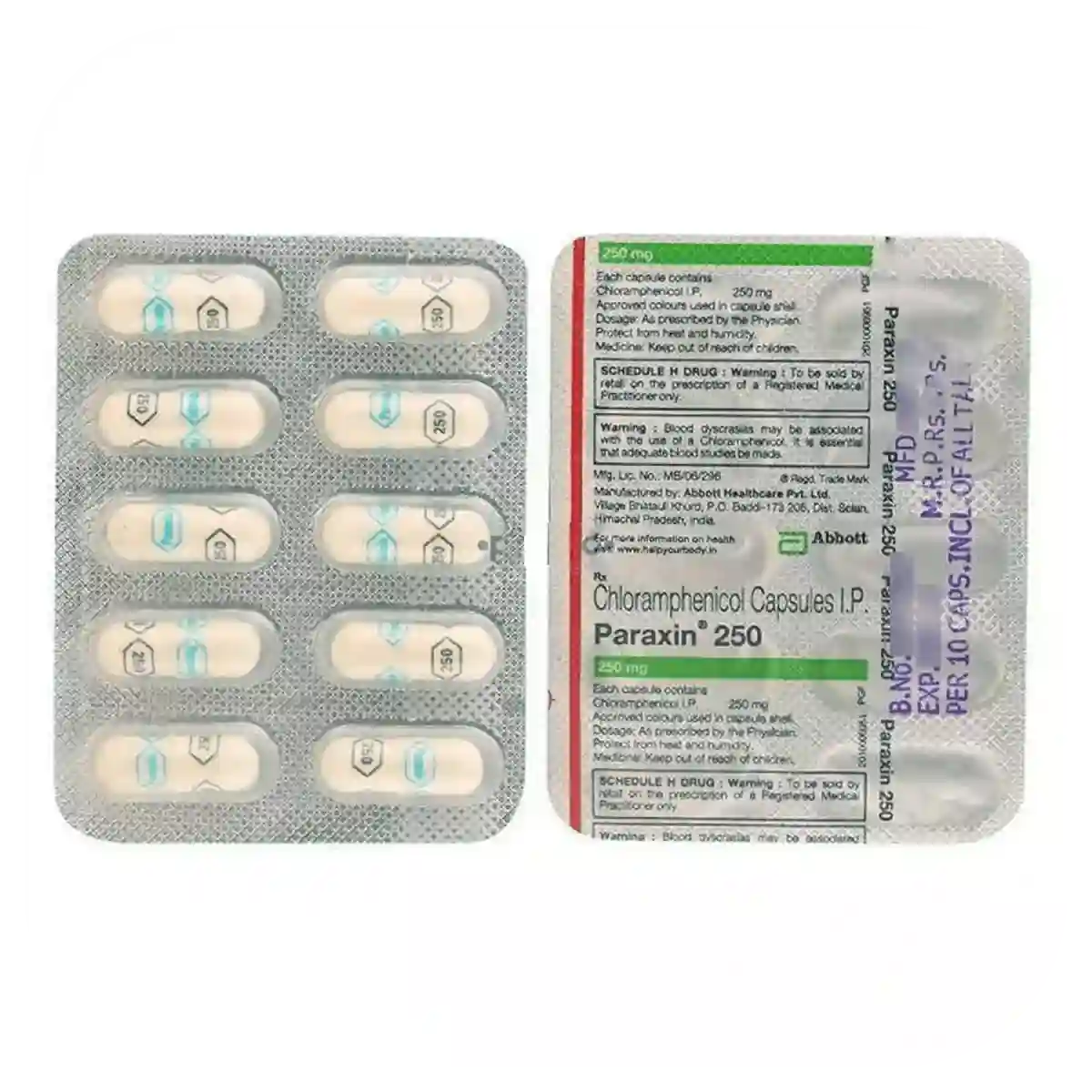
Paraxin 250 Capsule is a potent broad-spectrum antibiotic used to treat various bacterial infections. The active ingredient, Chloramphenicol, works by inhibiting bacterial protein synthesis, effectively stopping bacterial growth and helping the body fight infections. This medication is usually prescribed when infections are severe or when other antibiotics are ineffective.
Uses / Indications:
-
Typhoid fever and other systemic bacterial infections
-
Respiratory tract infections
-
Meningitis (under medical supervision)
-
Eye, skin, and soft tissue infections
-
Other infections caused by bacteria sensitive to Chloramphenicol
Dosage & Administration:
-
Should be taken exactly as prescribed by a doctor.
-
Usually taken orally with water, with or without food.
-
Do not skip doses or stop therapy prematurely, even if symptoms improve, as this may lead to resistance.
Side Effects:
Some patients may experience:
-
Nausea, vomiting, or diarrhea
-
Headache or dizziness
-
Allergic reactions such as rash, itching, or swelling
-
Rare but serious: bone marrow suppression, anemia, or gray baby syndrome in newborns
Precautions & Warnings:
-
Not recommended for infants or newborns unless strictly prescribed.
-
Inform your doctor if you have liver, kidney, or blood disorders.
-
Avoid alcohol while taking this medication.
-
Regular blood monitoring may be required during prolonged therapy.
Storage: