



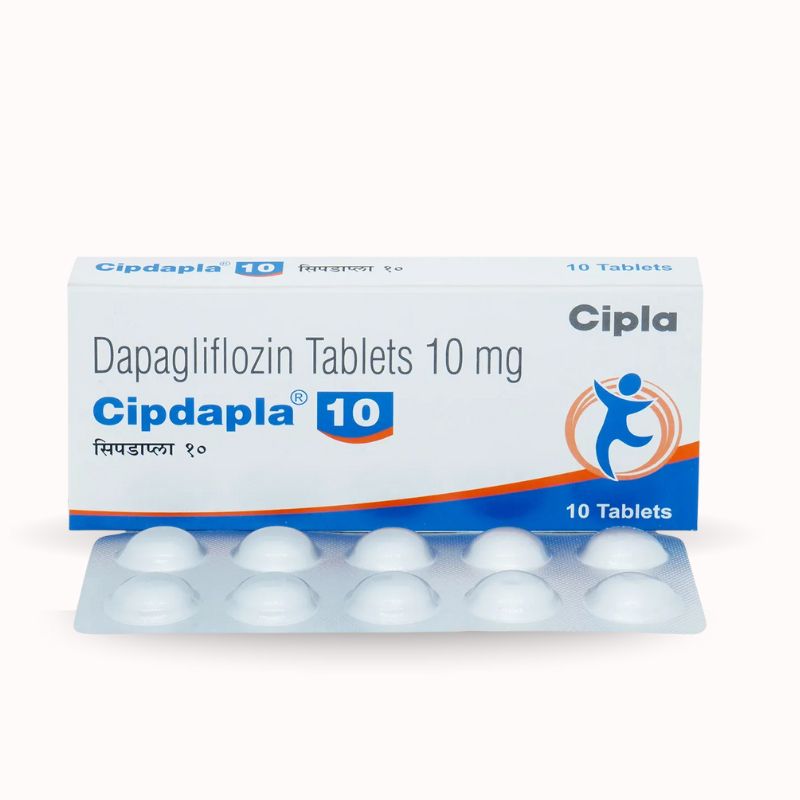
Description
CIPDAPLA 10 is a prescription medicine containing Dapagliflozin Propanediol Monohydrate 10mg per tablet. It is a sodium-glucose co-transporter-2 (SGLT2) inhibitor specially designed for the management of Type 2 Diabetes Mellitus.
Mechanism of Action
Dapagliflozin works by selectively inhibiting SGLT2 proteins in the proximal renal tubule—the part of the kidney where most glucose is reabsorbed into the bloodstream. By blocking SGLT2:
-
Glucose reabsorption in the kidney is reduced.
-
More glucose is excreted in the urine.
-
This lowers blood glucose levels independently of insulin secretion or action.
Because its action is insulin-independent, it supports glycemic control even in patients with reduced beta-cell function.
Indications
-
Type 2 Diabetes Mellitus: Used alone or with other antidiabetic medications to control blood sugar.
-
Heart Failure & Chronic Kidney Disease: Dapagliflozin has shown beneficial effects in improving heart and kidney outcomes for patients with or without diabetes (brand-specific claims may vary).
Benefits
-
Reduces fasting and postprandial blood glucose.
-
Promotes weight loss (through excretion of excess glucose).
-
Supports heart and kidney health in high-risk patients.
Dosing
-
Usual dose: 10mg once daily.
-
Can be taken with or without food; absorption is consistent either way.
-
Dose adjustments may be needed for kidney function or other medical issues—always follow your healthcare provider’s instructions.
Common Side Effects
-
Urinary tract infections
-
Genital infections
-
Increased urination (osmotic diuresis)
-
Mild dehydration, volume depletion.
Hypoglycemia is rare when used alone, but can occur when combined with insulin or insulin secretagogues.
Special Precautions
-
Not recommended in patients with severe kidney disease or those on dialysis.
-
Dehydration, hypotension, or electrolyte imbalances may occur—adequate hydration is advised, particularly in elderly patients.
-
Monitor for symptoms of urinary tract/genital infections, ketoacidosis, or allergic reaction.
Laboratory Monitoring
-
Blood glucose (fasting and postprandial)
-
Glycosylated hemoglobin (HbA1c)
-
Renal function tests


Leave a Reply