



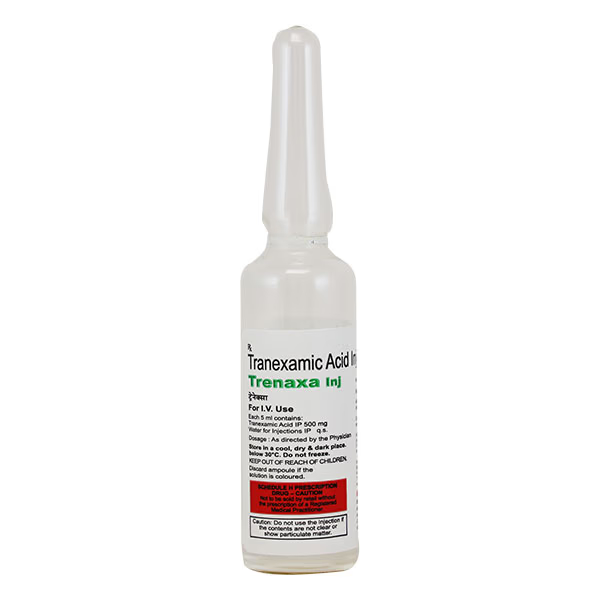
Description
Trenaxa Injection contains Tranexamic Acid (500 mg), an antifibrinolytic agent that helps control or prevent excessive bleeding. It works by blocking the breakdown of blood clots, ensuring stable clot formation and reducing blood loss.
This injectable form is used when oral tablets are not suitable or when rapid action is required, such as during surgeries, trauma, or acute bleeding conditions.
Uses of Trenaxa Injection
-
Heavy menstrual bleeding (acute cases) when tablets are not effective or feasible.
-
Surgical bleeding (cardiac, orthopedic, gynecological, ENT, dental, etc.) to prevent excessive blood loss.
-
Trauma-related bleeding including accidents or injury with significant blood loss.
-
Postpartum hemorrhage (bleeding after childbirth) under medical supervision.
-
Hereditary bleeding disorders such as hemophilia, when bleeding episodes occur.
-
Other emergency bleeding conditions as decided by a healthcare provider.
Dosage & Administration
-
Administered only by a doctor or healthcare professional via intravenous (IV) injection or slow infusion.
-
The dose and duration depend on the condition being treated, severity of bleeding, age, and body weight.
-
Usually given before, during, or after surgery, or at the onset of bleeding episodes.
-
Not recommended for self-administration.
Possible Side Effects
Most patients tolerate Trenaxa Injection well, but some may experience:
-
Nausea, vomiting, diarrhea
-
Injection site reactions (pain, redness, swelling)
-
Headache or dizziness
-
Muscle cramps
Rare but serious:
-
Vision disturbances (color vision changes, blurred vision)
-
Seizures (in high doses)
-
Blood clot complications – deep vein thrombosis (DVT), pulmonary embolism, heart attack, stroke
Seek urgent medical care if sudden chest pain, shortness of breath, severe headache, leg swelling, or vision changes occur.
Precautions
-
Clotting disorders: Avoid if you have a history of thrombosis unless closely supervised by a doctor.
-
Kidney impairment: Dose adjustment may be needed; caution advised.
-
Vision monitoring: Rare vision-related side effects may require ophthalmic evaluation.
-
Pregnancy & breastfeeding: Use only if clearly necessary and under medical advice.
-
Drug interactions: Caution with oral contraceptives, blood thinners, or medicines affecting clotting.
Key Points to Remember
-
Trenaxa Injection is used in emergency or hospital settings to control active or severe bleeding.
-
Always administered by a healthcare professional.
-
Provides faster action compared to tablets.
-
Patients with a history of clotting disorders, kidney issues, or eye problems should use with caution.
-
Not for self-use; follow all medical advice during and after treatment.



Leave a Reply