


Abvida 50 mg Tablet

Abvida 50 mg Tablet is an oral antidiabetic medicine manufactured by Abbott, containing Vildagliptin (50 mg) as its active ingredient. It belongs to the class of drugs called DPP-4 inhibitors and is used in the management of Type 2 Diabetes Mellitus in adults.

Vildagliptin works by blocking the enzyme DPP-4, which increases the levels of incretin hormones in the body. These hormones stimulate the pancreas to release insulin when blood sugar is high and reduce the release of glucagon, a hormone that raises blood sugar. As a result, Abvida helps maintain balanced blood glucose both after meals and between meals.

The medicine is usually prescribed when diet and exercise alone, or other diabetes medicines, do not provide adequate control. It may be used alone or in combination with other antidiabetic medicines such as metformin, sulfonylureas, or insulin.

Abvida 50 mg Tablet can be taken with or without food, ideally at the same time every day, as advised by your doctor. For maximum benefit, it should be combined with lifestyle measures such as a healthy diet, regular physical activity, and weight management.

Common side effects may include headache, dizziness, nausea, fatigue, and tremor. Hypoglycemia (low blood sugar) is uncommon with vildagliptin alone but may occur if combined with insulin or sulfonylureas. Patients should learn to recognize signs of low blood sugar (sweating, shakiness, dizziness, blurred vision) and keep a fast source of sugar (glucose tablets, fruit juice, or candy) readily available.

Safety advice:

  • Kidney disease: Safe in mild impairment, but dose adjustment (50 mg once daily) is needed in moderate to severe kidney disease.

  • Liver disease: Should be avoided in patients with liver impairment. Regular monitoring of liver function may be advised.

  • Pregnancy & breastfeeding: Use only under medical supervision.

  • Alcohol: Best avoided, as it increases the risk of hypoglycemia.

  • Driving: Avoid driving or operating machinery if you feel dizzy or have low blood sugar.

In summary, Abvida 50 mg Tablet (Vildagliptin 50 mg) is a well-tolerated and effective medicine for controlling Type 2 Diabetes Mellitus, helping reduce the risk of long-term complications such as kidney damage, vision loss, nerve problems, and heart disease, when used alongside lifestyle modifications and regular monitoring.
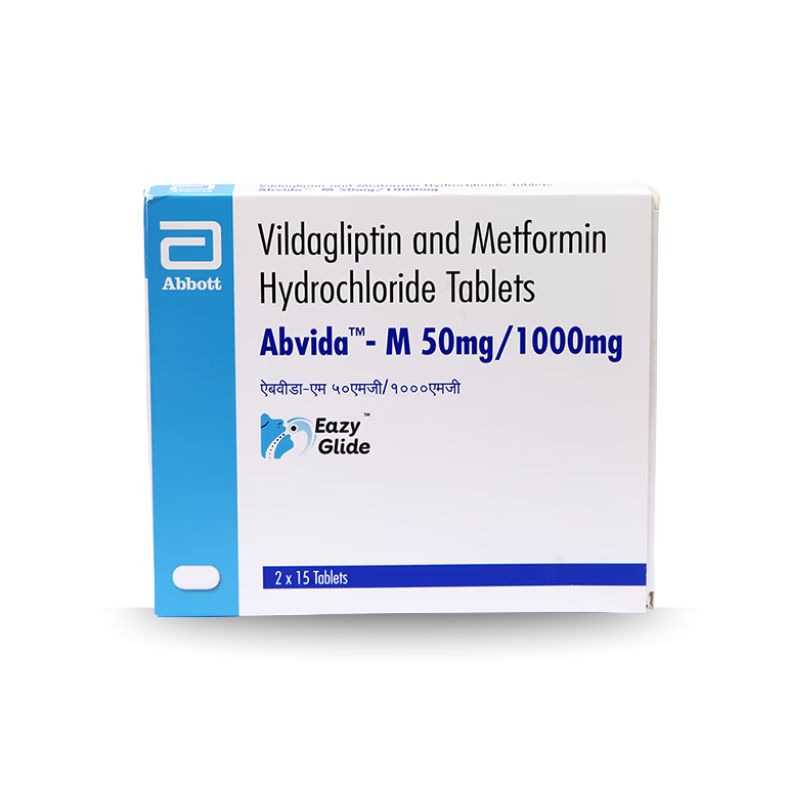
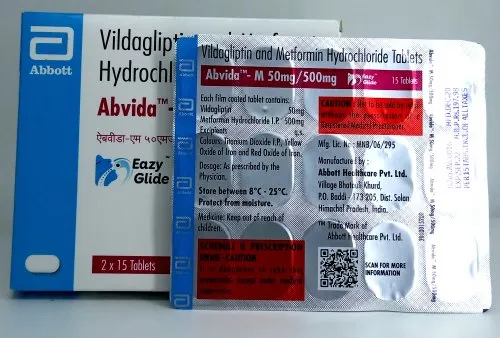
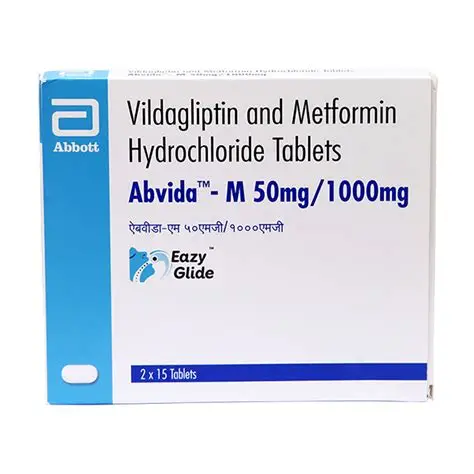
ABVIDA M 50/1000 MG

Abvida M 50/1000 mg Tablet is a combination oral antidiabetic medicine from Abbott, containing Vildagliptin 50mg and Metformin Hydrochloride 1000mg per tablet. It is used for the management of type 2 diabetes mellitus in adults when blood sugar is not adequately controlled with diet and exercise alone or with either component as monotherapy.

How it Works:

  • Vildagliptin (a DPP-4 inhibitor) increases the levels of natural incretin hormones after meals, boosting insulin release and suppressing glucagon secretion, resulting in better postprandial (after meal) and fasting blood sugar control.

  • Metformin (a biguanide) lowers glucose production by the liver, slows glucose absorption from the intestines, and improves the body’s sensitivity to insulin, leading to reduced overall blood sugar.

The dual action helps to achieve effective glycemic control, lowering the risk of diabetes-related complications like nephropathy, retinopathy, neuropathy, cardiac events, and diabetic foot.

Uses of Abvida M 50/1000 mg Tablet:

  • Management of type 2 diabetes mellitus in adults

  • Used alone or with other oral anti-diabetic medications as clinically indicated

Key Benefits:

  • Provides comprehensive control of both fasting and after-meal glucose

  • Reduces the risk of diabetic complications such as kidney and nerve damage, heart disease, and vision loss

  • Does not usually cause weight gain

  • Risk of hypoglycemia is low (unless combined with insulin or sulfonylureas)

Dosage & Administration:

  • Usual dose: One tablet orally once or twice daily, with meals (as advised by your doctor)

  • Swallow whole with water; do not crush, chew, or break

  • Take at the same time daily for consistent effect

  • Continue with prescribed diet and exercise plan

  • Do not skip or stop without consulting your physician

Safety & Precautions:

  • Use strictly on prescription

  • Not intended for type 1 diabetes or diabetic ketoacidosis

  • Inform your doctor of any history of pancreatitis, kidney, or liver disease

  • Most common side effects: diarrhea, nausea, vomiting, abdominal discomfort, loss of appetite, headache, dizziness, sore throat

  • May rarely cause low blood sugar (more likely when used with insulin or sulfonylureas)

  • Consumption of alcohol should be avoided, to minimize risk of lactic acidosis

  • Not recommended for use in children, and use with caution in elderly or pregnant/breastfeeding women (consult doctor)

  • Regular monitoring of blood sugar and kidney function is essential

Note:
Abvida M 50/1000 mg Tablet is a vital part of a complete diabetes management plan, which should also include appropriate lifestyle measures for best outcomes.

ABVIDA M 50/500 MG

Abvida-M 50mg/500mg Eazy Glide Tablet is an oral antidiabetic combination medicine by Abbott, containing Metformin (500 mg) and Vildagliptin (50 mg). It is used for the management of Type 2 Diabetes Mellitus in adults, helping control blood sugar levels when diet, exercise, or single medicines alone are not enough.

  • Metformin belongs to the class of medicines called biguanides. It works by reducing glucose production in the liver, delaying sugar absorption from the intestines, and improving the body’s response to insulin.

  • Vildagliptin is a DPP-4 inhibitor that increases insulin release from the pancreas and decreases glucagon secretion, thus lowering both fasting and post-meal sugar levels.

Together, these two medicines provide better blood sugar control, lowering the risk of serious diabetes-related complications like kidney damage, eye problems, nerve issues, and cardiovascular disease.

The tablet is usually taken with food to reduce stomach upset and should be taken at the same time every day for maximum benefit. Lifestyle measures like a balanced diet, regular exercise, and weight control should continue alongside treatment.

Common side effects may include nausea, dizziness, headache, gastroesophageal reflux, trembling, and upper respiratory tract infection. Hypoglycemia (low blood sugar) may occur, especially if taken with insulin or sulfonylureas. Patients should recognize symptoms like sweating, shakiness, or dizziness and keep a sugar source handy.

Safety considerations:

  • Kidney: Use with caution; dose adjustment may be needed.

  • Liver: Not recommended in liver disease.

  • Pregnancy & Breastfeeding: Use only if clearly advised by a doctor.

  • Alcohol: Avoid, as it increases the risk of low blood sugar and lactic acidosis.

  • Driving: Be cautious, as fluctuations in blood sugar may affect concentration.

In summary, Abvida-M 50mg/500mg Eazy Glide Tablet is an effective dual therapy for type 2 diabetes, helping improve long-term blood sugar management and reducing the risk of diabetes-related complications, when combined with a healthy lifestyle and regular monitoring.

Abvida SR 100 Tablet

Abvida 100mg Tablet SR is an oral antidiabetic medicine from Abbott, containing Vildagliptin 100 mg in a sustained-release formulation. It is prescribed for the management of Type 2 Diabetes Mellitus, particularly in adults whose blood sugar levels are not adequately controlled by diet, exercise, or single therapy.

How it works:
Vildagliptin is a DPP-4 inhibitor that helps lower blood glucose levels by:

  • Stimulating the pancreas to release more insulin in response to meals.

  • Reducing glucagon secretion, which lowers sugar production in the liver.

  • Controlling both fasting and post-meal sugar levels throughout the day.

This helps improve overall glycemic control and reduces the risk of long-term complications of diabetes such as kidney damage, nerve problems, eye damage, heart disease, and stroke.

How to take:

  • Can be taken with or without food, preferably at the same time each day.

  • Swallow whole; do not crush or chew.

  • Use regularly as prescribed, along with a healthy diet and exercise plan for best results.

Common side effects include headache, dizziness, nausea, tremors, fatigue, and occasionally hypoglycemia, especially if taken with other diabetes medicines like insulin or sulfonylureas. Patients should recognize warning signs of low blood sugar (sweating, shakiness, dizziness, fainting) and carry a source of glucose.

Safety precautions:

  • Kidney: Generally safe, but dose adjustment may be required in moderate to severe kidney disease.

  • Liver: Not recommended for patients with liver disease.

  • Pregnancy & Breastfeeding: Use only if clearly prescribed by a doctor, as safety data in humans is limited.

  • Driving: Avoid driving if experiencing low blood sugar, dizziness, or blurred vision.

  • Alcohol: Best avoided, as it can increase the risk of hypoglycemia.

In conclusion, Abvida 100mg Tablet SR provides effective single-agent therapy for type 2 diabetes by maintaining stable blood sugar control, especially in patients needing sustained 24-hour coverage. When taken as part of a complete lifestyle management plan, it helps prevent future complications and supports better long-term health outcomes.

Abvida SR 100 Tablet

Abvida SR 100 Tablet is a sustained release oral anti-diabetic formulation from Abbott, containing Vildagliptin 100mg per tablet. It is a DPP-4 inhibitor used to manage type 2 diabetes mellitus in adults, especially when diet, exercise, or single-drug therapy is insufficient to control blood sugar.

How it Works:
Vildagliptin inhibits the enzyme dipeptidyl peptidase-4 (DPP-4), which results in increased levels of incretin hormones (GLP-1 and GIP) after meals. These hormones stimulate insulin secretion from the pancreas and reduce the release of glucagon from the liver, leading to improved glucose control—especially postprandially (after meals) and while fasting.

Uses of Abvida SR 100 Tablet:

  • Treatment of type 2 diabetes mellitus in adults

  • Used alone or with other anti-diabetic medicines when monotherapy is inadequate

  • Helps prevent serious diabetes complications (kidney damage, nerve problems, eye issues, and heart disease)

Key Benefits:

  • Provides sustained, effective glycemic control with once-daily dosing

  • Low risk of hypoglycemia (low blood sugar), especially when used as monotherapy

  • Does not usually cause weight gain

  • Reduces the risk of long-term diabetes complications

  • Can be combined with other oral antidiabetic agents or insulin as needed

Dosage & Administration:

  • Usual adult dose: One 100mg sustained release tablet daily (as prescribed by your doctor)

  • Can be taken with or without food

  • Swallow whole; do not chew, crush, or break the tablet

  • Take at the same time each day for best effect

  • Do not stop or skip doses without your doctor’s consent

Safety & Precautions:

  • Use strictly on prescription

  • Inform your doctor if you have kidney, liver, heart disease, pancreatitis, or any allergies

  • Most common side effects: hypoglycemia (if used with sulfonylurea/insulin), headache, dizziness, excessive sweating, tremors, fatigue, nausea

  • Avoid alcohol (may cause or worsen hypoglycemia)

  • Not for type 1 diabetes mellitus or diabetic ketoacidosis

  • Not recommended for children under 18 years

  • Use in pregnancy or breastfeeding only if clearly directed by your doctor

  • Regular monitoring of blood sugar and kidney function recommended

Note:
Follow all dietary, exercise, and medical advice alongside Abvida SR 100 Tablet for best results and long-term safety.

Abvida-M 50/1000

Abvida-M 50/1000 Eazy Glide Tablet SR is an oral antidiabetic combination medicine from Abbott, containing Metformin (1000 mg) and Vildagliptin (50 mg). It is specially formulated as a sustained-release (SR) tablet to provide a gradual release of medicine, ensuring stable blood sugar control throughout the day.

It is prescribed for the management of Type 2 Diabetes Mellitus in adults, particularly in patients whose blood sugar is not adequately controlled by diet, exercise, or single-agent therapy.

  • Metformin (1000 mg) is a biguanide that lowers glucose production in the liver, slows glucose absorption in the gut, and improves the body’s sensitivity to insulin.

  • Vildagliptin (50 mg) is a DPP-4 inhibitor that increases insulin release and reduces glucagon secretion, thereby lowering both fasting and post-meal blood glucose levels.

Together, they offer complementary mechanisms of action, providing more effective control of diabetes, while reducing the risks of long-term complications such as kidney damage, eye problems, nerve damage, heart disease, and stroke.

The tablet is taken with food to reduce stomach upset and should be swallowed whole without crushing or breaking. It works best when taken regularly at the same time each day, along with a healthy diet, regular exercise, and weight management.

Common side effects may include nausea, dizziness, headache, trembling, gastroesophageal reflux, and upper respiratory infections. Hypoglycemia (low blood sugar) may occur, especially if used with insulin or sulfonylureas, so patients should learn to recognize early warning signs like sweating, shakiness, or dizziness.

Safety considerations:

  • Kidney: Use with caution; dose adjustment may be required.

  • Liver: Not recommended in patients with liver disease.

  • Pregnancy & Breastfeeding: Use only if prescribed by a doctor, as safety data is limited.

  • Alcohol: Should be avoided, as it increases the risk of lactic acidosis and hypoglycemia.

  • Driving: Caution is advised if blood sugar fluctuations affect concentration or alertness.

In conclusion, Abvida-M 50/1000 Eazy Glide Tablet SR provides powerful dual therapy with a sustained release action, ensuring effective and consistent blood sugar management for patients with type 2 diabetes, while lowering the risk of long-term complications when combined with proper lifestyle measures.

ACARCIP-25 TABS

Acarcip 25 Tablet is an anti-diabetic medicine used to control high blood sugar levels in patients with Type 2 Diabetes Mellitus. It belongs to the class of drugs known as alpha-glucosidase inhibitors. This medicine works by slowing down the breakdown and absorption of carbohydrates from the intestine, which prevents sudden spikes in blood glucose after meals (postprandial hyperglycemia).

  • Acarbose (25 mg): The active ingredient that inhibits the enzymes responsible for carbohydrate digestion, thereby regulating blood sugar levels and improving glycemic control.

Uses of Acarcip 25 Tablet:

  • Helps in managing Type 2 Diabetes Mellitus.

  • Prevents sudden rise in blood glucose after meals.

  • Reduces long-term complications of diabetes when used regularly with diet and exercise.

  • Can be used alone or in combination with other anti-diabetic medicines (such as sulfonylureas, metformin, or insulin).

Dosage & Administration:

  • Take the tablet exactly as prescribed by your doctor.

  • Usually taken just before or with the first bite of a meal.

  • Swallow whole with water; do not crush or chew.

  • Dosage may vary depending on blood sugar response.

Precautions & Safety Advice:

  • Not recommended for patients with inflammatory bowel disease, intestinal obstruction, or severe kidney/liver disorders.

  • Regular monitoring of blood sugar is essential while on this medicine.

  • Avoid alcohol as it can increase the risk of side effects like stomach upset or low blood sugar.

  • Pregnant or breastfeeding women should use only under medical advice.

  • Common side effects include abdominal pain, bloating, flatulence, and diarrhea, which usually reduce over time as the body adjusts.

Key Benefits:

  • Effectively controls post-meal blood sugar spikes.

  • Reduces risk of diabetes-related complications.

  • Can be combined with other anti-diabetic medications for better control.

  • Supports overall diabetes management along with lifestyle modifications.

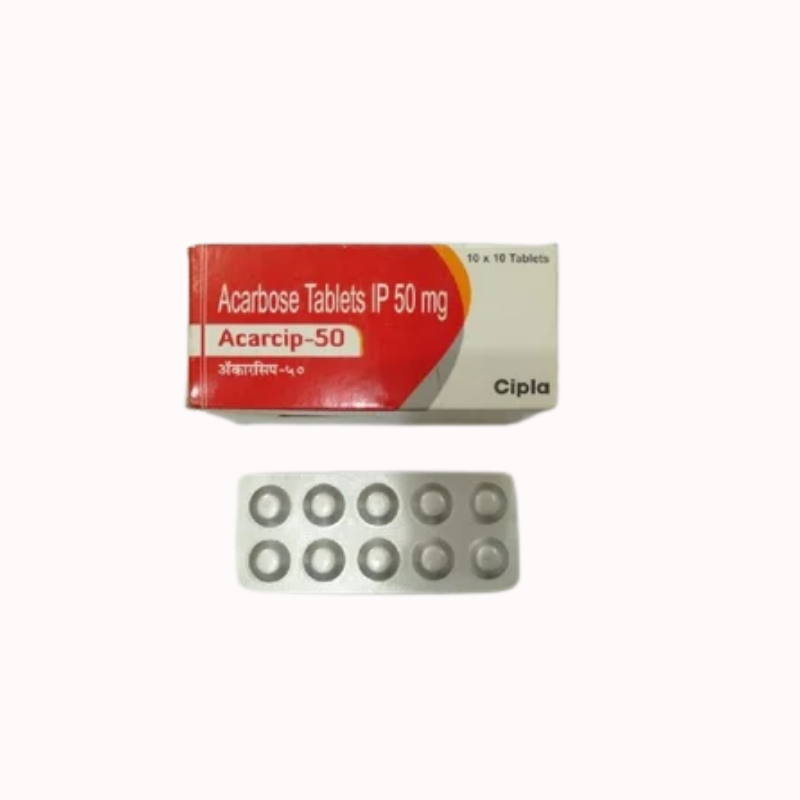
ACARCIP-50 TABS

ACARCIP-50 Tablet contains 50mg of Acarbose per tablet and is classified as an anti-diabetic medicine belonging to the group of ‘alpha-glucosidase inhibitors’. It is specifically designed for the management of Type 2 diabetes mellitus.

Mechanism of Action

Acarbose works by inhibiting intestinal enzymes that are responsible for breaking down complex carbohydrates into simple sugars. This action slows the digestion and absorption of carbohydrates in the intestine, reducing the immediate rise in blood sugar levels that typically occurs after meals. As a result, it helps maintain more stable postprandial (after-meal) blood glucose levels.

Usage

  • Prescribed as part of a comprehensive diabetes management plan that may include diet, exercise, and other anti-diabetic medications.

  • Taken with the first bite of each main meal, either chewed or swallowed whole with water for best effectiveness.

  • Not suitable for Type 1 diabetes or diabetic ketoacidosis.

  • Dosage and duration are determined by a healthcare professional.

Indications

  • Type 2 diabetes mellitus: Especially helpful when diet and exercise alone are insufficient for glycemic control.

  • May be used as monotherapy or in combination with other anti-diabetic drugs.

Benefits

  • Lowers and stabilizes post-meal blood sugar levels.

  • Reduces risk of diabetic complications such as kidney damage, eye disease, nerve issues, and cardiovascular events.

  • May be particularly useful for preventing spikes in blood glucose following carbohydrate-rich meals.

Common Side Effects

  • Gastrointestinal discomfort

  • Flatulence (gas)

  • Stomach pain

  • Diarrhea
    These symptoms usually improve as the body adjusts to the medication.

Important Safety Information

  • Avoid in case of bowel disorders (ulcerative colitis, Crohn’s disease), severe liver or kidney disease, or large intestinal hernia.

  • Use with caution in pregnant or breastfeeding women; consult your doctor.

  • Monitor blood sugar levels regularly, especially if taken with insulin or sulfonylureas, as risk of hypoglycemia increases.

  • Alcohol intake should be minimized as it carries risk of low blood sugar.

  • Do not double the dose if a tablet is missed; continue with the regular schedule.

Laboratory Monitoring

  • Fasting and postprandial blood sugar tests, as well as Glycosylated Hemoglobin (HbA1c), are recommended to monitor efficacy and guide adjustments.

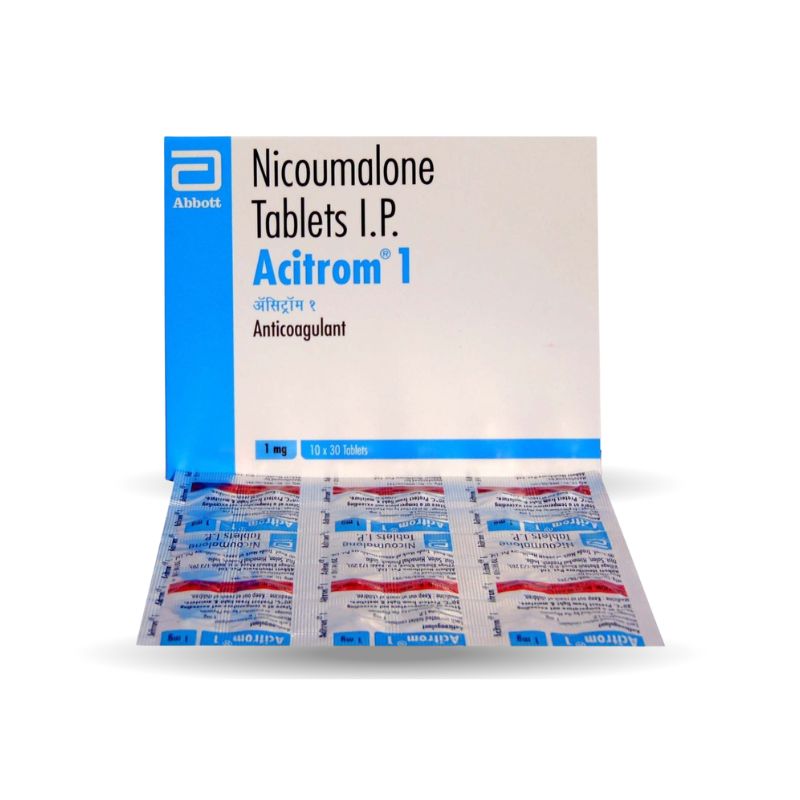
Acitrom 1 Tablet

Acitrom 1 Tablet is an oral anticoagulant/blood thinner manufactured by Abbott, containing Acenocoumarol (1mg) as its active ingredient. It is prescribed primarily for the prevention and treatment of harmful blood clots (thromboembolic disorders) in conditions such as deep vein thrombosis (DVT), pulmonary embolism (PE), atrial fibrillation, heart valve replacement, and to reduce the risk of heart attacks or strokes in high-risk individuals.

How it Works:
Acenocoumarol blocks the production of vitamin K–dependent clotting factors in the liver (II, VII, IX, X), making your blood less likely to clot. This increases the time for blood to clot, reducing the risk of clots forming or growing within veins, arteries, or the heart. Acitrom helps prevent dangerous complications like stroke, pulmonary embolism, or heart attack caused by blocked vessels.

Uses of Acitrom 1 Tablet:

  • Prevention and treatment of deep vein thrombosis (DVT—blood clots in leg veins)

  • Pulmonary embolism (PE—clots in the lungs)

  • Reduce the risk of stroke in patients with atrial fibrillation or artificial heart valves

  • Prevention of clotting after heart valve surgery or in other clot-prone conditions

Key Benefits:

  • Prevents formation and recurrence of life-threatening blood clots

  • Reduces risk of heart attack and stroke in high-risk cardiac patients

  • Provides protection after surgery and in long-term clotting disorders

  • Well-established therapy for both acute and chronic prevention

Dosage & Administration:

  • Usual dose: As prescribed by your doctor, based on regular INR monitoring

  • Taken orally once daily, with or without food

  • Swallow whole with water, do not crush or chew

  • Dosing must be individualized and monitored closely with frequent blood tests (INR/PT)

  • Never change dose without your doctor’s advice

  • Take at the same time daily for best results

Safety & Precautions:

  • Strictly follow your doctor’s instructions and blood test schedule

  • Contraindicated in patients with active bleeding, severe liver/kidney disease, recent surgery, pregnancy, or known allergy to acenocoumarol

  • Most common side effects: bleeding (in skin, gums, stomach, intestine, or urinary tract), rare rashes, headache, dizziness

  • Notify doctor of unusual symptoms or persistent bleeding

  • Use with caution in patients with mental health or alcohol issues

  • Limit alcohol intake, monitor for drug/food interactions

  • May be used carefully in breastfeeding (after medical advice)

  • Always carry INR/anticoagulant card and follow emergency instructions

Note:
Acitrom 1 Tablet requires regular monitoring (INR/blood tests) and physician supervision for safe and effective therapy. Never stop or adjust dosage without medical advice.

ACITROM 2MG TAB

Acitrom 2mg Tablet is an oral anticoagulant manufactured by Abbott, containing Acenocoumarol (2mg) as its active ingredient. It is prescribed for the prevention and treatment of abnormal blood clots (thromboembolic disorders) in various conditions, including deep vein thrombosis (DVT), pulmonary embolism (PE), atrial fibrillation, heart valve replacement, and reducing the risk of stroke or heart attack in high-risk cardiac patients.

How it Works:
Acenocoumarol interferes with synthesis of vitamin K–dependent clotting factors (II, VII, IX, X) in the liver, reducing the tendency of blood to clot. By prolonging clotting time, Acitrom 2mg Tablet helps prevent clots from forming or growing in arteries, veins, or the heart—minimizing the risk of dangerous events such as stroke, heart attack, or pulmonary embolism.

Uses of Acitrom 2mg Tablet:

  • Treatment and prevention of deep vein thrombosis (DVT)

  • Prevention of pulmonary embolism (PE)

  • Reduces risk of stroke in patients with atrial fibrillation or after mechanical heart valve replacement

  • Protects high-risk cardiac patients from clot-related complications

Key Benefits:

  • Prevents formation and recurrence of harmful blood clots

  • Reduces risk of life-threatening events (stroke, heart attack, pulmonary embolism)

  • Well-tolerated for both short-term and long-term anticoagulation therapy

  • Essential after surgery in patients at risk for clotting

Dosage & Administration:

  • Strictly individualized, guided by regular INR (International Normalized Ratio) blood tests

  • Taken once daily, with or without food, at the same time each day

  • Swallow whole with water—do not crush or chew

  • Never change dose or stop medication without doctor’s advice

  • Maintain regular blood test schedules and medical appointments for safe therapy

Safety & Precautions:

  • Contraindicated in active bleeding, severe liver/kidney disease, recent surgery, pregnancy, known allergy to acenocoumarol

  • Most common side effect: bleeding (gums, nose, stomach, intestines, urinary tract, brain, skin)

  • Notify doctor for unexplained bruising, severe headache, blood in urine/stools, or other unusual symptoms

  • Avoid alcohol (can raise bleeding risk)

  • Many drug and food interactions—always inform your doctor of all medications and supplements

  • Not recommended for use during pregnancy; caution with breastfeeding

Note:
Acitrom 2mg Tablet must be used under regular medical supervision with frequent blood monitoring for safe and effective anticoagulation.

Amaryl 2mg Tablet

Uses:
Amaryl 2mg Tablet is an oral antidiabetic medicine used to control blood sugar levels in patients with type 2 diabetes mellitus. It stimulates the pancreas to release insulin, helping to lower blood glucose levels.

How to Use:
Take Amaryl 2mg Tablet orally with water, usually once daily with breakfast or as directed by your doctor. Do not crush or chew the tablet unless advised. Monitor your blood sugar regularly.

Dosage:

  • Adults: Typically 2mg once daily, adjustable according to blood sugar response, up to the maximum dose prescribed by a doctor.

  • Children: Use only under strict medical supervision.

Precautions:

  • Inform your doctor if you have liver, kidney, or heart problems.

  • Monitor for signs of low blood sugar (hypoglycemia) such as dizziness, sweating, or confusion.

  • Avoid skipping meals while on this medication.

  • Pregnant or breastfeeding women should consult a doctor before use.

Side Effects:
Common side effects may include hypoglycemia, nausea, headache, dizziness, or weight gain. Rarely, allergic reactions or skin rashes may occur; seek medical attention if severe.

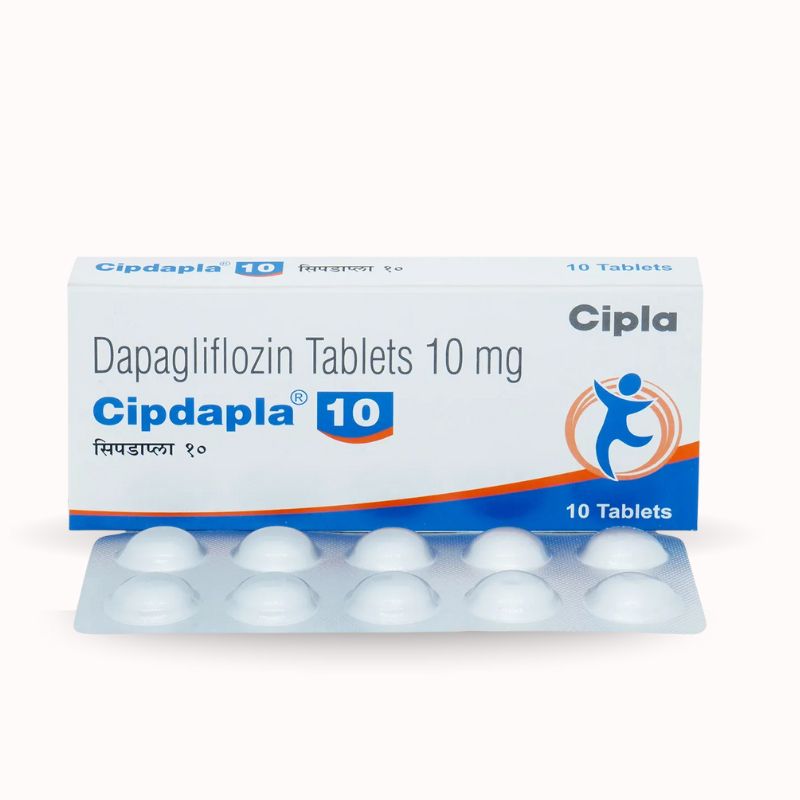
CIPDAPLA 10

CIPDAPLA 10 is a prescription medicine containing Dapagliflozin Propanediol Monohydrate 10mg per tablet. It is a sodium-glucose co-transporter-2 (SGLT2) inhibitor specially designed for the management of Type 2 Diabetes Mellitus.

Mechanism of Action

Dapagliflozin works by selectively inhibiting SGLT2 proteins in the proximal renal tubule—the part of the kidney where most glucose is reabsorbed into the bloodstream. By blocking SGLT2:

  • Glucose reabsorption in the kidney is reduced.

  • More glucose is excreted in the urine.

  • This lowers blood glucose levels independently of insulin secretion or action.

Because its action is insulin-independent, it supports glycemic control even in patients with reduced beta-cell function.

Indications

  • Type 2 Diabetes Mellitus: Used alone or with other antidiabetic medications to control blood sugar.

  • Heart Failure & Chronic Kidney Disease: Dapagliflozin has shown beneficial effects in improving heart and kidney outcomes for patients with or without diabetes (brand-specific claims may vary).

Benefits

  • Reduces fasting and postprandial blood glucose.

  • Promotes weight loss (through excretion of excess glucose).

  • Supports heart and kidney health in high-risk patients.

Dosing

  • Usual dose: 10mg once daily.

  • Can be taken with or without food; absorption is consistent either way.

  • Dose adjustments may be needed for kidney function or other medical issues—always follow your healthcare provider’s instructions.

Common Side Effects

  • Urinary tract infections

  • Genital infections

  • Increased urination (osmotic diuresis)

  • Mild dehydration, volume depletion.

Hypoglycemia is rare when used alone, but can occur when combined with insulin or insulin secretagogues.

Special Precautions

  • Not recommended in patients with severe kidney disease or those on dialysis.

  • Dehydration, hypotension, or electrolyte imbalances may occur—adequate hydration is advised, particularly in elderly patients.

  • Monitor for symptoms of urinary tract/genital infections, ketoacidosis, or allergic reaction.

Laboratory Monitoring

  • Blood glucose (fasting and postprandial)

  • Glycosylated hemoglobin (HbA1c)

  • Renal function tests