



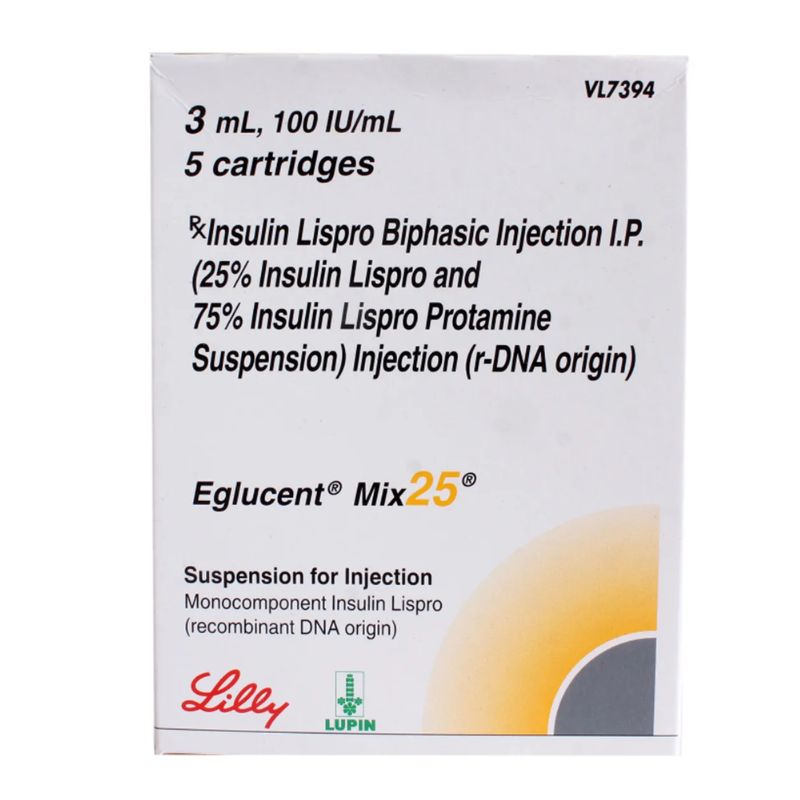
-
Uses:
-
Used for the treatment and management of diabetes mellitus (Type 1 and Type 2).
-
Helps control both fasting and post-meal blood glucose levels.
-
Prescribed when oral antidiabetic medicines alone are not sufficient to control blood sugar.
-
-
How It Works:
-
A premixed insulin combination providing dual action.
-
Insulin Lispro (75%) is rapid-acting and controls blood sugar spikes after meals.
-
Insulin Lispro Protamine (25%) is intermediate-acting and provides longer blood sugar control.
-
Mimics the body’s natural insulin release pattern.
-
-
Dosage:
-
Dosage is individualized based on blood glucose levels, diet, physical activity, and medical condition.
-
Use strictly as prescribed by the doctor.
-
Regular blood sugar monitoring is essential.
-
-
How to Use:
-
For subcutaneous injection only using a compatible insulin pen device.
-
Inject into the abdomen, thigh, or upper arm.
-
Rotate injection sites to avoid lipodystrophy.
-
Gently roll the cartridge before use to ensure uniform suspension.
-
Do not use if the insulin appears clumped or discolored.
-
-
Precautions:
-
Inform your doctor if you have kidney, liver, or heart disease.
-
Risk of hypoglycemia if meals are skipped or dosage is incorrect.
-
Do not share cartridges or pen devices with others.
-
Use with caution in elderly patients.
-
-
Side Effects:
-
Common: hypoglycemia (low blood sugar), injection site pain or redness, weight gain.
-
Less common: swelling, itching, or skin thickening at injection site.
-
Seek immediate medical help if severe hypoglycemia occurs.
-
-
Drug Interactions:
-
May interact with other antidiabetic drugs, beta-blockers, corticosteroids, thyroid medicines, or alcohol.
-
Inform your doctor about all medicines you are taking.
-
-
Storage:
-
Store unopened cartridges in a refrigerator at 2°C–8°C.
-
Do not freeze.
-
Once in use, store as advised by the doctor and use within the recommended period.
-
Keep away from direct heat and sunlight.
-
Category: ANTI - DIABETIC
ETHAMCIP 250
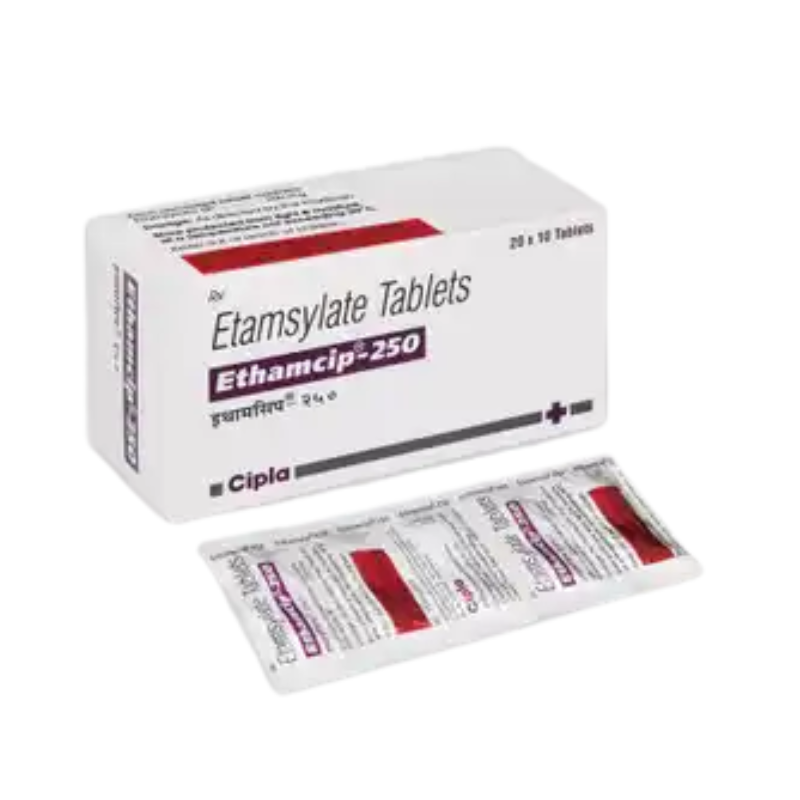
ETHAMCIP 250 Tablet contains Ethamsylate B.P. 250mg as its active ingredient, manufactured by Cipla Ltd. Ethamsylate is a synthetic hemostatic agent prescribed primarily for the prevention and reduction of abnormal bleeding. It acts by increasing the ability of platelets to stick together and helping form blood clots, thereby stabilizing capillary walls and reducing blood loss from tiny vessels.
This tablet is typically used in conditions such as heavy or abnormal menstrual bleeding, dysfunctional uterine bleeding, and to prevent or control bleeding during, before, or after delicate surgical procedures. ETHAMCIP 250 may also be indicated in other situations where there is increased risk of blood loss, including some bleeding disorders.
The medication should be taken exactly as directed by your doctor, with dosage and duration depending on the specific condition being treated. It can be taken with or without food, preferably at the same time each day to maintain consistent blood levels.
Common side effects include nausea, headache, skin rash, vomiting, and diarrhea, which are generally mild and temporary. Inform your physician if you have any history of liver, heart, or kidney disease, or if you experience any persistent or severe reactions. ETHAMCIP 250 should not be used in patients with allergy to ethamsylate or certain blood disorders unless specifically prescribed.
If you miss a dose, take it as soon as you remember; do not double up doses. Before starting this medication, disclose all your existing medical conditions and medicines to your doctor for safe administration. Use in pregnancy or breastfeeding should be discussed with your healthcare provider.
ETHAMCIP 250 Tablet is an effective option to reduce blood loss and prevent complications associated with excessive bleeding when taken under medical supervision.
ETHAMCIP 500

ETHAMCIP 500 Tablet contains Ethamsylate B.P. 500mg as its active ingredient, and is manufactured by Cipla Ltd. Ethamsylate is classified as a synthetic hemostatic drug, used to prevent and control excessive bleeding from small blood vessels (capillaries) in various clinical situations.
It works primarily by increasing platelet adhesion and aggregating ability, which promotes the formation of stable blood clots and reinforces capillary walls. This helps to shorten bleeding time and reduce overall blood loss, making ETHAMCIP 500 particularly important in cases of heavy menstrual bleeding (menorrhagia), dysfunctional uterine bleeding, post-surgery bleeding, trauma, and other medical conditions associated with excessive capillary blood loss. It may also be used to reduce bleeding risk during and after delicate surgical procedures.
The tablet should be taken precisely as prescribed by a doctor. The typical adult regimen is one 500mg tablet, usually 2–3 times daily, though dose and duration vary based on the clinical context. ETHAMCIP 500 can be taken with or without food, but taking it with food helps minimize possible stomach upset.
Common side effects are generally mild and include headache, nausea, vomiting, diarrhea, skin rashes, and dizziness. Patients should notify their doctor of any persistent or bothersome symptoms, or if they have previous heart, liver, or kidney conditions. ETHAMCIP 500 should be avoided in those allergic to ethamsylate and is generally not recommended during pregnancy or breastfeeding unless explicitly advised by your physician.
Patients with known bleeding disorders, a history of seizures, or certain blood diseases should use ETHAMCIP 500 only under strict medical supervision. Always inform your doctor of other medications and supplements you are taking. In case of missed dose, take it as soon as remembered unless nearly time for the next; never double doses.
ETHAMCIP 500 Tablet is a clinically proven option for the rapid and effective management of excessive bleeding, when administered according to medical advice.
GLIMDA 1
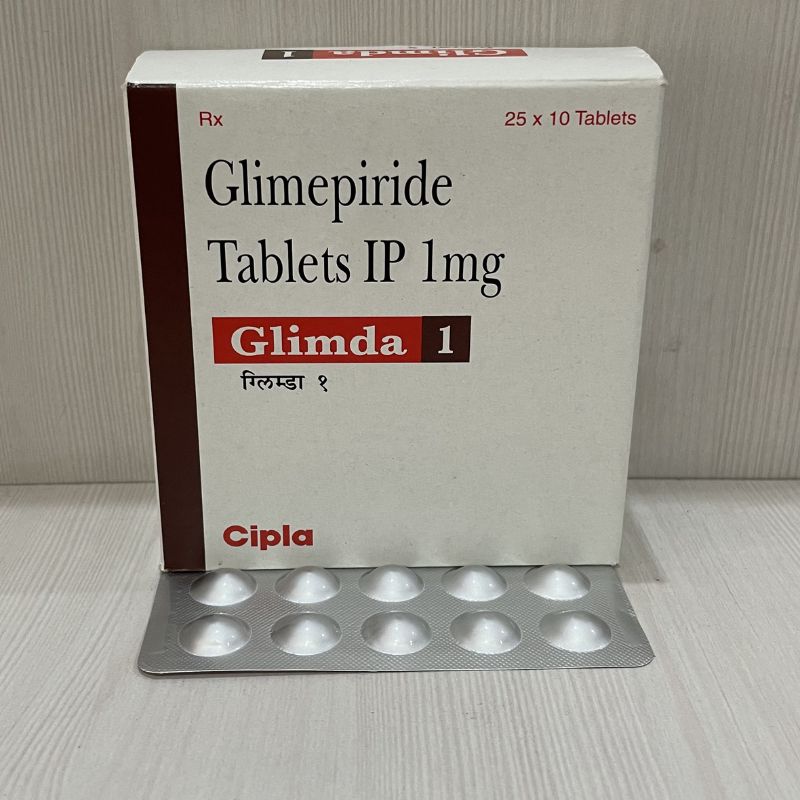
GLIMDA 1 Tablet is an oral antidiabetic (sulfonylurea class) prescribed for the management of type 2 diabetes mellitus when diet and exercise are insufficient to control blood sugar levels. It works by stimulating the pancreas to release more insulin, thereby lowering blood glucose. Ongoing glycemic management with this medication—along with a balanced diet and physical activity—helps to reduce the risks of diabetes complications such as kidney damage, eye problems, and nerve issues.
Key Benefits:
-
Lowers raised blood sugar levels in type 2 diabetes patients
-
Helps prevent diabetes-related complications (kidney, eye, nerve)
-
Supports long-term blood glucose management when lifestyle measures are not enough
Directions for Use:
-
Take once daily with or just after the first main meal
-
Swallow whole with water; do not chew or crush
-
Always follow your doctor’s instructions regarding dose and schedule
Side Effects:
May include nausea, dizziness, headache, weight gain, and hypoglycemia (low blood sugar). Symptoms of hypoglycemia include sweating, shakiness, dizziness, and hunger.
Safety Advice:
-
Use with caution in patients with liver or kidney issues
-
Not for those with type 1 diabetes or diabetic ketoacidosis
-
Avoid alcohol; can increase risk of hypoglycemia
-
Pregnant or breastfeeding women should use only if clearly needed, with doctor’s advice
-
Regularly monitor blood sugar
Storage:
Store in a cool, dry place below 30°C, away from moisture and sunlight, and out of reach of children.
GLIMEPIRIDE 1mg Tablet
Company: (Available as generics; most commonly by Cipla Ltd under brands like GLIMDA 1, or as Amaryl by other companies)
Composition:
-
Glimepiride 1 mg
Description:
Glimepiride 1mg tablets are used for the treatment of type 2 diabetes mellitus. As a sulfonylurea, it lowers blood sugar by increasing insulin secretion from the pancreas and improving the body’s response to insulin. It is effective when diet, exercise, and weight control alone are insufficient and may also be used in combination with other antidiabetic medications or insulin.
Key Benefits:
-
Lowers fasting and post-meal blood sugar in type 2 diabetes
-
Reduces risk of developing complications from diabetes
-
Can be used alone or with other antidiabetic agents
Directions for Use:
-
Take once daily, usually with breakfast or the first meal of the day
-
Take at the same time every day for best effect
-
Do not miss or double doses; follow your doctor’s instructions
Side Effects:
Common side effects include low blood sugar (hypoglycemia), headache, nausea, weakness, dizziness, and weight gain. Know signs of hypoglycemia; keep a sugar source available.
Safety Advice:
-
Avoid in type 1 diabetes, diabetic ketoacidosis, or severe liver/kidney disease
-
Notify your doctor of any pre-existing conditions or medications
-
Caution with alcohol; increases risk of low blood sugar
-
Monitor blood sugar regularly; doctor may require periodic lab tests
-
Avoid during pregnancy or breastfeeding unless prescribed
Storage:
Store below 30°C, in a cool, dry place, away from direct sunlight and children.
GLIMDA 2
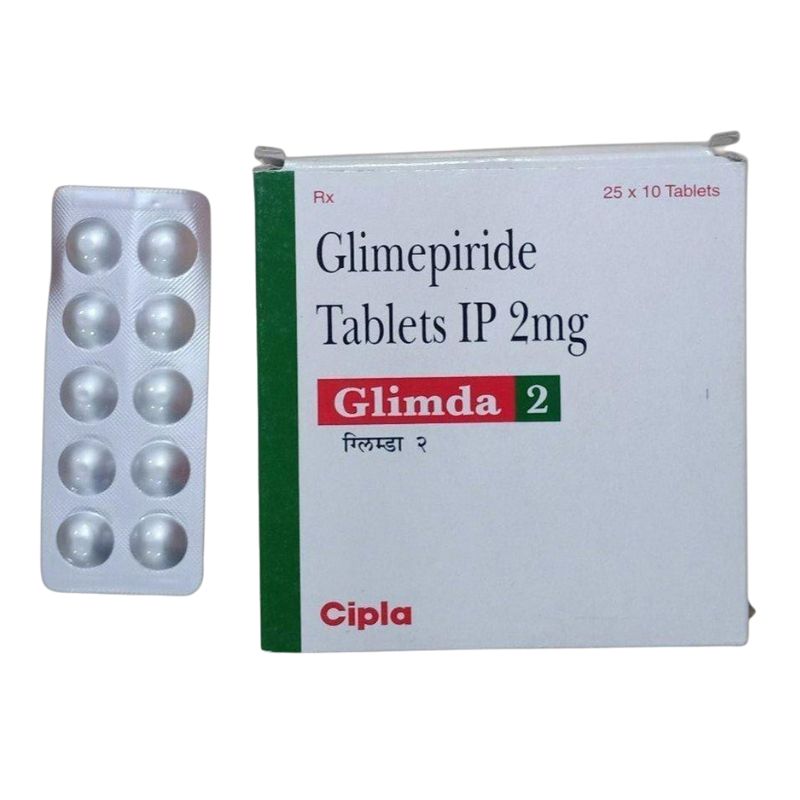
Glimda 2 Tablet is an oral anti-diabetic medication manufactured by Cipla Ltd, containing Glimepiride 2mg as its active ingredient. It belongs to the class of sulfonylureas (insulin secretagogues) and is mainly used in the management of type 2 diabetes mellitus when diet, exercise, and lifestyle measures alone are insufficient to control blood sugar levels.
How it Works:
Glimepiride stimulates the beta cells in the pancreas to release more insulin by blocking ATP-sensitive potassium channels, which leads to increased insulin secretion. The released insulin helps lower blood glucose by promoting cellular uptake and utilization of glucose, as well as suppressing glucose production by the liver. Glimepiride is only effective in individuals whose bodies still produce insulin naturally and is not suitable for type 1 diabetes or diabetic ketoacidosis.
Uses of Glimda 2:
-
Treatment of type 2 diabetes mellitus
-
Reduces the risk of diabetes-related complications such as kidney damage, nerve issues, and vision loss when blood sugar is controlled
Key Benefits:
-
Effectively lowers both fasting and postprandial (after-meal) blood sugar
-
Can be used alone or in combination with other oral anti-diabetic agents or insulin
-
Helps prevent long-term complications of poorly controlled diabetes
Dosage & Administration:
-
Usual dosage: One tablet once daily, taken with breakfast or the first main meal
-
Dose may be adjusted by your physician based on blood sugar response
-
Should be taken regularly at the same time every day for best results
-
Do not stop or change the dose without consulting your doctor
Safety & Precautions:
-
To be used only under medical supervision
-
Patients with kidney or liver impairment, the elderly, and those with a history of low blood sugar (hypoglycemia) should use with caution
-
Common side effects include hypoglycemia (low blood sugar), dizziness, headache, nausea, and weight gain
-
Alcohol should be avoided, as it can further lower blood sugar or increase side effects
-
Not recommended in pregnancy and breastfeeding unless prescribed by a doctor
Note: Blood glucose should be monitored regularly while taking Glimda 2 Tablet, and compliance with lifestyle advice remains essential for optimal diabetes control.
GLIMDA 3 TAB
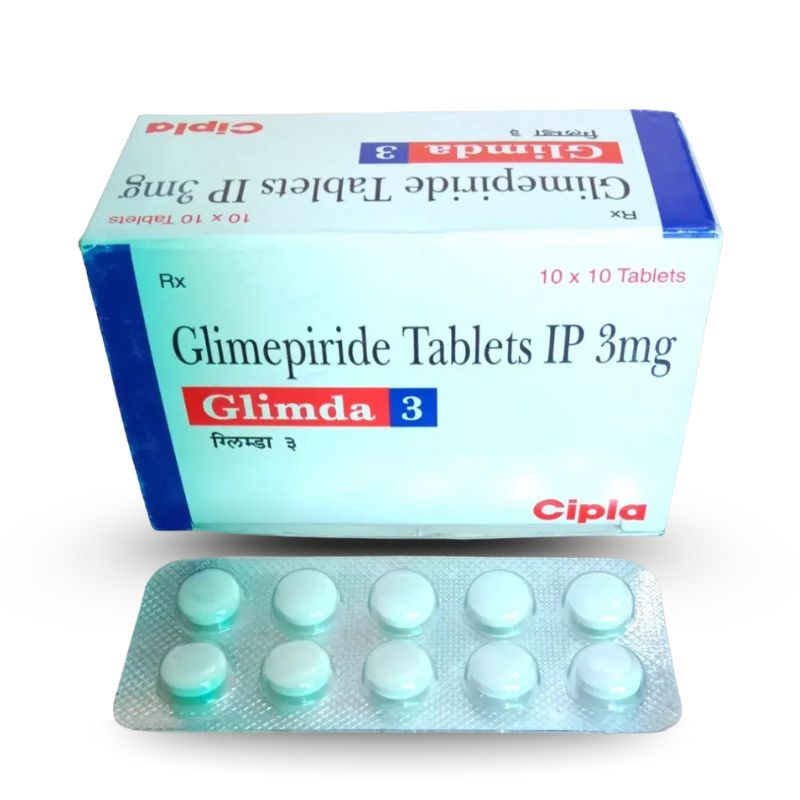
Glimda 3 Tablet is an oral anti-diabetic medicine manufactured by Cipla Ltd, containing Glimepiride 3mg as its active ingredient. It belongs to the sulfonylurea class of drugs and is primarily used for the management of type 2 diabetes mellitus in adults, particularly when lifestyle changes (diet and exercise) alone are inadequate for blood sugar control.
How it Works:
Glimepiride lowers blood sugar by stimulating the pancreas to release more insulin. It acts on pancreatic beta cells, resulting in increased insulin secretion, which enables the body’s cells to absorb and utilize glucose more efficiently. This mechanism effectively lowers elevated blood glucose and helps prevent long-term complications of diabetes such as kidney disease, nerve damage, and vision loss.
Uses of Glimda 3:
-
Management of type 2 diabetes mellitus
-
Reducing the risk of diabetes-related complications with effective blood sugar control
Key Benefits:
-
Provides effective control of both fasting and postprandial (after-meal) blood glucose
-
Can be used alone or in combination with other oral anti-diabetic agents or insulin
-
Contributes to prevention of serious diabetes complications when used long-term
Dosage & Administration:
-
Usual dosage: One tablet daily, typically with or just before the first main meal
-
Dose adjustments may be made by your physician based on blood glucose response
-
Take the tablet whole with water, at the same time each day for maximum benefit
-
Do not stop or change dose without consulting your doctor
Safety & Precautions:
-
To be taken only under medical supervision
-
Not to be used in patients with type 1 diabetes, diabetic ketoacidosis, or severe kidney or liver disease
-
Caution in the elderly, and in those with a history of low blood sugar (hypoglycemia)
-
Common side effects: hypoglycemia (low blood sugar), dizziness, headache, nausea, weakness, weight gain
-
Alcohol should be avoided, as it can increase the risk of low blood sugar
-
Blood glucose levels should be monitored regularly while on Glimda 3
-
Not recommended in pregnancy and breastfeeding unless specifically prescribed
Note:
Consistent blood sugar monitoring, regular follow-ups, adherence to prescribed diet and exercise, and taking Glimda 3 Tablet exactly as directed are critical for optimal diabetes management and prevention of complications.
GLIMDA-MV 1
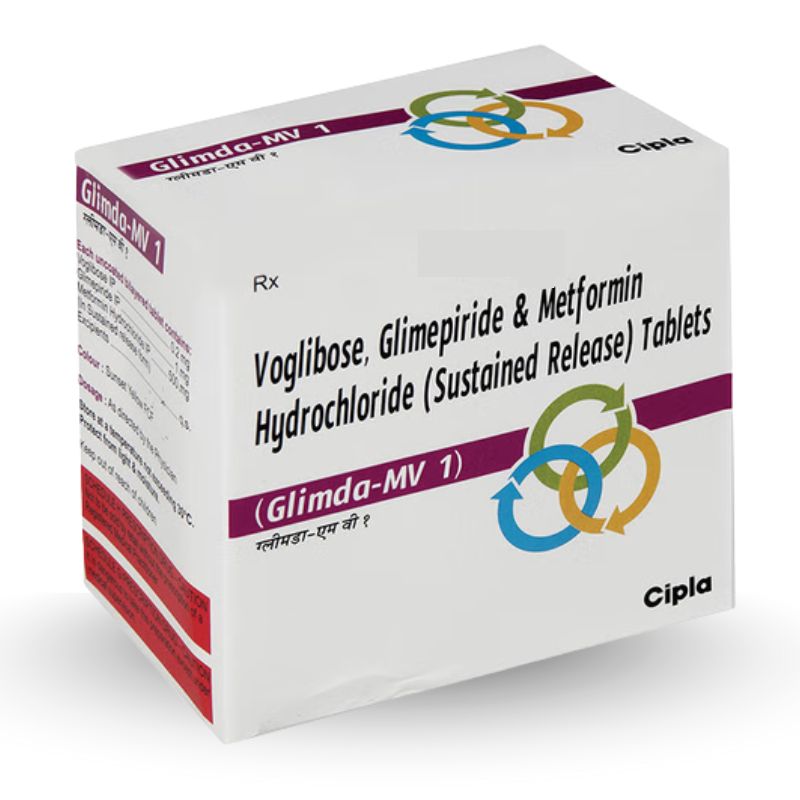
Glimda-MV 1 Tablet is a fixed-dose combination anti-diabetic medicine from Cipla Ltd, containing Metformin Hydrochloride 500mg, Glimepiride 1mg, and Voglibose 0.2mg per tablet. It is specially formulated for the management of type 2 diabetes mellitus in adults, especially when lifestyle changes or single-drug therapy does not provide adequate blood sugar control.
How it Works:
-
Metformin lowers blood sugar by reducing glucose production in the liver, enhancing the body’s response to insulin, and decreasing glucose absorption from the intestines.
-
Glimepiride is a sulfonylurea that stimulates the pancreas to release more insulin, aiding glucose uptake by cells.
-
Voglibose is an alpha-glucosidase inhibitor that delays the digestion and absorption of carbohydrates in the intestines, thereby preventing sharp increases in blood glucose after meals (postprandial spikes).
The combination of these three medicines targets different mechanisms in diabetes, resulting in more robust and sustained glycemic control and lowering the risk of complications such as nerve damage, kidney problems, and heart disease.
Uses of Glimda-MV 1:
-
Management of type 2 diabetes mellitus
-
Control of fasting and postprandial blood glucose
-
Prevention of long-term diabetes complications in adults
Key Benefits:
-
Provides effective, multi-faceted blood sugar control
-
Reduces the need for multiple separate diabetes pills
-
Prevents sharp rises in blood sugar after meals
-
Decreases risk of diabetes-related complications
-
May help with weight management in some patients
Dosage & Administration:
-
Usual dosage: One tablet daily (frequency and timing as directed by doctor), with meals to minimize gastrointestinal side effects
-
Swallow whole with water; do not crush or chew
-
Follow diet and exercise recommendations strictly for best results
-
Take at the same time each day for consistent effectiveness
Safety & Precautions:
-
Use only under medical guidance
-
Patients with kidney or liver disease, elderly, or with a history of low blood sugar, should use with caution
-
Common side effects: hypoglycemia (if meals are missed or delayed), nausea, stomach pain, diarrhea, dizziness, headache
-
Take with meals to reduce gastrointestinal upset
-
Monitor blood sugar regularly during treatment
-
Not for use in type 1 diabetes, diabetic ketoacidosis, or severe renal/hepatic impairment
-
Avoid alcohol during therapy as it increases the risk of side effects
Note:
Do not stop or change the dose on your own. Always carry a sugar source for hypoglycemia, and inform your healthcare provider about all other medicines you use.
GLIMDA-MV 2

Glimda-MV 2 Tablet is a fixed-dose combination anti-diabetic medicine from Cipla Ltd that contains Metformin Hydrochloride 500mg, Glimepiride 2mg, and Voglibose 0.2mg per tablet. This triple combination is prescribed for the management of type 2 diabetes mellitus in adults, especially when single or dual therapy does not adequately control blood sugar.
How it Works:
-
Metformin: Reduces glucose production in the liver, delays glucose absorption from the intestines, and improves the body’s response to insulin.
-
Glimepiride: A sulfonylurea that increases the secretion of insulin from the pancreas, helping cells absorb and use glucose.
-
Voglibose: Delays the breakdown and absorption of carbohydrates in the intestine, preventing sharp blood sugar spikes after meals (postprandial glucose control).
By targeting different aspects of glucose control, Glimda-MV 2 provides strong management of both fasting and postprandial blood glucose levels, helping to prevent diabetes-related complications such as kidney damage, retinopathy, neuropathy, and cardiovascular risks.
Uses of Glimda-MV 2:
-
Management of type 2 diabetes mellitus in adults
-
Control of fasting and post-meal blood glucose levels
-
Reduces risk of long-term diabetes complications
Key Benefits:
-
Triple action—targets sugar production, utilization, and absorption
-
Prevents severe post-meal glucose spikes
-
Simplifies diabetes therapy by combining three drugs into one tablet
-
Prevents sudden rises in blood glucose
-
May assist with weight management and improve overall metabolic health
Dosage & Administration:
-
Usual dosage: One tablet daily (specific dosing frequency as advised by your doctor), typically taken with meals to minimize stomach upset
-
Swallow whole with water; do not crush or chew
-
Take at the same time each day for consistent efficacy
-
Continue diet and exercise recommendations for best results
Safety & Precautions:
-
Use only on medical prescription
-
Monitor blood sugar levels regularly during treatment
-
Common side effects: hypoglycemia (especially if meals are missed), nausea, vomiting, stomach pain, diarrhea, dizziness, headache
-
Not recommended for patients with type 1 diabetes, diabetic ketoacidosis, or severe kidney/liver disease
-
Avoid alcohol during therapy to reduce the risk of side effects
-
Dose adjustments may be needed in patients with kidney or liver impairment
-
Not to be discontinued abruptly without consulting your doctor
Note:
Consistent monitoring, adherence to diet and exercise, and regular follow-ups are crucial for safe and effective diabetes management with Glimda-MV 2 Tablet.
GLINIL M
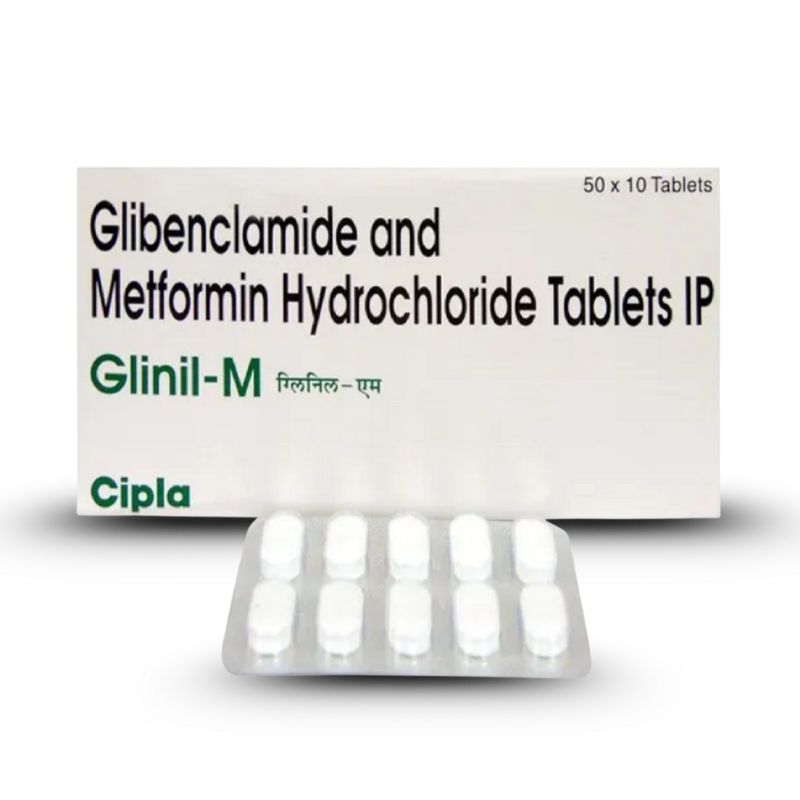
Glinil-M Tablet is a combination oral anti-diabetic medication manufactured by Cipla Ltd, containing Glibenclamide 5mg and Metformin Hydrochloride 500mg per tablet. This medicine is specifically designed for the management of type 2 diabetes mellitus in adults, particularly when diet, exercise, and single-drug therapy are inadequate for controlling blood sugar.
How it Works:
-
Glibenclamide is a sulfonylurea that stimulates the pancreas to release more insulin, helping to lower blood sugar by increasing glucose uptake in cells and reducing glucose production by the liver.
-
Metformin is a biguanide that works by decreasing glucose production in the liver, delaying the absorption of glucose from the intestines, and improving the body’s sensitivity to insulin.
Together, these medicines target different pathways to control both fasting and postprandial (after-meal) blood sugar, providing robust glycemic control and helping reduce the risk of diabetes-related complications such as retinopathy, nephropathy, neuropathy, and cardiovascular issues.
Uses of Glinil-M:
-
Management of type 2 diabetes mellitus (non-insulin dependent diabetes)
-
Suitable for adults when single-agent therapy is insufficient
Key Benefits:
-
Targets both fasting and postprandial blood sugar
-
Combines two complementary mechanisms for optimal glycemic control
-
Reduces risk of diabetes complications and supports long-term disease management
-
Often leads to fewer pills compared to using the two drugs separately
Dosage & Administration:
-
Usual dosage: One tablet once or twice daily, with meals to minimize gastrointestinal side effects
-
Swallow whole with a glass of water, do not crush or chew
-
Take at the same time each day for consistent effect
-
Dosage and frequency must be determined by your physician based on your blood glucose response
-
Do not stop or change the dose without consulting your doctor
Safety & Precautions:
-
Use under strict medical guidance only
-
Not suitable for type 1 diabetes, diabetic ketoacidosis, severe kidney/liver impairment, or during pregnancy and breastfeeding
-
Common side effects: low blood sugar (hypoglycemia), nausea, diarrhea, stomach pain, dizziness, headache, upper respiratory tract infection
-
Risk of lactic acidosis (a rare but serious side effect from metformin) increases with excessive alcohol or in patients with kidney problems—seek immediate medical help for unexplained fatigue, muscle cramps, or breathing difficulties
-
Regular blood glucose and kidney function monitoring is important
-
Avoid missing meals and always carry a sugar source to manage hypoglycemia
Note:
Incorporate a balanced diet, regular exercise, and weight management for best results with Glinil-M Tablet. Inform your doctor about all medications and supplements before starting this medicine.
GLYCELIPTIN
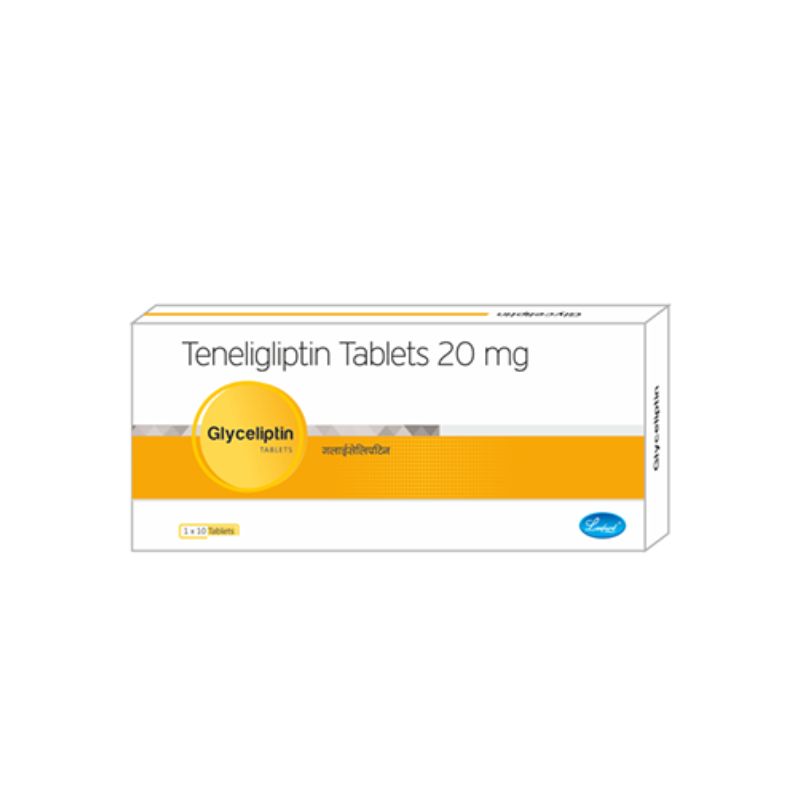
GLYCELIPTIN contains teneligliptin, a modern oral antidiabetic (DPP-4 inhibitor) for the treatment of type 2 diabetes mellitus. It is usually prescribed when diet, exercise, or other oral medicines are not sufficient for blood sugar control.
How GLYCELIPTIN Works
-
Teneligliptin inhibits the DPP-4 enzyme, raising incretin hormones in the body.
-
This action increases insulin release after meals, decreases glucagon (a blood sugar-raising hormone), and helps lower overall and post-meal blood glucose.
-
It is effective as monotherapy or in combination with other antidiabetic drugs, and does not generally cause weight gain or very low blood sugar (unless combined with sulfonylureas or insulin).
Uses
-
Primary: Treatment of type 2 diabetes mellitus in adults (as part of a comprehensive plan including diet and exercise).
-
Combination therapy: Used with other oral antidiabetics or insulin when additional blood sugar control is needed.
Benefits
-
Effective at improving glycemic control and lowering HbA1c
-
Lower risk of hypoglycemia compared to many alternatives
-
Convenient once-daily dosage, with or without food.
Common Side Effects
-
Hypoglycemia (when used with other medicines), headache, dizziness, constipation, diarrhea, fever, upper respiratory symptoms.
-
Most side effects are mild and transient—see a doctor if persistent or serious
Directions & Precautions
-
Take exactly as prescribed, ideally at the same time each day
-
Lifestyle (diet, exercise) should be continued alongside medicine for best results
-
Not for use in type 1 diabetes, pregnancy/breastfeeding, or severe liver/kidney impairment without medical advice
-
Notify doctor of all concurrent medicines
GLYCELIPTIN is a prescription anti-diabetic tablet for type 2 diabetes—not banned, widely available, and effective when used as part of a comprehensive diabetes plan.
GLYCELIPTIN-M
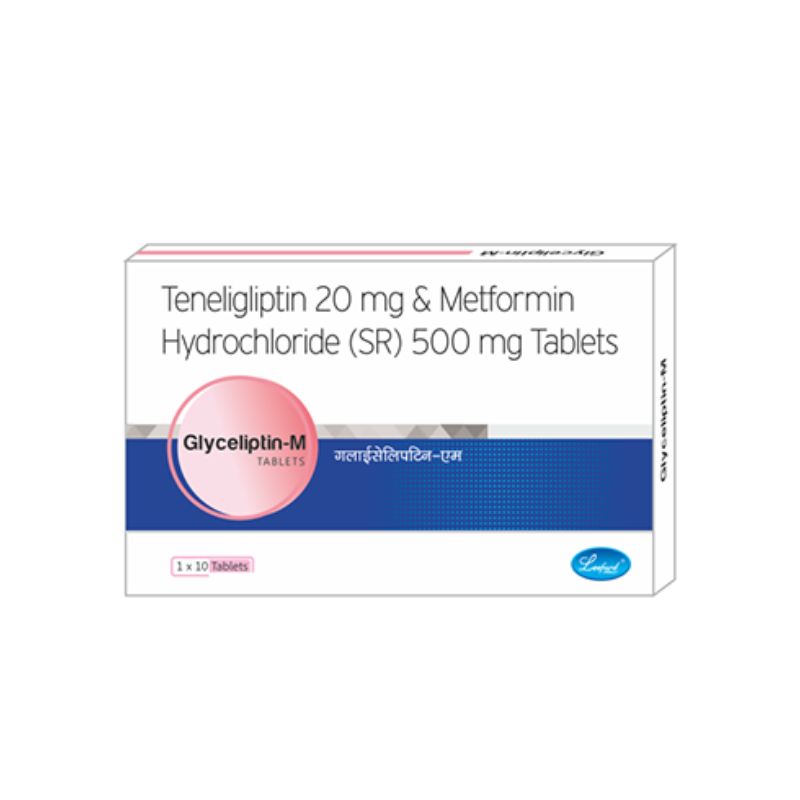
GLYCELIPTIN-M is a fixed-dose combination tablet for the management of type 2 diabetes mellitus. It combines teneligliptin (a DPP-4 inhibitor) and metformin (a biguanide), each enhancing blood sugar control through complementary mechanisms.
How GLYCELIPTIN-M Works
-
Metformin decreases glucose production in the liver and improves the body’s response to insulin, lowering fasting and post-meal blood sugar levels.
-
Teneligliptin blocks the DPP-4 enzyme, increasing incretin hormones, enhancing insulin release, and decreasing glucagon secretion, especially after meals.
Uses
-
Type 2 diabetes mellitus: For adults whose blood sugars are not adequately controlled by diet, exercise, or metformin alone.
-
May be used as first-line therapy in combination with lifestyle changes, or as add-on/step-up therapy when monotherapy is insufficient.
Benefits
-
Better control of fasting and post-meal glucose than with single-agent therapy
-
Significant reductions in HbA1c, improved glycemic control, and reduced risk of diabetes complications.
-
Low risk of weight gain or hypoglycemia (unless combined with insulin/sulfonylureas).
Common Side Effects
-
Mild and short-term: Diarrhea, nausea, constipation, abdominal pain, bloating, headache, loss of appetite.
-
Hypoglycemia risk rises if used with other antidiabetics
-
Rare: Lactic acidosis (with metformin, especially in severe kidney/liver disease), vitamin B12 deficiency
Directions & Precautions
-
Take with food to minimize GI upset, once or twice daily as prescribed.
-
Not for use in type 1 diabetes, diabetic ketoacidosis, severe renal/hepatic/cardiac impairment, or those with known allergies to components.
-
Caution in elderly, alcoholics, and during dehydration/illness—inform your doctor
-
Continue diet, exercise, and regular monitoring
GLYCELIPTIN-M is a prescription combination for type 2 diabetes, not banned in India, and is widely available as a cost-effective, clinically proven treatment.
ZavaMet DP 100/1000/10 Tablet SR
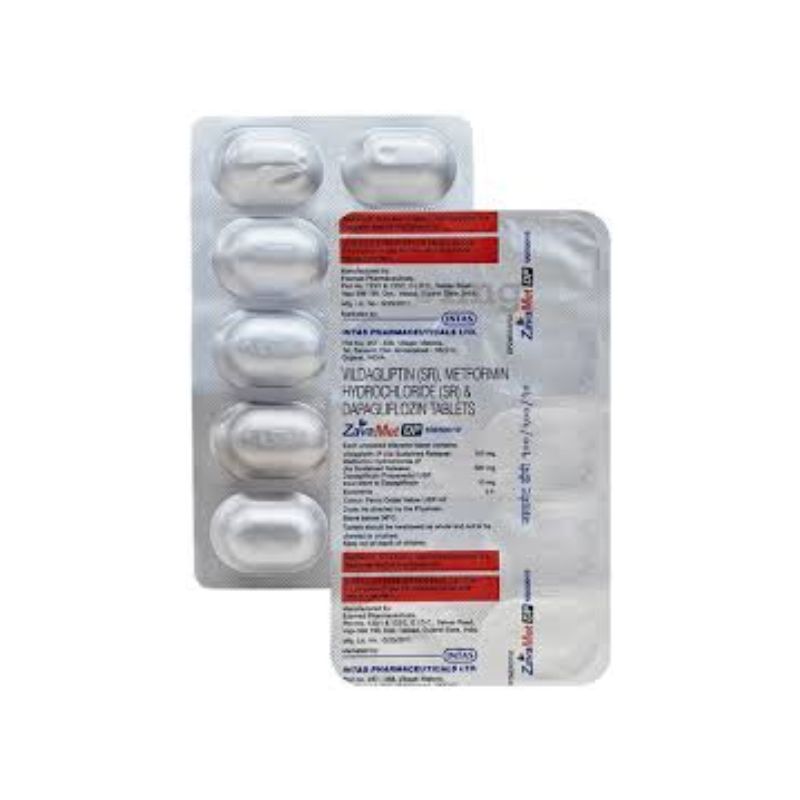
ZavaMet DP 100/1000/10 Tablet SR is a prescription medicine formulated with Dapagliflozin 10mg, Metformin Hydrochloride Sustained Release 1000mg, and Vildagliptin 100mg. This triple-drug combination is used for the management of Type 2 Diabetes Mellitus in adults whose blood sugar levels are not adequately controlled with diet, exercise, or single-drug therapy.
The medicine works through multiple mechanisms to improve blood glucose control, enhance insulin utilization, reduce glucose production by the liver, and promote the removal of excess sugar through urine. Regular use, combined with a healthy lifestyle, helps reduce the risk of diabetes-related complications affecting the heart, kidneys, eyes, and nerves.
Key Ingredients
- Dapagliflozin 10mg
- Metformin Hydrochloride SR 1000mg
- Vildagliptin 100mg
Uses of ZavaMet DP 100/1000/10 Tablet SR
This medicine is prescribed for:
- Management of Type 2 Diabetes Mellitus
- Improving long-term blood glucose control
- Reducing HbA1c levels
- Supporting insulin function
- Lowering the risk of diabetes-related complications when used with lifestyle modifications
How ZavaMet DP 100/1000/10 Tablet SR Works
ZavaMet DP combines three anti-diabetic medicines with complementary actions:
- Dapagliflozin helps remove excess glucose through urine by blocking glucose reabsorption in the kidneys.
- Metformin SR decreases glucose production by the liver, reduces intestinal glucose absorption, and improves insulin sensitivity.
- Vildagliptin increases incretin hormone activity, helping the pancreas release more insulin and reducing excess glucose production by the liver.
Together, these actions help maintain better blood sugar control throughout the day.
Benefits
- Provides effective triple-action blood sugar control
- Helps lower fasting and post-meal blood glucose levels
- Improves insulin sensitivity
- Reduces HbA1c levels
- Supports long-term diabetes management
- Helps lower the risk of diabetes-related complications affecting the heart, kidneys, nerves, and eyes
Directions for Use
- Take the medicine exactly as prescribed by your doctor.
- Swallow the tablet whole with water.
- Do not crush, chew, or break the sustained-release tablet.
- Take it with or after food to reduce stomach discomfort.
- Take the medicine at the same time every day for maximum benefit.
Possible Side Effects
Common side effects may include:
- Diarrhea
- Nausea
- Vomiting
- Headache
- Urinary tract infection
- Genital fungal infection
- Increased urination
- Nasal congestion or sore throat
- Mild dizziness
Consult your doctor if side effects persist or become severe.
Precautions
- Use only under medical supervision.
- Not recommended for Type 1 Diabetes or diabetic ketoacidosis.
- Inform your doctor if you have kidney disease, liver disease, or recurrent urinary tract infections.
- Drink adequate water to reduce the risk of dehydration.
- Limit alcohol consumption while taking this medicine.
- Monitor blood sugar levels regularly.
- Use during pregnancy or breastfeeding only if advised by your doctor.
Drug Interactions
ZavaMet DP 100/1000/10 Tablet SR may interact with:
- Insulin and sulfonylureas
- Diuretics (water tablets)
- Corticosteroids
- Certain blood pressure medicines
- Alcohol
- Other anti-diabetic medications
Always inform your doctor about all medicines and supplements you are taking.
Storage Instructions
- Store below 30°C.
- Keep in a cool and dry place.
- Protect from direct sunlight and moisture.
- Keep out of reach of children.
Frequently Asked Questions
What is ZavaMet DP 100/1000/10 Tablet SR used for?
It is used to improve blood sugar control in adults with Type 2 Diabetes Mellitus along with diet and exercise.
Can this medicine cure diabetes?
No. It helps manage blood sugar levels but does not cure diabetes. Long-term treatment and lifestyle changes are essential.
Should I take it before or after food?
It is generally recommended to take ZavaMet DP 100/1000/10 Tablet SR with or after meals to reduce gastrointestinal side effects.
Can this medicine cause low blood sugar?
The risk of hypoglycemia is low when taken alone but may increase if used with insulin or certain other anti-diabetic medicines or if meals are skipped.
Can I stop taking this medicine if my sugar levels improve?
No. Do not stop taking the medicine without consulting your doctor, as blood sugar levels may rise again.
Disclaimer
ZavaMet DP 100/1000/10 Tablet SR is a prescription medicine and should be used only under the supervision of a qualified healthcare professional. The information provided is for educational purposes only and is not intended to replace professional medical advice, diagnosis, or treatment.