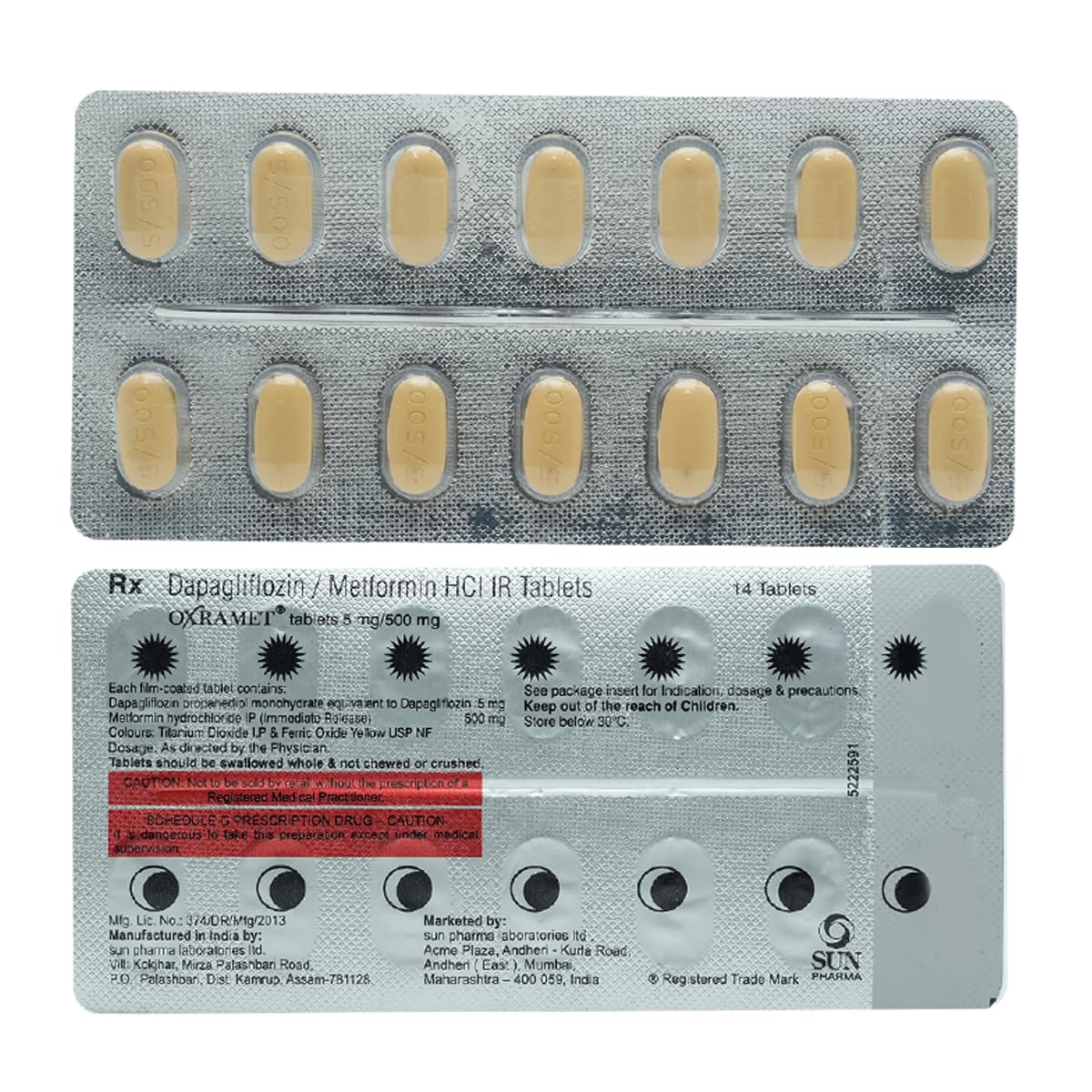
Oxramet 5mg/500mg Tablet IR is a combination of Dapagliflozin (5mg) and Metformin (500mg), used for the management of type 2 diabetes mellitus. It is prescribed when diet, exercise, and single-drug treatment do not provide adequate blood sugar control.
-
Dapagliflozin is an SGLT2 inhibitor that reduces blood sugar by removing excess glucose from the body through urine.
-
Metformin is a biguanide that decreases glucose production in the liver and enhances the body’s sensitivity to insulin.
This dual therapy helps achieve better glycemic control, reduces the risk of long-term diabetes complications, and may also provide additional benefits for heart and kidney health.
Uses:
-
Treatment of type 2 diabetes mellitus
-
Improves blood sugar control when monotherapy is inadequate
-
May reduce risk of cardiovascular and kidney-related complications in diabetic patients
How to Use:
Take the tablet with meals to minimize stomach irritation. Swallow it whole with water. Always follow your doctor’s advice on diet and lifestyle along with medication.
Dosage:
The dose depends on your blood sugar levels, overall health, and doctor’s recommendations. Do not self-adjust or discontinue the medicine without medical supervision.
Precautions:
-
Not intended for type 1 diabetes or diabetic ketoacidosis.
-
Inform your doctor if you have kidney, liver, or heart problems.
-
Metformin may rarely cause lactic acidosis; seek urgent care if you experience unusual tiredness, muscle pain, or breathing difficulty.
-
Dapagliflozin may increase the risk of urinary tract and genital infections.
-
Stay hydrated to avoid dehydration.
-
Use cautiously during pregnancy and breastfeeding.
-
Regular monitoring of blood sugar, kidney function, and vitamin B12 levels is recommended.
Side Effects:
-
Nausea, diarrhea, abdominal pain (Metformin-related)
-
Increased urination, urinary or genital infections (Dapagliflozin-related)
-
Low blood sugar when combined with insulin or other diabetes medicines
-
Dizziness, dehydration
-
Rare but serious: lactic acidosis, severe allergic reactions
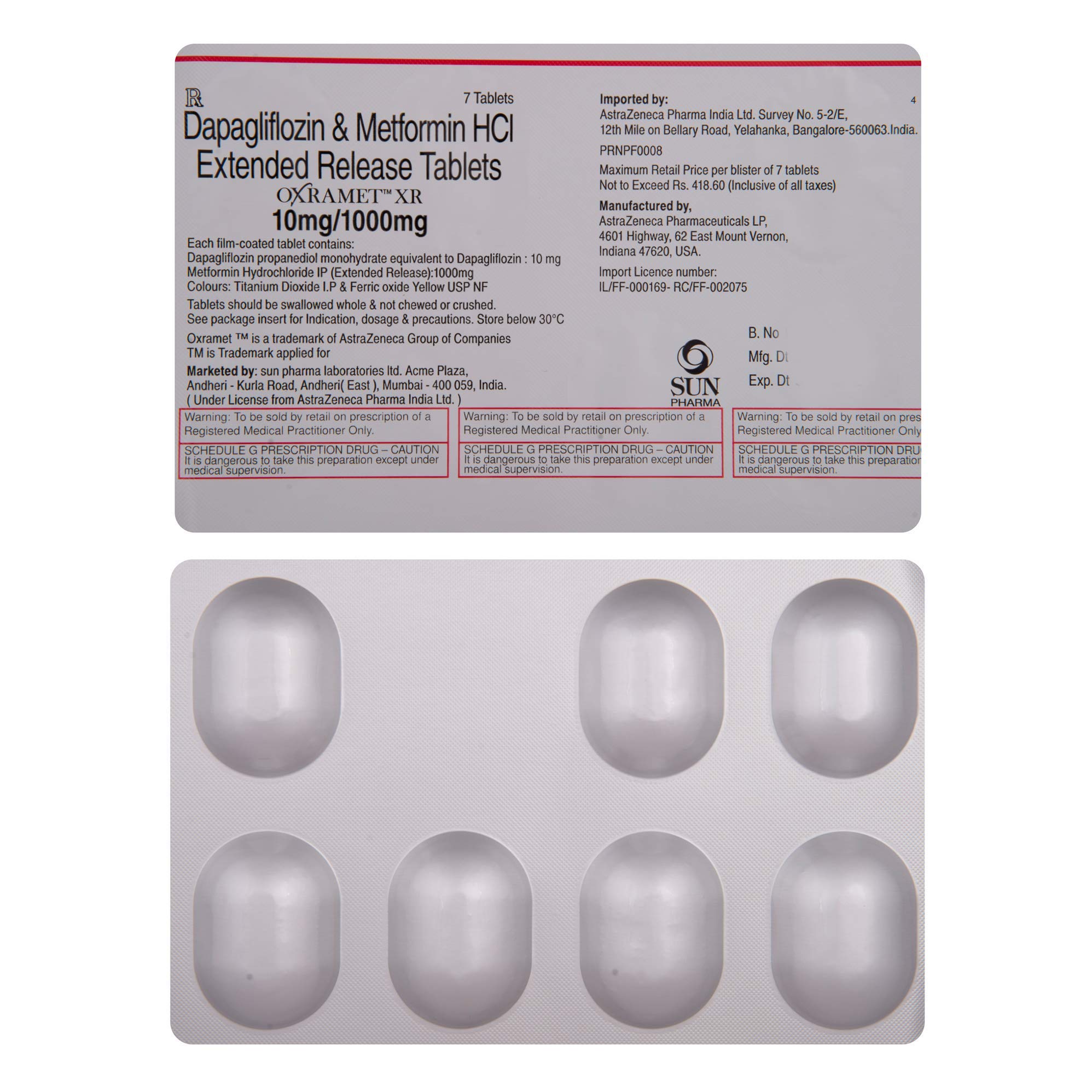
Oxramet XR 10mg/1000mg Tablet is a combination of Dapagliflozin (10mg) and Metformin (1000mg) in an extended-release (XR) formulation, prescribed for the management of type 2 diabetes mellitus. It helps achieve better control of blood sugar levels, especially in patients not adequately managed with diet, exercise, or monotherapy.
-
Dapagliflozin (SGLT2 inhibitor) works by removing excess glucose from the body through urine.
-
Metformin XR (biguanide, extended-release) reduces glucose production in the liver, improves insulin sensitivity, and provides longer-lasting control with fewer gastrointestinal side effects compared to immediate-release.
This combination helps reduce high blood sugar, lowers the risk of long-term complications of diabetes, and may also provide benefits for heart and kidney health.
Uses:
-
Management of type 2 diabetes mellitus
-
Improves glycemic control when diet, exercise, or single therapy is insufficient
-
May lower the risk of cardiovascular and kidney complications in diabetic patients
How to Use:
Take the tablet once daily with meals, preferably in the evening, to minimize stomach upset. Swallow whole with water; do not crush or chew. Follow your doctor’s advice regarding diet and exercise.
Dosage:
Dosage is personalized depending on your blood sugar levels, overall health, and treatment response. Do not skip or stop the medication without consulting your doctor.
Precautions:
-
Not suitable for type 1 diabetes or diabetic ketoacidosis.
-
Inform your doctor if you have kidney, liver, or heart disease.
-
Metformin (XR) may rarely cause lactic acidosis; seek urgent care for symptoms like severe weakness, muscle pain, or breathing difficulty.
-
Dapagliflozin may increase the risk of urinary tract and genital infections.
-
Maintain adequate hydration to avoid dehydration.
-
Use with caution during pregnancy and breastfeeding.
-
Regular monitoring of blood sugar, kidney function, and vitamin B12 levels is recommended.
Side Effects:
-
Nausea, diarrhea, abdominal discomfort (less common in XR form)
-
Increased urination, urinary tract infections, genital infections
-
Low blood sugar when used with insulin or sulfonylureas
-
Dizziness, dehydration
-
Rare: lactic acidosis, severe allergic reactions
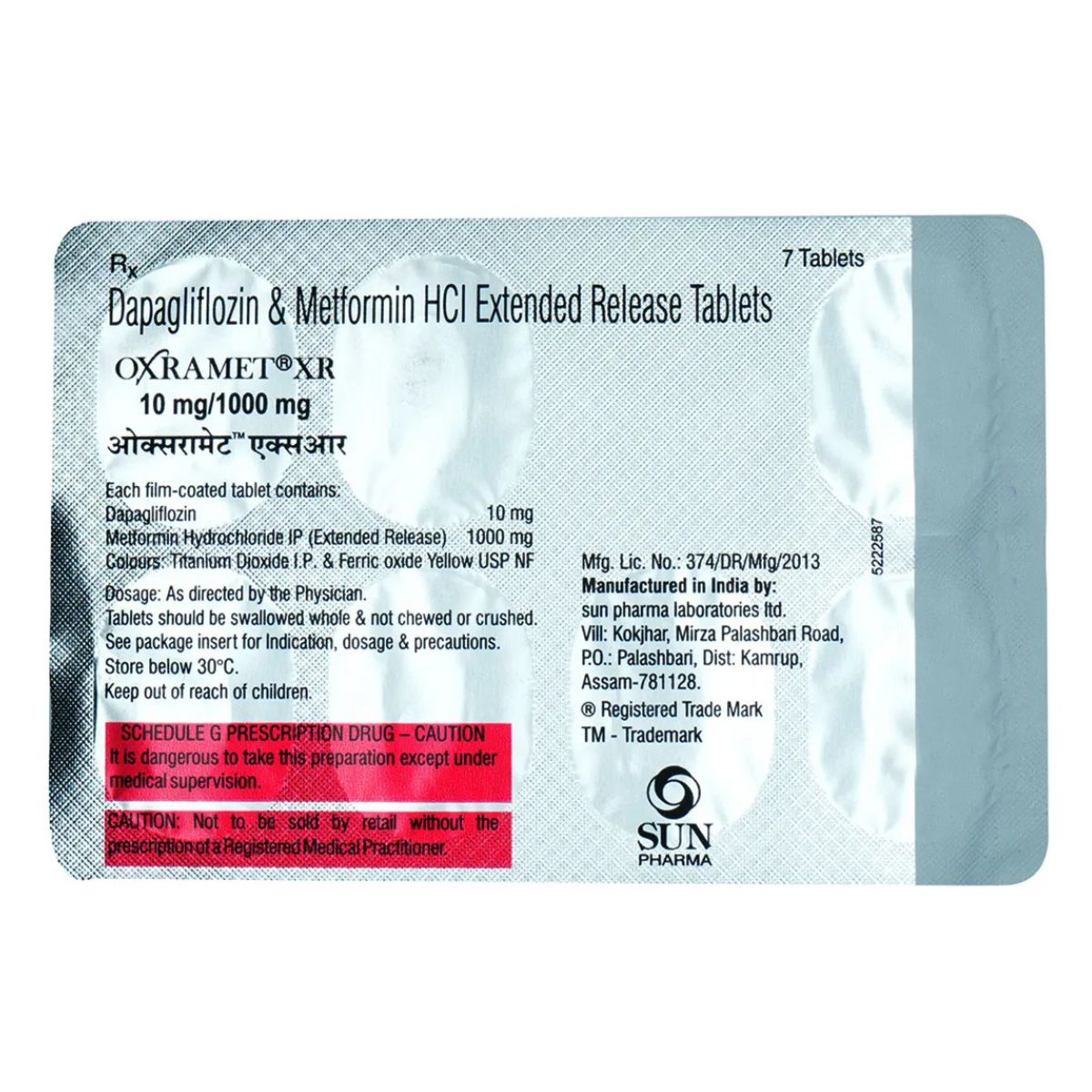
Oxramet XR 10mg/1000mg Tablet is a prescription anti-diabetic medicine containing Dapagliflozin 10mg and Metformin Hydrochloride 1000mg (Extended Release). It is prescribed for adults with Type 2 Diabetes Mellitus whose blood sugar levels are not adequately controlled with diet, exercise, or a single medicine.
Dapagliflozin belongs to the SGLT2 inhibitor class and lowers blood sugar by removing excess glucose through urine. Metformin belongs to the biguanide class and reduces glucose production in the liver, decreases glucose absorption from the intestine, and improves insulin sensitivity.
Together, these medicines help provide better blood sugar control and may also reduce the risk of diabetes-related complications. Dapagliflozin also offers cardiovascular and kidney protection in eligible patients.
Uses of Oxramet XR 10mg/1000mg Tablet
- Type 2 Diabetes Mellitus
- Blood sugar control in adults
- Reduction of cardiovascular risk in eligible diabetic patients
- Slowing the progression of chronic kidney disease in eligible patients
Benefits of Oxramet XR 10mg/1000mg Tablet
- Effectively lowers blood sugar levels
- Improves insulin sensitivity
- Removes excess glucose through urine
- May help with modest weight loss
- Helps reduce the risk of heart failure hospitalization
- Supports kidney health in appropriate patients
- Extended-release formulation provides sustained blood sugar control
How Oxramet XR 10mg/1000mg Tablet Works
- Dapagliflozin blocks the SGLT2 protein in the kidneys, allowing excess glucose to be eliminated through urine.
- Metformin reduces glucose production in the liver, decreases intestinal glucose absorption, and improves the body’s response to insulin.
Together, they help maintain stable blood sugar levels throughout the day.
Dosage
- Take Oxramet XR 10mg/1000mg Tablet exactly as prescribed by your doctor.
- Usually taken once daily with the evening meal or as directed by your physician.
- Do not stop the medicine without consulting your doctor.
How to Use
- Swallow the tablet whole with a glass of water.
- Do not crush, chew, or break the extended-release tablet.
- Take it with food to reduce stomach upset.
- Stay well hydrated during treatment.
- Continue following your recommended diabetic diet and exercise plan.
Side Effects
Common side effects include:
- Nausea
- Diarrhea
- Stomach discomfort
- Increased urination
- Urinary tract infection
- Genital fungal infection
- Headache
- Dizziness
Seek immediate medical attention if you develop symptoms of lactic acidosis (unusual weakness, muscle pain, rapid breathing) or diabetic ketoacidosis (nausea, vomiting, abdominal pain, rapid breathing).
Precautions
- Inform your doctor if you have kidney disease, liver disease, heart failure, or recurrent urinary tract infections.
- Drink plenty of fluids to avoid dehydration.
- Avoid excessive alcohol consumption.
- Inform your doctor before surgery or imaging procedures using contrast dye.
- Not recommended during pregnancy or breastfeeding unless advised by your doctor.
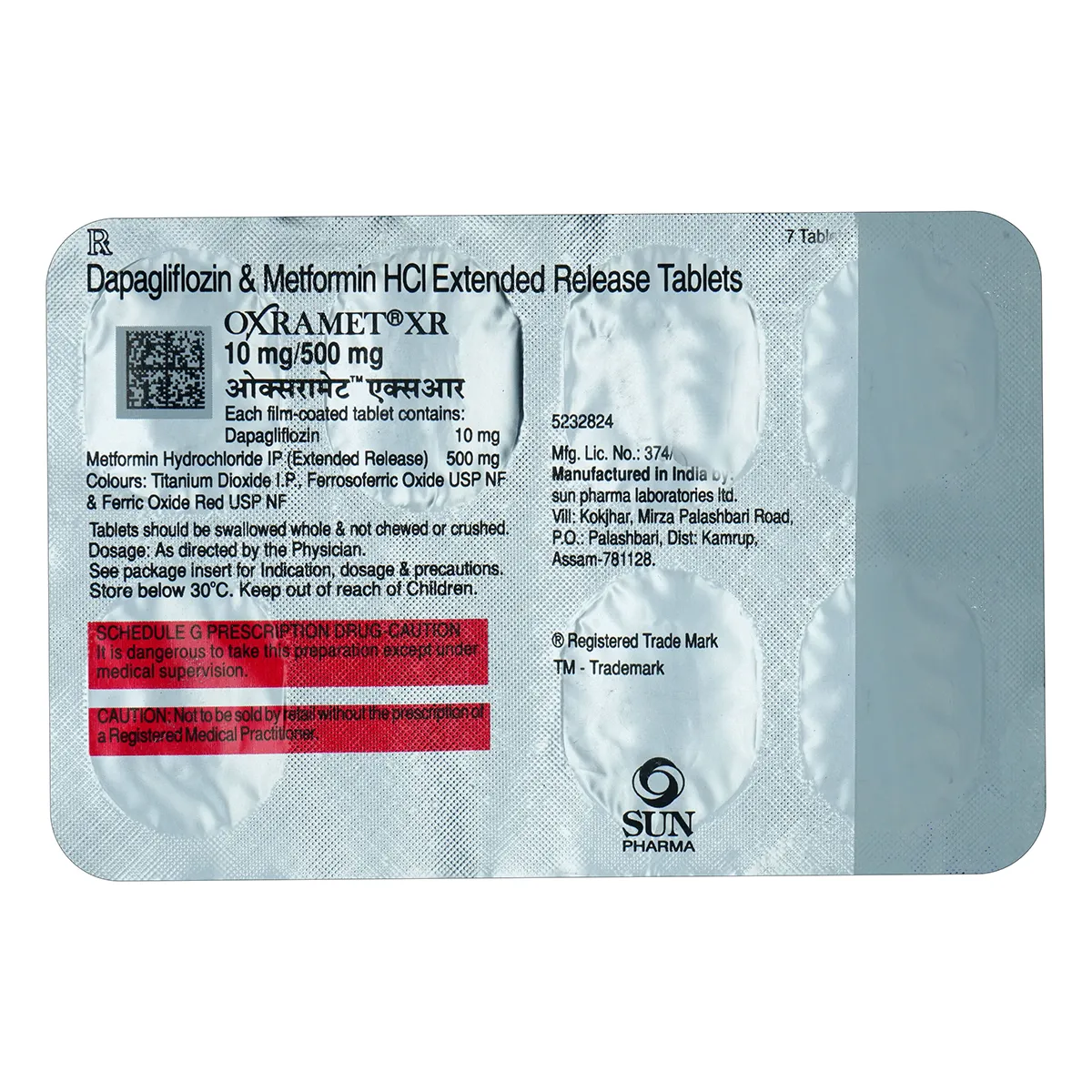
Oxramet XR 10mg/500mg Tablet is a combination of Dapagliflozin (10mg) and Metformin (500mg) in an extended-release (XR) formulation, used for the management of type 2 diabetes mellitus. It is prescribed when diet, exercise, and single-drug therapy are not sufficient to control blood sugar levels.
-
Dapagliflozin is an SGLT2 inhibitor that lowers blood sugar by helping the kidneys eliminate excess glucose through urine.
-
Metformin XR is a biguanide that reduces glucose production in the liver, improves insulin sensitivity, and offers sustained blood sugar control with fewer stomach-related side effects compared to immediate-release.
Together, they provide better glycemic control, reduce the risk of long-term diabetes complications, and may also support heart and kidney health.
Uses:
-
Treatment of type 2 diabetes mellitus
-
Improves glycemic control when monotherapy is inadequate
-
May help reduce the risk of cardiovascular and kidney-related complications
How to Use:
Take the tablet once daily with meals, preferably in the evening, to minimize gastrointestinal side effects. Swallow whole with water; do not crush or chew. Follow your doctor’s advice on diet and exercise along with the medicine.
Dosage:
The dosage is individualized by the doctor based on your blood sugar levels, health condition, and treatment response. Do not stop or alter the dose without medical supervision.
Precautions:
-
Not recommended for type 1 diabetes or diabetic ketoacidosis.
-
Inform your doctor if you have kidney, liver, or heart disease.
-
Metformin XR may rarely cause lactic acidosis; seek urgent help if you experience unusual tiredness, breathing difficulty, or severe weakness.
-
Dapagliflozin may increase the risk of urinary tract or genital infections.
-
Maintain adequate hydration to avoid dehydration.
-
Use cautiously during pregnancy and breastfeeding.
-
Regular monitoring of blood sugar, kidney function, and vitamin B12 levels is advised.
Side Effects:
-
Stomach upset, nausea, diarrhea (less frequent with XR form)
-
Increased urination, urinary tract infections, genital infections
-
Dizziness, dehydration
-
Low blood sugar when combined with insulin or sulfonylureas
-
Rare: lactic acidosis, severe allergic reactions
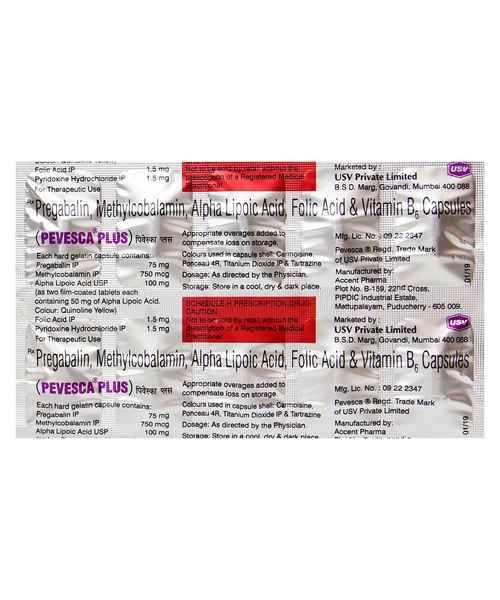
About Pevesca Plus Capsule:
Pevesca Plus Capsule combines Alpha Lipoic Acid, Folic Acid, Methylcobalamin, Pregabalin, and Vitamin B6 to provide comprehensive nerve support. It is commonly prescribed for peripheral neuropathy caused by diabetes, chemotherapy, or nerve injury, addressing nerve damage, pain, and vitamin deficiencies simultaneously.
How It Works:
-
Alpha Lipoic Acid: Antioxidant that reduces oxidative stress and supports nerve regeneration.
-
Methylcobalamin (Vitamin B12): Essential for nerve repair and myelin sheath maintenance.
-
Folic Acid & Vitamin B6: Support nerve function and metabolism.
-
Pregabalin: Modulates nerve signaling to reduce neuropathic pain.
-
The combination provides symptomatic relief and promotes nerve recovery.
Uses:
-
Management of diabetic or peripheral neuropathy
-
Relief from nerve pain, tingling, and numbness
-
Supports nerve repair and vitamin supplementation
-
Suitable for patients with vitamin B deficiencies contributing to neuropathy
Directions for Use:
-
Take once or twice daily as prescribed by a doctor.
-
Swallow the capsule whole with water, preferably after meals.
-
Follow a balanced diet and healthy lifestyle for optimal nerve health.
Side Effects:
Common side effects may include:
Seek medical attention if you experience severe dizziness, swelling, or signs of allergic reaction.
Precautions:
-
Use with caution in patients with kidney or liver impairment
-
Avoid alcohol while taking this medication as it may worsen drowsiness or neuropathic symptoms
-
Not recommended during pregnancy or breastfeeding unless prescribed
-
Regular monitoring of nerve function and vitamin levels is advised
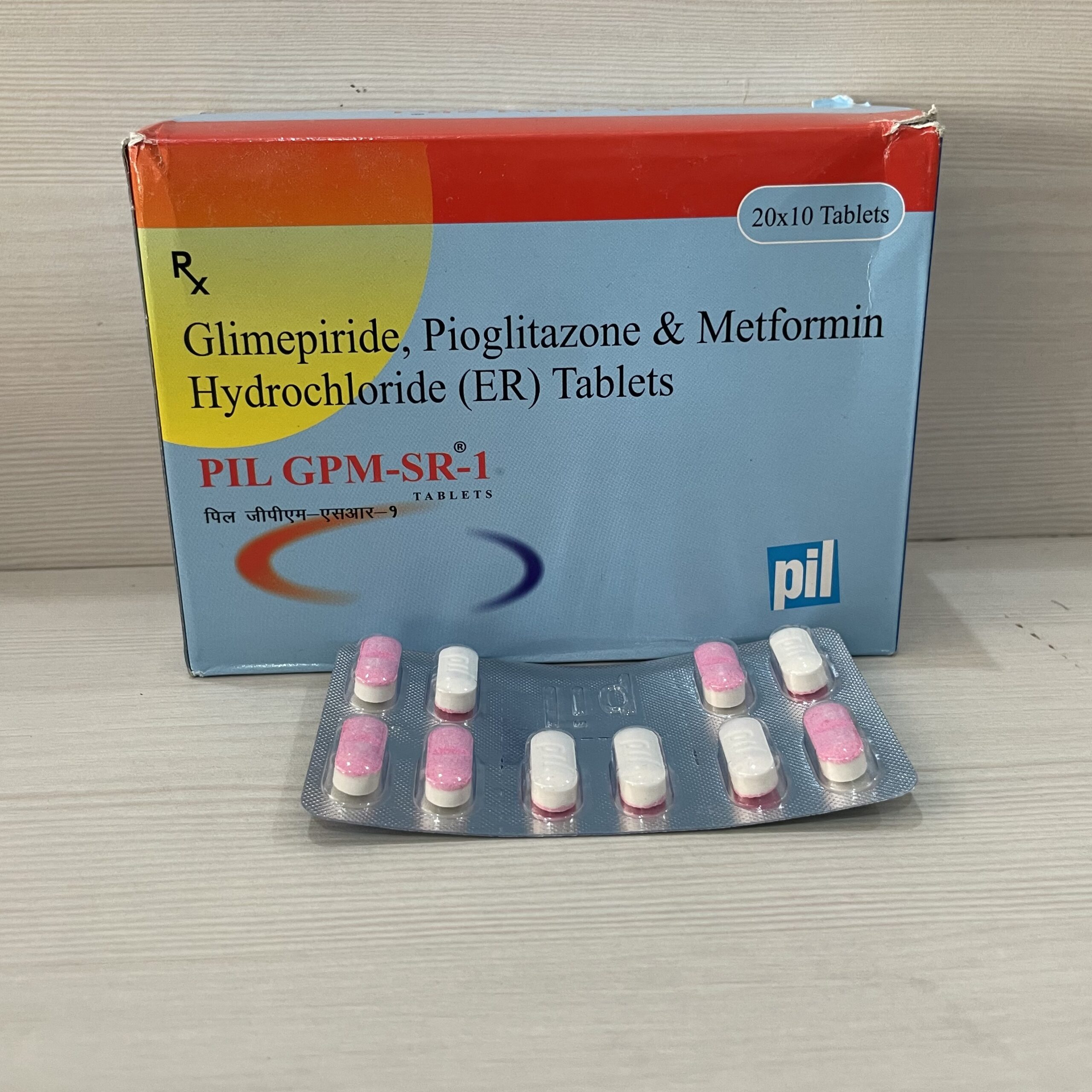
Pil GPM-SR 1 Tablet is an oral antidiabetic medicine used for the effective management of Type 2 Diabetes Mellitus. It contains a triple combination of Glimepiride, Metformin, and Pioglitazone, which work together to control high blood sugar levels. Glimepiride increases insulin secretion from the pancreas, Metformin decreases glucose production in the liver and enhances insulin sensitivity, while Pioglitazone helps the body utilize insulin efficiently. Together, they help maintain stable blood glucose levels and lower the risk of diabetes-related complications.
Uses:
-
Management of Type 2 Diabetes Mellitus
-
Controls elevated blood glucose levels
-
Prevents diabetes-related complications such as nerve, kidney, and eye damage
-
Supports better glycemic control when combined with diet and exercise
Dosage:
The usual recommended dose is one tablet daily, or as prescribed by your doctor. The exact dose depends on your medical condition and blood sugar control. Do not skip or alter the dosage without medical advice.
How to Use:
Take Pil GPM-SR 1 Tablet with food, preferably with breakfast or your first main meal of the day, to reduce stomach upset and enhance absorption. Swallow it whole with water; do not crush or chew. Try to take it at the same time every day for consistent results.
Precautions:
-
Inform your doctor if you have liver, kidney, or heart disease.
-
Avoid alcohol, as it may increase the risk of hypoglycemia or lactic acidosis.
-
Pregnant or breastfeeding women should use this medicine only under medical supervision.
-
Regularly monitor your blood sugar levels and follow your prescribed diet and exercise plan.
Side Effects:
Common side effects may include nausea, stomach discomfort, diarrhea, headache, dizziness, or mild weight gain.
Low blood sugar (hypoglycemia) may occur if you skip meals or take it with other diabetic medications. Seek immediate medical attention if you experience sweating, shaking, rapid heartbeat, or confusion.
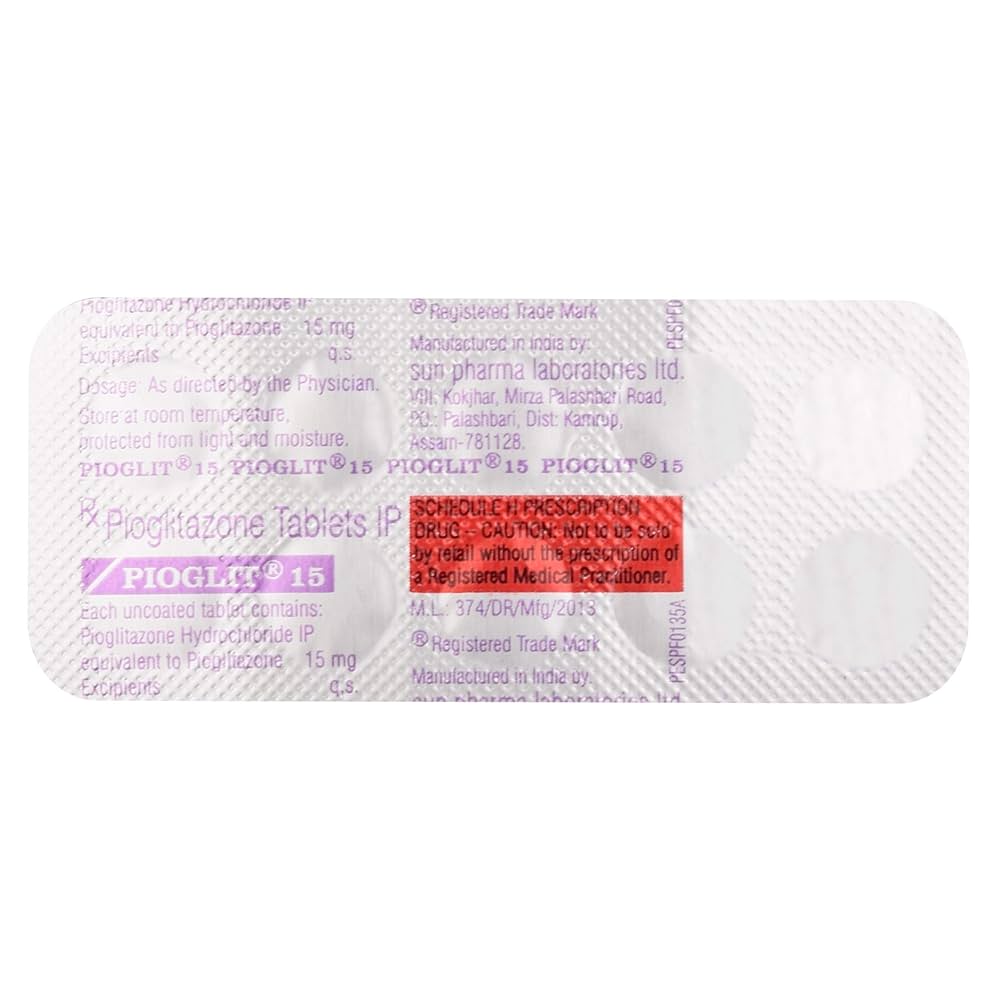
Pioglit 15 Tablet contains Pioglitazone (15mg), an oral antidiabetic medication used to manage type 2 diabetes mellitus. It belongs to the class of thiazolidinediones, which work by improving insulin sensitivity in the body, helping control blood sugar levels effectively.
Uses:
-
Management of type 2 diabetes mellitus
-
Improves glycemic control in combination with diet and exercise
-
Can be used alone or with other antidiabetic medications
How to Use:
Take the tablet as prescribed by your doctor, usually once daily, with or without food. Swallow whole with water.
Dosage:
Dosage is determined based on blood sugar levels, response to therapy, and other medical conditions. Do not change the dose without consulting your doctor.
Precautions:
-
Inform your doctor if you have heart, liver, or kidney problems.
-
Use cautiously in patients with a history of heart failure or fluid retention.
-
Regular monitoring of blood sugar, liver function, and weight is recommended.
-
Not suitable for type 1 diabetes or diabetic ketoacidosis.
Side Effects:
-
Weight gain, edema (fluid retention)
-
Mild hypoglycemia if combined with other antidiabetics
-
Headache, dizziness, or fatigue
-
Rare: liver enzyme elevation, heart failure, or bone fractures

Pioglit 7.5 Tablet contains Pioglitazone (7.5mg), an oral antidiabetic medication used to manage type 2 diabetes mellitus. It belongs to the class of thiazolidinediones, which improve insulin sensitivity in the body, helping control blood sugar levels effectively.
Uses:
-
Management of type 2 diabetes mellitus
-
Helps improve glycemic control in combination with diet and exercise
-
Can be used alone or with other antidiabetic medications
How to Use:
Take the tablet as prescribed by your doctor, usually once daily, with or without food. Swallow whole with water.
Dosage:
Dosage is individualized based on blood sugar levels, treatment response, and other medical conditions. Follow your doctor’s instructions carefully.
Precautions:
-
Inform your doctor if you have heart, liver, or kidney problems.
-
Use cautiously in patients with a history of heart failure or fluid retention.
-
Regular monitoring of blood sugar, liver function, and weight is recommended.
-
Not suitable for type 1 diabetes or diabetic ketoacidosis.
Side Effects:
-
Weight gain, edema (fluid retention)
-
Mild hypoglycemia if combined with other antidiabetics
-
Headache, dizziness, or fatigue
-
Rare: liver enzyme elevation, heart failure, or bone fractures
Pioglit MF 15 Tablet ER is a combination medicine containing Pioglitazone (15mg) and Metformin (500mg) in an extended-release (ER) formulation. It is used to manage type 2 diabetes mellitus by improving insulin sensitivity and reducing glucose production in the liver.
-
Pioglitazone (15mg) improves insulin sensitivity, helping the body utilize glucose more effectively.
-
Metformin (500mg) decreases hepatic glucose production and increases peripheral glucose uptake.
Uses:
-
Management of type 2 diabetes mellitus
-
Helps control blood sugar levels in combination with diet and exercise
-
Suitable for patients not adequately controlled on monotherapy
How to Use:
Take the tablet as prescribed by your doctor, usually once daily with food to reduce gastrointestinal side effects. Swallow whole; do not crush, chew, or split the extended-release tablet.
Dosage:
Dosage is individualized based on blood sugar levels, treatment response, and other health conditions. Follow your doctor’s instructions strictly.
Precautions:
-
Inform your doctor if you have liver, kidney, or heart problems.
-
Use cautiously in patients with a history of heart failure or fluid retention.
-
Regular monitoring of blood sugar, liver function, and kidney function is recommended.
-
Avoid alcohol while on therapy.
-
Not suitable for type 1 diabetes or diabetic ketoacidosis.
Side Effects:
-
Gastrointestinal discomfort (nausea, diarrhea)
-
Weight gain, fluid retention, or edema
-
Mild hypoglycemia if combined with other antidiabetics
-
Rare: lactic acidosis, liver enzyme elevation, or heart failure
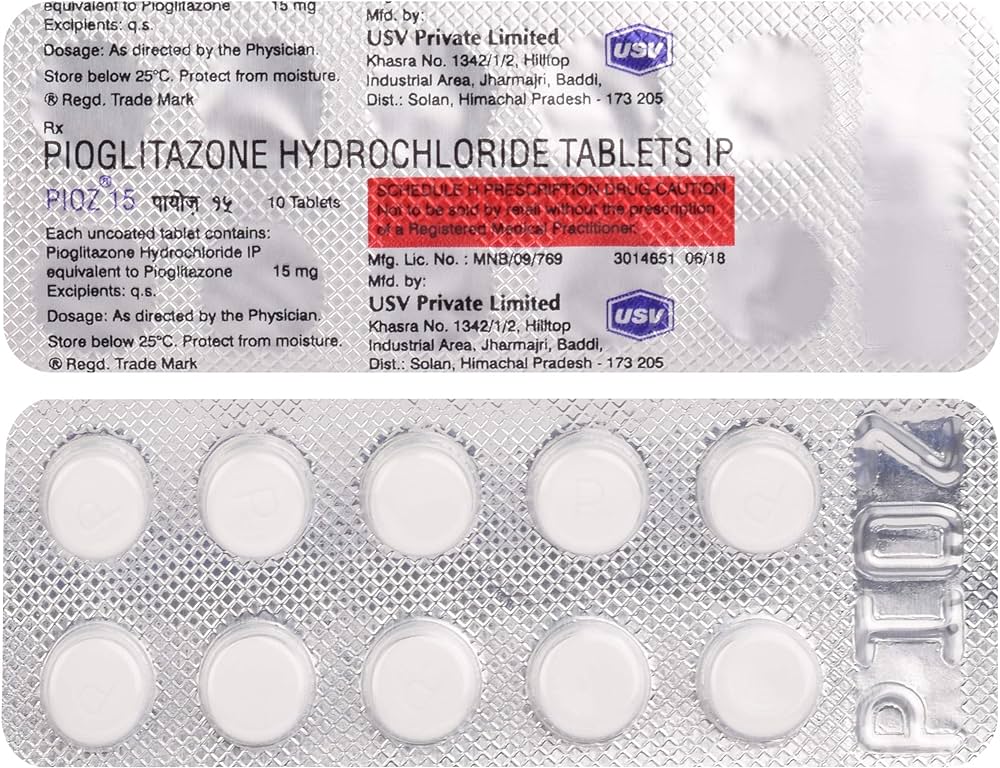
About Pioz 15 Tablet:
Pioz 15 Tablet contains Pioglitazone, an oral hypoglycemic agent belonging to the thiazolidinedione class. It is prescribed for patients with type 2 diabetes mellitus, especially when diet, exercise, and other antidiabetic drugs are insufficient. It helps improve glycemic control and reduces insulin resistance in peripheral tissues.
How It Works:
-
Pioglitazone activates PPAR-gamma receptors in fat, muscle, and liver tissues.
-
Enhances insulin sensitivity
-
Promotes glucose uptake by muscles and reduces hepatic glucose production
-
Helps lower blood sugar levels effectively
Uses:
-
Management of type 2 diabetes mellitus
-
Improves insulin sensitivity
-
Can be used alone or in combination with other oral antidiabetics or insulin
Directions for Use:
-
Take once daily, with or without food, as prescribed by your doctor.
-
Swallow the tablet whole with water.
-
Maintain a balanced diet, exercise, and lifestyle for optimal blood sugar control.
Side Effects:
Common side effects may include:
Seek medical attention if you experience shortness of breath, swelling of legs, sudden weight gain, or signs of liver problems.
Precautions:
-
Avoid in patients with heart failure, severe liver disease, or bladder cancer history
-
Monitor blood sugar, liver function, and body weight regularly
-
Not recommended during pregnancy or breastfeeding unless prescribed
-
Use caution in combination with insulin or other antidiabetics to prevent hypoglycemia
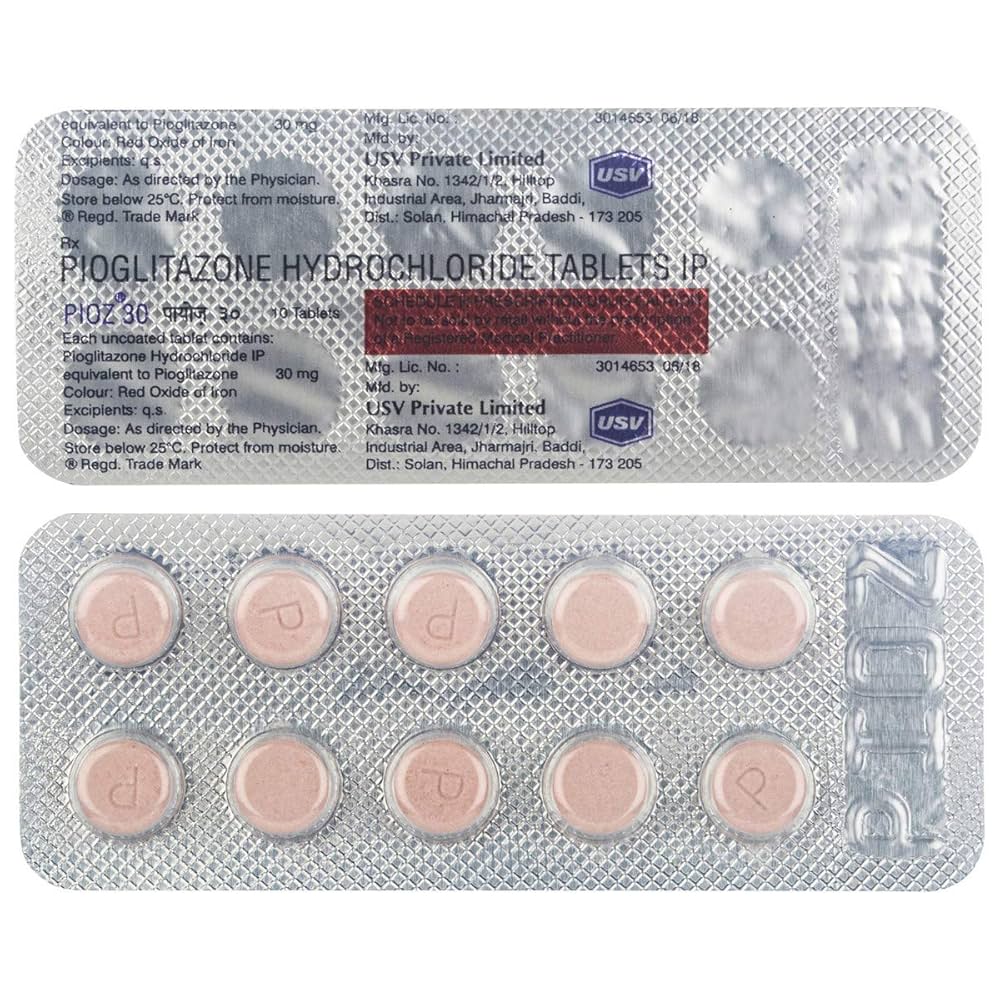
About Pioz 30 Tablet:
Pioz 30 Tablet contains Pioglitazone, a thiazolidinedione-class oral hypoglycemic agent. It is prescribed for patients with type 2 diabetes mellitus, especially when lifestyle modifications, diet, and other medications alone are insufficient. Pioglitazone enhances insulin sensitivity, promoting better glucose utilization and glycemic control.
How It Works:
-
Pioglitazone activates PPAR-gamma receptors in muscle, fat, and liver tissues.
-
Increases insulin sensitivity, facilitating glucose uptake by muscles.
-
Reduces hepatic glucose production, lowering overall blood sugar levels.
Uses:
-
Management of type 2 diabetes mellitus
-
Improves insulin sensitivity
-
Can be used alone or in combination with other oral antidiabetics or insulin
Directions for Use:
-
Take once daily, with or without food, as prescribed by your doctor.
-
Swallow the tablet whole with water.
-
Maintain a healthy diet, exercise, and lifestyle for optimal blood sugar control.
Side Effects:
Common side effects may include:
Seek medical attention if you experience shortness of breath, swelling, sudden weight gain, or signs of liver problems.
Precautions:
-
Avoid in patients with heart failure, severe liver disease, or a history of bladder cancer
-
Monitor blood sugar, liver function, and body weight regularly
-
Not recommended during pregnancy or breastfeeding unless prescribed
-
Use caution when combined with insulin or other antidiabetic drugs to prevent hypoglycemia
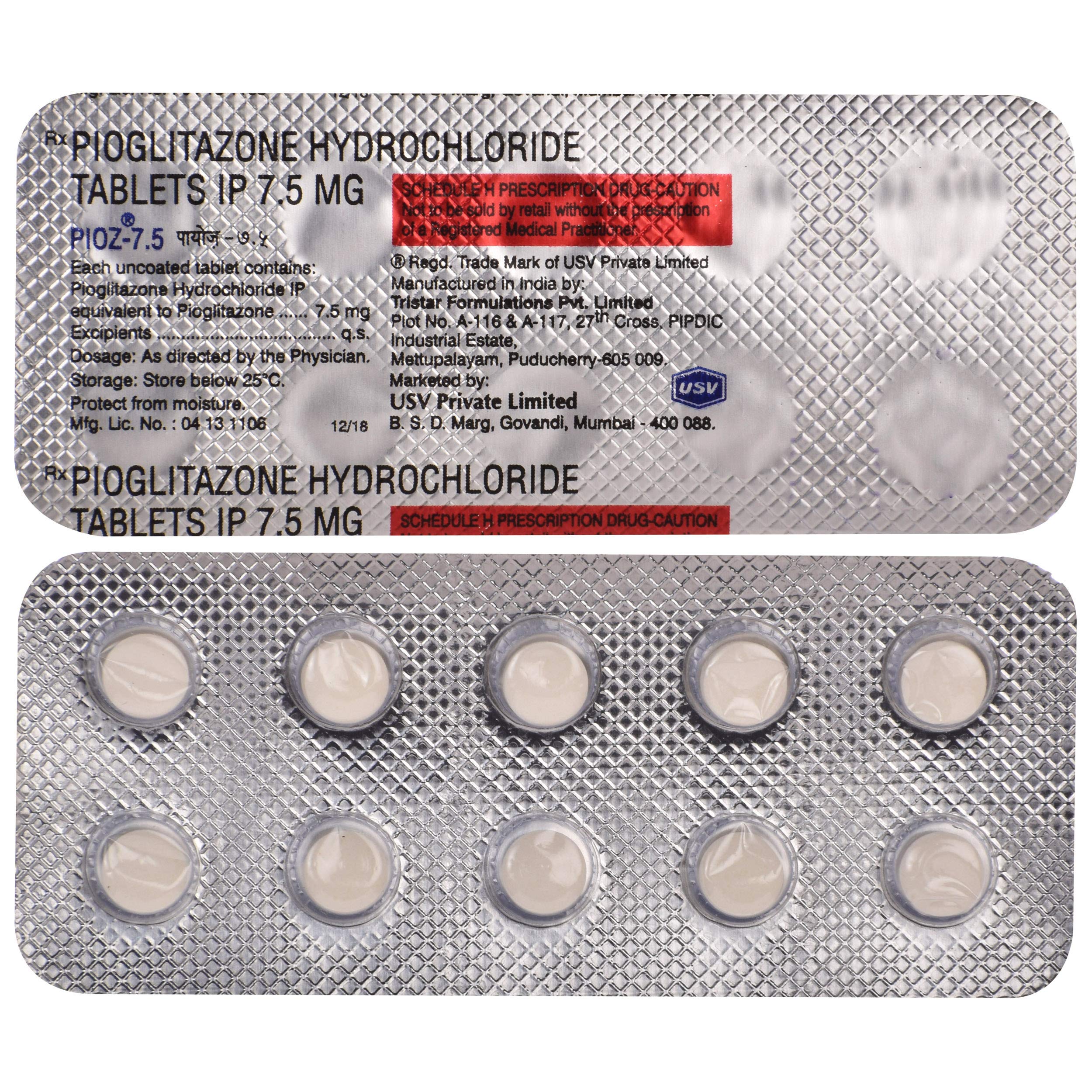
About Pioz 7.5 Tablet:
Pioz 7.5 Tablet contains Pioglitazone, a thiazolidinedione-class oral hypoglycemic agent. It is prescribed for patients with type 2 diabetes mellitus, especially when diet, exercise, or other medications alone are insufficient. Pioglitazone works by enhancing insulin sensitivity, helping the body utilize glucose more effectively and maintain better glycemic control.
How It Works:
-
Pioglitazone activates PPAR-gamma receptors in fat, muscle, and liver tissues.
-
Improves insulin sensitivity and glucose uptake in peripheral tissues.
-
Reduces hepatic glucose production, thereby lowering blood sugar levels.
Uses:
-
Management of type 2 diabetes mellitus
-
Enhances insulin sensitivity
-
Can be used alone or in combination with other antidiabetic drugs or insulin
Directions for Use:
-
Take once daily, with or without food, as prescribed by your doctor.
-
Swallow the tablet whole with water.
-
Maintain a balanced diet, exercise routine, and healthy lifestyle to support blood sugar control.
Side Effects:
Common side effects may include:
Seek medical attention if you experience shortness of breath, swelling of legs, sudden weight gain, or signs of liver problems.
Precautions:
-
Avoid in patients with heart failure, severe liver disease, or history of bladder cancer
-
Monitor blood sugar, liver function, and weight regularly
-
Not recommended during pregnancy or breastfeeding unless prescribed
-
Use caution when combined with insulin or other antidiabetic drugs to avoid hypoglycemia