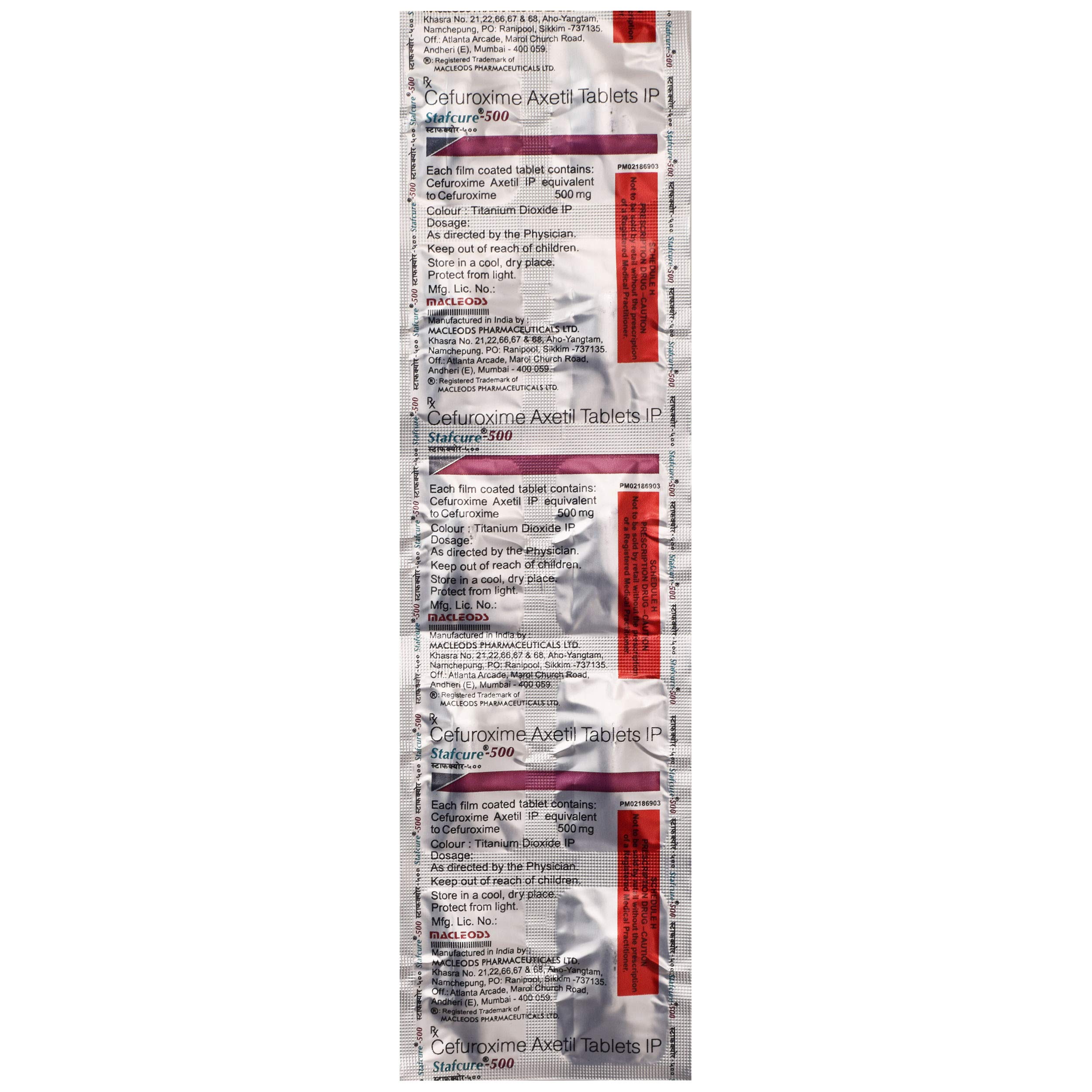
Stafcure 500 Tablet is a second-generation cephalosporin antibiotic containing Cefuroxime. It works by inhibiting bacterial cell wall synthesis, effectively killing susceptible bacteria. This higher-strength tablet is intended for moderate to severe bacterial infections, providing broad-spectrum activity against Gram-positive and certain Gram-negative bacteria.
Uses
Stafcure 500 Tablet is prescribed for:
-
Respiratory tract infections (sinusitis, bronchitis, pneumonia)
-
Ear, nose, and throat infections (otitis media, tonsillitis)
-
Skin and soft tissue infections
-
Urinary tract infections
-
Bone and joint infections
-
Dental infections
Advantages
-
High-strength broad-spectrum cephalosporin
-
Convenient oral tablet form for outpatient therapy
-
Effective against resistant bacterial strains
-
Reduces the risk of complications from untreated infections
Possible Side Effects
Common side effects:
Rare but serious side effects:
-
Severe allergic reactions (anaphylaxis)
-
Liver enzyme abnormalities
-
Clostridium difficile-associated diarrhea
Precautions
-
Take exactly as prescribed, preferably at the same time each day
-
Inform your doctor if you have cephalosporin allergy, kidney, or liver disease
-
Complete the full course to prevent bacterial resistance
-
Seek immediate medical attention if severe allergic reactions occur
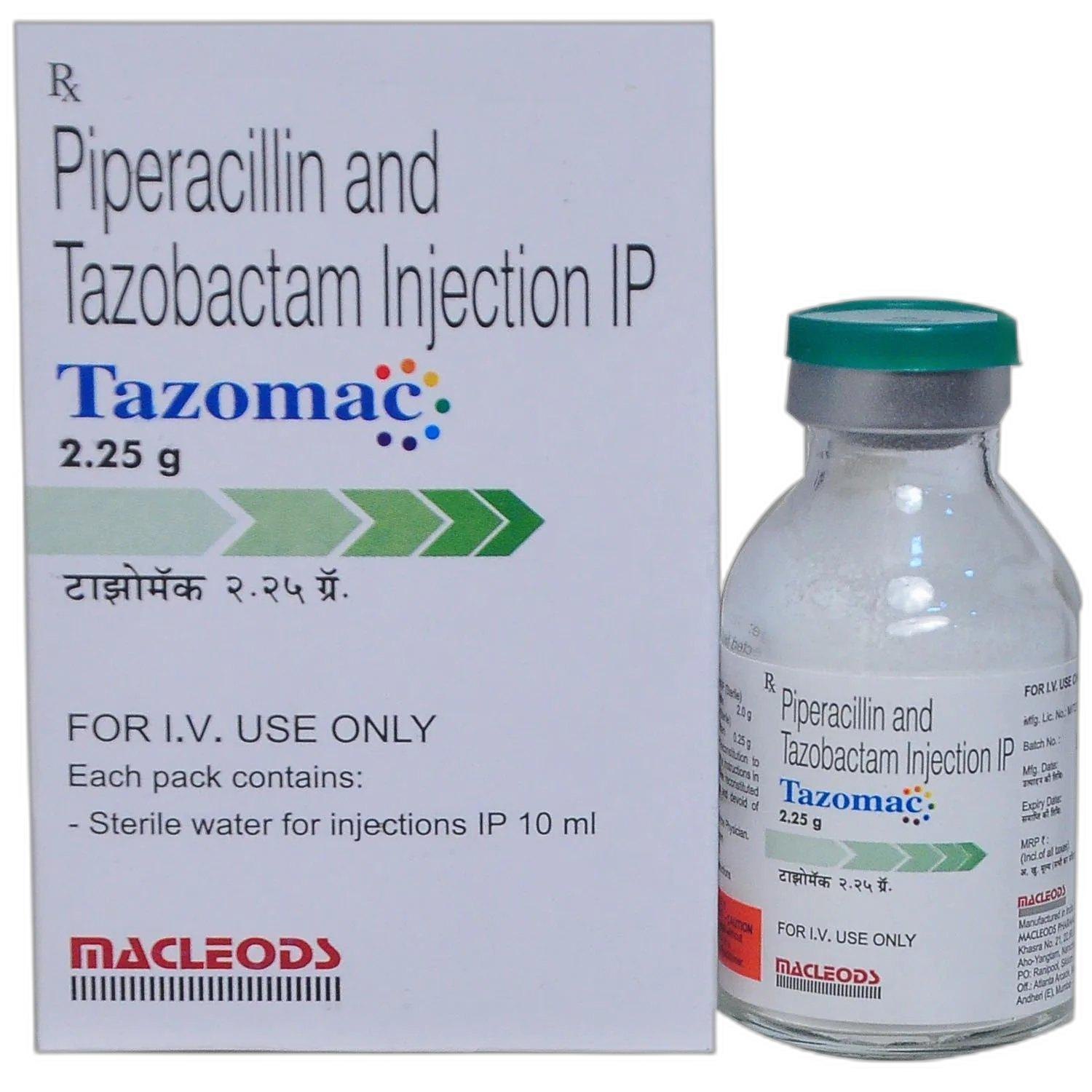
Tazomac 2000 mg/250 mg Injection is a broad-spectrum injectable antibiotic combining Piperacillin and Tazobactam.
-
Piperacillin (2000mg): A penicillin-class antibiotic that inhibits bacterial cell wall synthesis, effective against a wide range of Gram-positive and Gram-negative bacteria.
-
Tazobactam (250mg): A beta-lactamase inhibitor that protects Piperacillin from enzymatic degradation, enhancing efficacy against resistant bacterial strains.
This combination is used for serious bacterial infections, including those caused by multi-drug resistant organisms, and is typically administered in hospital or clinical settings.
Uses
Tazomac Injection is prescribed for:
-
Severe respiratory tract infections (pneumonia, bronchitis)
-
Skin and soft tissue infections
-
Complicated urinary tract infections
-
Intra-abdominal infections (peritonitis)
-
Septicemia and bloodstream infections
-
Infections caused by beta-lactamase-producing bacteria
Advantages
-
Broad-spectrum injectable antibiotic effective against resistant bacteria
-
Beta-lactamase protection ensures higher efficacy
-
Suitable for hospitalized patients and severe infections
-
Rapid intravenous administration ensures prompt therapeutic levels
Possible Side Effects
Common side effects:
-
Nausea, vomiting, diarrhea
-
Pain, redness, or swelling at injection site
-
Mild skin rash
Rare but serious side effects:
-
Severe allergic reactions (anaphylaxis)
-
Liver enzyme abnormalities
-
Clostridium difficile-associated diarrhea
-
Blood disorders (neutropenia, thrombocytopenia)
Precautions
-
Administer under medical supervision
-
Inform your doctor if you have penicillin allergy, liver, or kidney disease
-
Monitor for allergic reactions during and after injection
-
Adjust dose in renal impairment
Terbitotal 250 mg Tablet is an antifungal medication containing Terbinafine, which works by inhibiting the growth of fungi that cause infections. It is primarily used to treat skin, nail, and hair fungal infections, offering rapid relief from symptoms such as itching, scaling, and redness.
Uses
Terbitotal 250 mg Tablet is prescribed for:
-
Tinea infections (ringworm, athlete’s foot, jock itch)
-
Onychomycosis (fungal nail infection)
-
Fungal infections of skin and hair
-
Relief of itching, redness, and scaling associated with fungal infections
Advantages
-
Effective against a wide range of fungal infections
-
Helps clear nail and skin fungal infections
-
Oral formulation ensures systemic action for persistent infections
-
Improves symptoms and prevents recurrence
Possible Side Effects
Common side effects:
Rare but serious side effects:
-
Liver dysfunction (hepatitis, jaundice)
-
Allergic reactions (swelling, rash, difficulty breathing)
-
Taste disturbances or loss of taste
Precautions
-
Take exactly as prescribed, usually with food
-
Monitor liver function for prolonged therapy
-
Inform your doctor if you have liver or kidney disease
-
Not recommended in pregnancy or breastfeeding unless advised
-
Complete the full course even if symptoms improve early

Tobacin 80 mg Injection contains Tobramycin, an aminoglycoside antibiotic used for the treatment of serious bacterial infections. It works by inhibiting bacterial protein synthesis, effectively killing susceptible bacteria. This injectable formulation allows rapid and effective delivery of the antibiotic for systemic infections.
Uses / Indications:
-
Treatment of serious bacterial infections caused by susceptible strains
-
Respiratory tract infections, urinary tract infections, skin and soft tissue infections
-
Infections in hospitalized or immunocompromised patients
Dosage:
-
Administered by a healthcare professional
-
Dosage and frequency depend on the type and severity of infection, patient age, and kidney function
-
Usually given intravenously (IV) or intramuscularly (IM)
Side Effects:
-
Nephrotoxicity (kidney damage)
-
Ototoxicity (hearing loss or tinnitus)
-
Nausea, vomiting, or rash
-
Rare allergic reactions
Precautions:
-
Monitor kidney function and hearing during therapy
-
Use with caution in patients with kidney impairment or hearing disorders
-
Inform your doctor about any other medications being taken
Storage:
-
Store in a cool, dry place, protected from light
-
Keep out of reach of children
-
Do not use after expiry date

Vomistop 10 DT Tablet is a prokinetic and antiemetic medicine manufactured by Cipla Ltd. It contains Domperidone 10mg, a dopamine (D2) receptor antagonist that works by enhancing stomach and bowel movements and preventing the sensation of nausea and vomiting.
The DT (Dispersible Tablet) formulation allows the tablet to dissolve quickly in water or on the tongue, making it easier to consume for patients who have difficulty swallowing solid tablets.
Uses of Vomistop 10 DT Tablet
-
Relief from nausea and vomiting caused by:
-
Infections
-
Medicines
-
Gastric irritation
-
Management of delayed stomach emptying (gastroparesis)
-
Relief from indigestion, bloating, and discomfort
-
Supportive therapy for acid reflux and gastritis
How It Works
-
Domperidone blocks dopamine (D2) receptors in the brain and gut.
-
This reduces nausea signals and promotes better movement of food through the stomach and intestines, preventing bloating and discomfort.
Dosage & Administration
-
Usually taken 15–30 minutes before meals.
-
Tablet should be dissolved in a small amount of water or allowed to disperse on the tongue.
-
Dosage depends on age, condition, and doctor’s recommendation.
Precautions
-
Not recommended for patients with serious liver, kidney, or heart problems.
-
Should be avoided with medicines that affect heart rhythm.
-
Pregnant or breastfeeding women should use only under medical supervision.
-
Do not exceed prescribed dose, as higher doses may increase risk of cardiac side effects.
Possible Side Effects
Overall Benefit
Vomistop 10 DT Tablet by Cipla Ltd. is an effective solution for nausea, vomiting, and gastric discomfort. Its dispersible tablet form ensures fast action and easy administration, making it particularly useful for children and patients who struggle with swallowing regular tablets.
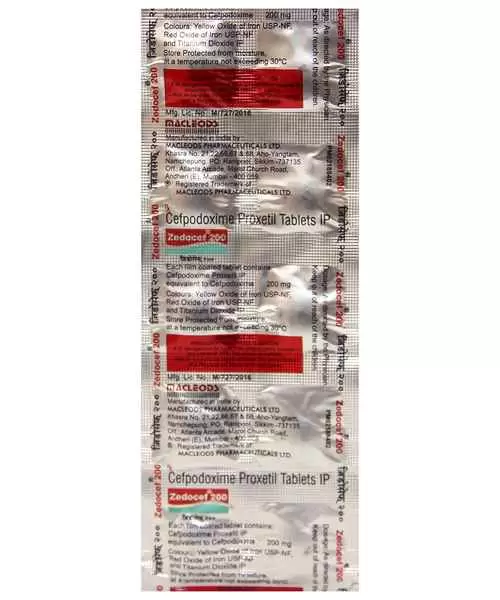
Zedocef 200 Tablet is an antibiotic used to treat a variety of bacterial infections, including:
-
Respiratory tract infections (bronchitis, pneumonia)
-
Ear, nose, and throat infections (otitis media, sinusitis, pharyngitis)
-
Urinary tract infections
-
Skin and soft tissue infections
It belongs to the cephalosporin class of antibiotics and works by inhibiting bacterial cell wall synthesis, helping to eliminate the infection.
Dosage & Administration:
-
The usual dose for adults is 200mg twice daily, or as prescribed by a doctor.
-
Take orally with food to improve absorption and reduce stomach upset.
-
Complete the full course of therapy even if symptoms improve.
-
Dose adjustment may be needed in patients with kidney impairment.
Side Effects:
Common side effects:
-
Nausea, vomiting, diarrhea
-
Stomach pain or discomfort
-
Mild headache
Rare but serious side effects:
-
Allergic reactions (rash, itching, swelling, severe skin reactions)
-
Clostridium difficile-associated diarrhea
-
Liver or kidney dysfunction (rare)
Precautions & Warnings:
-
Do not use if allergic to cephalosporins or penicillin.
-
Inform your doctor about all other medications to avoid interactions.
-
Use with caution in patients with kidney or liver disease.
-
Pregnancy & breastfeeding: Only use if clearly advised by a doctor.
-
Avoid skipping doses to prevent resistance.
Storage:
-
Store in a cool, dry place, away from sunlight and moisture.
-
Keep out of reach of children.
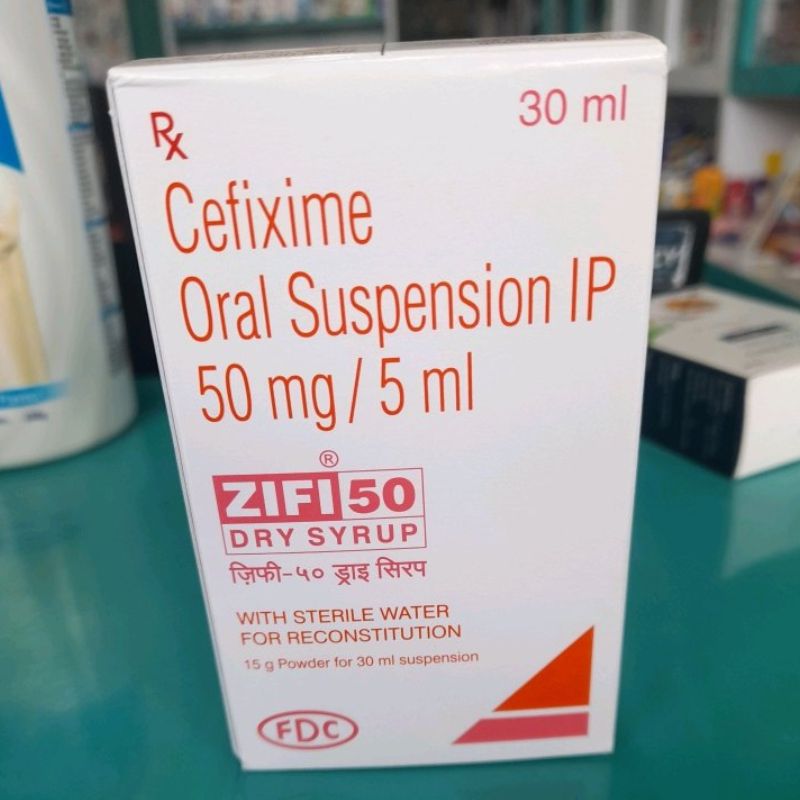
Zifi 50 Dry Syrup is an antibiotic for children used to treat bacterial infections. It belongs to the cephalosporin class and works by killing infection-causing bacteria. It is commonly prescribed for throat infections, ear infections, lung infections, urinary tract infections, and typhoid fever. The syrup form makes it easy and safe for infants and young children.
Uses:
-
Throat infections (tonsillitis, pharyngitis)
-
Ear infection (otitis media)
-
Pneumonia & bronchitis
-
Urinary tract infections
-
Typhoid fever
-
Fever due to bacterial infection
Dosage:
-
Dose is based on child’s weight (doctor decides)
-
Usually given once or twice daily
-
Must complete full course for proper cure
How to Use:
-
Shake the bottle well before each dose
-
Add the recommended amount of water to reconstitute (as per label), then shake
-
Give after food to avoid stomach upset
-
Use measuring cup/dropper for correct dose
-
Store the reconstituted syrup in refrigerator for best stability (if label says)
Precautions:
-
Not for viral infections like cold/flu
-
Inform doctor if child has kidney issues or antibiotic allergy
-
Can cause diarrhea — do not give anti-diarrheal medicines without doctor’s advice
-
Do not skip doses; resistance may develop
-
Keep child hydrated
Side Effects: