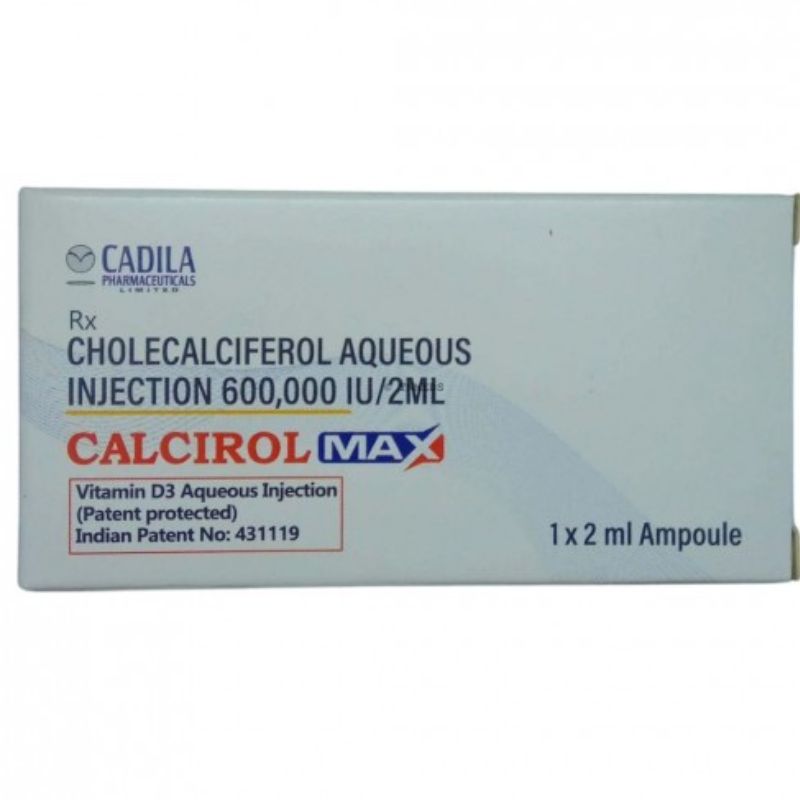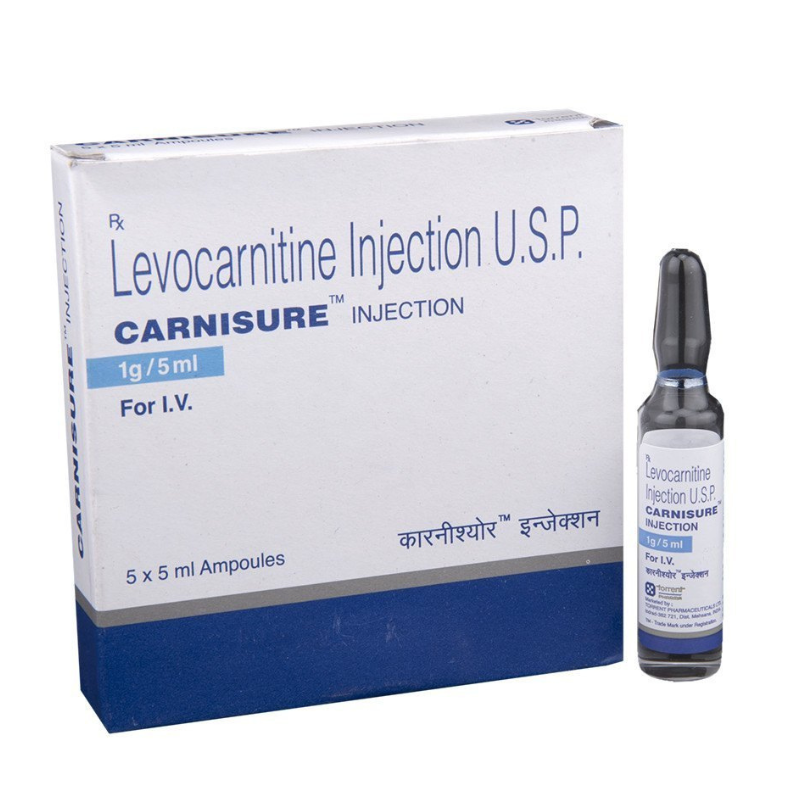
Carnisure Injection contains Levo-carnitine 1gm, an essential amino-acid derivative involved in fatty acid metabolism and energy production. This injectable form is used when oral administration is not feasible or when rapid correction of carnitine deficiency is required, especially in hospitalized or critically ill patients.
Uses of Carnisure Injection
-
Primary and secondary carnitine deficiency
-
Carnitine deficiency in patients on dialysis
-
Severe fatigue and muscle weakness
-
Metabolic disorders requiring parenteral support
-
Supportive therapy in cardiac and neuromuscular conditions
Dosage & Administration
-
Administered by a healthcare professional only
-
Given via intravenous or intramuscular route as prescribed
-
Dose and duration depend on patient condition
Possible Side Effects
Precautions & Warnings
-
Inform your doctor if you have kidney disease or seizure disorders
-
Monitor renal function during prolonged use
-
Use during pregnancy or breastfeeding only if clearly needed
-
Do not self-administer
Storage Instructions

Cilaxin Injection is a broad-spectrum intravenous antibiotic used to treat severe bacterial infections, including intra-abdominal infections, respiratory tract infections, urinary tract infections, and sepsis. It contains:
-
Imipenem, a carbapenem antibiotic that kills a wide range of bacteria
-
Cilastatin, which prevents the breakdown of imipenem in the kidneys, ensuring effective antibiotic levels
Main Uses:
-
Treatment of severe bacterial infections
-
Management of complicated urinary tract, respiratory, and intra-abdominal infections
-
Prevention and treatment of hospital-acquired infections
How it Works:
-
Imipenem inhibits bacterial cell wall synthesis, leading to bacterial death
-
Cilastatin protects imipenem from enzymatic degradation in the kidneys, prolonging its effectiveness
Dosage:
-
Administer as prescribed by your doctor, usually via intravenous infusion in a hospital or clinical setting
-
Dosage depends on infection type, severity, and patient condition
Side Effects:
-
Nausea, vomiting, or diarrhea
-
Rash or allergic reactions
-
Injection site reactions
-
Rare seizures, especially in patients with kidney issues
Precautions:
-
Use under strict medical supervision
-
Monitor kidney function, liver function, and blood counts during therapy
-
Avoid in patients with allergy to beta-lactam antibiotics
-
Pregnant or breastfeeding women should consult a doctor before use
Storage:
Store below 25°C, protected from light. Keep out of reach of children. Reconstituted solution should be used as directed by the manufacturer.

Uses:
Clexane 40mg Injection is an anticoagulant used to prevent and treat blood clots. It is commonly prescribed for conditions such as deep vein thrombosis (DVT), pulmonary embolism (PE), and to reduce the risk of clot formation after surgery or in patients with acute coronary syndromes.
How to Use:
Administer the injection subcutaneously (under the skin) as directed by your healthcare professional. Do not inject into a vein or muscle. Follow the prescribed dosage and schedule carefully.
Dosage:
Precautions:
-
Inform your doctor if you have bleeding disorders, kidney problems, or a history of heparin-induced thrombocytopenia.
-
Avoid activities that may increase the risk of bleeding or bruising.
-
Pregnant or breastfeeding women should use only under medical supervision.
Side Effects:
Common side effects may include mild bleeding, bruising at the injection site, or pain at the injection site. Rarely, severe bleeding, low platelet count, or allergic reactions may occur; seek immediate medical attention if severe.

Uses:
Clexane 60mg Injection is an anticoagulant used to prevent and treat blood clots. It is commonly prescribed for deep vein thrombosis (DVT), pulmonary embolism (PE), and to reduce the risk of clot formation after surgery or in patients with acute coronary syndromes.
How to Use:
Administer the injection subcutaneously (under the skin) as directed by a healthcare professional. Do not inject into a vein or muscle. Follow the prescribed dosage and schedule carefully.
Dosage:
Precautions:
-
Inform your doctor if you have bleeding disorders, kidney problems, or a history of heparin-induced thrombocytopenia.
-
Avoid activities that may increase the risk of bleeding or bruising.
-
Pregnant or breastfeeding women should use only under medical supervision.
Side Effects:
Common side effects may include mild bleeding, bruising at the injection site, or pain at the injection site. Rarely, severe bleeding, low platelet count, or allergic reactions may occur; seek immediate medical attention if severe

Colik Injection is a combination medicine containing Dicyclomine and Diclofenac. It is used to provide relief from abdominal cramps, spasms, and pain associated with gastrointestinal disorders. Dicyclomine is an antispasmodic that relaxes the smooth muscles of the gut, while Diclofenac is a non-steroidal anti-inflammatory drug (NSAID) that helps reduce pain and inflammation.
Uses:
-
Relieves abdominal cramps and spasms
-
Reduces pain and inflammation in gastrointestinal conditions
-
Used in irritable bowel syndrome (IBS) and other functional gut disorders
-
Provides rapid relief in acute abdominal discomfort
How to Use:
-
Administered intramuscularly (IM) or intravenously (IV) by a healthcare professional.
-
Dosage and frequency depend on the patient’s condition and age.
-
Do not self-administer; professional supervision is required.
Precautions:
-
Avoid use in patients with peptic ulcer, gastrointestinal bleeding, severe kidney or liver disease.
-
Use with caution in cardiovascular disorders or if allergic to NSAIDs or anticholinergics.
-
Monitor for allergic reactions or adverse effects.
Side Effects:
-
Nausea or vomiting
-
Dizziness or headache
-
Mild abdominal discomfort
-
Rare: Allergic reactions, palpitations, or low blood pressure
Key Benefits:
-
Provides quick relief from gut spasms and pain
-
Combines antispasmodic and anti-inflammatory actions
-
Useful in acute and chronic gastrointestinal conditions
-
Administered under medical supervision for safe and effective treatment
Covatil 1500mg Injection contains Cefuroxime 1500mg, a broad-spectrum second-generation cephalosporin antibiotic. It is used for the treatment of severe bacterial infections and is commonly administered in hospital settings. Cefuroxime works by inhibiting bacterial cell wall synthesis, leading to bacterial death and effective infection control.
Uses of Covatil 1500mg Injection
-
Severe respiratory tract infections
-
Urinary tract infections
-
Skin and soft tissue infections
-
Bone and joint infections
-
Intra-abdominal and gynecological infections
-
Prevention of infections during surgery
Dosage & Administration
-
Administered only by a qualified healthcare professional
-
Given intravenously (IV) or intramuscularly (IM)
-
Dose and duration depend on infection severity, patient age, and kidney function
Possible Side Effects
-
Pain, redness, or swelling at injection site
-
Nausea, vomiting, or diarrhea
-
Skin rash or itching
-
Headache or dizziness
-
Rarely, allergic reactions
Precautions & Warnings
-
Avoid use if allergic to cephalosporin or penicillin antibiotics
-
Use cautiously in patients with kidney disease
-
Not effective for viral infections like flu or common cold
-
Complete the full course as prescribed
Storage Instructions
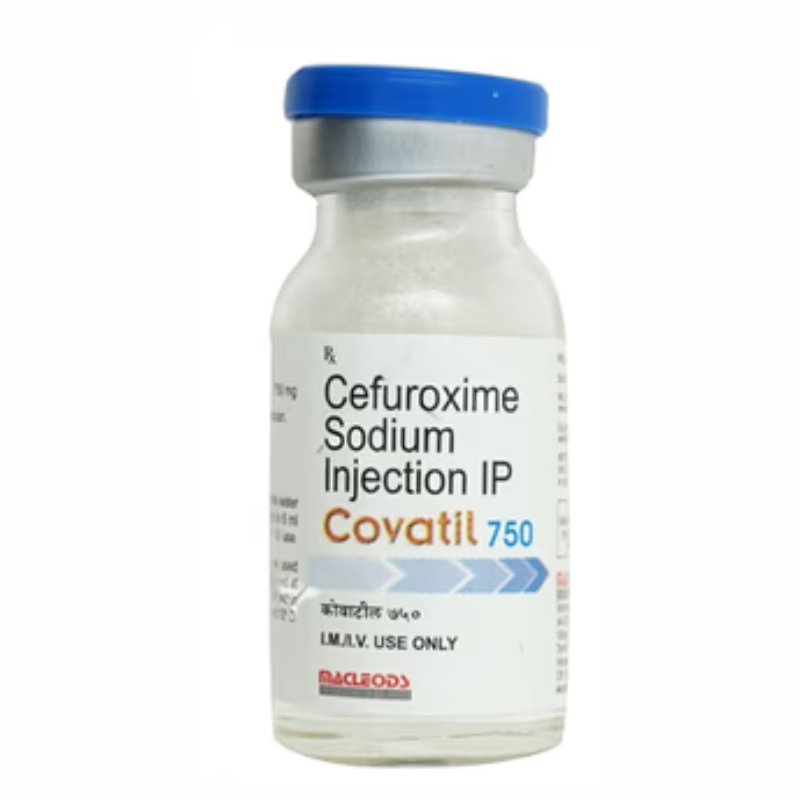
Covatil 750mg Injection contains Cefuroxime 750mg, a second-generation cephalosporin antibiotic used to treat a wide range of moderate to severe bacterial infections. It works by preventing the formation of the bacterial cell wall, thereby killing bacteria and stopping the spread of infection. This injectable form is preferred in hospitalized patients or when oral antibiotics are not effective.
Uses of Covatil 750mg Injection
-
Respiratory tract infections
-
Urinary tract infections
-
Skin and soft tissue infections
-
Bone and joint infections
-
Gynecological infections
-
Surgical prophylaxis
Dosage & Administration
-
To be administered only by a healthcare professional
-
Given via intravenous (IV) or intramuscular (IM) injection
-
Dosage depends on infection severity, age, and kidney function
Possible Side Effects
Precautions & Warnings
-
Inform your doctor about any allergy to antibiotics
-
Use with caution in patients with kidney impairment
-
Not effective against viral infections
-
Complete the full prescribed course to prevent resistance
Storage Instructions
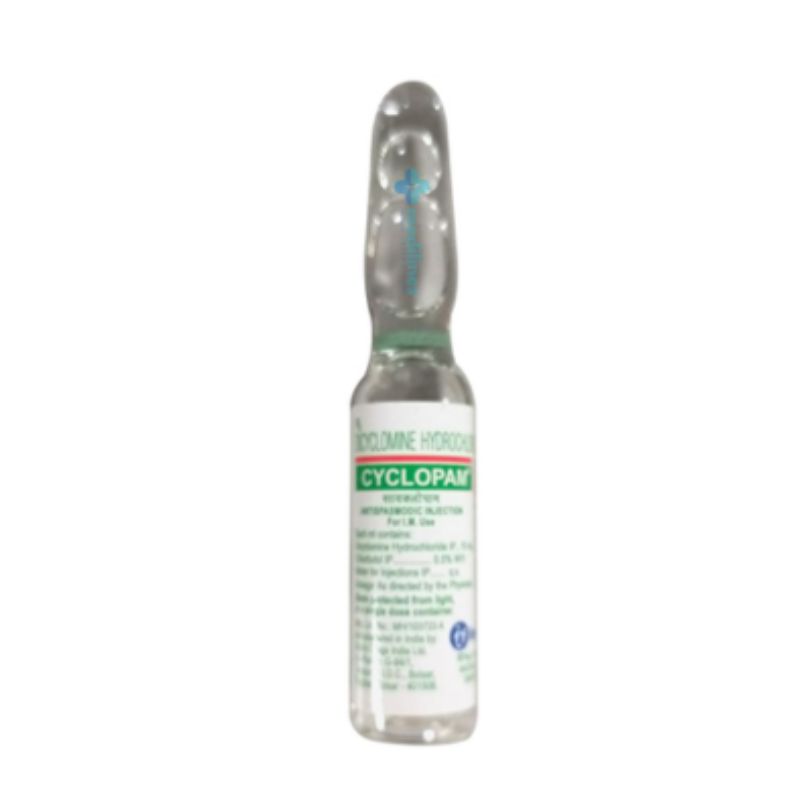
Main Use: Relieves severe abdominal cramps and spasms – Dicyclomine is an antispasmodic that relaxes intestinal muscles to reduce pain and discomfort.
Dosage:
-
Adults: Usually 10–20mg by intramuscular or intravenous injection, 2–3 times daily, or as prescribed by the doctor.
-
Children: Only under strict pediatric supervision; dose adjusted by body weight.
How to Use:
-
Administered by a healthcare professional.
-
Can be given via slow IV injection or deep IM injection.
-
Monitor patient for adverse reactions during administration.
Precautions:
-
Inform your doctor if the patient has glaucoma, intestinal obstruction, myasthenia gravis, heart disease, or liver/kidney problems.
-
Avoid alcohol during treatment.
-
Monitor for dizziness, drowsiness, or allergic reactions.
Side Effects:
-
Common: Dry mouth, dizziness, mild nausea.
-
Rare: Rapid heartbeat, blurred vision, constipation, severe allergic reactions.

Depotex 125mg Injection contains Methylprednisolone (125mg), a corticosteroid medicine used to treat inflammation, allergic reactions, and autoimmune disorders. It works by suppressing the immune system’s overactive response, thereby reducing swelling, redness, and pain in affected areas.
This injection provides rapid and long-lasting relief from inflammatory and allergic conditions affecting the joints, lungs, skin, and other organs. It is often used when oral corticosteroids are not suitable or when a faster therapeutic effect is needed.
Uses of Depotex 125mg Injection
Depotex 125mg Injection is prescribed for a wide range of inflammatory and autoimmune conditions, including:
-
Allergic disorders: Severe asthma, allergic rhinitis, drug or food allergies
-
Rheumatic and joint disorders: Rheumatoid arthritis, osteoarthritis, gouty arthritis
-
Skin diseases: Psoriasis, eczema, dermatitis, and lupus erythematosus
-
Respiratory conditions: COPD (Chronic Obstructive Pulmonary Disease), severe asthma attacks
-
Autoimmune disorders: Systemic lupus erythematosus (SLE), multiple sclerosis flare-ups
-
Severe inflammation: Bursitis, tendonitis, and acute joint inflammation
-
Adrenal insufficiency: When the body does not produce enough natural steroids
How It Works
Methylprednisolone is a synthetic glucocorticoid that mimics the action of natural hormones produced by the adrenal glands. It works by:
-
Inhibiting the release of inflammatory substances, such as prostaglandins and leukotrienes
-
Suppressing immune system activity, preventing tissue damage caused by inflammation
-
Reducing capillary permeability, thus minimizing swelling and redness
This mechanism helps control the symptoms of inflammation and allergic reactions effectively.
Dosage and Administration
-
The dosage of Depotex 125mg Injection depends on the type and severity of the condition being treated.
-
It is administered intravenously (IV) or intramuscularly (IM) by a qualified healthcare professional.
-
The duration and frequency of treatment are determined by the doctor based on patient response.
-
Do not self-administer this injection.
Side Effects
Like all corticosteroid medicines, Depotex 125mg Injection may cause some side effects, especially with long-term use. Common side effects include:
-
Headache or dizziness
-
Fluid retention or swelling
-
Increased appetite and weight gain
-
Mood changes, irritability, or insomnia
-
Elevated blood sugar levels
-
Stomach upset or nausea
-
Increased risk of infection
-
Muscle weakness or bone thinning (with prolonged use)
Contact your doctor immediately if you notice vision changes, severe mood swings, persistent infections, or unusual swelling.
Precautions
-
Inform your doctor if you have diabetes, high blood pressure, heart disease, or liver/kidney disorders.
-
Avoid receiving live vaccines during corticosteroid treatment, as your immune system may be weakened.
-
Use cautiously in pregnant or breastfeeding women — only if clearly needed and prescribed by a doctor.
-
Sudden discontinuation may lead to withdrawal symptoms such as fatigue, low blood pressure, or joint pain — taper gradually under medical supervision.
-
Avoid alcohol and smoking, as they can increase the risk of stomach irritation and bone loss.
Drug Interactions
Depotex 125mg Injection may interact with the following medications:
-
Anticoagulants (e.g., Warfarin)
-
NSAIDs (e.g., Ibuprofen, Diclofenac)
-
Antidiabetic medications
-
Vaccines (especially live vaccines)
-
Antifungal drugs (e.g., Ketoconazole)
-
Antibiotics like Rifampicin
-
Diuretics (water pills) — may increase potassium loss
Always inform your doctor about all medicines and supplements you are taking.
Storage Instructions
Key Benefits of Depotex 125mg Injection
-
Provides fast relief from inflammation and allergic symptoms
-
Helps control severe autoimmune and inflammatory conditions
-
Reduces pain, swelling, and stiffness effectively
-
Suitable for use when oral corticosteroids are not possible
-
Offers rapid symptom improvement in acute conditions

Dexagee Plus 4mg Injection contains Dexamethasone (4mg), a potent corticosteroid used to manage inflammation, allergic reactions, and autoimmune disorders. It works by suppressing the immune system and reducing inflammatory mediators, providing fast relief from swelling, redness, itching, and pain.
This injection is especially useful when rapid action is required, such as in severe allergic reactions, acute inflammation, or adrenal insufficiency, and when oral administration is not feasible.
Uses of Dexagee Plus 4mg Injection
Dexagee Plus Injection is commonly used for:
-
Severe allergic reactions: Drug allergies, food allergies, or insect bites
-
Inflammatory conditions: Arthritis, bursitis, tendonitis, and joint inflammation
-
Respiratory disorders: Acute asthma exacerbations, COPD flare-ups
-
Skin diseases: Severe eczema, psoriasis, or dermatitis
-
Autoimmune disorders: Lupus, multiple sclerosis flare-ups
-
Adrenal insufficiency: To replace low natural steroid levels
-
Shock and severe inflammation in critical care situations
How It Works
Dexamethasone is a synthetic glucocorticoid that:
-
Suppresses immune system activity, preventing excessive inflammation
-
Inhibits release of inflammatory chemicals like prostaglandins and leukotrienes
-
Reduces capillary permeability, minimizing swelling and redness
This rapid-acting mechanism makes it effective for acute and severe inflammatory conditions.
Dosage and Administration
-
Administered intravenously (IV) or intramuscularly (IM) by a qualified healthcare professional.
-
Dosage depends on the condition, severity, and patient response.
-
Only a healthcare provider should determine frequency and duration.
-
Do not self-administer this injection.
Side Effects
Common side effects include:
-
Increased appetite and weight gain
-
Mood changes (irritability, anxiety, or insomnia)
-
Fluid retention or puffiness in face and ankles
-
Nausea or stomach upset
-
Elevated blood sugar levels
Serious side effects (rare):
-
Vision problems (blurred vision or eye pain)
-
Severe infections due to immune suppression
-
Heart rhythm disturbances
-
Allergic reactions such as rash, swelling, or difficulty breathing
Seek immediate medical attention if severe side effects occur.
Precautions
-
Use cautiously in patients with diabetes, high blood pressure, heart disease, liver or kidney disorders, or osteoporosis.
-
Avoid live vaccines during therapy, as the immune system is suppressed.
-
Pregnant or breastfeeding women should use only if prescribed.
-
Do not abruptly stop treatment; gradual tapering is required to avoid withdrawal symptoms.
-
Avoid alcohol and smoking, which may increase the risk of side effects.
Drug Interactions
Dexagee Plus Injection may interact with:
-
NSAIDs (e.g., Ibuprofen, Diclofenac) – increased risk of stomach ulcers
-
Antidiabetic drugs – may reduce effectiveness
-
Anticoagulants (e.g., Warfarin) – may affect blood clotting
-
Vaccines – avoid live vaccines
-
Diuretics – may lead to potassium loss
-
Antifungal drugs (e.g., Ketoconazole) – may increase steroid effect
Always inform your doctor about all medicines being taken.
Storage Instructions
-
Store below 25°C, in a cool and dry place.
-
Protect from light and moisture.
-
Keep out of reach of children.
Key Benefits of Dexagee Plus 4mg Injection
-
Provides rapid relief from inflammation and allergic symptoms
-
Reduces swelling, redness, and pain effectively
-
Helps manage autoimmune and severe inflammatory disorders
-
Suitable for use when oral corticosteroids are not possible
-
Offers quick symptom improvement in acute conditions