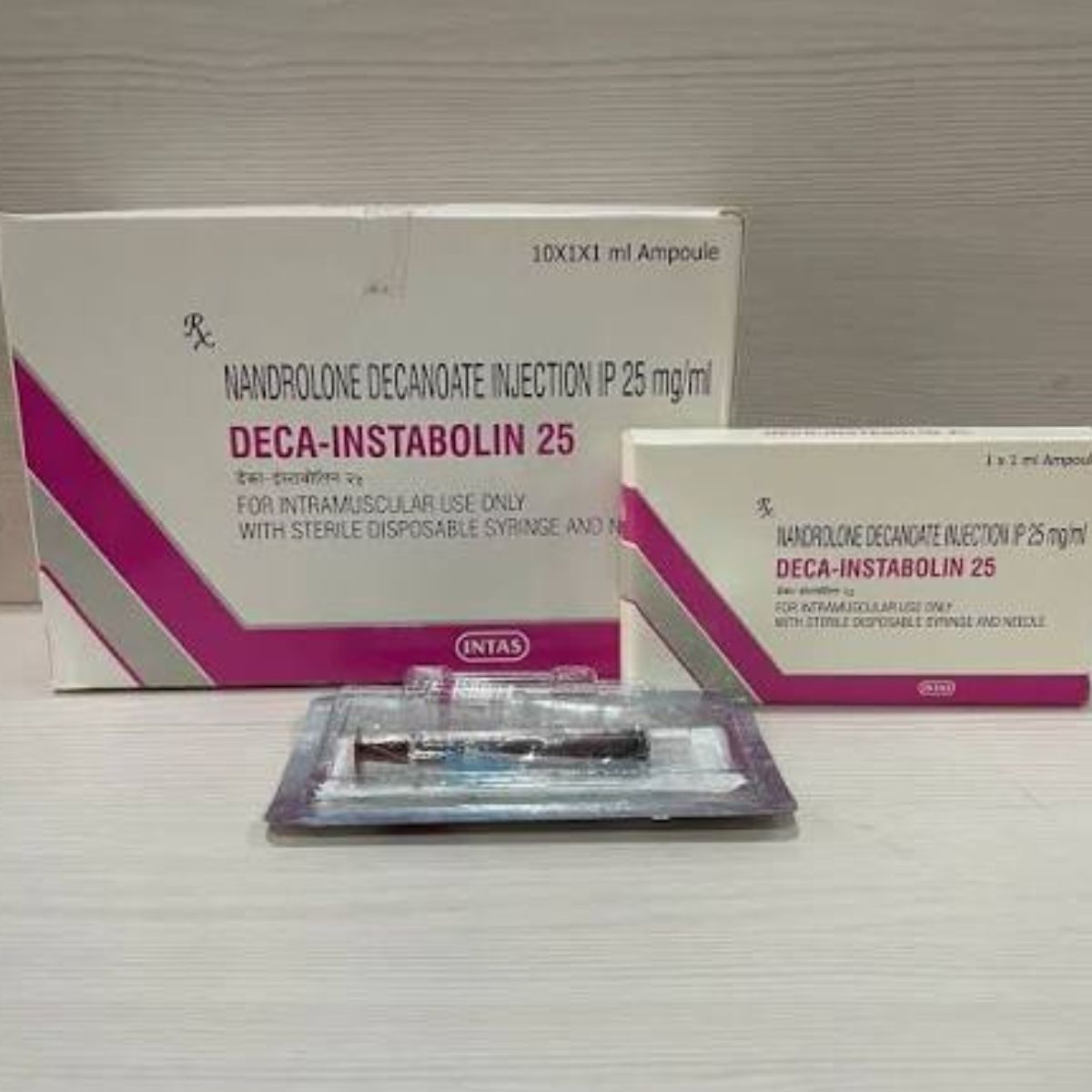
Deca Instabolin 25 Injection is a prescription medicine containing Nandrolone Decanoate 25mg, an anabolic steroid with androgenic properties. It is prescribed to help increase bone density in osteoporosis and stimulate red blood cell production in selected cases of anemia. The injection should only be administered under medical supervision.
Uses of Deca Instabolin 25 Injection
- Osteoporosis
- Certain types of anemia
- Conditions requiring increased red blood cell production (as advised by a doctor)
- Muscle wasting associated with specific medical conditions (only when prescribed)
Benefits of Deca Instabolin 25 Injection
- Helps improve bone strength and density
- Supports red blood cell production
- May improve muscle mass in selected medical conditions
- Helps improve physical strength and recovery in appropriate patients
How Deca Instabolin 25 Injection Works
Nandrolone Decanoate is an anabolic steroid that promotes protein synthesis, increases bone mineral density, and stimulates the production of red blood cells. These actions help strengthen bones and improve certain forms of anemia.
Dosage
- Administer only as prescribed by your doctor.
- Given as an intramuscular (IM) injection by a qualified healthcare professional.
- The dose and frequency depend on your medical condition, age, and response to treatment.
How to Use
- Receive the injection only from a healthcare professional.
- Follow the treatment schedule recommended by your doctor.
- Do not use this medicine for bodybuilding or athletic performance enhancement.
Side Effects
Common side effects include:
- Pain at the injection site
- Acne or oily skin
- Fluid retention
- Weight gain
- Mood changes
- Increased body hair growth
- Changes in menstrual cycle (in women)
- Voice deepening (in women)
Seek immediate medical attention if you experience chest pain, difficulty breathing, severe swelling, jaundice, or signs of an allergic reaction.
Precautions
- Inform your doctor if you have heart disease, kidney disease, liver disease, prostate disorders, or high blood pressure.
- Not recommended during pregnancy or breastfeeding.
- Regular monitoring of liver function, blood counts, and lipid profile may be required.
- Misuse or prolonged use can lead to serious health complications.

Depotex 125mg Injection contains Methylprednisolone (125mg), a corticosteroid medicine used to treat inflammation, allergic reactions, and autoimmune disorders. It works by suppressing the immune system’s overactive response, thereby reducing swelling, redness, and pain in affected areas.
This injection provides rapid and long-lasting relief from inflammatory and allergic conditions affecting the joints, lungs, skin, and other organs. It is often used when oral corticosteroids are not suitable or when a faster therapeutic effect is needed.
Uses of Depotex 125mg Injection
Depotex 125mg Injection is prescribed for a wide range of inflammatory and autoimmune conditions, including:
-
Allergic disorders: Severe asthma, allergic rhinitis, drug or food allergies
-
Rheumatic and joint disorders: Rheumatoid arthritis, osteoarthritis, gouty arthritis
-
Skin diseases: Psoriasis, eczema, dermatitis, and lupus erythematosus
-
Respiratory conditions: COPD (Chronic Obstructive Pulmonary Disease), severe asthma attacks
-
Autoimmune disorders: Systemic lupus erythematosus (SLE), multiple sclerosis flare-ups
-
Severe inflammation: Bursitis, tendonitis, and acute joint inflammation
-
Adrenal insufficiency: When the body does not produce enough natural steroids
How It Works
Methylprednisolone is a synthetic glucocorticoid that mimics the action of natural hormones produced by the adrenal glands. It works by:
-
Inhibiting the release of inflammatory substances, such as prostaglandins and leukotrienes
-
Suppressing immune system activity, preventing tissue damage caused by inflammation
-
Reducing capillary permeability, thus minimizing swelling and redness
This mechanism helps control the symptoms of inflammation and allergic reactions effectively.
Dosage and Administration
-
The dosage of Depotex 125mg Injection depends on the type and severity of the condition being treated.
-
It is administered intravenously (IV) or intramuscularly (IM) by a qualified healthcare professional.
-
The duration and frequency of treatment are determined by the doctor based on patient response.
-
Do not self-administer this injection.
Side Effects
Like all corticosteroid medicines, Depotex 125mg Injection may cause some side effects, especially with long-term use. Common side effects include:
-
Headache or dizziness
-
Fluid retention or swelling
-
Increased appetite and weight gain
-
Mood changes, irritability, or insomnia
-
Elevated blood sugar levels
-
Stomach upset or nausea
-
Increased risk of infection
-
Muscle weakness or bone thinning (with prolonged use)
Contact your doctor immediately if you notice vision changes, severe mood swings, persistent infections, or unusual swelling.
Precautions
-
Inform your doctor if you have diabetes, high blood pressure, heart disease, or liver/kidney disorders.
-
Avoid receiving live vaccines during corticosteroid treatment, as your immune system may be weakened.
-
Use cautiously in pregnant or breastfeeding women — only if clearly needed and prescribed by a doctor.
-
Sudden discontinuation may lead to withdrawal symptoms such as fatigue, low blood pressure, or joint pain — taper gradually under medical supervision.
-
Avoid alcohol and smoking, as they can increase the risk of stomach irritation and bone loss.
Drug Interactions
Depotex 125mg Injection may interact with the following medications:
-
Anticoagulants (e.g., Warfarin)
-
NSAIDs (e.g., Ibuprofen, Diclofenac)
-
Antidiabetic medications
-
Vaccines (especially live vaccines)
-
Antifungal drugs (e.g., Ketoconazole)
-
Antibiotics like Rifampicin
-
Diuretics (water pills) — may increase potassium loss
Always inform your doctor about all medicines and supplements you are taking.
Storage Instructions
Key Benefits of Depotex 125mg Injection
-
Provides fast relief from inflammation and allergic symptoms
-
Helps control severe autoimmune and inflammatory conditions
-
Reduces pain, swelling, and stiffness effectively
-
Suitable for use when oral corticosteroids are not possible
-
Offers rapid symptom improvement in acute conditions

Dexagee Plus 4mg Injection contains Dexamethasone (4mg), a potent corticosteroid used to manage inflammation, allergic reactions, and autoimmune disorders. It works by suppressing the immune system and reducing inflammatory mediators, providing fast relief from swelling, redness, itching, and pain.
This injection is especially useful when rapid action is required, such as in severe allergic reactions, acute inflammation, or adrenal insufficiency, and when oral administration is not feasible.
Uses of Dexagee Plus 4mg Injection
Dexagee Plus Injection is commonly used for:
-
Severe allergic reactions: Drug allergies, food allergies, or insect bites
-
Inflammatory conditions: Arthritis, bursitis, tendonitis, and joint inflammation
-
Respiratory disorders: Acute asthma exacerbations, COPD flare-ups
-
Skin diseases: Severe eczema, psoriasis, or dermatitis
-
Autoimmune disorders: Lupus, multiple sclerosis flare-ups
-
Adrenal insufficiency: To replace low natural steroid levels
-
Shock and severe inflammation in critical care situations
How It Works
Dexamethasone is a synthetic glucocorticoid that:
-
Suppresses immune system activity, preventing excessive inflammation
-
Inhibits release of inflammatory chemicals like prostaglandins and leukotrienes
-
Reduces capillary permeability, minimizing swelling and redness
This rapid-acting mechanism makes it effective for acute and severe inflammatory conditions.
Dosage and Administration
-
Administered intravenously (IV) or intramuscularly (IM) by a qualified healthcare professional.
-
Dosage depends on the condition, severity, and patient response.
-
Only a healthcare provider should determine frequency and duration.
-
Do not self-administer this injection.
Side Effects
Common side effects include:
-
Increased appetite and weight gain
-
Mood changes (irritability, anxiety, or insomnia)
-
Fluid retention or puffiness in face and ankles
-
Nausea or stomach upset
-
Elevated blood sugar levels
Serious side effects (rare):
-
Vision problems (blurred vision or eye pain)
-
Severe infections due to immune suppression
-
Heart rhythm disturbances
-
Allergic reactions such as rash, swelling, or difficulty breathing
Seek immediate medical attention if severe side effects occur.
Precautions
-
Use cautiously in patients with diabetes, high blood pressure, heart disease, liver or kidney disorders, or osteoporosis.
-
Avoid live vaccines during therapy, as the immune system is suppressed.
-
Pregnant or breastfeeding women should use only if prescribed.
-
Do not abruptly stop treatment; gradual tapering is required to avoid withdrawal symptoms.
-
Avoid alcohol and smoking, which may increase the risk of side effects.
Drug Interactions
Dexagee Plus Injection may interact with:
-
NSAIDs (e.g., Ibuprofen, Diclofenac) – increased risk of stomach ulcers
-
Antidiabetic drugs – may reduce effectiveness
-
Anticoagulants (e.g., Warfarin) – may affect blood clotting
-
Vaccines – avoid live vaccines
-
Diuretics – may lead to potassium loss
-
Antifungal drugs (e.g., Ketoconazole) – may increase steroid effect
Always inform your doctor about all medicines being taken.
Storage Instructions
-
Store below 25°C, in a cool and dry place.
-
Protect from light and moisture.
-
Keep out of reach of children.
Key Benefits of Dexagee Plus 4mg Injection
-
Provides rapid relief from inflammation and allergic symptoms
-
Reduces swelling, redness, and pain effectively
-
Helps manage autoimmune and severe inflammatory disorders
-
Suitable for use when oral corticosteroids are not possible
-
Offers quick symptom improvement in acute conditions
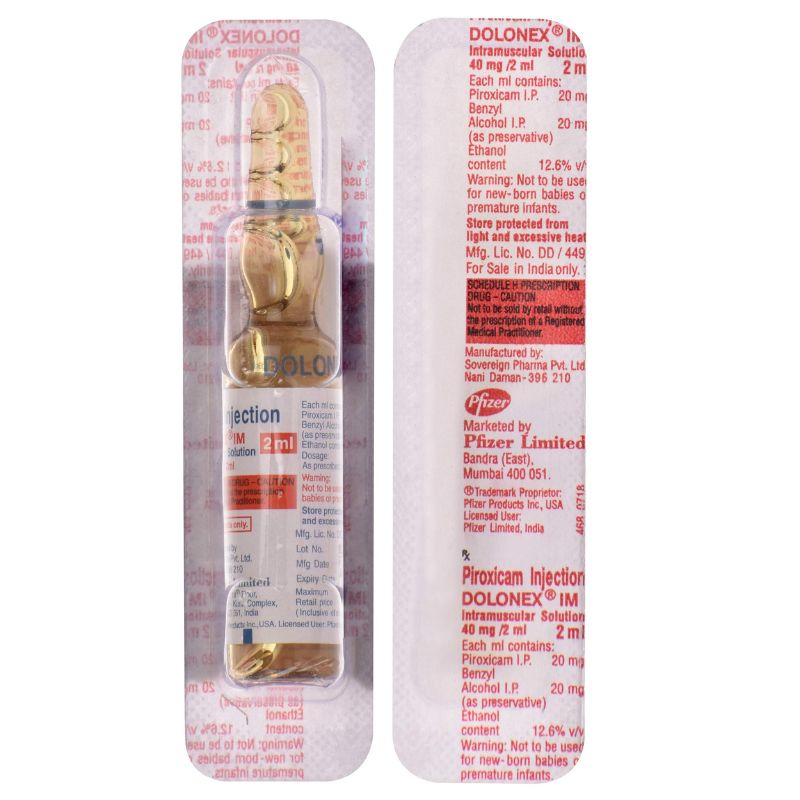
Dolonex IM Injection contains Piroxicam (20mg), a non-steroidal anti-inflammatory drug (NSAID) used for the short-term management of pain and inflammation in conditions such as arthritis, muscle pain, and postoperative pain. It provides fast and effective relief by inhibiting prostaglandins — substances in the body responsible for causing pain, swelling, and inflammation. The injection form is particularly useful when rapid pain relief is required or when oral administration is not possible.
Uses:
-
Rheumatoid arthritis
-
Osteoarthritis
-
Ankylosing spondylitis
-
Acute musculoskeletal pain
-
Postoperative pain or trauma-related pain
-
Severe joint or back pain
Dosage:
-
The usual dose is one intramuscular (IM) injection of 20mg once daily, or as advised by the physician.
-
The duration of treatment depends on the severity of pain and medical condition.
-
Not recommended for prolonged use without medical supervision.
How to Use:
-
Administered intramuscularly (IM) by a doctor or trained healthcare professional only.
-
Should not be self-administered.
-
The injection must be given deep into the muscle to avoid irritation or tissue damage.
Precautions:
-
Avoid use in patients with ulcers, bleeding disorders, kidney, liver, or heart problems unless prescribed.
-
Not recommended during pregnancy or breastfeeding.
-
Avoid combining with other NSAIDs, alcohol, or anticoagulant medicines.
-
Inform your doctor if you have asthma, hypertension, or gastric issues before taking this injection.
Side Effects:
-
Pain or redness at the injection site
-
Nausea or vomiting
-
Stomach discomfort or heartburn
-
Dizziness or headache
-
Rare: stomach ulcers, kidney problems, or allergic reactions

DYtor Injection contains Torasemide (10mg), a loop diuretic used to remove excess water and salt from the body. It is administered by injection under medical supervision and is typically prescribed for patients who require rapid or controlled diuresis (urine output), especially when oral tablets are not feasible.
This medicine helps reduce edema (swelling) caused by heart failure, kidney disease, or liver cirrhosis and also aids in managing high blood pressure. By increasing urine production, DYtor Injection helps relieve fluid overload, shortness of breath, and swelling in legs or abdomen.
Uses:
-
Edema (fluid retention) due to heart, kidney, or liver disorders
-
Hypertension (high blood pressure)
-
Management of acute heart failure
-
Conditions requiring rapid diuresis
Dosage:
-
The dosage is determined by the doctor based on the patient’s condition and response.
-
Administered intravenously (IV) or intramuscularly (IM) by a qualified healthcare professional only.
-
Duration and dose vary as per medical requirement.
How to Use:
Precautions:
-
Inform your doctor if you have kidney problems, liver disease, dehydration, or electrolyte imbalance.
-
Use with caution in pregnant or breastfeeding women.
-
Avoid combining with other diuretics or potassium supplements unless prescribed.
-
Monitor blood pressure, kidney function, and electrolyte levels regularly during treatment.
Side Effects:

Encorate Injection is a prescription antiepileptic medicine containing Sodium Valproate. It is used for the management of seizures in patients who cannot take oral medication or need rapid control of epileptic episodes. It works by stabilizing electrical activity in the brain, reducing abnormal nerve impulses, and preventing seizures.
Uses:
-
Management of epilepsy (all types of seizures)
-
Rapid control of acute seizure episodes
-
Used when oral medications are not feasible
-
May also be used in certain mood disorders or migraine prevention, as prescribed
How to Use:
-
Administered only under medical supervision by a healthcare professional.
-
Dosage depends on the patient’s condition, age, and response to therapy.
-
Usually given as an intravenous infusion or slow injection.
-
Do not self-administer.
Precautions:
-
Use strictly under medical supervision.
-
Inform your doctor if you have liver, pancreas, or blood disorders.
-
Regular monitoring of liver function and blood tests is required.
-
Avoid alcohol during treatment.
-
Pregnant or breastfeeding women should use only if clearly advised by a doctor.
-
Monitor for signs of overdose, allergic reactions, or unusual side effects.
Possible Side Effects:
-
Nausea, vomiting
-
Drowsiness, dizziness
-
Tremors or shakiness
-
Weight gain (with repeated doses)
-
Rare but serious: liver damage, pancreatitis, low platelets, severe allergic reactions (seek immediate medical help)
Important:

Endoxan-N 1 G Injection contains Cyclophosphamide, a powerful alkylating agent used in chemotherapy. It works by interfering with the DNA replication process in rapidly dividing cells, leading to cell death. This makes it highly effective in treating various types of cancers, including hematological malignancies and solid tumors.
Cyclophosphamide is also used in certain autoimmune and inflammatory conditions, such as lupus nephritis or severe vasculitis, under strict medical supervision, due to its immunosuppressive effects.
Endoxan-N 1 G is typically administered intravenously under close monitoring in a hospital or clinical setting because of its potency and potential for serious side effects.
Uses of Endoxan-N 1 G Injection
How It Works
-
Cyclophosphamide is converted in the liver to active metabolites.
-
These metabolites form cross-links in DNA, preventing the cancer cells from replicating and dividing.
-
Rapidly dividing cells, such as cancer cells, are more susceptible, leading to cell death and tumor reduction.
-
The drug also suppresses overactive immune cells in autoimmune conditions.
Dosage and Administration
-
Administered intravenously by a qualified healthcare professional.
-
Dose varies depending on:
-
Usually given in cycles, with rest periods to allow the body to recover.
-
Close monitoring of blood counts, liver, and kidney function is essential.
Side Effects
Common side effects:
Serious side effects:
-
Severe immunosuppression leading to infections
-
Bladder toxicity (hemorrhagic cystitis)
-
Liver or kidney dysfunction
-
Allergic reactions (rash, swelling, difficulty breathing)
-
Risk of secondary cancers with long-term use
Patients are advised to report any unusual bleeding, fever, or persistent fatigue immediately.
Precautions
-
Use only under strict medical supervision.
-
Regular monitoring of blood counts, kidney, and liver function is mandatory.
-
Maintain adequate hydration to reduce risk of bladder toxicity.
-
Avoid pregnancy; use effective contraception during and after treatment.
-
Patients should avoid exposure to infections due to immunosuppression.
Drug Interactions
-
Other chemotherapy agents – may increase toxicity
-
Vaccines – live vaccines should be avoided
-
Immunosuppressants – additive effects on immune suppression
-
Drugs affecting liver enzymes – may alter metabolism of Cyclophosphamide
All concomitant medications should be discussed with the oncologist.
Storage Instructions
-
Store below 25°C, protected from light.
-
Keep in original packaging until use.
-
Use immediately after reconstitution or as directed by the healthcare professional.
Key Benefits of Endoxan-N 1 G Injection
-
Effective anti-cancer therapy for a variety of malignancies
-
Can be combined with other chemotherapy agents for enhanced effect
-
Immunosuppressive properties helpful in autoimmune disorders
-
Administered under controlled conditions to maximize efficacy and minimize toxicity
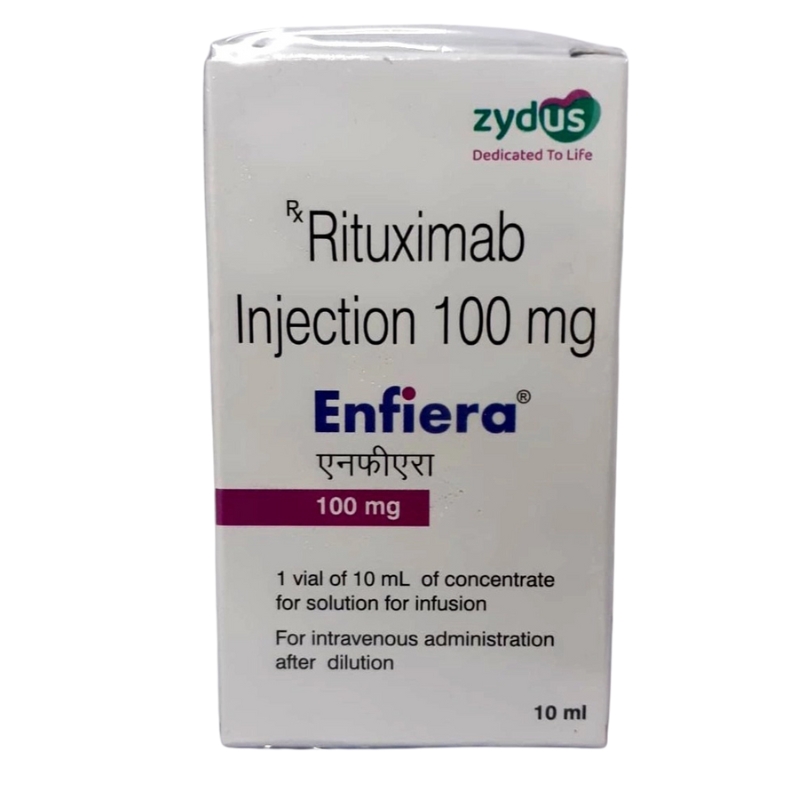
Enfiera 100mg Injection contains Rituximab, a monoclonal antibody that specifically targets CD20 proteins on the surface of B-cells, a type of white blood cell involved in the immune response. By binding to CD20, Rituximab helps destroy abnormal or malignant B-cells, making it highly effective in the treatment of certain cancers and autoimmune diseases.
Rituximab is widely used in hematological malignancies, such as non-Hodgkin lymphoma and chronic lymphocytic leukemia, as well as in autoimmune conditions like rheumatoid arthritis. Its mechanism allows for targeted therapy, which helps in reducing the proliferation of disease-causing cells while minimizing impact on healthy cells.
Enfiera 100mg Injection is administered intravenously under medical supervision, often in a hospital or infusion center due to the risk of infusion reactions.
Uses of Enfiera 100mg Injection
How It Works
-
Rituximab binds to the CD20 antigen on B-cells.
-
This triggers cell-mediated cytotoxicity and apoptosis (programmed cell death) of targeted B-cells.
-
Reduction in abnormal B-cells helps control tumor growth in cancers and modulate immune responses in autoimmune diseases.
-
Provides a targeted approach, sparing most non-B-cells from damage.
Dosage and Administration
-
Administered intravenously by trained healthcare professionals.
-
Dose depends on:
-
Patient’s weight and body surface area
-
Specific disease being treated
-
Concomitant medications or combination therapies
-
Usually given in cycles, with premedication to reduce infusion-related reactions.
-
Patients are monitored during and after infusion for allergic or infusion reactions.
Side Effects
Common side effects:
-
Fever, chills, and fatigue during or after infusion
-
Nausea or vomiting
-
Mild headache or dizziness
-
Sore throat or cough
Serious side effects (rare):
-
Severe infusion reactions (difficulty breathing, rash, hypotension)
-
Infections due to immunosuppression
-
Low blood cell counts (anemia, leukopenia, thrombocytopenia)
-
Reactivation of hepatitis B in carriers
-
Cardiac complications in sensitive patients
Immediate medical attention is required for serious reactions.
Precautions
-
Use only under strict medical supervision in a hospital or infusion center.
-
Patients should be screened for hepatitis B and C before starting therapy.
-
Avoid live vaccines during treatment due to immune suppression.
-
Inform the doctor of all medications and pre-existing conditions.
-
Pregnant or breastfeeding women should use only if prescribed and monitored.
Drug Interactions
-
Other immunosuppressants or chemotherapy agents – may increase risk of infections or toxicity
-
Live vaccines – contraindicated during treatment
-
Certain biologics or monoclonal antibodies – may increase immune suppression
All concomitant therapies must be discussed with the treating physician.
Storage Instructions
-
Store between 2–8°C; do not freeze.
-
Protect from light and agitation.
-
Use immediately after preparation as per manufacturer guidelines.
-
Keep out of reach of children.
Key Benefits of Enfiera 100mg Injection
-
Provides targeted therapy against B-cell malignancies and autoimmune diseases
-
Helps reduce tumor burden and control abnormal immune activity
-
Administered under controlled conditions to ensure safety and efficacy
-
Can be used in combination with chemotherapy or other immunosuppressive drugs
-

Entroflora Suspension is a probiotic formulation containing Bacillus clausii, a beneficial spore-forming bacterium known for its ability to survive stomach acidity and colonize the intestine. It helps in restoring the natural balance of gut microflora, improving digestion, and protecting against harmful infections. This suspension is suitable for both adults and children, especially in cases of diarrhea or gastrointestinal upset.
Health Benefits & Uses
-
Helps in the treatment and prevention of diarrhea (antibiotic-associated, infectious, or traveler’s diarrhea)
-
Restores healthy intestinal microflora disrupted by illness or medication
-
Supports management of gastroenteritis and intestinal dysbiosis
-
Enhances digestion and nutrient absorption
-
Boosts immune defense by maintaining a healthy gut environment
-
Provides relief from bloating, abdominal discomfort, and indigestion
How it Works
Dosage & Administration
-
Typically taken 1–2 times daily, or as directed by a healthcare professional.
-
Can be consumed directly or mixed with water/juice.
-
Shake well before use.
Possible Side Effects
Generally safe and well tolerated. Rarely may cause:
Precautions
-
Not a substitute for a balanced diet or medical therapy.
-
Use with caution in severely immunocompromised patients.
-
Pregnant or breastfeeding women should seek medical advice before use.
-
Store in a cool, dry place, away from direct sunlight.
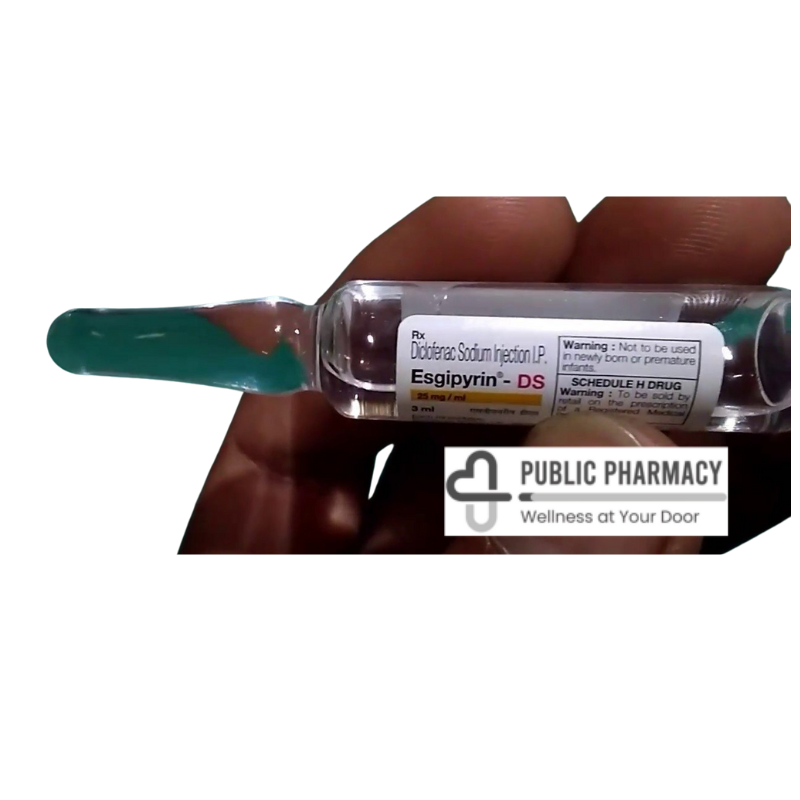
ESGIPYRIN DS Injection is a non-steroidal anti-inflammatory drug (NSAID) that contains Diclofenac (25mg/ml) as its active ingredient. It is widely used for the management of pain, inflammation, and swelling associated with various medical conditions. The injection form allows for fast relief in acute cases where oral medicines may not be suitable or effective.
Diclofenac works by reducing the production of chemical messengers called prostaglandins, which are responsible for causing pain, fever, and inflammation. ESGIPYRIN DS Injection is usually administered in a clinical or hospital setting under the supervision of a healthcare professional.
Uses of ESGIPYRIN DS Injection
-
Relief from moderate to severe pain (post-surgical, injury-related, or musculoskeletal pain)
-
Treatment of inflammation and swelling in conditions such as arthritis, spondylitis, and sports injuries
-
Management of acute musculoskeletal disorders
-
Pain associated with renal colic or gallstones
-
Short-term treatment of post-operative pain when oral therapy is not possible
How it Works
Diclofenac in ESGIPYRIN DS Injection inhibits the enzyme cyclooxygenase (COX), which is responsible for the formation of prostaglandins. By lowering prostaglandin levels, the medicine reduces pain, swelling, stiffness, and fever, providing quick symptomatic relief.
Dosage & Administration
-
The injection is usually given intramuscularly (IM) by a doctor or nurse.
-
The exact dosage depends on the patient’s age, weight, and severity of the condition.
-
It is meant for short-term use only; prolonged use may increase the risk of side effects.
-
Not for self-administration – should always be given under medical supervision.
Possible Side Effects
Common side effects:
-
Pain, redness, or swelling at the injection site
-
Nausea, vomiting, or indigestion
-
Headache or dizziness
Serious side effects (seek immediate medical attention):
-
Stomach ulcers, bleeding, or severe abdominal pain
-
Allergic reactions such as rash, itching, swelling of face/lips
-
Breathing difficulties, chest pain (rare but serious cardiovascular risks)
-
Liver or kidney dysfunction symptoms (yellowing of eyes/skin, dark urine)
Warnings & Precautions
-
Pregnancy & Breastfeeding: Not recommended, especially in the third trimester of pregnancy.
-
Heart & Kidney Patients: Use with caution in people with heart disease, high blood pressure, or kidney impairment.
-
Stomach Issues: May increase the risk of ulcers and gastrointestinal bleeding – inform your doctor if you have a history of stomach problems.
-
Drug Interactions: Can interact with blood thinners, other NSAIDs, steroids, and certain antihypertensive medicines.
Storage Instructions
-
Store in a cool, dry place, away from direct light.
-
Keep out of reach of children.
-
Do not freeze.
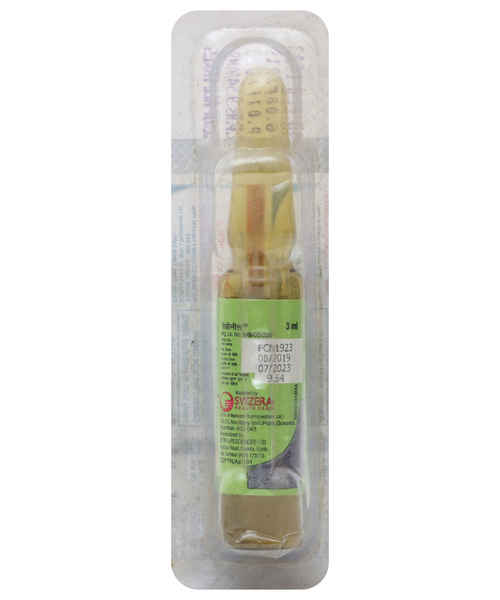
Febrinil Injection 3 ml is an antipyretic and analgesic medication containing Paracetamol (150mg). It is used to reduce fever and relieve mild to moderate pain in patients who cannot take oral medication. This injection provides rapid relief by directly entering the bloodstream, ensuring quick action in managing fever, headache, post-surgical pain, and musculoskeletal discomfort.
Uses:
-
Reduces fever (antipyretic action)
-
Relieves mild to moderate pain such as headache, muscle pain, or joint pain
-
Used for post-surgery pain management
-
Helps control fever in children or adults when oral intake is not possible
How to Use:
-
Administered by a healthcare professional only via intravenous (IV) or intramuscular (IM) route.
-
The dosage depends on the patient’s age, weight, and medical condition.
-
Do not self-administer.
Precautions:
-
Inform your doctor if you have liver or kidney disease.
-
Avoid using other medicines containing Paracetamol to prevent overdose.
-
Use with caution in alcoholic patients or those with chronic malnutrition.
-
Monitor liver function during prolonged use.
Side Effects:
-
Pain or redness at the injection site
-
Nausea or vomiting
-
Allergic reactions (rare)
-
Low blood pressure (in rare IV cases)
-
Elevated liver enzymes (on prolonged or high-dose use)
Key Benefits:
-
Provides quick fever reduction
-
Effective pain relief for patients unable to take oral medicine
-
Safe and well-tolerated when administered under medical supervision