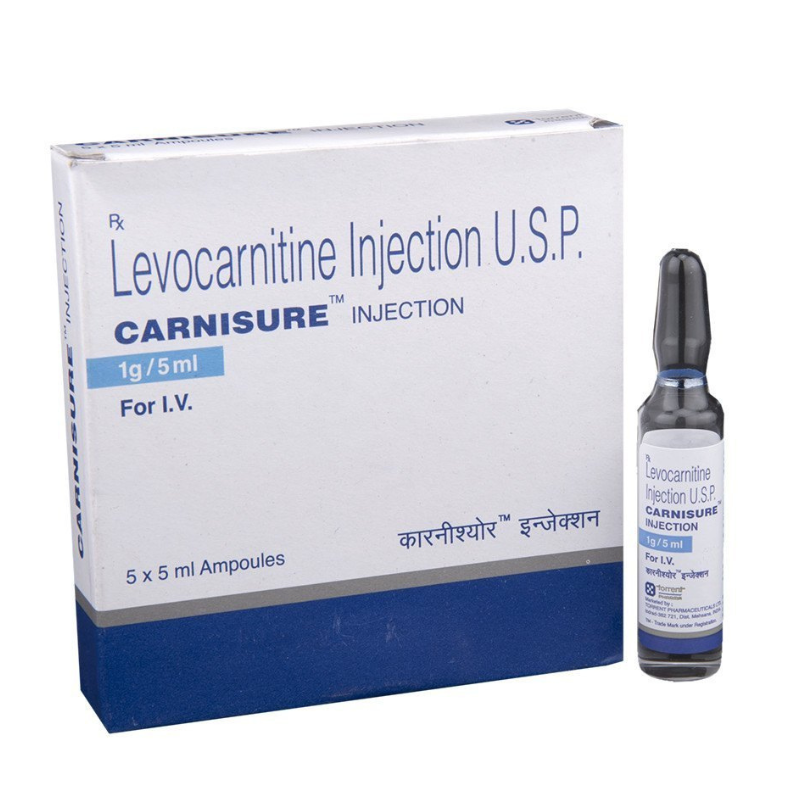
Carnisure Injection contains Levo-carnitine 1gm, an essential amino-acid derivative involved in fatty acid metabolism and energy production. This injectable form is used when oral administration is not feasible or when rapid correction of carnitine deficiency is required, especially in hospitalized or critically ill patients.
Uses of Carnisure Injection
-
Primary and secondary carnitine deficiency
-
Carnitine deficiency in patients on dialysis
-
Severe fatigue and muscle weakness
-
Metabolic disorders requiring parenteral support
-
Supportive therapy in cardiac and neuromuscular conditions
Dosage & Administration
-
Administered by a healthcare professional only
-
Given via intravenous or intramuscular route as prescribed
-
Dose and duration depend on patient condition
Possible Side Effects
Precautions & Warnings
-
Inform your doctor if you have kidney disease or seizure disorders
-
Monitor renal function during prolonged use
-
Use during pregnancy or breastfeeding only if clearly needed
-
Do not self-administer
Storage Instructions

Cilaxin Injection is a broad-spectrum intravenous antibiotic used to treat severe bacterial infections, including intra-abdominal infections, respiratory tract infections, urinary tract infections, and sepsis. It contains:
-
Imipenem, a carbapenem antibiotic that kills a wide range of bacteria
-
Cilastatin, which prevents the breakdown of imipenem in the kidneys, ensuring effective antibiotic levels
Main Uses:
-
Treatment of severe bacterial infections
-
Management of complicated urinary tract, respiratory, and intra-abdominal infections
-
Prevention and treatment of hospital-acquired infections
How it Works:
-
Imipenem inhibits bacterial cell wall synthesis, leading to bacterial death
-
Cilastatin protects imipenem from enzymatic degradation in the kidneys, prolonging its effectiveness
Dosage:
-
Administer as prescribed by your doctor, usually via intravenous infusion in a hospital or clinical setting
-
Dosage depends on infection type, severity, and patient condition
Side Effects:
-
Nausea, vomiting, or diarrhea
-
Rash or allergic reactions
-
Injection site reactions
-
Rare seizures, especially in patients with kidney issues
Precautions:
-
Use under strict medical supervision
-
Monitor kidney function, liver function, and blood counts during therapy
-
Avoid in patients with allergy to beta-lactam antibiotics
-
Pregnant or breastfeeding women should consult a doctor before use
Storage:
Store below 25°C, protected from light. Keep out of reach of children. Reconstituted solution should be used as directed by the manufacturer.
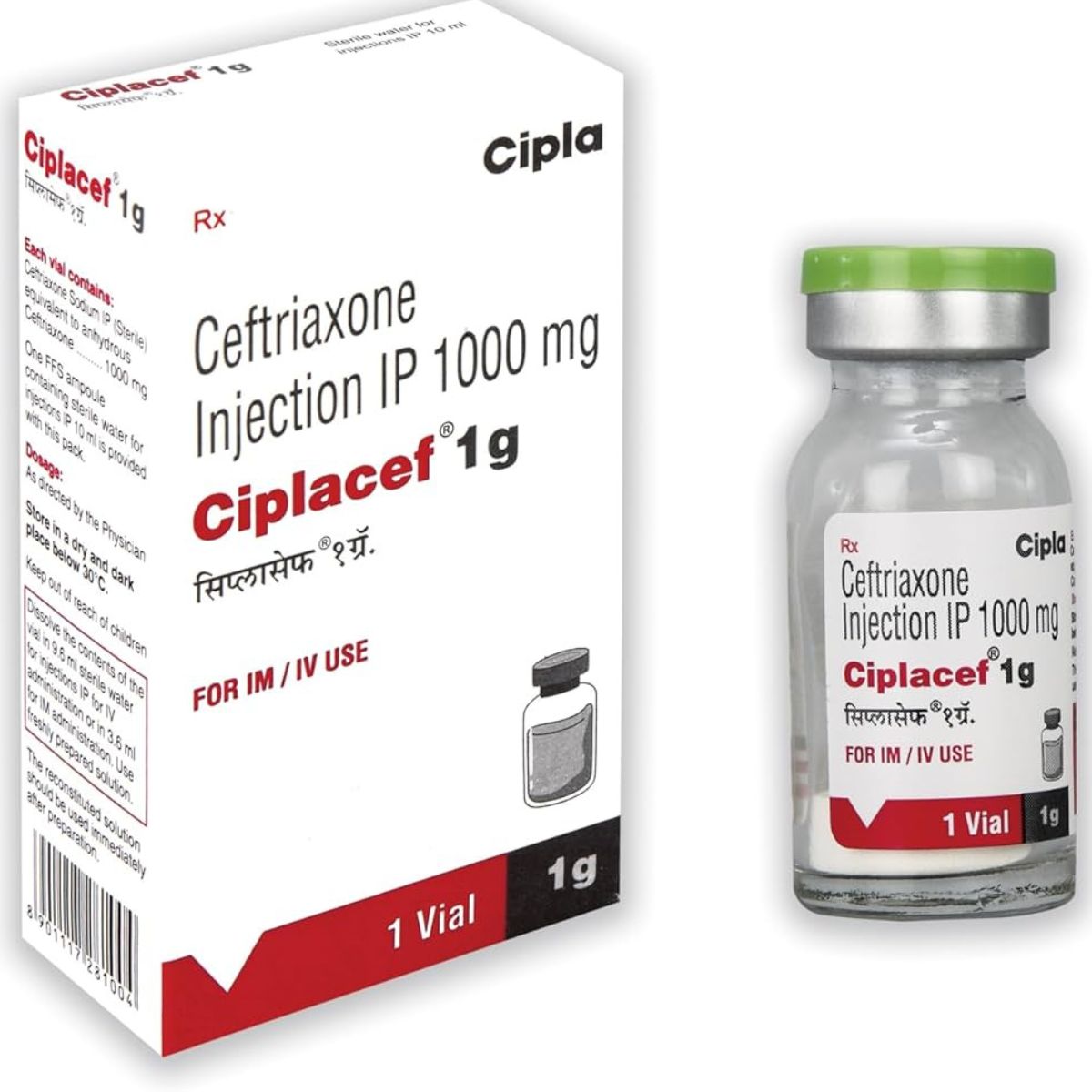
Ciplacef 1gm Injection is a prescription antibiotic containing Ceftriaxone 1gm, a third-generation cephalosporin antibiotic effective against a broad range of bacterial infections. It is commonly used in hospitals and clinics for treating moderate to severe infections caused by susceptible bacteria.
Ceftriaxone works by preventing bacteria from forming their protective cell wall, leading to bacterial death. It is administered only by a qualified healthcare professional through intravenous (IV) or intramuscular (IM) injection.
Uses of Ciplacef 1gm Injection
- Pneumonia and respiratory tract infections
- Urinary tract infections (UTIs)
- Skin and soft tissue infections
- Bone and joint infections
- Intra-abdominal infections
- Septicemia (bloodstream infections)
- Meningitis
- Gonorrhea
- Surgical infection prevention (as advised by a doctor)
Benefits of Ciplacef 1gm Injection
- Effectively treats serious bacterial infections
- Broad-spectrum antibacterial action
- Helps prevent the spread of infection
- Promotes faster recovery
- Suitable for hospital and clinical use
How Ciplacef 1gm Injection Works
Ceftriaxone inhibits the formation of the bacterial cell wall, which is essential for bacterial survival. This causes the bacteria to die, helping the body eliminate the infection.
Dosage
- Ciplacef 1gm Injection should be administered only by a doctor or qualified healthcare professional.
- The dosage depends on the type and severity of the infection, age, body weight, and kidney or liver function.
- Complete the full course of treatment as prescribed.
How to Use
- Administer as an intravenous (IV) or intramuscular (IM) injection.
- Do not self-administer unless specifically instructed by your healthcare provider.
Side Effects
Common side effects include:
- Pain or redness at the injection site
- Diarrhea
- Nausea
- Vomiting
- Skin rash
- Headache
- Mild elevation of liver enzymes
Seek immediate medical attention if you experience severe diarrhea, allergic reactions, difficulty breathing, or swelling of the face, lips, or throat.
Precautions
- Inform your doctor if you are allergic to cephalosporins, penicillins, or other antibiotics.
- Use with caution in patients with kidney or liver disease.
- Inform your doctor if you are pregnant or breastfeeding.
- Do not use this medicine for viral infections such as the common cold or flu.
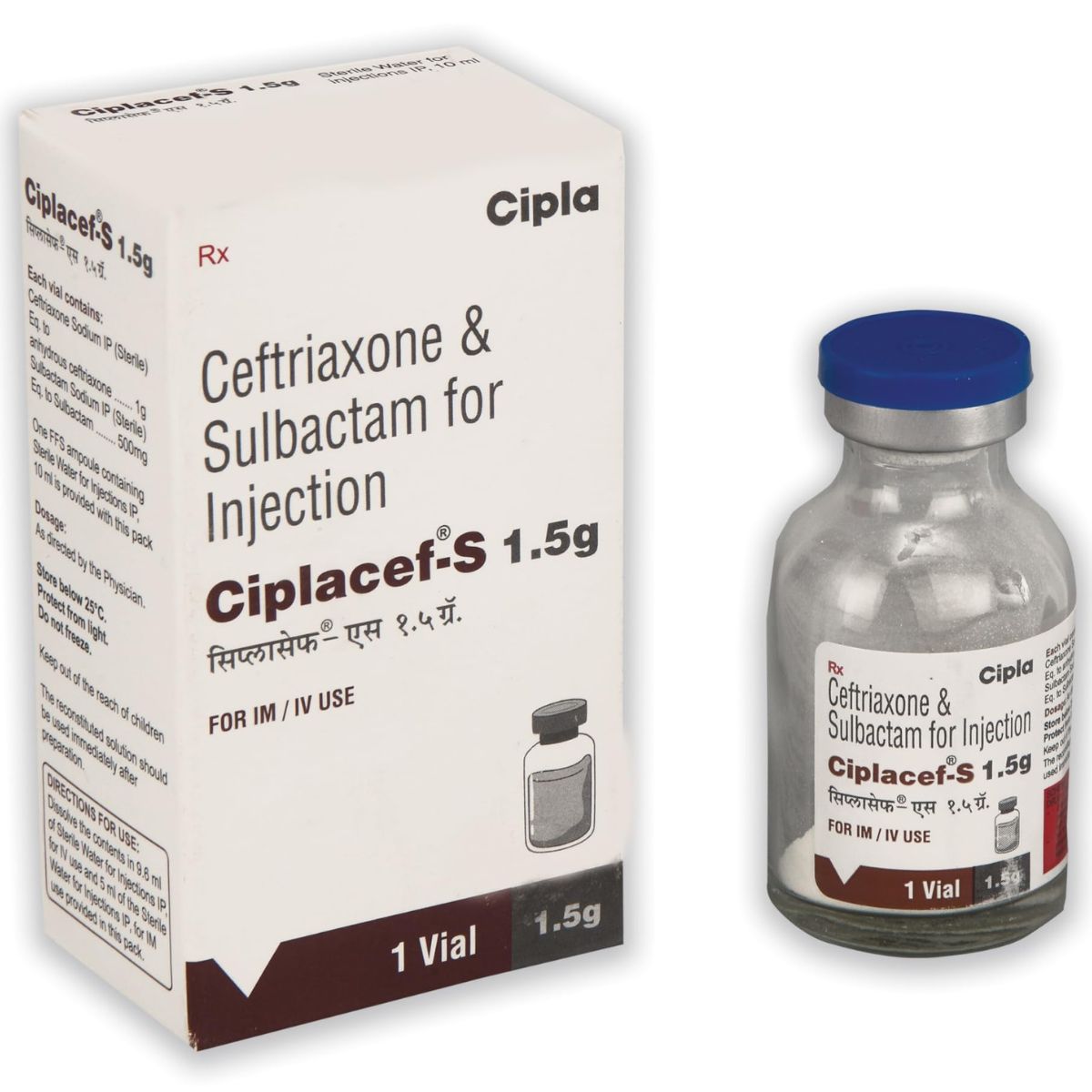
Ciplacef-S 1.5g Injection is a prescription antibiotic containing Ceftriaxone, a third-generation cephalosporin antibiotic, and Sulbactam, a beta-lactamase inhibitor. This combination is effective against a wide range of bacterial infections, including those caused by bacteria that produce beta-lactamase enzymes.
Sulbactam protects Ceftriaxone from bacterial enzymes that can destroy antibiotics, thereby improving its effectiveness. The injection is administered only by a qualified healthcare professional.
Uses of Ciplacef-S 1.5g Injection
- Pneumonia and other respiratory tract infections
- Urinary tract infections (UTIs)
- Skin and soft tissue infections
- Bone and joint infections
- Intra-abdominal infections
- Gynecological infections
- Septicemia (bloodstream infections)
- Meningitis
- Surgical infection prevention (as advised by a doctor)
Benefits of Ciplacef-S 1.5g Injection
- Effectively treats a wide range of bacterial infections
- Provides broad-spectrum antibacterial coverage
- Helps overcome beta-lactamase-mediated resistance
- Reduces infection-related symptoms and complications
- Promotes faster recovery when used appropriately
How Ciplacef-S 1.5g Injection Works
- Ceftriaxone kills bacteria by preventing the formation of their protective cell wall, leading to bacterial death.
- Sulbactam inhibits beta-lactamase enzymes produced by certain bacteria, protecting Ceftriaxone from breakdown and enhancing its antibacterial activity.
Dosage
- Ciplacef-S 1.5g Injection should be administered only by a doctor or qualified healthcare professional.
- The dose and duration depend on the type and severity of the infection, age, kidney function, and overall health.
- Complete the full course of treatment even if symptoms improve.
How to Use
- Administer as an intravenous (IV) or intramuscular (IM) injection as directed by your doctor.
- Do not self-administer unless specifically instructed by a healthcare professional.
Side Effects
Common side effects include:
- Pain or swelling at the injection site
- Diarrhea
- Nausea
- Vomiting
- Skin rash
- Headache
- Mild elevation of liver enzymes
Seek immediate medical attention if you develop severe diarrhea, allergic reactions, difficulty breathing, or swelling of the face, lips, or throat.
Precautions
- Inform your doctor if you are allergic to cephalosporins, penicillins, or other antibiotics.
- Use with caution in patients with liver or kidney disease.
- Inform your doctor if you are pregnant or breastfeeding.
- Antibiotics should only be used for bacterial infections and are not effective against viral illnesses such as the common cold or flu.

Uses:
Clexane 40mg Injection is an anticoagulant used to prevent and treat blood clots. It is commonly prescribed for conditions such as deep vein thrombosis (DVT), pulmonary embolism (PE), and to reduce the risk of clot formation after surgery or in patients with acute coronary syndromes.
How to Use:
Administer the injection subcutaneously (under the skin) as directed by your healthcare professional. Do not inject into a vein or muscle. Follow the prescribed dosage and schedule carefully.
Dosage:
Precautions:
-
Inform your doctor if you have bleeding disorders, kidney problems, or a history of heparin-induced thrombocytopenia.
-
Avoid activities that may increase the risk of bleeding or bruising.
-
Pregnant or breastfeeding women should use only under medical supervision.
Side Effects:
Common side effects may include mild bleeding, bruising at the injection site, or pain at the injection site. Rarely, severe bleeding, low platelet count, or allergic reactions may occur; seek immediate medical attention if severe.

Uses:
Clexane 60mg Injection is an anticoagulant used to prevent and treat blood clots. It is commonly prescribed for deep vein thrombosis (DVT), pulmonary embolism (PE), and to reduce the risk of clot formation after surgery or in patients with acute coronary syndromes.
How to Use:
Administer the injection subcutaneously (under the skin) as directed by a healthcare professional. Do not inject into a vein or muscle. Follow the prescribed dosage and schedule carefully.
Dosage:
Precautions:
-
Inform your doctor if you have bleeding disorders, kidney problems, or a history of heparin-induced thrombocytopenia.
-
Avoid activities that may increase the risk of bleeding or bruising.
-
Pregnant or breastfeeding women should use only under medical supervision.
Side Effects:
Common side effects may include mild bleeding, bruising at the injection site, or pain at the injection site. Rarely, severe bleeding, low platelet count, or allergic reactions may occur; seek immediate medical attention if severe
Colik Injection is a combination medicine containing Dicyclomine and Diclofenac. It is used to provide relief from abdominal cramps, spasms, and pain associated with gastrointestinal disorders. Dicyclomine is an antispasmodic that relaxes the smooth muscles of the gut, while Diclofenac is a non-steroidal anti-inflammatory drug (NSAID) that helps reduce pain and inflammation.
Uses:
-
Relieves abdominal cramps and spasms
-
Reduces pain and inflammation in gastrointestinal conditions
-
Used in irritable bowel syndrome (IBS) and other functional gut disorders
-
Provides rapid relief in acute abdominal discomfort
How to Use:
-
Administered intramuscularly (IM) or intravenously (IV) by a healthcare professional.
-
Dosage and frequency depend on the patient’s condition and age.
-
Do not self-administer; professional supervision is required.
Precautions:
-
Avoid use in patients with peptic ulcer, gastrointestinal bleeding, severe kidney or liver disease.
-
Use with caution in cardiovascular disorders or if allergic to NSAIDs or anticholinergics.
-
Monitor for allergic reactions or adverse effects.
Side Effects:
-
Nausea or vomiting
-
Dizziness or headache
-
Mild abdominal discomfort
-
Rare: Allergic reactions, palpitations, or low blood pressure
Key Benefits:
-
Provides quick relief from gut spasms and pain
-
Combines antispasmodic and anti-inflammatory actions
-
Useful in acute and chronic gastrointestinal conditions
-
Administered under medical supervision for safe and effective treatment
Covatil 1500mg Injection contains Cefuroxime 1500mg, a broad-spectrum second-generation cephalosporin antibiotic. It is used for the treatment of severe bacterial infections and is commonly administered in hospital settings. Cefuroxime works by inhibiting bacterial cell wall synthesis, leading to bacterial death and effective infection control.
Uses of Covatil 1500mg Injection
-
Severe respiratory tract infections
-
Urinary tract infections
-
Skin and soft tissue infections
-
Bone and joint infections
-
Intra-abdominal and gynecological infections
-
Prevention of infections during surgery
Dosage & Administration
-
Administered only by a qualified healthcare professional
-
Given intravenously (IV) or intramuscularly (IM)
-
Dose and duration depend on infection severity, patient age, and kidney function
Possible Side Effects
-
Pain, redness, or swelling at injection site
-
Nausea, vomiting, or diarrhea
-
Skin rash or itching
-
Headache or dizziness
-
Rarely, allergic reactions
Precautions & Warnings
-
Avoid use if allergic to cephalosporin or penicillin antibiotics
-
Use cautiously in patients with kidney disease
-
Not effective for viral infections like flu or common cold
-
Complete the full course as prescribed
Storage Instructions
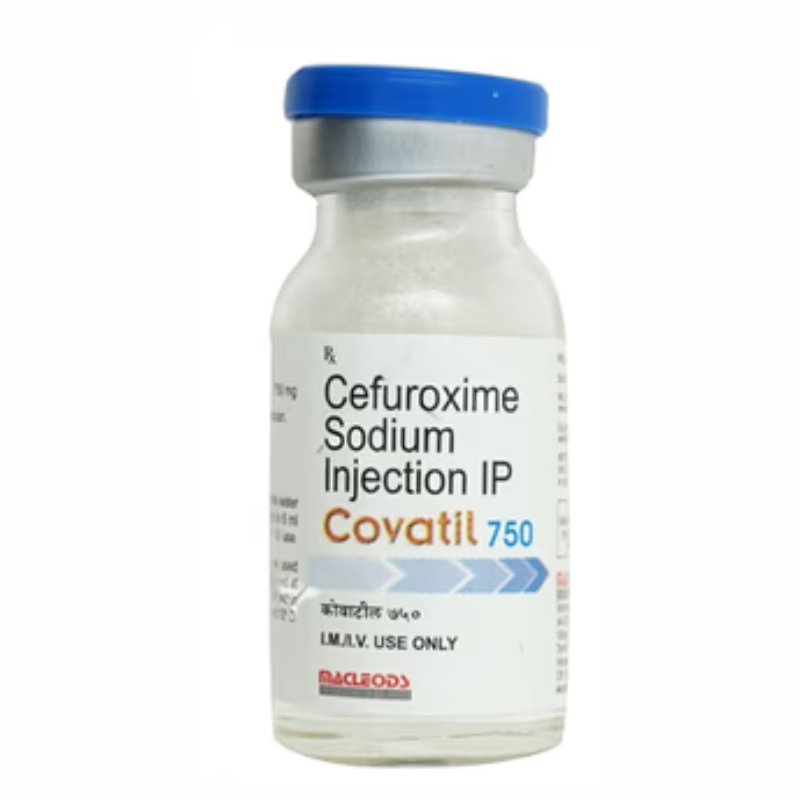
Covatil 750mg Injection contains Cefuroxime 750mg, a second-generation cephalosporin antibiotic used to treat a wide range of moderate to severe bacterial infections. It works by preventing the formation of the bacterial cell wall, thereby killing bacteria and stopping the spread of infection. This injectable form is preferred in hospitalized patients or when oral antibiotics are not effective.
Uses of Covatil 750mg Injection
-
Respiratory tract infections
-
Urinary tract infections
-
Skin and soft tissue infections
-
Bone and joint infections
-
Gynecological infections
-
Surgical prophylaxis
Dosage & Administration
-
To be administered only by a healthcare professional
-
Given via intravenous (IV) or intramuscular (IM) injection
-
Dosage depends on infection severity, age, and kidney function
Possible Side Effects
Precautions & Warnings
-
Inform your doctor about any allergy to antibiotics
-
Use with caution in patients with kidney impairment
-
Not effective against viral infections
-
Complete the full prescribed course to prevent resistance
Storage Instructions
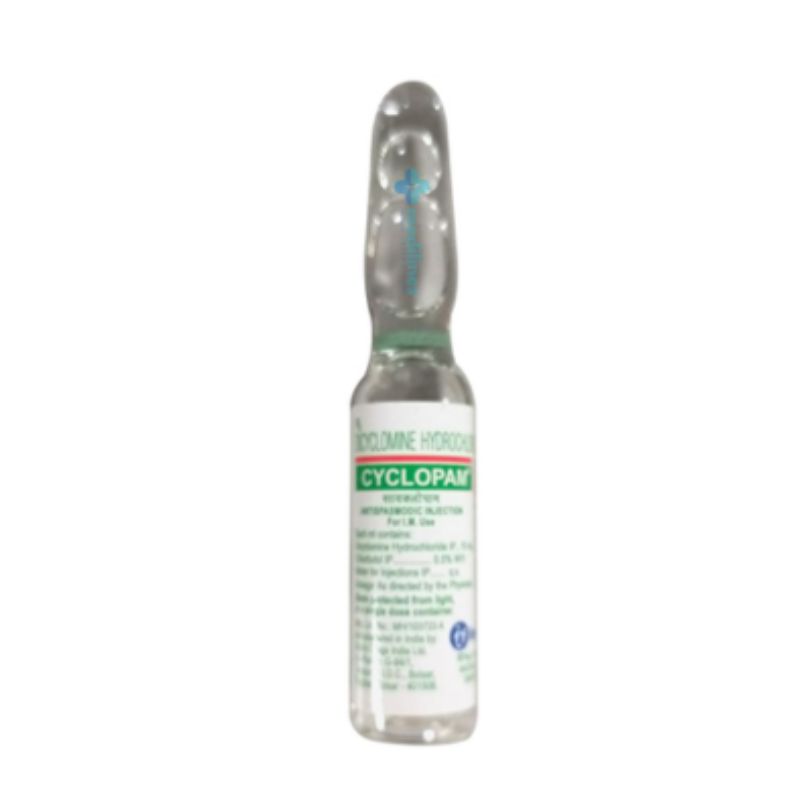
Main Use: Relieves severe abdominal cramps and spasms – Dicyclomine is an antispasmodic that relaxes intestinal muscles to reduce pain and discomfort.
Dosage:
-
Adults: Usually 10–20mg by intramuscular or intravenous injection, 2–3 times daily, or as prescribed by the doctor.
-
Children: Only under strict pediatric supervision; dose adjusted by body weight.
How to Use:
-
Administered by a healthcare professional.
-
Can be given via slow IV injection or deep IM injection.
-
Monitor patient for adverse reactions during administration.
Precautions:
-
Inform your doctor if the patient has glaucoma, intestinal obstruction, myasthenia gravis, heart disease, or liver/kidney problems.
-
Avoid alcohol during treatment.
-
Monitor for dizziness, drowsiness, or allergic reactions.
Side Effects:
-
Common: Dry mouth, dizziness, mild nausea.
-
Rare: Rapid heartbeat, blurred vision, constipation, severe allergic reactions.
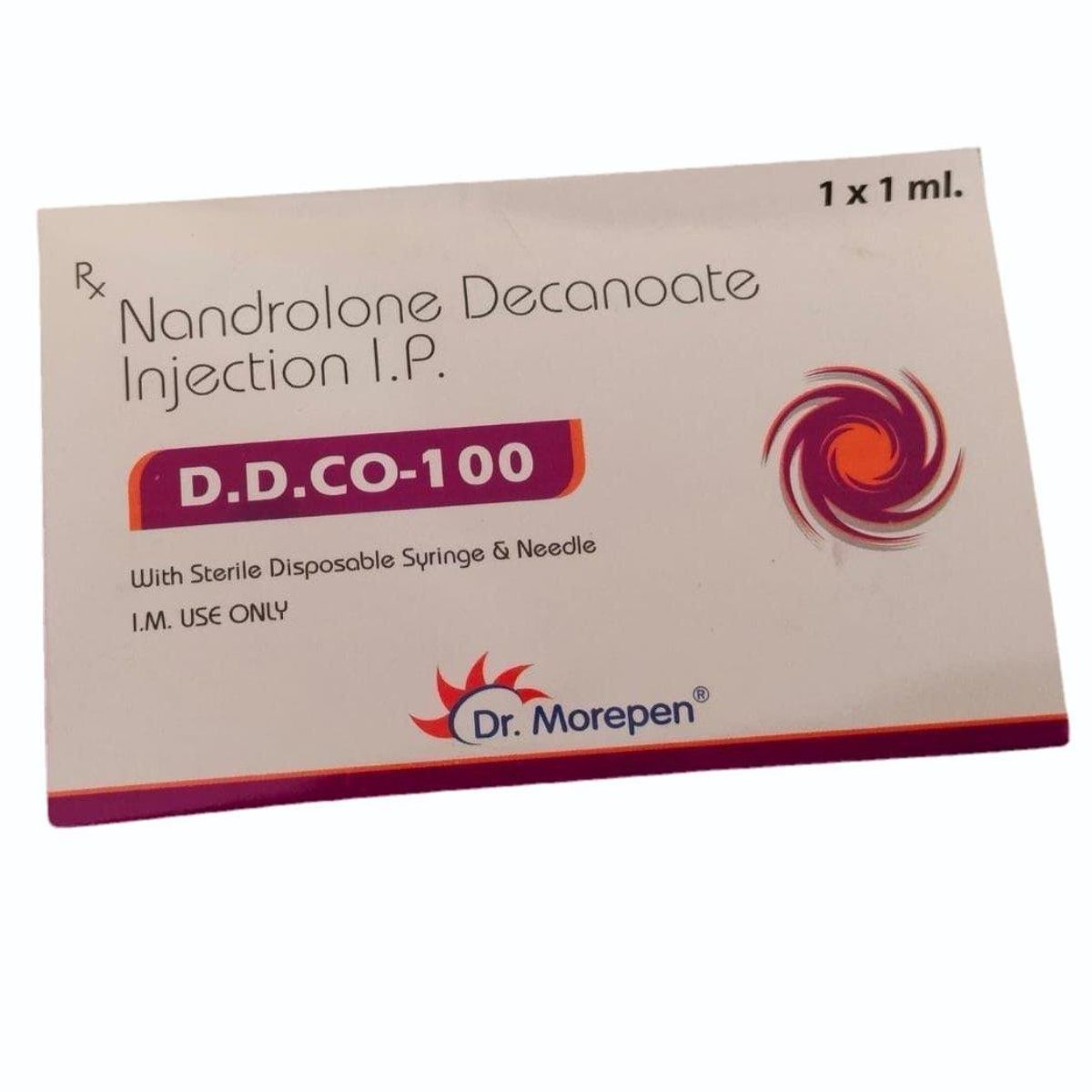
DD Co 100mg Injection is a prescription medicine containing Nandrolone Decanoate 100mg, an anabolic steroid with protein-building properties. It is prescribed for the treatment of osteoporosis, certain types of anemia, and medical conditions causing muscle loss or weakness.
Nandrolone promotes protein synthesis, increases bone mineral density, and stimulates the production of red blood cells. Because it is a steroid medicine with the potential for serious side effects and misuse, it should only be administered under medical supervision.
Uses of DD Co 100mg Injection
- Osteoporosis in postmenopausal women
- Certain types of anemia
- Muscle wasting disorders
- Recovery from chronic debilitating illnesses (when prescribed)
Benefits of DD Co 100mg Injection
- Increases bone strength and density
- Stimulates red blood cell production
- Helps improve muscle mass and strength
- Supports recovery in selected medical conditions
- Improves physical well-being in patients with deficiency-related conditions
How DD Co 100mg Injection Works
Nandrolone Decanoate is an anabolic steroid that promotes protein synthesis and nitrogen retention in the body. It stimulates bone formation, increases red blood cell production in the bone marrow, and helps build and maintain muscle tissue.
Dosage
- DD Co 100mg Injection should be administered only by a doctor or qualified healthcare professional.
- The dosage and frequency depend on the patient’s age, medical condition, and response to treatment.
- Do not self-inject unless specifically instructed by your healthcare provider.
How to Use
- Administer as an intramuscular (IM) injection by a trained healthcare professional.
- Follow your doctor’s prescribed treatment schedule.
- Do not discontinue treatment without consulting your doctor.
Side Effects
Common side effects include:
- Injection site pain
- Acne
- Oily skin
- Fluid retention
- Weight gain
- Nausea
- Mood changes
Serious side effects may include liver problems, increased blood pressure, abnormal cholesterol levels, or hormonal changes. Seek immediate medical attention if you experience chest pain, severe swelling, difficulty breathing, or signs of liver injury.
Precautions
- Not recommended during pregnancy or breastfeeding.
- Inform your doctor if you have heart disease, liver disease, kidney disease, prostate disorders, or a history of cancer.
- Regular monitoring of liver function, blood counts, and lipid profile may be required.
- Avoid using this medicine for bodybuilding or athletic performance enhancement.
Drug Interactions
DD Co 100mg Injection may interact with:
- Blood thinners (e.g., Warfarin)
- Insulin and oral antidiabetic medicines
- Corticosteroids
- Erythropoietin
- Other anabolic steroids
Tell your doctor about all medicines, vitamins, and herbal supplements you are taking.