Remo M Tablet is a combination antidiabetic therapy containing:
-
Remogliflozin Etabonate 100 mg – a SGLT2 inhibitor that increases urinary glucose excretion, lowering blood sugar levels.
-
Metformin 1000 mg – a biguanide that reduces glucose production in the liver and improves insulin sensitivity.
This combination is designed for patients with type 2 diabetes mellitus who require better glycemic control than either medication alone. By targeting different pathways of blood sugar regulation, it provides enhanced glucose control, weight management, and cardiovascular benefits.
Uses of Remo M Tablet
-
Management of type 2 diabetes mellitus
-
Helps lower blood sugar by dual mechanisms (kidney and liver)
-
Assists in weight management in overweight diabetic patients
-
Can be used when monotherapy is insufficient
-
Reduces risk of hyperglycemia-related complications
How to Use
-
Take as prescribed by your doctor, usually once or twice daily.
-
Swallow the tablet whole with water, preferably with meals to reduce stomach upset.
-
Monitor blood sugar regularly while on therapy.
-
Combine with a diabetic diet, exercise, and lifestyle modifications for optimal results.
Side Effects
Common:
-
Gastrointestinal upset (nausea, diarrhea, abdominal discomfort)
-
Increased urination
-
Thirst or mild dehydration
Less common but serious:
-
Lactic acidosis (rare, related to Metformin)
-
Severe urinary tract infections
-
Low blood pressure (hypotension)
-
Ketoacidosis – seek immediate medical attention
Precautions & Warnings
-
Prescription Required – use only under medical supervision.
-
Inform your doctor about kidney, liver, or heart problems before starting therapy.
-
Maintain adequate hydration to prevent dehydration.
-
Not recommended during pregnancy or breastfeeding unless prescribed.
-
Regular kidney function tests and blood sugar monitoring are advised.
-
Report unexplained muscle pain, fatigue, or severe abdominal pain immediately.
Conclusion
Remo M 100mg/1000mg Tablet (Remogliflozin Etabonate 100 mg + Metformin 1000 mg) is an effective dual-action antidiabetic therapy. By combining SGLT2 inhibition and Metformin’s hepatic glucose control, it lowers blood sugar, aids in weight management, and improves overall glycemic control. Proper use under medical supervision, along with diet and lifestyle measures, provides significant benefits in managing type 2 diabetes and preventing long-term complications.
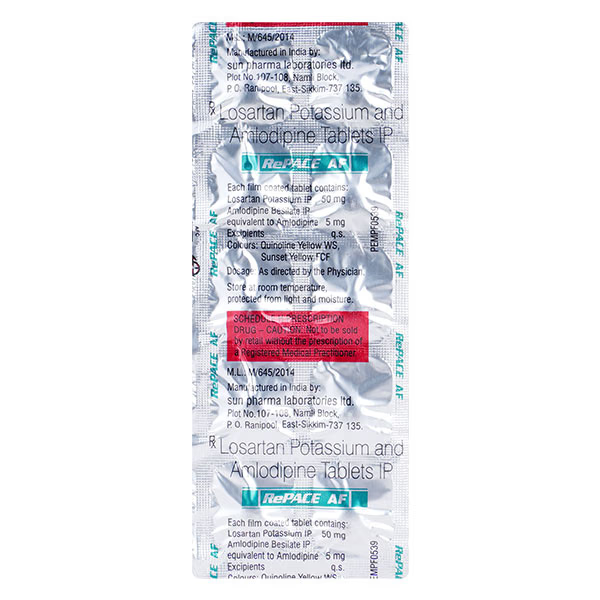
Repace AF Tablet contains Losartan (50mg), an angiotensin II receptor blocker (ARB), and Amlodipine (5mg), a calcium channel blocker, used to treat high blood pressure (hypertension). This combination works by relaxing blood vessels and reducing the heart’s workload, effectively lowering blood pressure and reducing the risk of heart attack, stroke, and kidney complications.
Uses:
-
Management of hypertension
-
Reduces the risk of cardiovascular events such as heart attack or stroke
-
Helps control blood pressure when single-drug therapy is insufficient
How to Use:
Take the tablet as prescribed by your doctor, usually once daily, with or without food. Swallow whole with water.
Dosage:
Precautions:
-
Inform your doctor if you have heart, kidney, or liver problems.
-
Monitor blood pressure regularly.
-
Use caution if experiencing dizziness or low blood pressure.
-
Avoid sudden discontinuation of the medicine.
Side Effects:
-
Dizziness or lightheadedness
-
Swelling of ankles or feet
-
Headache
-
Rare: low blood pressure, kidney issues, or allergic reactions

Resteclin 500 Capsule is a broad-spectrum antibiotic containing Tetracycline, which is used to treat a variety of bacterial infections. It works by inhibiting bacterial protein synthesis, preventing bacterial growth, and allowing the body to eliminate the infection. This higher-strength formulation is often prescribed for moderate to severe infections that require a stronger antibiotic dose.
Uses / Indications:
-
Respiratory tract infections (pneumonia, bronchitis)
-
Skin and soft tissue infections (acne, boils, cellulitis)
-
Urinary tract infections
-
Certain sexually transmitted infections (STIs)
-
Other bacterial infections sensitive to tetracycline
Dosage & Administration:
-
Take exactly as prescribed by your doctor.
-
Administer orally with a full glass of water.
-
Best taken on an empty stomach (1 hour before or 2 hours after meals) for optimal absorption.
-
Complete the full course of treatment even if symptoms improve early to prevent antibiotic resistance.
Possible Side Effects:
-
Nausea, vomiting, diarrhea, or abdominal discomfort
-
Photosensitivity (increased sensitivity to sunlight)
-
Allergic reactions such as rash, itching, or swelling
-
Rare but serious: liver or kidney problems, severe allergic reactions
Precautions & Warnings:
-
Not recommended for children under 8 years, pregnant or breastfeeding women unless prescribed.
-
Avoid prolonged sunlight or UV exposure while on this medication.
-
Inform your doctor if you have liver or kidney disease or other medical conditions.
-
May interact with antacids, iron supplements, or dairy products—avoid simultaneous intake.
Storage:
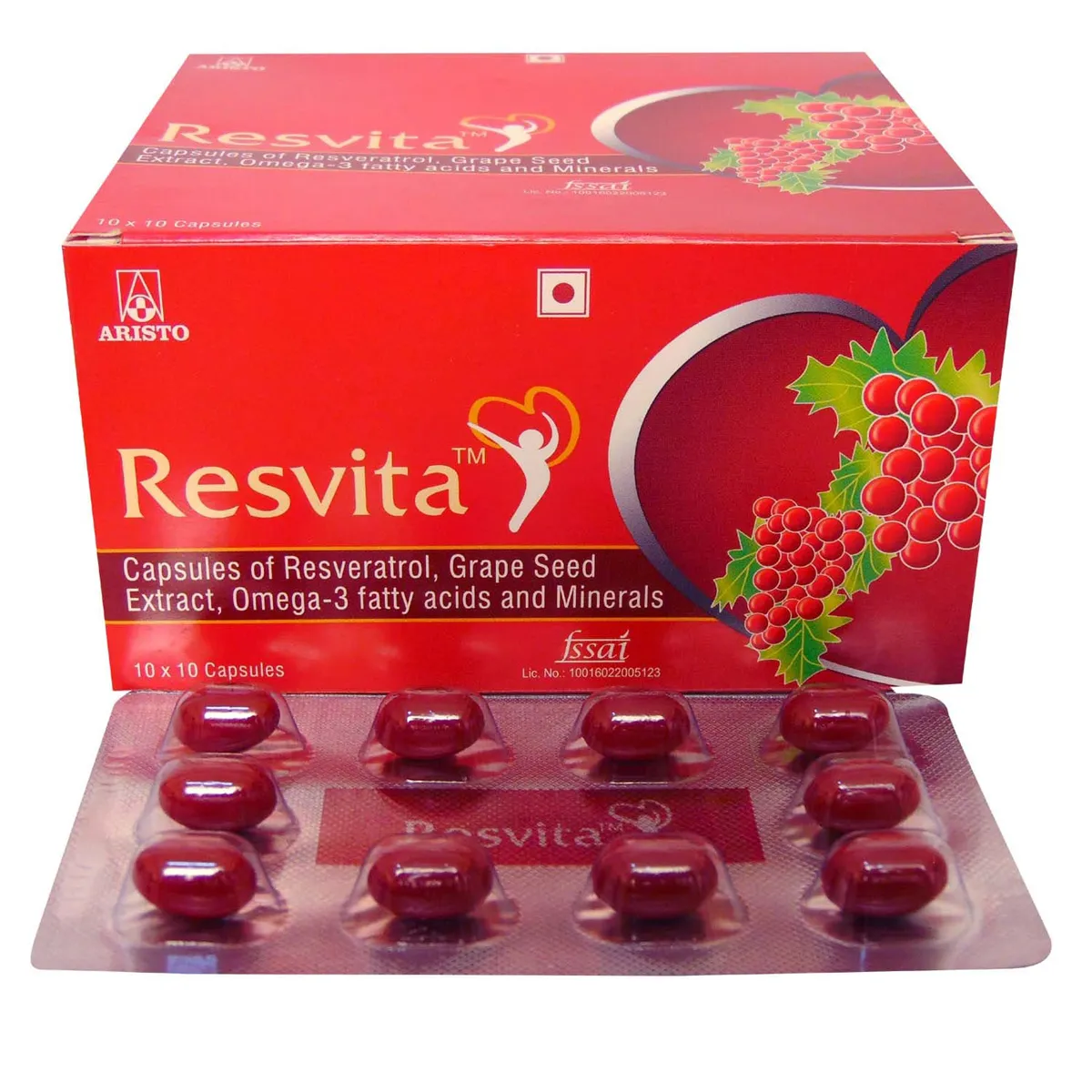
Resvita Capsule is a health supplement designed to support overall wellness and vitality. It may contain ingredients that help improve energy levels, immunity, and general well-being. (Exact composition not provided; confirm with the manufacturer for precise details.)
Uses / Indications:
-
General health and wellness support
-
Boosting energy and vitality
-
Supporting immune system function
Dosage:
Side Effects:
Precautions:
-
Consult a healthcare professional before use if pregnant, breastfeeding, or taking other medications
-
Keep out of reach of children
Storage:

Resvom-MD Tablet contains Prochlorperazine (5mg), which belongs to a class of medicines known as phenothiazines. It is primarily used to treat nausea, vomiting, vertigo (dizziness), and motion sickness. In some cases, it is also prescribed for managing anxiety and schizophrenia. Prochlorperazine works by blocking the effects of dopamine in the brain, helping control nausea and balance issues.
Uses:
-
Treatment of nausea and vomiting due to various causes
-
Management of vertigo and motion sickness
-
Relief from migraine-associated nausea
-
Adjunct treatment in anxiety and schizophrenia (as prescribed by a doctor)
How to Use:
-
Take the tablet as directed by your physician.
-
The “MD” (mouth dissolving) form means it can be placed on the tongue to dissolve; no need to swallow with water.
-
Take it at the same time each day for best results.
-
Do not exceed the prescribed dose.
Dosage:
-
Typical adult dose: 5mg as needed, depending on the condition.
-
Always follow your doctor’s instructions regarding duration and frequency.
Precautions:
-
Inform your doctor if you have a history of liver disease, Parkinson’s disease, or heart rhythm disorders.
-
Avoid alcohol or other sedatives, as they can increase drowsiness.
-
Use with caution while driving or operating machinery, as it may cause dizziness or blurred vision.
-
Pregnant or breastfeeding women should take it only under medical supervision.
Side Effects:
Overview:
Revispas Drop is an anti-foaming agent used to relieve excess gas, bloating, and discomfort in the stomach or intestines. Simethicone, the active ingredient, works by breaking down gas bubbles in the gut, making it easier to eliminate.
Uses:
-
Relief from flatulence and bloating
-
Reduces abdominal discomfort caused by excess gas
-
Supportive therapy in indigestion or gastrointestinal upset
-
Often used in infants, children, and adults for colic or trapped gas
Dosage / How to Take:
-
Dosage depends on age and condition; follow the doctor’s or package instructions
-
Usually given orally using a dropper
-
Can be taken after meals or as advised by a physician
Side Effects:
-
Generally well tolerated
-
Rarely, may cause mild:
-
Nausea
-
Diarrhea
-
Skin rash or irritation
Precautions:
-
Avoid exceeding the recommended dose
-
Not for use in patients with known hypersensitivity to simethicone or dimethicone
-
Consult a doctor before use in pregnant or breastfeeding women
Safety Advice:
-
Alcohol: Safe, no known interactions
-
Driving: Safe, does not affect alertness
-
Storage: Store in a cool, dry place, away from direct sunlight
-
Keep out of reach of children
Overview:
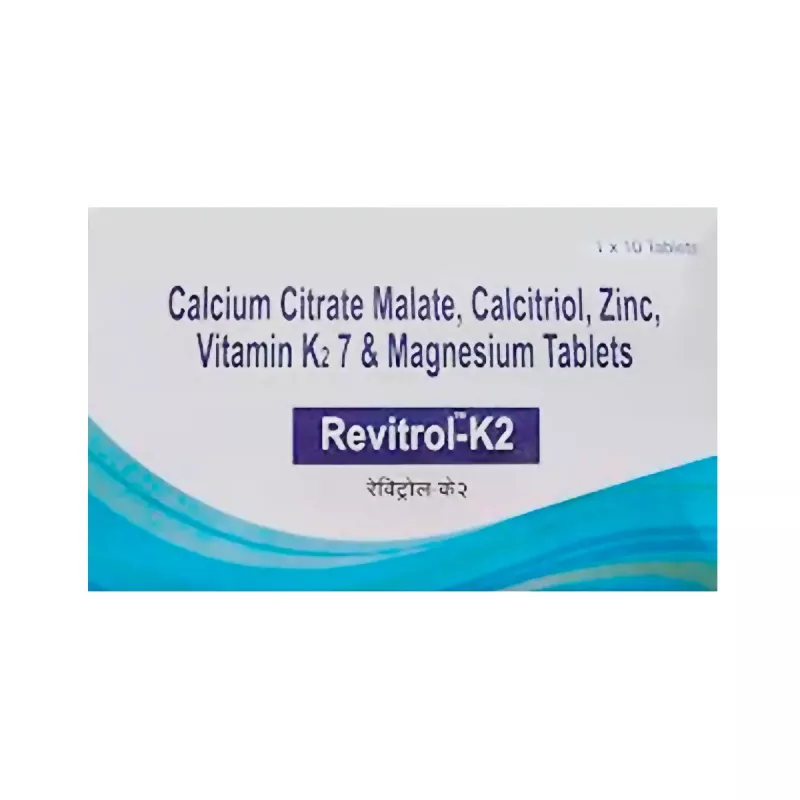
Revitrol Syrup is a nutritional supplement containing Vitamin K2, essential for blood clotting, bone health, and cardiovascular support. Its syrup form is suitable for children, elderly, and adults who may have difficulty swallowing tablets.
Uses:
-
Supports blood coagulation and wound healing
-
Promotes healthy bones by aiding calcium metabolism
-
Helps prevent osteoporosis or bone loss
-
Supports cardiovascular health by reducing arterial calcification
-
Addresses Vitamin K deficiency due to poor diet, malabsorption, or medical conditions
Dosage / How to Take:
-
Dosage depends on age and condition; follow the doctor’s instructions
-
Usually measured with a syringe or measuring cup provided
-
Can be taken after meals for better absorption
Side Effects:
Generally safe when used as prescribed. Possible side effects include:
Precautions:
-
Use cautiously in patients on anticoagulant therapy
-
Pregnant and breastfeeding women should use only under medical supervision
-
Inform your doctor about any other medications or supplements
Safety Advice:
-
Alcohol: Safe in moderation
-
Driving: Does not impair alertness
-
Overdose Risk: Excessive intake may interfere with blood clotting
-
Storage: Store in a cool, dry place away from sunlight and moisture. Keep out of reach of children
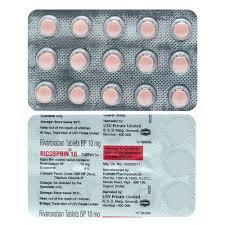
About Ricosprin 10 Tablet:
Ricosprin 10 Tablet contains Rivaroxaban, a direct factor Xa inhibitor that helps prevent the formation of harmful blood clots. It is prescribed for patients at risk of deep vein thrombosis (DVT), pulmonary embolism (PE), or stroke due to atrial fibrillation, and for preventing clot formation after certain surgeries.
How It Works:
-
Rivaroxaban selectively inhibits factor Xa, a key enzyme in the coagulation cascade.
-
This prevents the conversion of prothrombin to thrombin, reducing clot formation.
-
It provides anticoagulant effects without the need for frequent monitoring like traditional warfarin therapy.
Uses:
-
Prevention and treatment of deep vein thrombosis (DVT)
-
Prevention and treatment of pulmonary embolism (PE)
-
Reduces the risk of stroke and systemic embolism in non-valvular atrial fibrillation
-
Prevents blood clots after hip or knee replacement surgery
Directions for Use:
-
Take once daily or as prescribed by your doctor.
-
Swallow the tablet whole with water, preferably with food to improve absorption.
-
Follow your doctor’s instructions on dosing and duration strictly.
Side Effects:
Common side effects may include:
Seek immediate medical attention if you experience severe bleeding, unusual bruising, black/tarry stools, or coughing/vomiting blood.
Precautions:
-
Avoid in patients with active bleeding, severe liver disease, or recent hemorrhagic stroke
-
Use with caution in patients with kidney impairment
-
Not recommended during pregnancy or breastfeeding unless prescribed
-
Inform your doctor about other medications, especially antiplatelets or NSAIDs, to prevent excessive bleeding

About Ricosprin 2.5 Tablet:
Ricosprin 2.5 Tablet contains Rivaroxaban, a direct factor Xa inhibitor that helps prevent the formation of harmful blood clots. It is commonly prescribed for patients with cardiovascular risk, including those with atrial fibrillation, coronary artery disease, or a history of clot formation, to prevent stroke, heart attack, and systemic embolism.
How It Works:
-
Rivaroxaban selectively inhibits factor Xa, a key enzyme in the blood coagulation cascade.
-
This prevents thrombin generation and clot formation.
-
Provides effective anticoagulation without the need for frequent INR monitoring.
Uses:
-
Reduces the risk of stroke and systemic embolism in non-valvular atrial fibrillation
-
Prevents blood clots after heart surgery or in coronary artery disease
-
Adjunct therapy to prevent recurrent cardiovascular events
Directions for Use:
-
Take once daily or as prescribed by your doctor.
-
Swallow the tablet whole with water, with or without food.
-
Follow your doctor’s instructions regarding duration and dosing strictly.
Side Effects:
Common side effects may include:
Seek immediate medical attention if you experience severe bleeding, unusual bruising, black/tarry stools, or coughing/vomiting blood.
Precautions:
-
Avoid in patients with active bleeding, severe liver disease, or history of hemorrhagic stroke
-
Use with caution in patients with kidney impairment
-
Not recommended during pregnancy or breastfeeding unless prescribed
-
Inform your doctor about other medications, especially antiplatelets or NSAIDs, to prevent excessive bleeding
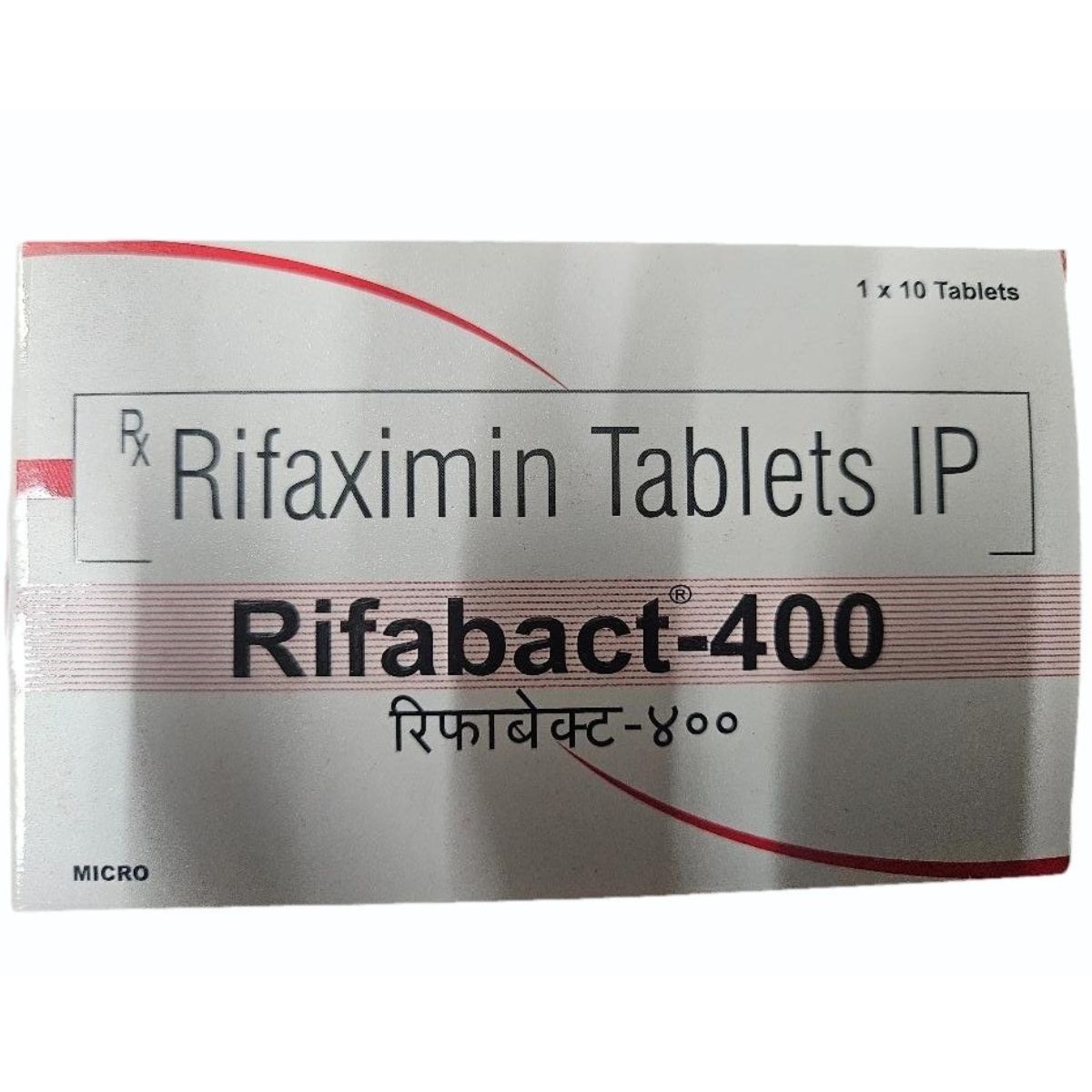
Uses of Rifabact 400mg Tablet
Rifabact 400mg Tablet is used for:
- Traveler’s diarrhea caused by susceptible bacteria
- Bacterial intestinal infections
- Hepatic encephalopathy (to reduce recurrence)
- Irritable bowel syndrome with diarrhea (IBS-D)
- Small intestinal bacterial overgrowth (SIBO), when prescribed
- Other intestinal bacterial infections as advised by a doctor
How Rifabact 400mg Tablet Works
Rifaximin belongs to the rifamycin class of antibiotics. It works by inhibiting bacterial RNA synthesis, preventing bacteria from growing and multiplying. Because the medicine remains mainly within the intestines, it acts directly at the site of infection with very little absorption into the bloodstream.
This targeted action helps eliminate harmful bacteria, restore intestinal balance, reduce diarrhea, and lower the production of toxins that contribute to hepatic encephalopathy.
Dosage
- Take Rifabact 400mg Tablet exactly as prescribed by your doctor.
- It can be taken with or without food.
- Swallow the tablet whole with water.
- Complete the full prescribed course, even if symptoms improve.
- Do not exceed the recommended dosage.
How to Use
- Swallow the tablet whole with a glass of water.
- Take it at the same time each day.
- Complete the full treatment course.
- Stay hydrated, especially if experiencing diarrhea.
- Follow your doctor’s dietary recommendations if prescribed for liver disease or IBS-D.
Benefits of Rifabact 400mg Tablet
- Effectively treats bacterial intestinal infections.
- Relieves traveler’s diarrhea.
- Helps reduce recurrence of hepatic encephalopathy.
- Improves symptoms of IBS with diarrhea.
- Acts mainly in the intestines with minimal systemic absorption.
- Generally well tolerated when used as prescribed.
Possible Side Effects
Common side effects include:
- Nausea
- Stomach pain
- Bloating
- Headache
- Dizziness
- Constipation
- Flatulence
Seek immediate medical attention if you experience:
- Severe allergic reactions
- Bloody diarrhea
- Persistent fever
- Severe abdominal pain
- Swelling of the face or throat
- Difficulty breathing
Precautions
Before taking Rifabact 400mg Tablet, inform your doctor if you:
- Are allergic to Rifaximin or rifamycin antibiotics.
- Have severe liver disease.
- Are pregnant or breastfeeding.
- Have bloody diarrhea or high fever.
- Have kidney disease.
- Are taking other antibiotics or prescription medicines.
Use only under medical supervision.
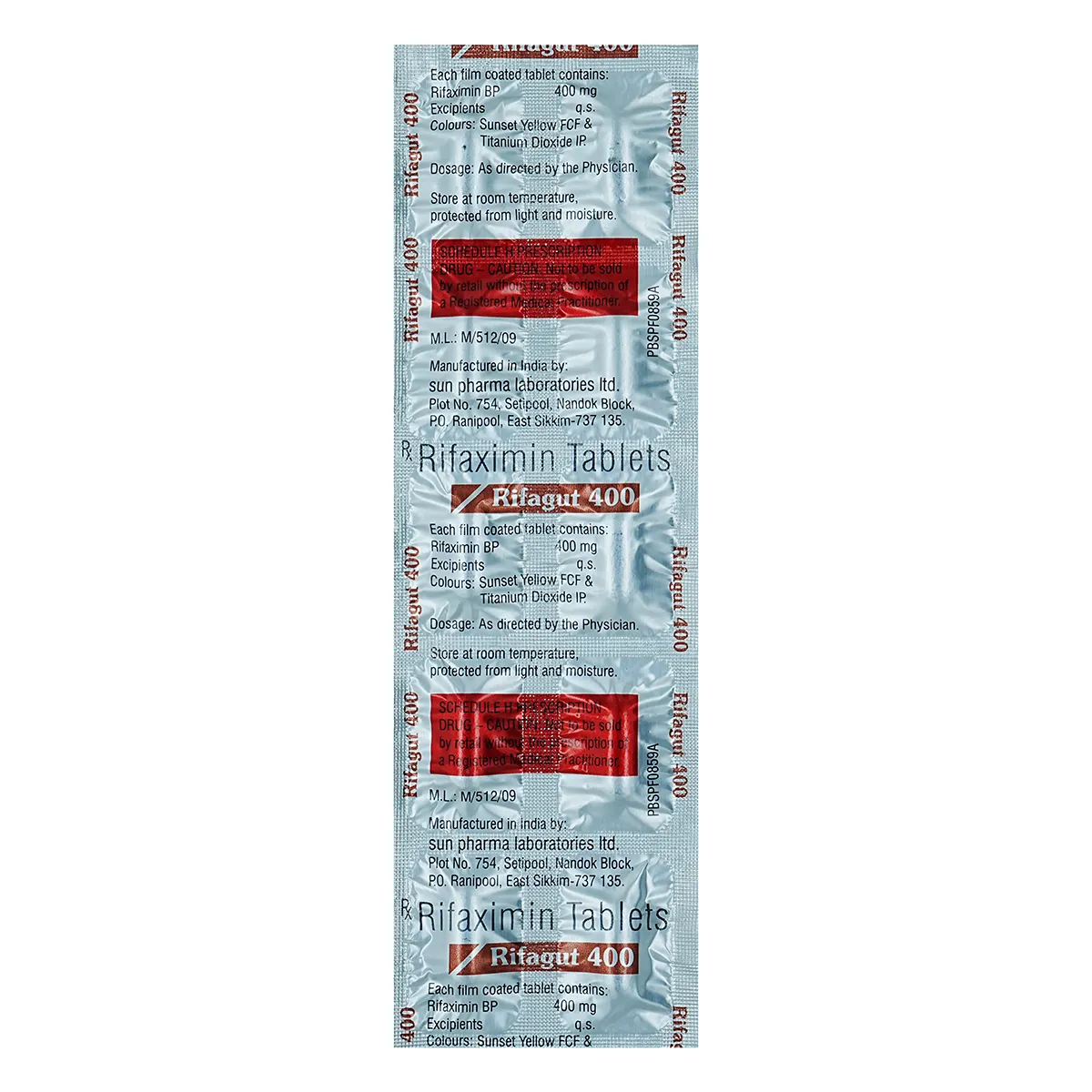
Rifagut 400 Tablet contains Rifaximin (400mg), a broad-spectrum antibiotic used to treat various gastrointestinal infections. It works by inhibiting bacterial growth in the intestines, helping to relieve symptoms such as diarrhea, abdominal pain, and bloating.
Uses:
-
Treatment of traveler’s diarrhea caused by E. coli
-
Management of irritable bowel syndrome with diarrhea (IBS-D)
-
Prevention and treatment of hepatic encephalopathy in patients with liver disease
-
Helps reduce abdominal discomfort and bloating
How to Use:
Take the tablet as prescribed by your doctor, usually 1–2 tablets daily depending on the condition. Swallow whole with water, with or without food.
Dosage:
-
For traveler’s diarrhea: 200mg every 8–12 hours for 3 days
-
For hepatic encephalopathy prevention: 550mg twice daily
-
Follow your doctor’s instructions carefully
Precautions:
-
Inform your doctor if you have liver or kidney problems, or are pregnant or breastfeeding
-
Complete the full course even if symptoms improve
-
Do not use for infections not prescribed by your doctor
Side Effects:
-
Nausea, vomiting, or stomach discomfort
-
Headache
-
Constipation or mild diarrhea
-
Rare: allergic reactions or severe diarrhea