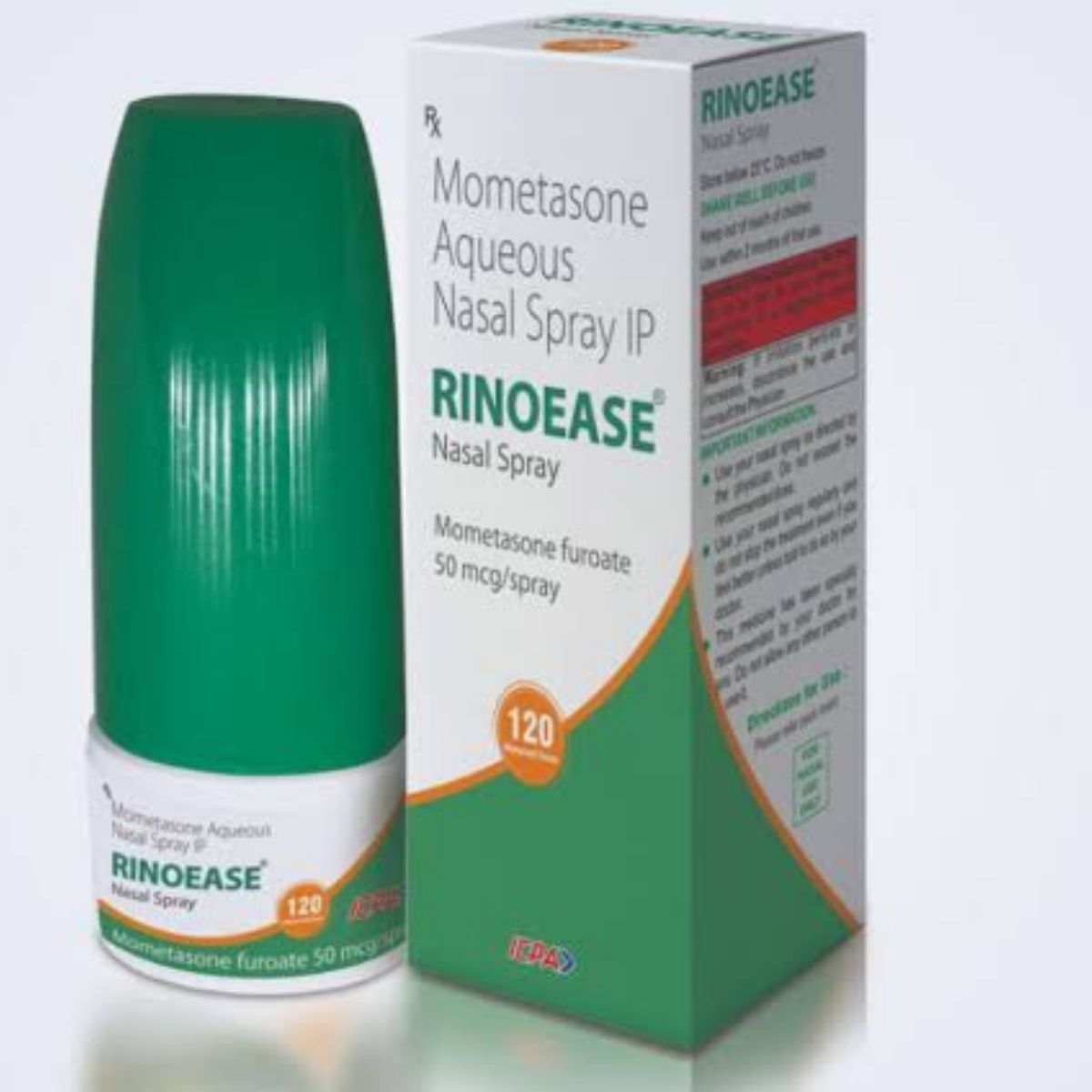
Uses
- Allergic rhinitis
- Seasonal allergies
- Nasal congestion
- Runny nose
- Sneezing
- Nasal itching
- Nasal inflammation
Key Benefits
- Helps reduce nasal inflammation
- Relieves blocked or stuffy nose
- Helps reduce sneezing
- Reduces runny nose
- Helps relieve nasal itching
- Provides targeted action inside the nasal passages
How Rinose Nasal Spray Works
Mometasone is a corticosteroid that reduces inflammation and allergic reactions in the nasal passages.
It decreases the release and activity of substances involved in inflammation, helping reduce swelling, mucus production, sneezing, and other allergy-related nasal symptoms.
How to Use
Use Rinose Nasal Spray exactly as prescribed by your doctor.
- Gently blow your nose.
- Shake the bottle if instructed on the product label.
- Keep your head slightly forward.
- Insert the nozzle gently into one nostril while closing the other.
- Spray while breathing in gently through the nose.
- Repeat in the other nostril if prescribed.
- Wipe the nozzle clean after use.
Do not share the nasal spray with another person.
Use it regularly as directed. It may take a few days of consistent use to achieve its full effect.
Side Effects
Common side effects may include:
- Nosebleed
- Nasal irritation
- Dryness or soreness inside the nose
- Headache
- Sneezing
- Throat irritation
Seek medical advice if you develop persistent nosebleeds, severe nasal irritation, vision problems, or signs of infection.
Precautions
Tell your doctor if you have:
- A nasal infection
- Recent nasal surgery or injury
- Tuberculosis or another serious infection
- Glaucoma or cataracts
- A history of frequent nosebleeds
Avoid spraying directly toward the nasal septum, as incorrect application may increase irritation and nosebleeds.

Rivamer 1.5 Capsule contains Rivastigmine (1.5mg), a cholinesterase inhibitor used to treat mild to moderate dementia associated with Alzheimer’s disease or Parkinson’s disease. It works by increasing the levels of acetylcholine in the brain, which helps improve memory, attention, and cognitive function.
Uses:
-
Management of mild to moderate Alzheimer’s disease
-
Treatment of dementia associated with Parkinson’s disease
-
Improves memory, attention, and daily functioning in patients with cognitive decline
How to Use:
Take the capsule as prescribed by your doctor, usually once or twice daily. Swallow whole with water; do not crush or chew.
Dosage:
-
Starting dose is typically 1.5mg twice daily, gradually increased based on tolerance and response
-
Follow your doctor’s instructions carefully
Precautions:
-
Inform your doctor if you have heart problems, stomach ulcers, liver or kidney issues
-
Use caution in patients with a history of seizures or asthma
-
Monitor for weight loss or gastrointestinal symptoms
Side Effects:
-
Nausea, vomiting, or diarrhea
-
Loss of appetite or weight loss
-
Dizziness or headache
-
Rare: slow heart rate, severe allergic reactions, or fainting

RIXant 10 Tablet contains Rivaroxaban (10mg), an oral anticoagulant used to prevent and treat blood clots. It works by selectively inhibiting Factor Xa, an important protein in the blood clotting process, thereby reducing the risk of stroke, deep vein thrombosis (DVT), and pulmonary embolism (PE).
Uses:
-
Prevention of stroke and systemic embolism in patients with non-valvular atrial fibrillation
-
Treatment and prevention of deep vein thrombosis (DVT) and pulmonary embolism (PE)
-
Reduces the risk of recurrent blood clots
How to Use:
Take the tablet as prescribed by your doctor, usually once daily. Swallow whole with water, with or without food. Do not crush or chew.
Dosage:
Precautions:
-
Inform your doctor if you have kidney or liver problems, active bleeding, or a history of bleeding disorders
-
Avoid taking other anticoagulants or NSAIDs unless directed by your doctor
-
Regular monitoring may be required for bleeding risks
Side Effects:
-
Bleeding or bruising more easily than usual
-
Nosebleeds or gum bleeding
-
Rare: severe internal bleeding or allergic reactions
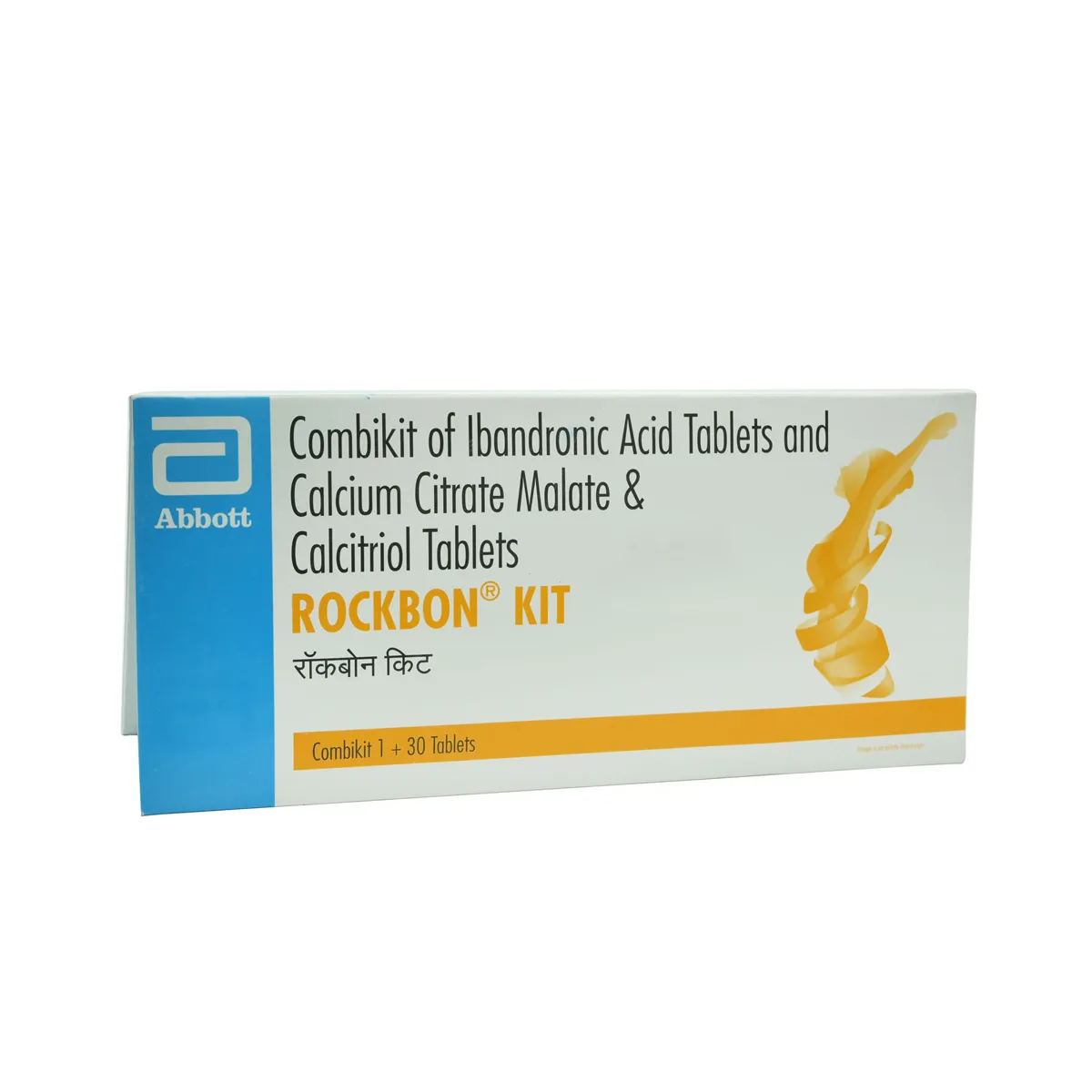
Rockbon Kit is a combination therapy used for the treatment and prevention of osteoporosis, particularly in postmenopausal women. Osteoporosis is a condition where bones become weak and brittle, making them more prone to fractures. This kit combines three essential components:
-
Ibandronic Acid (150mg): A bisphosphonate that helps prevent bone breakdown and increases bone density by inhibiting osteoclast activity.
-
Calcium (250mg): An essential mineral that strengthens bones and supports bone structure.
-
Vitamin D3 (0.25mcg): Helps the body absorb calcium efficiently and maintains proper bone health.
This triple-action therapy ensures comprehensive protection against bone loss and improves bone mineral density.
Uses
-
Treatment and prevention of osteoporosis in postmenopausal women
-
Reducing the risk of bone fractures (especially spine and hip fractures)
-
Improving bone strength and density
-
Supporting calcium and vitamin D deficiency management
How to Use
-
Usually taken once a month, as directed by your doctor.
-
The Ibandronic Acid tablet should be taken first, on an empty stomach, with a full glass of water.
-
Stay upright (do not lie down) for at least 60 minutes after taking it to prevent irritation in the food pipe.
-
The Calcium and Vitamin D3 tablets are usually taken on the following days as directed.
-
Always follow the dosing schedule prescribed by your healthcare provider.
Side Effects
Common side effects may include:
Serious (but less common) side effects:
-
Difficulty swallowing, chest pain, or severe heartburn
-
Jaw pain or swelling (rare condition: osteonecrosis of the jaw)
-
Eye inflammation (redness, pain, or blurred vision)
-
Low calcium levels in blood (hypocalcemia)
Seek immediate medical help if you experience severe chest pain, difficulty breathing, or allergic reactions.
Precautions
-
Inform your doctor if you have kidney problems, low calcium levels, or esophageal disorders.
-
Maintain good oral hygiene and get regular dental check-ups while on this medicine.
-
Avoid alcohol and smoking as they can reduce bone health benefits.
-
Pregnant and breastfeeding women should use this only if prescribed by a doctor.
Key Ingredients Recap
-
Ibandronic Acid 150mg – Prevents bone loss by inhibiting bone resorption.
-
Calcium 250mg – Strengthens and maintains bone structure.
-
Vitamin D3 0.25mcg – Enhances calcium absorption and bone mineralization.
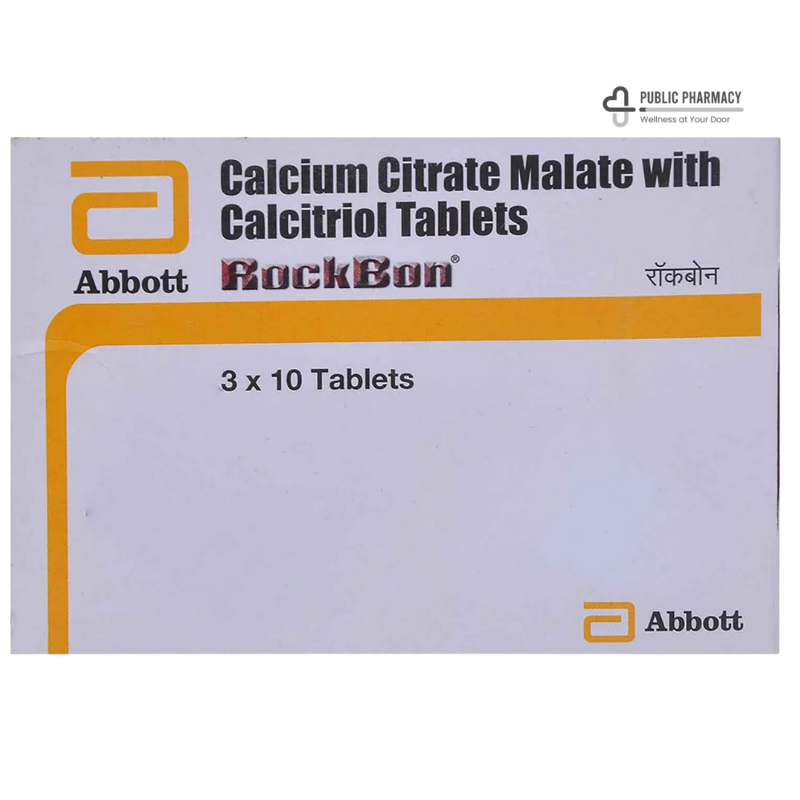
Rockbon Tablet is a nutritional supplement designed to maintain healthy bones and prevent calcium and vitamin D3 deficiency. It contains Calcium Citrate Malate, a highly absorbable form of calcium, along with Calcitriol, the active form of Vitamin D3. This combination ensures better absorption and utilization of calcium in the body, thereby strengthening bones and reducing the risk of fractures.
It is particularly beneficial for individuals with osteoporosis, osteopenia, low calcium levels, or increased calcium requirement during growth, pregnancy, lactation, or post-menopause.
Uses
-
Prevention and treatment of calcium and Vitamin D3 deficiency
-
Management of osteoporosis and osteopenia
-
Supports bone health in postmenopausal women
-
Helps in the treatment of rickets and osteomalacia
-
Promotes bone healing after fractures
-
Supports healthy bones and teeth in children, adults, and the elderly
How to Use
-
Take the tablet with food or as directed by your doctor.
-
Swallow with a glass of water, preferably at the same time each day.
-
Do not exceed the recommended dosage.
Side Effects
Common side effects may include:
Rare but serious side effects:
-
High calcium levels (hypercalcemia) – symptoms include excessive thirst, frequent urination, kidney stones
-
Allergic reactions such as rash, itching, or swelling
Seek medical advice if you notice any unusual or persistent symptoms.
Precautions
-
Inform your doctor if you have kidney disease, kidney stones, or high calcium/vitamin D levels.
-
Avoid taking other calcium/vitamin D supplements unless prescribed.
-
Drink plenty of water to prevent kidney stone formation.
-
Pregnant and breastfeeding women should use it only under medical supervision.
Key Ingredients Recap
-
Calcium Citrate Malate (250mg): A superior form of calcium with high bioavailability, supports bone density and strength.
-
Calcitriol (0.25mcg): The active form of Vitamin D3, improves calcium absorption and bone mineralization.
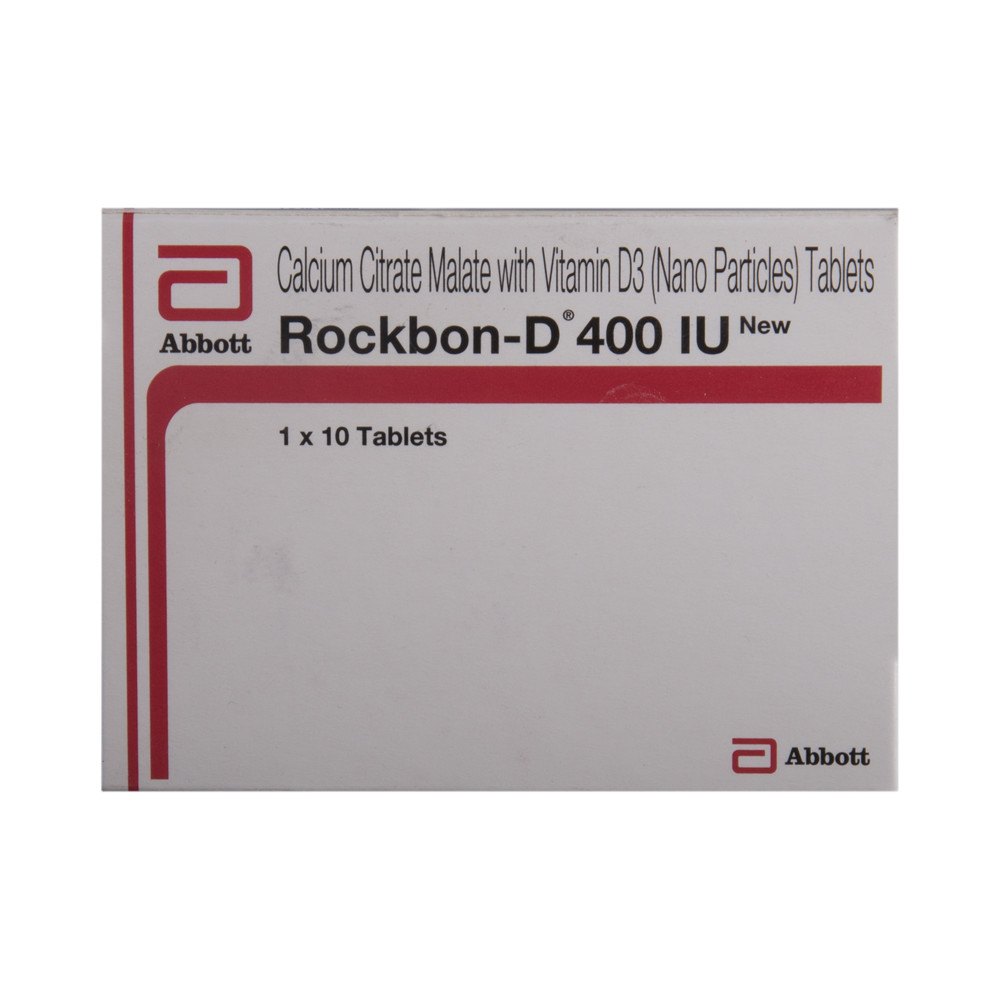
Rockbon-D 400IU New Tablet is a dietary supplement formulated to support bone health and calcium metabolism. It combines Calcium, an essential mineral for strong bones and teeth, with Vitamin D3 (Cholecalciferol), which aids in the absorption of calcium and helps maintain proper bone density. This combination is particularly useful for individuals at risk of osteoporosis, calcium deficiency, or vitamin D insufficiency.
Uses / Indications:
-
Supports healthy bones and teeth
-
Helps prevent calcium deficiency
-
Aids in the management and prevention of osteoporosis
-
Supports muscle function and overall skeletal health
-
Recommended for post-menopausal women, elderly individuals, and growing children under medical supervision
Dosage & Administration:
-
Take 1 tablet daily or as advised by a healthcare professional.
-
Can be taken with or without food.
-
Maintain regular intake for optimal bone and calcium support.
Possible Side Effects:
-
Mild gastrointestinal discomfort, such as nausea, constipation, or bloating
-
Rarely, allergic reactions (rash, itching, swelling)
-
Overuse may lead to hypercalcemia (high blood calcium levels)
Precautions & Warnings:
-
Consult your doctor before use if you have kidney disease, high calcium levels, or other medical conditions.
-
Do not exceed the recommended dosage.
-
Keep out of reach of children.
-
Use during pregnancy or breastfeeding should be under medical supervision.
Storage:
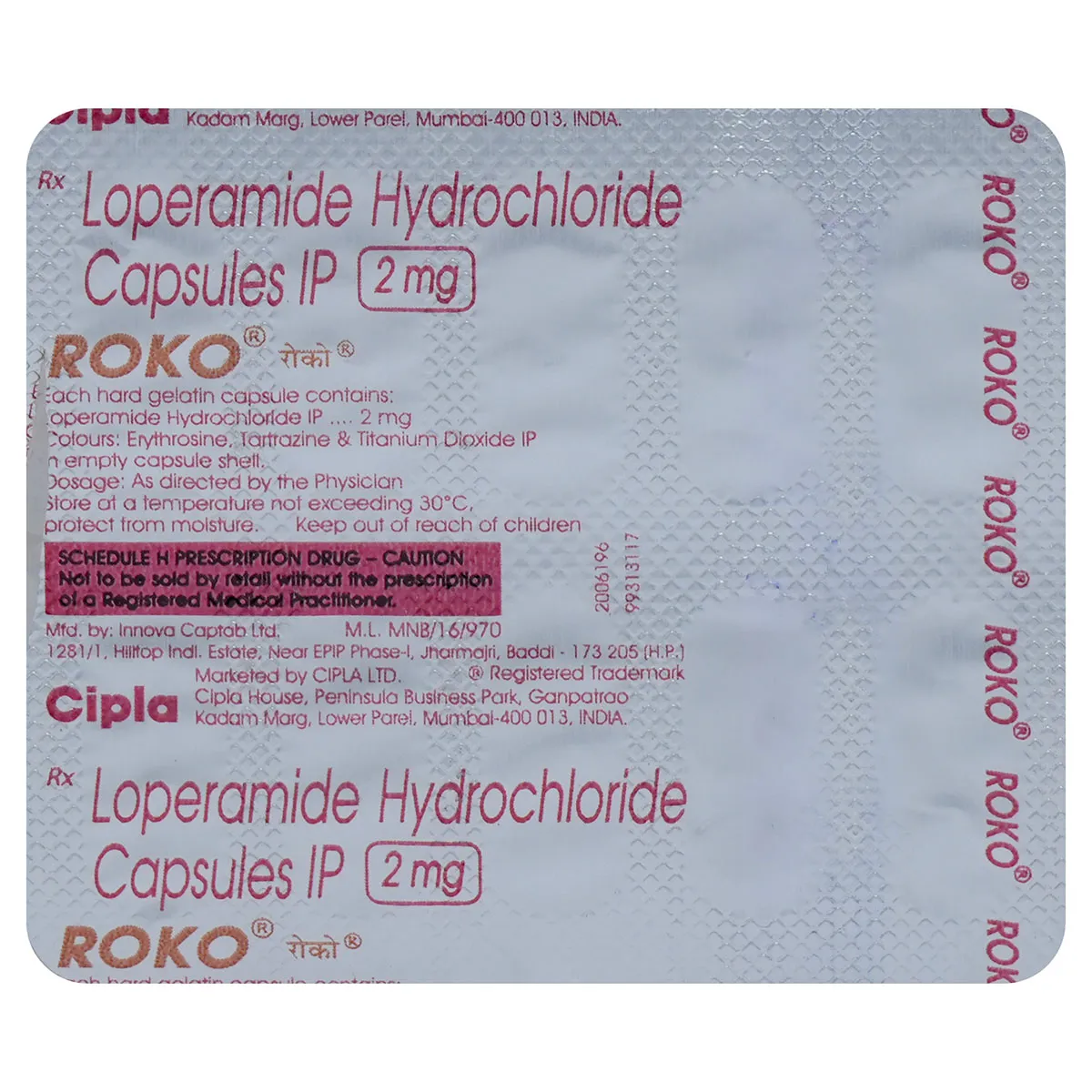
Roko Capsule is an anti-diarrheal medicine manufactured by Cipla Ltd. It contains Loperamide 2mg, which belongs to the class of medications known as antimotility agents. This medicine is widely prescribed for the treatment of acute and chronic diarrhea.
Loperamide works by slowing down the movement of the intestines, which allows more water and electrolytes to be absorbed from the stool, making it firmer and less frequent. It helps control sudden bowel movements, reduces the number of stools, and provides relief from discomfort associated with diarrhea.
Uses of Roko Capsule
-
Treatment of acute diarrhea (sudden onset, often due to food poisoning, infections, or dietary changes).
-
Management of chronic diarrhea (long-term conditions such as irritable bowel syndrome or inflammatory bowel disease, when recommended by a doctor).
-
Helps control frequent bowel movements and improves quality of life.
How Roko Capsule Works
-
Loperamide (2mg): Acts directly on the intestinal wall to reduce motility (movement).
-
Slows down the passage of stool through the intestines.
-
Increases absorption of water and salts, leading to firmer and less watery stools.
Dosage & Administration
-
Usually taken orally with water.
-
The dose depends on the patient’s condition and doctor’s advice.
-
For acute diarrhea, an initial dose may be followed by smaller doses after each loose stool, but the maximum daily dose should not be exceeded.
Precautions
-
Not recommended in children below 12 years unless prescribed.
-
Avoid in cases of dysentery (bloody diarrhea with high fever) or diarrhea caused by bacterial infections where antibiotic treatment is required.
-
Use cautiously in patients with liver problems.
-
Stay hydrated and maintain electrolyte balance while taking this medicine.
Possible Side Effects
These side effects are usually mild and temporary. Seek medical help if symptoms worsen or if diarrhea persists beyond 2 days.
Overall Benefit
Roko Capsule provides quick and effective relief from diarrhea by reducing stool frequency and restoring normal bowel movements. It is especially helpful during travel, dietary upsets, or sudden stomach infections, allowing patients to feel more comfortable and in control.

Rolazin Tablet ER contains Ranolazine 500mg, an anti-anginal medicine used to treat chronic angina (chest pain). It works by improving blood flow to the heart and reducing oxygen demand, helping the heart muscle function more efficiently and reducing the frequency and severity of angina attacks.
Being an extended-release (ER) formulation, it provides long-lasting therapeutic effects with convenient once- or twice-daily dosing.
Uses
Rolazin Tablet ER is prescribed for:
-
Chronic stable angina pectoris
-
Reducing frequency and severity of chest pain episodes
-
Supportive treatment in patients with coronary artery disease
Advantages
-
Extended-release formulation ensures consistent relief throughout the day
-
Reduces angina attacks without significantly affecting heart rate or blood pressure
-
Improves exercise tolerance and daily activity in angina patients
-
Can be combined with other heart medications under supervision
Possible Side Effects
Common side effects may include:
-
Dizziness or headache
-
Constipation or nausea
-
Fatigue
Rare but serious side effects:
-
Irregular heartbeat (arrhythmia)
-
Severe hypotension
-
Allergic reactions such as rash, itching, or swelling
Precautions
-
Take exactly as prescribed, preferably at the same times each day
-
Avoid sudden changes in dose or stopping the medicine abruptly
-
Inform your doctor if you have liver, kidney, or heart rhythm problems
-
Avoid concurrent use with strong CYP3A inhibitors unless prescribed
-
Not recommended for pregnant or breastfeeding women without medical advice
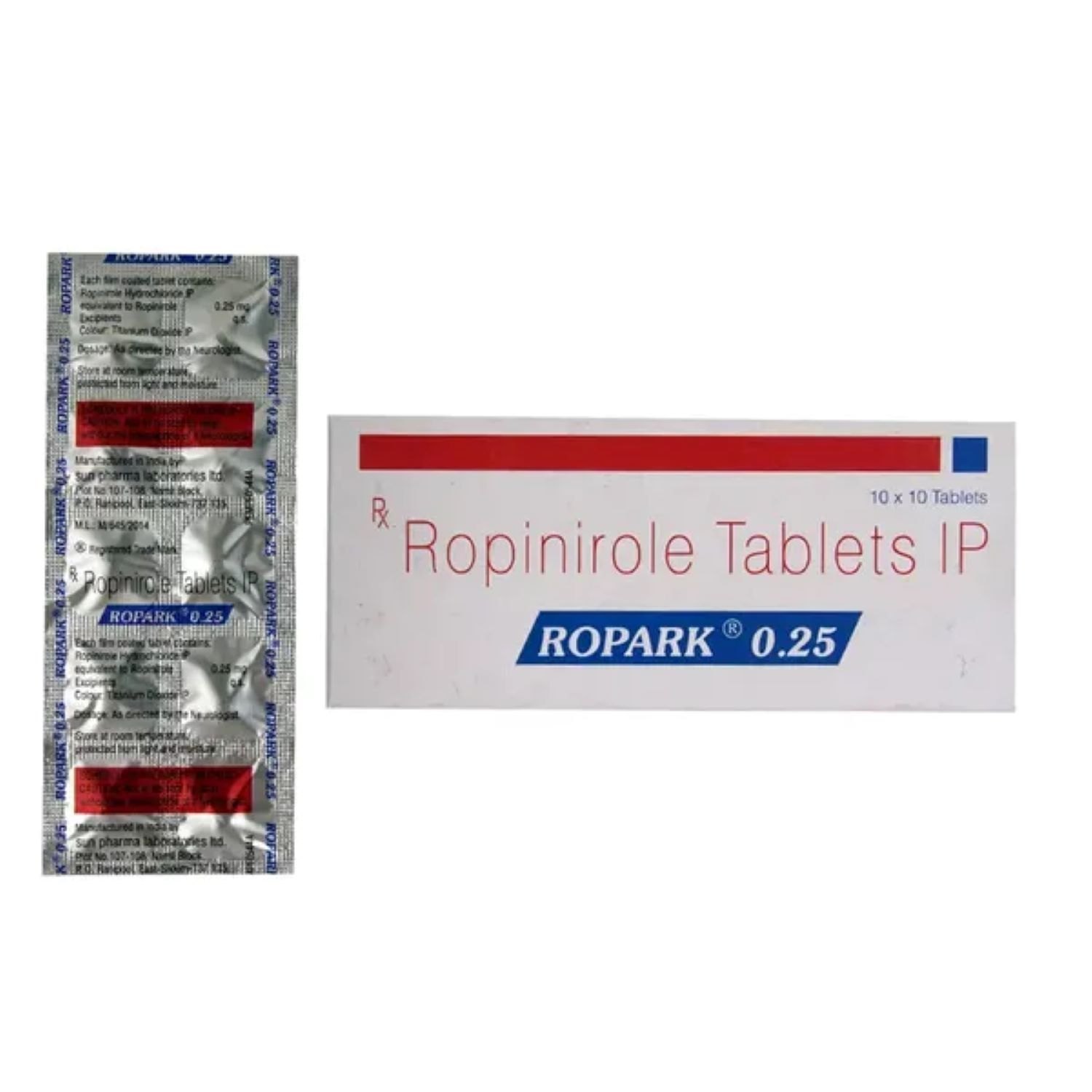
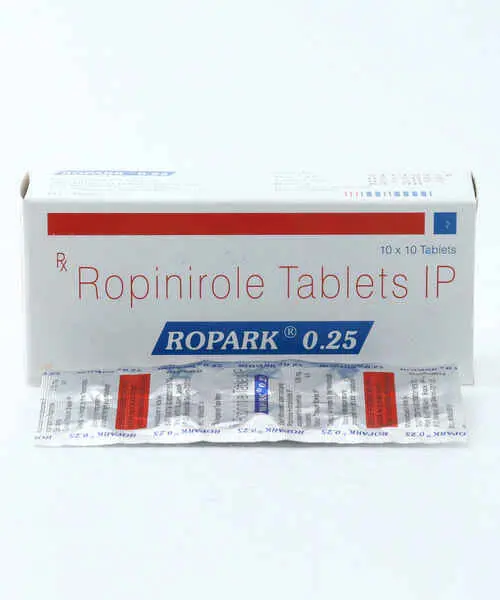
Ropark 0.25 Tablet contains Ropinirole (0.25mg), a dopamine agonist used in the treatment of Parkinson’s disease and Restless Legs Syndrome (RLS). It acts by mimicking the action of dopamine, a natural chemical messenger in the brain that helps control movement and coordination.
This medicine helps relieve symptoms such as tremors, muscle stiffness, slow movements, and balance problems in Parkinson’s disease. In Restless Legs Syndrome, it reduces the urge to move the legs and the uncomfortable sensations that interfere with rest or sleep.
The 0.25 mg strength is usually prescribed as a starting dose, and the dosage is gradually increased under medical supervision to achieve the desired therapeutic effect.
Uses
-
Treats Parkinson’s disease by improving muscle control and movement.
-
Manages Restless Legs Syndrome (RLS).
-
Helps reduce tremors, stiffness, and slowness of movement.
-
Improves quality of sleep in patients with RLS.
Dosage / Frequency
-
Usually started at 0.25 mg once daily, preferably taken at bedtime or as directed by your doctor.
-
The dose may be gradually increased depending on the patient’s response and condition.
-
Do not stop taking the medicine suddenly—consult your doctor for proper dose reduction if needed.
How to Use
-
Take the tablet with or without food as advised by your doctor.
-
Swallow the tablet whole with a glass of water.
-
Take it at the same time each day to maintain consistent levels in your body.
-
Avoid standing up too quickly to reduce dizziness or fainting.
Precautions
-
Use under strict medical supervision.
-
Avoid if you have liver disease, low blood pressure, or mental health disorders unless advised by your doctor.
-
May cause drowsiness or sudden sleep attacks—do not drive or operate machinery.
-
Avoid alcohol, as it can worsen dizziness and drowsiness.
-
Inform your doctor about all ongoing medications, especially antipsychotics or antihypertensives.
-
Pregnant or breastfeeding women should use only if clearly prescribed.
Side Effects
Common side effects include:
-
Nausea or vomiting
-
Dizziness or light-headedness
-
Fatigue or drowsiness
-
Headache
-
Confusion or hallucinations (in some patients)
-
Low blood pressure on standing
Serious side effects (rare):
-
Sudden sleep during activities
-
Unusual urges (gambling, overeating, excessive spending)
-
Fainting or irregular heartbeat
Seek immediate medical help if serious or persistent side effects occur.
Ropark 0.5 Tablet contains Ropinirole (0.5mg), a dopamine agonist that helps in the treatment of Parkinson’s disease and Restless Legs Syndrome (RLS). It works by activating dopamine receptors in the brain, which improves control over body movements and reduces the symptoms caused by dopamine deficiency.
In Parkinson’s disease, it helps relieve tremors, stiffness, slow movement, and balance problems. In Restless Legs Syndrome, it helps decrease discomfort in the legs and the urge to move them, especially during rest or nighttime.
This medicine can be used alone or along with other medications such as levodopa. The 0.5mg dose is generally used after starting therapy with a lower dose, once the patient’s tolerance has been established.
Uses
-
Treatment of Parkinson’s disease.
-
Management of Restless Legs Syndrome (RLS).
-
Improves movement, balance, and coordination.
-
Reduces stiffness, tremors, and slowness of movement.
Dosage / Frequency
-
Usual starting dose: 0.25 mg once daily, gradually increased to 0.5 mg or more as advised by your doctor.
-
The dose depends on your medical condition and response to treatment.
-
Do not stop the medication suddenly without consulting your doctor.
How to Use
-
Take the tablet with or without food at the same time each day.
-
Swallow it whole with a glass of water — do not crush or chew.
-
Follow your doctor’s prescribed schedule strictly.
-
Get up slowly from sitting or lying positions to prevent dizziness.
Precautions
-
Use this medicine only under medical supervision.
-
Avoid if you have liver problems, low blood pressure, or psychiatric conditions unless prescribed.
-
May cause sleepiness or dizziness — avoid driving or operating machinery.
-
Do not consume alcohol while on this medication.
-
Inform your doctor about all other medicines you are taking, especially antipsychotics, sleep aids, or antihypertensives.
-
Consult your doctor before use if you are pregnant or breastfeeding.
Side Effects
Common side effects may include:
Serious but rare side effects:
-
Sudden sleep episodes during daily activities
-
Impulse control disorders (unusual urges or behaviors)
-
Irregular heartbeat or chest discomfort
If any serious or persistent side effects occur, seek immediate medical attention.
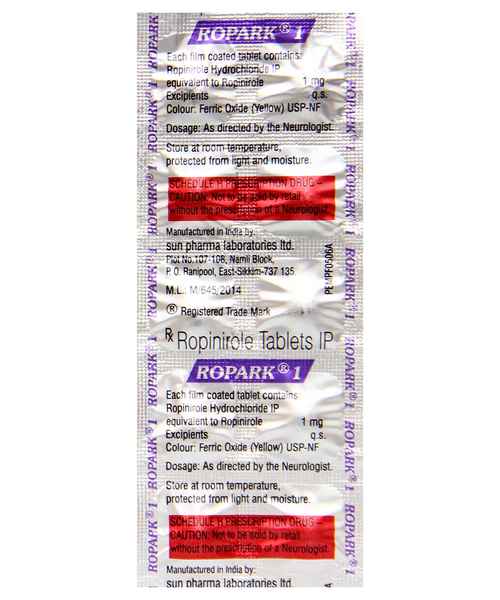
Ropark 1 Tablet contains Ropinirole (1mg), a dopamine agonist used for the treatment of Parkinson’s disease and Restless Legs Syndrome (RLS). It works by stimulating dopamine receptors in the brain, helping improve movement, coordination, and muscle control in patients with Parkinson’s disease.
In Restless Legs Syndrome, it relieves uncomfortable sensations in the legs and reduces the urge to move them, thereby improving sleep quality. It may be used alone or along with other medicines such as levodopa to manage symptoms effectively.
This medicine helps reduce tremors, stiffness, slowness, and difficulty in movement, allowing patients to perform daily activities more comfortably.
Uses
-
Treats Parkinson’s disease.
-
Manages Restless Legs Syndrome (RLS).
-
Improves coordination and motor control.
-
Reduces tremors, stiffness, and muscle rigidity.
Dosage / Frequency
-
Take one tablet once or twice daily, as prescribed by your doctor.
-
The dose may be gradually adjusted based on your condition and response.
-
Do not stop taking the medicine suddenly without consulting your doctor.
How to Use
-
Take the tablet with or without food at the same time each day.
-
Swallow it whole with a glass of water.
-
Follow the exact dosage prescribed by your doctor.
-
Avoid standing up suddenly to prevent dizziness.
Precautions
-
Use under medical supervision.
-
Avoid if you have liver problems, low blood pressure, or mental health disorders unless advised by a doctor.
-
May cause drowsiness or dizziness — avoid driving or operating machinery.
-
Avoid alcohol while taking this medicine.
-
Inform your doctor about all medicines you’re using, especially antipsychotics or antihypertensives.
-
Not recommended during pregnancy or breastfeeding unless clearly needed.
Side Effects
Common side effects include:
Serious side effects (rare):
If any side effect persists or worsens, consult your doctor immediately.
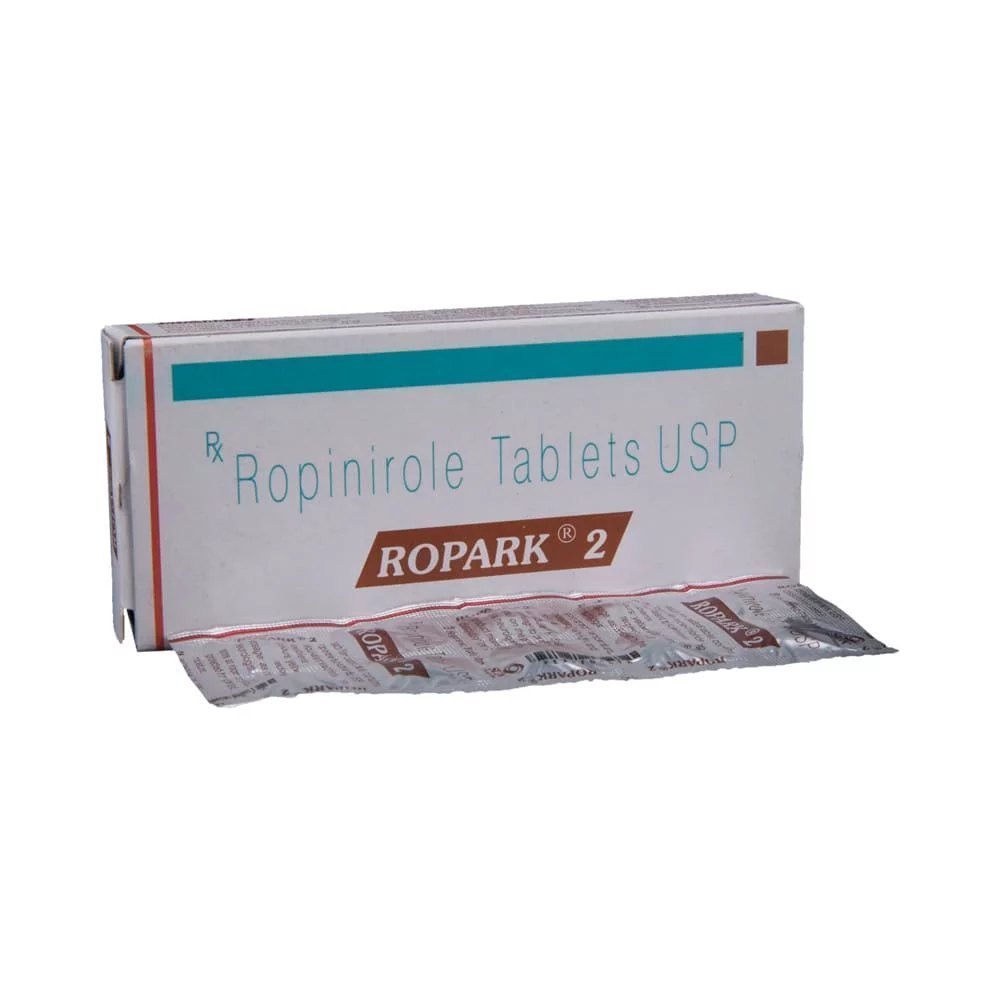
Ropark 2 Tablet contains Ropinirole (2mg), a dopamine agonist used to treat Parkinson’s disease and Restless Legs Syndrome (RLS). It works by stimulating dopamine receptors in the brain, helping to restore the balance of dopamine, a natural substance that controls movement and coordination.
In Parkinson’s disease, Ropark helps relieve symptoms such as muscle stiffness, tremors, and difficulty in movement. In Restless Legs Syndrome, it reduces discomfort and the urge to move the legs, especially during rest or at night, helping improve sleep.
This medication may be used alone or in combination with other treatments such as levodopa to achieve better control over symptoms.
Uses
-
Treatment of Parkinson’s disease.
-
Management of Restless Legs Syndrome (RLS).
-
Improves muscle control, movement, and coordination.
-
Reduces tremors, stiffness, and slowness of movement.
Dosage / Frequency
-
Take one tablet once or twice daily, as prescribed by your doctor.
-
The dosage may be adjusted gradually depending on your response and condition.
-
Do not stop taking the medicine suddenly without your doctor’s advice.
How to Use
-
Take the tablet with or without food, preferably at the same time each day.
-
Swallow it whole with a glass of water—do not crush or chew.
-
Follow your doctor’s instructions carefully for dosage and duration.
-
Avoid sudden changes in posture (like standing up quickly) to prevent dizziness.
Precautions
-
Use this medicine under medical supervision only.
-
Avoid if you have severe liver disease, low blood pressure, or mental health issues unless advised by a doctor.
-
May cause drowsiness or dizziness—avoid driving or using heavy machinery.
-
Avoid alcohol as it may increase the risk of dizziness.
-
Inform your doctor if you are taking other medicines, especially antipsychotics or blood pressure drugs.
-
Consult your doctor before use if you are pregnant or breastfeeding.
Side Effects
Common side effects may include:
Serious but rare side effects:
Seek immediate medical attention if any serious side effects occur.