Thyrox 75 Tablet contains Thyroxine (Levothyroxine 75 mcg), a synthetic thyroid hormone that replaces or supplements the natural hormone produced by the thyroid gland. It is essential for controlling metabolism, energy production, brain development, growth, and overall body functions.
The 75 mcg strength is commonly used as a maintenance dose or as a step-up strength when lower doses (like 50 mcg or 62.5 mcg) are insufficient. It helps fine-tune thyroid hormone replacement therapy to achieve normal thyroid levels.
Uses of Thyrox 75 Tablet
-
Hypothyroidism (underactive thyroid): Corrects hormone deficiency and relieves symptoms like fatigue, constipation, weight gain, dry skin, and depression.
-
Goiter (enlarged thyroid gland): Reduces swelling and prevents further enlargement.
-
Post-thyroidectomy or radioactive iodine therapy: Provides hormone replacement when the thyroid gland is removed or damaged.
-
Thyroid cancer management: Helps suppress recurrence or tumor growth.
-
Congenital hypothyroidism in children: Supports proper growth, brain function, and development.
Dosage & Administration
-
The dose is individualized according to age, weight, thyroid blood tests (TSH, T3, T4), and medical condition.
-
Taken once daily in the morning on an empty stomach, at least 30–60 minutes before food.
-
Swallow whole with a glass of water.
-
Take at the same time every day for consistent results.
-
If you miss a dose, take it as soon as possible. If it’s nearly time for the next dose, skip the missed one—never double dose.
-
Regular monitoring and periodic adjustment are required for optimal treatment.
Possible Side Effects
When taken at the correct dose, Thyrox 75 is well tolerated. Side effects usually appear if the dose is too high, causing symptoms similar to hyperthyroidism, such as:
-
Rapid or irregular heartbeat (palpitations)
-
Anxiety, nervousness, or irritability
-
Tremors, restlessness, or shakiness
-
Headache or difficulty sleeping (insomnia)
-
Excess sweating or heat intolerance
-
Weight loss despite increased appetite
-
Diarrhea
-
Muscle cramps or weakness
Serious but rare: chest pain, seizures, or severe irregular heartbeat – seek urgent medical care.
Precautions
-
Heart conditions & hypertension: Use with caution, as excess hormone may stress the heart.
-
Diabetes: Can affect blood sugar levels – closer monitoring may be needed.
-
Bone health: Long-term high doses may weaken bones, increasing osteoporosis risk.
-
Pregnancy & breastfeeding: Safe with medical supervision – thyroid hormone is vital for the baby’s brain and growth. Dosage often requires adjustment during pregnancy.
-
Drug interactions: Iron, calcium, antacids, cholesterol-lowering agents, and some seizure medicines may reduce absorption. Keep a 4-hour gap from Thyrox.
-
Brand consistency: Stick to the same brand and strength unless otherwise advised by your doctor.
Key Points to Remember
-
Thyrox 75 is a moderate strength, often used as a long-term maintenance dose.
-
Always take it on an empty stomach for better absorption.
-
Hypothyroidism usually requires lifelong treatment.
-
Routine thyroid tests are essential to maintain correct dosage.

Thyrox 88 Tablet contains Thyroxine (Levothyroxine 88 mcg), a synthetic thyroid hormone used to replace or supplement the body’s natural thyroid hormone. It plays a key role in regulating metabolism, energy balance, brain function, growth, and body temperature.
This strength (88 mcg) provides a finely adjusted dose option between 75 mcg and 100 mcg, ensuring more accurate thyroid hormone replacement based on individual patient requirements and thyroid blood test results.
Uses of Thyrox 88 Tablet
-
Hypothyroidism (underactive thyroid gland): Corrects hormone deficiency and improves symptoms such as tiredness, weight gain, constipation, slow heartbeat, and dry skin.
-
Goiter (thyroid swelling): Helps reduce or prevent enlargement of the thyroid gland.
-
After thyroid surgery or radioactive iodine therapy: Replaces missing thyroid hormone.
-
Thyroid cancer management: Suppresses tumor recurrence or growth in specific cases.
-
Congenital hypothyroidism (children and infants): Ensures proper physical growth and brain development.
Dosage & Administration
-
The dose is tailored individually depending on thyroid hormone levels (TSH, T3, T4), weight, age, and medical condition.
-
Typically taken once daily, in the morning, on an empty stomach, at least 30–60 minutes before food.
-
Swallow whole with water; avoid crushing or chewing.
-
Take at the same time every day for stable results.
-
If a dose is missed, take it promptly. If it’s nearly time for the next dose, skip the missed one. Do not double the dose.
-
Regular blood tests are needed to fine-tune the therapy.
Possible Side Effects
When used at the correct dose, Thyrox 88 is safe. Overdose or incorrect dosing can mimic hyperthyroidism, leading to:
-
Fast or irregular heartbeat (palpitations)
-
Anxiety, nervousness, or irritability
-
Headache or tremors
-
Excess sweating or heat intolerance
-
Trouble sleeping (insomnia)
-
Weight loss despite increased appetite
-
Loose stools (diarrhea)
-
Muscle weakness or cramps
Serious but rare: chest pain, severe palpitations, or seizures – seek immediate medical care if these occur.
Precautions
-
Heart disease or high blood pressure: Dose must be carefully adjusted to avoid cardiac strain.
-
Diabetes: May alter blood sugar control; monitoring is advised.
-
Osteoporosis: Long-term high doses can increase bone loss risk.
-
Pregnancy & breastfeeding: Safe with medical supervision; thyroid hormone is essential for the baby’s growth. Dose often needs adjustment during pregnancy.
-
Drug interactions: Iron, calcium, antacids, cholesterol-lowering drugs, and seizure medicines can reduce absorption. Maintain a 4-hour gap between these and Thyrox.
-
Brand consistency: Do not switch brands or strengths without consulting your doctor.
Key Points to Remember
-
Thyrox 88 offers a precise dose adjustment between 75 mcg and 100 mcg.
-
Always take it on an empty stomach in the morning.
-
Treatment is generally lifelong in hypothyroidism.
-
Regular thyroid tests are essential to keep dosage accurate.
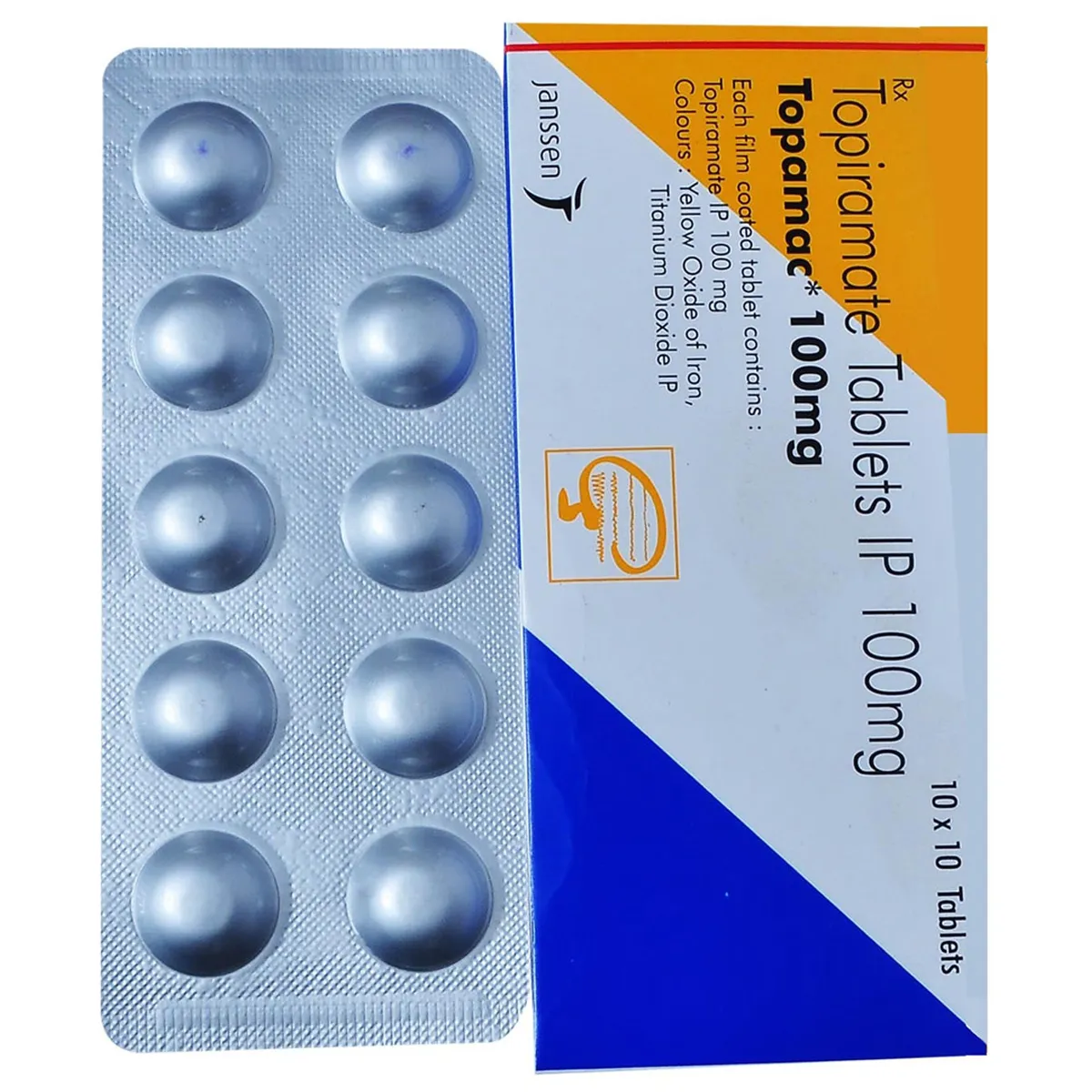
Topamac 100mg Tablet contains Topiramate (100mg), an anticonvulsant (anti-epileptic) medicine. It works by calming overactive nerve signals in the brain, thereby helping to prevent seizures. It is also used in the prevention of migraine headaches and sometimes in managing mood disorders.
Uses / Indications:
-
Epilepsy / Seizure control (generalized and partial seizures)
-
Prevention of migraine headaches
-
May be prescribed as part of combination therapy for bipolar disorder (off-label use)
-
Sometimes used for nerve pain or weight management (only under specialist supervision)
Benefits:
-
Reduces frequency and severity of seizures
-
Prevents migraine attacks and improves daily functioning
-
Provides long-term stability in seizure and migraine management
-
May reduce reliance on multiple anti-epileptic drugs when used in combination
How to Use:
-
Take orally with or without food, as prescribed by the doctor.
-
Swallow whole with water; do not crush or chew.
-
Take at the same time each day for best results.
-
Do not stop suddenly without consulting your doctor, as it may trigger seizures.
Precautions:
-
Prescription required – take only under medical supervision.
-
Caution in patients with kidney problems, glaucoma, or metabolic acidosis.
-
May cause drowsiness, dizziness, or vision changes – avoid driving or operating heavy machinery.
-
Drink plenty of fluids to reduce the risk of kidney stones.
-
Not recommended during pregnancy unless clearly prescribed (can harm the unborn baby).
-
Breastfeeding women should use only if benefits outweigh risks.
-
Inform doctor about all other ongoing medications (including for seizures, mood, or weight loss).
Possible Side Effects:
-
Drowsiness, tiredness, or dizziness
-
Loss of appetite, weight loss, or nausea
-
Tingling sensations in hands/feet
-
Memory problems, difficulty concentrating, or mood changes
-
Vision disturbances (blurred or double vision)
-
Rare but serious: kidney stones, eye pain, suicidal thoughts, severe allergic reactions
Storage:
-
Store in a cool, dry place, away from direct sunlight and moisture.
-
Keep tightly closed and out of reach of children.

Topamac 25mg Tablet contains Topiramate (25mg), an anticonvulsant (anti-epileptic) medicine. It works by stabilizing overactive nerve activity in the brain, thereby preventing seizures and reducing the risk of migraine headaches. The 25mg strength is often prescribed as a starting dose or for patients requiring a lower maintenance dose.
Uses / Indications:
-
Epilepsy / seizure disorders (partial seizures, generalized tonic-clonic seizures, Lennox-Gastaut syndrome)
-
Prevention of migraine headaches
-
Sometimes prescribed for bipolar disorder, nerve pain, or weight management (off-label, under strict supervision)
Benefits:
-
Helps in seizure control when used alone or with other anti-epileptic drugs
-
Reduces the frequency, severity, and duration of migraine attacks
-
Provides better daily functioning and quality of life in patients with chronic neurological conditions
-
Lower dose makes it suitable for dose adjustment in sensitive patients
How to Use:
-
Take orally with or without food, as directed by the doctor.
-
Swallow whole with water; do not crush, break, or chew.
-
Usually started at a low dose and gradually increased to minimize side effects.
-
Take at the same time each day for best results.
-
Do not stop suddenly; stopping abruptly may worsen seizures.
Precautions:
-
Prescription required – take only under medical guidance.
-
May cause drowsiness, dizziness, or vision problems – avoid driving or heavy work.
-
Drink plenty of fluids to prevent kidney stones.
-
Caution in patients with kidney disease, glaucoma, metabolic acidosis, or mood disorders.
-
Avoid alcohol and other sedatives as they may worsen side effects.
-
Use in pregnancy only if clearly necessary (may cause harm to the unborn baby).
-
Breastfeeding women should consult the doctor before use.
Possible Side Effects:
-
Sleepiness, dizziness, or fatigue
-
Tingling sensation in hands/feet
-
Loss of appetite, nausea, or weight loss
-
Difficulty concentrating, memory issues, or mood changes
-
Vision problems (blurred or double vision)
-
Rare but serious: kidney stones, severe allergic reaction, suicidal thoughts
Storage:
-
Store in a cool and dry place, away from moisture and direct sunlight.
-
Keep out of reach of children.

Topamac 50mg Tablet contains Topiramate (50mg), an anticonvulsant (anti-epileptic) medicine. It works by stabilizing electrical activity in the brain, helping to prevent seizures and reduce the frequency of migraine headaches. The 50mg strength is commonly used for maintenance therapy after starting with a lower dose.
Uses / Indications:
-
Epilepsy / seizure disorders (partial seizures, generalized tonic-clonic seizures, Lennox-Gastaut syndrome)
-
Prevention of migraine headaches
-
Sometimes prescribed for bipolar disorder or nerve pain (off-label, under strict supervision)
Benefits:
-
Provides effective seizure control when used alone or with other anti-epileptics
-
Reduces frequency and severity of migraine attacks
-
Supports long-term neurological stability and improved quality of life
-
Moderate dose allows flexibility for titration and maintenance therapy
How to Use:
-
Take orally with or without food, as prescribed by your doctor.
-
Swallow whole with water; do not crush, break, or chew.
-
Usually part of a gradual dose titration to minimize side effects.
-
Take at the same time each day for consistent effect.
-
Do not stop suddenly; abrupt discontinuation may trigger seizures.
Precautions:
-
Prescription required – take only under medical supervision.
-
May cause drowsiness, dizziness, or visual disturbances – avoid driving or operating machinery.
-
Drink plenty of fluids to reduce risk of kidney stones.
-
Use with caution in patients with kidney disease, glaucoma, metabolic acidosis, or mood disorders.
-
Avoid alcohol and sedatives as they can worsen side effects.
-
Not recommended in pregnancy unless clearly necessary.
-
Breastfeeding women should consult a doctor before use.
Possible Side Effects:
-
Drowsiness, dizziness, or fatigue
-
Tingling sensations in hands or feet
-
Loss of appetite, nausea, or weight loss
-
Difficulty concentrating, memory issues, or mood changes
-
Blurred or double vision
-
Rare but serious: kidney stones, severe allergic reaction, or suicidal thoughts
Storage:
-
Store in a cool, dry place, away from moisture and direct sunlight.
-
Keep out of reach of children.

Uses:
TOPirol 100 Tablet is used to treat epilepsy and prevent migraine headaches. The active ingredient Topiramate (100mg) is an anticonvulsant that helps stabilize electrical activity in the brain, reducing the frequency and severity of seizures. It is also effective in preventing migraines in adults and adolescents.
How to Use:
Take TOPirol 100 Tablet exactly as prescribed by your doctor. Swallow the tablet whole with water, with or without food. Do not crush or chew the tablet. Take it at the same time every day to maintain consistent blood levels. Do not stop the medication abruptly without consulting your doctor, as this may trigger seizures.
Precautions:
-
Inform your doctor if you have kidney, liver, or metabolic problems, or a history of glaucoma or kidney stones.
-
Avoid alcohol while taking this medication.
-
Use caution when driving or operating machinery, as Topiramate may cause dizziness or drowsiness.
-
Pregnant or breastfeeding women should use this medicine only under medical supervision.
-
Drink plenty of fluids to prevent kidney stones.
Dosage:
Dosage is determined by your physician based on your condition and response to treatment. Usually, the dose is started low and gradually increased. Follow the exact schedule provided by your doctor. If a dose is missed, take it as soon as you remember unless it is almost time for the next dose. Do not double doses.
Side Effects:
Common side effects may include:
-
Dizziness or drowsiness
-
Fatigue
-
Nausea or vomiting
-
Tingling in hands or feet (paresthesia)
-
Loss of appetite or weight loss
-
Memory or concentration difficulties
Seek immediate medical attention if you experience severe side effects such as:
-
Vision changes or eye pain
-
Severe allergic reaction (rash, swelling, or difficulty breathing)
-
Unusual mood or behavior changes
Uses:
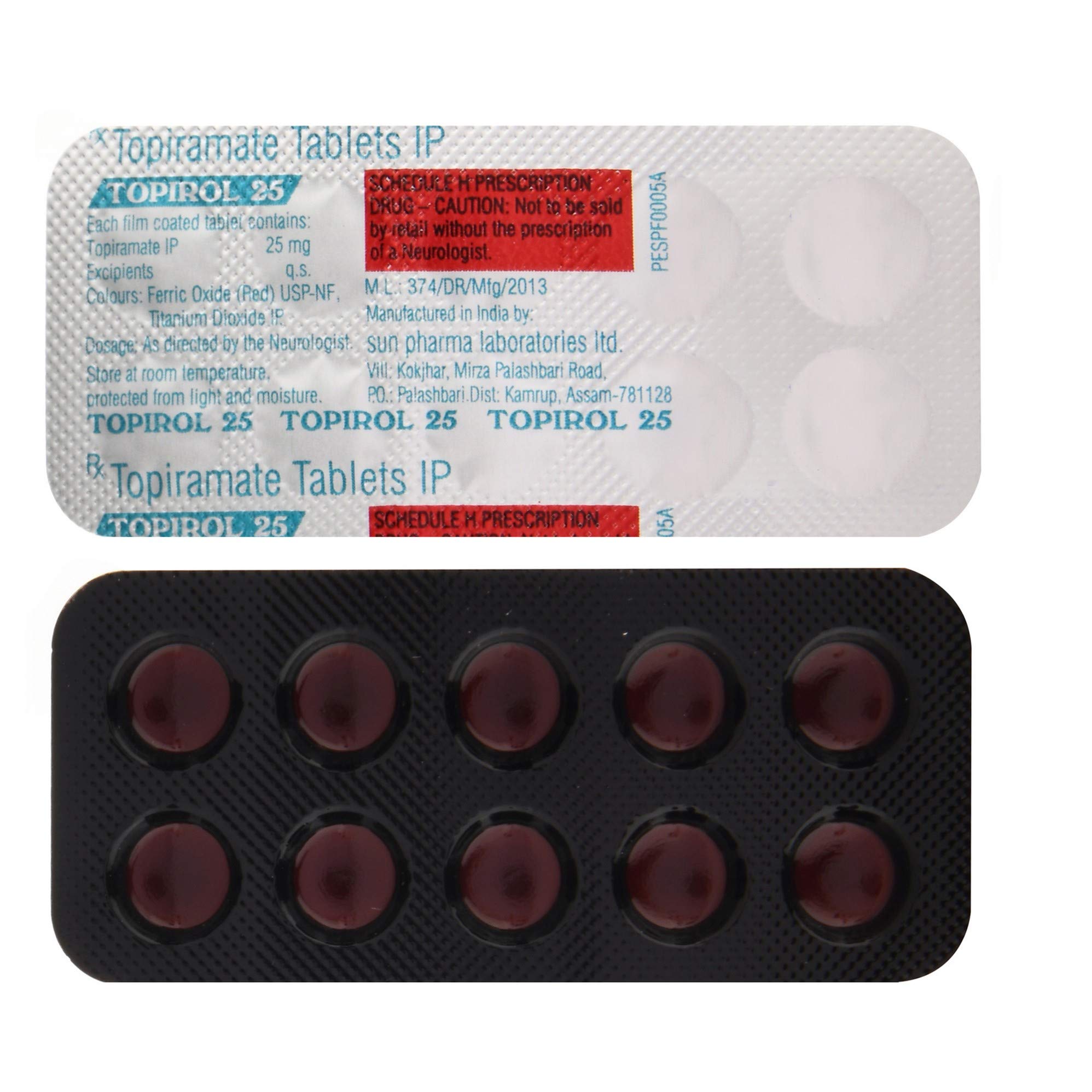
TOPirol 25 Tablet is used to treat epilepsy and prevent migraine headaches. It contains Topiramate (25mg), an anticonvulsant that helps stabilize abnormal electrical activity in the brain, reducing the frequency and severity of seizures. It is also prescribed for the prevention of migraines in adults and adolescents.
How to Use:
Take TOPirol 25 Tablet exactly as prescribed by your doctor. Swallow the tablet whole with water, with or without food. Do not crush or chew the tablet. Take it at the same time each day to maintain consistent drug levels. Do not stop the medication suddenly, as it may trigger seizures.
Precautions:
-
Inform your doctor if you have kidney, liver, or metabolic disorders, or a history of glaucoma or kidney stones.
-
Avoid alcohol while taking this medication.
-
Use caution when driving or operating machinery, as Topiramate may cause dizziness or drowsiness.
-
Pregnant or breastfeeding women should take this medication only under medical supervision.
-
Maintain adequate hydration to reduce the risk of kidney stones.
Dosage:
The dosage is determined by your physician based on your condition and response to therapy. Typically, treatment starts with a low dose (25mg) and may be gradually increased. Follow your doctor’s instructions carefully. If a dose is missed, take it as soon as possible unless it is near the next scheduled dose. Do not double doses.
Side Effects:
Common side effects may include:
-
Dizziness or drowsiness
-
Fatigue
-
Nausea or vomiting
-
Tingling sensation in hands or feet (paresthesia)
-
Loss of appetite or weight loss
-
Memory or concentration difficulties
Seek immediate medical attention if you experience severe side effects such as:
-
Vision changes or eye pain
-
Severe allergic reaction (rash, swelling, or difficulty breathing)
-
Significant mood or behavior changes

Uses:
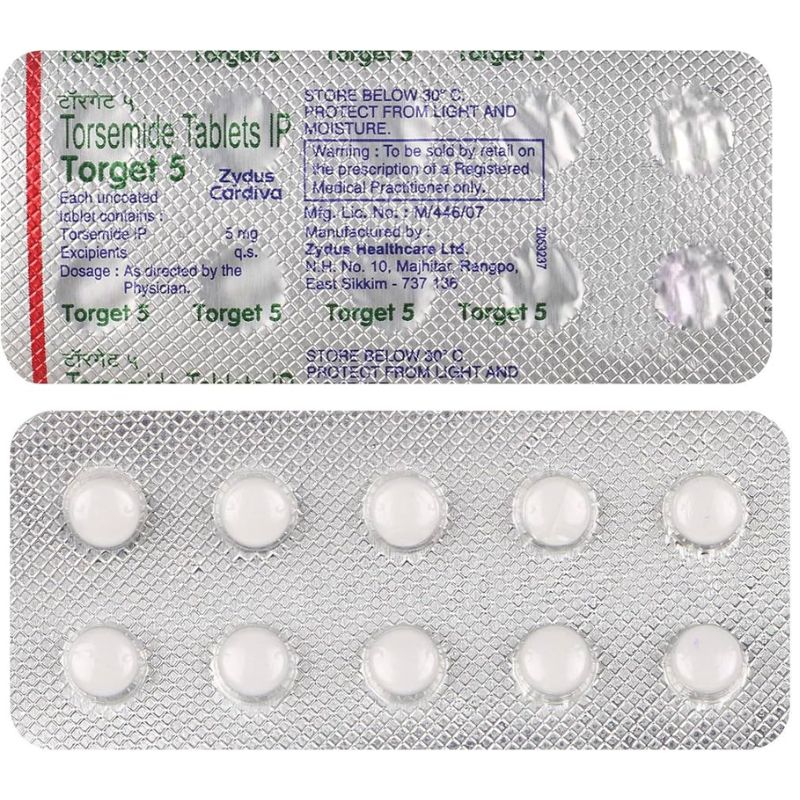
• Powerful diuretic used to remove excess water from the body.
• Commonly prescribed in severe heart failure with heavy swelling.
• Helps reduce edema due to kidney or liver diseases.
• May be used in resistant hypertension (high BP not controlled by other medicines).
Dosage:
• Take strictly as advised by your doctor—100mg is a high-strength dose.
• Usually taken once daily, preferably in the morning.
• Do not adjust the dose without medical guidance.
How to Use:
• Swallow whole with water.
• Can be taken with or without food.
• Morning intake preferred to avoid nighttime urination.
Precautions:
• Inform doctor if you have kidney disease, liver issues, gout, or dehydration.
• Avoid alcohol—it can worsen dizziness or low BP.
• Regular monitoring of electrolytes, kidney function, and BP is necessary.
• May reduce potassium and sodium—doctor may recommend supplements.
• Use carefully in elderly; risk of dehydration is higher.
• Not safe in pregnancy unless doctor approves.
Side Effects:
• Excessive urination
• Dizziness, weakness
• Low blood pressure
• Electrolyte imbalance (low potassium/sodium)
• Muscle cramps
• Dehydration
• Increased blood sugar or uric acid (rare)
• Kidney function changes (rare)

Uses:
• Helps remove excess fluid from the body (strong diuretic).
• Used in heart failure to reduce swelling and breathlessness.
• Helps control edema caused by liver or kidney diseases.
• Used in high blood pressure when other medicines aren’t enough.
Dosage:
• Take exactly as prescribed by your doctor.
• Usually taken once daily, preferably in the morning.
• Do not increase or skip doses; higher doses increase risk of dehydration.
How to Use:
• Swallow the tablet with water.
• Can be taken with or without food.
• Avoid taking at night as it may cause frequent urination and disturb sleep.
Precautions:
• Inform doctor if you have kidney disease, liver disease, dehydration, or low potassium.
• Avoid alcohol as it may increase dizziness.
• Monitor blood pressure regularly.
• Not recommended in pregnancy unless advised by doctor.
• May lower potassium—doctor may prescribe supplements.
Side Effects:
• Increased urination
• Dizziness or lightheadedness
• Low blood pressure
• Low potassium (muscle cramps, weakness)
• Headache
• Dehydration
• Rare: kidney function changes