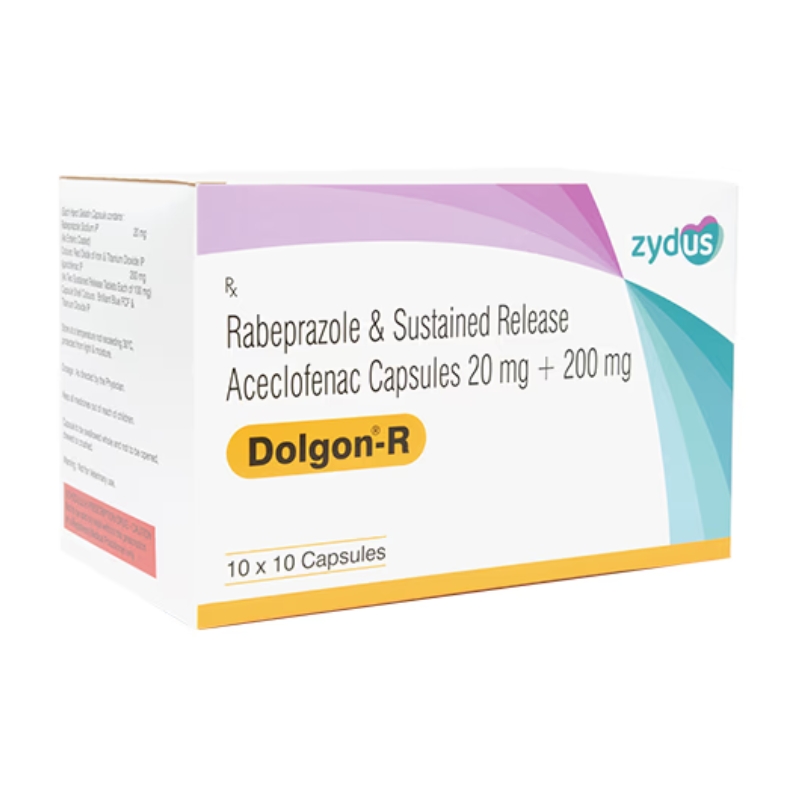
Dolgon R Capsule is a combination medication containing Aceclofenac, a non-steroidal anti-inflammatory drug (NSAID), and Rabeprazole, a proton pump inhibitor (PPI). This combination is designed to reduce pain and inflammation while protecting the stomach lining from potential irritation caused by NSAIDs.
It is commonly prescribed for musculoskeletal pain, arthritis, and other inflammatory conditions, especially in patients who are at risk of gastric discomfort or ulcers due to prolonged NSAID use.
Uses of Dolgon R 200mg/20mg Capsule
-
Osteoarthritis and Rheumatoid Arthritis: Reduces pain, swelling, and stiffness
-
Musculoskeletal pain: Back pain, joint pain, or soft tissue injuries
-
Post-operative pain or inflammation: Provides relief after surgical procedures
-
Gastroprotective therapy: Rabeprazole helps prevent NSAID-induced gastritis or ulcers
How It Works
-
Aceclofenac: Inhibits cyclooxygenase (COX) enzymes, reducing the production of prostaglandins, which are responsible for pain, inflammation, and swelling.
-
Rabeprazole: Suppresses gastric acid secretion by blocking proton pumps in stomach lining cells, reducing the risk of ulcer formation or acid-related irritation.
The combination provides effective pain relief with stomach protection, especially during long-term NSAID therapy.
Dosage and Administration
-
Typically taken once or twice daily, as prescribed by the doctor.
-
Swallow the capsule whole with water, preferably after food to minimize stomach irritation.
-
Do not crush or chew the capsule.
-
Follow the prescribed schedule strictly for optimal effectiveness.
Side Effects
Common side effects:
-
Nausea, vomiting, or abdominal discomfort
-
Heartburn or indigestion
-
Headache or dizziness
-
Mild swelling or fluid retention
Serious side effects (rare):
-
Stomach ulcers or gastrointestinal bleeding
-
Severe allergic reactions (rash, itching, swelling, difficulty breathing)
-
Liver or kidney dysfunction
-
Heart rhythm disturbances
Seek immediate medical attention if severe symptoms occur.
Precautions
-
Use cautiously in patients with history of peptic ulcers, liver or kidney disease, or heart conditions.
-
Avoid alcohol, which may increase risk of stomach irritation.
-
Inform your doctor about other medications, especially anticoagulants, corticosteroids, or other NSAIDs.
-
Pregnant and breastfeeding women should use only if prescribed by a doctor.
Drug Interactions
Dolgon R may interact with:
-
Other NSAIDs or anticoagulants – increased risk of bleeding
-
Corticosteroids – may increase risk of gastric irritation
-
Diuretics or antihypertensives – may affect kidney function
-
Certain antibiotics and antifungals – may alter effectiveness of Rabeprazole
Always inform your healthcare provider about all medications being taken.
Storage Instructions
-
Store below 25°C, in a cool and dry place.
-
Protect from light and moisture.
-
Keep out of reach of children.
Key Benefits of Dolgon R 200mg/20mg Capsule
-
Provides effective pain relief from arthritis, musculoskeletal, and post-operative pain
-
Reduces inflammation and swelling
-
Protects stomach lining from NSAID-related irritation or ulcers
-
Convenient once or twice daily dosing
-
Suitable for long-term NSAID therapy with reduced gastrointestinal risk

Dolo 500 Tablet is a widely used analgesic and antipyretic that helps relieve mild to moderate pain and reduce fever. It contains Paracetamol (500mg), which works by inhibiting prostaglandin synthesis in the brain and at sites of inflammation. This reduces pain signals and lowers elevated body temperature effectively.
Dolo 500 is commonly used for headaches, muscle pain, joint pain, dental pain, menstrual cramps, and fever due to cold, flu, or post-vaccination. Its reliable action and safety profile make it suitable for adults and children (as per dosing guidelines).
Uses:
-
Relief of mild to moderate pain (headache, muscle pain, joint pain, dental pain)
-
Reduction of fever
-
Management of cold and flu symptoms
-
Supportive therapy for post-vaccination or mild postoperative pain
Key Benefits:
-
Fast-acting and effective pain relief
-
Reduces fever safely without irritating the stomach
-
Suitable for a variety of acute pain conditions
-
Well-tolerated with minimal side effects when used as directed
Directions for Use:
Take Dolo 500 Tablet orally with a full glass of water, with or without food. Follow your doctor’s prescribed dosage and do not exceed the maximum daily limit to avoid liver complications.
Safety Advice:
-
Pregnancy & Breastfeeding: Generally safe; consult your doctor before use.
-
Liver Disorders: Use with caution; avoid alcohol during treatment.
-
Allergies: Avoid if allergic to Paracetamol/Acetaminophen.
-
Side Effects: Rare; may include mild nausea or rash. Report severe reactions immediately.
-
Drug Interactions: Inform your doctor about other medications, particularly those affecting the liver.

Dolo 650 Tablet is a high-strength analgesic and antipyretic used to relieve moderate pain and reduce fever. It contains Paracetamol (650mg), which works by inhibiting the production of prostaglandins in the brain and at sites of inflammation. This helps to alleviate pain and lower elevated body temperature effectively.
Dolo 650 is commonly prescribed for headaches, muscle pain, joint pain, dental pain, menstrual cramps, cold and flu symptoms, and post-vaccination fever. Its higher dose ensures fast and long-lasting relief for adults and adolescents under proper guidance.
Uses:
-
Relief of moderate pain (headache, muscle pain, joint pain, dental pain)
-
Reduction of fever
-
Management of cold and flu symptoms
-
Post-vaccination or postoperative mild to moderate pain
Key Benefits:
-
Fast-acting and effective pain relief
-
Reduces fever safely and reliably
-
Suitable for multiple types of acute pain
-
Well-tolerated with minimal side effects when used as directed
Directions for Use:
Take Dolo 650 Tablet orally with a full glass of water, with or without food. Follow the doctor’s prescribed dosage and do not exceed the recommended daily limit to avoid liver damage.
Safety Advice:
-
Pregnancy & Breastfeeding: Generally considered safe; consult your doctor before use.
-
Liver Disorders: Use with caution; avoid alcohol during treatment.
-
Allergies: Avoid if allergic to Paracetamol/Acetaminophen.
-
Side Effects: Rare; may include nausea or mild rash. Report severe reactions immediately.
-
Drug Interactions: Inform your doctor about other medications, especially those affecting the liver.
Dolonex 20mg Capsule contains Piroxicam, a non-steroidal anti-inflammatory drug (NSAID) that helps relieve pain, inflammation, and swelling associated with various musculoskeletal and joint disorders. It works by blocking the release of certain chemical messengers (prostaglandins) responsible for causing pain and inflammation.
Uses:
Dosage:
-
Usually one capsule (20mg) once daily or as directed by the doctor.
-
Should be taken with food or milk to minimize stomach irritation.
-
Do not exceed the recommended dose.
How to Use:
-
Swallow the capsule whole with water.
-
Take it at the same time every day for best results.
-
Do not crush or chew the capsule.
Precautions:
-
Avoid use in patients with peptic ulcers, kidney, liver, or heart diseases unless prescribed.
-
Not recommended during pregnancy or breastfeeding unless advised by a doctor.
-
Avoid alcohol and other NSAIDs while taking this medicine.
-
Inform your doctor about any existing medical conditions or ongoing medications.
Side Effects:
-
Nausea or vomiting
-
Stomach pain or indigestion
-
Heartburn
-
Dizziness or headache
-
Diarrhea or constipation
-
In rare cases: stomach ulcers, kidney problems, or allergic reactions

Donamem 5 Tablet is a combination medicine containing Donepezil (5mg) and Memantine (5mg). It is primarily used in the management of Alzheimer’s disease and other forms of dementia.
-
Donepezil is a cholinesterase inhibitor that increases acetylcholine levels in the brain, helping improve memory, attention, and cognitive function.
-
Memantine helps regulate glutamate activity in the brain, preventing overstimulation of nerve cells and reducing symptoms of cognitive decline.
Uses:
-
Management of mild to moderate Alzheimer’s disease
-
Improvement in memory, cognition, and daily functioning in dementia patients
-
Slows progression of symptoms associated with neurodegenerative disorders
Dosage:
-
Take as prescribed by your doctor.
-
Usually once daily, with or without food.
-
Swallow the tablet whole; do not crush or chew.
-
Regular medical follow-up is recommended to monitor response and side effects.
Side Effects:
-
Nausea, vomiting, diarrhea
-
Dizziness, headache, fatigue
-
Confusion or agitation
-
Rare: heart rhythm changes, severe allergic reactions, skin reactions
Precautions:
-
Inform your doctor if you have liver, kidney, or heart issues.
-
Use with caution in patients with seizure disorders or gastrointestinal bleeding.
-
Not recommended during pregnancy or breastfeeding unless clearly prescribed.
-
Do not stop the medication abruptly; follow medical guidance for dosage changes.

Dosetil Lotion contains Desonide (0.05% w/w), a low-potency topical corticosteroid formulated in a lotion base. It is used to manage inflammatory skin conditions such as eczema, dermatitis, and psoriasis. The lotion form makes it especially suitable for hairy areas of the body (like the scalp) and for large or sensitive skin surfaces where creams or ointments may feel greasy or heavy.
Desonide helps by reducing redness, swelling, itching, and irritation, offering relief while being gentle enough for long-term or sensitive-skin use compared to higher-potency steroids.
Uses
-
Management of eczema and atopic dermatitis
-
Treatment of seborrheic dermatitis (including scalp involvement)
-
Relief from allergic skin reactions and contact dermatitis
-
Mild cases of psoriasis
-
Skin inflammation in sensitive areas (face, folds, or scalp)
Dosage & Directions for Use
-
Apply a thin layer of the lotion to the affected area once or twice daily, as prescribed.
-
Massage gently until fully absorbed.
-
Wash hands after application unless treating them.
-
Avoid use on broken skin, near the eyes, mouth, or mucous membranes.
-
Do not use for prolonged periods without medical advice, especially in children.
Possible Side Effects
Common:
-
Mild burning, itching, or irritation at the site of application
-
Dryness or redness of skin
Less common but serious:
-
Skin thinning or stretch marks (with long-term use)
-
Hypopigmentation (lightening of skin)
-
Increased risk of secondary skin infections
-
Rare allergic reactions like rash or swelling
Extended or excessive use may increase the risk of systemic absorption, especially in children.
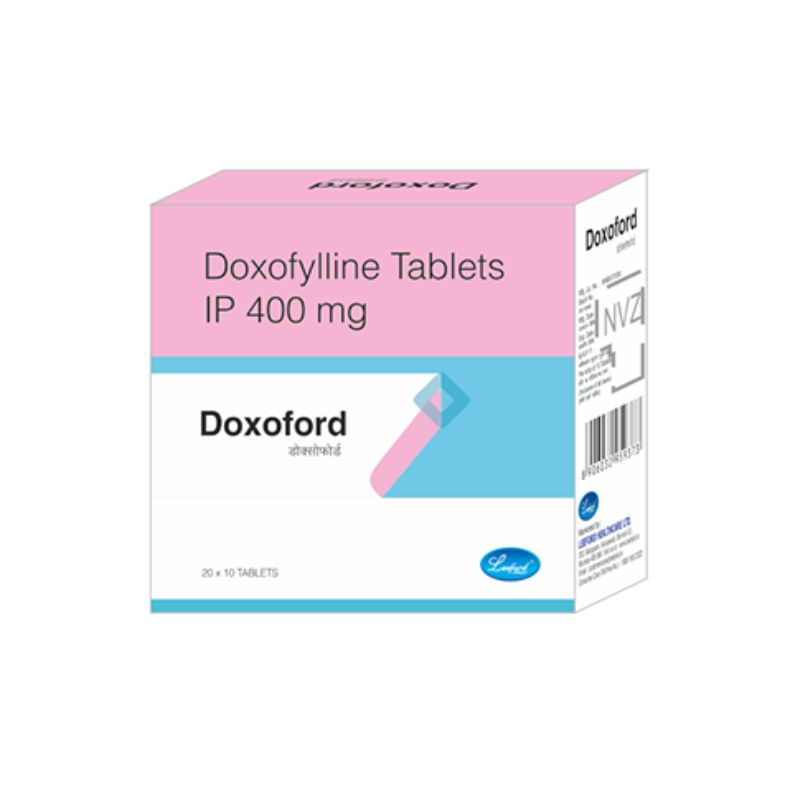
DOXFORD contains Doxofylline 400 mg per tablet, provided in a blister pack. Doxofylline is a modern xanthine bronchodilator designed to manage lung conditions by improving airflow and easing breathing.
Uses of DOXFORD (Doxofylline)
-
Treatment and prevention of asthma
-
Management of chronic obstructive pulmonary disease (COPD)
-
Relief from bronchospasm (narrowing of the airways), wheezing, and breathing difficulty.
How DOXFORD Works
Doxofylline works by relaxing the smooth muscles in the airways through inhibition of phosphodiesterase enzymes. This widens the airways, reduces bronchospasm, and makes it easier to breathe. Doxofylline is also noted for having anti-inflammatory effects within the airways.
Benefits
-
Rapid relief from asthma and COPD symptoms such as shortness of breath and wheezing
-
Strong bronchodilator effect with fewer side effects compared to traditional theophylline
-
Improved lung function and enhanced quality of life for respiratory patients.
Common Side Effects
-
Headache, nausea, vomiting, abdominal discomfort, insomnia, irritability
-
Palpitations or rapid heartbeat (rare), increased respiratory rate
-
Less likely to cause severe gastric or cardiac side effects compared to older xanthine drugs.
Precautions and Advice
-
Should be taken as prescribed, usually after meals to reduce stomach upset
-
Not recommended for patients with known allergy to xanthines, severe heart issues, or during breastfeeding unless advised by a doctor
-
Caution if used with other medications metabolized in the liver; always inform the prescriber about all medicines being taken.
DOXFORD is intended for use under strict medical supervision for safe and effective control of asthma and COPD symptoms.
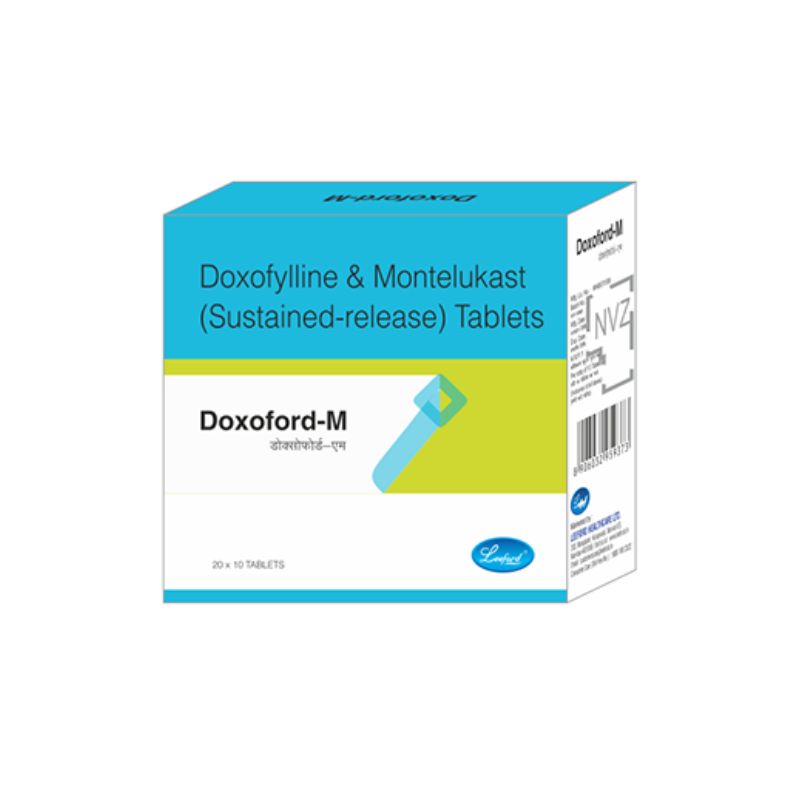
DOXFORD-M is a combination tablet containing sustained-release Doxofylline 400 mg and Montelukast 10 mg, supplied in a blister pack. This combination is commonly prescribed for the long-term management and prevention of respiratory conditions involving bronchoconstriction and airway inflammation, such as asthma and chronic obstructive pulmonary disease (COPD).
How DOXFORD-M Works
-
Doxofylline: A bronchodilator that relaxes muscles in the airways, widens bronchial passages, and makes breathing easier by inhibiting airway smooth muscle contraction.
-
Montelukast: A leukotriene receptor antagonist that blocks leukotriene-mediated airway inflammation and swelling, decreasing the risk of asthma attacks and relieving allergy-triggered bronchospasm.
Uses of DOXFORD-M
-
Prevention and maintenance treatment of asthma
-
Management of COPD and other chronic bronchial diseases
-
Control and prophylaxis of allergy-related airway inflammation and exercise-induced bronchospasm.
Benefits
-
Offers combined bronchodilation and anti-inflammatory effects for better asthma and COPD control
-
Reduces airway swelling, wheezing, and shortness of breath
-
Decreases the frequency and severity of asthma attacks, especially in patients with both bronchospasm and allergy-driven symptoms.
Side Effects
Potential side effects may include:
-
Nausea, vomiting, diarrhea, headache, abdominal pain, heartburn
-
Drowsiness, dizziness, insomnia, or mild allergic reactions (rash, itching)
-
Rarely: changes in mood or liver enzymes, palpitations, or upper respiratory infections.
Precautions and Advice
-
Take DOXFORD-M as prescribed, ideally at the same time each day, preferably in the evening after food
-
Not for acute asthma relief—use emergency inhaler for sudden symptoms
-
Caution if history of liver disease, peptic ulcer, or psychiatric illness
-
Do not stop abruptly without consulting a healthcare provider.
DOXFORD-M is a prescription medication for ongoing respiratory disease management and should be used only under medical supervision.

Doxinate Tablet is a combination medicine containing Doxylamine (10mg) and Vitamin B6 (Pyridoxine) (10mg). It is primarily used to treat nausea and vomiting during pregnancy (morning sickness).
Doxylamine is an antihistamine that helps reduce nausea by blocking certain natural substances in the brain, while Vitamin B6 (Pyridoxine) helps regulate metabolism and reduces nausea symptoms. Together, they provide safe and effective relief from pregnancy-related nausea and vomiting, without harming the baby when used as directed.
Uses:
Dosage:
-
The usual dose is one tablet at bedtime or as prescribed by your doctor.
-
In severe cases, your doctor may adjust the dose to 2–3 tablets daily (morning, afternoon, and bedtime).
-
Take regularly for best results, and do not exceed the prescribed dose.
How to Use:
-
Swallow the tablet whole with water.
-
Take it with or without food as directed.
-
Try to take it at the same time each day for consistent relief.
-
Do not stop suddenly without consulting your doctor.
Precautions:
-
Inform your doctor if you have asthma, glaucoma, stomach ulcers, urinary retention, or liver problems.
-
May cause drowsiness or dizziness — avoid driving or operating machinery after taking it.
-
Avoid alcohol as it may worsen side effects.
-
Safe to use in pregnancy when taken under medical supervision.
-
Consult your doctor before use during breastfeeding.
Side Effects:
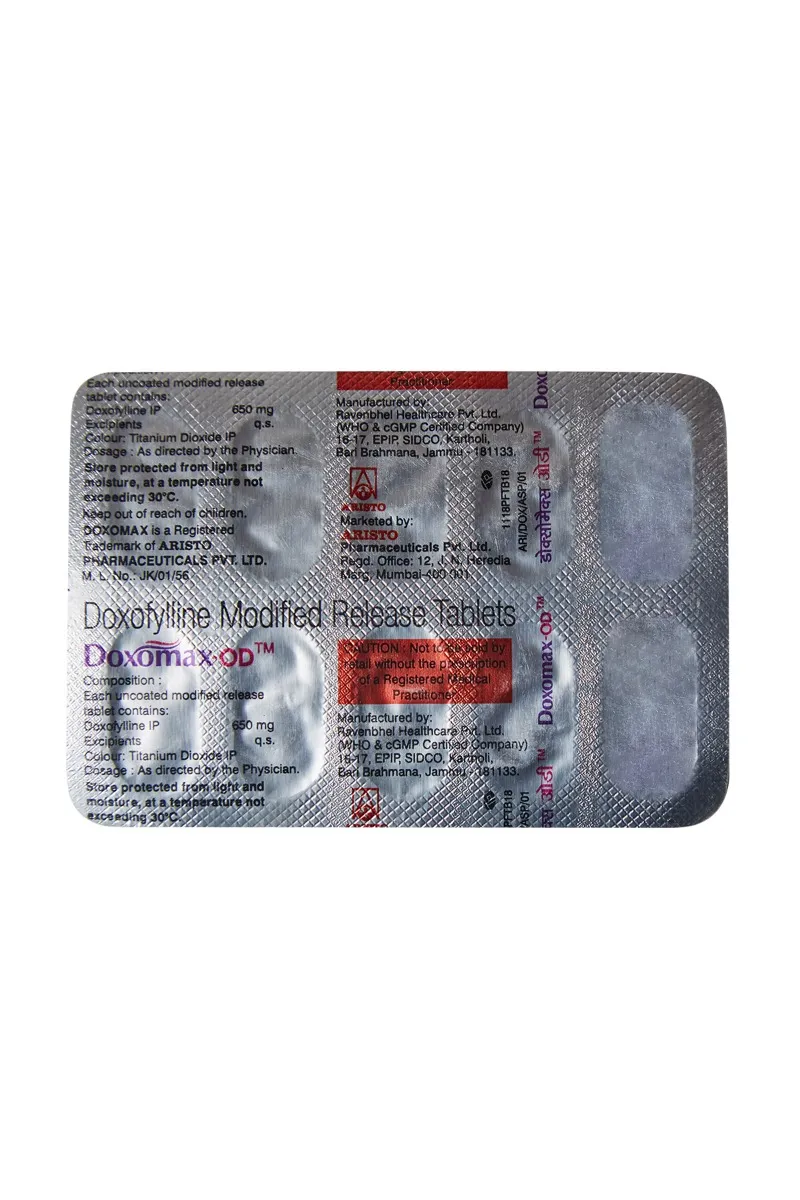
Doxomax OD Tablet is a long-acting bronchodilator used for the management of respiratory conditions such as asthma and chronic obstructive pulmonary disease (COPD). It contains Doxofylline, a methylxanthine derivative, which helps relax the smooth muscles of the airways, making breathing easier. Unlike the older drug theophylline, Doxofylline has fewer cardiac and central nervous system side effects, making it a safer option for long-term use in respiratory diseases.
This medicine is generally prescribed to reduce wheezing, breathlessness, chest tightness, and other breathing difficulties caused by airway obstruction. It helps improve lung function, decreases the frequency of asthma attacks, and enhances the quality of life in patients suffering from chronic respiratory illnesses.
Uses / Indications
-
Asthma (prevention and management of acute and chronic attacks)
-
Chronic Obstructive Pulmonary Disease (COPD)
-
Bronchitis with airway obstruction
-
Pulmonary diseases associated with difficulty in breathing and wheezing
How It Works (Mechanism of Action)
-
Doxofylline inhibits the enzyme phosphodiesterase (PDE) in the lungs.
-
This increases cyclic AMP (cAMP) levels, which relaxes bronchial smooth muscles.
-
Results in bronchodilation, improved airflow, and reduced breathing difficulties.
-
Unlike theophylline, it has minimal effects on the heart and brain, thus reducing risks of arrhythmias and nervous system stimulation.
Dosage & Administration
-
Usual adult dose: One tablet (650 mg) once daily, or as prescribed by the physician.
-
Should be swallowed whole with water, preferably after food.
-
Do not crush or chew the tablet, as it is formulated for controlled release (OD = Once Daily).
-
Dosage may vary depending on patient’s age, weight, and severity of disease.
Side Effects
Doxomax OD Tablet is generally well tolerated, but some patients may experience:
-
Nausea or vomiting
-
Stomach upset or gastritis
-
Headache or dizziness
-
Insomnia (trouble sleeping)
-
Increased heart rate (palpitations) – less common than with theophylline
-
Rare: allergic reactions such as rash, itching, swelling
Seek immediate medical attention if severe chest pain, irregular heartbeat, or persistent vomiting occurs.
Precautions & Warnings
-
Use only under medical supervision.
-
Caution in patients with heart disease, liver or kidney impairment, thyroid disorders, epilepsy, or high blood pressure.
-
Avoid alcohol while taking this medicine.
-
Inform your doctor about all other medications, as Doxofylline may interact with certain antibiotics, anticonvulsants, and other bronchodilators.
-
Not recommended for children unless specifically prescribed.
-
Pregnant and breastfeeding women should take only if clearly advised by the doctor.
Summary
Doxomax OD Tablet (Doxofylline 650 mg) is a safe and effective bronchodilator used in the management of asthma and COPD. It works by relaxing the airway muscles, improving breathing, and reducing the frequency of attacks. With fewer cardiac and nervous system side effects compared to older methylxanthines, it is well suited for long-term therapy in chronic respiratory diseases.

Doxovent Tablet contains Doxofylline (400mg), a xanthine derivative used as a bronchodilator for patients with asthma and chronic obstructive pulmonary disease (COPD). It works by relaxing the smooth muscles of the airways, thereby reducing bronchospasm and making breathing easier.
Unlike traditional xanthines (like theophylline), Doxofylline has fewer side effects on the heart and central nervous system, making it a safer long-term option for respiratory patients.
Uses
-
Asthma management – reduces wheezing, shortness of breath, and chest tightness
-
Chronic Obstructive Pulmonary Disease (COPD) – improves airflow and prevents flare-ups
-
Bronchitis and emphysema – helps open the airways and reduce breathing difficulty
-
Maintenance therapy to prevent exacerbations in chronic respiratory disorders
Dosage & Directions for Use
-
Usual adult dose: 1 tablet (400mg) once or twice daily, or as prescribed by a physician.
-
Take with water, preferably after meals to avoid gastric irritation.
-
Do not crush or chew the tablet unless advised.
-
Dose adjustments may be required in patients with liver or kidney impairment.
Possible Side Effects
Common:
Rare but serious:

DOXYNEC combines the broad-spectrum antibiotic doxycycline with Bacillus coagulans, a robust probiotic. This formula is designed to treat bacterial infections while minimizing antibiotic-associated gastrointestinal upset by restoring and protecting beneficial gut flora.
How DOXYNEC Works
-
Doxycycline: A tetracycline-class antibiotic, it inhibits protein synthesis in bacteria, helping in the treatment of infections like respiratory tract infections, urinary tract infections, skin infections, and some sexually transmitted diseases.
-
Bacillus coagulans: A spore-forming probiotic that survives stomach acid and colonizes the intestines, where it aids digestion, reduces antibiotic-induced diarrhea, supports healthy bowel function, and modulates immune function.
Uses of DOXYNEC
-
Management of various bacterial infections requiring doxycycline therapy
-
Prevention and relief of antibiotic-associated diarrhea and digestive side effects
-
Restoration and support of healthy gut flora balance during and after antibiotic use.
Benefits
-
Dual action: effectively fights infection while supporting gut health
-
Bacillus coagulans helps decrease bloating, flatulence, abdominal pain, and normalizes bowel movements, especially in people prone to antibiotic-related digestive issues or with irritable bowel syndrome (IBS).
-
Contributes to rapid recovery and improved digestive comfort during antibiotic courses
Side Effects
-
Doxycycline: nausea, vomiting, diarrhea, photosensitivity, altered taste, rare allergic reactions
-
Bacillus coagulans: generally very well-tolerated. Rare minor digestive upset possible.
-
Inform the doctor of any rashes, persistent diarrhea, severe headaches, or allergic reactions.
Directions for Use and Precautions
-
Take DOXYNEC as prescribed, preferably with food, and plenty of water to minimize stomach irritation
-
Complete the full course for best infection control
-
Use caution in pregnancy, breastfeeding, or with known allergies to tetracyclines or probiotics
-
Avoid excessive sun exposure while on doxycycline
DOXYNEC is a prescription medicine and should be taken only under healthcare supervision for proper infection management and optimized gut health.