Enterogermina Probiotic Supplement is a probiotic medicine manufactured by Sanofi India Ltd. It contains Bacillus Clausii (2 Billion Spores), which helps restore and maintain a healthy balance of intestinal bacteria. This supplement is useful in correcting alterations in gut flora caused by infections, antibiotics, or dietary changes, supporting overall stomach and digestive health.
By replenishing beneficial bacteria, Enterogermina improves digestion, reduces bloating, prevents diarrhea, and helps maintain the natural intestinal environment. It can be used by adults and children alike to maintain gut health and support proper nutrient absorption.
Uses
-
Restores and maintains healthy intestinal bacterial flora
-
Prevents or reduces diarrhea, especially during or after antibiotic use
-
Supports proper digestion and nutrient absorption
-
Helps maintain stomach health and reduces gastrointestinal discomfort
Dosage
-
Shake the bottle well before use
-
Take the recommended dose as advised by a doctor or per product instructions
-
Can be taken directly or mixed with water, milk, or juice
-
Suitable for daily use as recommended
Side Effects
Precautions
-
Store in a cool, dry place
-
Keep out of reach of children
-
Do not exceed the recommended dose
-
Consult a doctor before use in immunocompromised patients

Entroflora Capsule DR is a probiotic supplement that helps restore and maintain healthy intestinal microflora. It is designed to support digestive health, improve gut balance, and protect against gastrointestinal disturbances caused by infections, antibiotics, or dietary changes.
The delayed-release formulation ensures that the probiotics survive stomach acid and reach the intestine, where they can colonize and exert their beneficial effects.
Health Benefits & Uses
-
Restores gut microflora balance after antibiotic use
-
Helps in the management of diarrhea, including antibiotic-associated and infectious diarrhea
-
Provides relief in irritable bowel syndrome (IBS) and bloating
-
Supports digestion and nutrient absorption
-
Strengthens the immune system through healthy gut flora
-
May reduce episodes of gastric discomfort, flatulence, and acidity
How it Works
Entroflora Capsule DR contains probiotic strains that colonize the intestine and:
-
Inhibit harmful bacteria growth
-
Enhance intestinal barrier protection
-
Produce beneficial enzymes and metabolites for better digestion
-
Improve immune response by modulating gut-associated lymphoid tissue
Dosage & Administration
-
Commonly taken once or twice daily, or as directed by a healthcare professional.
-
Best consumed after meals with water.
Possible Side Effects
Generally well tolerated. In some cases:
Precautions
-
Not a substitute for a balanced diet or medical treatment.
-
Pregnant or breastfeeding women should consult a doctor before use.
-
Store in a cool, dry place, away from moisture and direct sunlight.
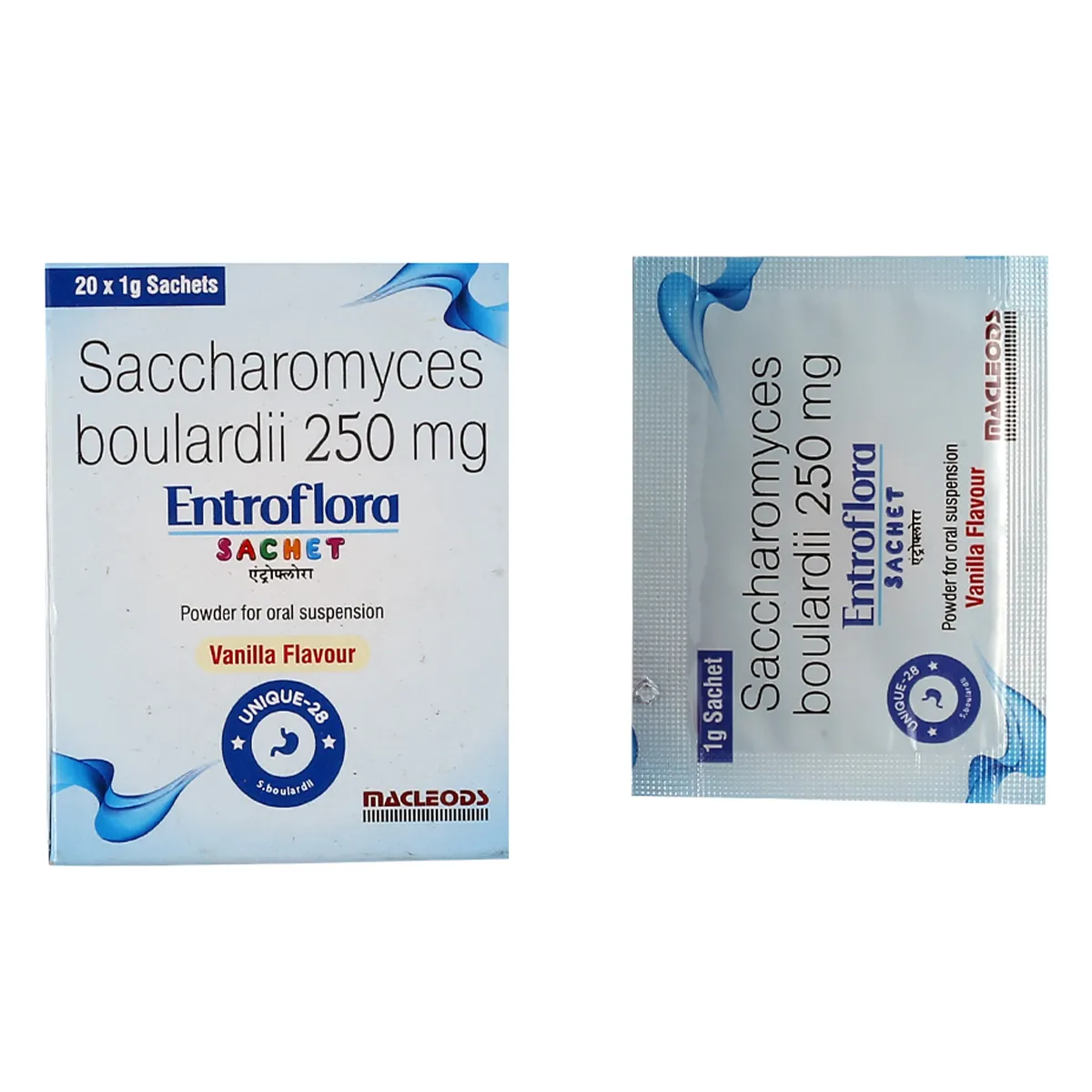
Entroflora Sachet Vanilla is a probiotic supplement containing Saccharomyces boulardii, a beneficial yeast widely used for maintaining and restoring intestinal health. It is especially helpful in managing diarrhea, gut infections, and digestive disturbances. The sachet comes in a pleasant vanilla flavor, making it easier and more palatable for both adults and children.
Health Benefits & Uses
-
Helps in the treatment and prevention of diarrhea (antibiotic-associated, infectious, or traveler’s diarrhea)
-
Restores natural gut flora balance disrupted by illness or medications
-
Supports recovery in gastroenteritis and irritable bowel conditions
-
Provides protection against harmful gut bacteria and toxins
-
Enhances digestive health and immunity
-
Safe and effective for children and adults
How it Works
Dosage & Administration
-
The contents of one sachet are usually mixed with water, milk, or juice and consumed directly.
-
Typical dosage: 1–2 sachets daily, or as directed by a healthcare professional.
-
Do not mix with very hot liquids, as heat may inactivate the probiotic.
Possible Side Effects
Generally well tolerated. Rare side effects may include:
Precautions
-
For best results, complete the full course as prescribed.
-
Use with caution in severely immunocompromised or critically ill patients.
-
Pregnant or breastfeeding women should consult a doctor before use.
-
Store in a cool, dry place, away from direct sunlight and moisture.

Enzoheal D Tablet is a multi-ingredient formulation combining enzymes, bioflavonoids, and an anti-inflammatory agent. It is used to relieve pain, swelling, and inflammation associated with musculoskeletal conditions, injuries, and post-surgical recovery. The combination of Trypsin, Bromelain, Rutoside, and Diclofenac provides enhanced anti-inflammatory, analgesic, and healing benefits for faster recovery.
Health Benefits & Uses
-
Relieves pain and swelling in arthritis, joint pain, and musculoskeletal disorders
-
Aids in post-surgical recovery by reducing inflammation and improving healing
-
Useful in sports injuries, fractures, sprains, and trauma-related pain
-
Provides relief in conditions like sinusitis, thrombophlebitis, and soft tissue inflammation
-
Improves blood circulation and prevents microvascular damage due to inflammation
How it Works
-
Trypsin (48mg): A proteolytic enzyme that reduces swelling and promotes healing.
-
Bromelain (90mg): A natural enzyme with anti-inflammatory and analgesic effects.
-
Rutoside (100mg): A bioflavonoid with antioxidant and vascular-protective properties, improving circulation and reducing oxidative stress.
-
Diclofenac (50mg): A non-steroidal anti-inflammatory drug (NSAID) that directly reduces pain and inflammation.
Dosage & Administration
-
Typically taken 1 tablet 1–2 times daily, or as directed by a healthcare professional.
-
Best taken after meals to reduce gastric irritation.
Possible Side Effects
Some patients may experience:
-
Gastric irritation, nausea, or abdominal pain
-
Diarrhea or bloating
-
Headache or dizziness
-
Rare allergic reactions (skin rash, itching)
Precautions
-
Avoid in patients with gastric ulcers, severe liver or kidney disease, or bleeding disorders.
-
Use with caution in patients on blood thinners or anticoagulants.
-
Not recommended during pregnancy or breastfeeding unless prescribed by a doctor.
-
Avoid alcohol while taking this medicine, as it may increase stomach irritation.
Storage
-
Store in a cool, dry place, away from direct sunlight.
-
Keep out of reach of children.

Enzoheal Tablet is a combination enzyme and flavonoid-based formulation used for reducing inflammation, swelling, and pain associated with various medical conditions. It combines Bromelain (a natural enzyme from pineapple), Trypsin (a proteolytic enzyme), and Rutoside (a plant-derived antioxidant and bioflavonoid). Together, these ingredients help in managing inflammatory disorders, post-surgical recovery, trauma, and chronic conditions involving pain and swelling.
Health Benefits & Uses
-
Reduces inflammation, pain, and swelling in musculoskeletal conditions
-
Supports faster recovery in post-surgical and post-traumatic healing
-
Aids in treatment of arthritis, joint pain, and sprains
-
Improves blood circulation and reduces risk of blood clot formation
-
Enhances healing of sports injuries, fractures, and soft tissue injuries
-
Provides antioxidant protection against cellular damage
-
Helps in conditions like sinusitis, thrombophlebitis, and chronic venous insufficiency
How it Works
-
Bromelain (90mg): A natural proteolytic enzyme with strong anti-inflammatory and analgesic effects. It reduces tissue swelling and promotes faster healing.
-
Trypsin (48mg): A protease enzyme that helps break down proteins at injury sites, reducing edema and improving circulation.
-
Rutoside (100mg): A powerful bioflavonoid with antioxidant and venoprotective properties. It strengthens blood vessels, improves microcirculation, and prevents oxidative stress.
Dosage & Administration
-
Usually taken 1 tablet 1–2 times daily, or as advised by a healthcare professional.
-
Best taken on an empty stomach for optimal absorption.
Possible Side Effects
Generally well tolerated. Rarely may cause:
-
Stomach upset, nausea, or diarrhea
-
Skin rashes or allergic reactions (in sensitive individuals)
-
Bloating or gas
Precautions
-
Avoid if allergic to pineapple, papain, or other proteolytic enzymes.
-
Use with caution in patients on blood thinners or anticoagulants.
-
Not recommended for individuals with bleeding disorders.
-
Pregnant or breastfeeding women should consult a doctor before use.
Storage
-
Store in a cool, dry place, away from direct sunlight.
-
Keep out of reach of children.

Enzomac Forte Tablet is a triple combination enzyme and antioxidant formulation used to manage pain, swelling, and inflammation associated with injuries, surgeries, and chronic musculoskeletal conditions. It contains Bromelain, Trypsin, and Rutoside, which work synergistically to reduce edema, accelerate healing, and protect tissues from oxidative damage.
Health Benefits & Uses
-
Reduces pain, inflammation, and swelling in arthritis, sprains, and musculoskeletal injuries
-
Promotes faster recovery in post-surgical and post-traumatic conditions
-
Aids in sports injuries, fractures, and soft tissue injuries
-
Improves blood circulation and reduces the risk of clot formation
-
Supports treatment of thrombophlebitis, sinusitis, and chronic venous insufficiency
-
Provides antioxidant protection, preventing tissue damage and speeding up healing
How it Works
-
Bromelain (180mg): A natural proteolytic enzyme from pineapple with strong anti-inflammatory and analgesic properties.
-
Trypsin (96mg): A protease enzyme that reduces edema and accelerates wound healing by breaking down damaged proteins.
-
Rutoside (200mg): A bioflavonoid with antioxidant and venoprotective effects; strengthens blood vessels, reduces oxidative stress, and improves circulation.
Dosage & Administration
-
Commonly taken 1 tablet 1–2 times daily, or as prescribed by a healthcare professional.
-
Best taken on an empty stomach for maximum absorption.
Possible Side Effects
Generally well tolerated, but some patients may experience:
-
Nausea, diarrhea, or stomach discomfort
-
Mild bloating or gas
-
Rare allergic reactions (skin rash, itching, swelling)
Precautions
-
Avoid in patients with bleeding disorders or those taking anticoagulants (blood thinners).
-
Not recommended for individuals allergic to pineapple, papain, or enzyme supplements.
-
Use with caution in patients with liver or kidney disease.
-
Pregnant and breastfeeding women should consult a doctor before use.
Storage
-
Store in a cool, dry place, protected from sunlight and moisture.
-
Keep out of reach of children.

Enzomac Plus Tablet is a combination medicine that provides anti-inflammatory, analgesic, and antioxidant effects. It is commonly prescribed for conditions involving pain, swelling, and inflammation such as post-surgical recovery, arthritis, musculoskeletal injuries, and soft tissue trauma. The blend of enzymes with an anti-inflammatory agent helps in faster healing, pain relief, and tissue repair.
Health Benefits & Uses
-
Reduces inflammation and swelling after surgery, trauma, or injury
-
Provides relief from joint pain, stiffness, and muscle aches
-
Useful in arthritis, sprains, strains, and sports injuries
-
Promotes faster wound healing and tissue regeneration
-
Supports recovery from orthopedic and dental surgeries
How it Works
-
Trypsin & Bromelain: Proteolytic enzymes that break down proteins at the site of inflammation, reducing swelling and improving circulation for quicker healing.
-
Rutoside: A bioflavonoid with antioxidant and anti-edematous properties that strengthens blood vessels and reduces tissue damage.
-
Diclofenac: A non-steroidal anti-inflammatory drug (NSAID) that provides pain relief and decreases inflammation.
Dosage & Administration
-
Usually taken once or twice daily with water, as directed by the physician.
-
Best taken after meals to reduce gastric irritation.
Possible Side Effects
-
Stomach pain, nausea, or indigestion
-
Heartburn or gastritis
-
Mild allergic reactions (rash, itching)
-
Rarely: dizziness, headache, or diarrhea
Precautions
-
Avoid in patients with peptic ulcers, severe liver or kidney problems, or NSAID allergy
-
Use with caution in hypertension, heart disease, and bleeding disorders
-
Not recommended in pregnancy and breastfeeding unless prescribed
-
Avoid alcohol as it may increase stomach irritation and liver stress
Storage

Enzomac Tablet is a combination enzyme and antioxidant formulation used to reduce pain, inflammation, and swelling associated with musculoskeletal conditions, post-surgical recovery, and soft tissue injuries. The synergistic action of Bromelain, Trypsin, and Rutoside promotes faster healing and improves blood circulation, making it effective in both acute and chronic inflammatory conditions.
Health Benefits & Uses
-
Reduces pain, swelling, and inflammation in arthritis, sprains, and soft tissue injuries
-
Supports post-surgical and post-traumatic recovery
-
Enhances healing of sports injuries, fractures, and minor wounds
-
Provides antioxidant protection and improves microcirculation
-
Useful in conditions like thrombophlebitis, sinusitis, and chronic venous insufficiency
How it Works
-
Bromelain (90mg): Natural proteolytic enzyme with anti-inflammatory and analgesic effects
-
Trypsin (48mg): Protease enzyme that breaks down damaged proteins, reduces edema, and promotes healing
-
Rutoside (100mg): Bioflavonoid with antioxidant and venoprotective properties, strengthening blood vessels and preventing oxidative tissue damage
Dosage & Administration
-
Typically taken 1 tablet 1–2 times daily, or as prescribed by a healthcare professional
-
Best taken on an empty stomach for optimal absorption
Possible Side Effects
-
Mild gastrointestinal discomfort (nausea, diarrhea, bloating)
-
Rare allergic reactions (rash, itching, swelling)
Precautions
-
Avoid in patients with allergies to pineapple, papain, or enzyme supplements
-
Use with caution in bleeding disorders or while taking anticoagulants
-
Pregnant and breastfeeding women should consult a doctor before use
Storage
-
Store in a cool, dry place, away from sunlight and moisture
-
Keep out of reach of children

ENZOMAG contains Diastase, Pepsin, and Alpha Amylase in tablet form, supplied in alu-alu packaging. It is formulated to support digestion, particularly for individuals experiencing indigestion, bloating, flatulence, and other symptoms related to poor digestive enzyme activity.
How ENZOMAG Works
-
Diastase: An enzyme that aids in the breakdown of starches into simpler sugars, improving carbohydrate digestion.
-
Pepsin: A protein-digesting enzyme that assists in converting proteins into smaller peptides, facilitating absorption.
-
Alpha Amylase: Breaks down complex carbohydrates into simple sugars, reducing digestive discomfort and flatulence.
Uses of ENZOMAG
-
Treatment of indigestion, hyperacidity, and bloating
-
Relief from flatulence and stomach cramps due to digestive enzyme deficiency
-
Enhancement of appetite and improvement in nutritional absorption.
Benefits
-
Aids in better digestion of proteins and carbohydrates
-
Relieves symptoms of poor digestion such as gas, discomfort, and abdominal pain
-
Can be used for appetite loss and general digestive wellness.
Side Effects
-
Possible mild abdominal pain, stomach upset, nausea
-
Generally well tolerated when taken as prescribed.
Directions for Use and Precautions
-
Take ENZOMAG as prescribed by a physician, usually after meals
-
Do not exceed recommended dosage
-
Not recommended for use in case of allergy to ingredients or in severe gastrointestinal illness without medical advice.
ENZOMAG is a digestive enzyme supplement for supportive care in indigestion and related digestive complaints, best used under medical guidance.

Epilex Chrono 200 Tablet CR Eazy Glide is a prescription medicine used to treat epilepsy (seizure disorder). It contains Sodium Valproate and Valproic Acid, which work together to stabilize electrical activity in the brain, relax the nerves, and prevent seizures or fits. This helps patients manage symptoms such as jerking movements, confusion, or loss of awareness, improving overall quality of life.
The medicine should be taken with food, exactly as prescribed by your doctor. Your dose may be adjusted gradually until your condition is well controlled. Even if you feel fine, do not stop taking it suddenly, as this may increase the risk of seizures.
Key Benefits:
-
Prevents and controls epileptic seizures.
-
Reduces nerve excitability and abnormal brain activity.
-
Improves daily functioning and lowers risk of seizure-related complications.
Possible Side Effects:
Nausea, tremors, vomiting, headache, abdominal pain, or liver problems may occur. Most side effects are temporary and improve with time, but consult your doctor if they persist or worsen.
Safety Information:
-
Avoid alcohol, as it may increase drowsiness and side effects.
-
Not safe during pregnancy due to risk to the baby.
-
Generally safe during breastfeeding if prescribed.
-
May cause dizziness or sleepiness—avoid driving or operating heavy machines.
-
Use with caution in liver problems; regular monitoring may be required.
Storage: Store below 30°C in a cool, dry place.

Epilex Chrono 300 Tablet CR is an antiepileptic (seizure-controlling) medicine that belongs to the group of anticonvulsants. It is used for the treatment of epilepsy, a condition where patients have recurrent seizures (fits). The medicine works by stabilizing the electrical activity in the brain, thereby reducing abnormal nerve impulses.
It is also prescribed for bipolar disorder and sometimes for the prevention of migraine headaches.
Key Uses:
-
Control and prevention of different types of seizures/epilepsy
-
Management of bipolar mood disorder
-
Prevention of migraine attacks
How it Works:
Epilex Chrono contains a combination of sodium valproate and valproic acid, which increase the levels of gamma-aminobutyric acid (GABA) in the brain. GABA is a chemical messenger that helps calm the nerve activity, preventing abnormal and excessive firing of nerve signals that lead to seizures.
Dosage & Administration:
-
Taken orally, usually with food to reduce stomach irritation.
-
The exact dose depends on age, body weight, medical condition, and response to treatment.
-
Should be taken at the same time daily for best results.
-
Do not stop suddenly without medical advice as it may trigger seizures.
Possible Side Effects:
-
Nausea, vomiting, stomach pain, indigestion
-
Weight gain, hair loss, tremors
-
Sleepiness, dizziness, headache
-
In rare cases: liver dysfunction, pancreatitis, blood disorders (requires monitoring)
Warnings & Precautions:
-
Not recommended during pregnancy unless prescribed (risk of birth defects).
-
Use with caution in patients with liver or kidney disease.
-
Regular liver function tests, CBC, and serum drug levels may be advised during long-term use.
-
Avoid alcohol as it increases drowsiness.
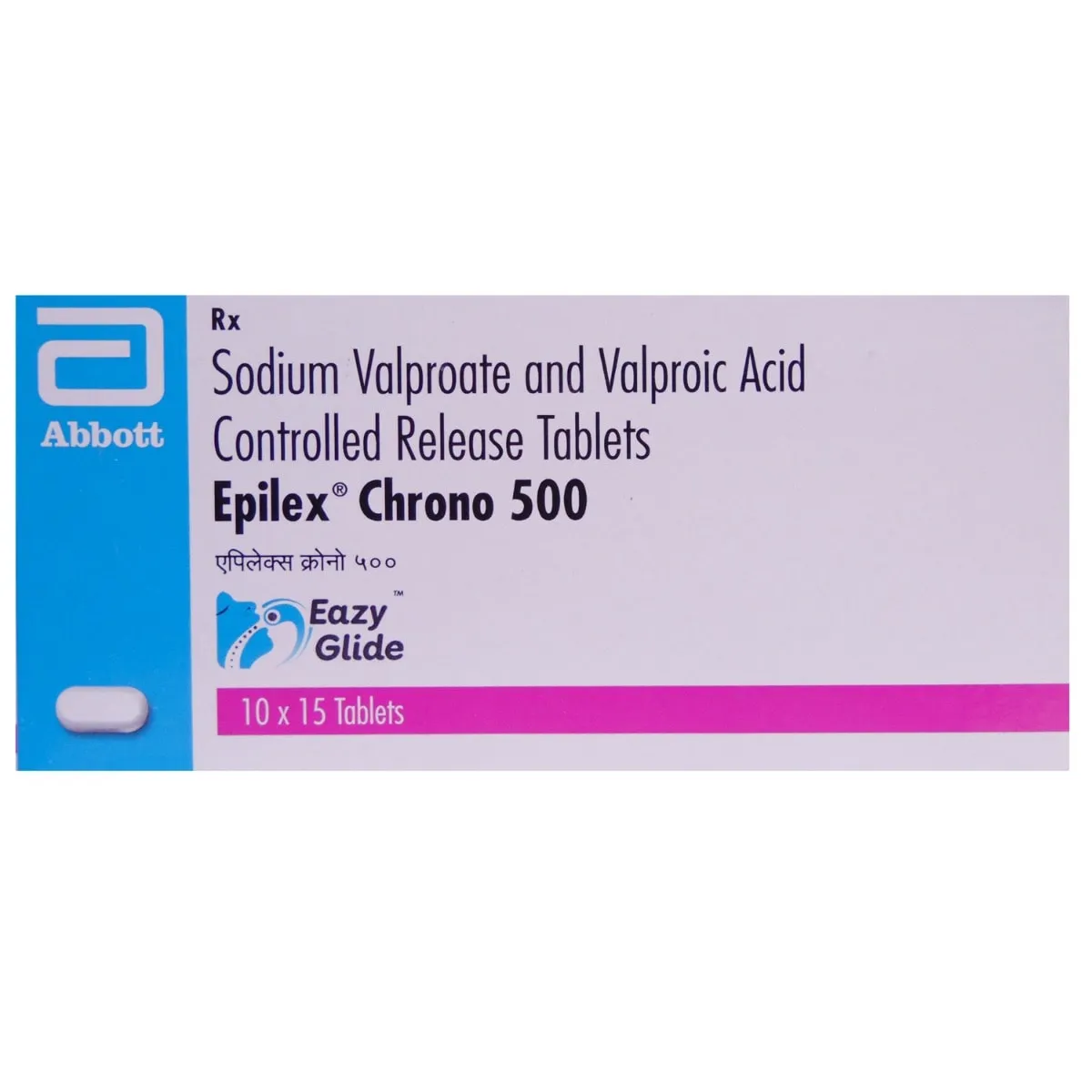
Epilex Chrono 500 Tablet CR is an antiepileptic medication that combines sodium valproate and valproic acid in a controlled-release form. It is primarily prescribed for the management of epilepsy (seizures), bipolar disorder, and sometimes for the prevention of migraine headaches.
This dual formulation ensures sustained release of the drug, maintaining stable blood levels for longer duration and reducing the frequency of dosing compared to immediate-release tablets.
Key Uses:
-
Treatment and prevention of generalized and partial seizures in epilepsy
-
Management of bipolar mood disorder
-
Prophylaxis of migraine attacks
How it Works:
The combination of sodium valproate and valproic acid works by increasing the amount of gamma-aminobutyric acid (GABA) in the brain, a natural chemical messenger that suppresses abnormal nerve activity. This action helps to calm excessive electrical signals in the brain, thereby preventing seizures and stabilizing mood.
Dosage & Administration:
-
Administered orally, usually with meals to reduce gastric upset.
-
Dosage is tailored according to age, body weight, and clinical condition.
-
Must be taken regularly at the same time daily for best results.
-
Sudden discontinuation should be avoided, as it may cause withdrawal seizures.
Possible Side Effects:
-
Nausea, vomiting, abdominal discomfort
-
Dizziness, tremors, headache, drowsiness
-
Weight gain, hair loss
-
Rare but serious: liver toxicity, pancreatitis, blood abnormalities (requires monitoring)
Warnings & Precautions:
-
Contraindicated in pregnancy unless no safer alternatives are available (risk of serious birth defects).
-
Not suitable for patients with severe liver disease or pancreatitis.
-
Regular monitoring of liver function, pancreatic enzymes, CBC, and serum drug levels may be necessary during prolonged therapy.
-
Avoid alcohol to minimize excessive sedation.
is an antiepileptic medication that combines sodium valproate and valproic acid in a controlled-release form. It is primarily prescribed for the management of epilepsy (seizures), bipolar disorder, and sometimes for the prevention of migraine headaches.
This dual formulation ensures sustained release of the drug, maintaining stable blood levels for longer duration and reducing the frequency of dosing compared to immediate-release tablets.
Key Uses:
-
Treatment and prevention of generalized and partial seizures in epilepsy
-
Management of bipolar mood disorder
-
Prophylaxis of migraine attacks
How it Works:
The combination of sodium valproate and valproic acid works by increasing the amount of gamma-aminobutyric acid (GABA) in the brain, a natural chemical messenger that suppresses abnormal nerve activity. This action helps to calm excessive electrical signals in the brain, thereby preventing seizures and stabilizing mood.
Dosage & Administration:
-
Administered orally, usually with meals to reduce gastric upset.
-
Dosage is tailored according to age, body weight, and clinical condition.
-
Must be taken regularly at the same time daily for best results.
-
Sudden discontinuation should be avoided, as it may cause withdrawal seizures.
Possible Side Effects:
-
Nausea, vomiting, abdominal discomfort
-
Dizziness, tremors, headache, drowsiness
-
Weight gain, hair loss
-
Rare but serious: liver toxicity, pancreatitis, blood abnormalities (requires monitoring)
Warnings & Precautions:
-
Contraindicated in pregnancy unless no safer alternatives are available (risk of serious birth defects).
-
Not suitable for patients with severe liver disease or pancreatitis.
-
Regular monitoring of liver function, pancreatic enzymes, CBC, and serum drug levels may be necessary during prolonged therapy.
-
Avoid alcohol to minimize excessive sedation.