Epilex Oral Solution is a widely prescribed anti-epileptic medicine belonging to the class of drugs called anticonvulsants. It contains Sodium Valproate as the active ingredient, which is highly effective in controlling a broad spectrum of seizure disorders. It is available in a liquid formulation, making it convenient for children, elderly patients, or anyone who has difficulty swallowing tablets.
Epilex works by stabilizing abnormal electrical activity in the brain, thereby preventing uncontrolled bursts of nerve signals that cause seizures. Apart from epilepsy, it is also used in the management of bipolar mood disorder and sometimes as a preventive therapy for migraine headaches.
Key Benefits and Uses
-
Epilepsy & Seizures
-
Controls generalized seizures (tonic-clonic seizures)
-
Effective in partial seizures
-
Helpful in absence seizures (petit mal)
-
May be used in mixed seizure types
-
Bipolar Disorder
-
Helps in stabilizing mood swings
-
Reduces episodes of mania and depression
-
Prevents relapse in long-term treatment
-
Migraine Prevention
Mechanism of Action
Sodium Valproate increases the concentration of gamma-aminobutyric acid (GABA) in the brain. GABA is a naturally occurring chemical messenger that calms nerve activity. By boosting GABA levels, Epilex suppresses excessive firing of brain cells, thereby preventing seizures, mood disturbances, and migraine triggers.
Dosage & Administration
-
The dosage is individualized based on the patient’s age, body weight, type of illness, and response to treatment.
-
The usual daily dose is divided into 2–3 doses.
-
The solution should be measured with the provided measuring cup/dropper for accuracy.
-
Can be taken with or after food to minimize stomach upset.
-
Do not stop suddenly; abrupt withdrawal can trigger seizures.
-
Dose adjustments may be required in patients with liver or kidney problems.
Possible Side Effects
Like all medicines, Epilex Oral Solution can cause some side effects, though not everyone experiences them.
Common side effects:
-
Nausea, vomiting, stomach upset, indigestion
-
Diarrhea or constipation
-
Dizziness, drowsiness, tremors
-
Headache, blurred vision
-
Weight gain, increased appetite
-
Temporary hair loss (usually grows back)
Serious side effects (seek immediate medical attention):
-
Signs of liver problems: yellowing of skin/eyes (jaundice), dark urine, persistent tiredness, abdominal pain
-
Pancreatitis: severe stomach pain, nausea, vomiting
-
Unusual bleeding or bruising due to blood disorders
-
Severe skin rashes or allergic reactions
-
Confusion, unusual behavior, worsening seizures
Warnings & Precautions
-
Pregnancy & Breastfeeding: Not recommended unless no safer alternative is available, as Sodium Valproate may cause birth defects. Women of childbearing age should use effective contraception.
-
Liver Function: Regular monitoring of liver function tests is essential, especially in children and during the first 6 months of treatment.
-
Drug Interactions: Inform the doctor if you are taking other antiepileptic drugs (e.g., phenytoin, carbamazepine, lamotrigine), blood thinners, or antidepressants.
-
Alcohol: Avoid alcohol as it may increase drowsiness and the risk of liver problems.
-
Driving & Machinery: This medicine may cause sleepiness or dizziness. Do not drive or operate machinery unless you are alert.
Storage Instructions
-
Store at room temperature, away from direct sunlight and moisture.
-
Keep tightly closed and out of reach of children.
-
Shake the bottle well before each use.
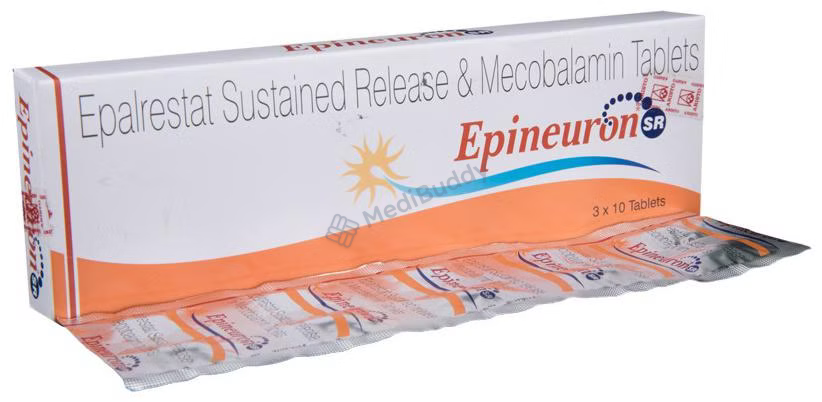
Epineuron SR Tablet is a combination medicine used primarily for the management of diabetic neuropathy (nerve pain and damage caused by long-term high blood sugar). It contains Epalrestat, an aldose reductase inhibitor that prevents accumulation of sorbitol (a harmful sugar alcohol) in nerves, and Methylcobalamin (Vitamin B12), an essential vitamin that helps in nerve regeneration and repair.
Together, these two agents reduce nerve damage, pain, tingling, numbness, and burning sensations in patients with diabetes. It also helps in improving nerve conduction and restoring normal nerve function over time.
Uses / Indications
-
Diabetic peripheral neuropathy (nerve pain, tingling, numbness in hands and feet)
-
Neuropathy due to Vitamin B12 deficiency
-
Supportive therapy for other types of neuropathic pain
-
Helps improve nerve conduction and repair damaged nerve tissue
How It Works (Mechanism of Action)
-
Epalrestat (150 mg): Inhibits the enzyme aldose reductase → reduces conversion of glucose to sorbitol → prevents nerve swelling and oxidative damage.
-
Methylcobalamin (1500 mcg): Active form of Vitamin B12 → supports synthesis of myelin (nerve sheath), promotes regeneration of damaged nerves, and improves nerve signaling.
-
Combined Effect: Protects nerves from further damage while repairing and improving their function.
Dosage & Administration
-
Typically prescribed as one tablet once or twice daily, or as advised by the doctor.
-
Should be swallowed whole with water.
-
Can be taken with or without food.
-
Duration of therapy depends on severity of neuropathy and response to treatment.
Side Effects
Common:
-
Nausea, vomiting, indigestion
-
Headache, dizziness
-
Rash, itching, mild skin reactions
Less Common / Rare:
-
Altered liver function (mild, reversible)
-
Low blood pressure (rare dizziness/fainting)
-
Allergic reactions (swelling, severe itching, breathing difficulty – rare)
Precautions & Warnings
-
Not recommended in patients with severe liver impairment (epalrestat is metabolized in the liver).
-
Caution in patients with kidney disease.
-
Should not be used in pregnant or breastfeeding women unless prescribed by a doctor.
-
Alcohol should be avoided, as it worsens neuropathy and may reduce treatment benefits.
-
Regular monitoring of blood sugar and liver function tests may be advised during long-term therapy.
Summary
Epineuron SR Tablet combines Epalrestat (150 mg) and Methylcobalamin (1500 mcg) for effective management of diabetic neuropathy. It works by preventing further nerve damage caused by excess blood sugar and by repairing damaged nerves through Vitamin B12 supplementation. Regular use helps relieve nerve pain, numbness, and tingling sensations, thereby improving quality of life for diabetic patients.
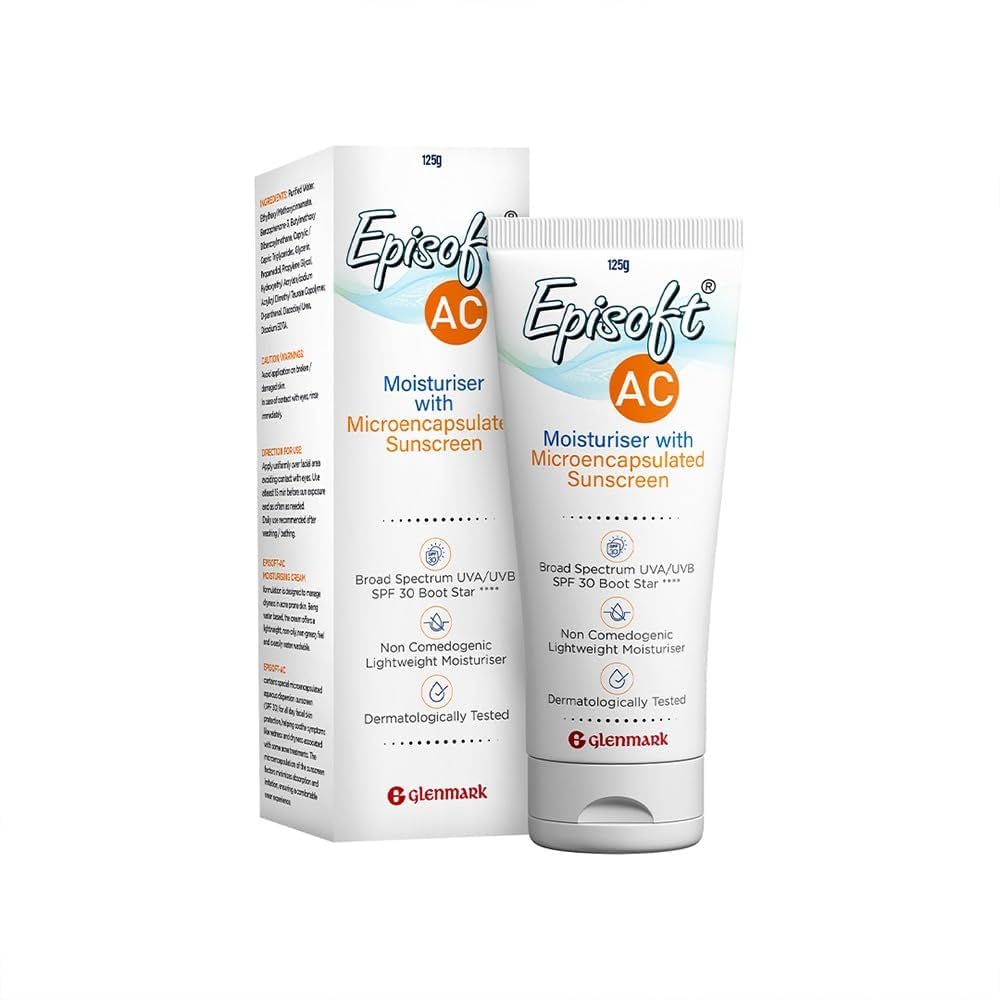
Episoft AC Moisturiser is a specially formulated oil-free moisturizer with microencapsulated sunscreen SPF 30, designed for individuals with acne-prone and oily skin. Its non-comedogenic and lightweight formula provides essential hydration without clogging pores, while the built-in sunscreen protects the skin from harmful UVA and UVB rays.
The microencapsulation technology ensures controlled release of sunscreen agents, offering long-lasting sun protection with minimal irritation, making it suitable even for sensitive and acne-prone skin.
Key Benefits
-
Moisturises without greasiness – Hydrates skin while maintaining a matte look
-
SPF 30 protection – Shields against both UVA and UVB radiation
-
Microencapsulation technology – Provides sustained, gentle, and effective sun protection
-
Non-comedogenic formula – Won’t clog pores, making it safe for acne-prone skin
-
Soothing effect – Helps reduce irritation and sensitivity caused by acne treatments
Uses
-
Daily moisturiser for oily and acne-prone skin
-
Prevents dryness and irritation caused by acne medications like retinoids or benzoyl peroxide
-
Protects against sun-induced skin damage (tanning, pigmentation, premature aging)
-
Suitable for sensitive and combination skin
Directions for Use
-
Apply evenly on cleansed face and exposed skin areas 15–20 minutes before sun exposure
-
Reapply every 3–4 hours for continued protection, especially after sweating or washing
-
Can be used as a daily moisturizer with SPF under makeup or alone
Possible Side Effects
-
Generally safe and well-tolerated
-
Rarely, mild irritation, redness, or stinging may occur in extremely sensitive skin
-
Discontinue use if persistent irritation or allergic reaction develops

Episoft Cleansing Lotion is a dermatologist-recommended gentle cleanser, specially formulated for dry, sensitive, and irritated skin. Unlike regular soaps and harsh face washes, this lotion is soap-free, fragrance-free, and pH-balanced, ensuring effective cleansing without stripping away the skin’s natural oils.
Its mild, non-foaming formula removes dirt, oil, and impurities while maintaining skin hydration, leaving the skin soft, soothed, and refreshed. Safe for daily use, it is suitable for individuals with sensitive skin, dermatitis, eczema, or acne-prone skin who require a non-irritating cleansing option.
Key Ingredients & Their Benefits
-
Purified Water – Hydrates and forms the base of the cleansing system
-
Cetearyl Alcohol & Cetostearyl Alcohol – Act as emollients, improving skin softness and smoothness
-
1,3 Butylene Glycol – A humectant that attracts and retains moisture
-
Maltooligosyl Glucoside & Hydrogenated Starch Hydrolysate – Gentle cleansing and moisturizing agents
-
Sodium Lauroyl Sarcosinate – Mild surfactant for effective yet gentle cleansing
-
Phenova – Preservative ensuring product stability and safety
-
Acrylic Acid & C10-30 Alkyl Acrylate Crosspolymer – Provide texture and stability to the lotion
-
Triethanolamine – Helps balance pH for skin compatibility
Key Benefits
-
Gentle, non-irritating cleanser – Safe for dry and sensitive skin
-
Maintains skin’s natural moisture balance – Prevents dryness and tightness
-
pH-balanced – Protects the skin barrier
-
Fragrance-free & non-comedogenic – Won’t irritate or clog pores
-
Dermatologist-recommended for conditions like eczema, rosacea, and acne care
Uses
-
Daily face and body cleansing for dry, sensitive, or allergy-prone skin
-
Supportive skincare for patients on dermatological treatments (retinoids, steroids, acne therapy)
-
Helps prevent irritation, redness, and skin barrier damage
-
Suitable for both adults and children
Directions for Use
-
Apply a small amount of lotion to the skin and gently massage
-
Wipe off with a soft tissue/cotton pad or rinse with water
-
Use twice daily or as advised by a dermatologist
Possible Side Effects
-
Generally safe and well-tolerated
-
Rarely, mild irritation or allergic reaction may occur in hypersensitive individuals
-
Discontinue use if irritation persists and consult a dermatologist
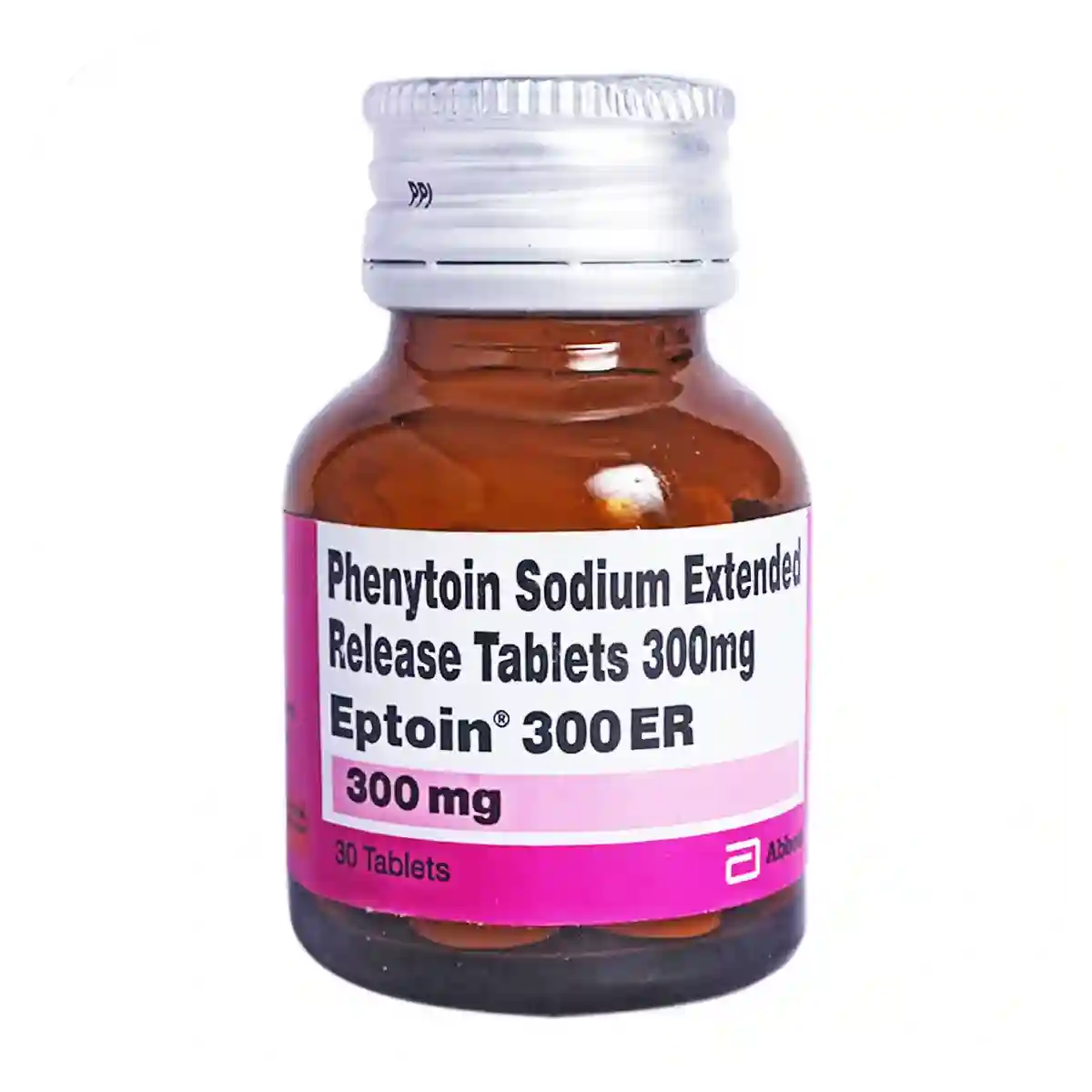
Eptoin 300 ER Tablet contains Phenytoin (300mg) in an extended-release (ER) formulation, designed to provide long-lasting control of seizures with fewer daily doses. It is an antiepileptic (anticonvulsant) drug from the hydantoin class, which works by stabilizing abnormal electrical activity in the brain.
It is mainly prescribed for patients with epilepsy, especially those experiencing generalized tonic-clonic seizures or partial seizures, and for prevention of seizures after neurosurgery.
Uses
-
Control and prevention of epileptic seizures (generalized and partial).
-
Prevention of seizures during or after brain surgery.
-
Adjunct treatment in status epilepticus (though injection is preferred).
-
May also be used in irregular heart rhythms (rare, off-label).
How It Works
-
Phenytoin blocks voltage-gated sodium channels in neurons.
-
This prevents the spread of abnormal electrical discharges in the brain.
-
The ER formulation maintains stable blood levels over 24 hours, reducing fluctuations and improving seizure control.
Dosage & Administration
-
Usual adult dose: one 300mg ER tablet once daily, or as prescribed.
-
Take at the same time every day, preferably with food to minimize stomach irritation.
-
Do not crush or chew the ER tablet; swallow whole with water.
-
Dose adjustments are based on seizure control, drug levels, and individual response.
-
Never stop suddenly without medical advice, as it may trigger seizures.
Side Effects
Common:
-
Drowsiness, dizziness, fatigue
-
Nausea, vomiting
-
Gum swelling (gingival hyperplasia)
-
Unsteady movements, balance issues
Serious (seek medical help):
-
Severe skin rash (Stevens-Johnson syndrome, toxic epidermal necrolysis)
-
Liver dysfunction (jaundice, dark urine)
-
Blood disorders (low platelets, anemia, infections)
-
Behavioral changes, confusion, or suicidal thoughts
Precautions
-
Avoid alcohol and sedatives – may worsen side effects or seizures.
-
Requires regular blood monitoring for drug levels, liver enzymes, and blood counts.
-
Use cautiously in patients with liver, kidney, or heart disease.
-
Pregnancy: May cause birth defects; consult doctor (often given with folic acid supplementation).
-
Breastfeeding: Passes into breast milk – use only under medical advice.
-
Drug interactions: Phenytoin interacts with many medicines (e.g., antibiotics, antifungals, blood thinners, birth control pills). Always inform your doctor of current medications.
Storage
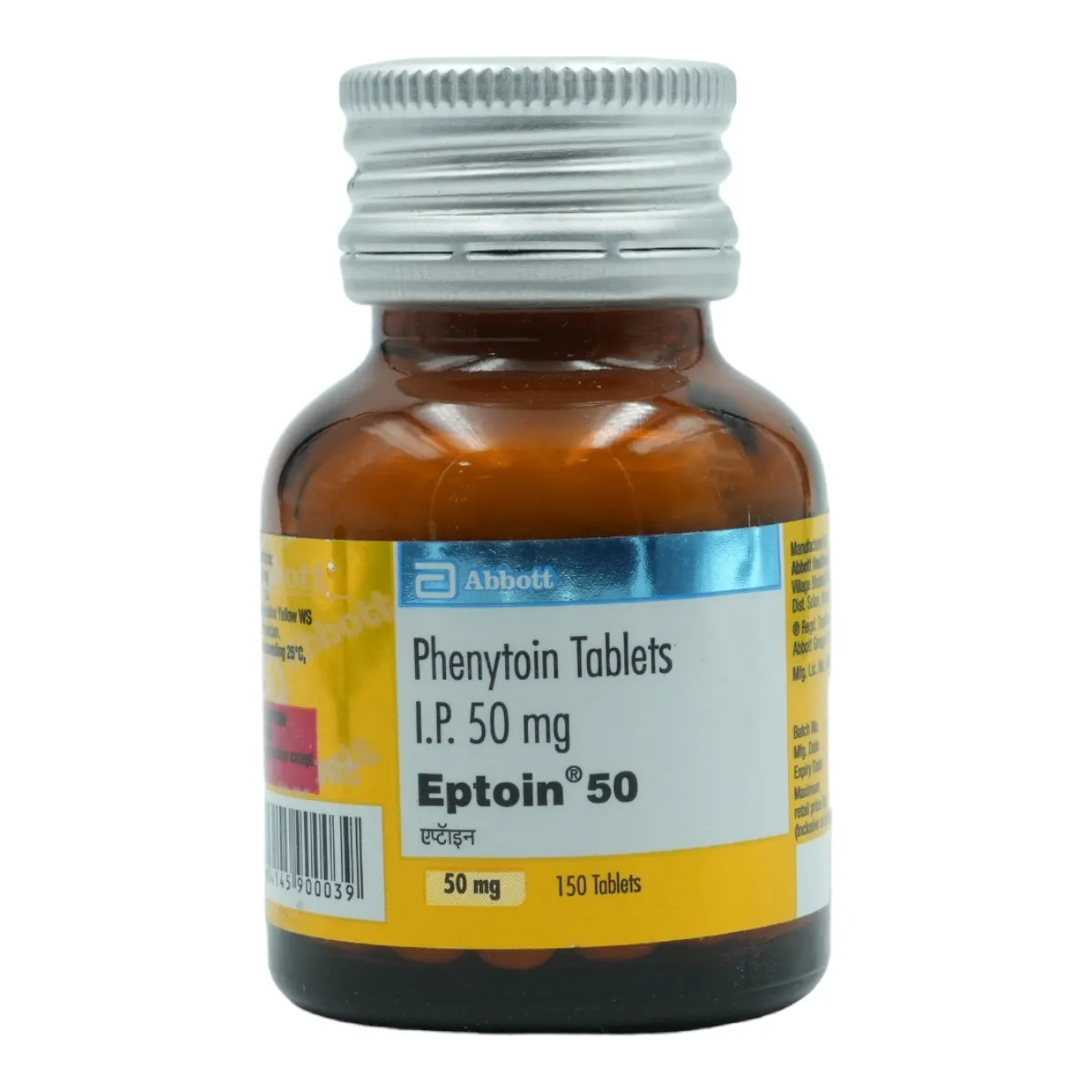
Eptoin 50 Tablet contains Phenytoin (50mg), an antiepileptic (anticonvulsant) medicine used for the treatment and prevention of seizures. It belongs to the hydantoin class of drugs and works by stabilizing overactive nerve signals in the brain, thereby preventing abnormal electrical activity that causes seizures.
The 50mg strength is generally used in children, elderly patients, or individuals requiring lower doses or dose adjustments.
Uses
-
Control and prevention of epileptic seizures (generalized tonic-clonic and partial).
-
Prevention of seizures during or after neurosurgery or head injury.
-
May be used in status epilepticus (injection preferred in emergencies).
-
Occasionally used for certain irregular heart rhythms (off-label).
How It Works
-
Phenytoin blocks voltage-gated sodium channels in the brain.
-
Prevents repetitive firing of nerve signals.
-
Stabilizes abnormal brain activity, reducing the risk of seizures.
Dosage & Administration
-
Typical adult maintenance dose: 100–300mg daily (dose varies; 50mg tablets allow flexible titration).
-
Dose must be adjusted by the doctor based on clinical response, weight, and drug blood levels.
-
Take with food to reduce stomach irritation.
-
Swallow with water; do not skip or stop suddenly.
Side Effects
Common:
Serious (seek medical help):
-
Skin rashes (Stevens-Johnson syndrome, TEN)
-
Liver issues (jaundice, dark urine)
-
Blood disorders (unusual bleeding, infections, anemia)
-
Mood or behavior changes
Precautions
-
Avoid alcohol and sedatives – they may worsen drowsiness or seizures.
-
Requires regular monitoring of blood drug levels, liver function, and blood counts.
-
Use cautiously in patients with liver, kidney, or heart problems.
-
Pregnancy: May cause birth defects; should be used only if prescribed, often with folic acid supplementation.
-
Breastfeeding: Passes into breast milk – consult doctor before use.
-
Interacts with many medicines (antibiotics, antifungals, blood thinners, birth control pills) – always inform your doctor.
Storage
-
Store at room temperature, away from heat, moisture, and sunlight.
-
Keep out of reach of children.

Eptoin Injection contains Phenytoin (50mg/2ml), an antiepileptic (anticonvulsant) medicine used for the emergency treatment and prevention of seizures. It is particularly effective in managing status epilepticus (continuous seizures), seizures during or after neurosurgery, and certain cardiac arrhythmias when other treatments are not suitable.
Since it is given as an injection into a vein (IV) or muscle (IM), it acts quickly and is used under strict medical supervision in hospital settings.
Uses
-
Emergency management of status epilepticus (prolonged seizures).
-
Prevention and control of seizures during/after neurosurgery or head trauma.
-
Treatment of certain life-threatening irregular heart rhythms (arrhythmias) (off-label).
-
For patients unable to take oral phenytoin.
How It Works
-
Phenytoin works by blocking sodium channels in the brain and heart.
-
Prevents abnormal electrical discharges in nerve cells.
-
Stabilizes brain activity to stop seizures and regulates abnormal heart rhythms.
Administration
-
Given by a doctor or nurse only, usually into a vein (slow IV injection/infusion) or sometimes IM.
-
Dosage depends on the patient’s weight, seizure type, and clinical condition.
-
Not for self-administration.
Side Effects
Common:
Serious (seek medical help immediately):
-
Low blood pressure or irregular heartbeat
-
Severe allergic reaction (rash, swelling, breathing difficulty)
-
Liver problems (jaundice, dark urine)
-
Blood disorders (anemia, unusual bleeding, infections)
-
Nervous system effects (slurred speech, unsteady movements)
Precautions
-
Strictly for hospital/clinical use under medical supervision.
-
Dose adjustment may be needed in liver, kidney, or heart conditions.
-
May cause severe skin reactions (Stevens-Johnson syndrome, TEN).
-
Interacts with many medicines (antibiotics, antifungals, anticoagulants, birth control pills).
-
Pregnancy: May cause birth defects; used only if benefits outweigh risks.
-
Breastfeeding: Passes into breast milk; consult doctor.
Storage
-
Store in a cool, dry place, away from direct light.
-
Keep ampoules protected and out of children’s reach.
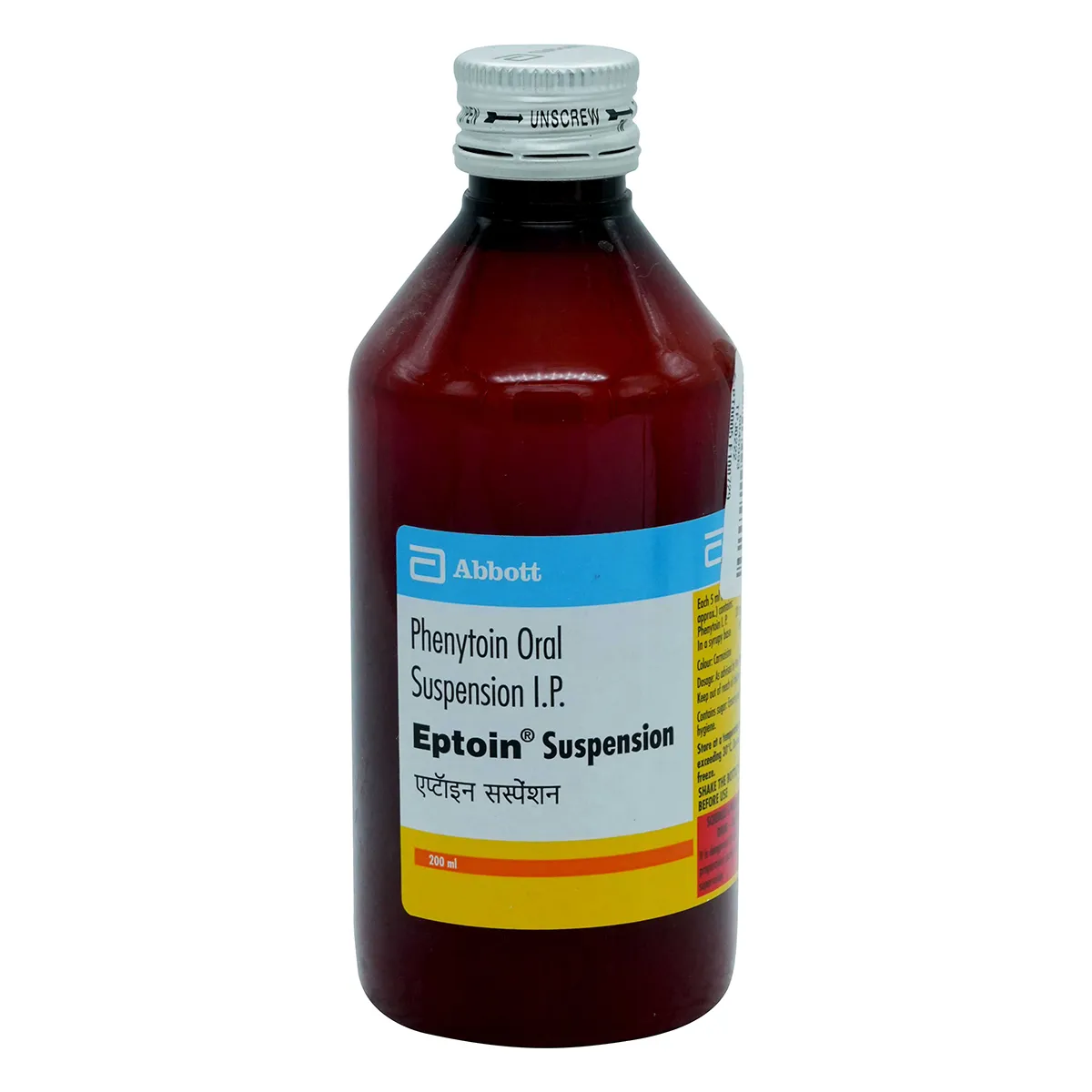
Eptoin Suspension contains Phenytoin (30mg/5ml), an antiepileptic (anticonvulsant) medicine used to prevent and control seizures. It is especially useful in children and patients who cannot swallow tablets. The oral suspension form allows easy dose adjustments and accurate administration.
Phenytoin works by stabilizing electrical activity in the brain, thereby reducing the risk of abnormal nerve firing that causes seizures.
Uses
-
Prevention and treatment of different types of seizures/epilepsy
-
Management of status epilepticus (continuous seizures) (usually after IV dose)
-
Seizures occurring during or after neurosurgery or head trauma
-
Sometimes used (off-label) for certain abnormal heart rhythms (arrhythmias)
How It Works
-
Blocks excessive electrical activity in nerve cells by inhibiting sodium channels.
-
Prevents sudden, uncontrolled brain activity that leads to seizures.
Dosage & Administration
-
Taken orally, usually after meals.
-
Shake the bottle well before use.
-
Dose depends on age, body weight, and clinical condition.
-
Use the measuring cup/spoon provided – do not use a household spoon.
-
Treatment must not be stopped suddenly without doctor’s advice.
Side Effects
Common:
Serious (seek medical help immediately):
-
Skin rashes, severe allergic reactions
-
Unusual bleeding or bruising
-
Jaundice (yellowing of skin/eyes)
-
Severe fatigue, confusion, unsteady gait
Precautions
-
Use under strict medical supervision.
-
Inform doctor if patient has liver, kidney, or heart conditions.
-
Regular blood tests may be required to monitor drug levels.
-
May interact with many drugs (antibiotics, antifungals, blood thinners, birth control pills).
-
Pregnancy: May cause birth defects – use only if prescribed.
-
Breastfeeding: Passes into breast milk – consult doctor.
-
May cause drowsiness or blurred vision – avoid driving or operating machinery.
Storage
-
Store in a cool, dry place away from sunlight.
-
Keep the bottle tightly closed and out of children’s reach.
-
Do not freeze.
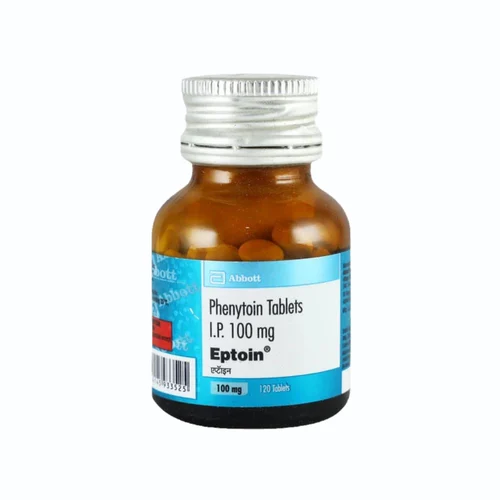
Eptoin Tablet contains Phenytoin (100mg), an antiepileptic medication used to prevent and control seizures. It belongs to the hydantoin class of anticonvulsants, which work by stabilizing electrical activity in the brain and reducing abnormal nerve impulses.
It is commonly prescribed for generalized tonic-clonic seizures (grand mal seizures), partial seizures, and also for the prevention and treatment of seizures during or after neurosurgery.
Uses
-
Management of epilepsy (generalized and partial seizures).
-
Prevention of seizures during neurosurgery.
-
Treatment of status epilepticus (injection form is usually preferred).
-
May also be used for certain cardiac arrhythmias (off-label, under supervision).
How It Works
-
Phenytoin works by blocking voltage-gated sodium channels in brain cells.
-
This stabilizes the neuronal membrane and prevents excessive electrical activity, thereby reducing seizure episodes.
Dosage & Administration
-
Typical adult dose: 100mg 2–3 times daily, as directed by the doctor.
-
Dose is individualized depending on age, weight, and response to therapy.
-
Take with food to reduce stomach irritation.
-
Do not stop suddenly, as this may worsen seizures.
Side Effects
Common:
Serious (seek medical help):
-
Severe skin rash (Stevens-Johnson syndrome)
-
Liver problems (yellowing of eyes/skin)
-
Changes in mood or behavior
-
Low blood cell counts (unusual bleeding, infections)
Precautions
-
Avoid alcohol as it may increase side effects or reduce effectiveness.
-
Regular blood tests may be required to monitor drug levels, liver function, and blood counts.
-
Use with caution in patients with liver disease, heart problems, or diabetes.
-
Pregnancy & breastfeeding: Only use if clearly prescribed by a doctor (may increase risk of birth defects but uncontrolled seizures are also harmful).
-
Inform your doctor about all medicines you are taking as phenytoin interacts with many drugs (e.g., antibiotics, antifungals, blood thinners, oral contraceptives).
Storage

Eptus 25 Tablet contains Eplerenone (25mg), a potassium-sparing diuretic that works as a selective aldosterone receptor antagonist. It helps the body get rid of excess salt and water while retaining potassium, making it effective in managing high blood pressure, heart failure, and post–heart attack complications.
By blocking the effects of aldosterone (a hormone that increases salt and water retention), Eptus helps reduce fluid overload, lower blood pressure, and prevent heart strain.
Uses
-
Hypertension (high blood pressure) – lowers BP and reduces cardiovascular risk
-
Heart failure (post–myocardial infarction) – improves survival and reduces hospitalization
-
Chronic heart failure with reduced ejection fraction (HFrEF) – prevents worsening of symptoms
-
Helps in reducing fluid retention and swelling (edema) in certain conditions
Dosage & Directions for Use
-
Typical dose: 25mg once daily, may be increased to 50mg daily as per doctor’s advice
-
Can be taken with or without food
-
Dose adjustments required in patients with kidney or liver problems
-
Regular monitoring of blood potassium and kidney function is essential
Possible Side Effects
Common:
-
High potassium levels (hyperkalemia)
-
Dizziness or low blood pressure
-
Headache
-
Increased creatinine levels
Rare but serious:
-
Heart rhythm disturbances due to high potassium
-
Severe kidney impairment
-
Allergic reactions (rash, swelling, difficulty breathing)
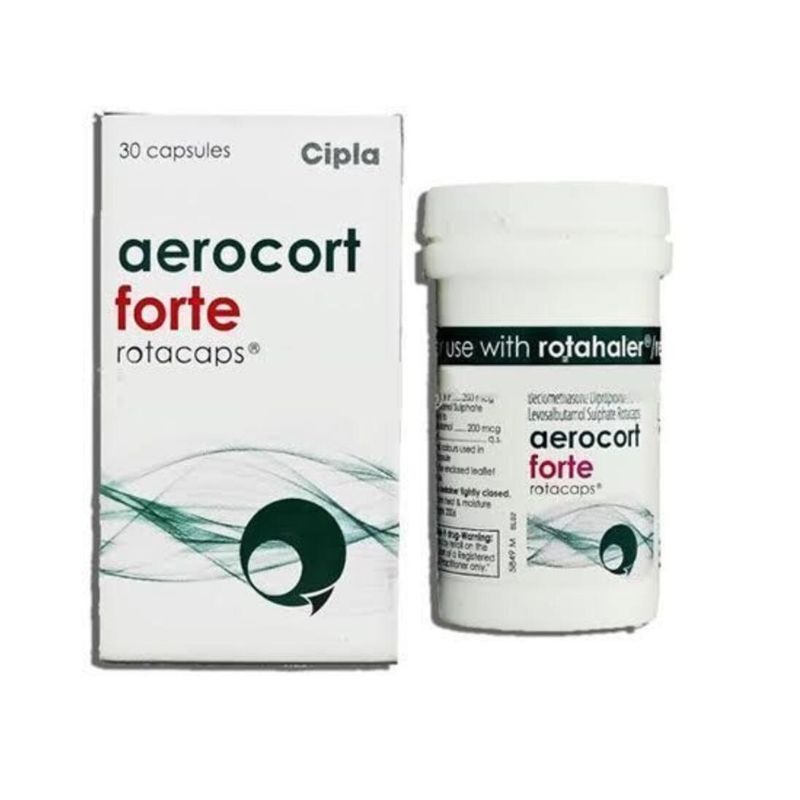
AEROcort Forte Rotacap is used for the treatment and prevention of asthma and chronic obstructive pulmonary disease (COPD). It contains Levosalbutamol, which helps open up the airways by relaxing the muscles, and Beclometasone, a corticosteroid that reduces inflammation in the lungs. Together, they provide relief from wheezing, breathlessness, and chest tightness, helping patients breathe more easily. The medicine is designed for use with a Rotahaler Device for effective delivery directly into the lungs.
AEROcort Forte Rotacap, manufactured by Cipla Ltd, is a combination inhalation therapy that offers effective control of chronic respiratory conditions such as asthma and COPD. It contains two active ingredients — Levosalbutamol (100mcg) and Beclometasone (200mcg).
Levosalbutamol is a bronchodilator that relaxes the smooth muscles of the airways, providing quick relief from bronchospasm and improving airflow. Beclometasone is an anti-inflammatory corticosteroid that reduces swelling, irritation, and mucus production in the lungs. This dual-action formula helps control both the immediate symptoms and the underlying inflammation responsible for breathing difficulties.
When inhaled through a Rotahaler Device, AEROcort Forte Rotacap delivers the medicine directly to the lungs, ensuring rapid action and minimal systemic side effects. It is ideal for long-term management of asthma and COPD, especially for patients requiring stronger anti-inflammatory support.
Key Benefits:
-
Provides dual action — quick relief and long-term inflammation control.
-
Improves breathing and reduces asthma symptoms.
-
Prevents wheezing, coughing, and chest tightness.
-
Ensures precise drug delivery using a Rotahaler Device.
-
Suitable for regular maintenance therapy in chronic lung diseases.
How to Use:
-
Insert one rotacap into the Rotahaler chamber.
-
Twist the base to pierce the capsule and release the powder.
-
Exhale fully away from the device.
-
Inhale deeply through the mouthpiece and hold your breath for a few seconds.
-
Discard the empty capsule after each use.
Precautions:
-
Use only under the supervision of a doctor.
-
Do not swallow the capsule; it is meant for inhalation only.
-
Rinse your mouth after each use to prevent oral infections.

ES Lomac 20 mg Tablet is a proton pump inhibitor (PPI) used to reduce excessive stomach acid production. The active ingredient, Esomeprazole (20 mg), works by blocking the proton pumps in the stomach lining, which are responsible for acid secretion. By lowering stomach acid, ES Lomac helps in the treatment and prevention of acid-related conditions, providing relief from heartburn, acid reflux, and gastroesophageal reflux disease (GERD).
ES Lomac is commonly prescribed for conditions such as erosive esophagitis, Zollinger-Ellison syndrome, and for preventing stomach ulcers caused by nonsteroidal anti-inflammatory drugs (NSAIDs). It helps protect the stomach and esophagus lining from damage caused by excessive acid.
Uses:
-
Treats gastroesophageal reflux disease (GERD) and acid reflux.
-
Helps heal erosive esophagitis.
-
Prevents stomach ulcers caused by NSAIDs.
-
Reduces symptoms of heartburn, acidity, and stomach discomfort.
Dosage / How to Use:
-
Take 1 tablet orally, preferably 30–60 minutes before meals, or as prescribed by a healthcare professional.
-
Swallow the tablet whole; do not crush or chew.
-
Follow the full course of treatment even if symptoms improve.
Benefits:
-
Reduces excessive stomach acid production.
-
Provides fast and effective relief from heartburn and acid reflux.
-
Helps heal acid-induced damage in the esophagus and stomach.
-
Prevents recurrence of acid-related disorders and ulcers.
Risks / Side Effects:
-
Common side effects may include headache, nausea, diarrhea, constipation, or mild stomach pain.
-
Rarely, it may cause allergic reactions, dizziness, or liver enzyme changes.
-
Not recommended for patients with known hypersensitivity to Esomeprazole.
-
Pregnant or breastfeeding women should consult a doctor before use.
Precautions:
-
Take under medical supervision.
-
Avoid self-medication or changing the dose without consulting a doctor.
-
Inform your doctor about any other medications, as Esomeprazole can interact with certain drugs.
-
Store in a cool, dry place away from direct sunlight.
-
Keep out of reach of children.