Movexx Spas Tablet is a dual-action pain relief medicine combining:
-
Drotaverine (80 mg): A smooth muscle relaxant that relieves spasms, cramps, and abdominal pain.
-
Aceclofenac (100 mg): A non-steroidal anti-inflammatory drug (NSAID) that reduces pain and inflammation.
This combination makes Movexx Spas effective for painful conditions associated with muscle spasms, cramps, and inflammation, especially in the abdomen and pelvic region.
Mechanism of Action
-
Drotaverine: Works by inhibiting phosphodiesterase (PDE-4) enzyme, relaxing smooth muscles, and improving blood supply to tissues. It effectively reduces spasms of the stomach, intestine, bile ducts, urinary tract, and uterus.
-
Aceclofenac: Inhibits cyclooxygenase (COX) enzymes, reducing prostaglandin synthesis, thereby relieving pain, swelling, and inflammation.
🔹 Together, they provide:
✔️ Relief from spasms and cramps
✔️ Pain reduction
✔️ Anti-inflammatory action
Uses
Movexx Spas Tablet is prescribed for:
-
Abdominal colic pain (stomach cramps, intestinal spasm, irritable bowel syndrome)
-
Renal colic (kidney stone-related spasm and pain)
-
Biliary colic (gallbladder stone pain)
-
Menstrual cramps (Dysmenorrhea)
-
Pelvic pain due to gynecological conditions
-
Musculoskeletal pain with spasms
Dosage and Administration
-
Usual dose: 1 tablet 1–2 times daily or as prescribed.
-
Should be taken after meals to reduce gastric irritation.
-
Dose and duration depend on the patient’s condition and doctor’s advice.
Side Effects
Common side effects:
-
Nausea, vomiting, indigestion
-
Abdominal discomfort
-
Dry mouth, dizziness, headache
-
Fatigue or drowsiness
Serious but less common:
-
Stomach ulcer/bleeding
-
Allergic reactions (rash, swelling, breathing difficulty)
-
Liver or kidney impairment
Precautions and Warnings
-
Avoid if allergic to Drotaverine, Aceclofenac, or other NSAIDs.
-
Use cautiously in patients with:
-
Not recommended in pregnant or breastfeeding women unless prescribed.
-
Avoid alcohol during treatment (increases risk of stomach irritation and liver issues).
Special Features of Movexx Spas
-
Provides dual relief: controls spasm (Drotaverine) and pain/inflammation (Aceclofenac).
-
Useful for abdominal & gynecological pain, unlike other painkillers.
-
Trusted formulation by Cipla Ltd ensuring quality and safety.

Moxon 0.3 Tablet is a prescription medication containing Moxonidine 0.3 mg, an antihypertensive agent used for the management of high blood pressure (hypertension). Manufactured by Abbott, this tablet helps lower elevated blood pressure, reducing the risk of stroke, heart attack, and other cardiovascular complications. Its unique mechanism of action targets the central nervous system to provide effective blood pressure control with minimal side effects.
Therapeutic Uses:
-
Hypertension:
-
Adjunct Therapy in Resistant Hypertension (Off-label):
Mechanism of Action:
Moxonidine is a centrally acting imidazoline receptor agonist. It binds selectively to imidazoline I1 receptors in the brainstem, which results in reduced sympathetic nervous system activity. This decreases peripheral vascular resistance and heart rate, leading to lower blood pressure. Unlike traditional alpha-2 agonists, Moxonidine is more selective, producing fewer sedative or dry-mouth side effects while effectively controlling hypertension.
Dosage & Administration:
-
Moxon 0.3 Tablet should be taken exactly as prescribed by a healthcare professional.
-
It is intended for oral use and should be swallowed with water.
-
Can be taken with or without food, usually once daily.
-
Dosage may be adjusted based on patient response and tolerance.
-
Regular monitoring of blood pressure and kidney function is recommended during treatment.
Safety Information & Precautions:
-
Prescription-only; use under medical supervision.
-
Patients should inform their doctor if they have:
-
Heart failure or severe heart disease
-
Kidney or liver impairment
-
History of bradycardia (slow heart rate)
-
Common side effects may include:
-
Rare but serious side effects:
-
Avoid abrupt discontinuation, as sudden withdrawal may cause rebound hypertension.
Packaging:
Moxon 0.3 Tablet is typically available in blister strips or bottles, convenient for daily administration and easy monitoring.
Storage:
-
Store in a cool, dry place below 25°C (77°F)
-
Protect from direct sunlight, moisture, and heat
-
Keep out of reach of children
-
Do not use after the expiration date on the packaging
Key Benefits:
-
Effectively lowers high blood pressure
-
Reduces cardiovascular risk associated with uncontrolled hypertension
-
Selective mechanism reduces common side effects compared to traditional central antihypertensives
-
Once-daily dosing improves patient adherence
-
Manufactured by Abbott, ensuring quality, safety, and reliability
Conclusion:
Moxon 0.3 Tablet is a trusted and effective option for the management of hypertension, providing safe and reliable blood pressure control. By targeting central imidazoline receptors, it offers effective antihypertensive therapy with fewer side effects, supporting long-term cardiovascular health. When used under medical supervision with regular monitoring, Moxon 0.3 Tablet helps patients achieve optimal blood pressure control and reduces the risk of serious complications.
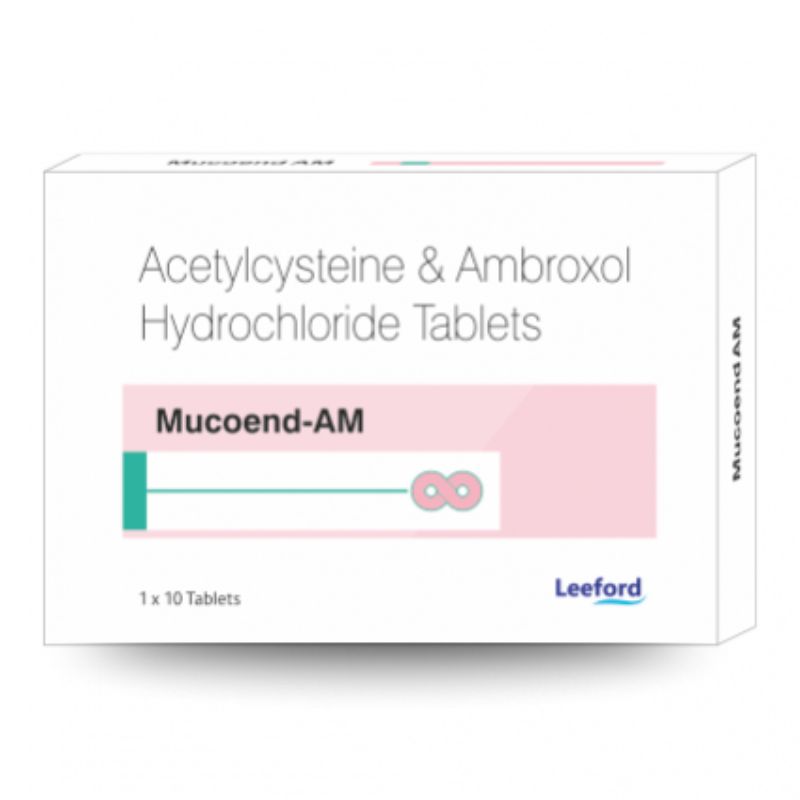
MUCOEND-AM is a dual-action mucolytic and expectorant tablet supplied in convenient blister packaging. Each tablet combines Acetylcysteine and Ambroxol, targeting thick mucus, chest congestion, and persistent wet cough in various chronic and acute respiratory disorders.
How it Works
-
Acetylcysteine breaks down the structure of thick, tenacious mucus by disrupting disulfide bonds, thinning phlegm for easier elimination from airways.
-
Ambroxol increases the clearance of mucus by enhancing ciliary action, loosens trapped secretions, and soothes irritation/inflammation in the bronchial tubes.
-
Together, these agents facilitate improved breathing, decrease airway resistance, and help relieve chest congestion.
Main Uses
-
Relief and prevention of symptoms in chronic obstructive pulmonary disease (COPD) and bronchitis.
-
Management of productive/wet cough in asthma, bronchiectasis, tracheobronchitis, and pneumonia.
-
Effective in acute and chronic respiratory conditions associated with impaired mucus clearance.
Key Benefits
-
Rapidly clears thick, sticky mucus and chest congestion for easier breathing.
-
Relieves persistent, wet cough and promotes airway health.
-
Reduces airway inflammation and improves lung function in chronic lung disorders.
Dosage & Administration
-
Take orally, with or without food, usually 1-2 times daily or as directed by a physician.
-
Drink plenty of fluids during use to optimize mucus thinning and clearance.
-
Complete the full prescribed course even if symptoms improve, unless advised by the doctor.
Safety & Precautions
-
Common side effects: nausea, vomiting, upset stomach, diarrhea, dry mouth, headache; rare allergic reactions possible.
-
Not suitable for those with known allergy to acetylcysteine or ambroxol, or with active peptic ulcer, or severe liver/kidney dysfunction.
-
Use with caution during pregnancy, breastfeeding, and in young children; consult doctor before starting.
-
May interact with some cough suppressants or antibiotics; inform doctor about all ongoing medications.
Uses
- Joint health support
- Supports joint mobility
- Cartilage and connective tissue support
- Helps support musculoskeletal health
- Nutritional support for active joints
Key Benefits
- Provides Native Collagen Type II for cartilage support
- Boswellia Serrata provides botanical support for joint comfort
- Sodium Hyaluronate supports joint lubrication and hydration
- Helps support joint flexibility and mobility
- Suitable as nutritional support for overall joint health
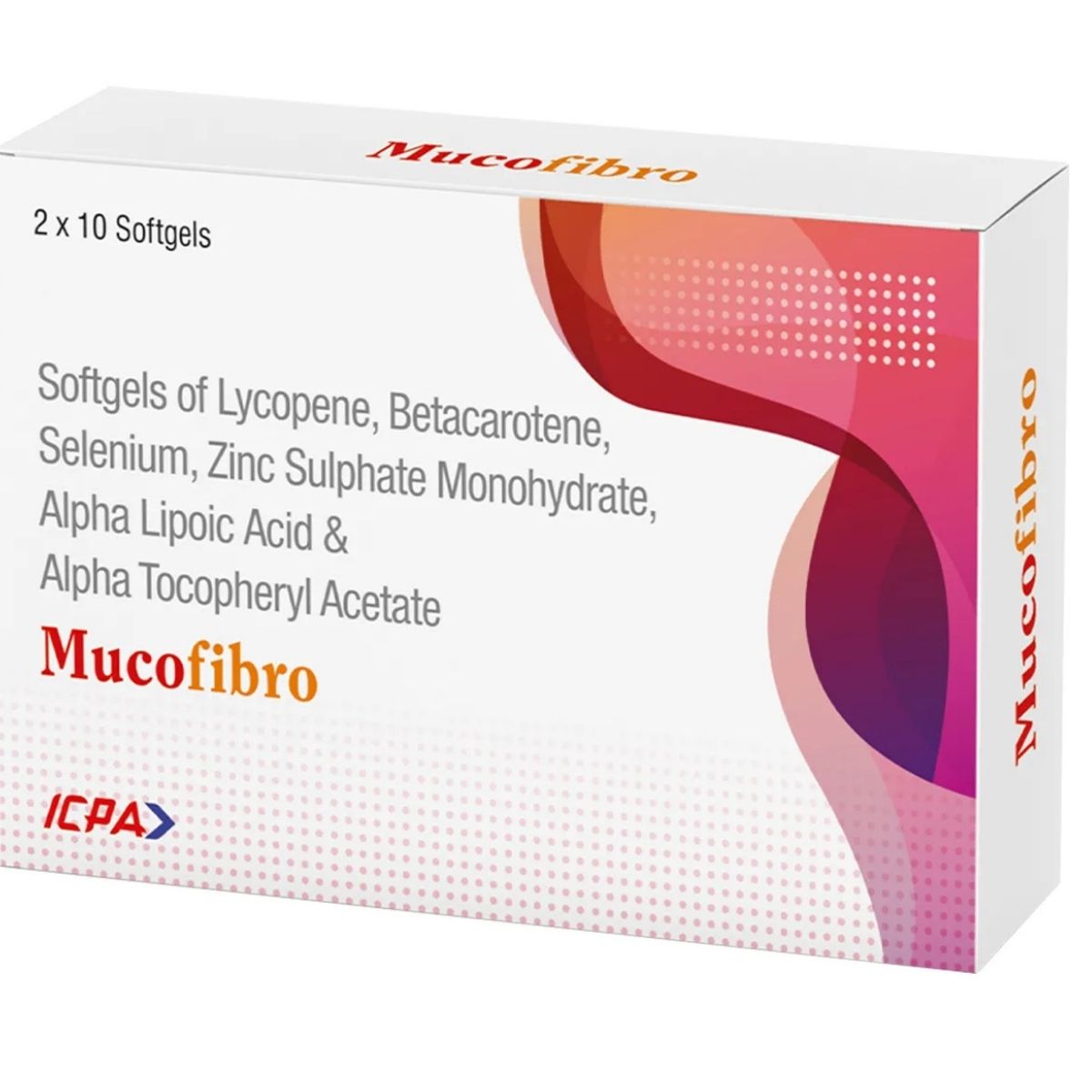
How Mucofibro Works
Native (Undenatured) Collagen Type II is a form of collagen associated with cartilage and joint structure and may help support normal cartilage function.
Boswellia Serrata Extract contains naturally occurring compounds that may help support a healthy inflammatory response and joint comfort.
Sodium Hyaluronate is a form of hyaluronic acid that helps retain water and is naturally present in connective tissues and joint fluid, supporting lubrication and cushioning.
Together, these ingredients provide nutritional support for healthy joints and mobility.
Dosage & How to Use
Take Mucofibro Softgel Capsule as directed by your doctor, pharmacist, or according to the product label.
- Swallow the softgel whole with water.
- Do not crush or chew the capsule.
- Take the recommended dosage regularly.
- Do not exceed the recommended daily dose.
Side Effects
Mucofibro is generally well tolerated when used as directed. Some people may experience:
- Mild stomach discomfort
- Nausea
- Indigestion
- Bloating
- Allergic reactions in sensitive individuals
Stop use and seek medical advice if you develop severe allergic symptoms such as swelling, difficulty breathing, or widespread rash.
Precautions
- Do not exceed the recommended dosage.
- Inform your doctor if you are pregnant or breastfeeding.
- Tell your doctor if you have any chronic medical condition.
- Inform your healthcare professional if you take blood-thinning medicines or other regular medication.
- Check the ingredient list if you have known allergies.
- Keep out of reach of children.

Mucolinc AX Syrup, manufactured by Cipla Ltd., is a cough syrup formulated to relieve productive cough associated with conditions such as asthma, bronchitis, chronic obstructive pulmonary disease (COPD), and respiratory tract infections. It contains a combination of three active ingredients that work together to loosen mucus, reduce airway obstruction, and make breathing easier.
Key Benefits
-
Provides relief from cough with thick mucus.
-
Helps in loosening and thinning mucus for easy expulsion.
-
Relieves chest congestion and clears airways.
-
Improves airflow, making breathing more comfortable.
How It Works
-
Ambroxol (15mg/5ml): A mucolytic agent that breaks down and thins mucus, making it easier to cough out.
-
Guaifenesin (50mg/5ml): An expectorant that increases mucus secretion and helps in clearing phlegm.
-
Terbutaline (1.5mg/5ml): A bronchodilator that relaxes airway muscles, reduces bronchospasm, and improves breathing.
Usage Instructions
-
Take the syrup as directed by a physician.
-
Shake the bottle well before use.
-
Measure the dose with the provided cup/spoon.
-
Can be taken with or without food.
Side Effects
Some patients may experience:
Most side effects are temporary and resolve with continued use.
Precautions
-
Use cautiously in patients with heart disease, high blood pressure, diabetes, or hyperthyroidism.
-
Not recommended for children below 6 years unless prescribed.
-
Pregnant and breastfeeding women should consult a doctor before use.
-
Do not exceed the recommended dose.
Storage
-
Store in a cool, dry place away from direct sunlight.
-
Keep the bottle tightly closed.
-
Keep out of reach of children.
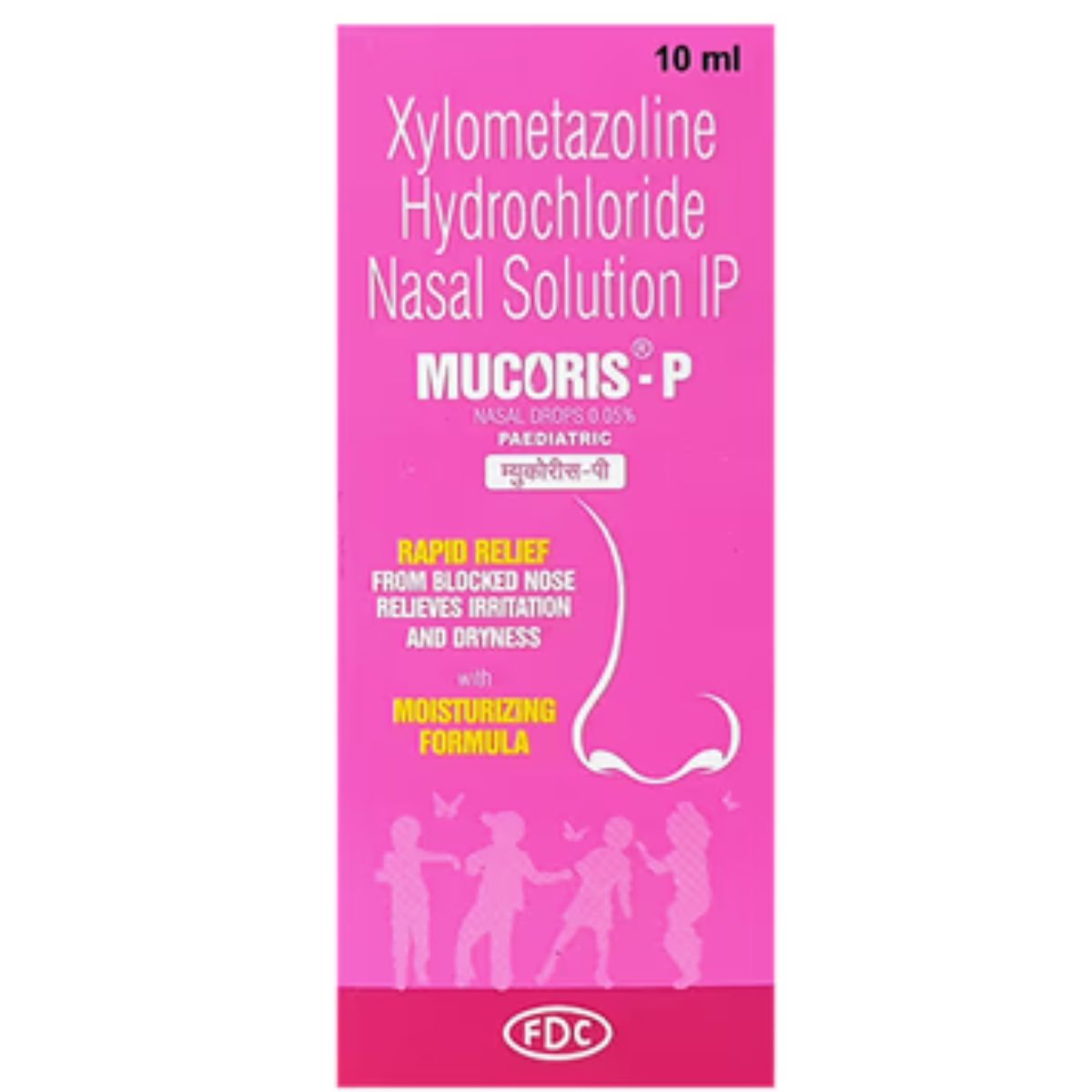
Mucoris-P 0.05% Paediatric Nasal Drops are a pediatric nasal decongestant containing Xylometazoline 0.05% w/v. It works by constricting the blood vessels in the nasal passages, reducing swelling and opening blocked nasal airways. It is commonly used for temporary relief of nasal congestion in children.
Uses of Mucoris-P 0.05% Paediatric Nasal Drops
- Blocked nose due to the common cold
- Allergic rhinitis
- Sinusitis
- Hay fever (allergic nasal symptoms)
- Temporary relief of nasal congestion
Benefits of Mucoris-P 0.05% Paediatric Nasal Drops
- Provides rapid relief from nasal blockage
- Helps children breathe more comfortably
- Reduces swelling inside the nasal passages
- Improves airflow through the nose
- Offers relief that may last for several hours
How Mucoris-P 0.05% Paediatric Nasal Drops Work
Xylometazoline is a nasal decongestant that narrows the swollen blood vessels in the lining of the nose. This reduces inflammation and congestion, making it easier to breathe through the nose.
Dosage
- Use only as directed by your doctor or according to the product instructions.
- The dosage depends on the child’s age.
- Do not use for more than 3–5 consecutive days unless advised by a doctor, as prolonged use may cause rebound nasal congestion.
How to Use
- Wash your hands before use.
- Gently clean the child’s nose if necessary.
- Tilt the child’s head slightly backward.
- Instill the prescribed number of drops into each nostril.
- Wipe the dropper after use and close the bottle tightly.
- Do not share the bottle with others.
Side Effects
Common side effects include:
- Temporary burning or stinging sensation in the nose
- Dryness of the nasal passages
- Sneezing
- Mild nasal irritation
Rare side effects may include:
- Fast heartbeat
- Headache
- Increased blood pressure
- Allergic reactions
Seek medical attention if severe side effects occur.
Precautions
- Use only for children in the recommended age group.
- Do not use for longer than 3–5 days without medical advice.
- Inform your doctor if the child has heart disease, high blood pressure, thyroid disorders, or diabetes.
- Avoid contact of the dropper tip with any surface to prevent contamination.
Uses:
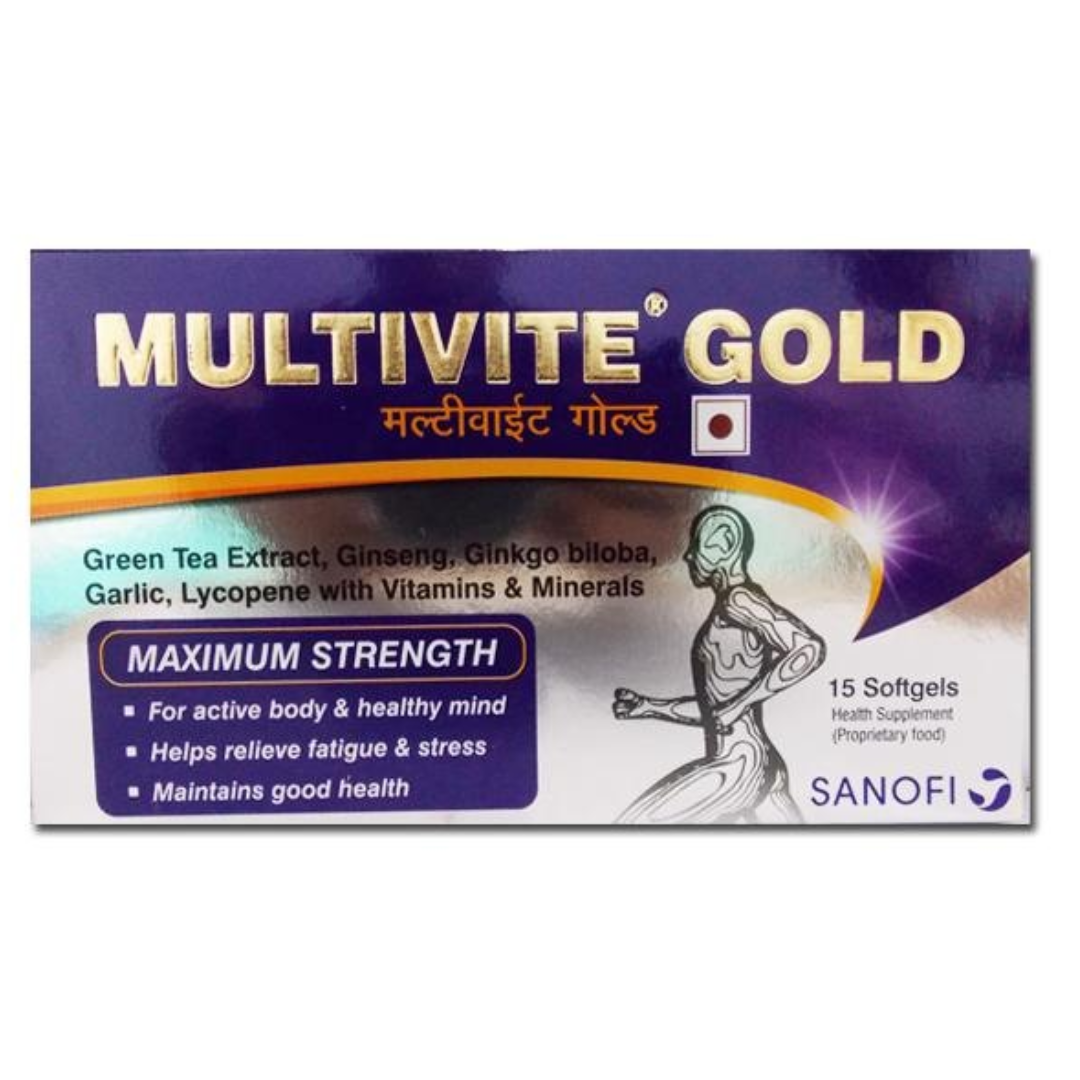
Multivite Gold helps to:
-
Support overall health and daily energy levels
-
Strengthen immune defense and resistance to infections
-
Promote heart and brain health
-
Improve skin, hair, and nail strength
-
Combat oxidative stress and fatigue caused by lifestyle or aging
How It Works:
-
Vitamins (A, C, D, E & B-Complex): Enhance metabolism, energy production, and immune function.
-
Minerals (Calcium, Zinc, Iron, Selenium, Magnesium): Maintain bone strength, nerve function, and cardiovascular wellness.
-
Antioxidants: Neutralize harmful free radicals, supporting cell protection and anti-aging.
-
Balanced Nutrient Blend: Fills dietary gaps to ensure complete daily nutrition.
How to Use:
Precautions:
-
Keep out of reach of children.
-
Do not exceed the recommended dosage.
-
Consult a doctor before use if you are pregnant, nursing, or taking other supplements.
-
Store in a cool, dry place, away from direct sunlight.
Side Effects:
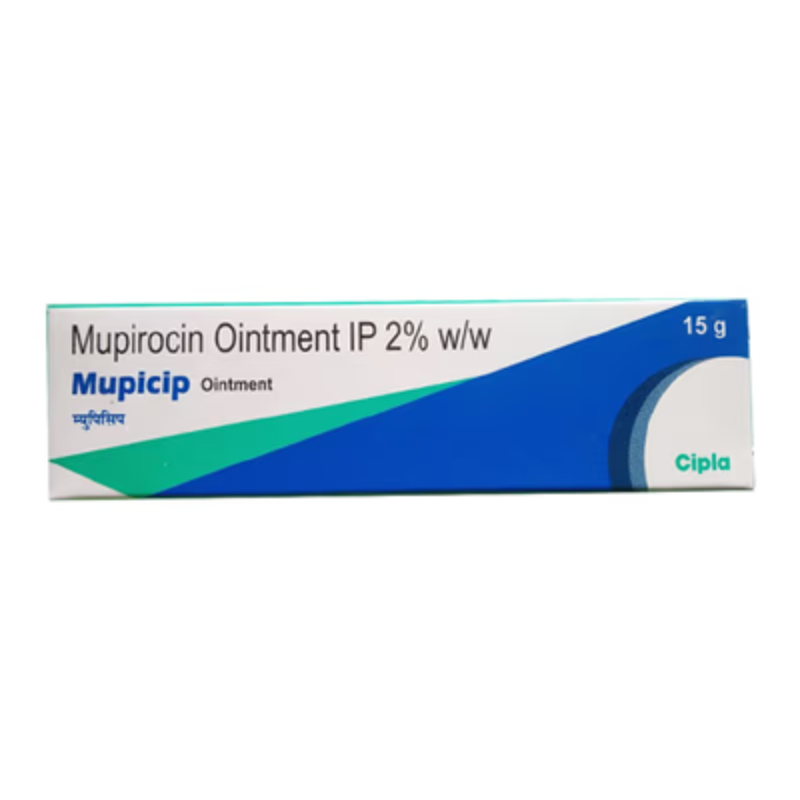
MUPICIP 15 GM is a topical antibiotic ointment from Cipla Ltd., containing Mupirocin 2% w/w. It is used for the treatment of bacterial skin infections, particularly those caused by Staphylococcus aureus and Streptococcus pyogenes.
Mupirocin works by inhibiting bacterial protein synthesis, preventing bacterial growth and promoting faster healing of affected skin. This helps reduce redness, swelling, pus formation, and discomfort.
Uses:
-
Treatment of impetigo
-
Infected cuts, wounds, and abrasions
-
Folliculitis and minor skin infections
-
Prevention of infection in minor skin injuries
Key Benefits:
-
Effective against Gram-positive bacterial infections of the skin
-
Promotes rapid healing
-
Reduces redness, swelling, and pus formation
-
Convenient for topical application
How to Use:
-
Clean and dry the affected area before applying
-
Apply a thin layer 2–3 times daily or as prescribed by a doctor
-
Avoid contact with eyes, mouth, or deep wounds
-
Complete the full course of treatment, even if symptoms improve early
Precautions:
-
For external use only
-
Avoid applying on large or deep wounds unless prescribed
-
Inform your doctor if allergic to Mupirocin or other ingredients
-
Use during pregnancy or breastfeeding only under medical advice
Possible Side Effects:
-
Mild stinging, burning, or itching at the application site
-
Redness or irritation
-
Rare: Severe allergic reactions
Storage:
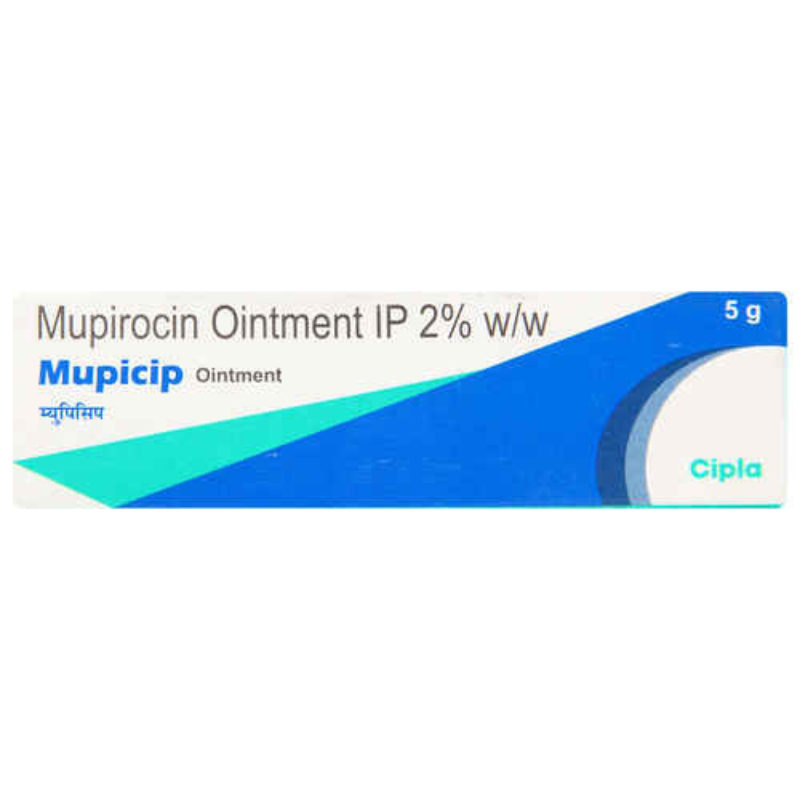
MUPICIP 5 GM is a topical antibiotic ointment from Cipla Ltd., containing Mupirocin 2% w/w. It is used for the treatment of skin infections caused by Gram-positive bacteria, including Staphylococcus aureus and Streptococcus pyogenes.
Mupirocin works by inhibiting bacterial protein synthesis, which prevents bacteria from multiplying, thereby helping the body fight infections and promoting faster healing of affected skin areas.
Uses:
-
Treatment of impetigo
-
Infected cuts, wounds, and abrasions
-
Folliculitis and minor skin infections
-
Prevention of infection in minor skin injuries
Key Benefits:
-
Effective against Gram-positive bacterial infections of the skin
-
Promotes faster healing of infected areas
-
Reduces redness, swelling, and pus formation
-
Suitable for topical application on affected skin
How to Use:
-
Clean and dry the affected area before application
-
Apply a thin layer of ointment 2–3 times daily or as prescribed
-
Avoid contact with eyes, mouth, or open wounds unless advised by a doctor
-
Continue treatment for the full prescribed duration, even if symptoms improve
Precautions:
-
For external use only
-
Avoid applying on large areas of broken skin unless directed
-
Inform your doctor if you are allergic to Mupirocin or other ingredients
-
Use with caution during pregnancy or breastfeeding only if prescribed
Possible Side Effects:
Storage:
Uses:
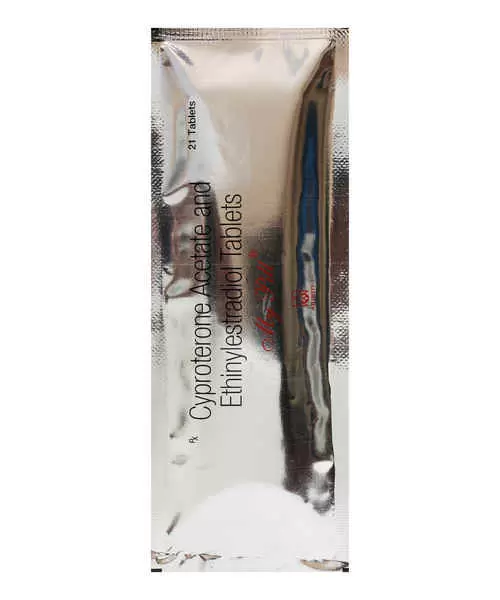
MY Pill Tablet is a combined oral contraceptive used for birth control and management of hormonal imbalances such as acne, hirsutism, and irregular menstrual cycles.
-
Cyproterone (2mg): A progestin with anti-androgenic properties that helps regulate hormone levels and reduce androgen-related symptoms.
-
Ethinyl Estradiol (0.035mg): An estrogen that works with Cyproterone to prevent ovulation and regulate menstrual cycles.
Dosage:
-
Take 1 tablet daily at the same time each day.
-
Start on the first day of the menstrual cycle or as directed by your doctor.
-
Follow a 21-day course, followed by a 7-day break, or as prescribed by your healthcare provider.
Precautions:
-
Not suitable for women with a history of blood clots, liver disease, or certain cancers.
-
Smoking increases the risk of cardiovascular side effects, especially in women over 35.
-
Inform your doctor about other medications or health conditions.
Side Effects:
-
Nausea, vomiting, headache
-
Breast tenderness or mild weight changes
-
Irregular bleeding or spotting
-
Rarely, blood clots, high blood pressure, or cardiovascular events
Additional Information:
MY Pill Tablet provides effective contraception and hormonal balance. For optimal results, take the medication as prescribed, maintain a healthy lifestyle, and attend regular follow-ups with your healthcare provider.

Mylamin G 300mg/500mcg Tablet contains Gabapentin (300mg), which helps reduce nerve pain and discomfort, and Methylcobalamin (500mcg), an active form of Vitamin B12 that supports nerve regeneration and function. This combination is commonly prescribed for neuropathic pain, peripheral neuropathy, and vitamin B12 deficiency-related nerve issues.
How it works:
-
Gabapentin: Modulates nerve activity to reduce pain signals from damaged nerves.
-
Methylcobalamin: Supports nerve repair, myelin sheath formation, and overall nerve health.
Uses:
-
Management of neuropathic pain
-
Peripheral neuropathy due to diabetes or other causes
-
Nerve damage from vitamin B12 deficiency
-
Supporting nerve regeneration and repair
Benefits:
-
Reduces nerve pain and tingling sensations
-
Supports nerve regeneration and improved function
-
Combines pain relief and vitamin supplementation in one tablet
-
Enhances overall nerve health and quality of life
Dosage & Administration:
Taken orally as directed by a physician, usually 1–2 times daily. Swallow the tablet whole with water. Dosage may be adjusted based on condition and response.
Precautions:
-
Consult your doctor if you have kidney or liver issues
-
Inform your doctor about other medications being taken
-
Pregnant or breastfeeding women should seek medical advice before use
Possible Side Effects:
-
Drowsiness, dizziness, or fatigue
-
Nausea or mild gastrointestinal discomfort
-
Rare: allergic reactions, swelling, or severe skin reactions

Mylamin GN Tablet contains Gabapentin (400mg), which helps reduce neuropathic pain by modulating nerve signals, and Nortriptyline (10mg), a tricyclic antidepressant that enhances pain relief and supports nerve function. This combination is commonly prescribed for peripheral neuropathy, diabetic neuropathy, post-herpetic neuralgia, and other chronic nerve pain conditions.
How it works:
-
Gabapentin: Modulates nerve activity to reduce abnormal pain signals from damaged nerves.
-
Nortriptyline: Modifies neurotransmitter levels in the central nervous system to enhance pain relief and improve mood, which can help manage chronic pain.
Uses:
-
Management of neuropathic pain
-
Peripheral neuropathy due to diabetes or other causes
-
Post-herpetic neuralgia and chronic nerve pain
-
Supports overall nerve health and function
Benefits:
-
Provides effective dual-action pain relief
-
Reduces nerve pain, tingling, and burning sensations
-
Improves quality of life in patients with chronic neuropathic pain
-
Combines nerve support with mood stabilization in one tablet
Dosage & Administration:
Taken orally as directed by a physician, usually once or twice daily. Swallow the tablet whole with water. Dosage may be adjusted based on patient response and condition.
Precautions:
-
Consult your doctor if you have kidney, liver, or heart issues
-
Inform your doctor about other medications, especially antidepressants
-
Avoid abrupt discontinuation without medical supervision
-
Pregnant or breastfeeding women should seek medical advice before use
Possible Side Effects:
-
Drowsiness, dizziness, or fatigue
-
Nausea or mild gastrointestinal upset
-
Dry mouth or constipation
-
Rare: allergic reactions, severe mood changes, or heart rhythm disturbances