Omnitan 50 Tablet contains Losartan (50mg), an angiotensin receptor blocker (ARB) used to manage high blood pressure (hypertension), heart failure, and to lower the risk of heart attack and stroke. It also helps protect kidney function in patients with diabetes.
This medicine works by relaxing blood vessels, making it easier for blood to flow and for the heart to pump more efficiently. As a result, it lowers blood pressure and reduces strain on the heart.
How to take:
Omnitan 50 Tablet can be taken with or without food, preferably at the same time every day. It may be prescribed alone or in combination with other medicines. Do not stop taking it suddenly without consulting your doctor, even if you feel well.
Common side effects:
Dizziness, low blood pressure, mild headache, high potassium levels, low blood sugar, and increased blood urea. Most side effects are temporary, but consult your doctor if they persist.
Safety advice:
-
Alcohol: Avoid alcohol as it may increase dizziness or lower blood pressure.
-
Pregnancy: Unsafe during pregnancy; may harm the unborn baby.
-
Breastfeeding: Probably safe if prescribed.
-
Kidney: Safe in kidney disease but regular monitoring is recommended.
-
Liver: Use with caution in liver problems; not recommended in severe liver disease.
Note: Along with medication, lifestyle changes such as regular exercise, reducing salt intake, avoiding smoking, limiting alcohol, and maintaining a healthy weight can further help control blood pressure.
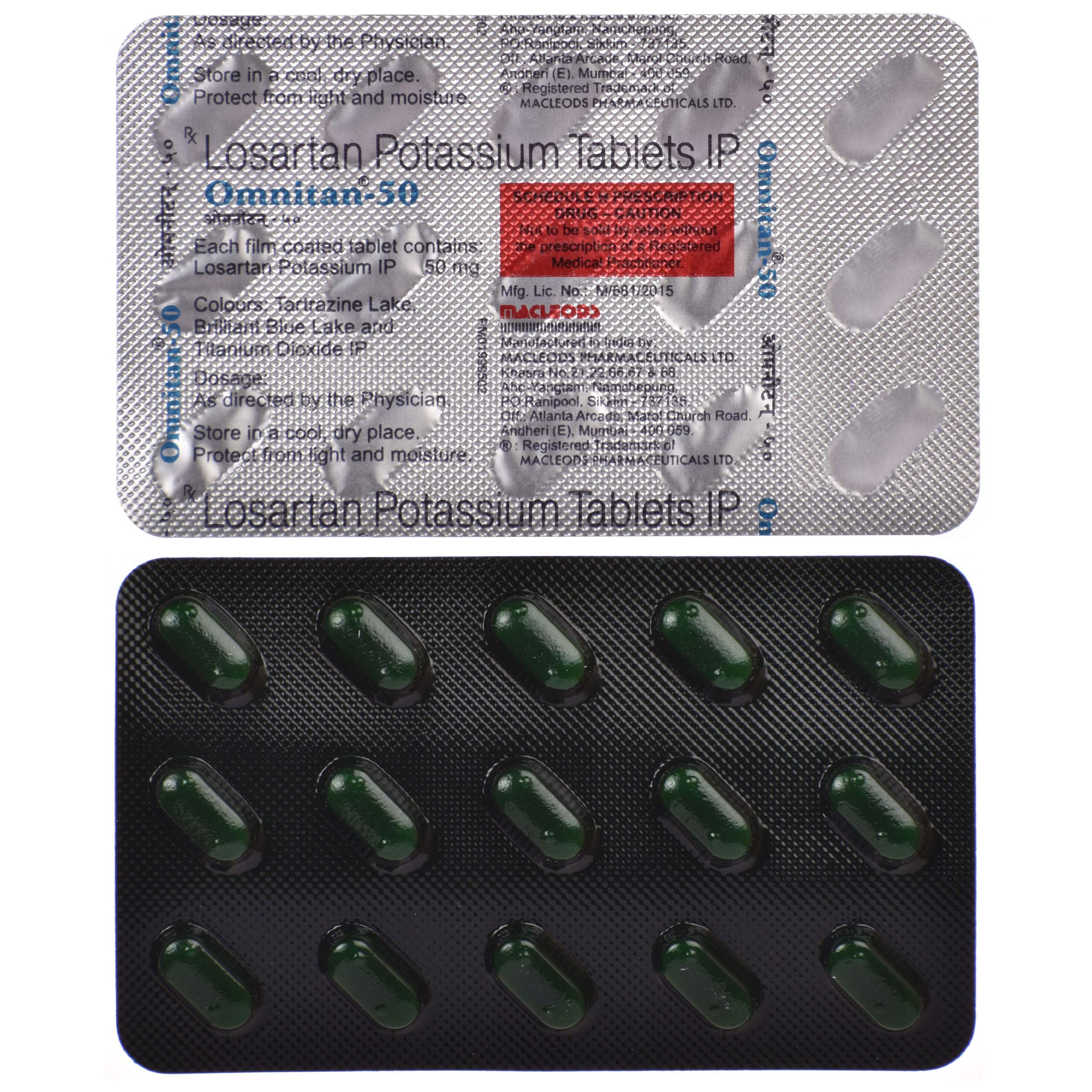
Omnitan 50 Tablet contains Losartan (50mg), an angiotensin II receptor blocker (ARB) used to manage high blood pressure (hypertension). Losartan helps relax blood vessels, lowering blood pressure and reducing the risk of stroke, heart attack, and kidney complications.
Common Uses:
-
Management of hypertension
-
Kidney protection in patients with type 2 diabetes and proteinuria
-
Reducing cardiovascular risks associated with high blood pressure
Key Information:
-
Usually taken once daily, with or without food.
-
Take at the same time each day for consistent effect.
-
Do not stop the medicine suddenly without consulting your doctor.
-
Regular monitoring of blood pressure, kidney function, and electrolytes is recommended.
Possible Side Effects:
-
Dizziness or lightheadedness
-
Headache
-
Fatigue
-
Rare: kidney dysfunction, high potassium, allergic reactions
⚠️ Precautions:
-
Avoid use during pregnancy; consult your doctor if breastfeeding.
-
Use cautiously in patients with kidney or liver disorders.
-
Inform your doctor about any other medications, especially antihypertensives or diuretics.
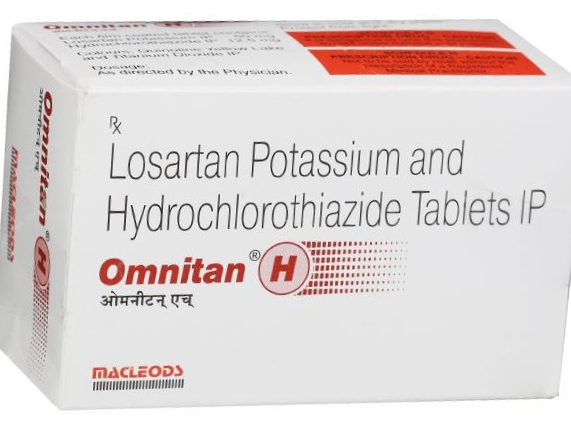
Omnitan H Tablet is a combination medicine that helps manage high blood pressure (hypertension). It contains Losartan, an angiotensin receptor blocker (ARB), and Hydrochlorothiazide, a diuretic (water pill). Together, they work in two ways: Losartan relaxes blood vessels so blood flows more smoothly, while Hydrochlorothiazide increases urine output to remove excess salt and water from the body. This combination helps reduce blood pressure effectively, especially when a single medicine alone is not enough.
Taking Omnitan H Tablet regularly lowers the risk of serious health problems such as heart attacks, strokes, and kidney damage. It should be taken at the same time every day, with or without food, to get the maximum benefit. Since it may increase urination, it is best not to take it close to bedtime. Even if you feel fine, do not stop taking this medicine without consulting your doctor, as high blood pressure often has no noticeable symptoms.
Common side effects include dizziness, headache, nausea, upset stomach, weakness, or tiredness. Some people may also notice changes in uric acid, cholesterol, or electrolyte levels. Most side effects are mild and temporary, but if they persist, consult your doctor.
Safety considerations:
-
Alcohol: Avoid alcohol as it may increase dizziness and lower blood pressure further.
-
Pregnancy: Not safe during pregnancy; consult your doctor.
-
Breastfeeding: May pass into breast milk and could affect the baby, use only if advised.
-
Driving: May cause sleepiness or dizziness; avoid driving if affected.
-
Kidney/Liver: Use with caution if you have kidney or liver problems; dose adjustments may be needed.
In case of a missed dose, take it as soon as you remember. If it is nearly time for your next dose, skip the missed one—never double the dose.
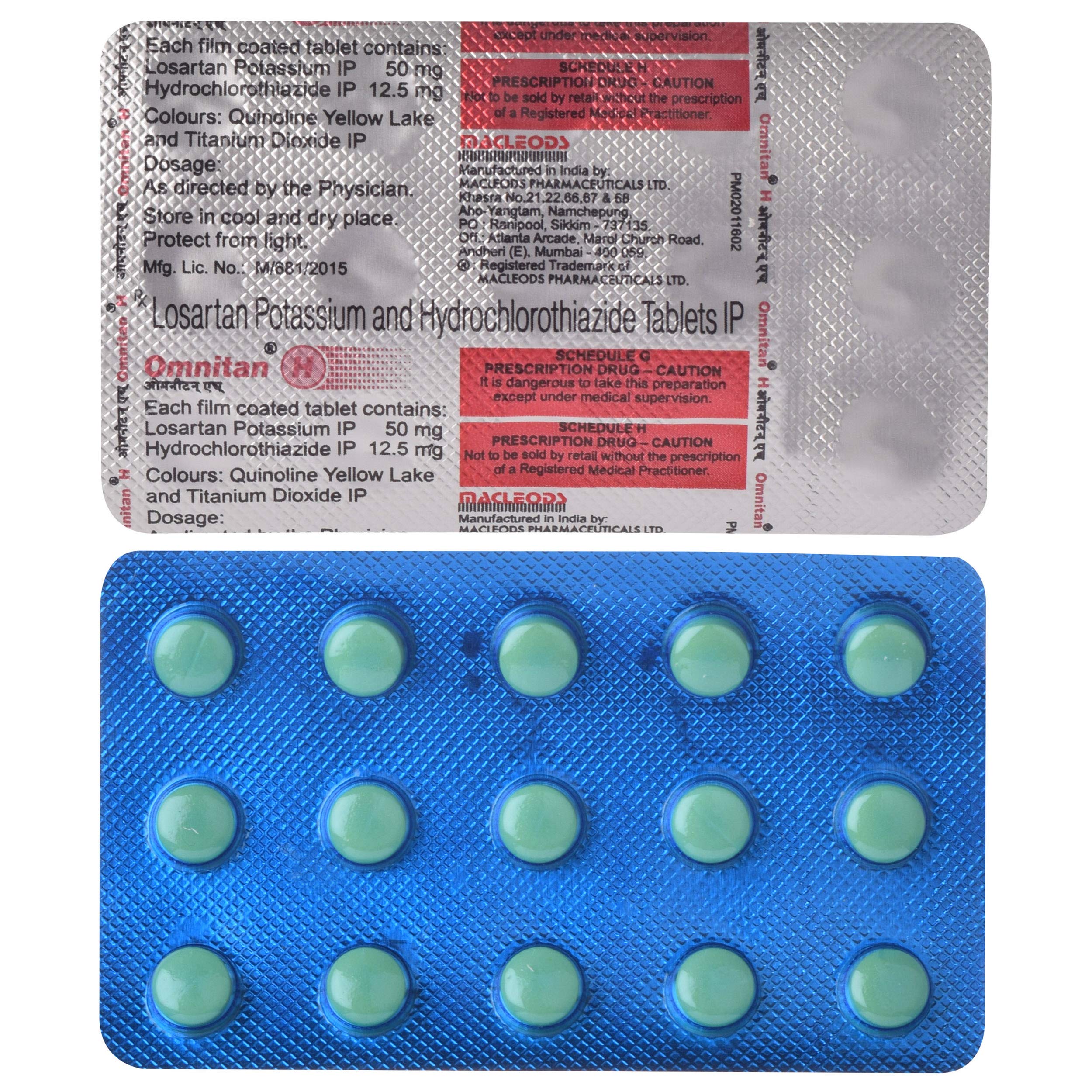
Omnitan H Tablet is a combination antihypertensive medicine containing Losartan (50mg), an angiotensin II receptor blocker (ARB), and Hydrochlorothiazide (12.5mg), a thiazide diuretic. This combination is used to manage high blood pressure (hypertension) more effectively in patients who need both vasodilation and diuretic support.
-
Losartan relaxes blood vessels, lowering blood pressure and protecting the heart and kidneys.
-
Hydrochlorothiazide helps remove excess sodium and water from the body, further reducing blood pressure.
This combination helps achieve better blood pressure control and lowers the risk of cardiovascular complications such as stroke, heart attack, and kidney damage.
Common Uses:
-
Management of hypertension
-
Patients requiring combination therapy for better blood pressure control
-
Reducing cardiovascular and renal risks associated with prolonged high blood pressure
Key Information:
-
Usually taken once daily, with or without food.
-
Take at the same time each day for consistent effect.
-
Do not stop the medication suddenly without consulting your doctor.
-
Regular monitoring of blood pressure, kidney function, and electrolytes is recommended.
Possible Side Effects:
-
Dizziness or lightheadedness
-
Headache
-
Increased urination (due to Hydrochlorothiazide)
-
Fatigue or weakness
-
Rare: electrolyte imbalance, kidney dysfunction, allergic reactions
⚠️ Precautions:
-
Avoid use during pregnancy; consult your doctor if breastfeeding.
-
Use cautiously in patients with kidney or liver disorders.
-
Inform your doctor if taking other antihypertensives, diuretics, or heart medications.
-
Maintain proper hydration and monitor electrolyte levels during treatment.
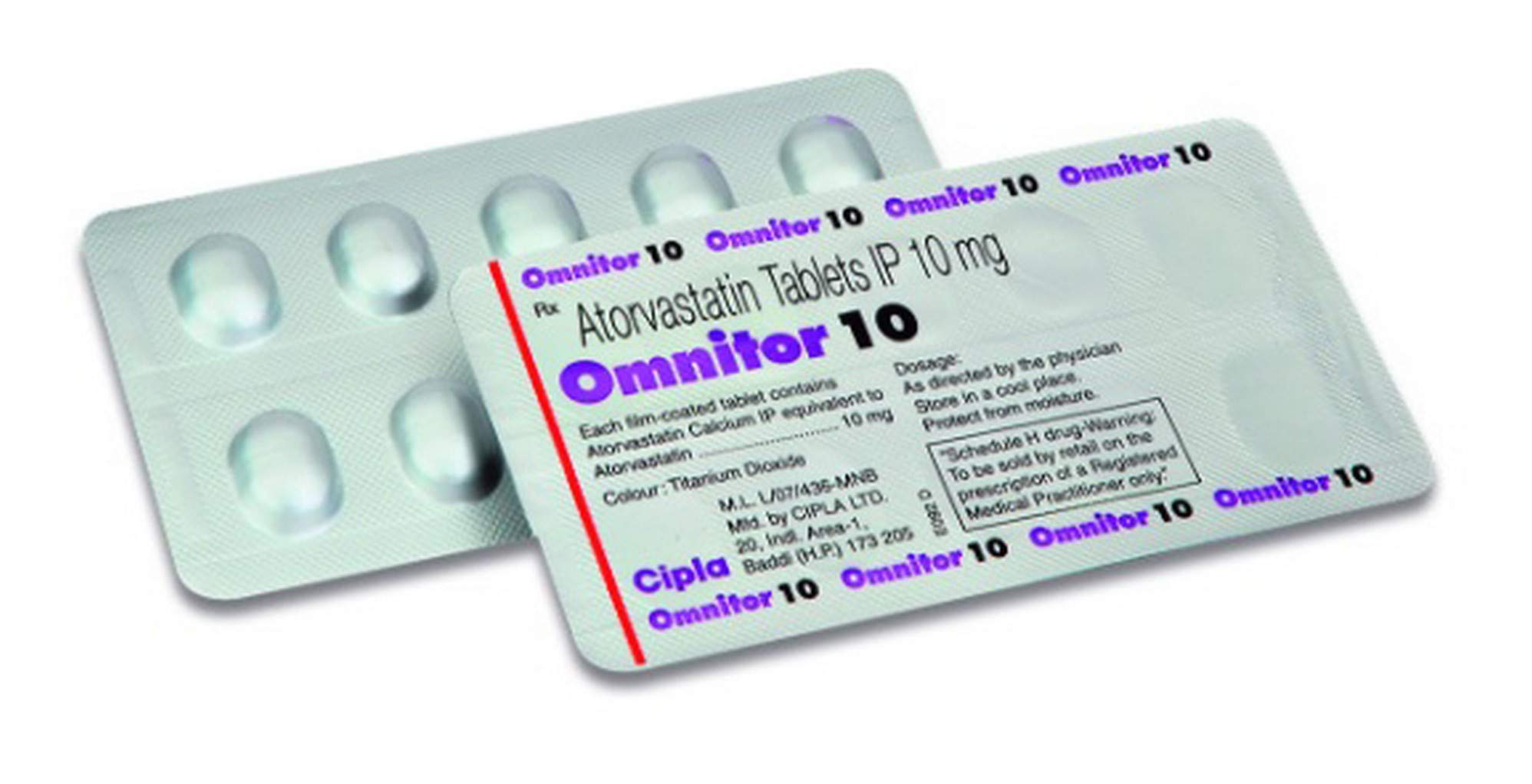
Omnitor 10mg Tablet is a cholesterol-lowering medicine from Cipla GX, containing Atorvastatin 10mg. It belongs to the class of drugs called statins (HMG-CoA reductase inhibitors) and is widely prescribed to manage high cholesterol and triglyceride levels, thereby reducing the risk of heart attack, stroke, and other cardiovascular complications.
How It Works
Atorvastatin in Omnitor 10 works by inhibiting HMG-CoA reductase, an enzyme responsible for cholesterol synthesis in the liver. This leads to:
-
Lowering LDL (bad cholesterol) and triglycerides
-
Raising HDL (good cholesterol)
-
Reducing the risk of plaque formation in arteries (atherosclerosis)
Medical Uses
-
Treatment of high cholesterol (hypercholesterolemia)
-
Management of mixed dyslipidemia
-
Prevention of stroke, heart attack, and cardiovascular diseases in patients with risk factors such as diabetes, hypertension, or family history of heart disease
Benefits
-
Improves lipid profile (lowers LDL & triglycerides, raises HDL)
-
Protects against cardiovascular diseases
-
Helps reduce hardening of arteries
-
Prevents long-term complications like heart failure or coronary artery disease
Possible Side Effects
-
Common: Headache, indigestion, constipation, abdominal pain, muscle pain, nausea
-
Rare but serious:
-
Muscle damage (rhabdomyolysis)
-
Liver enzyme elevation or liver damage
-
Severe allergic reactions
Warnings & Precautions
-
Not safe during pregnancy or breastfeeding
-
Avoid excessive alcohol as it increases risk of liver damage
-
Regular monitoring of lipid profile and liver function is recommended during long-term use
-
Inform your doctor if you develop unexplained muscle pain or weakness
-
Should be taken once daily, preferably at the same time, with or without food
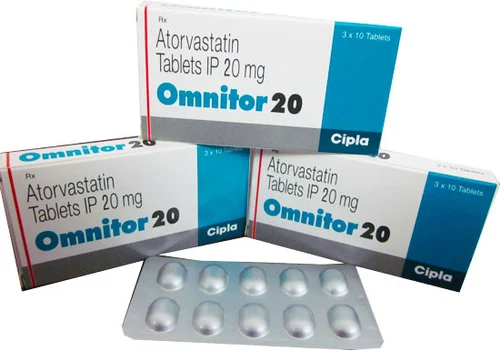
Omnitor 20mg Tablet is a cholesterol-lowering medicine from Cipla GX, containing Atorvastatin 20mg as its active ingredient. It belongs to the statin group of drugs (HMG-CoA reductase inhibitors), which are widely prescribed to treat high cholesterol and triglyceride levels and to prevent heart attack, stroke, and cardiovascular complications.
How It Works
Atorvastatin in Omnitor 20 acts by blocking the enzyme HMG-CoA reductase in the liver, which plays a key role in cholesterol production. This results in:
-
Reduced LDL cholesterol (bad cholesterol)
-
Lower triglyceride levels
-
Increased HDL cholesterol (good cholesterol)
-
Improved blood vessel health by slowing down plaque buildup
Medical Uses
-
Treatment of hypercholesterolemia (high cholesterol)
-
Management of mixed dyslipidemia
-
Prevention of heart attack and stroke in patients at risk due to conditions like diabetes, hypertension, smoking, or family history
-
Secondary prevention in patients with existing heart disease to avoid future cardiac events
Benefits
-
Reduces bad cholesterol and triglycerides significantly
-
Improves good cholesterol levels
-
Helps prevent atherosclerosis (hardening of arteries)
-
Protects the heart and reduces the risk of long-term cardiovascular disease
Possible Side Effects
-
Common: Headache, abdominal pain, nausea, diarrhea, indigestion, muscle pain
-
Less common: Dizziness, fatigue, constipation, mild liver enzyme changes
-
Rare but serious:
Warnings & Precautions
-
Not recommended during pregnancy or breastfeeding
-
Avoid alcohol consumption as it increases liver risk
-
Patients with liver or kidney disorders should use cautiously
-
Regular monitoring of liver function tests and lipid profile is essential during long-term therapy
-
Report any unexplained muscle pain or weakness immediately
-
Take once daily at the same time, with or without food
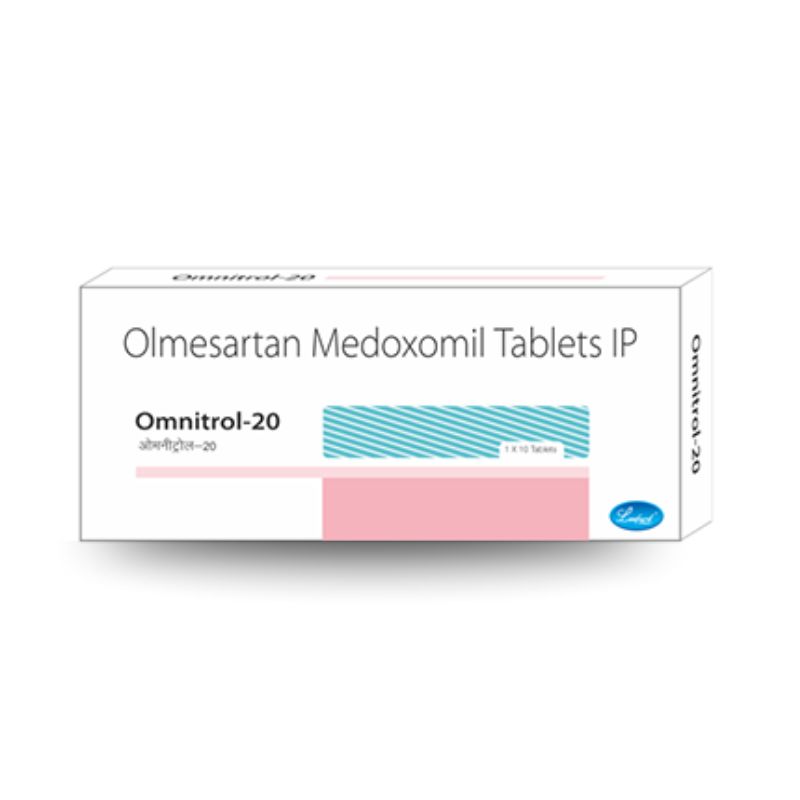
OMNITROL 20 is a prescription tablet containing Olmesartan Medoxomil 20 mg, supplied in Alu-Alu packaging. Olmesartan is an angiotensin II receptor blocker (ARB) used for the long-term management of hypertension (high blood pressure), to reduce the risk of heart attack, stroke, and related cardiovascular events.
How it Works
Olmesartan blocks angiotensin II receptors, preventing the hormone from causing blood vessels to constrict. This action relaxes and widens blood vessels, lowering blood pressure, and improving blood flow throughout the body.
Main Uses
-
Management and treatment of essential hypertension (high blood pressure) in adults and eligible children.
-
Prevention of cardiac and vascular complications, including stroke and heart failure, in high-risk patients.
-
May be part of combination therapy for severe or resistant hypertension or in cases presenting with renal complications.
Key Benefits
-
Rapid and sustained reduction in blood pressure, lowering risk of complications from hypertension.
-
Helps preserve kidney function and protect against end-organ damage.
-
Once-daily dosing and well-tolerated profile increase patient convenience and adherence.
Dosage & Administration
-
Typical adult starting dose: 20 mg once daily, may be adjusted up to 40 mg daily after several weeks if needed for blood pressure control.
-
Dose may vary for children 6–16 years, based on body weight and clinical guidelines.
-
Take at the same time each day, with or without food; swallow tablet whole with water.
-
Do not stop abruptly; follow physician instructions for dose changes or discontinuation.
-
Periodic monitoring of blood pressure, kidney function, and potassium levels recommended during therapy.
Safety & Precautions
-
Common side effects: dizziness, headache, nausea, indigestion, diarrhoea, stomach pain, sore throat.
-
Not for use in pregnant women, patients with severe kidney impairment, gallbladder blockage, or those on aliskiren-containing medicines.
-
Caution in diabetic patients, those with mild to moderate renal impairment, or when using potassium supplements—close monitoring advised.
-
Seek medical advice for persistent side effects, allergic reactions, or symptoms such as severe dizziness, fainting, chest pain, or jaundice.

OMNITROL 20 AMH combines three antihypertensive agents in one tablet: olmesartan (an angiotensin II receptor blocker), amlodipine (a calcium channel blocker), and hydrochlorothiazide (a thiazide diuretic). This triple-action approach is designed for effective blood pressure control and improved cardiovascular protection in patients with moderate to severe hypertension who require multi-drug therapy.
Clinical Uses
-
Treatment of hypertension (high blood pressure), especially in patients not controlled on single or dual therapy
-
Reduces risk of stroke, heart attack, and kidney complications due to high blood pressure.
Mechanism of Action
-
Olmesartan blocks the effects of angiotensin II, relaxing blood vessels and lowering blood pressure.
-
Amlodipine inhibits calcium influx into cardiac and vascular smooth muscles, further relaxing vessels and improving blood flow.
-
Hydrochlorothiazide increases urine output, removing excess salt and water, which helps lower and stabilize blood pressure.
Dosage & Administration
-
Take once daily, at the same time each day, as advised by a physician.
-
Swallow whole with water, with or without food; do not chew or crush.
Common Side Effects
-
Headache, dizziness, fatigue, swelling (edema), nausea, muscle cramps, increased urination, upper respiratory infections, throat or nasal irritation.
-
Most effects are temporary; severe symptoms (marked low blood pressure, fainting, allergic reaction, electrolyte imbalance) require prompt medical attention.
Precautions & Safety Advice
-
Not for use in pregnancy, severe kidney/liver impairment, or allergy to sulfonamides or any listed components.
-
Regular monitoring of kidney function, electrolytes, and blood pressure is recommended.
-
May interact with other medicines for heart, blood pressure, or mental health—consult physician before starting or stopping other medications.
OMNITROL 20 AMH is a triple combination tablet for reliable, multi-pathway high blood pressure management.

OMNITROL 20 H is a fixed-dose combination antihypertensive tablet containing olmesartan (an angiotensin II receptor blocker) and hydrochlorothiazide (a thiazide diuretic). This two-drug regimen is prescribed for patients whose blood pressure is not adequately controlled by monotherapy, providing a balanced approach to reducing blood pressure and lowering the risk of cardiovascular complications.
Clinical Uses
-
Management of high blood pressure (hypertension) in adults, especially when single-drug therapy is insufficient.
-
Reduces risk of stroke, heart attack, and kidney-related events associated with uncontrolled hypertension.
Mechanism of Action
-
Olmesartan selectively blocks angiotensin II receptors, causing blood vessels to relax and widen, which lowers blood pressure.
-
Hydrochlorothiazide acts as a diuretic, helping the body eliminate excess salt and water through urine, further reducing blood pressure.
Dosage & Administration
-
Take once daily at the same time each day, with or without food, as prescribed.
-
Swallow whole with water; avoid missing doses and do not stop abruptly without medical advice.
Common Side Effects
-
Headache, dizziness, weakness, tiredness, chest pain, swelling of the legs, ankles, or hands, increased urination, or muscle cramps.
-
Most side effects are mild and resolve on continued use; seek medical help for persistent or severe symptoms.
Precautions & Safety Advice
-
Not for use in pregnancy, severe kidney or liver impairment, allergy to sulfonamides, or certain metabolic disturbances (low potassium/sodium).
-
Regular monitoring of blood pressure, electrolytes, and kidney function is recommended.
-
Inform the doctor about all current medications to avoid interactions.
OMNITROL 20 H is an effective dual-component option for controlling hypertension and reducing cardiovascular risks.

Onabet Lotion contains Sertaconazole 2% w/v, a broad-spectrum topical antifungal agent. It is formulated for superficial fungal infections of the skin and scalp, including tinea corporis, tinea cruris, and cutaneous candidiasis. Sertaconazole works by inhibiting fungal growth and disrupting the fungal cell membrane, helping to control infection and relieve itching, redness, and scaling. The lotion base makes it easy to apply on larger or hairy areas.
Uses of Onabet Lotion
-
Treatment of tinea corporis (ringworm)
-
Treatment of tinea cruris (jock itch)
-
Cutaneous candidiasis
-
Reduces itching, redness, and scaling caused by fungal infections
-
Suitable for large or hairy affected areas due to its lotion form
How to Use
-
Clean and dry the affected area before application.
-
Apply a thin layer of lotion once or twice daily, or as prescribed by a doctor.
-
Massage gently until absorbed.
-
Continue the full course even if symptoms improve early.
-
Wash hands thoroughly after application.
Side Effects
Common (usually mild):
Rare but serious:
Precautions & Warnings
-
For external use only; avoid contact with eyes, mouth, and mucous membranes.
-
Not recommended for broken or severely inflamed skin unless advised by a doctor.
-
Use cautiously in pregnancy and breastfeeding.
-
Discontinue use if severe irritation occurs.
Conclusion
Onabet Lotion (Sertaconazole 2% w/v) is a fast-acting antifungal solution for superficial fungal infections, especially in large or hairy areas. It effectively reduces itching, redness, and scaling, promotes healing, and helps prevent recurrence when used consistently under medical guidance.

Onabet SD Solution is a combination topical treatment containing Sertaconazole, a broad-spectrum antifungal, and Mometasone, a potent corticosteroid. Sertaconazole inhibits fungal growth, while Mometasone reduces inflammation, redness, and itching. This solution is specifically formulated for fungal infections with inflammatory symptoms, such as tinea corporis, tinea cruris, and seborrheic dermatitis with inflammation and scaling. The solution form allows easy application on larger or hairy areas.
Uses of Onabet SD Solution
-
Treatment of fungal skin infections with inflammation
-
Tinea corporis (ringworm)
-
Tinea cruris (jock itch)
-
Seborrheic dermatitis with scaling and itching
-
Reduces itching, redness, and inflammation associated with fungal infections
How to Use
-
Clean and dry the affected area before application.
-
Apply a thin layer of solution once or twice daily, or as prescribed.
-
Massage gently until absorbed.
-
Continue the full course of treatment to prevent recurrence.
-
Wash hands thoroughly after application.
Side Effects
Common (mild and temporary):
Rare but serious:
-
Severe allergic reactions (rash, swelling, blistering) – seek medical attention immediately
-
Prolonged use may lead to skin thinning or corticosteroid-related effects
Precautions & Warnings
-
Prescription Required – use only under medical supervision.
-
For external use only; avoid eyes, mouth, and mucous membranes.
-
Not recommended for broken, infected, or highly sensitive skin unless advised.
-
Avoid prolonged use on large areas.
-
Use cautiously in pregnancy and breastfeeding.
Conclusion
Onabet SD Solution (Sertaconazole 2% w/v + Mometasone 0.1% w/v) is a dual-action treatment for fungal infections with inflammation and scaling. By combining an antifungal with a corticosteroid, it reduces fungal growth, relieves itching and redness, and promotes faster healing, making it ideal for larger or hairy affected areas. Proper use under medical guidance ensures effective treatment and minimizes recurrence.

Ondamac 2mg Suspension is an antiemetic medicine used in children to treat nausea and vomiting. It is commonly prescribed to prevent vomiting caused by surgery, chemotherapy, radiotherapy, stomach or intestinal infections, and sometimes due to side effects of medicines such as painkillers. It works by blocking serotonin, a chemical messenger in the brain that triggers the vomiting reflex.
This suspension can be given before or after meals, as directed by the doctor. For specific conditions, the timing of the dose matters—for example, 30 minutes before chemotherapy, 1 to 2 hours before radiotherapy, and 1 hour before surgery. If your child vomits within 30 minutes of taking the dose, you may repeat it. Do not double up if it is already time for the next scheduled dose. Always measure the dose with a proper measuring cup and shake the bottle well before use.
Common side effects include headache, constipation, diarrhea, and tiredness. These are usually mild and disappear as the body adjusts to the medicine. If side effects persist or cause concern, consult the doctor promptly.
Safety considerations:
-
Alcohol: Use with caution, consult a doctor.
-
Pregnancy/Breastfeeding: Limited data; seek medical advice before use.
-
Driving: May cause dizziness in some; avoid activities requiring alertness if affected.
-
Kidney: Generally safe, no dose adjustment required.
-
Liver: Use with caution in liver disease; dose adjustment may be needed.
In case of a missed dose, give it as soon as you remember. If it’s almost time for the next dose, skip the missed one—never give two doses at once.