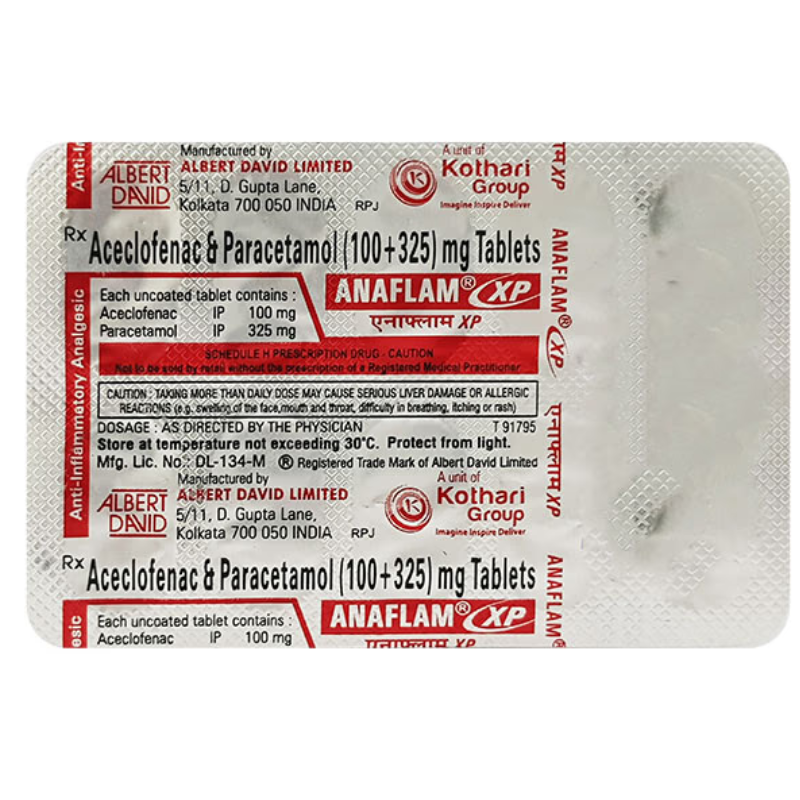
Alcinac-MRX Tablet is a combination medication for acute musculoskeletal pain and inflammation, offering the advantages of pain relief, anti-inflammatory effects, and muscle relaxation.
How it Works / Key Benefits:
-
Aceclofenac: A nonsteroidal anti-inflammatory drug (NSAID) that blocks cyclo-oxygenase (COX) enzymes, reducing prostaglandins responsible for pain and inflammation at injured or diseased sites.
-
Paracetamol (Acetaminophen): Works centrally as a painkiller (analgesic) and fever reducer (antipyretic). It assists aceclofenac in pain relief and is gentle on the stomach.
-
Tizanidine: A centrally acting muscle relaxant, it acts on the spinal cord and brain centers to relieve muscle spasm and stiffness, improving movement and reducing functional impairment caused by muscular pain or spasm.
Uses:
-
Management of acute low back pain, neck pain, joint pains, arthritis (osteoarthritis, rheumatoid arthritis, ankylosing spondylitis)
-
Muscular pain associated with sprains, strains, injuries, dental procedures, headache, and period pain
-
Reduces spasm, swelling, and improves mobility and quality of life in patients with musculoskeletal disorders
Dosage & Administration:
-
Usual adult dose: 1 tablet twice daily (as directed by the physician)
-
Should be taken with or after food
-
Swallow whole, do not crush or chew
Safety & Precautions:
-
Not for patients with known allergy to NSAIDs, severe liver/kidney/heart disease, active ulcers, or uncontrolled hypertension
-
Common side effects: drowsiness, dizziness, sleepiness, dry mouth, loss of appetite, stomach upset, heartburn, nausea, diarrhea, and weakness
-
Can cause sedation; do not drive or operate machinery if you feel drowsy
-
Avoid alcohol (may increase drowsiness and risk of stomach bleeding)
-
Not for children or breastfeeding/pregnant women without medical advice
-
Monitor for persistent or severe side effects and inform your doctor
Note:
Alcinac-MRX is for short-term relief of muscular pain, spasm, and inflammation. Use only as prescribed, and consult your doctor if you have ongoing symptoms or pre-existing medical conditions.

Alcinac-P Tablet is a combination painkiller and anti-inflammatory medication widely used for the relief of pain and swelling in various conditions.
How it Works:
-
Aceclofenac is a nonsteroidal anti-inflammatory drug (NSAID) that blocks the action of cyclo-oxygenase (COX) enzymes, reducing the synthesis of prostaglandins responsible for pain and inflammation at the injury or disease site.
-
Paracetamol (Acetaminophen) acts centrally to reduce pain and also lowers fever (antipyretic effect). It is less irritating to the stomach compared to some other painkillers.
Uses of Alcinac-P (Aceclofenac + Paracetamol):
-
Management of osteoarthritis, rheumatoid arthritis, ankylosing spondylitis, musculoskeletal pain
-
Relief of lower back pain, dental pain, headache, joint pain, menstrual cramps, and minor injuries
-
Reducing fever and swelling associated with inflammatory conditions
Key Benefits:
-
Provides rapid and effective pain relief and reduces swelling
-
Offers dual action—strong anti-inflammatory from aceclofenac and good pain relief from paracetamol
-
Well tolerated by most patients, with a lower risk of gastrointestinal irritation compared to NSAIDs alone
Dosage & Administration:
-
Usual adult dose: One tablet (100/325mg), taken 1–2 times daily as advised by your physician
-
Should be taken with or after food to minimize stomach upset
-
Swallow whole with water; do not crush, break, or chew the tablet
-
Do not exceed recommended dose or duration; follow doctor’s prescription
Safety & Precautions:
-
Not suitable for patients with known allergy to NSAIDs/paracetamol, active ulcers or bleeding in stomach/intestine, severe heart, liver, kidney disease, or during the last trimester of pregnancy
-
May cause dizziness, sleepiness, upset stomach, nausea, or mild abdominal pain—notify your doctor if symptoms persist
-
Avoid alcohol as it increases the risk of stomach bleeding and potential liver toxicity
-
Some medicines may interact—always inform your doctor about all medications and supplements
-
Regular monitoring may be needed for long-term use
Note:
Alcinac-P is a prescription medicine for short-term use in pain and inflammation relief. Take exactly as prescribed, and report any new or unusual symptoms to your doctor.

Alcinac-PG Forte Tablet SR is a combination prescription medicine used primarily for the management of neuropathic pain and chronic pain conditions associated with nerve damage and inflammation.
How it Works / Key Benefits:
-
Aceclofenac (SR): A nonsteroidal anti-inflammatory drug (NSAID) that reduces pain and inflammation by blocking cyclo-oxygenase (COX) enzymes, and therefore, reduces the synthesis of prostaglandins at injury/inflammation sites. The sustained release (SR) formulation provides prolonged pain control.
-
Pregabalin (SR): An anticonvulsant and neuropathic pain modulator that calms overactive or damaged nerves, reducing abnormal pain sensations like burning, tingling, throbbing, and numbness. Its SR form ensures a steady level for continuous pain relief.
Indications / Uses:
-
Neuropathic pain (pain due to nerve damage or dysfunction), including diabetic neuropathy, sciatica, nerve root pain, neuralgia
-
Chronic post-surgical or post-traumatic pain
-
Musculoskeletal pain with nerve involvement, peripheral neuropathies, chronic back, or cervical pain
Dosage & Administration:
-
Usually one tablet once daily (or as advised by physician)
-
Take after food to decrease risk of stomach upset
-
Swallow whole with water; do not break, crush, or chew the tablet
-
Dosage and duration depend on the condition and response
Common Side Effects:
-
Nausea, vomiting, indigestion, stomach pain, diarrhea, loss of appetite, heartburn
-
Dizziness, drowsiness, tiredness, uncoordinated movements, dryness in mouth
-
Headache, flushing
Safety & Precautions:
-
Not suitable for patients with allergy to NSAIDs, severe heart/liver/kidney disease, GI ulcers, or uncontrolled hypertension
-
Pregnant or breastfeeding women should use only if recommended by a doctor
-
Caution in elderly or those with history of substance abuse/seizures
-
Avoid driving or using machinery if you feel drowsy or dizzy
-
Avoid alcohol, as it can worsen side effects
Note:
Use only on prescription and do not exceed recommended dose. Inform your doctor of all medicines and health conditions before starting. Report persistent side effects or new symptoms promptly for safe management.

Alcinac-RB Capsule is a combination medication designed for relief of pain and inflammation in musculoskeletal and joint-related conditions, while protecting the stomach against acid-related side effects caused by painkillers.
How it Works / Key Benefits:
-
Aceclofenac (Sustained Release) 200 mg: A nonsteroidal anti-inflammatory drug (NSAID) that provides prolonged anti-inflammatory and analgesic (pain relief) effects by blocking cyclo-oxygenase (COX) enzymes and reducing prostaglandin synthesis. The SR formulation maintains therapeutic drug levels for extended pain relief.
-
Rabeprazole Sodium (Enteric Coated) 20 mg: A proton pump inhibitor that suppresses stomach acid production, thereby reducing the risk of gastric irritation, ulcers, and acid reflux associated with long-term NSAID use.
Indications / Uses:
-
Management of chronic pain, swelling, and inflammation in conditions such as:
-
Osteoarthritis
-
Rheumatoid arthritis
-
Ankylosing spondylitis
-
Musculoskeletal pain
-
Back pain, dental pain, post-surgical pain
Dosage & Administration:
-
One capsule daily (or as prescribed), with or after food, swallowed whole with water
-
Do not crush, chew, or break the capsule
-
Dosage and duration as per doctor’s instructions
Safety & Precautions:
-
Tell your doctor about history of ulcers, stomach bleeding, high blood pressure, heart/kidney/liver problems
-
Avoid in patients with known allergy to NSAIDs, proton pump inhibitors, or with active ulcers/bleeding
-
Common side effects: nausea, flatulence, indigestion, abdominal pain, diarrhea, constipation, dry mouth, headache, dizziness
-
Not intended for use in children
-
Pregnant or breastfeeding women should use only under medical advice
-
Avoid alcohol as it may worsen drowsiness and stomach irritation
Note:
Alcinac-RB should be used at the lowest effective dose for the shortest possible time to reduce risk of side effects. Use only as prescribed and report persistent or severe symptoms to your healthcare provider.
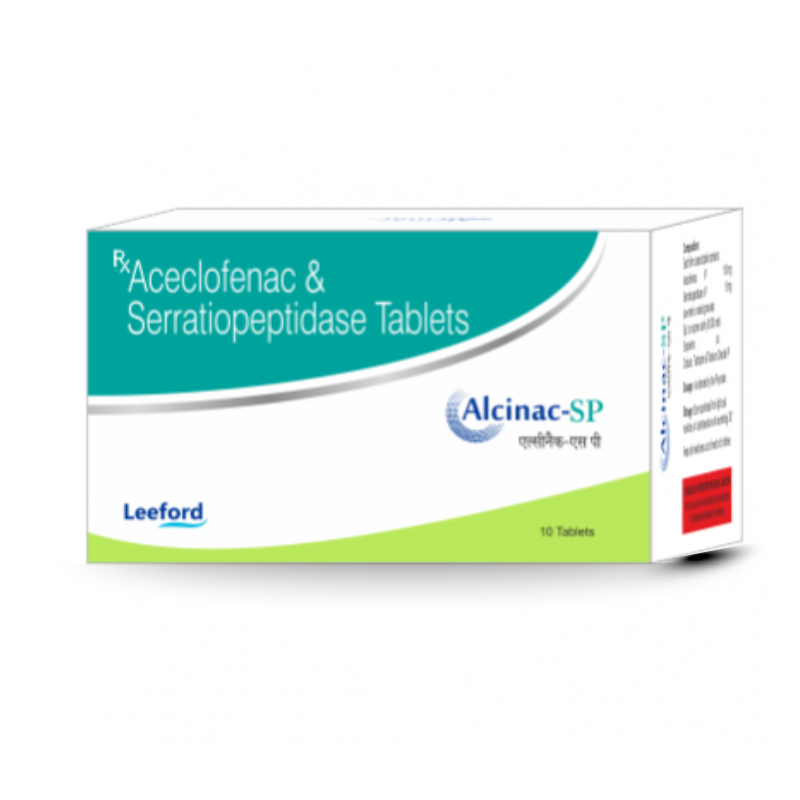
Alcinac-SP Tablet is a combination medication commonly prescribed for the relief of pain, inflammation, and swelling associated with various musculoskeletal and orthopedic conditions.
How it Works / Key Benefits:
-
Aceclofenac: A nonsteroidal anti-inflammatory drug (NSAID) that inhibits cyclo-oxygenase (COX) enzymes and prostaglandin synthesis, offering strong anti-inflammatory and analgesic (pain relief) effects.
-
Serratiopeptidase: A proteolytic enzyme that helps break down abnormal proteins (fibrin) at injury or inflammation sites, reducing swelling, edema, and promoting tissue healing. It also thins fluids at inflamed sites, speeding recovery and improving drainage.
Uses of Alcinac-SP (Aceclofenac + Serratiopeptidase):
-
Management of osteoarthritis, rheumatoid arthritis, ankylosing spondylitis
-
Relief from back pain, muscle pain, post-traumatic pain, dental pain, or after surgery
-
Reduces swelling, stiffness, and improves mobility in joint and soft tissue injuries
-
May be used for migraine, cervical pain, and spondylitis, or after minor surgical procedures for better healing.
Dosage & Administration:
-
Adult dose: One tablet, usually twice daily or as directed by your physician
-
Should be taken with or after food to minimize stomach upset
-
Swallow whole with water; do not crush or chew
-
Follow exact prescription for dosage and duration
Safety & Precautions:
-
Not for those allergic to NSAIDs or serratiopeptidase, with active ulcers, gastrointestinal bleed, severe liver/kidney/heart disease, or pregnant (especially late trimester)
-
Common side effects: nausea, stomach pain, indigestion, diarrhea, or mild headache
-
Rarely, prolonged use can increase risk of bleeding, ulcer, heart, kidney, or liver problems
-
Inform doctor of all medicines being taken (potential interactions)
-
Not recommended in children under 18 unless specifically prescribed
Note:
Alcinac-SP is intended for short-term use as prescribed by your doctor. Do not exceed recommended dose or use long term without medical supervision. Report any new or severe symptoms promptly.

Alcinac-SR Tablet contains aceclofenac in a sustained release (SR) formulation, designed for once-daily dosing to provide long-lasting pain and inflammation relief.
How it Works / Key Benefits:
-
Aceclofenac is a nonsteroidal anti-inflammatory drug (NSAID) that inhibits cyclo-oxygenase (COX) enzymes—mainly COX-2—responsible for the synthesis of prostaglandins, which mediate pain, swelling, and inflammation.
-
Decreases levels of inflammatory mediators (like prostaglandin E2, TNF-α, and IL-1β), hence reducing pain and inflammatory responses in conditions like arthritis and musculoskeletal disorders.
-
The sustained release matrix ensures a slow, steady release of aceclofenac, maintaining blood levels over a 24-hour period for prolonged efficacy and stable symptom control.
Uses of Alcinac-SR (Aceclofenac SR):
-
Management of chronic pain and inflammation in osteoarthritis, rheumatoid arthritis, ankylosing spondylitis
-
Relief from backache, joint pain, and other long-term musculoskeletal/inflammatory conditions
Dosage & Administration:
-
Usual adult dose: One 200 mg sustained release tablet once daily, swallowed whole with water
-
Take preferably with or after food to minimize stomach upset
-
Designed for once-daily use for convenience and better compliance
Safety & Precautions:
-
Avoid if you have allergy to NSAIDs/aceclofenac, active ulcers, severe liver/kidney/heart disorders, or in late pregnancy
-
Not recommended for children under 18 unless directed
-
Common side effects: stomach pain, heartburn, nausea, dizziness; rarely, severe ulcer/bleeding risk—report any persistent symptoms to your doctor promptly
-
If taken long-term, regular monitoring of renal and liver functions and blood counts may be required
-
Always follow your doctor’s prescription—do not exceed recommended dose or duration
Note:
Alcinac-SR is a prescription medication intended for long-term symptom management with the benefit of once-daily dosing. Use only as directed and report any new or severe adverse effects to your healthcare provider.
Uses
- Muscle pain and stiffness
- Painful muscle spasms
- Back pain
- Neck pain
- Sprains and strains
- Musculoskeletal pain and inflammation
- Pain associated with muscle spasm
Benefits
- Helps relieve moderate pain
- Reduces inflammation
- Relaxes painful muscle spasms
- Helps reduce muscle stiffness
- May improve movement and comfort during painful musculoskeletal conditions
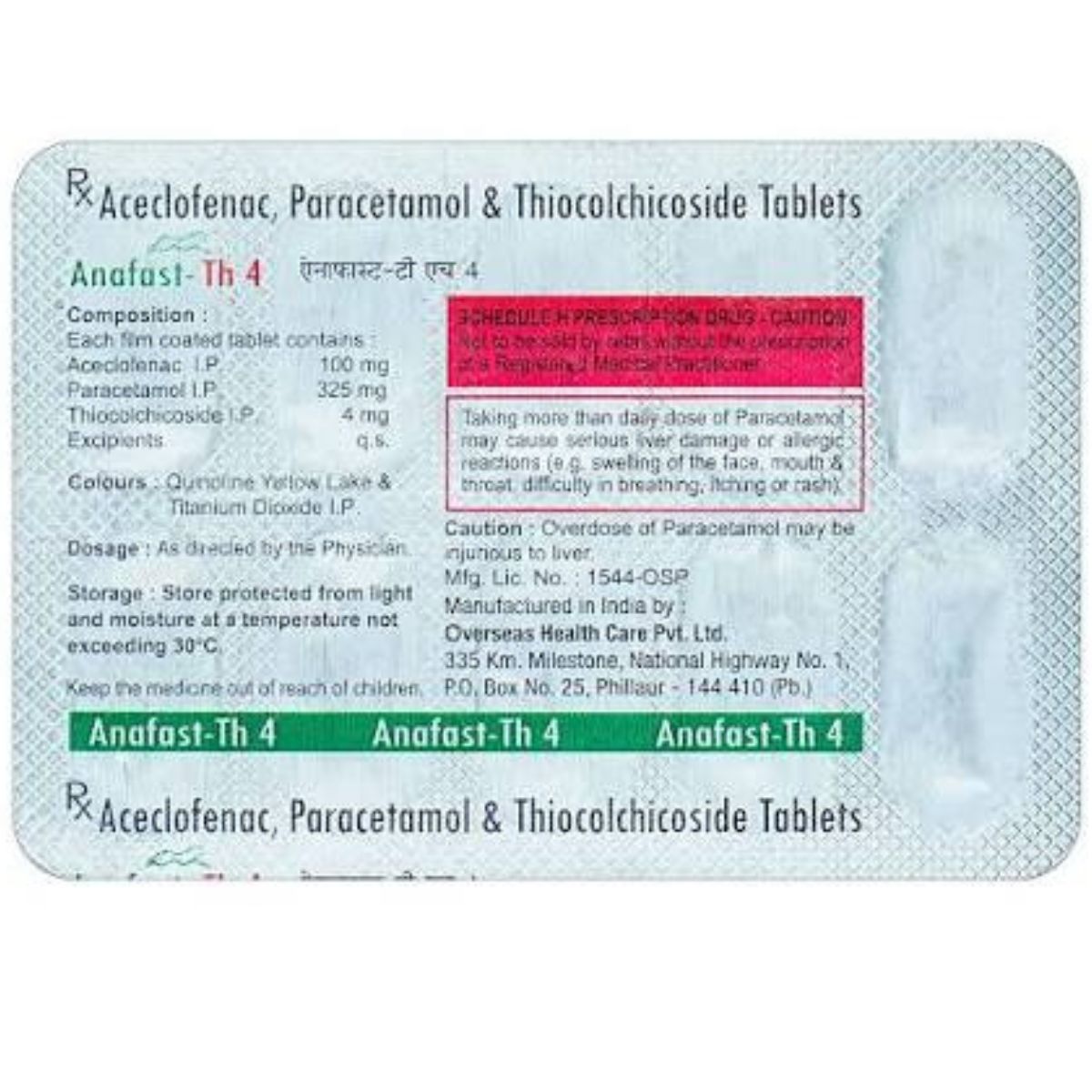
How Anafast-Th 4 Works
Aceclofenac is an NSAID that reduces substances responsible for pain and inflammation.
Paracetamol provides additional pain-relieving action.
Thiocolchicoside acts as a muscle relaxant and helps reduce painful muscle spasms.
Together, these ingredients provide relief from pain, inflammation, and muscle spasm.
Dosage & How to Use
Take Anafast-Th 4 Tablet exactly as prescribed by your doctor.
- Swallow the tablet whole with water.
- Taking it after food may help reduce stomach irritation.
- Do not crush or chew the tablet.
- Use it for the shortest duration recommended by your doctor.
- Do not take additional Paracetamol or NSAID-containing medicines without medical advice.
Side Effects
Possible side effects include:
- Nausea
- Indigestion
- Stomach pain
- Diarrhea
- Dizziness
- Headache
- Drowsiness
Serious side effects can include gastrointestinal bleeding, liver problems, kidney problems, or severe allergic reactions.
Seek medical attention for black stools, vomiting blood, severe abdominal pain, yellowing of the skin/eyes, breathing difficulty, or severe allergic symptoms.
Precautions
Inform your doctor if you have:
- Stomach ulcers or gastrointestinal bleeding
- Liver or kidney disease
- Heart disease or high blood pressure
- Asthma triggered by painkillers
- A seizure disorder
- Any allergy to NSAIDs or Paracetamol
Pregnancy: Thiocolchicoside should not be used during pregnancy because of potential fetal harm. Women who could become pregnant should discuss appropriate contraception with their doctor.
Avoid excessive alcohol consumption because it may increase the risk of liver and stomach-related complications.
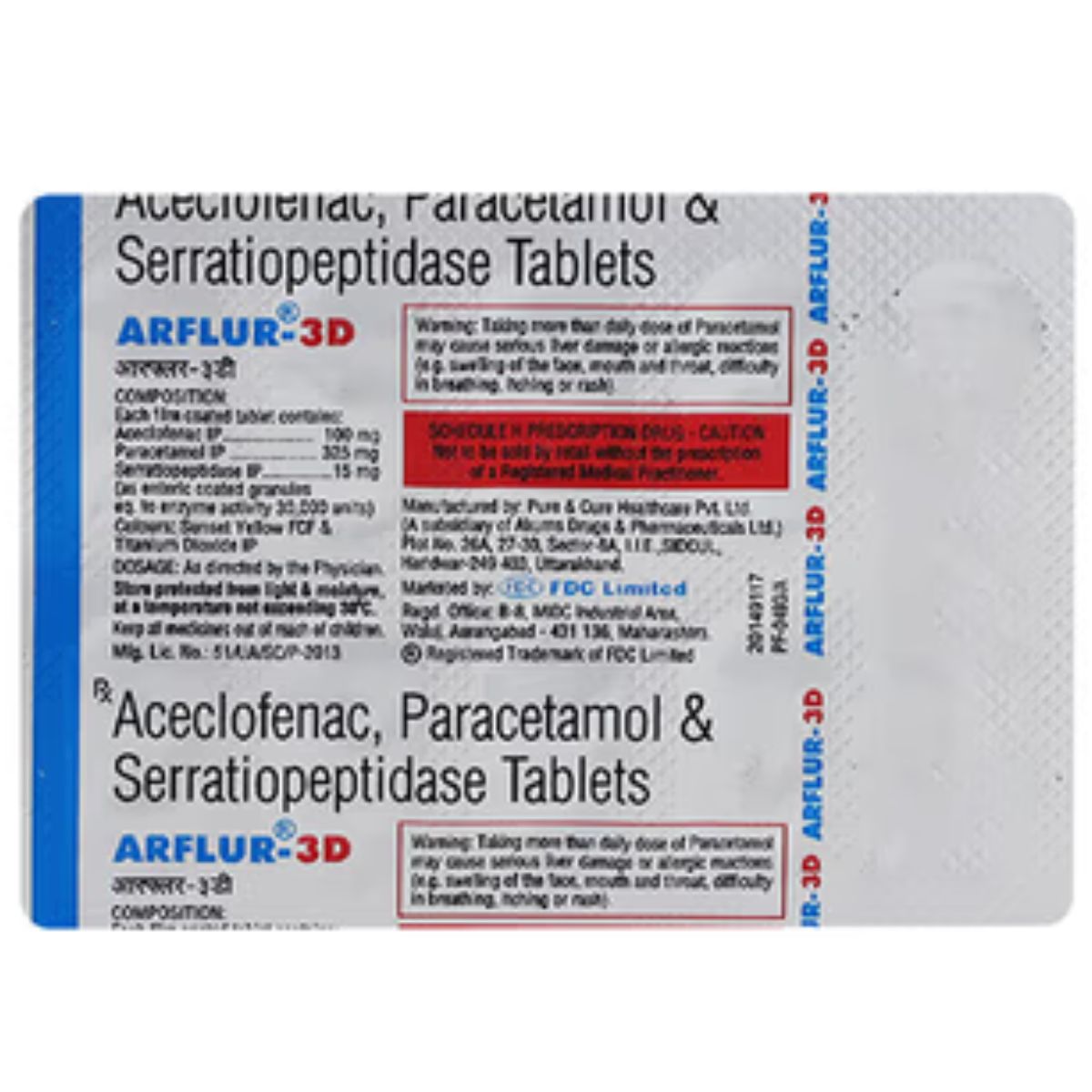
Arflur 3D Tablet is a prescription medicine that combines Aceclofenac, Paracetamol, and Serratiopeptidase. This triple combination provides effective relief from pain, inflammation, fever, and swelling. It is widely used in orthopedic, dental, and post-surgical conditions, as well as sports injuries and musculoskeletal disorders where pain and tissue inflammation occur together.
Uses of Arflur 3D Tablet
- Osteoarthritis
- Rheumatoid arthritis
- Ankylosing spondylitis
- Joint pain
- Muscle pain
- Back pain
- Neck pain
- Dental pain
- Sprains and strains
- Sports injuries
- Post-operative pain and swelling
- Soft tissue injuries
Benefits of Arflur 3D Tablet
- Provides effective pain relief
- Reduces inflammation and swelling
- Lowers fever
- Promotes faster healing of injured tissues
- Improves joint mobility and physical comfort
- Helps speed recovery after surgery or injury
How Arflur 3D Tablet Works
- Aceclofenac is a non-steroidal anti-inflammatory drug (NSAID) that blocks the production of prostaglandins, reducing pain and inflammation.
- Paracetamol relieves pain and reduces fever by acting on the brain’s pain and temperature-regulating centers.
- Serratiopeptidase is a proteolytic enzyme that helps reduce swelling and inflammation by breaking down inflammatory proteins and supporting tissue healing.
Together, these ingredients provide comprehensive relief from pain, swelling, and inflammation.
Dosage
- Take Arflur 3D Tablet exactly as prescribed by your doctor.
- Do not exceed the recommended dose or treatment duration.
- Long-term use should only be under medical supervision.
How to Use
- Swallow the tablet whole with a glass of water.
- Take it after food to minimize stomach irritation.
- Do not crush or chew the tablet.
Side Effects
Common side effects include:
- Nausea
- Stomach pain
- Indigestion
- Heartburn
- Diarrhea
- Dizziness
Rare but serious side effects include:
- Stomach ulcer or gastrointestinal bleeding
- Liver damage
- Kidney problems
- Severe allergic reactions
- Severe skin reactions
Seek immediate medical attention if you notice black stools, vomiting blood, yellowing of the skin or eyes, swelling of the face, or difficulty breathing.
Precautions
- Inform your doctor if you have liver disease, kidney disease, stomach ulcers, asthma, heart disease, or bleeding disorders.
- Avoid alcohol while taking this medicine, as it may increase the risk of stomach bleeding and liver damage.
- Do not take other medicines containing Paracetamol unless advised by your doctor.
- Use during pregnancy or breastfeeding only if prescribed.
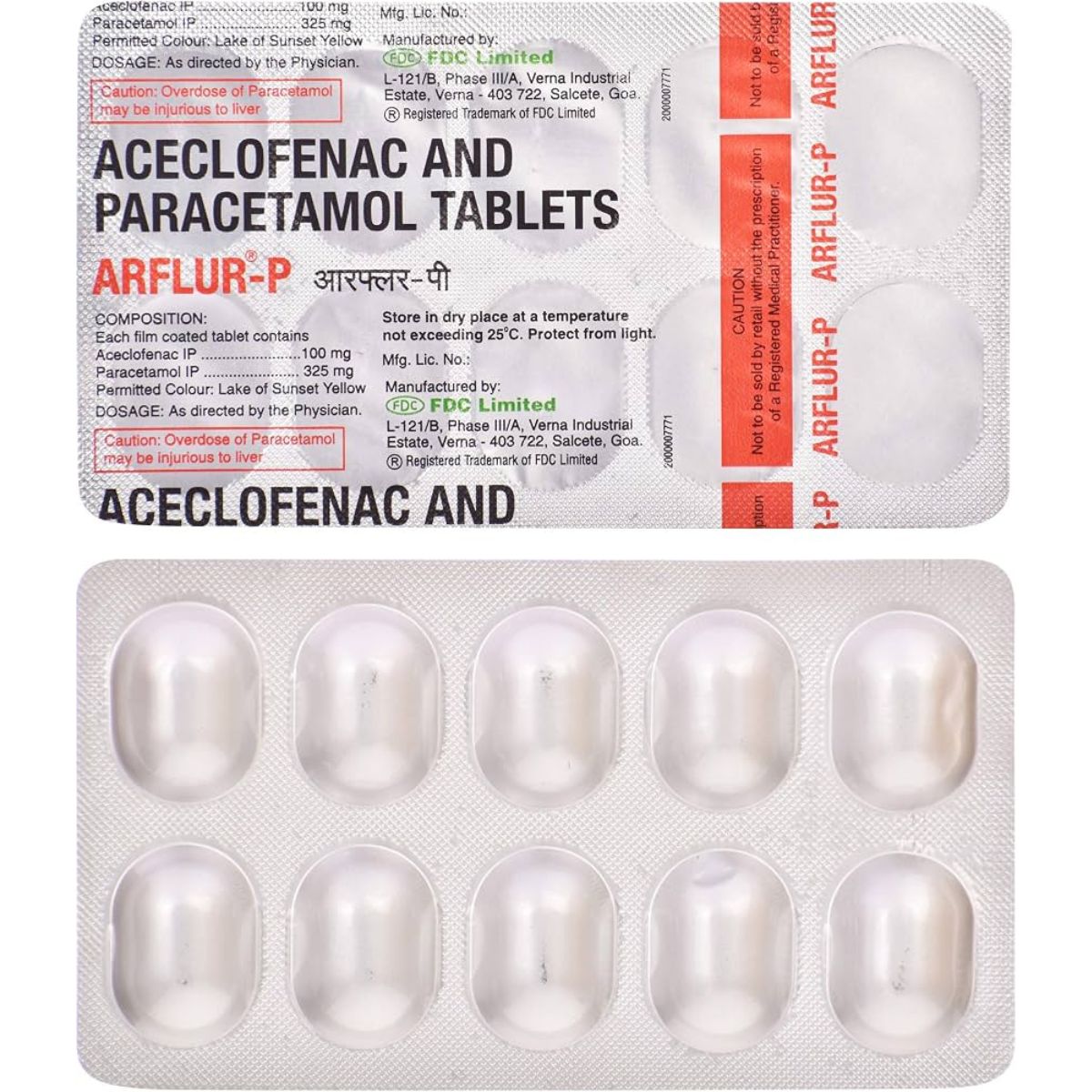
Arflur-P Tablet is a prescription pain-relieving medicine that combines Aceclofenac, a non-steroidal anti-inflammatory drug (NSAID), with Paracetamol, an analgesic and antipyretic. This combination helps reduce pain, swelling, stiffness, and fever, making it effective for various musculoskeletal and inflammatory conditions.
Uses of Arflur-P Tablet
- Osteoarthritis
- Rheumatoid arthritis
- Ankylosing spondylitis
- Joint pain
- Muscle pain
- Back pain
- Neck pain
- Dental pain
- Sprains and strains
- Post-operative pain
- Fever associated with pain
Benefits of Arflur-P Tablet
- Provides effective pain relief
- Reduces inflammation and swelling
- Lowers fever
- Improves joint mobility and flexibility
- Helps perform daily activities with less discomfort
How Arflur-P Tablet Works
- Aceclofenac blocks the production of prostaglandins, chemicals responsible for pain, inflammation, and swelling.
- Paracetamol acts on the brain to reduce pain and fever.
Together, they provide faster and more effective relief from pain and inflammation than either medicine alone.
Dosage
- Take Arflur-P Tablet exactly as prescribed by your doctor.
- Do not exceed the recommended dose or duration of treatment.
- Long-term use should only be under medical supervision.
How to Use
- Swallow the tablet whole with a glass of water.
- Take it after food to reduce the risk of stomach irritation.
- Do not crush or chew the tablet.
Side Effects
Common side effects include:
- Nausea
- Stomach pain
- Indigestion
- Heartburn
- Diarrhea
- Dizziness
Rare but serious side effects include:
- Stomach ulcer or bleeding
- Severe allergic reactions
- Liver damage
- Kidney problems
- Severe skin reactions
Seek immediate medical attention if you notice black stools, vomiting blood, yellowing of the skin or eyes, difficulty breathing, or severe skin rash.
Precautions
- Inform your doctor if you have liver disease, kidney disease, stomach ulcers, asthma, heart disease, or high blood pressure.
- Avoid alcohol while taking this medicine, as it may increase the risk of liver damage and stomach bleeding.
- Do not take other medicines containing Paracetamol unless advised by your doctor.
- Use during pregnancy or breastfeeding only if prescribed.
Uses
- Pain and inflammation
- Swelling associated with injuries
- Sprains and strains
- Sports injuries
- Post-operative swelling and inflammation
- Musculoskeletal pain
- Soft-tissue injuries
Benefits
- Helps reduce pain
- Reduces inflammation and swelling
- May help reduce edema associated with injuries
- Supports recovery following certain injuries and surgical procedures
- Helps improve comfort and mobility
How Btr D Works
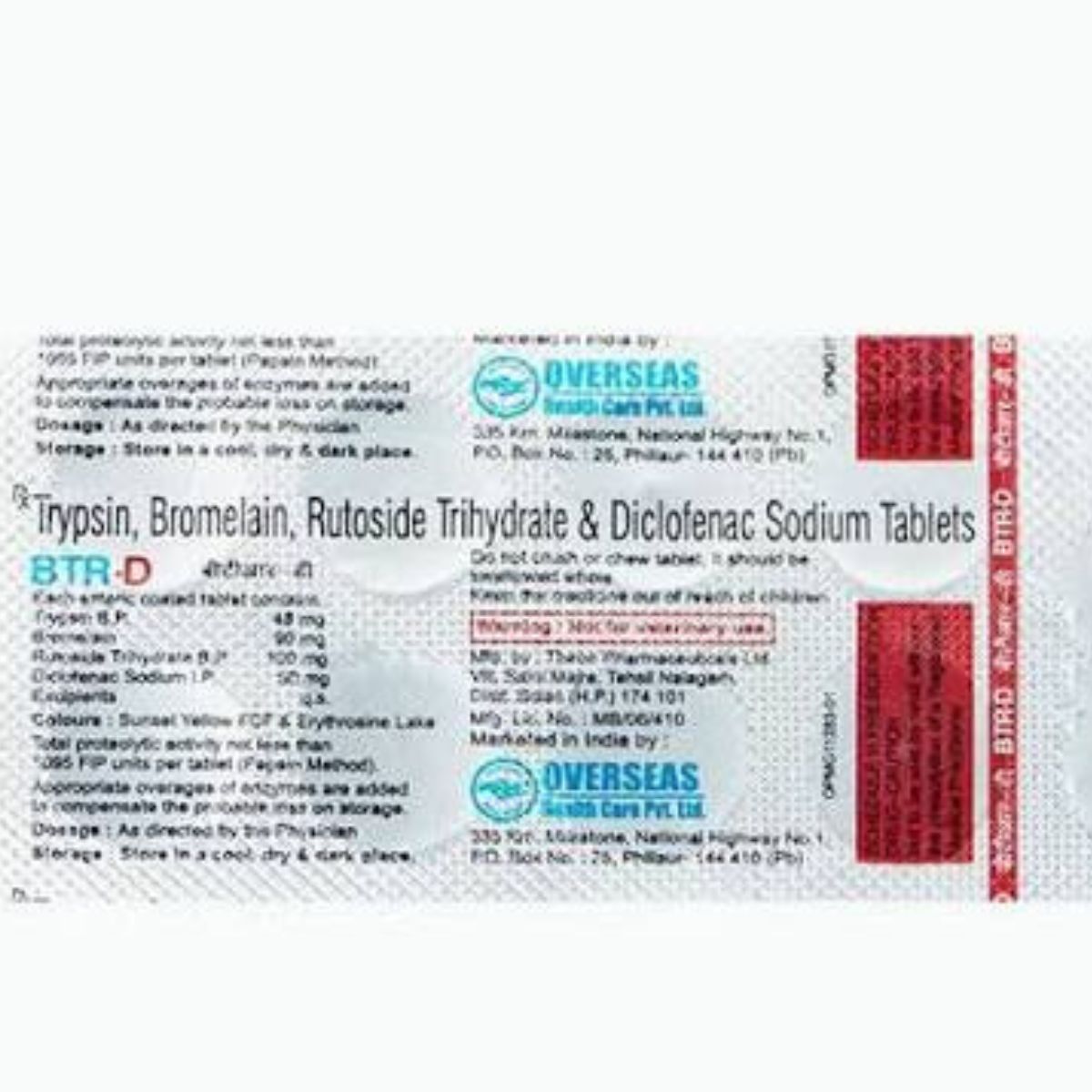
Diclofenac is an NSAID that reduces the production of prostaglandins involved in pain and inflammation.
Bromelain and Trypsin Chymotrypsin are proteolytic enzymes that may help reduce inflammatory swelling and edema.
Rutoside is a flavonoid with antioxidant properties and is included to support management of swelling and inflammation.
Together, these ingredients help manage pain, inflammation, and swelling.
Dosage & How to Use
Take Btr D Tablet only as prescribed by your doctor.
- Swallow the tablet whole with water.
- Follow the dose and duration recommended by your healthcare professional.
- Do not crush or chew the tablet.
- Do not take more than the prescribed dose.
Side Effects
Possible side effects include:
- Nausea
- Indigestion
- Stomach discomfort
- Diarrhea
- Dizziness
- Headache
Diclofenac may rarely cause more serious problems such as stomach bleeding, liver problems, kidney problems, or severe allergic reactions.
Seek immediate medical attention for black stools, vomiting blood, severe abdominal pain, breathing difficulty, or facial swelling.
Precautions
Inform your doctor if you have:
- Stomach ulcers or gastrointestinal bleeding
- Liver or kidney disease
- Heart disease or high blood pressure
- Asthma triggered by NSAIDs
- A bleeding or clotting disorder
- An allergy to Diclofenac or other NSAIDs
Avoid excessive alcohol consumption because it can increase the risk of stomach and liver-related complications.
Uses:
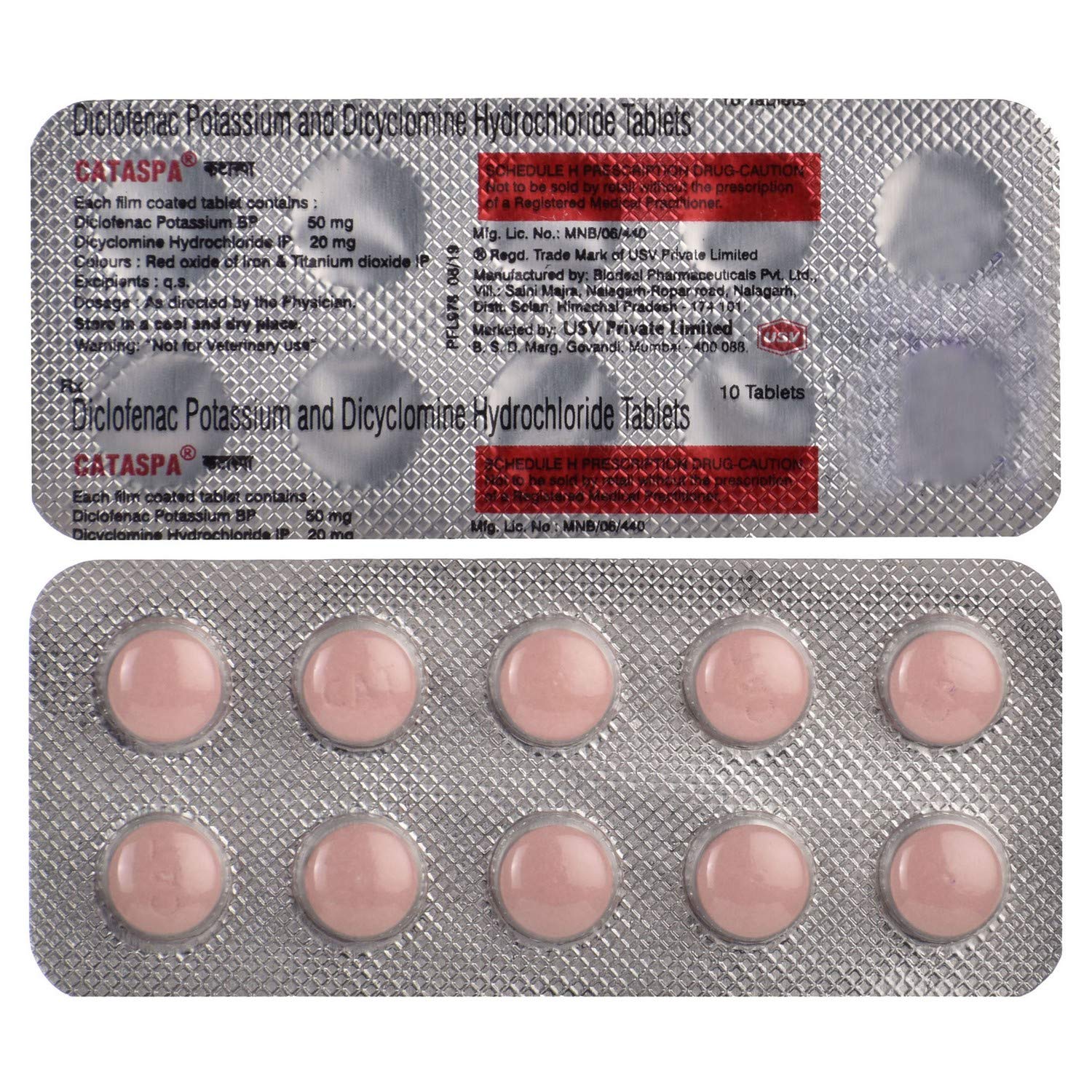
Cataspa Tablet is a combination medicine containing Dicyclomine and Diclofenac, used primarily for:
-
Relief of abdominal cramps and spasms associated with gastrointestinal disorders
-
Reduction of pain and inflammation in conditions like irritable bowel syndrome (IBS)
-
Providing antispasmodic and analgesic effects for gastrointestinal discomfort
Dosage:
-
Dosage depends on patient’s condition, age, and response.
-
Typically, 1 tablet 2–3 times daily, or as prescribed by a doctor.
-
Swallow the tablet whole with water, preferably after meals.
Precautions:
-
Avoid if allergic to Dicyclomine, Diclofenac, or other NSAIDs.
-
Use with caution in patients with heart disease, kidney or liver problems, peptic ulcer, or glaucoma.
-
Avoid during pregnancy and breastfeeding unless prescribed.
-
Inform your doctor about all other medications to prevent interactions.
How to Use:
-
Take the tablet with or after meals to reduce stomach irritation.
-
Follow the prescribed schedule strictly for optimal effect.
-
Do not self-adjust the dose without consulting your doctor.
Side Effects:
Common side effects may include:
-
Nausea, vomiting, or abdominal discomfort
-
Dizziness, drowsiness, or dry mouth (due to Dicyclomine)
-
Heartburn or stomach irritation (due to Diclofenac)
-
Rarely, severe allergic reactions, liver or kidney problems, or gastrointestinal bleeding
Note:
Cataspa Tablet should be used strictly under medical supervision. Regular monitoring may be necessary for long-term use, especially in patients with underlying health conditions.