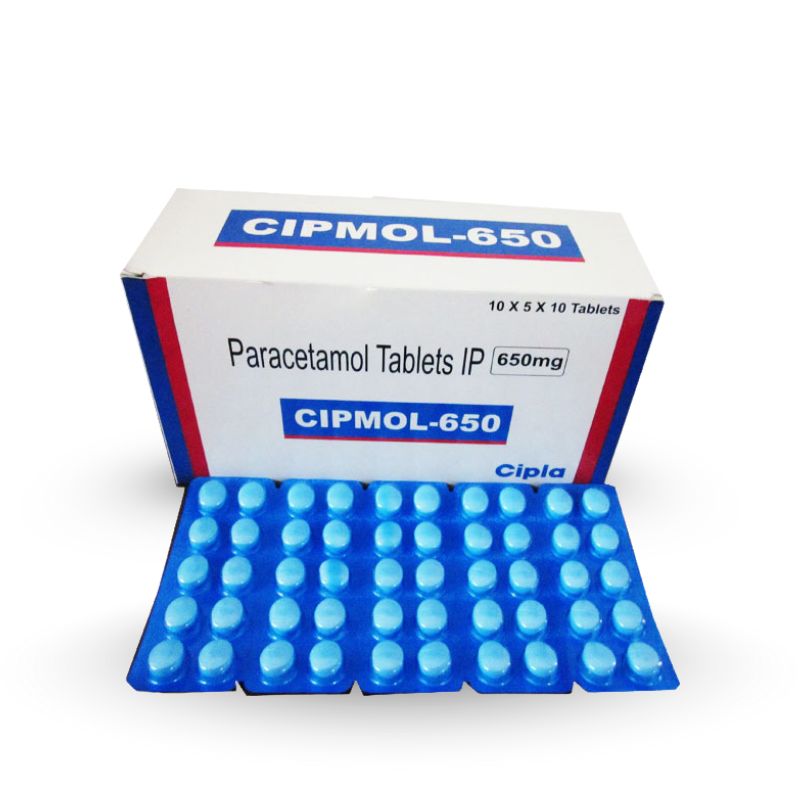
CIPMOL-650 Tablet is a widely used analgesic (pain reliever) and antipyretic (fever reducer) for quick, effective relief from common pain and fever symptoms.
Uses / Indications
-
Relief of fever (all causes including viral, bacterial, or post-vaccination).
-
Mild to moderate pain management: headache, migraine, toothache, sore throat, musculoskeletal pain, muscle aches, backache, joint pain, arthritis, menstrual pain, and pain from cold/flu or injuries.
-
Can be used as an adjunct for inflammatory pain and minor aches.
How it Works / Key Benefits
-
Blocks the production of prostaglandins (chemical messengers) in the brain responsible for pain and fever, thus lowering high temperature and raising the pain threshold.
-
Generally well-tolerated, considered safe for most people (including those with kidney disease) at correct dosage.
Dosage & Administration
-
Typical adult dose: 650 mg every 4–6 hours as needed, not exceeding 2600 mg per day as per revised guidelines (max 4 tablets/24 hours).
-
Take with a glass of water, with or without food.
-
Avoid alcohol and other paracetamol-containing medications while taking; consult doctor for use in liver or kidney disorders.
-
Safe for short-term use in pregnancy and breastfeeding (doctor’s supervision advised).
Safety & Side Effects
-
Common: Mild stomach upset, nausea, vomiting, malaise, headache, drowsiness, rarely rash or itching.
-
Rare/serious: Liver dysfunction (especially with overdose or pre-existing liver disease), allergic reaction (swelling, difficulty breathing), blood count changes—seek medical help if these occur.
-
Avoid in severe liver disease, heavy alcohol use, or allergy to paracetamol.
Note:
CIPMOL-650 is not an antibiotic or steroid, and is most effective for fever and mild/moderate pain. Use as directed for minimal days required—prolonged or excessive use increases risk of side effects.
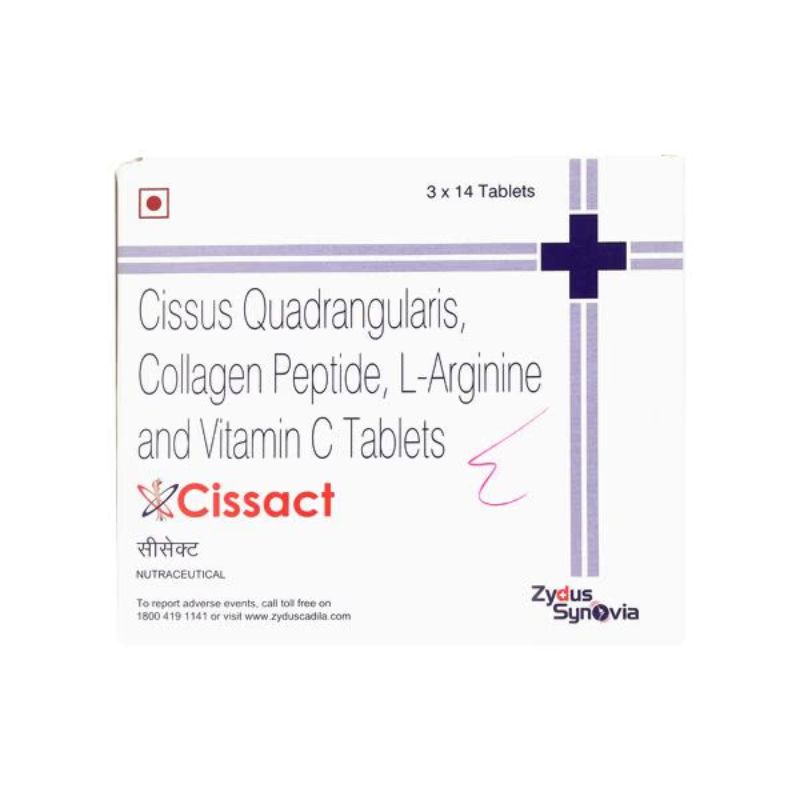
Cissact Tablet is a nutritional supplement designed to support bone and joint health. It combines Collagen, Cissus, L-Arginine, and Vitamin C to help maintain healthy bones, aid in recovery from fractures, and reduce joint discomfort.
Main Uses:
-
Supports bone strength and fracture recovery
-
Reduces joint pain and stiffness
-
Enhances collagen synthesis and connective tissue health
-
Provides overall therapeutic support for bone and joint conditions
How it Works:
-
Collagen improves bone and cartilage integrity
-
Cissus quadrangularis promotes bone healing and joint health
-
L-Arginine supports circulation and tissue repair
-
Vitamin C aids collagen formation and antioxidant protection
Dosage:
Take as directed by your doctor or nutritionist, usually once or twice daily with water or food.
Side Effects:
Precautions:
-
Consult a doctor if pregnant, breastfeeding, or taking other supplements/medications
-
Not intended as a replacement for medical treatment
Storage:
Store in a cool, dry place below 25°C, away from sunlight. Keep out of reach of children.

Clogesic Tablet is a combination pain relief medication designed to treat mild to moderate pain and inflammation. It contains:
-
Diclofenac: A non-steroidal anti-inflammatory drug (NSAID) that reduces inflammation, swelling, and pain.
-
Paracetamol: Provides additional analgesic and antipyretic effects, helping to lower fever and enhance pain relief.
This combination is commonly used for musculoskeletal pain, arthritis, dental pain, headaches, menstrual cramps, and postoperative pain, offering fast-acting and effective relief by targeting pain through complementary mechanisms.
Uses:
-
Relief of mild to moderate pain (headache, joint pain, muscle pain, dental pain)
-
Reduction of inflammation and swelling
-
Management of arthritis and other musculoskeletal disorders
-
Postoperative or injury-related pain relief
-
Fever reduction
Key Benefits:
-
Combines anti-inflammatory and analgesic effects for faster and more effective relief
-
Reduces swelling and inflammation at the site of pain
-
Supports improved mobility and comfort in musculoskeletal conditions
-
Provides dual-action therapy for pain management
Directions for Use:
Take Clogesic Tablet orally with a full glass of water, preferably after meals to minimize stomach irritation. Follow your doctor’s prescribed dosage carefully and do not exceed the recommended dose.
Safety Advice:
-
Pregnancy & Breastfeeding: Consult your doctor before use.
-
Gastrointestinal Issues: Take with food to reduce the risk of stomach upset or ulcers.
-
Kidney/Liver Disorders: Use with caution; monitoring may be required.
-
Allergies: Avoid if allergic to Diclofenac, Paracetamol, or other NSAIDs.
-
Side Effects: May include nausea, dizziness, mild stomach upset, or heartburn; report severe reactions immediately.
-
Drug Interactions: Inform your doctor about all other medications to prevent interactions.
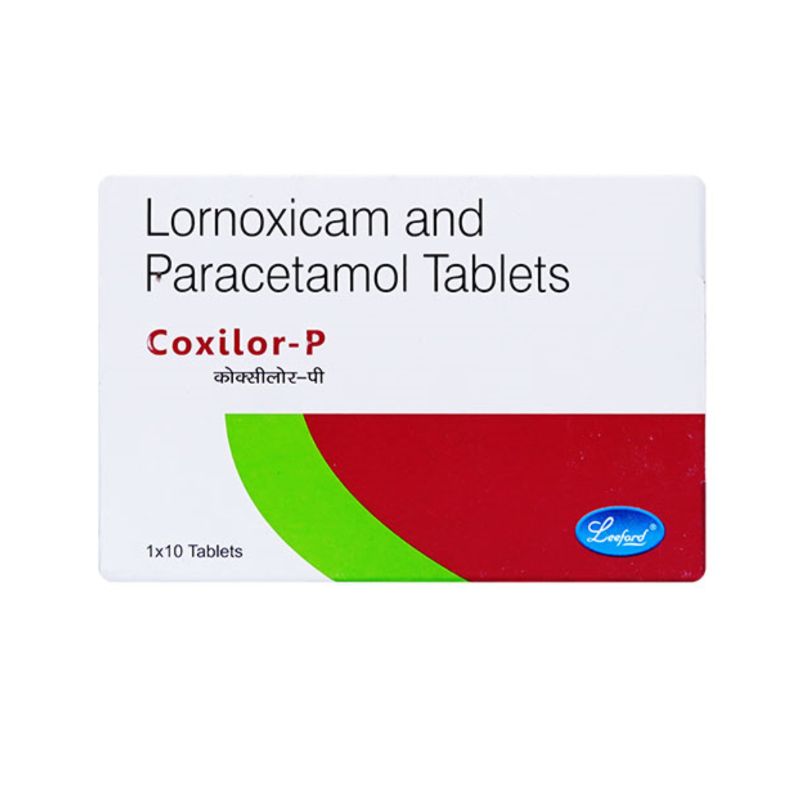
COXILOR-P Tablet is a combination of an NSAID (lornoxicam) and acetaminophen/paracetamol, offering enhanced pain relief and inflammation reduction in a variety of painful and inflammatory conditions.
Uses / Indications
-
Musculoskeletal pain: Backache, muscle aches, sprains, sports injuries, and post-trauma pain.
-
Joint pain: Osteoarthritis, rheumatoid arthritis, ankylosing spondylitis, and related inflammatory joint disorders.
-
Postoperative pain: Relief after tooth extraction, minor surgery, or dental procedures.
-
Other: Period pain (dysmenorrhea), headache, and moderate fever (where inflammation is a component).
How it Works / Key Benefits
-
Lornoxicam: A non-steroidal anti-inflammatory drug (NSAID) that blocks prostaglandin synthesis, reducing pain, swelling, and redness at inflamed sites.
-
Paracetamol: Inhibits pain and fever signals in the brain, provides additional analgesic and antipyretic (fever-reducing) action.
-
The combination provides faster, broader pain relief and better control of inflammation than either agent alone.
Dosage & Administration
-
Typical dose: One tablet taken 1–2 times daily, after meals to reduce stomach irritation—always follow the doctor’s exact instructions.
-
Duration of therapy is short-term only; do not use for more days than prescribed to minimize side effects.
-
Swallow whole with water; avoid alcohol during therapy.
Safety & Side Effects
-
Common: Nausea, indigestion, stomach pain, diarrhea, headache, dizziness.
-
Serious (rare): Gastric ulcers, bleeding, liver or kidney toxicity (with prolonged/high-dose use)—report black stools, jaundice, or severe abdominal pain immediately.
-
Not recommended in severe liver/kidney dysfunction, active peptic ulcers, or known allergy to NSAIDs/paracetamol.
-
Use with caution in elderly, those with heart/bleeding problems, or with other medications affecting stomach/liver.
Note:
COXILOR-P is for short-term management of moderate pain and inflammation—always under a doctor’s supervision. Never exceed recommended dose; if pain persists, consult a healthcare provider.
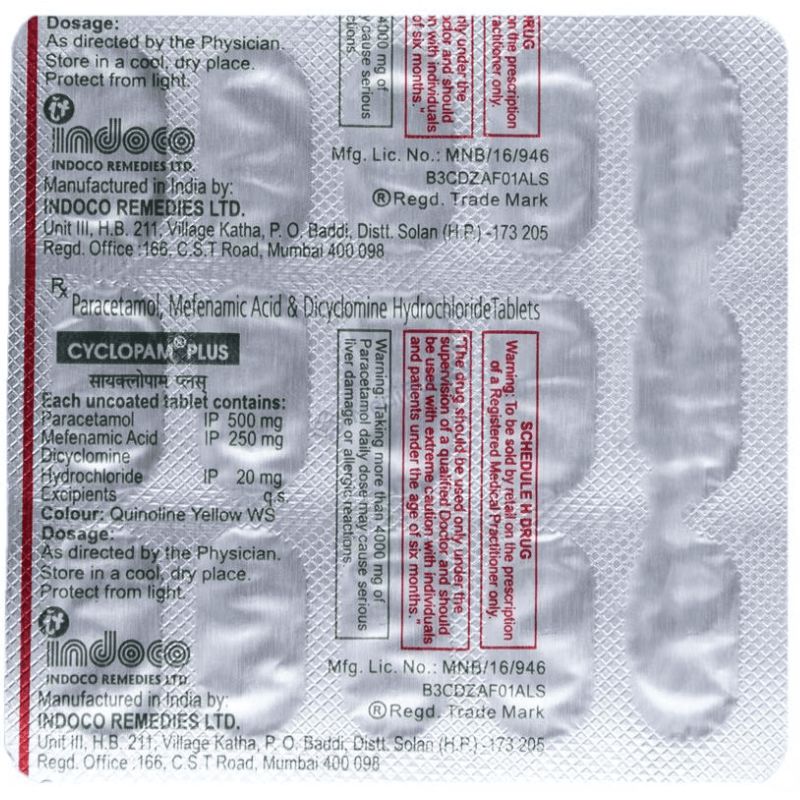
Main Use: Relieves abdominal pain, cramps, and inflammation – Dicyclomine relaxes intestinal muscles to reduce cramps, Paracetamol reduces pain and fever, and Mefenamic Acid reduces inflammation.
Dosage:
-
Adults: 1 tablet 2–3 times daily after meals, or as prescribed by the doctor.
-
Children: Only under pediatrician supervision; dosage varies with age and weight.
How to Use:
-
Swallow the tablet whole with water.
-
Take after meals to minimize stomach irritation.
-
Follow the full prescribed course even if symptoms improve.
Precautions:
-
Inform your doctor if you have liver/kidney disease, heart problems, or stomach ulcers.
-
Avoid alcohol and smoking during treatment.
-
May interact with other medications; disclose all medicines to your doctor.
Side Effects:
-
Common: Stomach pain, nausea, headache, dizziness.
-
Rare: Allergic reactions, gastrointestinal bleeding, liver enzyme changes, constipation.
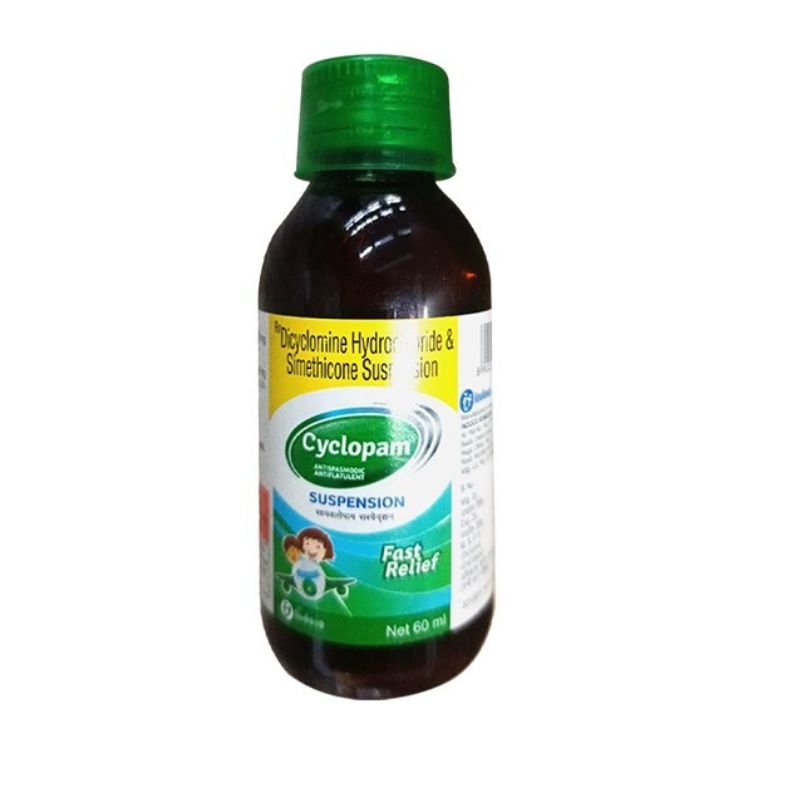
Main Use: Relieves abdominal cramps and bloating – Dicyclomine relaxes intestinal muscles to reduce cramps and spasms, while Simethicone helps relieve gas and bloating.
Dosage:
-
Adults: Usually 10–20ml 2–3 times daily, or as prescribed by the doctor.
-
Children: Dose depends on age and weight; follow pediatrician instructions carefully.
How to Use:
-
Shake well before measuring the dose.
-
Use the provided measuring cup or spoon for accurate dosing.
-
Take after meals for best effect.
Precautions:
-
Inform your doctor if you have liver or kidney disease, glaucoma, or intestinal obstruction.
-
Avoid alcohol while taking this medicine.
-
Use caution with activities requiring alertness; may cause dizziness.
Side Effects:
-
Common: Dry mouth, mild nausea, dizziness, drowsiness.
-
Rare: Allergic reactions, constipation, blurred vision, rapid heartbeat.
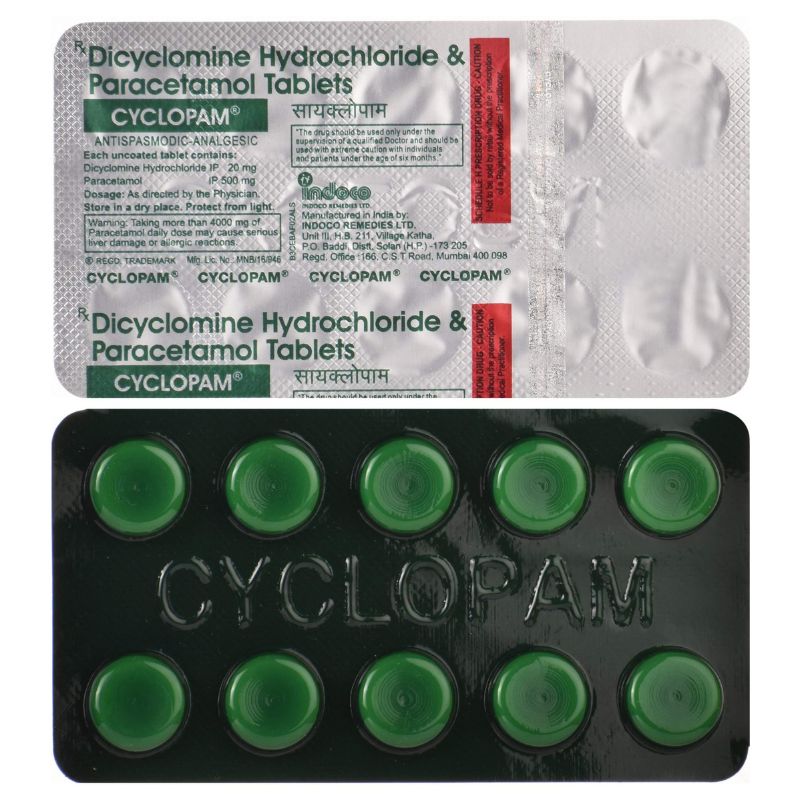
Main Use: Relieves abdominal pain and cramps – Dicyclomine helps relax intestinal muscles to reduce cramps and spasms, while Paracetamol reduces pain and fever.
Dosage:
-
Adults: 1 tablet 2–3 times daily, or as prescribed by the doctor.
-
Children: Use only under pediatrician supervision; dosage varies with age and weight.
How to Use:
-
Swallow the tablet whole with water.
-
Can be taken with or without food.
-
Do not exceed the recommended dose.
Precautions:
-
Inform your doctor if you have liver or kidney disease, glaucoma, or urinary retention.
-
Avoid alcohol while taking this medicine.
-
Use caution if driving or operating machinery, as drowsiness may occur.
Side Effects:
-
Common: Dry mouth, dizziness, mild nausea, blurred vision.
-
Rare: Allergic reactions, constipation, heart palpitations.
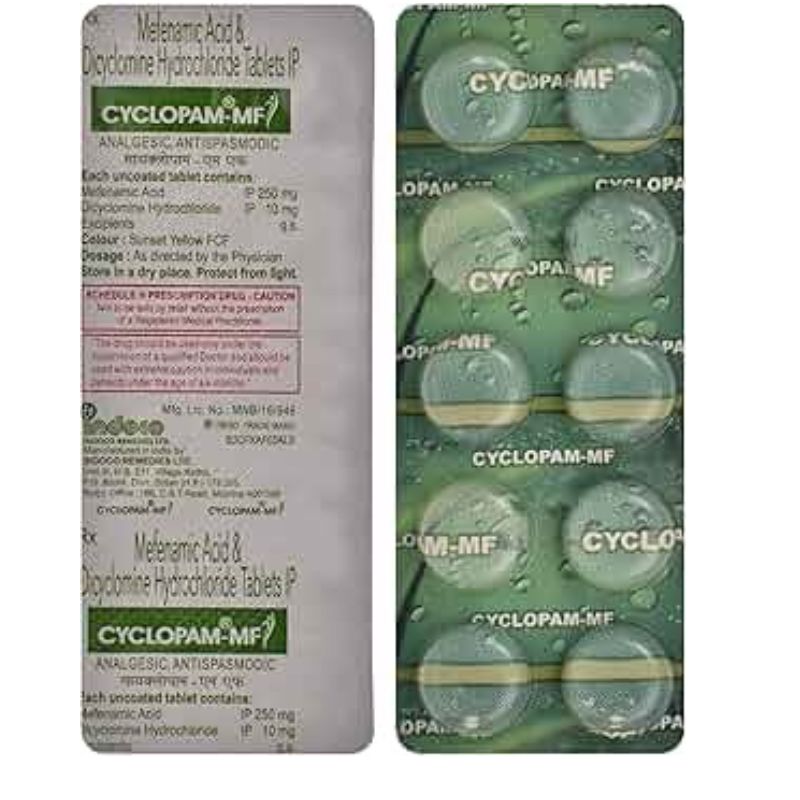
Main Use: Relieves abdominal pain and cramps with inflammation – Dicyclomine relaxes intestinal muscles to reduce cramps, while Mefenamic Acid is an anti-inflammatory and pain-relieving agent.
Dosage:
-
Adults: 1 tablet 2–3 times daily after meals, or as prescribed by the doctor.
-
Children: Only under pediatrician supervision; dosage varies with age and weight.
How to Use:
-
Swallow the tablet whole with water.
-
Take after meals to reduce stomach irritation.
-
Follow the full course as prescribed.
Precautions:
-
Inform your doctor if you have kidney/liver disease, heart problems, or stomach ulcers.
-
Avoid alcohol and smoking while taking this medicine.
-
May interact with other medications; inform your doctor about all medicines you are taking.
Side Effects:
-
Common: Stomach pain, nausea, heartburn, headache.
-
Rare: Allergic reactions, dizziness, gastrointestinal bleeding, liver enzyme changes.
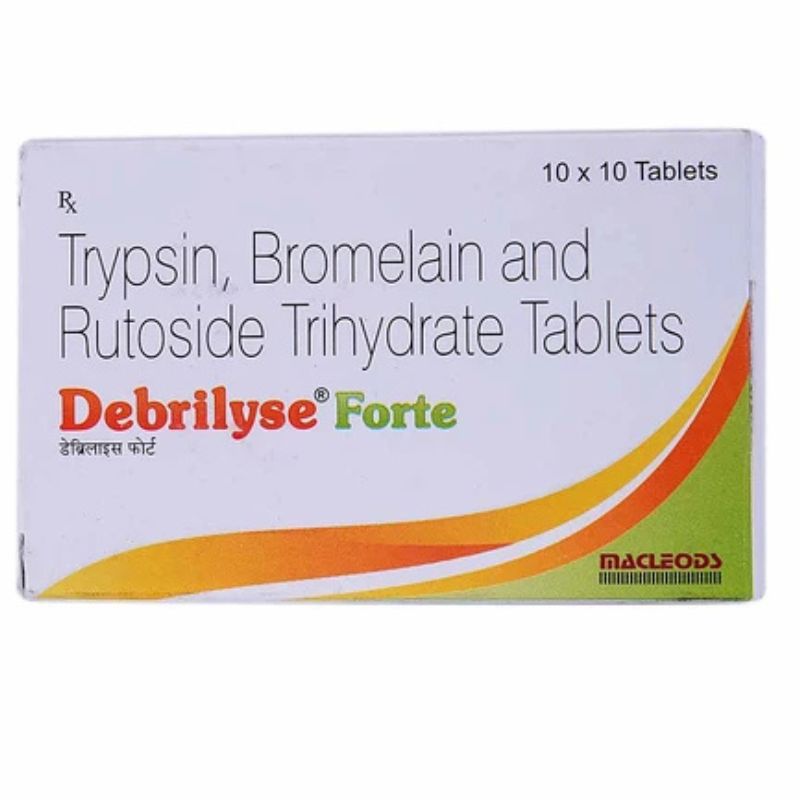
Debrilyse Forte Tablet is a combination medicine containing Bromelain (180mg), Trypsin (96mg), and Rutoside (200mg). It is used to reduce pain, swelling, and inflammation in various conditions. The higher strength of enzymes helps provide stronger anti-inflammatory action and supports faster healing. Bromelain and Trypsin reduce inflammation and promote tissue repair, while Rutoside acts as an antioxidant and strengthens blood vessels.
Main Use (Highlighted)
The main use of Debrilyse Forte Tablet is the treatment of moderate to severe inflammation, swelling, and pain, especially after injury or surgery.
Uses
- Reduction of pain and inflammation
- Treatment of swelling due to injury or surgery
- Faster healing of tissues
- Management of musculoskeletal pain
- Post-operative recovery support
Precautions
- Use only with a doctor’s prescription
- Inform your doctor if you have bleeding disorders
- Use cautiously if taking blood thinners
- Avoid in severe liver or kidney disease without medical advice
- Consult a doctor during pregnancy or breastfeeding
How to Use
- Take the tablet after meals as prescribed
- Swallow with water; do not crush or chew
- Follow your doctor’s instructions
Dosage
- Usually taken as directed by the doctor
- Do not exceed the recommended dose
- Take regularly for best results
Side Effects
- Nausea
- Vomiting
- Diarrhea
- Stomach discomfort
- Skin rash
These side effects are usually mild. Consult your doctor if they persist or worsen
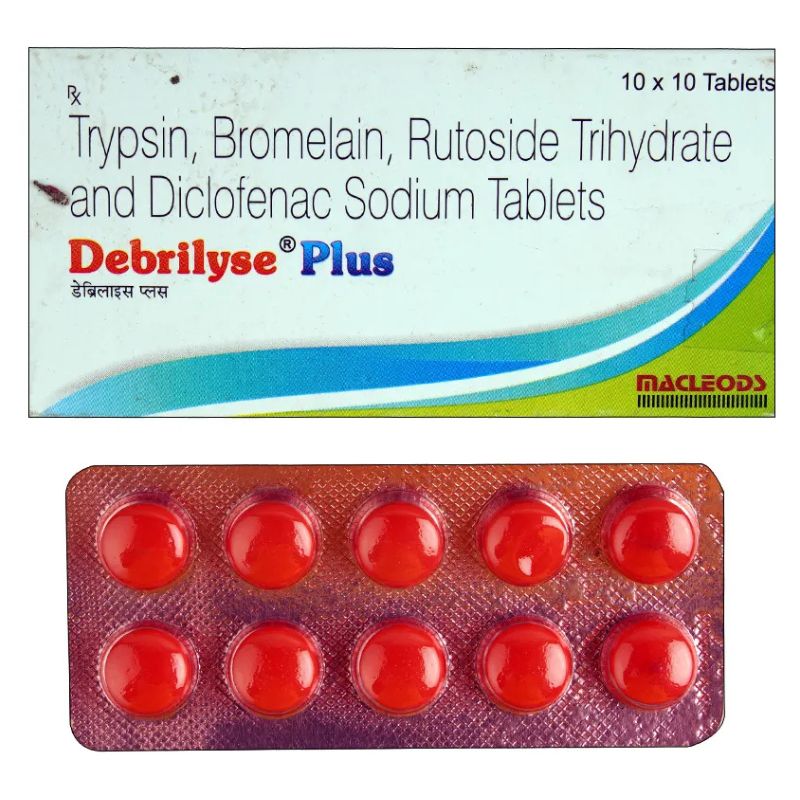
Debrilyse Plus Tablet is a combination medicine containing Trypsin (48mg), Bromelain (90mg), Rutoside (100mg), and Diclofenac (50mg). It is used to reduce pain, inflammation, and swelling in various conditions. Diclofenac provides effective pain relief, while Trypsin and Bromelain help reduce inflammation and promote healing. Rutoside acts as an antioxidant and supports blood vessel strength.
Main Use (Highlighted)
The main use of Debrilyse Plus Tablet is the treatment of pain and inflammation associated with injuries, surgery, and musculoskeletal conditions.
Uses
- Relief from pain and inflammation
- Treatment of swelling due to injury or surgery
- Management of joint and muscle pain
- Helps in faster healing of soft tissue injuries
- Post-operative pain and swelling management
Precautions
- Use only with a doctor’s prescription
- Avoid if you have a history of stomach ulcers or bleeding
- Inform your doctor if you have heart, liver, or kidney problems
- Avoid alcohol while taking this medicine
- Not recommended during pregnancy without medical advice
How to Use
- Take the tablet after meals to reduce stomach irritation
- Swallow with water; do not crush or chew
- Follow your doctor’s instructions
Dosage
- Dosage depends on the condition and severity
- Take at regular intervals as prescribed
- Do not exceed the recommended dose
Side Effects
- Nausea
- Vomiting
- Stomach pain
- Heartburn
- Dizziness
These side effects are usually mild, but consult your doctor if they persist or worsen.
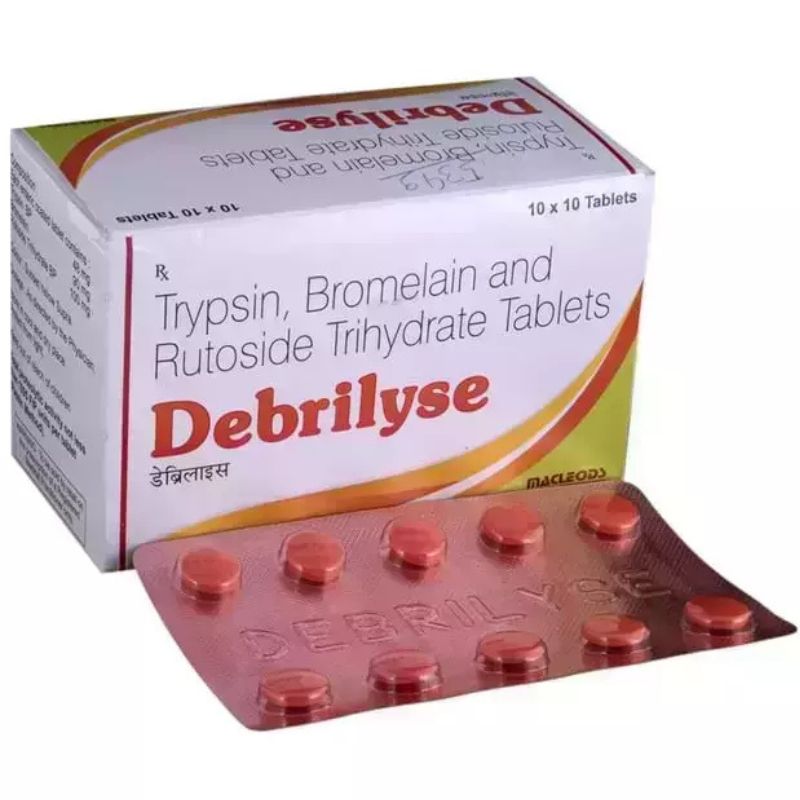
Debrilyse Tablet is a combination medicine containing Bromelain (90mg), Trypsin (48mg), and Rutoside (100mg). It is used to reduce pain, swelling, and inflammation in various conditions. Bromelain and Trypsin are enzymes that help in reducing inflammation and improving healing, while Rutoside is an antioxidant that strengthens blood vessels and reduces swelling.
Main Use (Highlighted)
The main use of Debrilyse Tablet is to reduce pain and swelling in inflammatory conditions, injuries, and post-surgical recovery.
Uses
- Reduction of pain and inflammation
- Treatment of swelling due to injury or surgery
- Helps in faster healing of tissues
- Management of musculoskeletal pain
- Supports recovery in soft tissue injuries
Precautions
- Use only with a doctor’s prescription
- Inform your doctor if you have bleeding disorders
- Use with caution if taking blood thinners
- Avoid in patients with severe liver or kidney problems without medical advice
- Consult a doctor during pregnancy or breastfeeding
How to Use
- Take the tablet as prescribed by your doctor
- Swallow with water after meals
- Follow your doctor’s instructions
Dosage
- Usually taken as directed by the doctor
- Do not exceed the recommended dose
- Take regularly for best results
Side Effects
- Nausea
- Vomiting
- Diarrhea
- Skin rash
- Stomach discomfort
These side effects are usually mild. Consult your doctor if they persist or worsen.
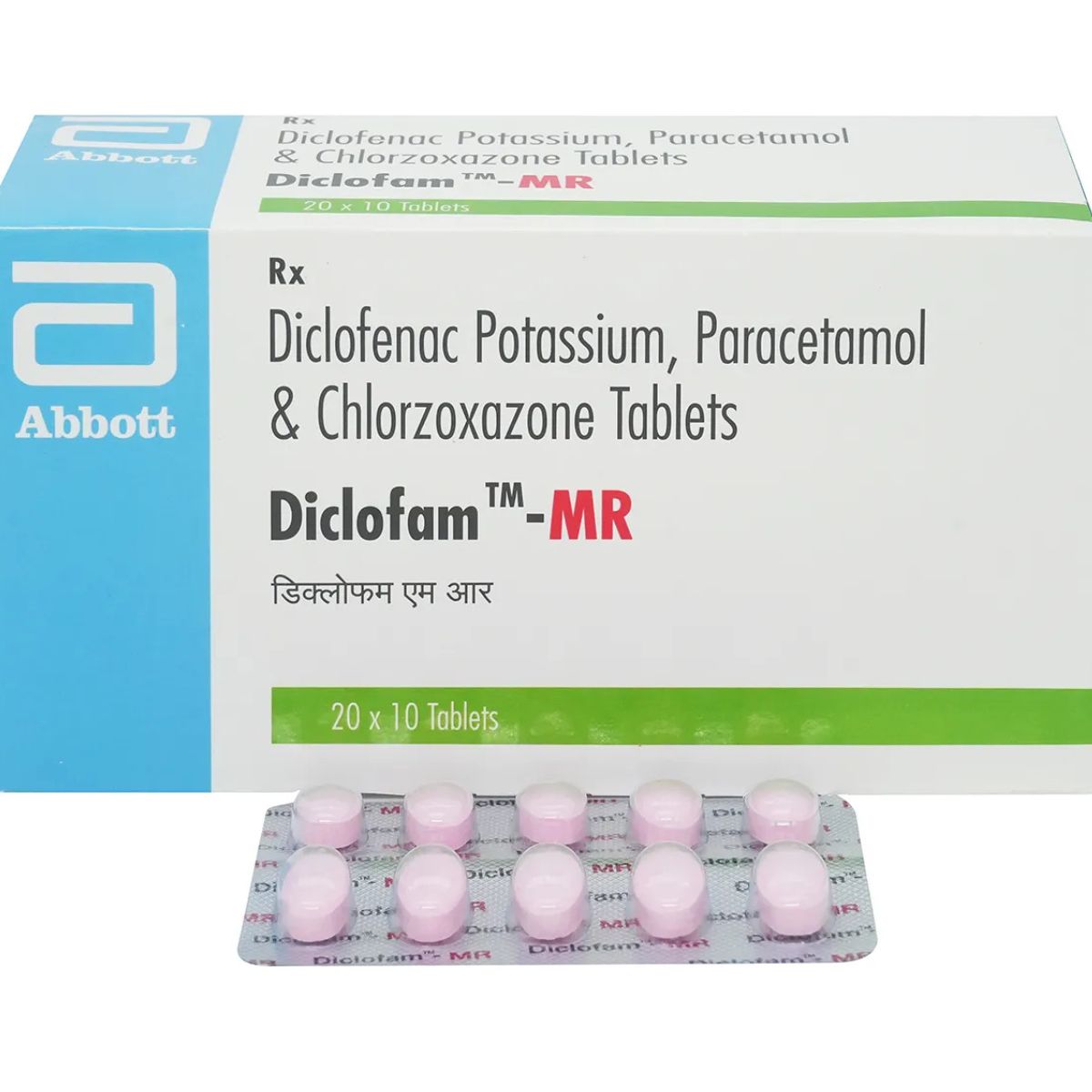
Uses of Diclofam MR Tablet
- Muscle pain and spasms
- Back pain
- Neck pain
- Sprains and strains
- Musculoskeletal pain
- Joint and muscle stiffness
- Pain associated with inflammation
- Sports-related injuries
Benefits
- Helps relieve muscle spasms
- Reduces pain and inflammation
- Relieves muscle stiffness
- Improves movement and mobility
- Provides combined muscle-relaxant and pain-relieving action
How Diclofam MR Works
Chlorzoxazone acts as a muscle relaxant and helps reduce painful muscle spasms.
Diclofenac is an NSAID that reduces the production of substances responsible for pain and inflammation.
Paracetamol helps reduce pain and fever.
Together, these ingredients provide relief from pain, inflammation, muscle stiffness, and spasms.
Dosage & How to Use
Take Diclofam MR Tablet only as prescribed by your doctor.
- Swallow the tablet whole with water.
- Preferably take it after food to reduce stomach irritation.
- Do not crush or chew the tablet.
- Do not take it for longer than recommended.
Do not take additional Paracetamol-containing medicines unless your doctor advises you to, as excessive Paracetamol can cause serious liver damage.
Side Effects
Common side effects may include:
- Nausea
- Indigestion
- Stomach pain
- Dizziness
- Drowsiness
- Diarrhea
- Headache
Serious side effects can include:
- Stomach ulcer or gastrointestinal bleeding
- Liver damage
- Kidney problems
- Severe allergic reactions
- Severe skin reactions
Seek immediate medical attention for black stools, vomiting blood, yellowing of the skin/eyes, severe rash, facial swelling, or difficulty breathing.
Precautions
Inform your doctor if you have:
- Liver or kidney disease
- Stomach ulcers or bleeding
- Heart disease or high blood pressure
- Asthma triggered by painkillers
- A history of drug allergies
Avoid alcohol because the combination of Paracetamol, Diclofenac, and alcohol can increase the risk of liver and stomach problems.