



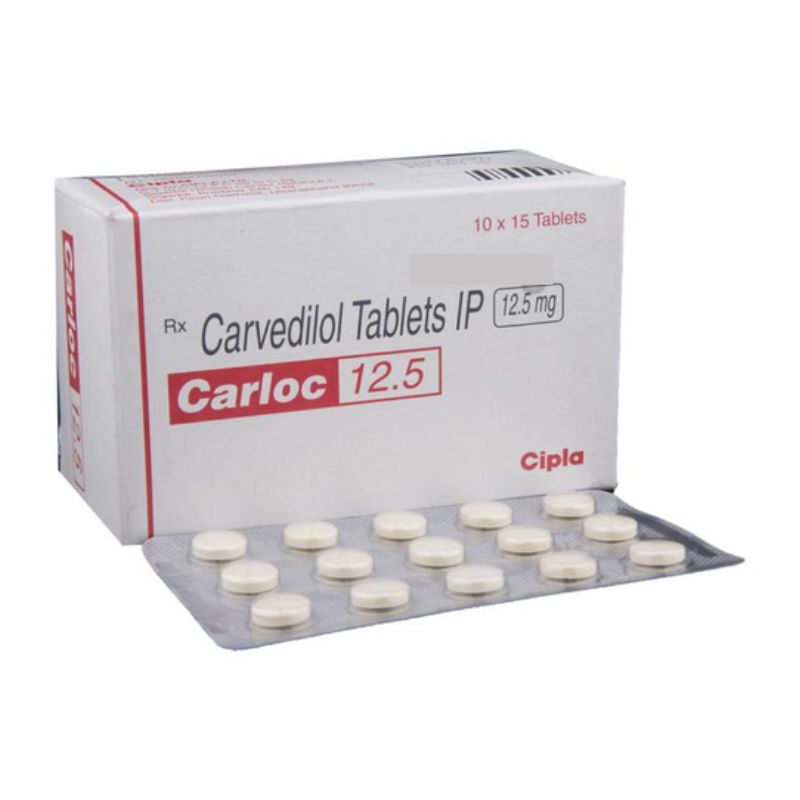
Description
Carloc 12.5 Tablet is a prescription medicine containing Carvedilol 12.5mg, a beta-blocker that helps manage various cardiovascular conditions. It is commonly prescribed for the treatment of high blood pressure (hypertension), chronic heart failure, and angina (chest pain). The medicine works by reducing the heart’s workload and relaxing blood vessels, allowing blood to flow more efficiently.
Regular use of Carloc 12.5 Tablet, along with a healthy lifestyle and medical supervision, can help lower the risk of serious complications such as heart attack, stroke, and worsening heart failure.
Key Ingredient
- Active Ingredient: Carvedilol 12.5mg
Uses of Carloc 12.5 Tablet
Carloc 12.5 Tablet is used for the treatment and management of:
- High blood pressure (Hypertension)
- Chronic heart failure
- Angina (Chest pain caused by reduced blood flow to the heart)
- Improving heart function in patients with weakened heart muscles
- Reducing the risk of cardiovascular events associated with hypertension
How Carloc 12.5 Tablet Works
Carvedilol belongs to the class of medicines known as alpha and beta-adrenergic blockers. It blocks the effects of stress hormones such as adrenaline on the heart and blood vessels, resulting in a slower heart rate and relaxed blood vessels. This helps lower blood pressure, improves blood circulation, and decreases the heart’s oxygen demand.
Benefits
- Helps control high blood pressure effectively
- Improves heart function in chronic heart failure
- Reduces episodes of angina or chest pain
- Lowers the risk of heart attack and stroke
- Decreases strain on the heart
- Supports long-term cardiovascular health
Directions for Use
- Take Carloc 12.5 Tablet exactly as prescribed by your doctor.
- Swallow the tablet whole with water.
- It is generally recommended to take the medicine with food to minimize dizziness.
- Take it at the same time each day for the best results.
- Do not stop taking the medication suddenly without consulting your doctor.
Possible Side Effects
Some patients may experience mild side effects such as:
- Dizziness
- Fatigue
- Slow heartbeat
- Low blood pressure
- Headache
- Weakness
- Diarrhea
- Weight gain
Seek immediate medical attention if you experience severe breathing difficulty, fainting, swelling of the face or throat, or signs of an allergic reaction.
Precautions
- Use only under the supervision of a registered healthcare professional.
- Inform your doctor if you have asthma, liver disease, kidney disease, diabetes, or circulation disorders.
- Monitor your blood pressure and heart rate regularly while on treatment.
- Avoid abrupt discontinuation, as it may worsen existing heart conditions.
- Consult your doctor before use during pregnancy or breastfeeding.
Drug Interactions
Carloc 12.5 Tablet may interact with:
- Other antihypertensive medicines
- Calcium channel blockers
- Digoxin
- Anti-arrhythmic medications
- Insulin and oral antidiabetic medicines
- Certain medications used for asthma
Always inform your healthcare provider about all medicines and supplements you are taking.
Storage Instructions
- Store in a cool and dry place below 25°C.
- Keep away from direct sunlight and moisture.
- Keep out of reach of children.
Frequently Asked Questions
What is Carloc 12.5 Tablet used for?
It is used to treat high blood pressure, chronic heart failure, and angina while helping reduce the risk of cardiovascular complications.
Can Carloc 12.5 Tablet be taken daily?
Yes. It is generally prescribed for daily use and should be taken exactly as directed by your doctor.
Can I stop taking Carloc 12.5 Tablet when I feel better?
No. Stopping the medicine suddenly can lead to worsening heart conditions or a sudden rise in blood pressure. Always consult your doctor before discontinuing treatment.
Does Carloc 12.5 Tablet cause dizziness?
Yes, dizziness may occur, especially during the initial days of treatment or after a dose increase. Avoid driving or operating machinery if you feel dizzy.
Disclaimer
Carloc 12.5 Tablet is a prescription medication and should be used only under the guidance of a qualified healthcare professional. The information provided here is intended for educational purposes and should not replace professional medical advice, diagnosis, or treatment.




Leave a Reply