



Description
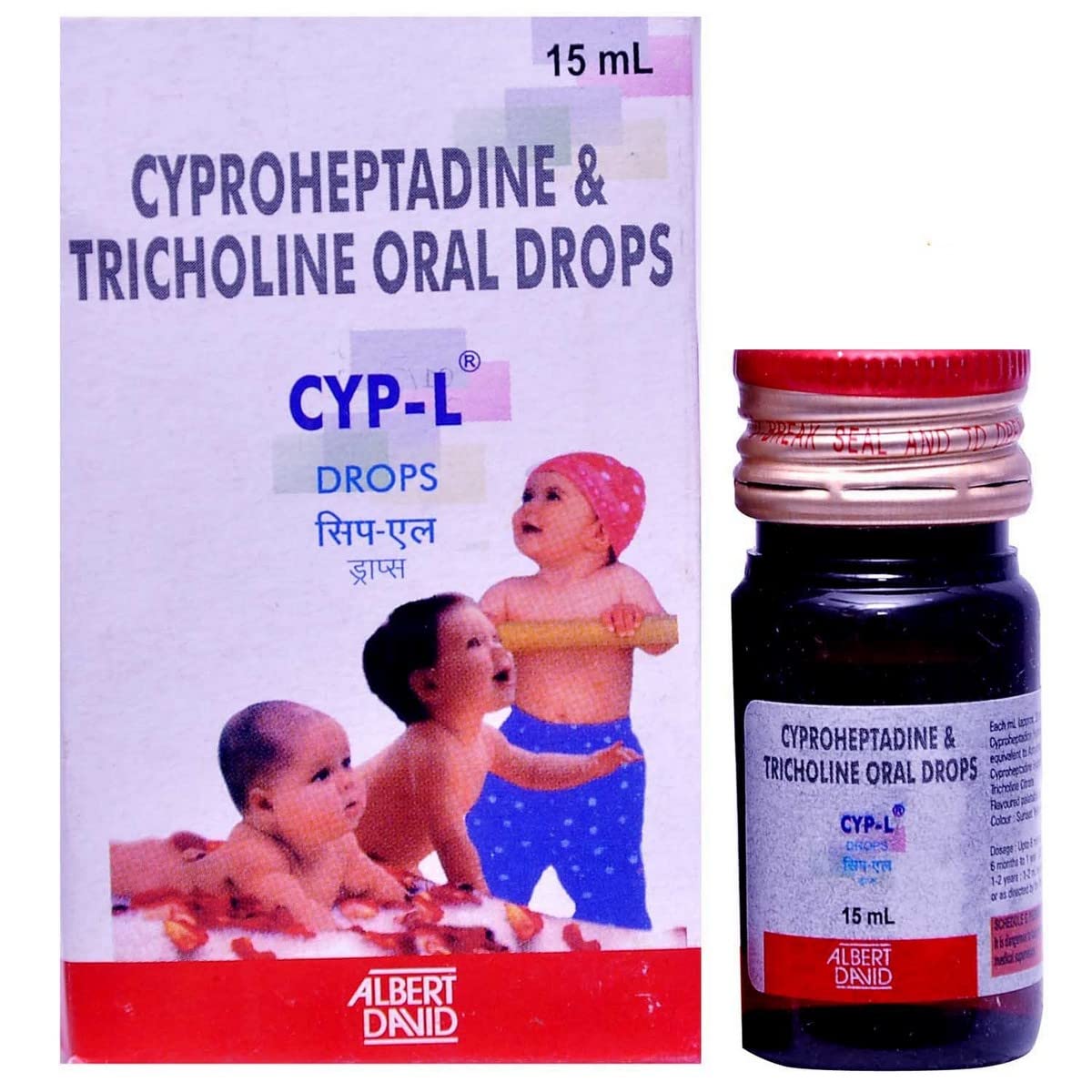
CYP-L Drops is a paediatric appetite stimulant and liver tonic formulated for children with poor appetite, nutritional deficiencies, and liver-associated digestive problems. It combines Cyproheptadine, an antihistamine with appetite-stimulating properties, and Tricholine Citrate, a liver-protective agent that helps regulate fat metabolism and improves liver function.
-
Cyproheptadine (1.5mg): Enhances appetite by blocking histamine and serotonin, which suppress hunger. It also helps relieve mild allergic symptoms.
-
Tricholine Citrate (55mg): Improves liver health, supports bile flow, regulates cholesterol, and aids in fat metabolism, thereby enhancing digestion and nutrient absorption.
This combination helps promote healthy weight gain, improved digestion, and better nutritional status in children.
Uses
CYP-L Drops is commonly prescribed for:
-
Loss of appetite in children
-
Poor weight gain and undernutrition
-
Digestive issues linked with sluggish liver function
-
Supportive therapy in liver disorders
-
Mild allergic conditions (secondary effect of cyproheptadine)
Benefits
-
Stimulates natural hunger and improves food intake.
-
Enhances digestion and nutrient absorption.
-
Promotes healthy weight gain and growth in children.
-
Improves liver function and regulates cholesterol metabolism.
-
Child-friendly liquid formulation for easy administration.
Side Effects
CYP-L Drops are generally safe when used as prescribed. Some mild side effects may include:
-
Drowsiness or sleepiness (due to cyproheptadine)
-
Dry mouth or mild constipation
-
Stomach upset (rare)
-
Allergic reaction (very rare)
Precautions
-
Children: Use only under paediatric supervision.
-
Drowsiness: May cause mild sedation; avoid activities requiring alertness in older children.
-
Medical conditions: Use cautiously in children with asthma, glaucoma, peptic ulcer, or liver disease.
-
Drug interactions: Inform your doctor if the child is taking other medications, especially sedatives or antihistamines.
Dosage & Administration
-
Dose should be given as prescribed by the paediatrician, depending on age and weight of the child.
-
Usually administered 2–3 times daily.
-
Can be given directly or mixed with a small amount of water.



Leave a Reply