



Description
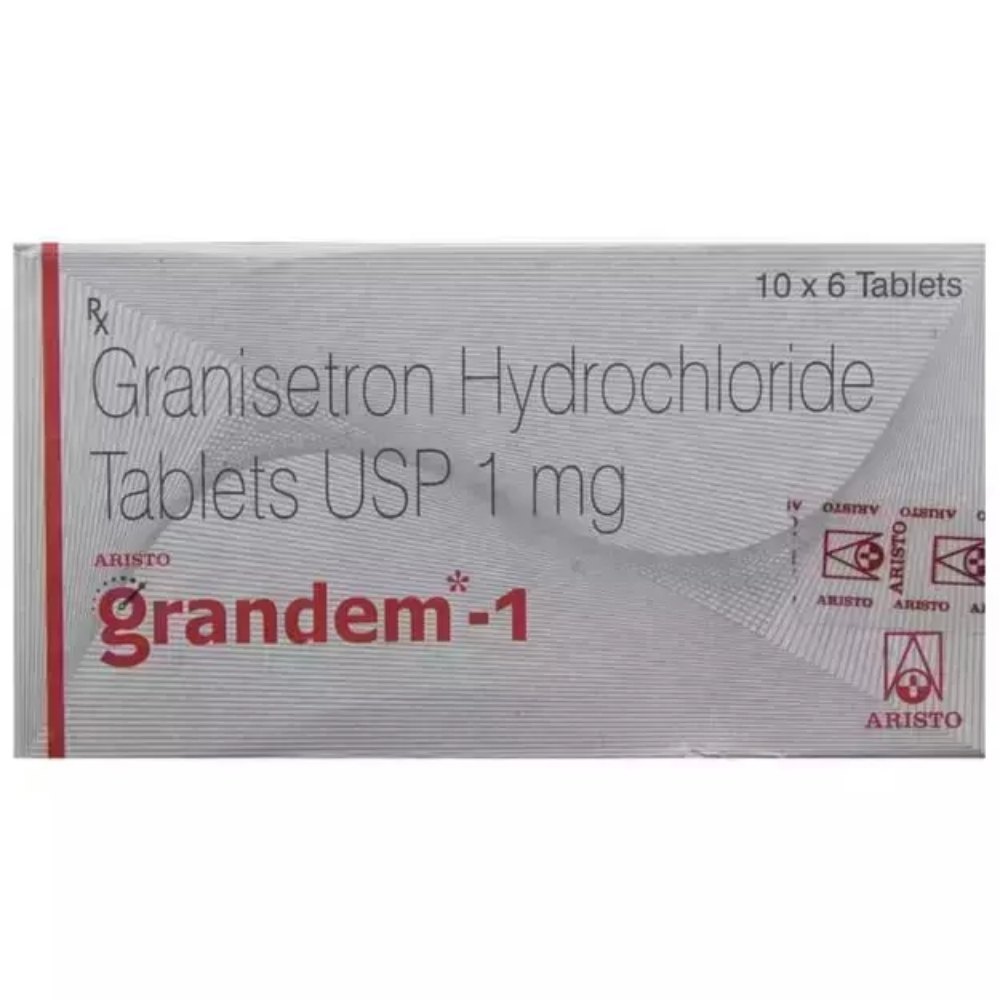
Grandem 1 Tablet contains Granisetron (1mg), a selective 5-HT3 receptor antagonist used to prevent and treat nausea and vomiting. These symptoms are often associated with chemotherapy, radiotherapy, and surgical procedures. By blocking serotonin activity in the gut and brain, it effectively reduces the vomiting reflex.
Uses / Indications
-
Chemotherapy-induced nausea and vomiting (CINV)
-
Radiotherapy-induced nausea and vomiting (RINV)
-
Post-operative nausea and vomiting (PONV)
How It Works
-
During cancer treatments or surgery, the body releases serotonin in the gut.
-
Serotonin activates 5-HT3 receptors, which send signals to the brain to induce vomiting.
-
Granisetron blocks these receptors, thereby preventing and controlling nausea and vomiting.
Dosage & Administration
-
Adults (oral use): Usually 1mg tablet taken 1 hour before chemotherapy or radiotherapy, may be repeated as advised.
-
Can also be given before and after surgery to prevent post-operative vomiting.
-
Swallow the tablet with water, with or without food.
-
The exact dosage and duration should be decided by the doctor based on treatment type, patient’s age, and body weight.
Note:
-
Do not self-medicate or change the dose.
-
Use in children should be under pediatric supervision only.
Side Effects
Common:
-
Headache
-
Constipation
-
Diarrhea
-
Fatigue or drowsiness
Less common:
-
Dizziness
-
Abdominal pain
-
Insomnia (sleep disturbances)
Serious (rare):
-
Allergic reaction (rash, swelling, breathing difficulty)
-
Irregular heart rhythm (QT prolongation)
-
Severe constipation
Precautions & Warnings
-
Not to be used if allergic to Granisetron or similar medicines like Ondansetron.
-
Caution in patients with heart problems, electrolyte imbalance, or liver disease.
-
Pregnant or breastfeeding women should use only if prescribed.
-
May cause drowsiness or dizziness – avoid driving or operating heavy machinery until effects are known.
Summary
Grandem 1 Tablet (Granisetron 1mg) is a reliable antiemetic for preventing and treating nausea and vomiting caused by chemotherapy, radiation therapy, or surgery. It is generally well tolerated and effective when taken as prescribed by a healthcare professional.



Leave a Reply