
Uses:
Maxgalin NT 50mg/10mg Tablet is used to manage neuropathic pain resulting from diabetes, spinal cord injury, shingles, or other nerve-related disorders. Pregabalin calms overactive nerves to reduce pain, while Nortriptyline (a tricyclic antidepressant) helps enhance pain relief and improve mood.
Dosage:
The dose is prescribed by the doctor based on the patient’s condition. Typically taken once or twice daily. Do not exceed the prescribed dose or stop suddenly without medical advice.
How to Use:
-
Take orally with water, preferably after meals.
-
Swallow the tablet whole; do not crush or chew.
-
Take at the same time each day for consistent results.
Precautions:
-
Inform your doctor if you have heart, liver, or kidney problems, or a history of seizures.
-
Avoid alcohol as it may increase drowsiness, dizziness, or risk of side effects.
-
May cause sleepiness or blurred vision—avoid driving or operating machinery until you know its effects.
-
Not recommended during pregnancy or breastfeeding unless prescribed by your doctor.
Side Effects:
-
Common: Dizziness, drowsiness, dry mouth, nausea, constipation
-
Moderate: Weight gain, fatigue, blurred vision, mood changes
-
Serious (rare): Irregular heartbeat, severe allergic reaction, suicidal thoughts, liver issues
Uses:
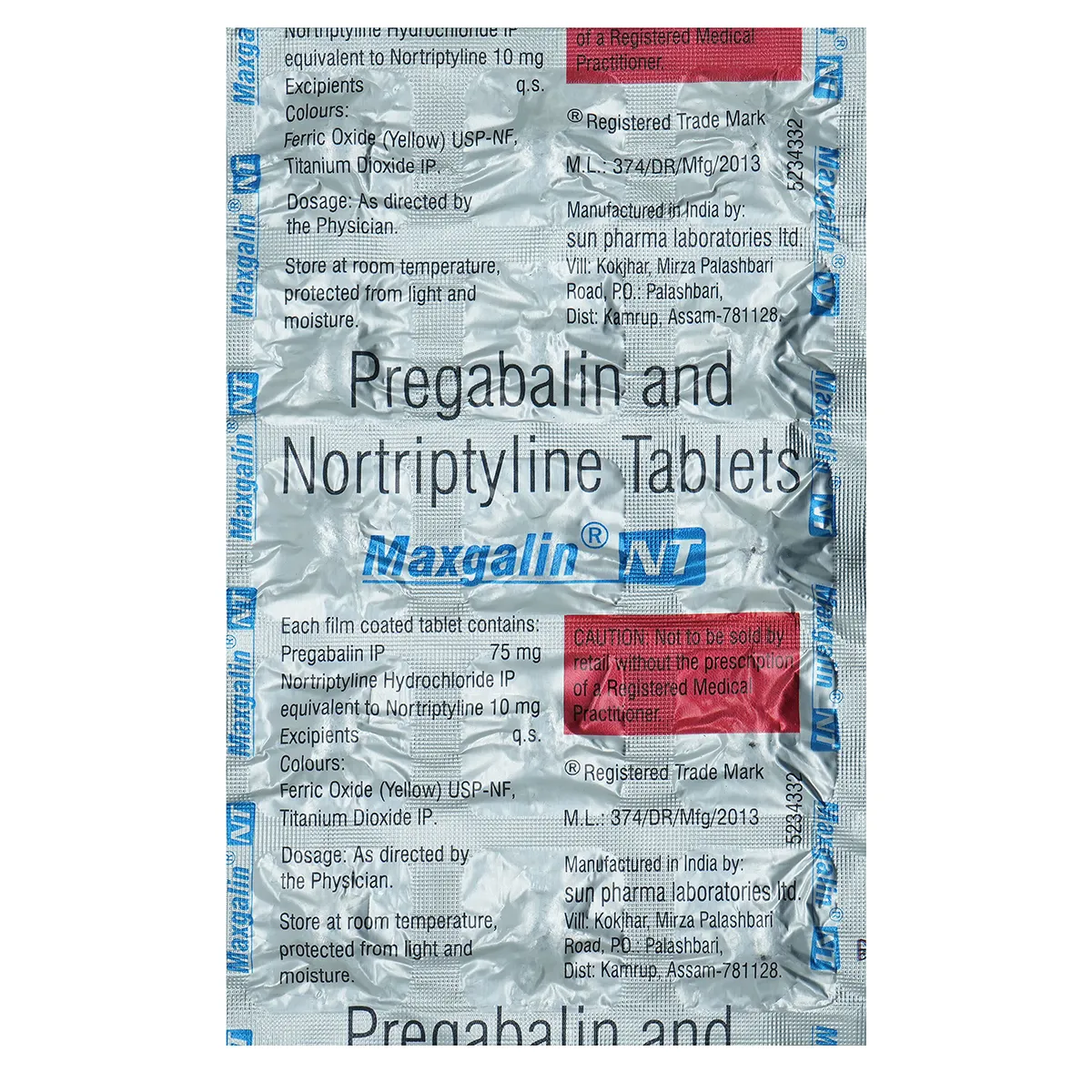
Maxgalin NT 75mg/10mg Tablet is used to treat neuropathic pain caused by diabetes, spinal cord injury, shingles, or other nerve-related conditions. Pregabalin reduces overactive nerve signals to relieve pain, while Nortriptyline (a tricyclic antidepressant) enhances pain control and improves mood.
Dosage:
The dose is determined by a doctor based on the patient’s condition. Usually taken once or twice daily. Do not stop the medication suddenly without medical guidance.
How to Use:
-
Take orally with water, preferably after meals.
-
Swallow the tablet whole; do not crush or chew.
-
Take at the same time daily for consistent results.
Precautions:
-
Inform your doctor if you have heart, liver, or kidney problems, or a history of seizures.
-
Avoid alcohol as it may increase drowsiness, dizziness, or other side effects.
-
May cause sleepiness or blurred vision—avoid driving or operating machinery until you know its effect.
-
Use during pregnancy or breastfeeding only if prescribed by a doctor.
Side Effects:
-
Common: Dizziness, drowsiness, dry mouth, nausea, constipation
-
Moderate: Weight gain, fatigue, blurred vision, mood changes
-
Serious (rare): Irregular heartbeat, severe allergic reaction, suicidal thoughts, liver issues
Uses:
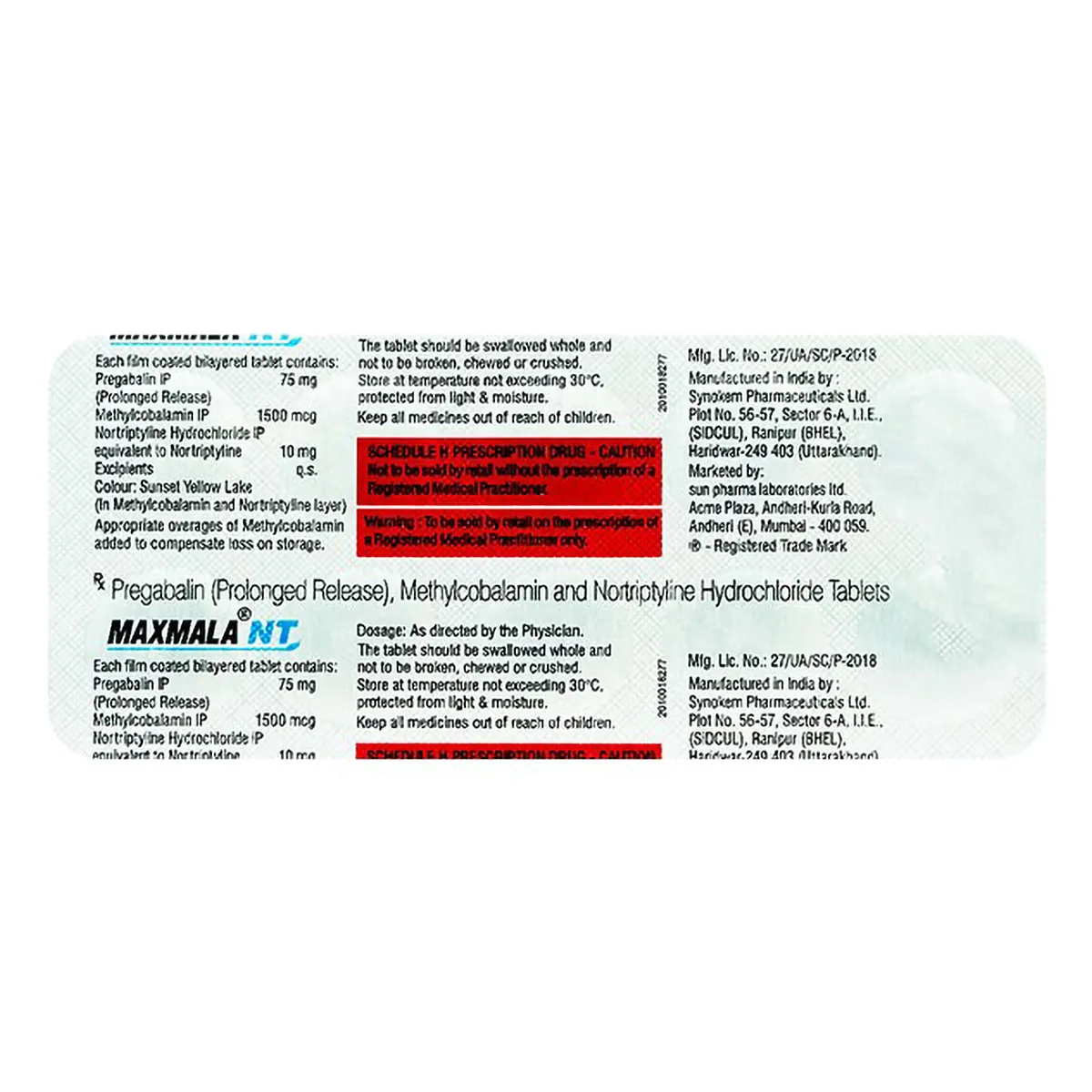
Maxmala NT Tablet is used to manage neuropathic pain resulting from diabetes, spinal cord injury, shingles, or other nerve-related disorders. Pregabalin calms overactive nerves to relieve pain, Nortriptyline (a tricyclic antidepressant) enhances pain relief and improves mood, while Methylcobalamin (Vitamin B12) supports nerve repair and regeneration.
Dosage:
The dosage is determined by the doctor based on the patient’s condition. Typically taken once or twice daily. Do not stop the medication suddenly without medical guidance.
How to Use:
-
Take orally with water, preferably after meals.
-
Swallow the tablet whole; do not crush or chew.
-
Take at the same time each day for consistent therapeutic effect.
Precautions:
-
Inform your doctor if you have heart, liver, or kidney problems, or a history of seizures.
-
Avoid alcohol as it may increase drowsiness, dizziness, or risk of side effects.
-
May cause sleepiness or blurred vision—avoid driving or operating machinery until effects are known.
-
Use during pregnancy or breastfeeding only if prescribed by a doctor.
Side Effects:
-
Common: Dizziness, drowsiness, nausea, dry mouth
-
Moderate: Weight gain, fatigue, blurred vision, mood changes
-
Serious (rare): Irregular heartbeat, severe allergic reactions, suicidal thoughts, liver issues
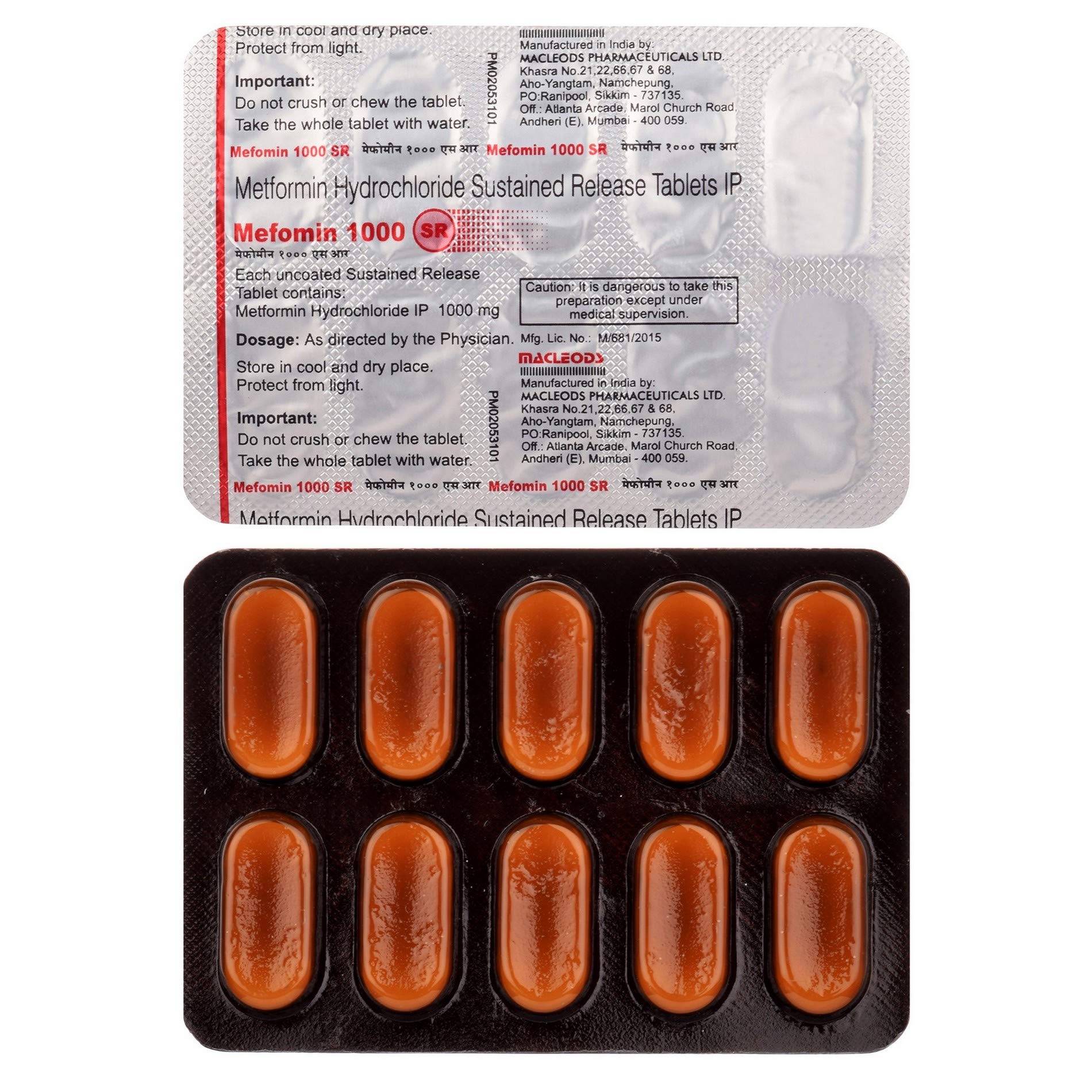
Mefomin 1000 SR Tablet contains Metformin (1000mg), an oral antihyperglycemic medication used for the management of type 2 diabetes. It helps lower blood glucose levels and improves the body’s response to insulin without increasing insulin secretion. The extended-release (SR) formulation allows for once-daily dosing with reduced gastrointestinal side effects.
How it works:
-
Reduces glucose production in the liver
-
Improves insulin sensitivity in muscle and fat tissues
-
Slows down the absorption of glucose from the intestines
By controlling blood sugar levels, it helps prevent complications such as heart disease, kidney damage, nerve problems, and vision issues.
Uses:
-
Management of type 2 diabetes mellitus
-
Helps maintain long-term blood sugar control
-
Often used in combination with diet, exercise, and other antidiabetic medications
Benefits:
-
Controls high blood sugar efficiently
-
Reduces the risk of diabetes-related complications
-
Extended-release form improves convenience and tolerability
-
Can be used alone or with other antidiabetic medicines
Dosage & Administration:
Taken orally once daily with meals as directed by the doctor. Do not crush or chew the tablet to maintain the extended-release effect.
Precautions:
-
Not recommended in patients with severe kidney or liver disease
-
Avoid alcohol as it increases the risk of lactic acidosis
-
Inform your doctor if you have a history of heart problems or metabolic acidosis
-
Regular blood sugar monitoring is advised
Possible Side Effects:
-
Nausea, vomiting, diarrhea, or stomach upset (less frequent with SR formulation)
-
Rare: lactic acidosis, a serious but uncommon condition
-
Mild headache or fatigue
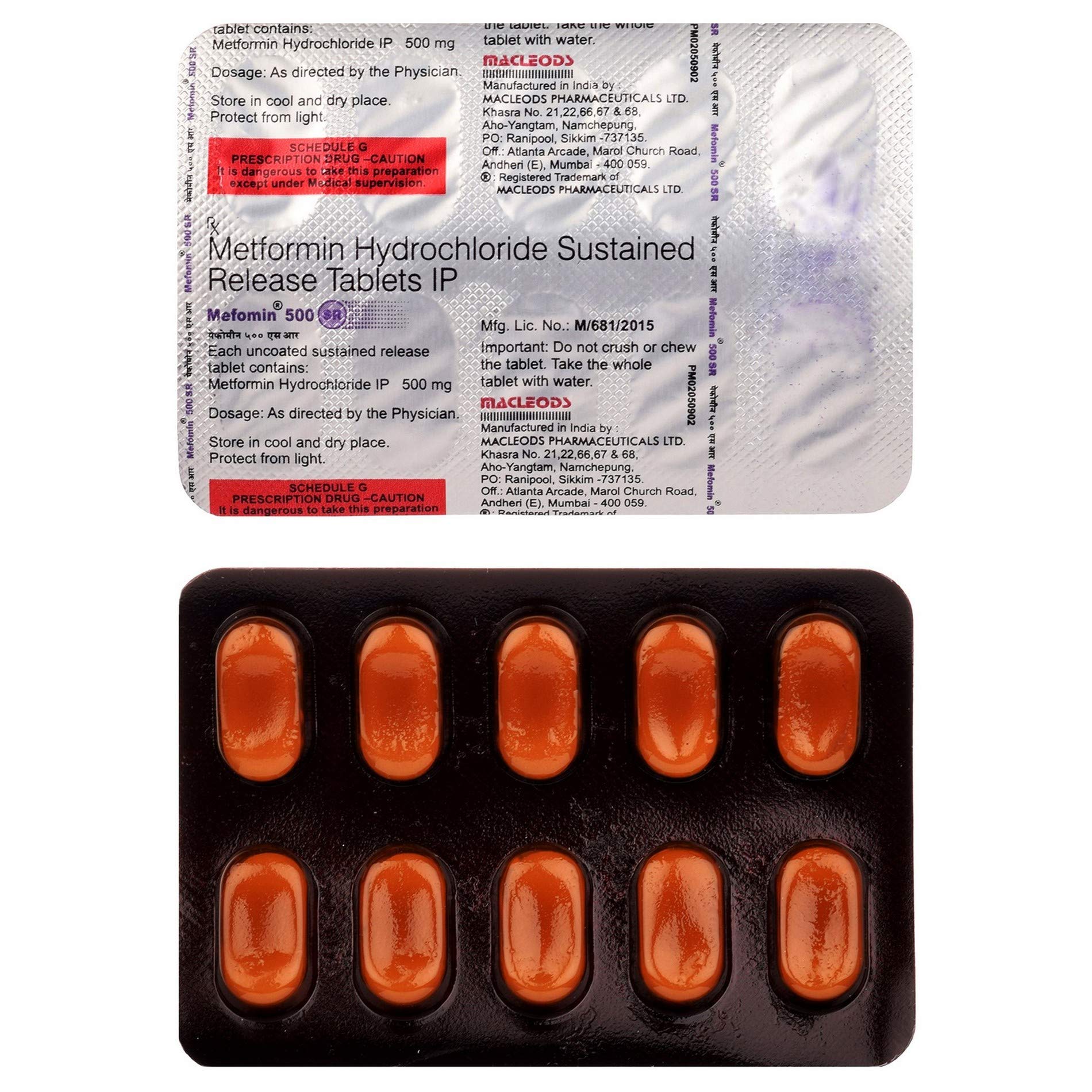
Mefomin 500 SR Tablet contains Metformin (500mg) in an extended-release formulation, which helps manage type 2 diabetes by maintaining stable blood glucose levels throughout the day. The SR (sustained-release) form allows for once-daily dosing and reduces gastrointestinal side effects compared to immediate-release Metformin.
How it works:
-
Decreases glucose production in the liver
-
Improves insulin sensitivity in muscles and fat tissues
-
Slows absorption of glucose from the intestines
By controlling blood sugar levels, it helps prevent long-term complications such as kidney damage, nerve problems, heart disease, and vision issues.
Uses:
-
Management of type 2 diabetes mellitus
-
Maintenance of long-term blood sugar control
-
Can be used alone or in combination with other antidiabetic medications
Benefits:
-
Efficiently controls high blood sugar
-
Reduces the risk of diabetes-related complications
-
Extended-release formulation improves compliance and reduces stomach upset
-
Supports overall diabetes management when combined with diet and exercise
Dosage & Administration:
Taken orally once daily with meals, or as directed by the physician. Do not crush or chew the tablet to preserve the extended-release mechanism.
Precautions:
-
Not recommended for patients with severe kidney or liver problems
-
Avoid alcohol as it may increase the risk of lactic acidosis
-
Inform your doctor if you have a history of metabolic acidosis or heart issues
-
Regular blood sugar monitoring is recommended
Possible Side Effects:
-
Nausea, diarrhea, vomiting, or mild stomach discomfort
-
Rare: lactic acidosis, a serious but uncommon condition
-
Mild headache or fatigue
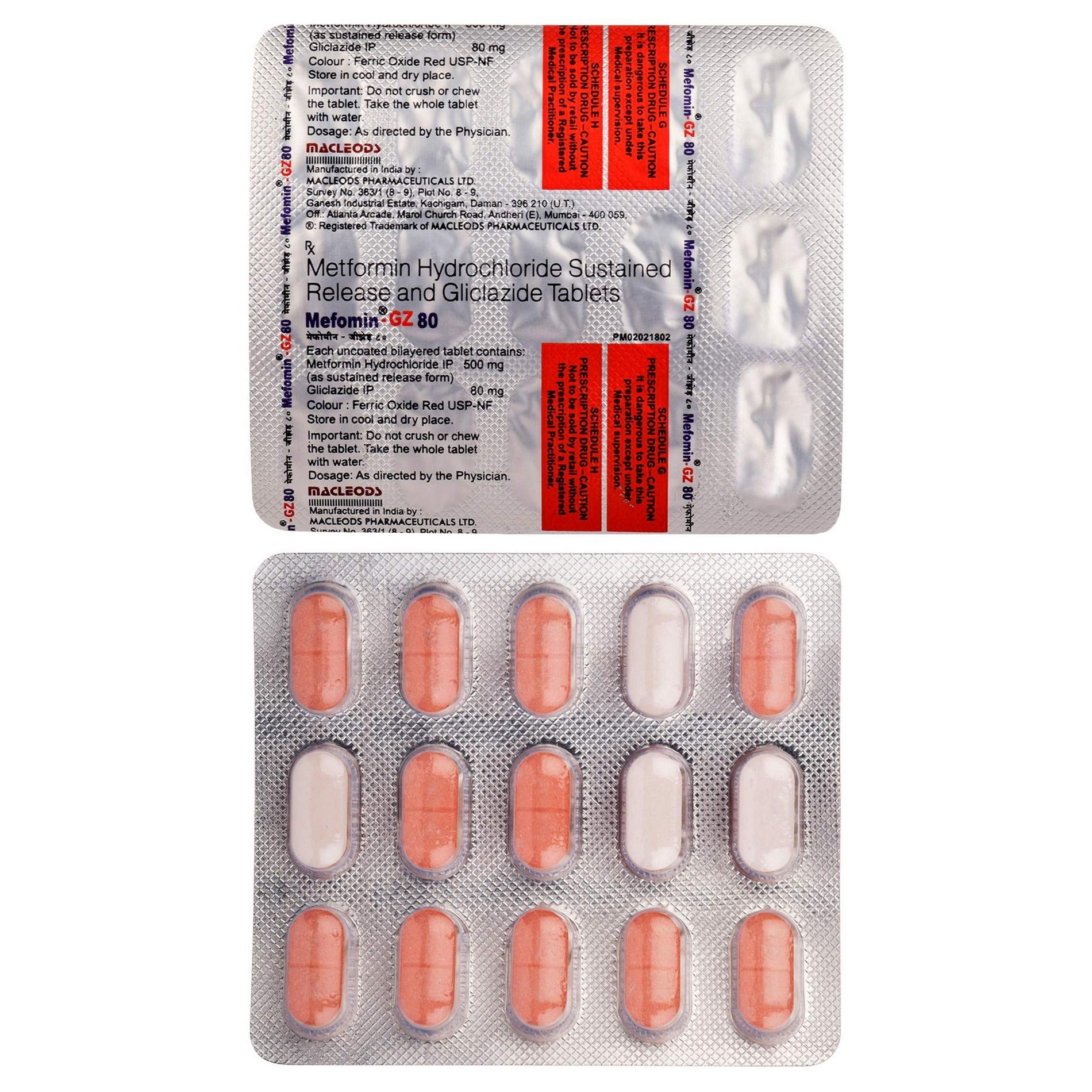
Mefomin GZ 80 Tablet SR combines Gliclazide (80mg), a sulfonylurea that stimulates insulin release from the pancreas, and Metformin (500mg), which reduces glucose production in the liver and improves insulin sensitivity. This extended-release formulation provides effective, long-lasting blood sugar control with once-daily dosing.
How it works:
-
Gliclazide: Stimulates pancreatic beta cells to release insulin, lowering blood sugar after meals.
-
Metformin: Reduces hepatic glucose production, increases insulin sensitivity, and decreases intestinal glucose absorption.
Uses:
-
Management of type 2 diabetes mellitus
-
Controls both fasting and post-meal blood sugar levels
-
Often prescribed when single-drug therapy is insufficient
Benefits:
-
Effective dual-action control of blood glucose
-
Reduces the risk of diabetes-related complications like heart disease, kidney damage, and neuropathy
-
Extended-release formulation improves convenience and reduces gastrointestinal side effects
-
Can be combined with diet and exercise for better diabetes management
Dosage & Administration:
Taken orally once daily with meals as directed by a physician. Do not crush or chew the tablet to maintain extended-release properties.
Precautions:
-
Not suitable for patients with severe kidney or liver disease
-
Monitor for signs of low blood sugar (hypoglycemia)
-
Avoid alcohol, as it can increase the risk of hypoglycemia or lactic acidosis
-
Pregnant or breastfeeding women should consult their doctor before use
Possible Side Effects:
-
Hypoglycemia (low blood sugar), nausea, or mild stomach upset
-
Rare: lactic acidosis or allergic reactions
-
Headache or dizziness
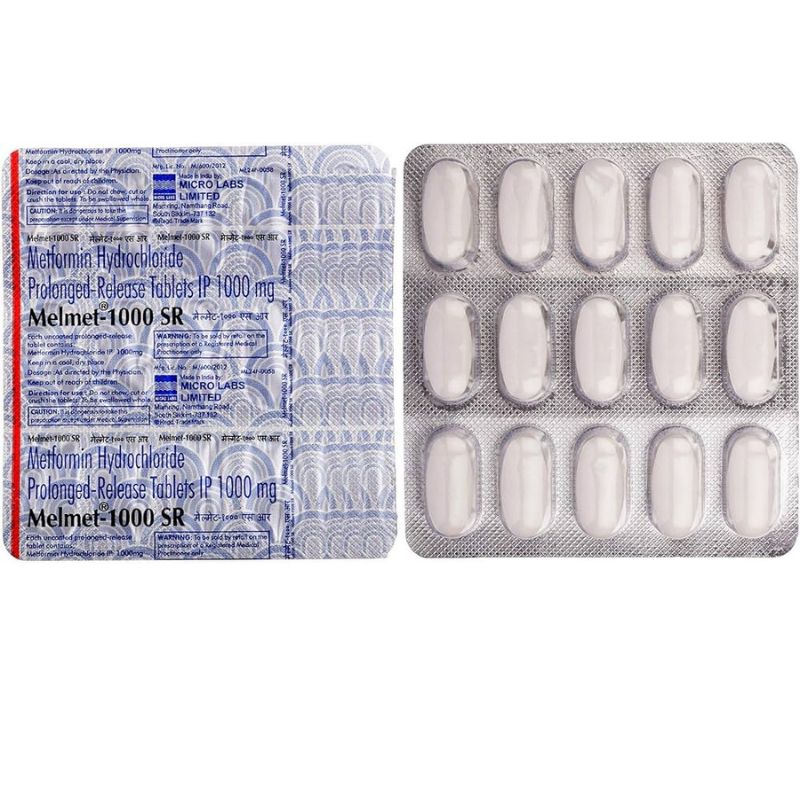
Melmet 1000 SR Tablet is used to manage high blood sugar levels in people with type 2 diabetes. The SR (sustained release) formulation helps maintain steady sugar control throughout the day and reduces stomach upset. It works by lowering glucose production in the liver, improving insulin sensitivity, and helping the body use insulin more effectively.
Uses:
-
Type 2 diabetes management
-
Controls high blood sugar
-
Helps prevent long-term complications like kidney damage, heart disease, nerve issues
-
Supports weight management
-
Improves insulin action
Dosage:
-
Generally once or twice daily, as prescribed
-
Higher dose than 500mg — used when lower doses are not enough
-
Must be taken regularly for effective sugar control
How to Use:
-
Take after meals
-
Swallow the tablet whole; do not crush or chew (affects SR release)
-
Take at the same time daily
-
Follow prescribed diet & exercise plan
Precautions:
-
Avoid alcohol (risk of lactic acidosis)
-
Not recommended in severe kidney disease, liver disease, dehydration, or severe infection
-
Inform doctor if undergoing surgery or contrast scan
-
Monitor blood sugar regularly
-
Stop medicine and seek help if you feel extreme tiredness, stomach pain, difficulty breathing (signs of lactic acidosis)
Side Effects:
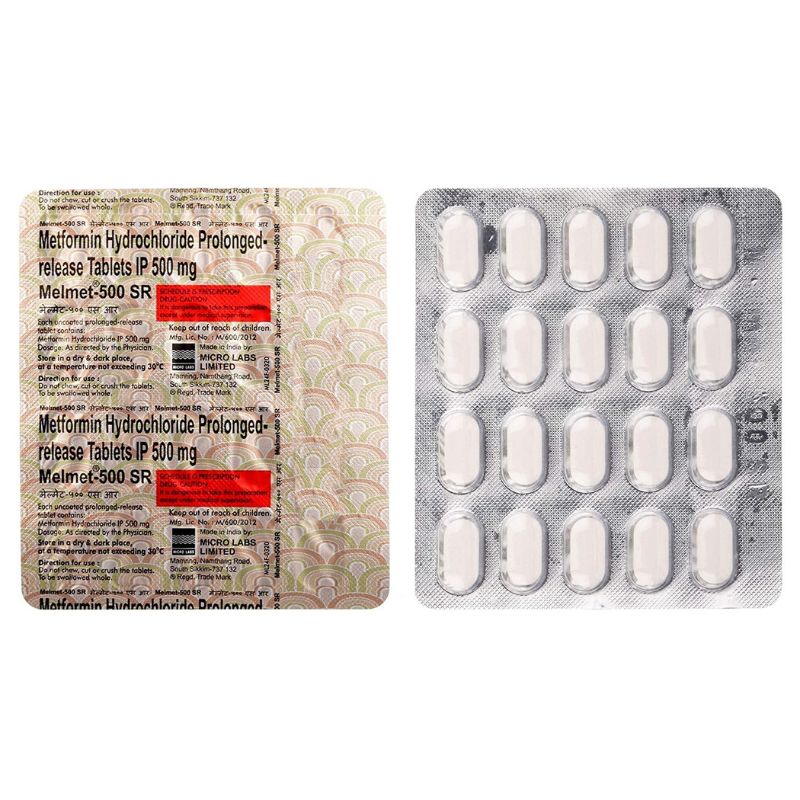
Melmet 500 SR Tablet is an antidiabetic medicine used to control high blood sugar levels in people with type 2 diabetes. The SR (sustained release) formulation releases the medicine slowly, reducing stomach discomfort and maintaining steady sugar control. It improves the body’s response to insulin and reduces sugar production in the liver.
Uses:
-
Type 2 diabetes management
-
Controls high blood sugar
-
Helps prevent complications like kidney damage, nerve problems, heart disease
-
Supports weight control
-
Improves insulin sensitivity
Dosage:
-
Usually once or twice daily with meals (doctor decides)
-
Start with low dose to reduce stomach side effects
-
Take regularly for best results
-
Do not stop without medical advice
How to Use:
-
Take the tablet after food
-
Swallow whole; do not crush or chew (affects SR release)
-
Take at the same time daily
-
Follow diet and exercise along with medication
Precautions:
-
Avoid alcohol (risk of lactic acidosis)
-
Inform doctor if you have kidney or liver disease
-
Not recommended in severe dehydration, infections, or before surgery
-
Regularly monitor blood sugar
-
Stop and inform doctor if you develop vomiting, stomach pain, or breathing difficulty
-
Safe but use cautiously in elderly patients
Side Effects:
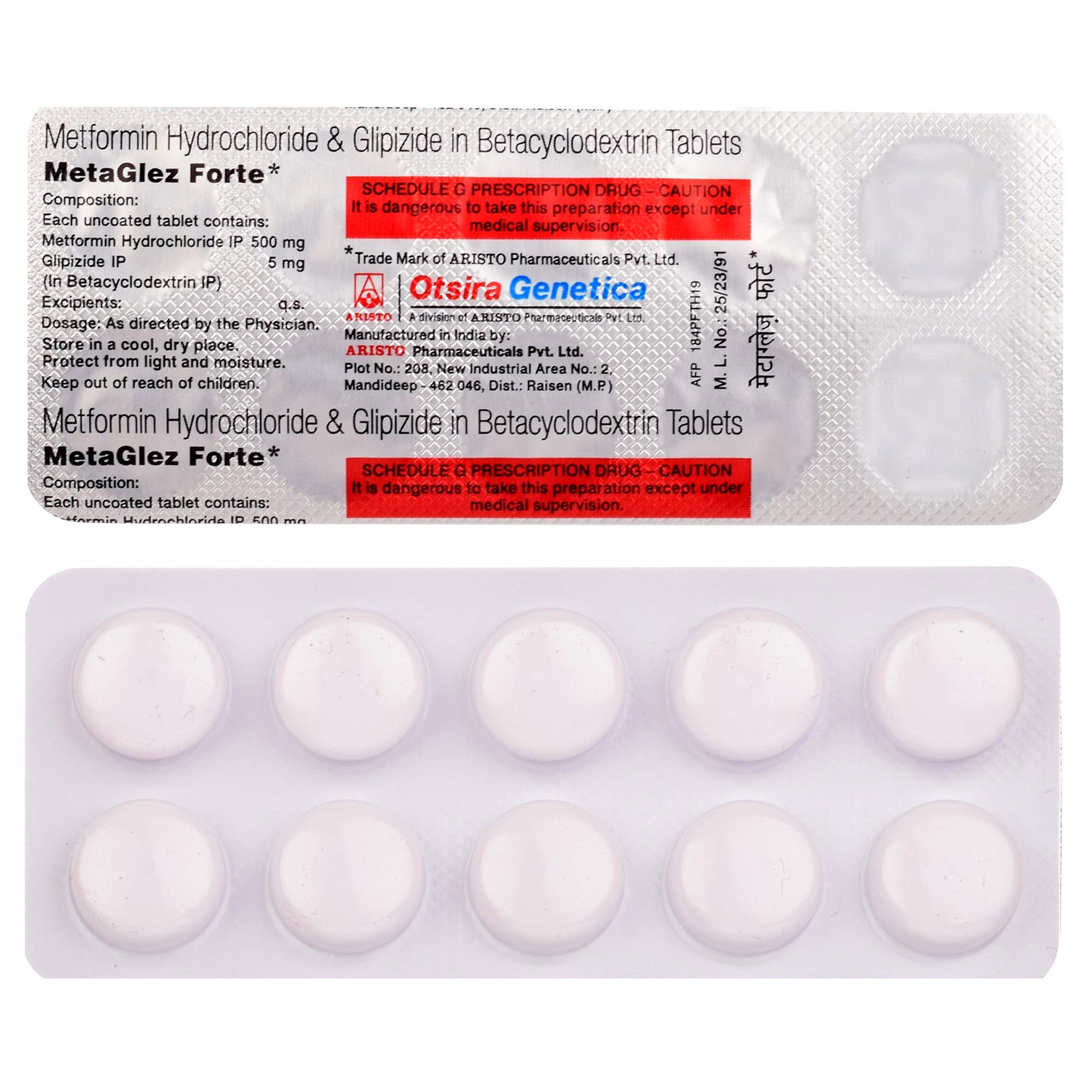
Uses:
Metaglez Forte Tablet is a combination oral anti-diabetic medication used to manage type 2 diabetes mellitus.
-
Glipizide (5mg): Stimulates the pancreas to release insulin, helping lower blood sugar levels.
-
Metformin (500mg): Reduces glucose production in the liver and improves insulin sensitivity, aiding better blood sugar control.
This combination is generally prescribed when diet and exercise alone are insufficient to control blood glucose levels.
Dosage:
-
Take 1 tablet orally daily or as prescribed by your doctor.
-
Usually taken with meals to reduce stomach upset.
-
Dosage may be adjusted based on blood sugar levels and individual patient response.
Precautions:
-
Not suitable for type 1 diabetes or patients with severe kidney or liver disorders.
-
Inform your doctor about other medications or medical conditions.
-
Avoid excessive alcohol intake while on this medication.
-
Maintain a balanced diet and regular exercise for optimal results.
Side Effects:
-
Hypoglycemia (low blood sugar)
-
Nausea, vomiting, diarrhea, or stomach discomfort
-
Rarely, lactic acidosis (seek medical help immediately)
-
Allergic reactions or skin rashes in some patients
Additional Information:
Metaglez Forte Tablet provides dual-action blood sugar control by combining insulin stimulation with improved insulin sensitivity. Regular monitoring of blood glucose, adherence to prescribed therapy, and lifestyle management are key for effective diabetes management.
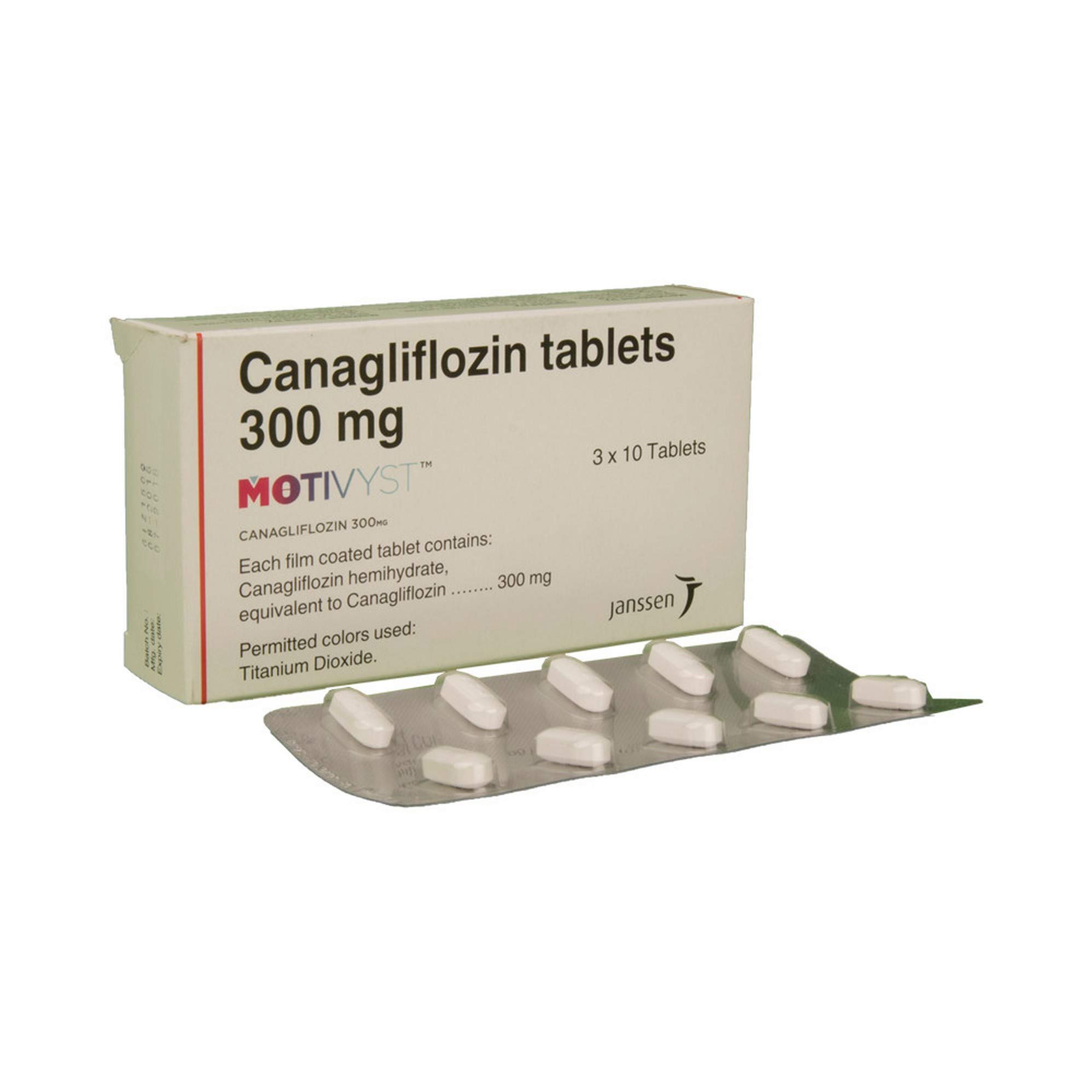
Motivyst Tablet contains Canagliflozin (300mg), a medicine from the class of SGLT2 inhibitors (Sodium-Glucose Cotransporter-2 inhibitors). It lowers blood sugar by promoting the removal of excess glucose from the body through urine. It is used for the management of Type 2 Diabetes Mellitus and also offers cardiovascular and kidney-protective benefits in eligible patients.
Uses / Indications:
-
Treatment of Type 2 Diabetes Mellitus, along with diet and exercise
-
Helps reduce the risk of major cardiovascular events (heart attack, stroke) in diabetic patients with heart disease
-
Provides protective benefits in patients with chronic kidney disease (CKD)
-
May be prescribed in heart failure with reduced ejection fraction (HFrEF) to lower hospitalization risk
Benefits:
-
Improves glycemic control and reduces HbA1c levels
-
Promotes weight reduction due to calorie loss through glucose excretion
-
May help lower blood pressure
-
Reduces long-term diabetes-related complications
How to Use:
-
Take orally with or without food, preferably once daily in the morning.
-
Swallow whole with water, do not crush or chew.
-
Follow the doctor’s instructions regarding diet, exercise, and dose.
-
Do not stop suddenly without medical advice.
Precautions:
-
Prescription required – use under medical supervision only.
-
Not recommended in patients with Type 1 Diabetes or diabetic ketoacidosis (DKA).
-
Avoid in patients with severe kidney impairment unless advised by a specialist.
-
Caution in patients with low blood pressure, dehydration, history of UTIs, or genital infections.
-
Monitor for foot care and ulcers – risk of amputation is rare but possible.
-
Pregnant or breastfeeding women should take only if clearly prescribed.
-
Stay well-hydrated during therapy.
Possible Side Effects:
-
Urinary tract infections (UTIs)
-
Genital fungal infections
-
Increased urination and thirst
-
Low blood sugar (especially with insulin or sulfonylureas)
-
Dizziness or dehydration
-
Rare: ketoacidosis, kidney injury, severe allergic reaction, or lower-limb amputation
Drug Interactions:
-
Can interact with insulin, sulfonylureas, blood pressure medicines, and diuretics.
-
Inform your doctor about all other ongoing medications.
Storage:
-
Store in a cool, dry place, away from moisture and sunlight.
-
Keep tightly packed in its original container.
-
Keep out of reach of children.
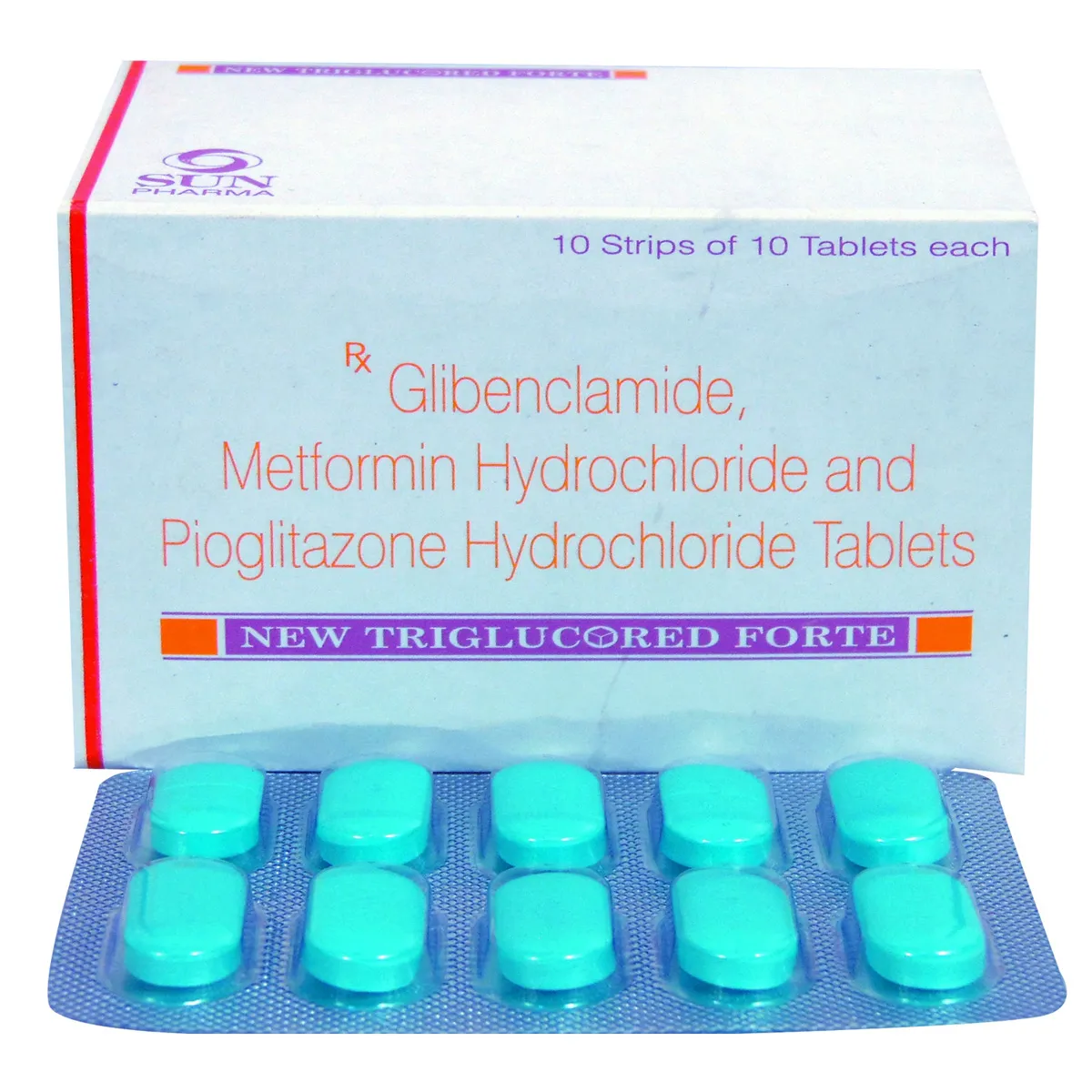
New Triglucored Forte Tablet is a prescription medicine used for the management of type 2 diabetes mellitus. It combines three antidiabetic agents for better blood sugar control:
-
Glibenclamide (5mg): A sulfonylurea that stimulates insulin secretion from the pancreas.
-
Metformin (500mg): A biguanide that reduces glucose production in the liver and improves insulin sensitivity.
-
Pioglitazone (15mg): A thiazolidinedione that enhances insulin sensitivity in peripheral tissues.
Highlighted Uses:
-
Management of type 2 diabetes mellitus when diet, exercise, and monotherapy are insufficient
-
Helps lower blood sugar levels effectively by combining three mechanisms of action
-
Improves glycemic control and reduces risk of diabetes-related complications
How to Use:
-
Take the tablet orally as prescribed, usually once daily or as directed by your doctor.
-
Swallow whole with water, preferably after meals to reduce gastrointestinal discomfort.
Dosage:
-
The dose is individualized based on blood sugar levels, response to therapy, and other medical conditions.
-
Do not adjust or stop the medication without consulting your doctor.
Precautions:
-
Inform your doctor if you have kidney, liver, or heart disease.
-
Regular monitoring of blood glucose and HbA1c levels is recommended.
-
Be cautious of hypoglycemia, especially when combined with other antidiabetic drugs.
-
Use with caution during pregnancy or breastfeeding.
Possible Side Effects:
-
Hypoglycemia (low blood sugar)
-
Nausea, vomiting, diarrhea, or abdominal discomfort
-
Weight gain or fluid retention
-
Rare: liver dysfunction, heart failure, or allergic reactions

Okamet 500 Tablet is an oral antidiabetic medicine manufactured by Cipla Ltd. It contains Metformin Hydrochloride 500mg, a drug from the biguanide class, widely prescribed for the management of Type 2 Diabetes Mellitus.
Metformin works by:
-
Reducing glucose production in the liver (hepatic gluconeogenesis)
-
Decreasing intestinal absorption of glucose
-
Improving insulin sensitivity in muscles and fat tissues, which enhances the body’s natural ability to utilize glucose
Unlike some other antidiabetic medicines, Metformin does not cause weight gain and rarely causes hypoglycemia when used alone, making it one of the most preferred first-line treatments for Type 2 Diabetes.
Uses of Okamet 500 Tablet
-
Treatment and management of Type 2 Diabetes Mellitus (non-insulin-dependent diabetes)
-
Helps lower both fasting and postprandial (after meal) blood sugar levels
-
Used to prevent long-term complications of diabetes such as:
-
Diabetic kidney disease (nephropathy)
-
Nerve damage (neuropathy)
-
Eye problems (retinopathy)
-
Cardiovascular risks (heart attack, stroke)
-
Sometimes used in polycystic ovarian syndrome (PCOS) to improve insulin sensitivity and regulate menstrual cycles (only under medical advice)
Dosage & Administration
-
Usually taken once or twice daily with meals to reduce stomach irritation.
-
Dose may be adjusted depending on blood sugar levels and medical condition.
-
Regular blood glucose monitoring and HbA1c testing are important.
Precautions
-
Should be used with caution in patients with kidney or liver disease.
-
Avoid excessive alcohol intake as it increases the risk of lactic acidosis (a rare but serious side effect).
-
Not usually recommended in Type 1 Diabetes or in cases of severe infections, dehydration, or heart failure without doctor supervision.
-
Pregnant or breastfeeding women should take it only on medical advice.
Possible Side Effects
-
Nausea, vomiting, diarrhea, or stomach upset (usually improve with time)
-
Metallic taste in the mouth or loss of appetite
-
Vitamin B12 deficiency with long-term use
-
Rare but serious: Lactic acidosis (symptoms include muscle pain, tiredness, breathing difficulty, abdominal pain)
Overall Benefit
Okamet 500 Tablet is a safe, effective, and widely used first-line treatment for Type 2 Diabetes. By lowering blood sugar and improving insulin sensitivity, it not only helps in achieving better daily sugar control but also reduces the risk of long-term complications, improving the patient’s overall health and quality of life.