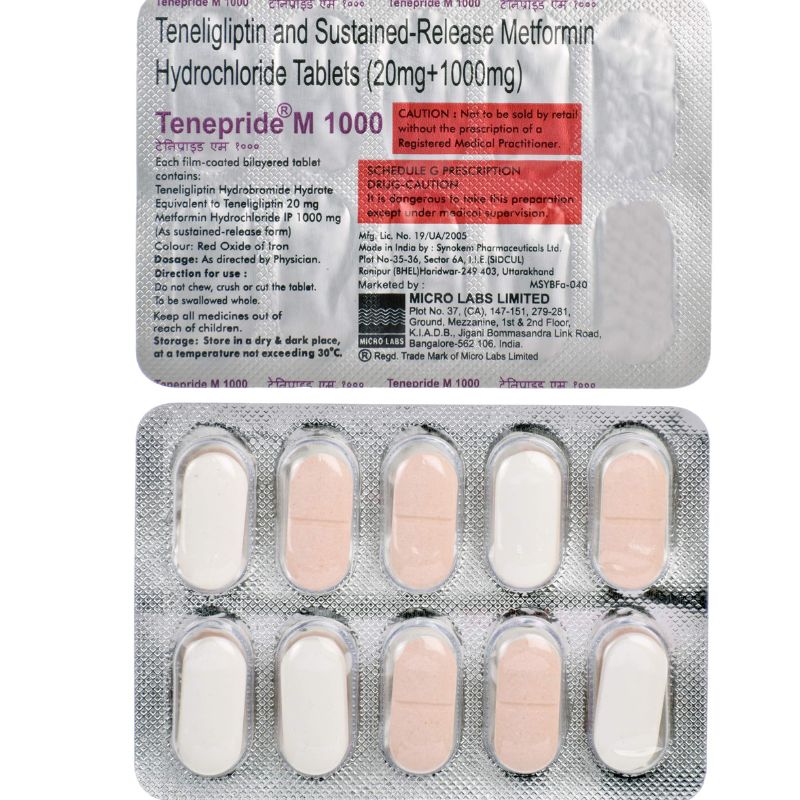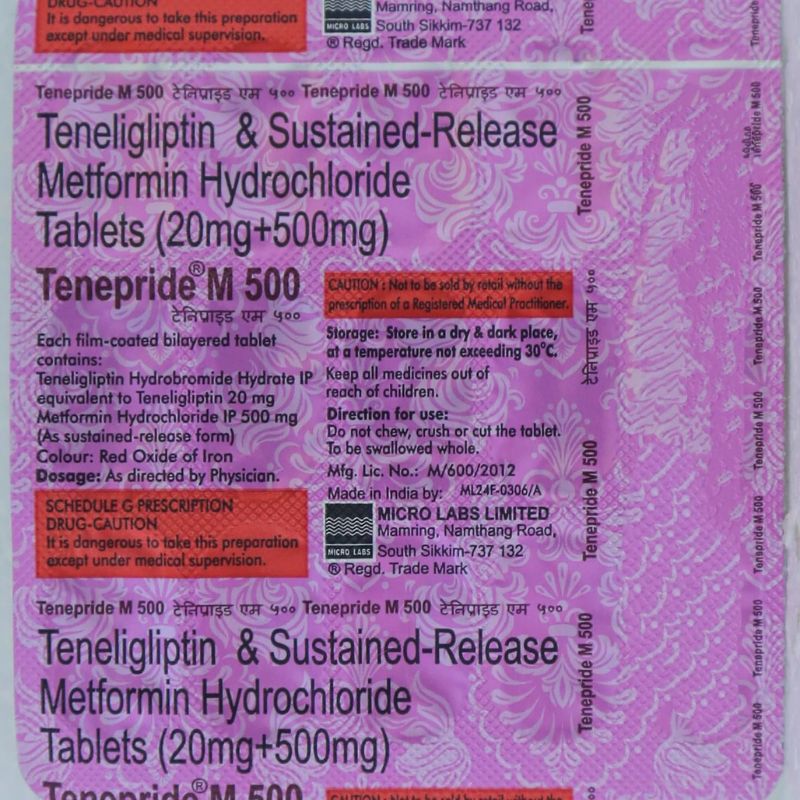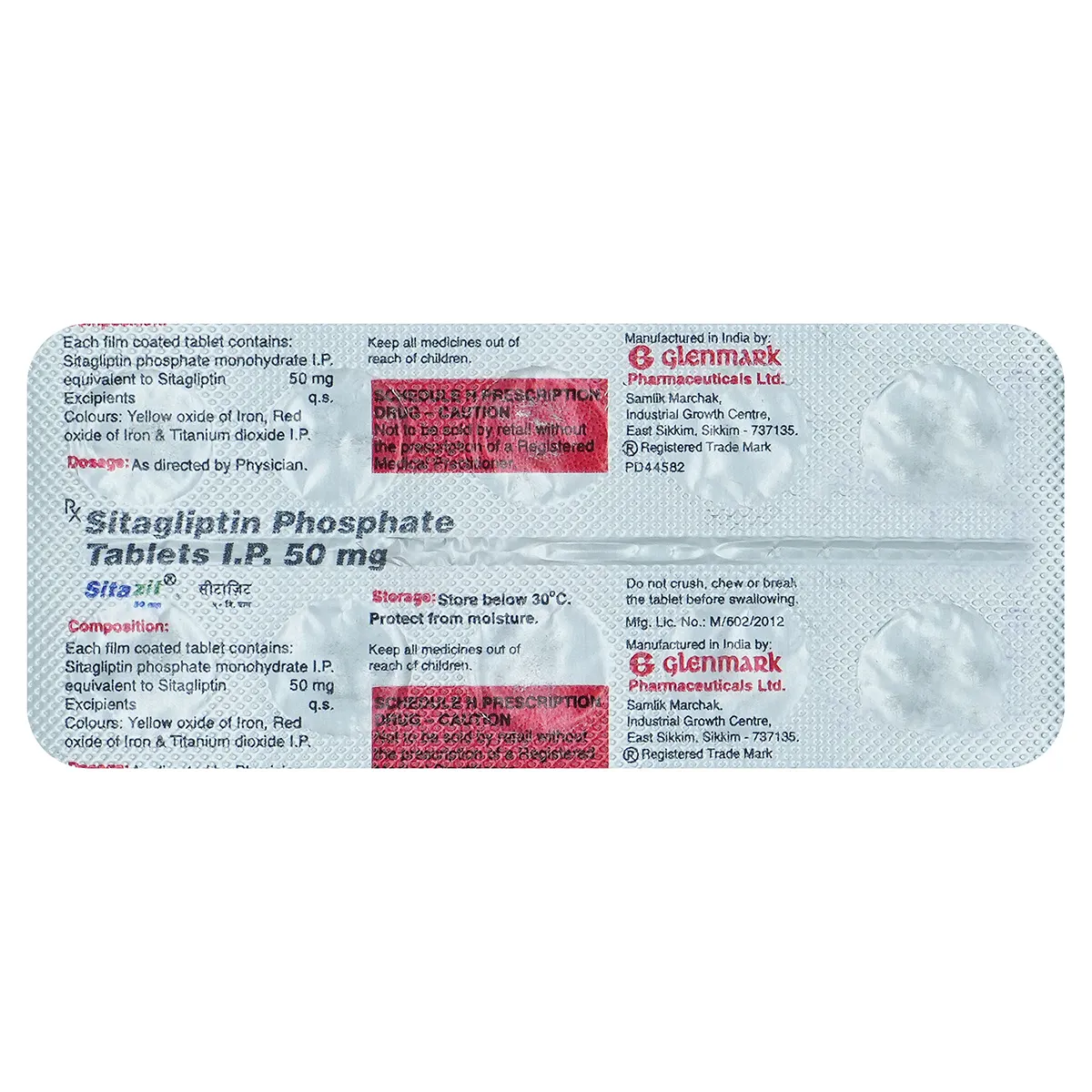
Sitazit 50mg Tablet contains Sitagliptin 50mg, an oral antidiabetic medicine from the class of DPP-4 inhibitors (dipeptidyl peptidase-4 inhibitors). It works by increasing incretin hormone levels, which stimulate insulin release after meals and reduce glucose production in the liver. This helps maintain better blood sugar control in patients with type 2 diabetes mellitus, while minimizing the risk of low blood sugar (hypoglycemia).
Uses of Sitazit 50mg Tablet
-
Management of type 2 diabetes mellitus
-
Improves fasting and postprandial blood sugar levels
-
Can be used alone or in combination with other antidiabetic agents like metformin, sulfonylureas, or SGLT2 inhibitors
-
Helps reduce the risk of diabetes-related complications such as nerve damage, kidney issues, and heart problems
How to Use
-
Take the tablet once daily or as directed by your doctor.
-
May be taken with or without food.
-
Stick to a healthy diet, exercise, and regular blood sugar monitoring while on treatment.
-
Do not skip or stop medication without medical advice.
Side Effects
Common:
Rare but serious:
-
Pancreatitis (severe abdominal pain)
-
Allergic reactions such as rash, itching, or swelling
-
Low blood sugar (more likely if used with other diabetes medicines)
Precautions & Warnings
-
Prescription Required – use only under medical guidance.
-
Not suitable for type 1 diabetes or diabetic ketoacidosis.
-
Dose adjustment may be needed in kidney problems.
-
Inform your doctor if you have a history of pancreatitis or heart disease.
-
Safety in pregnancy and breastfeeding is not well established – use only if prescribed.
Conclusion
Sitazit 50mg Tablet (Sitagliptin 50mg) is an effective oral DPP-4 inhibitor for controlling blood sugar in type 2 diabetes patients. It helps regulate glucose levels throughout the day, improves overall diabetic control, and lowers the risk of long-term complications when used along with diet, exercise, and regular monitoring under medical supervision.
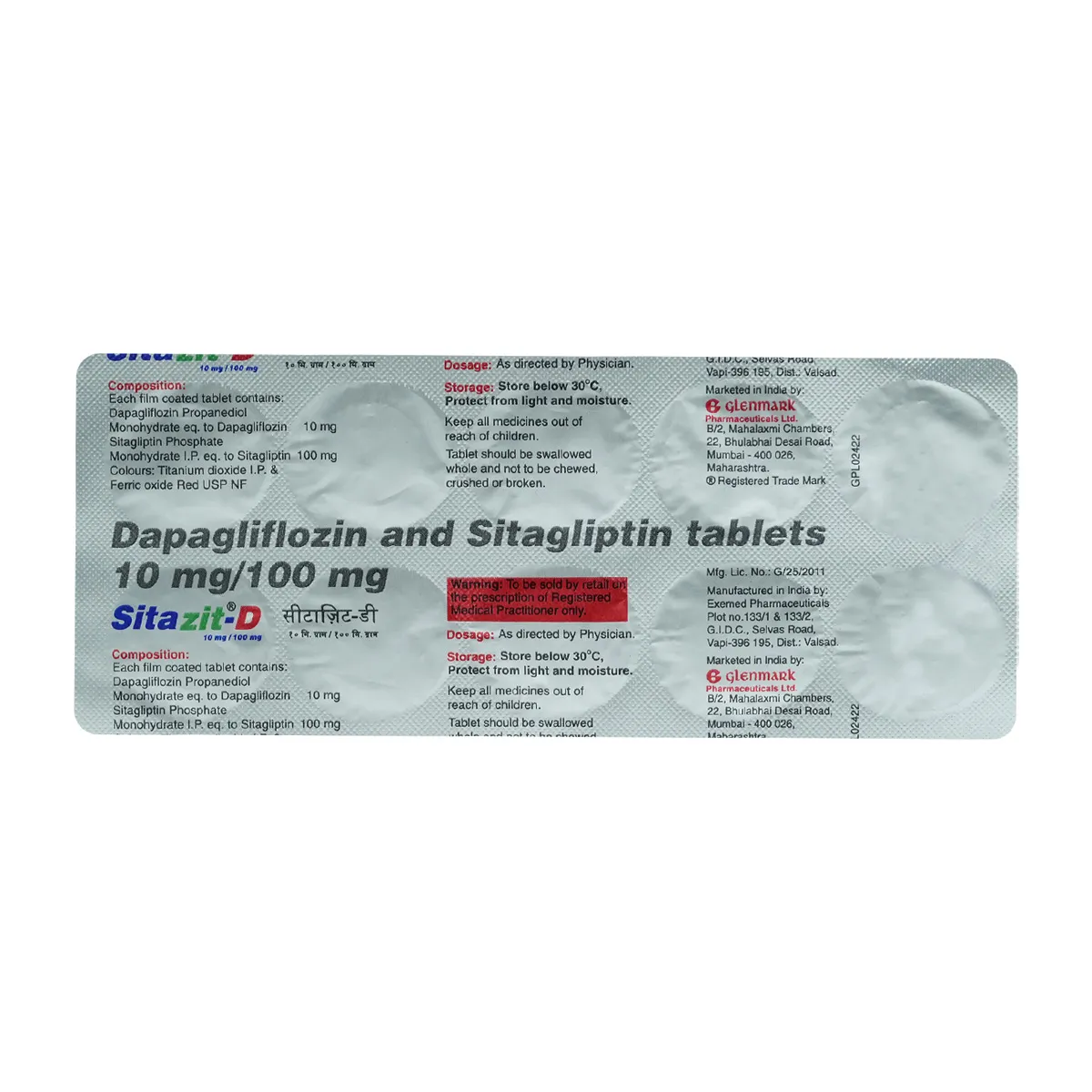
Sitazit-D 10mg/100mg Tablet is a combination antidiabetic medicine containing Dapagliflozin 10mg (an SGLT2 inhibitor) and Sitagliptin 100mg (a DPP-4 inhibitor). Together, they work by different mechanisms to provide better control of type 2 diabetes mellitus:
-
Dapagliflozin lowers blood sugar by preventing glucose reabsorption in the kidneys, leading to glucose elimination through urine.
-
Sitagliptin increases incretin hormone activity, boosting insulin release after meals and reducing glucose production in the liver.
This dual approach helps in better glycemic control, weight management, and reduced risk of diabetes complications.
Uses of Sitazit-D 10mg/100mg Tablet
-
Management of type 2 diabetes mellitus in adults
-
Helps control fasting and postprandial (after-meal) blood glucose levels
-
Provides added benefits in weight reduction
-
May help in lowering the risk of cardiovascular and kidney-related complications in diabetes
How to Use
-
Take the tablet once daily or as prescribed by your doctor.
-
Can be taken with or without food.
-
Maintain a diabetic-friendly diet, exercise, and regular blood sugar monitoring while on treatment.
-
Do not stop the medicine without consulting your doctor.
Side Effects
Common:
Less common but serious:
-
Dehydration or low blood pressure
-
Genital infections
-
Pancreatitis (rare but possible)
-
Hypoglycemia (when taken with other antidiabetics)
Precautions & Warnings
-
Prescription Required – use only under medical supervision.
-
Not recommended in patients with type 1 diabetes or diabetic ketoacidosis.
-
Use with caution in those with kidney or liver problems.
-
Stay well hydrated to avoid dehydration.
-
Inform your doctor if you are pregnant, planning pregnancy, or breastfeeding.
-
Monitor blood sugar, kidney function, and blood pressure regularly during treatment.
Conclusion
Sitazit-D 10mg/100mg Tablet (Dapagliflozin 10mg + Sitagliptin 100mg) is a powerful dual-action therapy for type 2 diabetes management. By targeting blood sugar through both the kidneys and incretin pathway, it helps patients achieve better glucose control, weight benefits, and long-term protection against complications when combined with a healthy lifestyle and medical supervision.
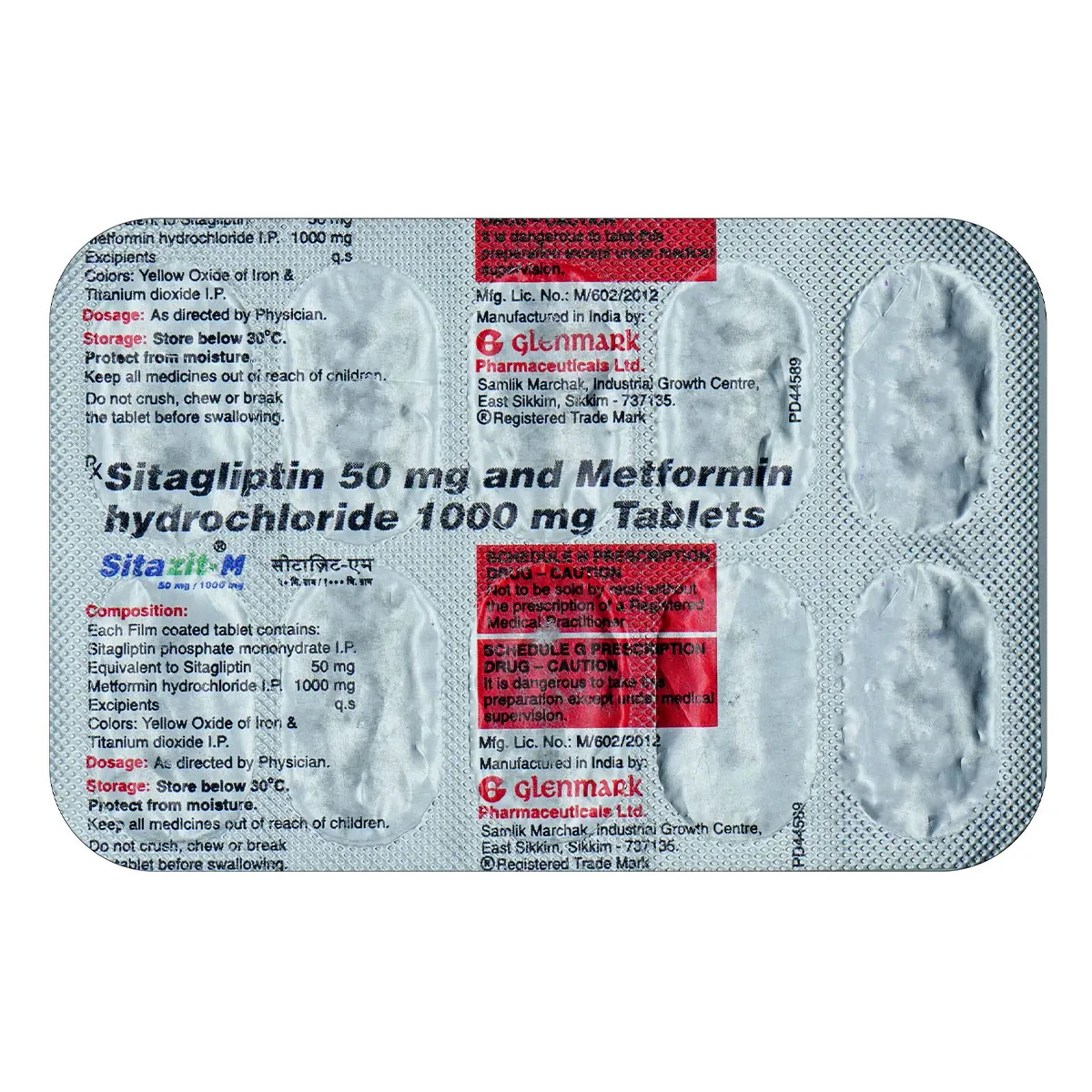
Sitazit-M 50mg/1000mg Tablet is a dual-therapy antidiabetic medicine designed to treat type 2 diabetes mellitus. It combines:
-
Sitagliptin (50mg): A DPP-4 inhibitor that improves incretin hormone activity, stimulates insulin release after meals, and lowers high blood glucose.
-
Metformin (1000mg): A biguanide that reduces glucose production in the liver and improves insulin sensitivity in muscles, helping the body use sugar more effectively.
Together, they provide superior blood sugar control, reduce HbA1c levels, and help lower the risk of long-term diabetes-related complications.
Uses of Sitazit-M 50mg/1000mg Tablet
-
Management of type 2 diabetes mellitus
-
Control of fasting and postprandial blood glucose levels
-
Reduction in the risk of diabetic complications (kidney, nerve, and eye damage)
-
Improved insulin sensitivity and metabolic control
How to Use
-
Take orally as prescribed by your doctor, usually once or twice daily.
-
Swallow whole with water; do not chew or crush.
-
Always take with meals to reduce stomach upset.
-
Combine with a balanced diet, exercise, and lifestyle changes for best results.
Side Effects
Common:
-
Nausea, diarrhea, stomach upset
-
Headache, dizziness
-
Fatigue, mild weight loss
Serious (rare):
-
Lactic acidosis (serious metabolic condition from metformin – requires urgent care)
-
Pancreatitis (severe abdominal pain)
-
Hypoglycemia (rare, more likely if used with insulin/sulfonylureas)
Precautions & Warnings
-
Prescription Required – take only under medical supervision.
-
Not for type 1 diabetes or diabetic ketoacidosis.
-
Use with caution in patients with kidney, liver, or heart disease.
-
Avoid alcohol to reduce lactic acidosis risk.
-
Pregnant or breastfeeding women should consult their doctor.
-
Regular monitoring of blood sugar, HbA1c, kidney, and liver function is advised.
Conclusion
Sitazit-M 50mg/1000mg Tablet combines Sitagliptin and Metformin to provide effective blood sugar control in type 2 diabetes patients. With dual benefits of incretin enhancement and insulin sensitivity improvement, it helps achieve long-term glycemic balance and prevents serious diabetes-related complications.
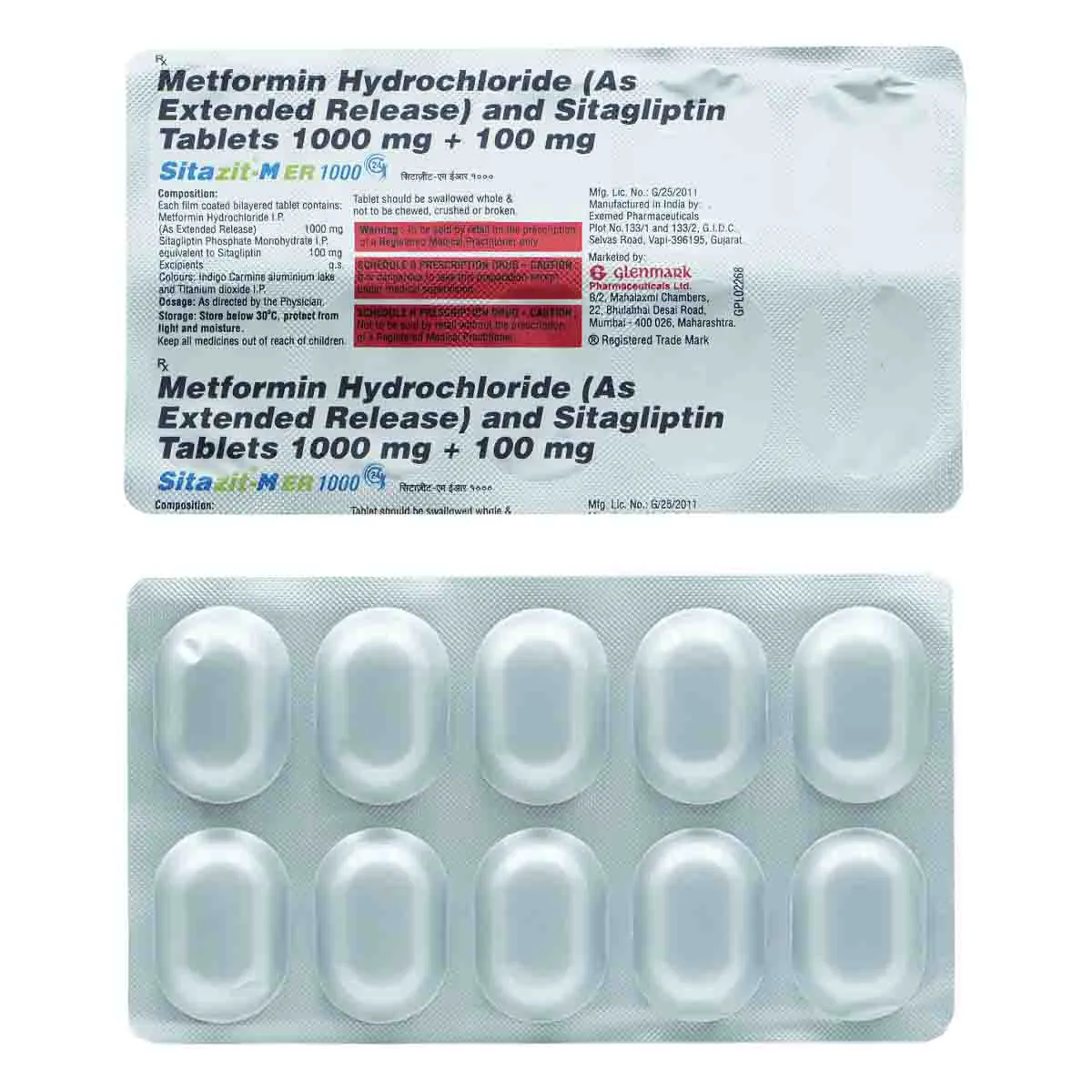
Sitazit-M ER 1000 Tablet is a dual combination antidiabetic medicine used for the management of type 2 diabetes mellitus. It contains:
-
Sitagliptin (100mg): A DPP-4 inhibitor that enhances incretin activity, increases insulin release after meals, and lowers glucose production.
-
Metformin (1000mg, Extended-Release): A biguanide that reduces hepatic glucose output and improves the body’s response to insulin.
This combination provides effective blood sugar control, helps in reducing HbA1c levels, and may also support weight stability in patients with type 2 diabetes.
Uses of Sitazit-M ER 1000 Tablet
-
Management of type 2 diabetes mellitus
-
Improves fasting and postprandial blood sugar levels
-
Helps in long-term glycemic control
-
Reduces the risk of diabetes-related complications (kidney, eye, nerve, and heart problems)
How to Use
-
Take the tablet once daily (extended-release) or as directed by your doctor.
-
Swallow whole with water; do not crush or chew.
-
Best taken with meals to reduce gastric side effects.
-
Continue to follow a diabetic-friendly diet, exercise routine, and regular sugar monitoring.
Side Effects
Common:
-
Headache
-
Nausea, stomach upset, diarrhea
-
Upper respiratory tract infection
-
Weakness or fatigue
Serious but rare:
-
Lactic acidosis (linked to metformin, rare but serious)
-
Pancreatitis (severe abdominal pain)
-
Kidney or liver function impairment
Precautions & Warnings
-
Prescription Required – use only under medical supervision.
-
Not for use in type 1 diabetes or diabetic ketoacidosis.
-
Use with caution in patients with kidney, liver, or heart disease.
-
Avoid excessive alcohol while on this medication.
-
Pregnant and breastfeeding women should consult their doctor before use.
-
Regular monitoring of blood sugar, kidney function, and HbA1c is advised.
Conclusion
Sitazit-M ER 1000 Tablet (Sitagliptin + Metformin) is a powerful dual-action therapy for type 2 diabetes mellitus, combining the benefits of DPP-4 inhibition and insulin sensitization. With proper diet, exercise, and medical guidance, it helps maintain stable blood sugar levels and prevents long-term complications of diabetes.
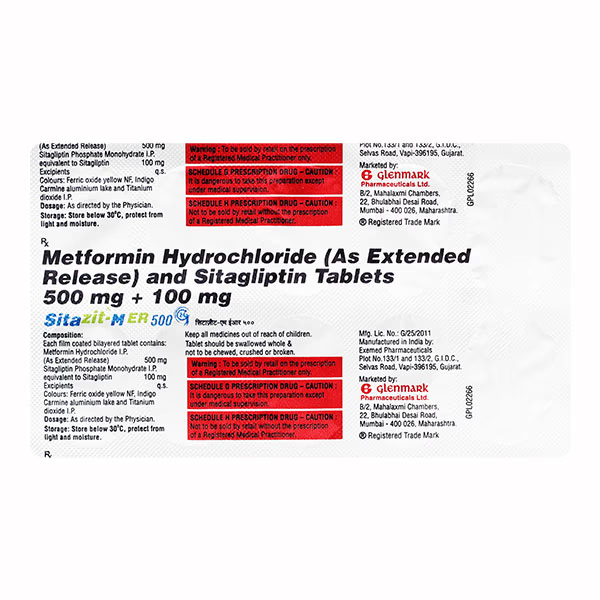
Sitazit-M ER 500 Tablet is an oral antidiabetic combination used to manage type 2 diabetes mellitus. It contains:
-
Sitagliptin (100mg): A DPP-4 inhibitor that enhances incretin hormones, boosts insulin release, and lowers blood glucose after meals.
-
Metformin (500mg, Extended-Release): A biguanide that reduces glucose production in the liver and improves the body’s insulin sensitivity.
This dual therapy helps achieve better blood sugar control, reduces HbA1c levels, and lowers the risk of long-term diabetes complications.
Uses of Sitazit-M ER 500 Tablet
-
Control of type 2 diabetes mellitus
-
Improvement in fasting and post-meal glucose levels
-
Helps prevent microvascular (kidney, eye, nerve) and cardiovascular complications
-
Supports long-term glycemic stability
How to Use
-
Take as prescribed by your doctor, usually once daily.
-
Swallow whole with water; do not crush or chew.
-
Best taken with food to minimize stomach upset.
-
Maintain a healthy diet, exercise, and regular glucose monitoring for best results.
Side Effects
Common:
Serious (rare):
-
Lactic acidosis (linked to metformin, requires immediate medical attention)
-
Pancreatitis (severe abdominal pain)
-
Kidney or liver dysfunction
Precautions & Warnings
-
Prescription Required – use only under medical advice.
-
Not suitable for type 1 diabetes or diabetic ketoacidosis.
-
Caution in patients with kidney, liver, or heart conditions.
-
Avoid alcohol consumption to reduce lactic acidosis risk.
-
Pregnant or breastfeeding women should consult their doctor.
-
Regular monitoring of blood sugar, HbA1c, and kidney function is recommended.
Conclusion
Sitazit-M ER 500 Tablet provides dual-action blood sugar control by combining Sitagliptin and Metformin. It is effective in managing type 2 diabetes, improving overall glycemic control, and preventing long-term complications when combined with a healthy lifestyle.
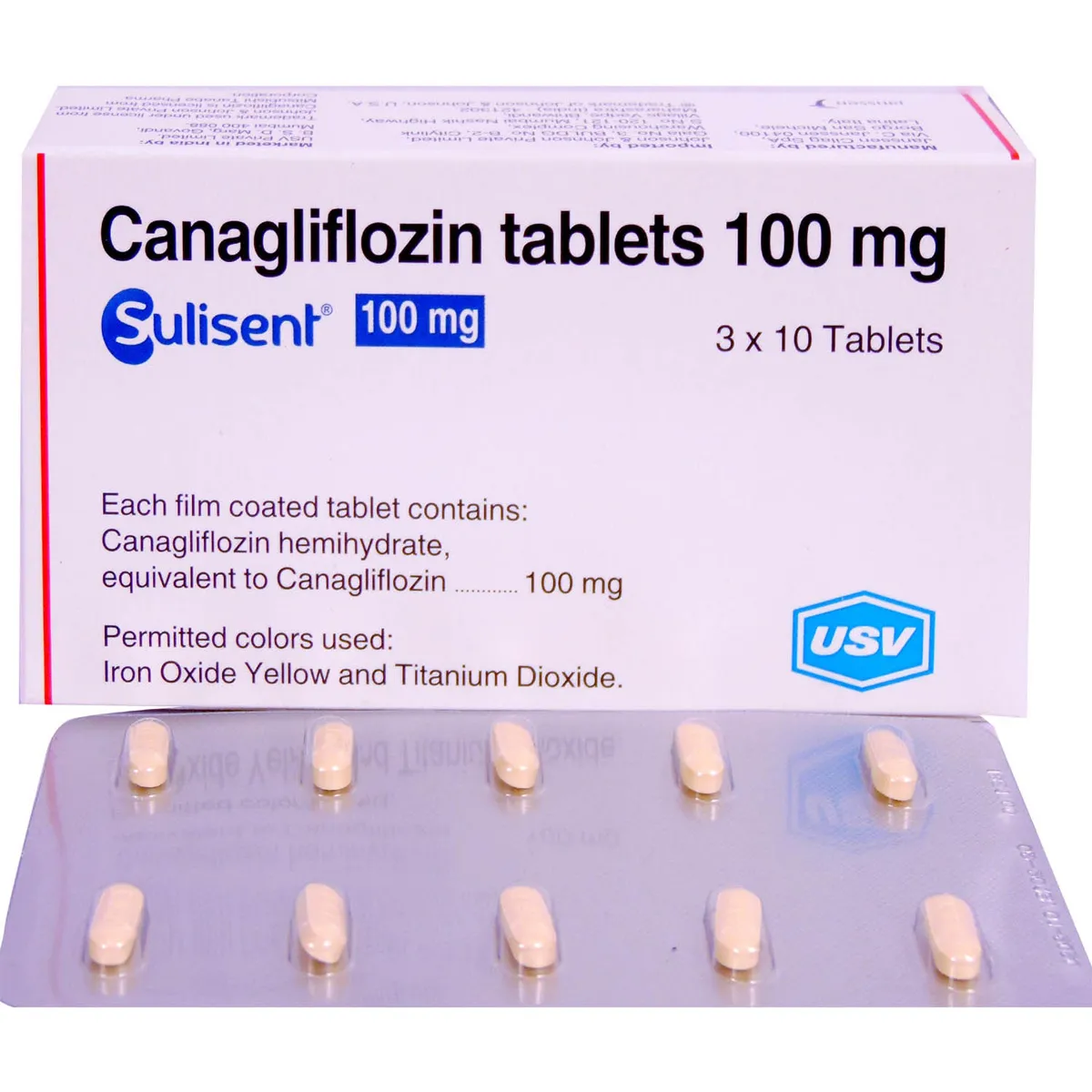
About Sulisent 100mg Tablet:
Sulisent 100mg Tablet contains Canagliflozin, an SGLT2 inhibitor that helps lower blood sugar by blocking glucose reabsorption in the kidneys and promoting its excretion through urine. It is prescribed for patients with type 2 diabetes, often in combination with diet, exercise, and other antidiabetic medications.
How It Works:
-
Canagliflozin (100mg): Inhibits SGLT2 proteins in the kidneys, reducing glucose reabsorption and increasing urinary glucose excretion.
-
Helps lower fasting and postprandial blood glucose levels.
-
May contribute to weight reduction and improved blood pressure as additional benefits.
Uses:
-
Management of type 2 diabetes mellitus
-
Helps reduce HbA1c levels
-
Can be used alone or with other antidiabetic medications
-
Supports weight and cardiovascular risk management in diabetic patients
Directions for Use:
-
Take once daily before the first meal of the day or as prescribed by your doctor.
-
Swallow the tablet whole with water.
-
Maintain a healthy diet, exercise regularly, and monitor blood sugar levels for optimal results.
Side Effects:
Common side effects may include:
-
Urinary tract infections
-
Increased urination
-
Thirst, dizziness, or dehydration
-
Rarely, low blood sugar (hypoglycemia) when combined with other antidiabetic drugs
Seek medical attention if you experience severe dehydration, fainting, urinary problems, or signs of ketoacidosis such as nausea, vomiting, abdominal pain, or rapid breathing.
Precautions:
-
Avoid in patients with type 1 diabetes, severe kidney disease, or a history of diabetic ketoacidosis
-
Monitor kidney function and blood glucose levels regularly
-
Not recommended during pregnancy or breastfeeding unless prescribed
-
Inform your doctor about other medications, especially diuretics or insulin
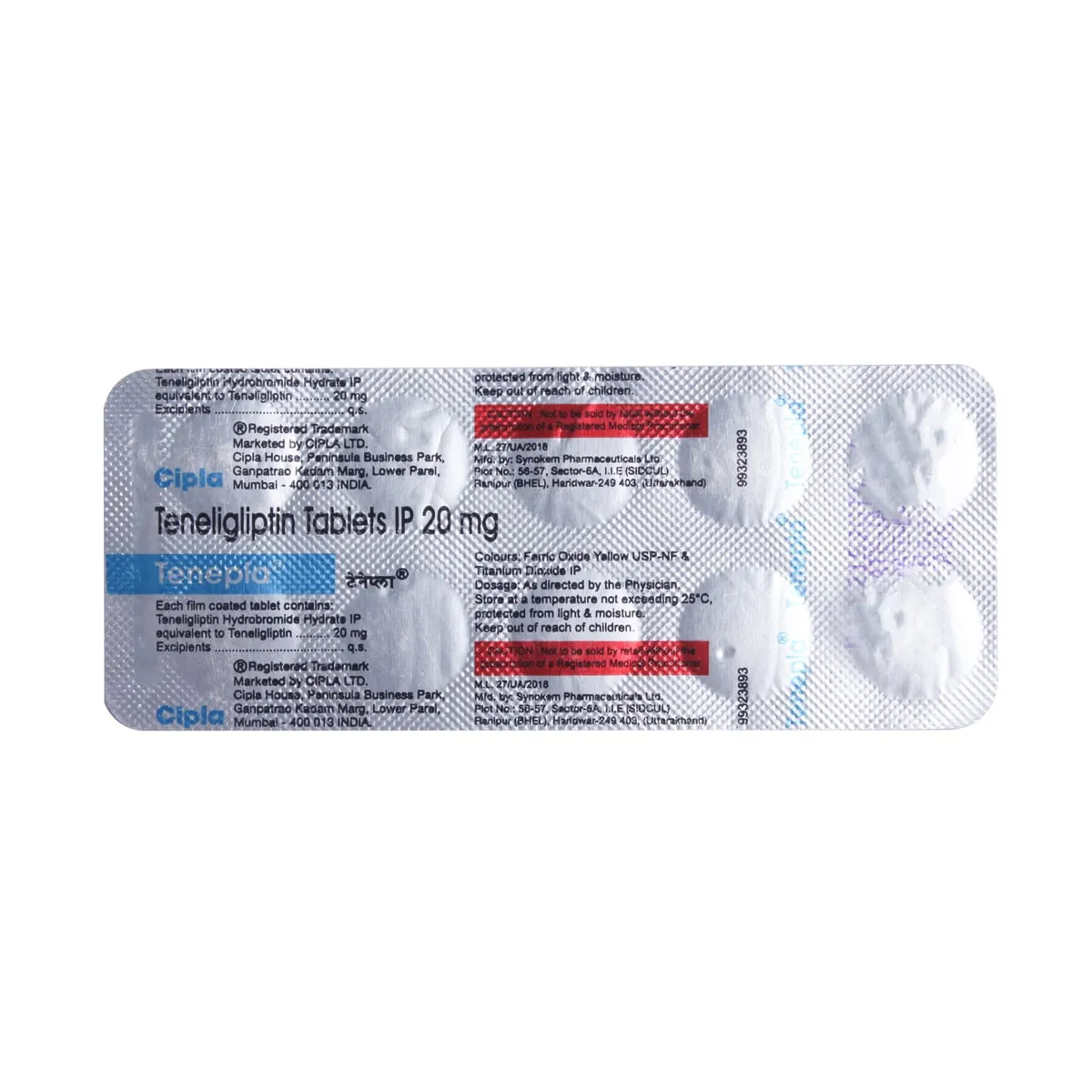
Tenepla Tablet is an oral anti-diabetic medicine manufactured by Cipla Ltd. It contains Teneligliptin 20mg, a DPP-4 (Dipeptidyl Peptidase-4) inhibitor, which is prescribed for the management of Type 2 Diabetes Mellitus. It helps improve blood sugar control in adults, especially when diet, exercise, or other medicines alone are not sufficient.
By enhancing the activity of incretin hormones, Teneligliptin increases insulin release and decreases excess glucose production by the liver. This results in better fasting and postprandial (after-meal) sugar control, while reducing the risk of hypoglycemia compared to some other antidiabetic agents.
How Tenepla Works
-
Teneligliptin (20mg): Inhibits the enzyme DPP-4, which prolongs the action of incretin hormones (GLP-1 and GIP).
-
This leads to:
-
Increased insulin secretion in response to meals.
-
Decreased glucagon secretion, reducing excess glucose release by the liver.
-
Provides balanced glucose control without significant weight gain.
Uses of Tenepla Tablet
-
Treatment of Type 2 Diabetes Mellitus in adults.
-
Helps reduce both fasting and post-meal blood sugar levels.
-
Can be used as monotherapy (alone) or in combination with other antidiabetic drugs such as Metformin, Sulfonylureas, or Insulin.
-
Aims to lower the risk of diabetes-related complications like kidney damage, nerve issues, heart disease, and eye damage.
Dosage & Administration
-
Recommended dose: 20mg once daily (as prescribed by the doctor).
-
Can be taken with or without food.
-
Regular monitoring of blood glucose and HbA1c is essential.
Precautions
-
Not for Type 1 Diabetes or diabetic ketoacidosis.
-
Use cautiously in patients with kidney or liver impairment (dose adjustment may be needed).
-
Pregnant or breastfeeding women should use only if prescribed by a doctor.
-
Avoid excessive alcohol consumption.
Possible Side Effects
-
Headache, dizziness
-
Mild hypoglycemia (when combined with other diabetes medicines)
-
Constipation or abdominal discomfort
-
Nasopharyngitis (sore throat, runny nose)
-
Rare: allergic reactions, liver enzyme elevation
Overall Benefit
Tenepla Tablet offers effective and safe glycemic control for patients with Type 2 Diabetes. With its once-daily dosing, low risk of hypoglycemia, and weight-neutral profile, it is a convenient choice for long-term diabetes management.
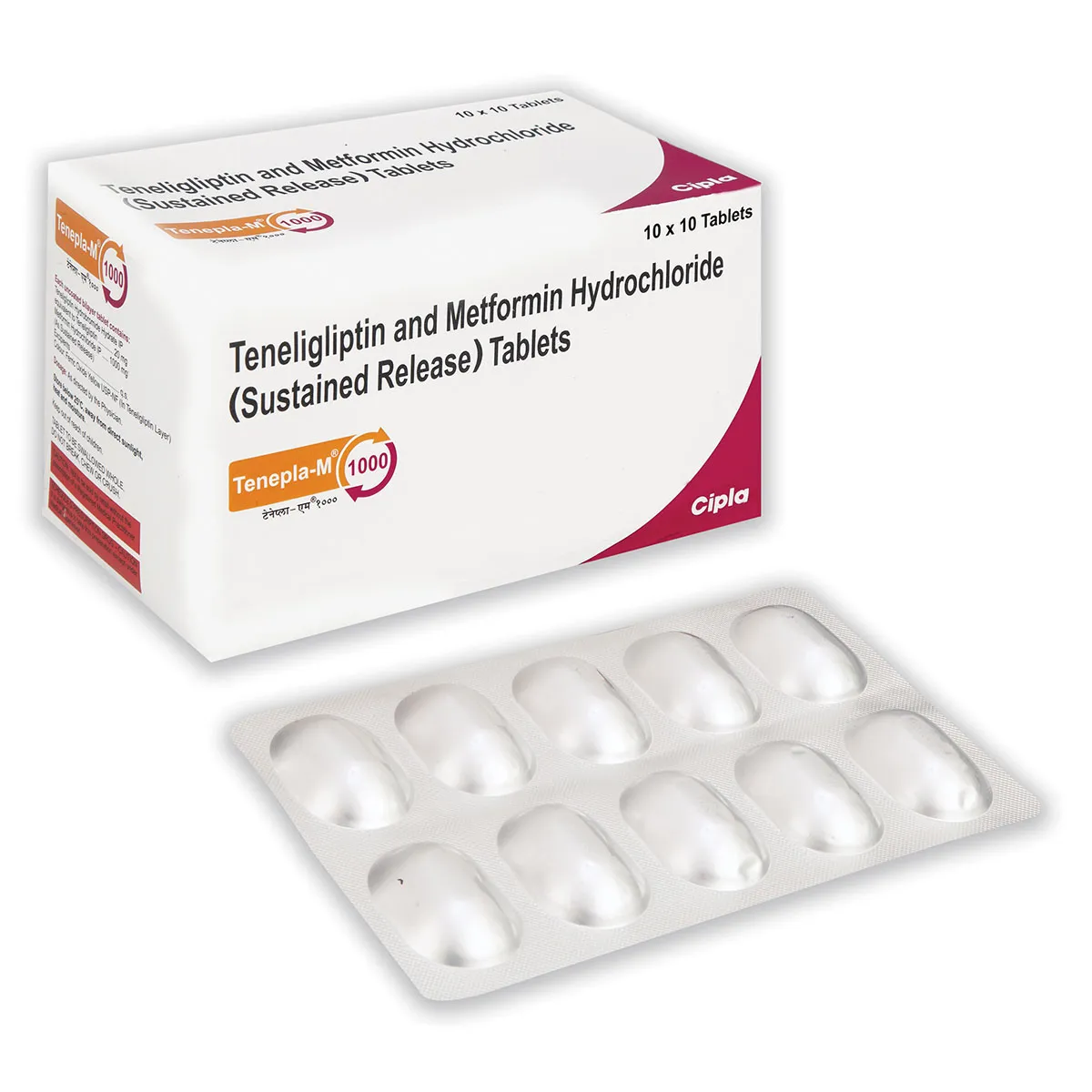
Tenepla-M 1000 Tablet is an oral antidiabetic combination medicine manufactured by Cipla Ltd. It is prescribed for the management of Type 2 Diabetes Mellitus when diet, exercise, and monotherapy do not provide adequate control.
It combines:
-
Teneligliptin (20mg): A DPP-4 inhibitor that enhances incretin hormones (GLP-1 and GIP). This results in increased insulin release from the pancreas and reduced glucagon secretion, especially after meals, thereby lowering blood glucose levels.
-
Metformin (1000mg): A biguanide that reduces glucose production in the liver, improves insulin sensitivity, and slows down glucose absorption from the intestine.
This dual mechanism ensures effective control of fasting blood glucose (FPG) and postprandial blood glucose (PPG), leading to improved HbA1c outcomes.
Uses of Tenepla-M 1000 Tablet
-
Management of Type 2 Diabetes Mellitus in adults.
-
Improves both short-term and long-term glycemic control.
-
Helps prevent complications of diabetes such as kidney damage, nerve damage, vision problems, and cardiovascular diseases.
-
Suitable for patients requiring stronger glycemic control compared to lower Metformin doses.
How Tenepla-M 1000 Works
-
Teneligliptin (20mg): Prolongs the action of incretin hormones, which stimulate insulin secretion in a glucose-dependent manner and suppress glucagon release.
-
Metformin (1000mg): Reduces hepatic glucose output, enhances peripheral glucose uptake, and decreases intestinal absorption of glucose.
Together, they provide complementary action for stable and effective blood sugar management.
Dosage & Administration
-
Usually taken once or twice daily, as directed by the physician.
-
Best taken with meals to reduce gastrointestinal side effects from Metformin.
-
Regular monitoring of blood sugar and HbA1c is advised.
Precautions
-
Not for use in Type 1 Diabetes Mellitus or diabetic ketoacidosis.
-
Should be used cautiously in patients with kidney or liver problems.
-
Avoid alcohol as it increases the risk of lactic acidosis (rare but serious).
-
Not recommended in severe heart failure.
-
Use in pregnancy and breastfeeding should be under medical supervision.
Possible Side Effects
-
Nausea, vomiting, abdominal discomfort, diarrhea (commonly due to Metformin)
-
Headache, dizziness
-
Hypoglycemia (especially if combined with other antidiabetic agents)
-
Sore throat, mild infections (nasopharyngitis)
-
Rare: Lactic acidosis, liver enzyme changes, allergic reactions
Overall Benefit
Tenepla-M 1000 Tablet is an effective combination therapy for Type 2 Diabetes, especially for patients who need stronger sugar control. By combining Teneligliptin and a higher dose of Metformin, it helps maintain stable glucose levels, reduces long-term complications, and improves overall quality of life.
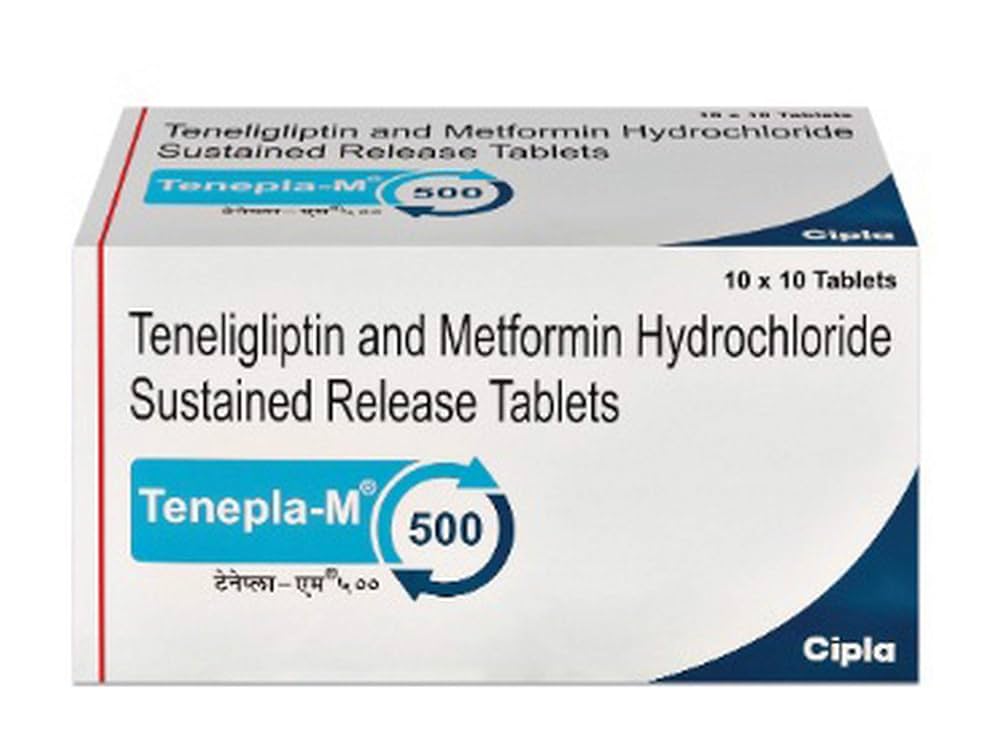
Tenepla-M 500 Tablet is a combination oral antidiabetic medicine manufactured by Cipla Ltd. It contains two active ingredients:
-
Teneligliptin (20mg): A DPP-4 inhibitor that enhances incretin hormones, helping the pancreas release more insulin and reducing excessive glucose production in the liver.
-
Metformin (500mg): A biguanide that lowers sugar levels by reducing hepatic glucose production, improving insulin sensitivity, and slowing intestinal glucose absorption.
This dual action provides better glycemic control compared to monotherapy and helps manage Type 2 Diabetes Mellitus effectively.
Uses of Tenepla-M 500 Tablet
-
Treatment of Type 2 Diabetes Mellitus in adults.
-
Improves control of both fasting blood glucose (FPG) and postprandial glucose (PPG).
-
Reduces the risk of long-term diabetes complications such as kidney disease, neuropathy, retinopathy, and cardiovascular events.
-
Suitable when diet, exercise, or single drug therapy alone is not sufficient.
How Tenepla-M 500 Works
-
Teneligliptin (20mg): Blocks the DPP-4 enzyme, prolonging incretin action (GLP-1 & GIP), which increases insulin secretion and lowers glucagon release after meals.
-
Metformin (500mg): Decreases liver glucose output, increases peripheral glucose utilization, and reduces gut glucose absorption.
Together, they provide complementary mechanisms for optimal sugar control.
Dosage & Administration
-
Usually taken once or twice daily, as prescribed by the doctor.
-
Should be taken with meals to minimize gastrointestinal side effects.
-
Regular monitoring of blood sugar and HbA1c is recommended.
Precautions
-
Not suitable for Type 1 Diabetes or diabetic ketoacidosis.
-
Use cautiously in patients with kidney or liver impairment (dose adjustment may be required).
-
Avoid in cases of severe heart failure, lactic acidosis, or heavy alcohol consumption.
-
Pregnant and breastfeeding women should use only under medical supervision.
Possible Side Effects
-
Nausea, vomiting, diarrhea, abdominal pain (mostly due to Metformin)
-
Headache, dizziness
-
Hypoglycemia (more likely if combined with other antidiabetic agents)
-
Sore throat, mild infections (nasopharyngitis)
-
Rare: Lactic acidosis (serious but uncommon), liver enzyme changes, allergic reactions
Overall Benefit
Tenepla-M 500 Tablet is a powerful and convenient combination therapy for Type 2 Diabetes. It helps maintain long-term glycemic control, reduces diabetes-related complications, and provides the benefit of dual action with a low risk of hypoglycemia and weight neutrality.