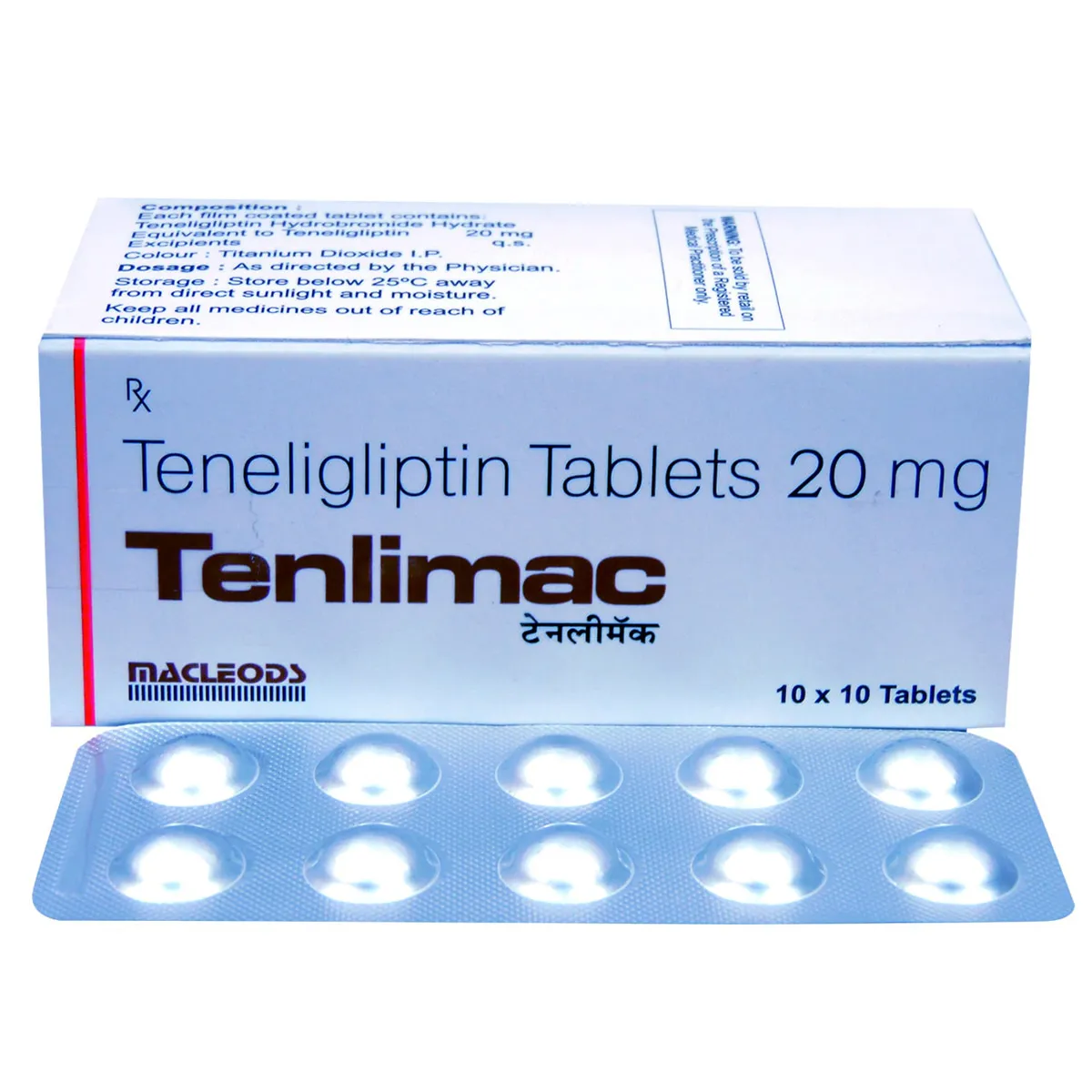
Tenlimac 20 mg Tablet is an oral antidiabetic medication containing Teneligliptin, which belongs to the class of DPP-4 inhibitors. It works by enhancing the body’s own ability to lower blood sugar by increasing insulin release and decreasing glucagon levels after meals. This helps achieve better glycemic control in patients with type 2 diabetes mellitus.
Uses
Tenlimac 20 mg Tablet is prescribed for:
-
Management of type 2 diabetes mellitus
-
As monotherapy or in combination with other antidiabetic agents (like metformin)
-
Improving postprandial and fasting blood glucose levels
-
Supporting long-term glycemic control
Advantages
-
Effective blood sugar control in type 2 diabetes
-
Low risk of hypoglycemia when used alone
-
Once-daily dosing improves patient compliance
-
Can be combined with other oral antidiabetic drugs or insulin for enhanced effect
Possible Side Effects
Common side effects:
Rare but serious side effects:
-
Allergic reactions (rash, swelling, itching)
-
Severe hypoglycemia (especially when combined with other antidiabetic agents)
-
Pancreatitis (rare)
Precautions
-
Take exactly as prescribed, preferably at the same time daily
-
Monitor blood sugar regularly
-
Inform your doctor if you have kidney or liver disease
-
Not recommended for type 1 diabetes or diabetic ketoacidosis
-
Report any unusual abdominal pain or allergic reactions immediately
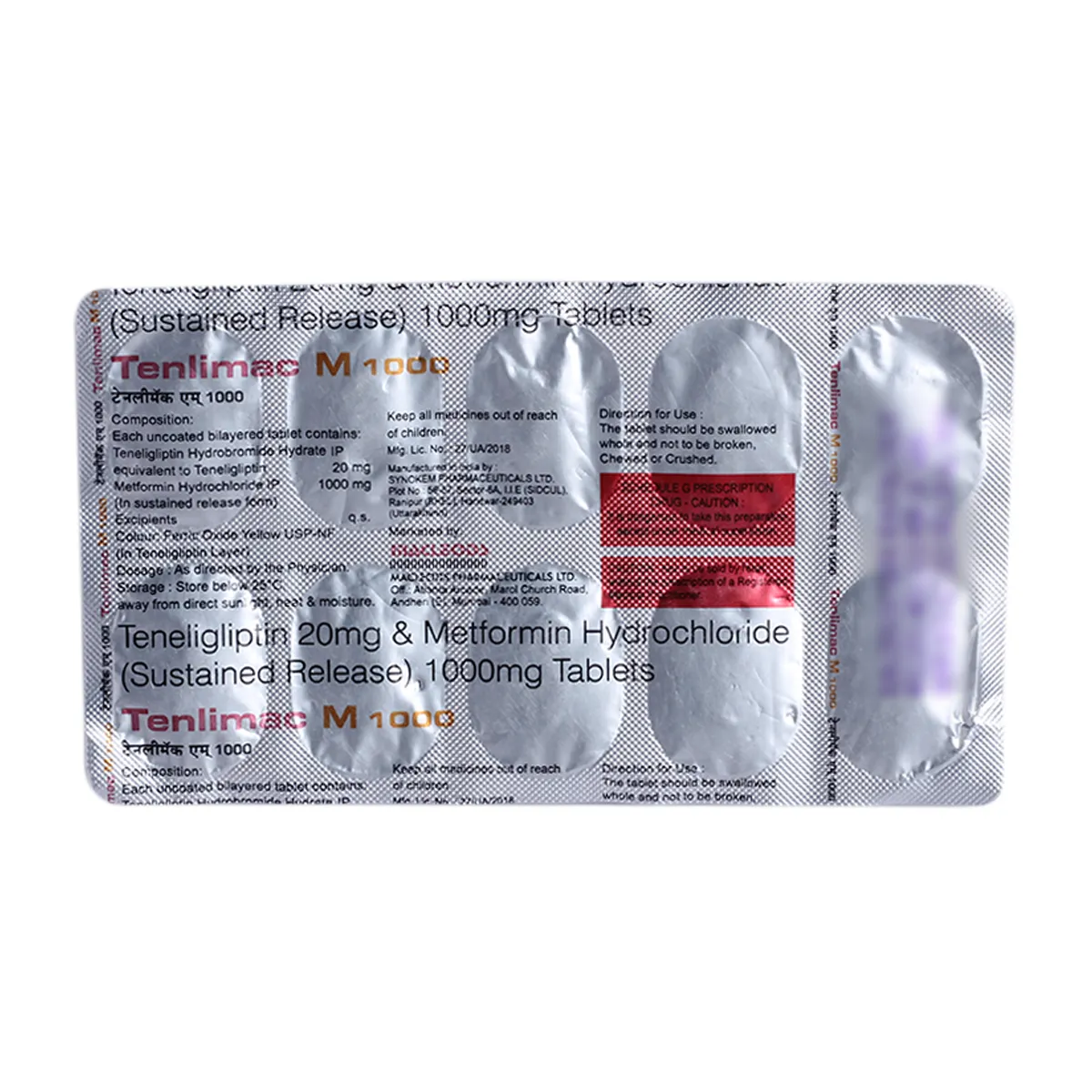
Tenlimac M 1000 Tablet SR is a combination oral antidiabetic medication containing Metformin and Teneligliptin.
-
Metformin (1000mg): A biguanide that reduces hepatic glucose production and improves insulin sensitivity, helping to lower blood sugar levels.
-
Teneligliptin (20mg): A DPP-4 inhibitor that enhances insulin secretion and reduces glucagon release after meals, supporting better glycemic control.
This combination provides dual-action blood sugar control, suitable for patients not adequately controlled by monotherapy. The SR (sustained release) formulation ensures stable plasma drug levels and reduces gastrointestinal side effects.
Uses
Tenlimac M 1000 Tablet SR is prescribed for:
-
Management of type 2 diabetes mellitus
-
Patients not controlled by Metformin or Teneligliptin alone
-
Improving fasting and postprandial blood glucose levels
-
Long-term glycemic control and diabetes management
Advantages
-
Dual mechanism of action for enhanced blood sugar control
-
Sustained-release formulation reduces gastrointestinal discomfort
-
Can be used as monotherapy or in combination with other antidiabetic agents
-
Convenient once-daily dosing improves patient compliance
Possible Side Effects
Common side effects:
Rare but serious side effects:
-
Lactic acidosis (rare, more likely in kidney or liver dysfunction)
-
Severe hypoglycemia (when combined with other antidiabetic drugs)
-
Pancreatitis (rare)
Precautions
-
Take as prescribed, preferably with meals to reduce gastrointestinal side effects
-
Regularly monitor blood sugar levels
-
Inform your doctor if you have kidney, liver, or heart disease
-
Not recommended for type 1 diabetes or diabetic ketoacidosis
-
Seek medical attention for unusual abdominal pain or signs of hypoglycemia
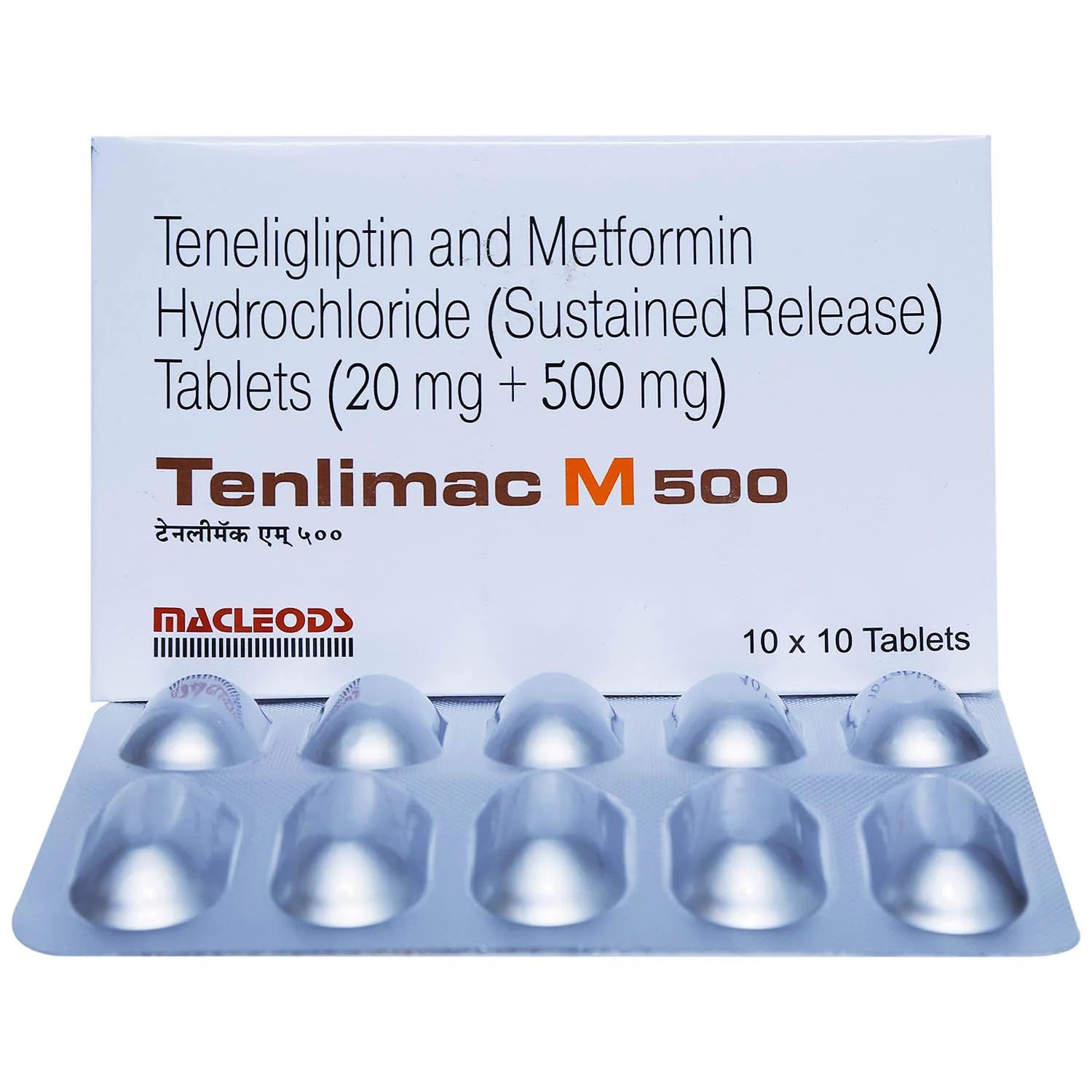
Tenlimac M 500 Tablet SR is a combination oral antidiabetic medication containing Metformin and Teneligliptin.
-
Metformin (500mg): A biguanide that reduces glucose production in the liver and improves insulin sensitivity, lowering blood sugar levels.
-
Teneligliptin (20mg): A DPP-4 inhibitor that enhances insulin secretion and reduces glucagon release after meals, improving glycemic control.
The SR (sustained-release) formulation provides stable plasma drug levels, reduces gastrointestinal side effects, and allows for once-daily dosing.
Uses
Tenlimac M 500 Tablet SR is prescribed for:
-
Management of type 2 diabetes mellitus
-
Patients not adequately controlled by Metformin or Teneligliptin alone
-
Improving fasting and postprandial blood glucose
-
Long-term glycemic control
Advantages
-
Dual mechanism of action for enhanced blood sugar control
-
Sustained-release formulation reduces gastrointestinal discomfort
-
Can be used as monotherapy or in combination with other antidiabetic agents
-
Convenient once-daily dosing improves patient compliance
Possible Side Effects
Common side effects:
Rare but serious side effects:
-
Lactic acidosis (rare, especially in kidney or liver impairment)
-
Severe hypoglycemia (when combined with other antidiabetic drugs)
-
Pancreatitis (rare)
Precautions
-
Take as prescribed, preferably with meals to reduce gastrointestinal side effects
-
Regularly monitor blood sugar levels
-
Inform your doctor if you have kidney, liver, or heart disease
-
Not suitable for type 1 diabetes or diabetic ketoacidosis
-
Seek medical attention for unusual abdominal pain or signs of hypoglycemia
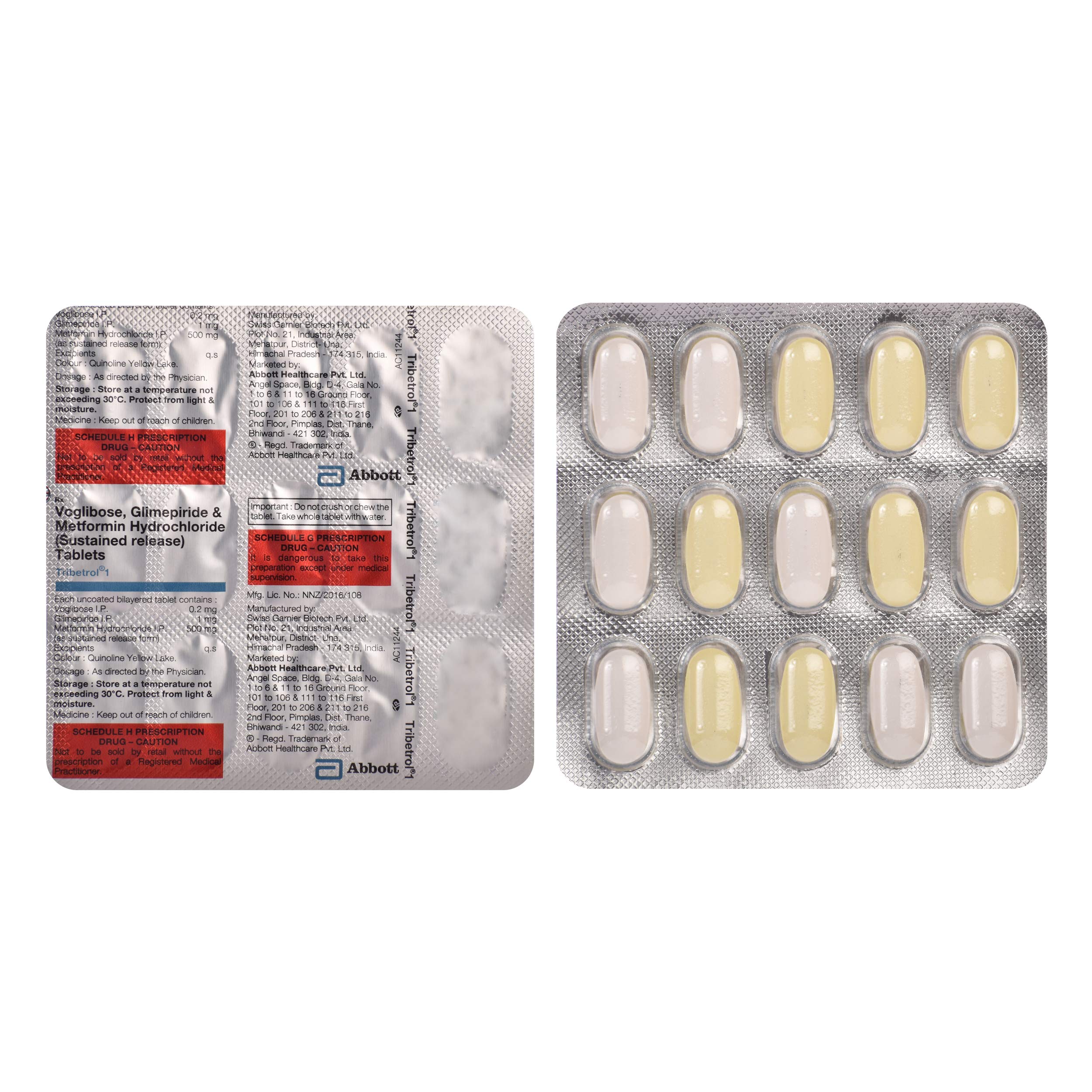
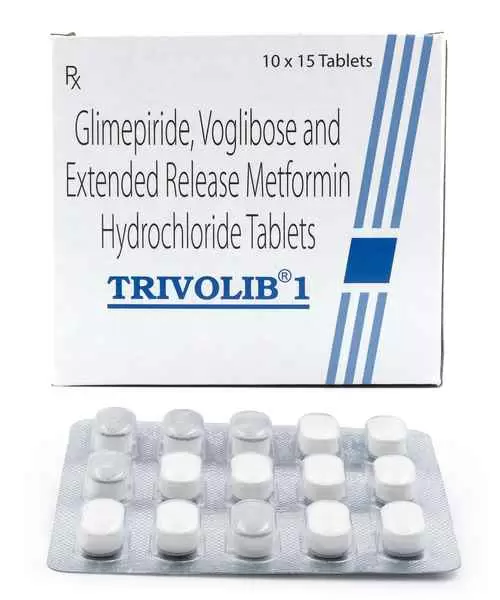
Tribetrol 1 Tablet SR is a triple-combination oral antidiabetic medicine designed to manage type 2 diabetes mellitus by targeting multiple pathways for blood sugar control. It contains:
-
Glimepiride (1mg): A sulfonylurea that stimulates the pancreas to secrete more insulin.
-
Metformin (500mg): A biguanide that reduces glucose production in the liver and improves insulin sensitivity.
-
Voglibose (0.2mg): An alpha-glucosidase inhibitor that delays the absorption of carbohydrates from the intestine, controlling post-meal blood sugar spikes.
The SR (Sustained Release) formulation ensures gradual release of the medication, maintaining steady blood glucose levels throughout the day.
Uses:
-
Management of type 2 diabetes mellitus when diet and exercise alone are insufficient
-
Controls fasting and postprandial blood glucose levels
-
Helps prevent diabetes-related complications such as neuropathy, kidney damage, and cardiovascular issues
-
Suitable for patients who require triple therapy for better glucose control
How to Use:
-
Take once daily with meals, preferably at the same time each day.
-
Swallow the SR tablet whole; do not crush or chew.
-
Follow your doctor’s instructions regarding diet, exercise, and blood sugar monitoring.
Side Effects:
Common:
-
Gastrointestinal upset: nausea, diarrhea, stomach discomfort
-
Headache, dizziness, fatigue
-
Hypoglycemia (especially due to Glimepiride)
Serious (seek medical help):
-
Severe hypoglycemia (confusion, sweating, shakiness, fainting)
-
Liver dysfunction (jaundice, dark urine)
-
Allergic reactions (rash, swelling, difficulty breathing)
Safety Advice:
-
Alcohol: Avoid excessive alcohol; may increase hypoglycemia risk.
-
Pregnancy & Breastfeeding: Consult your doctor; generally not recommended.
-
Kidney/Liver Disease: Use with caution; regular monitoring advised.
-
Monitoring: Regular blood sugar and liver function tests are recommended.
-
Drug Interactions: Inform your doctor about other antidiabetic drugs, steroids, diuretics, or heart medications.
Storage:
-
Store in a cool, dry place, away from sunlight and moisture.
-
Keep out of reach of children.

Tribetrol 2 Tablet SR is a triple-combination oral antidiabetic medicine used for the management of type 2 diabetes mellitus. It works through multiple mechanisms to provide effective blood sugar control:
-
Glimepiride (2mg): A sulfonylurea that stimulates insulin secretion from the pancreas.
-
Metformin (500mg): A biguanide that reduces glucose production in the liver and increases insulin sensitivity.
-
Voglibose (0.2mg): An alpha-glucosidase inhibitor that slows carbohydrate absorption in the intestine, reducing post-meal blood sugar spikes.
The SR (Sustained Release) formulation ensures a gradual release of the medication for consistent blood sugar management throughout the day.
Uses:
-
Management of type 2 diabetes mellitus when diet and exercise alone are insufficient
-
Controls fasting and postprandial blood glucose levels
-
Helps reduce the risk of diabetes-related complications such as neuropathy, kidney damage, and cardiovascular disease
-
Suitable for patients requiring triple therapy for improved glucose control
How to Use:
-
Take once daily with meals, preferably at the same time each day.
-
Swallow the SR tablet whole; do not crush or chew.
-
Maintain a healthy diet, exercise regularly, and monitor blood sugar as advised by your doctor.
Side Effects:
Common:
-
Nausea, diarrhea, stomach discomfort
-
Headache, dizziness, fatigue
-
Hypoglycemia (especially due to Glimepiride)
Serious (seek medical attention):
-
Severe hypoglycemia (confusion, sweating, shakiness, fainting)
-
Liver dysfunction (yellowing of eyes/skin, dark urine)
-
Allergic reactions (rash, swelling, difficulty breathing)
Safety Advice:
-
Alcohol: Avoid excessive consumption; may increase hypoglycemia risk.
-
Pregnancy & Breastfeeding: Use only if prescribed; generally not recommended.
-
Kidney/Liver Disease: Use with caution; regular monitoring is advised.
-
Monitoring: Regular blood sugar and liver function tests are necessary.
-
Drug Interactions: Inform your doctor about other medications, including antidiabetics, steroids, diuretics, or heart medicines.
Storage:
-
Store in a cool, dry place, away from sunlight and moisture.
-
Keep out of reach of children.

Triopil 1 Tablet SR is a triple-combination antidiabetic medication used to manage type 2 diabetes mellitus.
-
Glimepiride stimulates insulin secretion from the pancreas.
-
Metformin improves insulin sensitivity and reduces hepatic glucose production.
-
Pioglitazone enhances peripheral glucose uptake and utilization.
This sustained-release (SR) formulation provides controlled and prolonged blood sugar management, helping patients maintain optimal glycemic control.
Uses / Indications:
Dosage:
-
Take as prescribed by a healthcare professional
-
Usually once daily, with or after meals to minimize gastrointestinal side effects
Side Effects:
-
Hypoglycemia (low blood sugar)
-
Nausea, vomiting, or stomach upset
-
Weight gain
-
Rare allergic reactions
Precautions:
-
Monitor blood glucose levels regularly
-
Use with caution in patients with liver, kidney, or heart problems
-
Not recommended during pregnancy or breastfeeding
-
Inform your doctor about all other medications being taken
Storage:

Triopil 2 Tablet SR is a triple-combination antidiabetic medication used to manage type 2 diabetes mellitus.
-
Glimepiride stimulates insulin secretion from the pancreas.
-
Metformin improves insulin sensitivity and reduces hepatic glucose production.
-
Pioglitazone enhances peripheral glucose uptake and utilization.
This sustained-release (SR) formulation provides controlled and prolonged blood sugar management, helping patients maintain optimal glycemic control.
Uses / Indications:
Dosage:
-
Take as prescribed by a healthcare professional
-
Usually once daily, with or after meals to minimize gastrointestinal side effects
Side Effects:
-
Hypoglycemia (low blood sugar)
-
Nausea, vomiting, or stomach upset
-
Weight gain
-
Rare allergic reactions
Precautions:
-
Monitor blood glucose levels regularly
-
Use with caution in patients with liver, kidney, or heart problems
-
Not recommended during pregnancy or breastfeeding
-
Inform your doctor about all other medications being taken
Storage: