Fertigyn HP 10000 Injection contains Human Chorionic Gonadotropin (hCG), a hormone used in fertility treatments. hCG mimics the luteinizing hormone (LH) in the body, helping to trigger ovulation in women and stimulating testosterone production in men. It is commonly used under medical supervision to manage infertility or hormonal deficiencies.
Uses:
-
Inducing ovulation in women undergoing fertility treatment
-
Supporting luteal phase in assisted reproductive technology (ART) procedures
-
Stimulating testosterone production in men with hypogonadism
-
Treating certain hormone-related conditions as advised by a doctor
How to Use:
-
Administered by injection only under medical supervision.
-
Dosage and frequency depend on the patient’s condition and treatment protocol.
-
Can be given subcutaneously or intramuscularly, as prescribed.
-
Follow the doctor’s instructions for preparation, injection site, and timing.
Precautions:
-
Use only under strict medical supervision.
-
Inform your doctor if you have any hormone-sensitive tumors, ovarian cysts, or kidney/liver problems.
-
Pregnant women should not use unless specifically prescribed.
-
Avoid self-injection without training.
-
Monitor for signs of allergic reactions or ovarian hyperstimulation.
Possible Side Effects:
-
Mild pain, redness, or swelling at the injection site
-
Headache, fatigue, or mood changes
-
Ovarian hyperstimulation syndrome (in women, rare but serious)
-
Gynecomastia, acne, or fluid retention (in men, rare)
-
Severe allergic reaction (very rare; seek immediate medical attention)
Important:
-
Fertigyn HP 10000 Injection is available only with a doctor’s prescription.
-
Proper storage and handling are required; usually stored in a refrigerator.
-
Regular monitoring by a healthcare professional is essential during treatment.
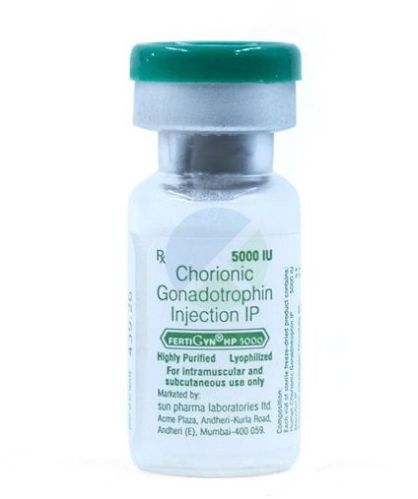
Fertigyn HP 5000 Injection contains Human Chorionic Gonadotropin (hCG), a hormone used in fertility treatments and hormonal therapy. hCG mimics the luteinizing hormone (LH), helping to trigger ovulation in women and stimulate testosterone production in men. It is administered under medical supervision for infertility management and hormone-related conditions.
Uses:
-
Induction of ovulation in women undergoing fertility treatment
-
Supporting luteal phase in assisted reproductive technology (ART) protocols
-
Testosterone stimulation in men with hypogonadism
-
Treatment of certain hormone deficiencies as prescribed by a doctor
How to Use:
-
Administered by injection only, either subcutaneously or intramuscularly, under medical supervision.
-
Dosage and frequency depend on individual condition and treatment plan.
-
Follow the doctor’s instructions carefully for preparation, injection site, and timing.
-
Do not self-administer without proper guidance.
Precautions:
-
Use strictly under medical supervision.
-
Inform your doctor if you have hormone-sensitive tumors, ovarian cysts, or kidney/liver disease.
-
Not recommended for pregnant women unless specifically prescribed.
-
Monitor for allergic reactions, ovarian hyperstimulation (in women), or unusual symptoms.
Possible Side Effects:
-
Injection site pain, redness, or swelling
-
Headache, fatigue, or mood changes
-
Ovarian hyperstimulation syndrome (rare, in women)
-
Gynecomastia, acne, or fluid retention (rare, in men)
-
Rare severe allergic reactions (seek immediate medical attention if they occur)
Important:
-
Fertigyn HP 5000 Injection is available only with a doctor’s prescription.
-
Store properly, usually refrigerated, and follow all handling instructions.
-
Regular monitoring by a healthcare professional is essential during treatment.
Uses:
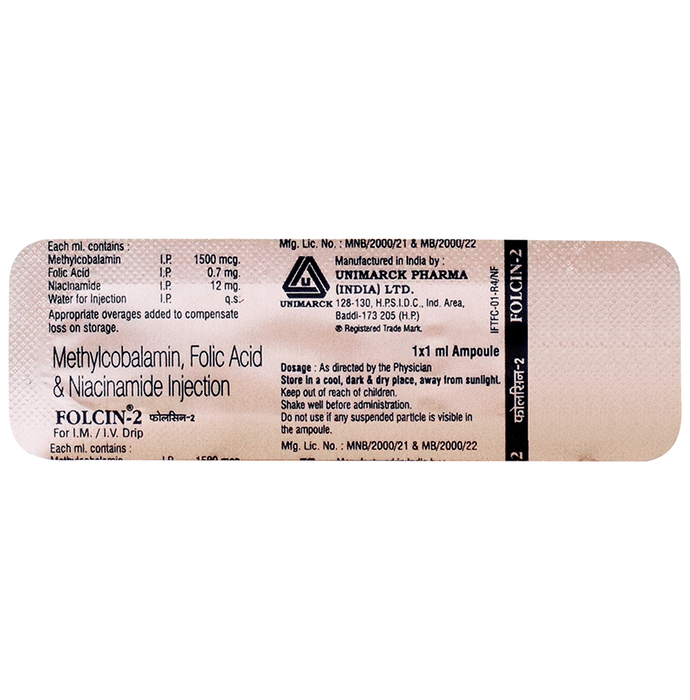
Folcin 2 Injection is prescribed for:
-
Treatment and prevention of megaloblastic anemia due to folic acid or vitamin B12 deficiency.
-
Managing peripheral neuropathy (nerve pain or tingling).
-
Supporting recovery in conditions like diabetes-related nerve damage and nutritional deficiencies.
-
Enhancing energy metabolism and maintaining healthy skin and nerves.
Role of Ingredients:
-
Folic Acid (0.7mg): Essential for red blood cell production and DNA synthesis; prevents anemia.
-
Methylcobalamin (1500mcg): An active form of Vitamin B12 that supports nerve health and regeneration.
-
Niacinamide (12mg): A form of Vitamin B3 that helps in energy production and maintains skin and nerve health.
How to Use:
-
Administered intramuscularly (IM) or intravenously (IV) under the supervision of a qualified healthcare professional.
-
The dose and frequency depend on the patient’s condition and doctor’s recommendation.
-
Do not self-administer this injection.
Precautions:
-
For medical use only under doctor’s guidance.
-
Inform your doctor about any liver, kidney, or bleeding disorders before use.
-
Avoid alcohol consumption as it may reduce vitamin absorption.
-
Pregnant or breastfeeding women should use only if prescribed by a doctor.
-
Store in a cool, dark place, protected from light.
Dosage:
Usually given once or twice a week, or as directed by the physician, depending on the severity of deficiency or symptoms.
Side Effects:
Possible side effects include:
Seek medical help if you experience severe allergic reactions like swelling or difficulty breathing.
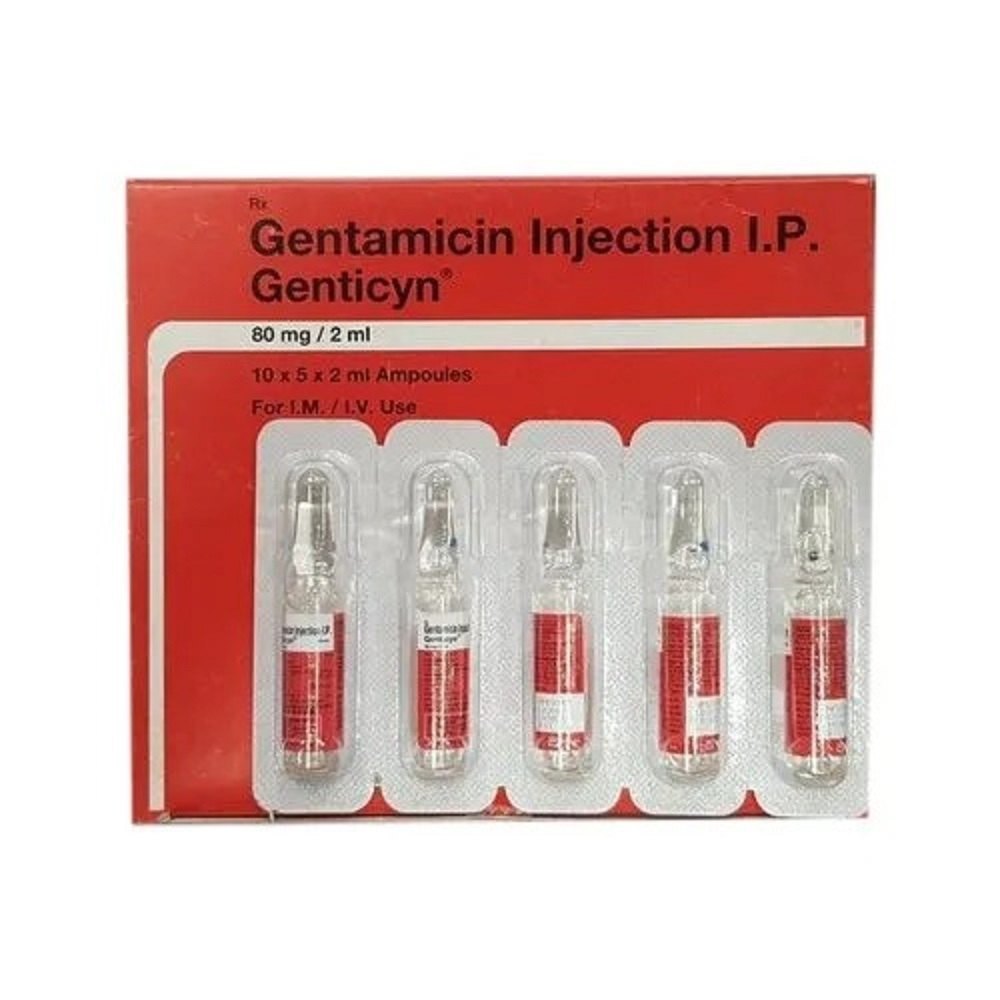
Genticyn 80mg Injection is an aminoglycoside antibiotic used for the treatment of a wide variety of serious bacterial infections. It is particularly effective against Gram-negative bacteria but also works on some Gram-positive organisms. The active ingredient, Gentamicin, belongs to the aminoglycoside group and works by stopping bacterial protein synthesis, thereby killing the bacteria and preventing the infection from spreading. This injection is generally prescribed when oral antibiotics are ineffective or not suitable, and is commonly used in hospital settings for severe infections.
Uses:
-
Treatment of severe bacterial infections caused by susceptible organisms.
-
Urinary tract infections (UTIs) caused by resistant bacteria.
-
Respiratory tract infections such as pneumonia and bronchitis due to Gram-negative bacteria.
-
Intra-abdominal infections including peritonitis.
-
Septicemia (blood poisoning) and other bloodstream infections.
-
Skin, bone, and soft tissue infections including burns and post-surgical infections.
-
Meningitis and central nervous system infections (as part of combination therapy).
-
Used in hospital-acquired infections, especially when other antibiotics fail.
Dosage & Administration:
-
Genticyn 80mg Injection is given intramuscularly (IM) or intravenously (IV) by a healthcare professional only.
-
The dose depends on the patient’s age, weight, kidney function, and severity of infection.
-
In adults, the typical dosage ranges from 3–5 mg/kg/day in divided doses.
-
For children and infants, dosage is carefully calculated according to body weight.
-
The duration of therapy usually lasts 7–10 days, but may be adjusted by the doctor.
Mechanism of Action:
Gentamicin binds to the bacterial 30S ribosomal subunit, interfering with protein synthesis. This results in the production of defective proteins and ultimately leads to bacterial cell death.
Side Effects:
Like all aminoglycosides, Genticyn may cause some side effects. Common and serious ones include:
-
Common side effects: Nausea, vomiting, headache, injection site pain, dizziness, fever.
-
Serious side effects:
-
Nephrotoxicity (kidney damage): Signs include reduced urine output or swelling.
-
Ototoxicity (ear damage): Hearing loss, ringing in the ears, balance problems.
-
Neurotoxicity: Tingling, numbness, or muscle weakness.
-
Rarely, allergic reactions such as rash, itching, or breathing difficulty.
Precautions:
-
Should be used with extreme caution in patients with kidney disease.
-
Regular kidney function tests and hearing tests are recommended during therapy.
-
Not advised during pregnancy and breastfeeding unless absolutely necessary.
-
Avoid combining with other nephrotoxic or ototoxic drugs (e.g., furosemide, vancomycin, amphotericin B).
-
Use in elderly patients requires extra caution due to higher risk of kidney and ear toxicity.
Storage:
-
Store below 25°C, protected from light and moisture.
-
Keep out of reach of children.
-
Do not use if the solution appears discolored or contains particles.
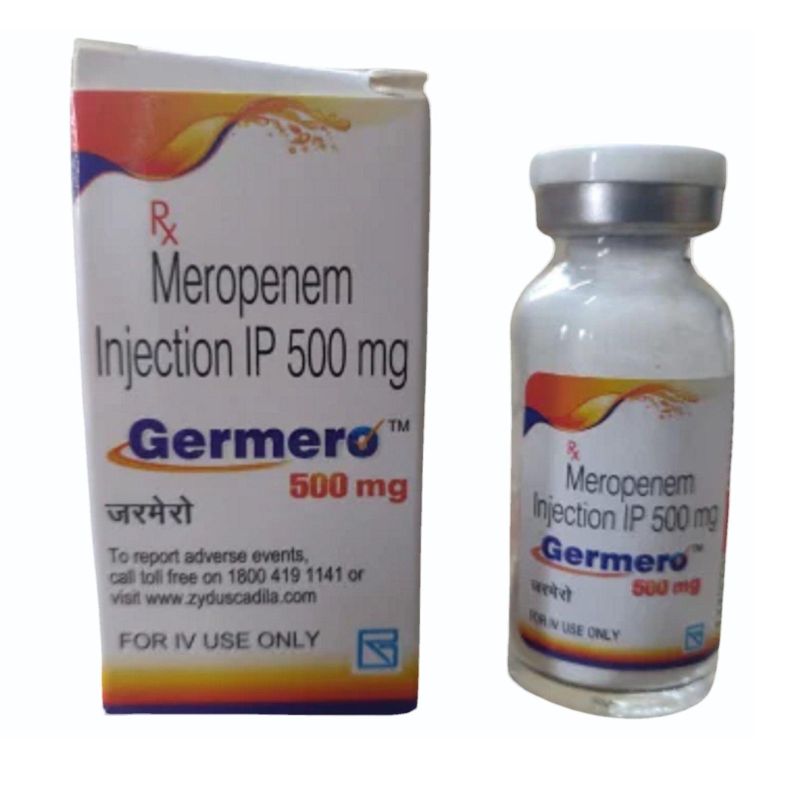
Germero 500mg Injection contains Meropenem which is a broad spectrum antibiotic used to treat serious bacterial infections It belongs to the carbapenem group of antibiotics and works by killing the bacteria responsible for causing infection Germero is commonly used in hospitals for treating infections of the lungs urinary tract skin soft tissues abdomen and brain including meningitis This injection provides effective and fast action against severe infections that do not respond to other antibiotics ensuring proper recovery and protection from complications
Uses
Germero 500mg Injection is used for the treatment of severe bacterial infections such as pneumonia urinary tract infections intra abdominal infections skin and soft tissue infections gynecological infections and meningitis It is also used in cases where infections are resistant to other antibiotics The main goal of this medicine is to eliminate bacteria and prevent their growth and spread in the body
How to Use
Germero 500mg Injection is given by a doctor or nurse as an injection or intravenous infusion in a hospital or clinical setting The dose and duration of treatment depend on the type and severity of infection as well as the patient’s age weight and overall health It is important to complete the full course of treatment as advised by the doctor even if the symptoms improve early Stopping the medicine too soon may allow the infection to return or worsen
Precautions
Germero 500mg Injection should be used only under medical supervision Inform your doctor if you have any history of kidney problems seizures or allergic reactions to antibiotics like penicillins or cephalosporins This medicine should be used with caution in pregnant or breastfeeding women Always inform your healthcare provider about any other medicines you are taking to avoid interactions Adequate hydration should be maintained during treatment to support kidney function
Side Effects
Some common side effects may include pain or swelling at the injection site nausea vomiting headache diarrhea and rash In rare cases allergic reactions or changes in blood cell count may occur Most side effects are mild and temporary but if severe symptoms such as breathing difficulty or persistent rash appear immediate medical attention is required
Regulatory Information
Germero 500mg Injection is regulated under the National Pharmaceutical Pricing Authority which ensures fair pricing and maintains quality standards for patient safety Zydus Cadila manufactures this medicine following strict pharmaceutical guidelines to ensure effectiveness and purity
Uses
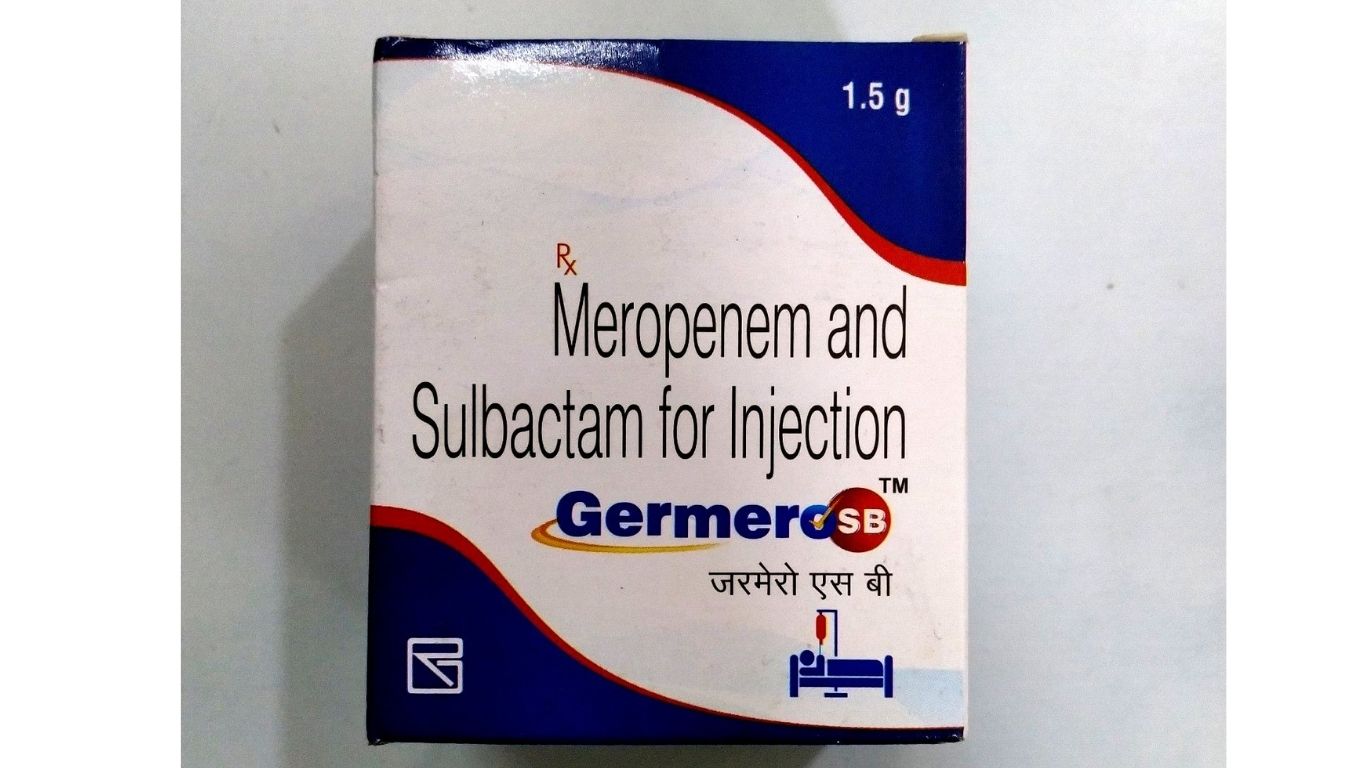
Germero SB 1.5gm Injection is an antibiotic medicine used to treat different types of serious bacterial infections
It is mainly used in infections of the lungs urinary tract abdomen skin brain and female reproductive organs
It works by killing harmful bacteria and stopping their growth
Precautions
Use this injection only under the supervision of a doctor
Inform your doctor if you have kidney or liver problems or a history of fits or allergies to any antibiotics
Pregnant or breastfeeding women should take it only if advised by the doctor
Always complete the full treatment course to prevent the infection from coming back
Side Effects
Some people may feel nausea vomiting diarrhea headache rash or pain at the injection site
Inform your doctor if you notice severe allergic reactions or fits
How to Use
Germero SB Injection is given into a vein by a doctor or nurse in a hospital
Do not inject it yourself
The dose and duration depend on the type and severity of the infection and your health condition

Grandem Injection contains Granisetron (1 mg), a 5-HT3 receptor antagonist that helps in preventing and treating nausea and vomiting. It is widely used in patients undergoing chemotherapy, radiotherapy, or surgical procedures, where these side effects are common. The injection is usually administered in a hospital or clinic under medical supervision for fast and reliable action.
Uses / Indications
-
Prevention of chemotherapy-induced nausea and vomiting (CINV)
-
Prevention of radiotherapy-induced nausea and vomiting
-
Management of post-operative nausea and vomiting (PONV)
How It Works (Mechanism of Action)
-
Granisetron works by blocking serotonin (5-HT3) receptors in the brain and gut.
-
Serotonin is a natural substance responsible for triggering the vomiting reflex.
-
By blocking serotonin’s action, the injection helps prevent and relieve nausea and vomiting.
Dosage & Administration
-
Administered intravenously (IV) by a healthcare professional.
-
Given before chemotherapy/radiotherapy or before/after surgery depending on the case.
-
Dose, frequency, and duration depend on patient’s age, condition, and response to therapy.
-
Not self-administered – must be given under medical guidance.
Side Effects
Common:
-
Headache
-
Constipation or diarrhea
-
Weakness, fatigue
Less common:
Serious (rare):
-
Severe allergic reaction (rash, swelling, difficulty breathing)
-
Abnormal heart rhythms (QT prolongation, palpitations)
-
Severe constipation or abdominal pain
Precautions & Warnings
-
Should only be used under doctor’s supervision.
-
Caution in patients with heart disease, arrhythmias, or electrolyte imbalance.
-
Inform the doctor about all medicines, especially those affecting heart rhythm (like antiarrhythmics, antidepressants).
-
Use in pregnancy or breastfeeding only if clearly prescribed.
-
Not suitable for patients allergic to Granisetron or other 5-HT3 antagonists (e.g., Ondansetron).
Summary
Grandem Injection (Granisetron 1 mg) is an effective anti-nausea and anti-vomiting medicine commonly used in chemotherapy, radiotherapy, and surgical patients. It is well-tolerated but must be given in a hospital/clinic setting to ensure safety and effectiveness, with monitoring for rare but serious side effects.
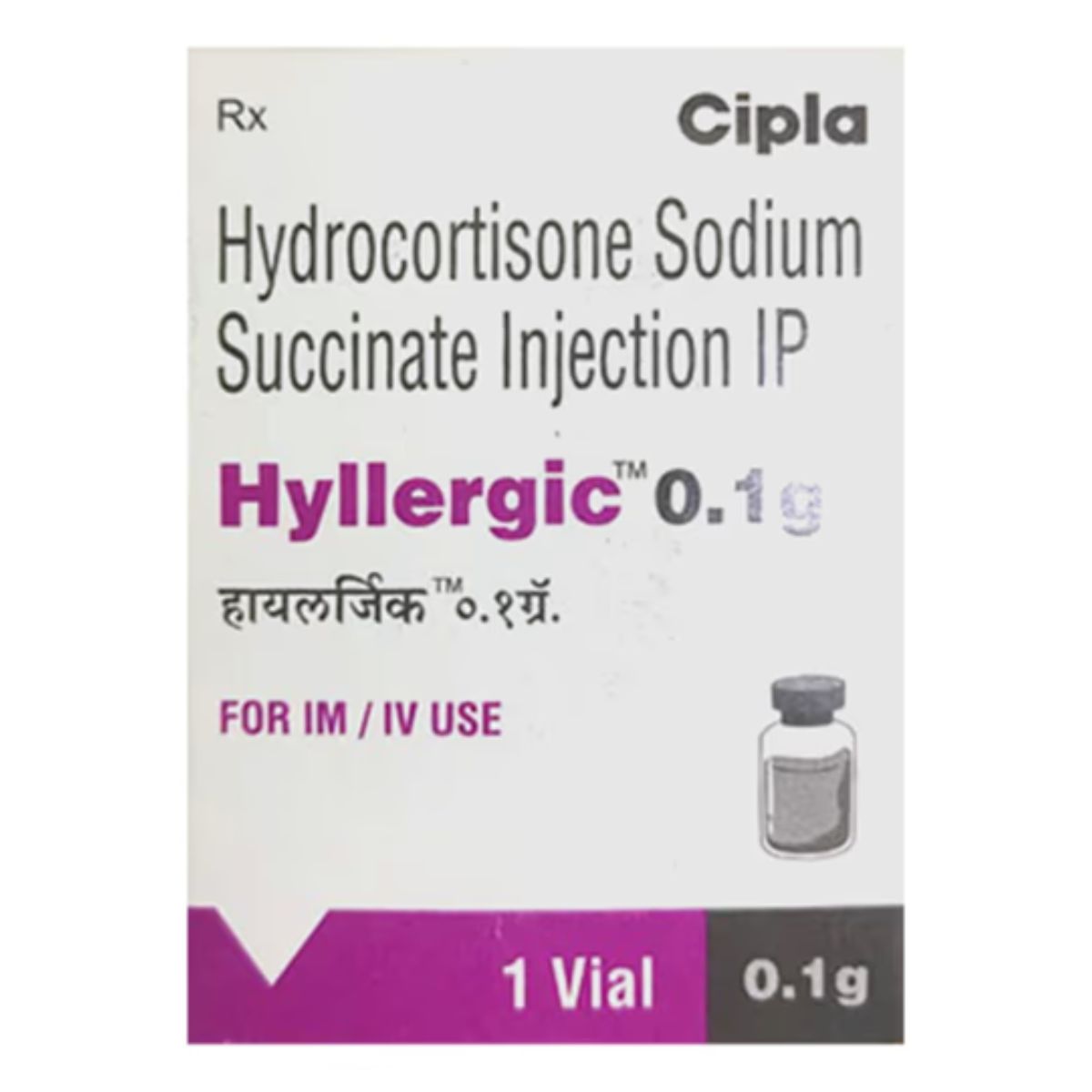
Hyllergic 100mg Injection is a prescription medicine containing Hydrocortisone 100mg, a corticosteroid that reduces inflammation and suppresses the immune system. It is commonly used in hospitals and emergency settings to manage severe allergic reactions (anaphylaxis as an adjunct to standard treatment), acute asthma attacks, adrenal crisis, inflammatory conditions, and autoimmune diseases.
Hydrocortisone works by reducing the release of substances in the body that cause inflammation and allergic reactions, helping relieve swelling, redness, pain, and other symptoms.
Uses of Hyllergic 100mg Injection
- Severe allergic reactions
- Acute asthma attacks
- Adrenal insufficiency (Adrenal crisis)
- Autoimmune disorders
- Severe inflammatory conditions
- Rheumatic disorders
- Skin and eye inflammatory conditions
- Shock (as directed by a doctor)
Benefits of Hyllergic 100mg Injection
- Provides rapid relief from severe allergic reactions
- Reduces inflammation and swelling
- Helps control immune system overactivity
- Supports treatment of adrenal insufficiency
- Improves symptoms in acute medical emergencies
How Hyllergic 100mg Injection Works
Hydrocortisone is a corticosteroid that blocks the production of inflammatory chemicals and suppresses excessive immune responses. This reduces swelling, redness, itching, pain, and allergic symptoms while helping the body cope with stress in adrenal insufficiency.
Dosage
- Hyllergic 100mg Injection should be administered only by a doctor or qualified healthcare professional.
- The dosage and duration depend on the patient’s age, medical condition, and response to treatment.
- Do not self-administer unless instructed by a healthcare provider.
How to Use
- Administer as an intravenous (IV) or intramuscular (IM) injection as prescribed.
- Use only under medical supervision.
- Follow your doctor’s instructions regarding dosage and treatment duration.
Side Effects
Common side effects include:
- Pain or redness at the injection site
- Increased blood sugar levels
- Increased appetite
- Mood changes
- Difficulty sleeping
- Stomach discomfort
- Fluid retention
Seek immediate medical attention if you experience severe allergic reactions, vision changes, severe infection, black stools, or persistent swelling.
Precautions
- Inform your doctor if you have diabetes, high blood pressure, heart disease, liver disease, kidney disease, osteoporosis, glaucoma, stomach ulcers, or active infections.
- Long-term use may increase the risk of infections, osteoporosis, cataracts, and adrenal suppression.
- Do not stop prolonged corticosteroid therapy suddenly without medical advice.
- Inform your doctor if you are pregnant or breastfeeding.
Drug Interactions
Hyllergic 100mg Injection may interact with:
- NSAIDs (Ibuprofen, Diclofenac)
- Blood thinners (Warfarin)
- Antidiabetic medicines
- Diuretics
- Rifampicin
- Phenytoin
- Live vaccines
Inform your doctor about all medicines, vitamins, and herbal supplements you are taking.
Uses
- Iron deficiency
- Iron-deficiency anaemia
- Iron replacement when oral iron is unsuitable or insufficient
- Iron supplementation when prescribed by a healthcare professional
Key Benefits
- Provides iron directly through injection
- Helps replenish iron stores
- Supports haemoglobin formation
- Helps manage iron deficiency when injectable iron is medically indicated
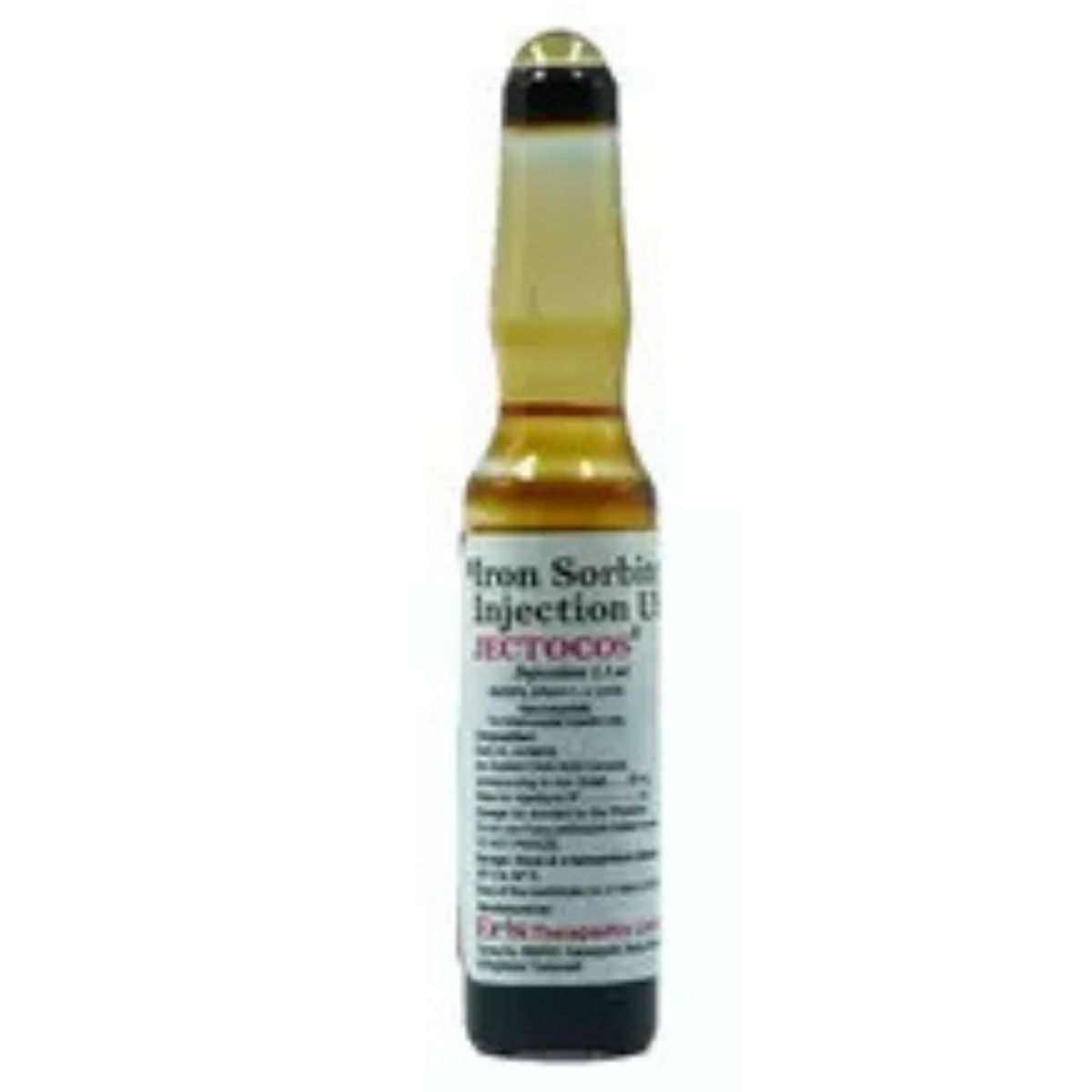
How Jectocos Injection Works
Iron is an essential mineral required for the formation of haemoglobin, the protein in red blood cells responsible for carrying oxygen throughout the body.
Jectocos Injection provides iron to help replenish depleted iron stores and support normal red blood cell production.
How to Use
Jectocos Injection must be administered only by a qualified healthcare professional.
- The injection should not be self-administered.
- The healthcare professional will determine the appropriate dose and administration method based on the severity of iron deficiency and individual requirements.
- Follow the complete treatment schedule prescribed by your doctor.
- Your doctor may monitor haemoglobin and iron levels during treatment.
Side Effects
Possible side effects may include:
- Pain or irritation at the injection site
- Nausea
- Headache
- Dizziness
- Flushing
- Temporary changes in taste
- Muscle or joint discomfort
Rarely, injectable iron can cause serious allergic or hypersensitivity reactions. Seek immediate medical attention if you develop difficulty breathing, swelling of the face or throat, severe dizziness, or fainting.
Precautions
- Use only under medical supervision.
- Tell your doctor if you have previously experienced an allergic reaction to injectable iron.
- Inform your doctor about liver disease, kidney disease, or other significant medical conditions.
- Iron injections should be administered in a setting where appropriate treatment for a severe allergic reaction is available.
- Do not take additional iron supplements unless advised by your doctor.
- Keep out of reach of children.
Drug Interactions
Tell your doctor about all medicines and supplements you are taking. Particular attention may be required if you are also taking oral iron preparations or other medicines affecting iron absorption or metabolism.
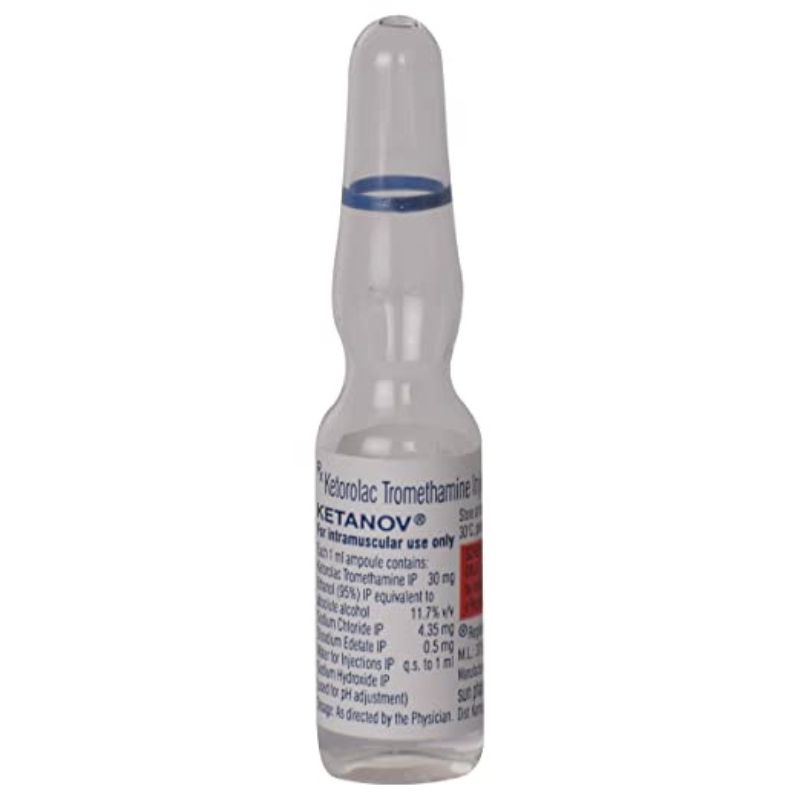
Ketanov Injection contains Ketorolac, a non-steroidal anti-inflammatory drug (NSAID) used for the short-term management of moderate to severe pain, especially when oral administration is not possible. It provides quick and effective pain relief by blocking prostaglandins — substances responsible for pain, inflammation, and swelling.
Uses:
-
Postoperative pain (after surgery or dental procedures)
-
Musculoskeletal pain (muscle, joint, or bone pain)
-
Trauma or injury-related pain
-
Renal colic (kidney stone pain)
-
Severe headache or migraine
-
Postpartum pain (after childbirth, under medical supervision)
Dosage:
-
Dosage depends on patient condition, age, and response to treatment.
-
Typically given intramuscularly (IM) or intravenously (IV) by a healthcare professional.
-
Not recommended for use beyond 5 days due to potential side effects.
How to Use:
-
To be administered by a doctor or nurse only.
-
Should not be self-injected.
-
The dose and frequency are adjusted as per the medical condition and response.
Precautions:
-
Avoid in patients with kidney disease, stomach ulcers, heart problems, or bleeding disorders.
-
Not recommended during pregnancy or breastfeeding.
-
Avoid combining with other NSAIDs, alcohol, or anticoagulants (blood thinners).
-
Inform your doctor about all ongoing medications before use.
Side Effects:
-
Pain or redness at the injection site
-
Nausea, vomiting
-
Dizziness or drowsiness
-
Stomach upset or heartburn
-
Rarely: kidney issues, stomach ulcers, or bleeding
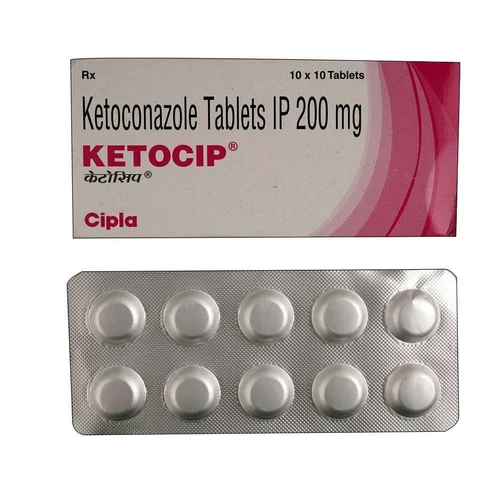
Ketocip Tablet is an antifungal medicine manufactured by Cipla Ltd. It contains Ketoconazole 200mg, an imidazole antifungal drug widely used to treat various fungal infections of the skin, nails, and internal organs.
Ketoconazole works by blocking the synthesis of ergosterol, an essential component of fungal cell membranes. Without ergosterol, the fungal cell wall weakens, causing leakage of cell contents and eventually leading to the death of the fungus.
Uses of Ketocip Tablet
-
Systemic fungal infections (affecting internal organs)
-
Dermatophytosis (ringworm, athlete’s foot, jock itch)
-
Onychomycosis (fungal nail infections)
-
Chronic mucocutaneous candidiasis
-
Seborrheic dermatitis & dandruff (when systemic therapy is required)
-
Fungal infections resistant to topical treatments
Dosage & Administration
-
Usual adult dose: 200mg once daily with food (to improve absorption).
-
In severe cases, the dose may be increased to 400mg per day, as prescribed by a doctor.
-
Swallow whole with water, preferably at the same time every day.
-
Treatment duration depends on the type and severity of infection (from a few days to several weeks or months).
Precautions
-
Should be taken only under strict medical supervision.
-
Contraindicated in patients with serious liver disease.
-
Regular liver function monitoring is required during long-term therapy.
-
Avoid alcohol as it may increase the risk of liver toxicity.
-
May interact with medicines like antacids, anticoagulants, antidiabetics, rifampicin, phenytoin, and corticosteroids.
-
Use during pregnancy and breastfeeding should be avoided unless absolutely necessary.
Possible Side Effects
-
Nausea, vomiting, abdominal discomfort
-
Headache, dizziness
-
Itching or rash
-
Swelling of the breast in males (gynecomastia) due to hormonal effects
-
Menstrual irregularities in females (rare)
-
Serious but rare: Hepatitis, liver enzyme elevation, severe allergic reactions

Lesuride Injection contains Levosulpiride 25mg and is used to treat digestive disorders and certain psychiatric conditions. It works by improving stomach motility and regulating chemicals in the brain that affect mood and behavior.
Uses
-
Treatment of indigestion, bloating, and delayed gastric emptying
-
Relief from nausea and vomiting
-
Management of certain psychiatric disorders like depression or anxiety under doctor supervision
Dosage / How to Use
-
Administered only by a healthcare professional
-
Dosage depends on the patient’s condition and response
-
Not for self-administration
Precautions
-
Inform your doctor if you have kidney or liver problems
-
May cause dizziness; avoid driving or operating machinery until you know its effects
-
Use during pregnancy or breastfeeding only if prescribed by a doctor
-
Do not exceed the prescribed dose
Side Effects