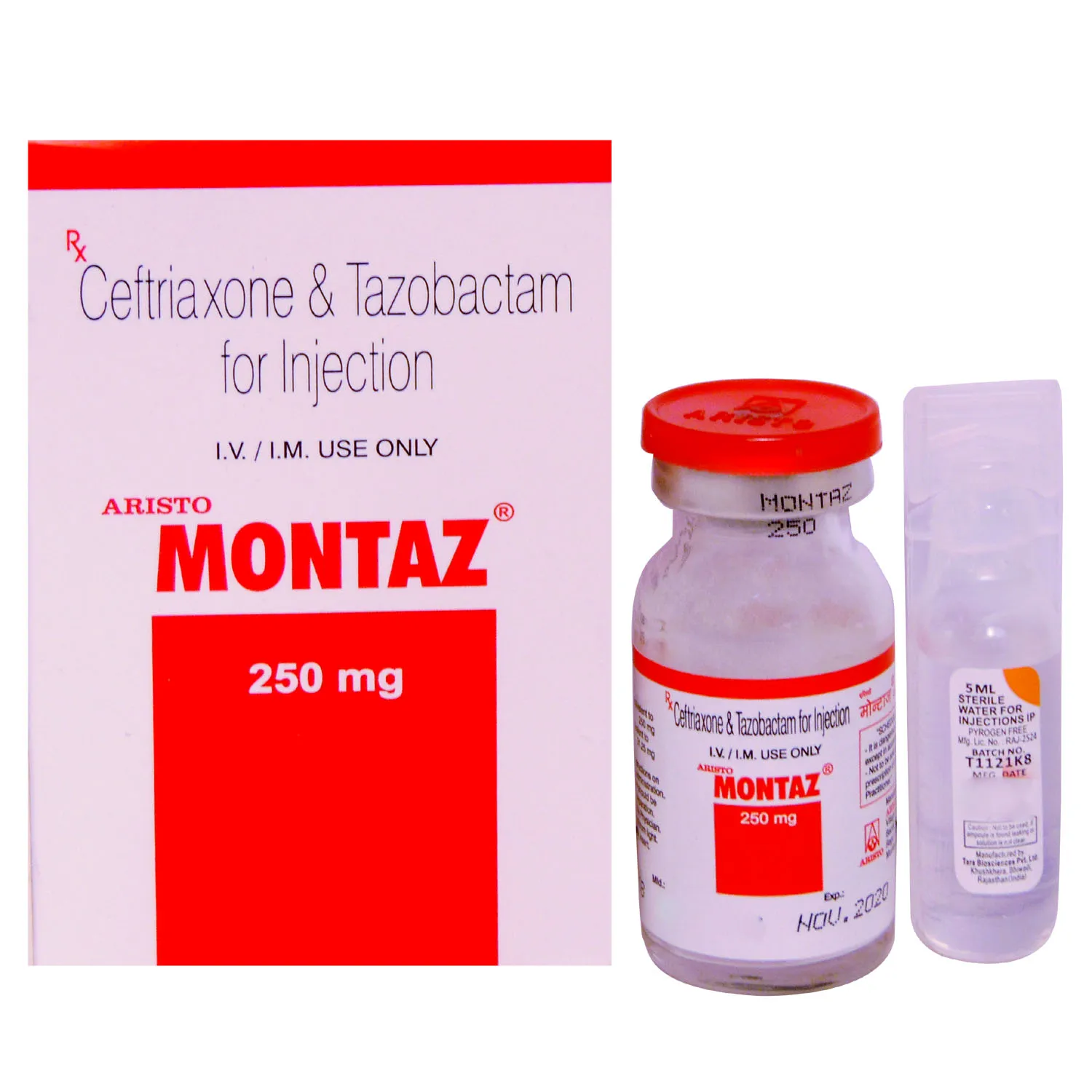
Montaz 250mg Injection is a combination antibiotic used to treat a wide range of moderate to severe bacterial infections. It contains Ceftriaxone, a third-generation cephalosporin, and Tazobactam, a beta-lactamase inhibitor. The addition of Tazobactam prevents bacterial resistance by inhibiting beta-lactamase enzymes, thereby enhancing Ceftriaxone’s effectiveness.
This strength (250mg) is often prescribed in pediatric cases or in patients requiring lower antibiotic doses.
Uses
-
Respiratory tract infections (pneumonia, bronchitis)
-
Ear, nose, and throat infections
-
Urinary tract infections (UTIs)
-
Skin and soft tissue infections
-
Bone and joint infections
-
Abdominal infections (peritonitis, post-surgical infections)
-
Septicemia (blood infections)
-
Gynecological infections
-
Bacterial meningitis (in children and adults)
How It Works
-
Ceftriaxone: Kills bacteria by preventing cell wall synthesis.
-
Tazobactam: Inhibits bacterial beta-lactamase enzymes that cause resistance, allowing Ceftriaxone to remain effective.
Together, they provide broad-spectrum coverage against Gram-positive and Gram-negative bacteria, including resistant strains.
Side Effects
Common:
-
Pain, redness, or swelling at injection site
-
Diarrhea, nausea, vomiting
-
Mild fever or rash
Serious (rare):
-
Severe allergic reactions (anaphylaxis, swelling, difficulty breathing)
-
Bloody or persistent diarrhea (Clostridium difficile infection)
-
Liver enzyme elevation, jaundice
-
Blood disorders (low platelets, anemia, leukopenia)
Precautions
-
Use cautiously in patients with kidney or liver impairment
-
Avoid in case of allergy to cephalosporins or penicillins
-
Newborns with jaundice (hyperbilirubinemia) should not receive Ceftriaxone
-
Safe use in pregnancy and breastfeeding only under doctor’s advice
Administration
-
Administered only by a healthcare professional via intravenous (IV) or intramuscular (IM) route
-
Dosage depends on age, weight, infection severity, and clinical condition
-
The 250mg dose is commonly used in children or low-dose requirements

Montaz 500mg Injection is a combination antibiotic used to treat a variety of bacterial infections. It contains Ceftriaxone, a third-generation cephalosporin that kills bacteria by preventing cell wall synthesis, and Tazobactam, a beta-lactamase inhibitor that prevents bacterial resistance. This combination is effective against both Gram-positive and Gram-negative bacteria, including resistant strains.
The 500mg strength is commonly prescribed for children, adolescents, or adults with mild to moderate infections.
Uses
-
Respiratory tract infections (pneumonia, bronchitis, sinusitis)
-
Urinary tract infections (UTIs)
-
Skin and soft tissue infections
-
Bone and joint infections
-
Intra-abdominal infections (peritonitis, post-surgical infections)
-
Septicemia (bloodstream infections)
-
Gynecological infections (pelvic inflammatory disease, post-partum infections)
-
Bacterial meningitis (in children and adults)
How It Works
-
Ceftriaxone: Inhibits bacterial cell wall synthesis, leading to bacterial death.
-
Tazobactam: Inhibits beta-lactamase enzymes produced by resistant bacteria, keeping Ceftriaxone effective.
Together, they broaden the spectrum of action and reduce the risk of antibiotic resistance.
Side Effects
Common:
-
Pain, redness, or swelling at injection site
-
Diarrhea, nausea, vomiting
-
Rash, mild fever, headache
Serious (rare):
-
Severe allergic reactions (anaphylaxis, swelling, difficulty breathing)
-
Persistent or bloody diarrhea (Clostridium difficile colitis)
-
Abnormal liver function or jaundice
-
Blood disorders (low platelets, anemia, leukopenia)
Precautions
-
Avoid in patients allergic to cephalosporins or penicillins
-
Use with caution in patients with kidney or liver impairment
-
Not recommended in neonates with jaundice (hyperbilirubinemia)
-
Use in pregnancy and breastfeeding only if prescribed by a doctor
Administration
-
Administered by a healthcare professional via intravenous (IV) or intramuscular (IM) injection
-
Dosage depends on age, weight, type, and severity of infection
-
The 500mg strength is typically used in pediatric and lower-dose adult treatments

Mylamin Plus Injection contains Vitamin B 1000mg, which helps in the formation of red blood cells, supports nerve function, and promotes overall metabolic health. It is commonly prescribed for patients with nutritional deficiencies, neuropathies, or conditions requiring high-dose vitamin B supplementation. Administered under medical supervision, it ensures rapid absorption and effectiveness.
How it works:
Vitamin B complex plays a vital role in energy metabolism, nerve function, and the formation of red blood cells. Injection delivery ensures immediate availability and effectiveness in patients with absorption issues or higher nutritional needs.
Uses:
-
Treatment of vitamin B deficiencies
-
Support for nerve health and repair
-
Management of neuropathies
-
Supplementation in malnutrition or metabolic disorders
Benefits:
-
Rapid replenishment of vitamin B levels
-
Supports healthy nerve function
-
Promotes red blood cell formation and energy metabolism
-
Suitable for patients with absorption issues
Dosage & Administration:
Administered intravenously (IV) or intramuscularly (IM) by a healthcare professional. Dosage and frequency are determined by the physician based on patient condition and requirements.
Precautions:
-
Consult your doctor if you have kidney or liver problems
-
Inform your doctor about any allergies or other medications
-
Use under medical supervision only
Possible Side Effects:
Uses:
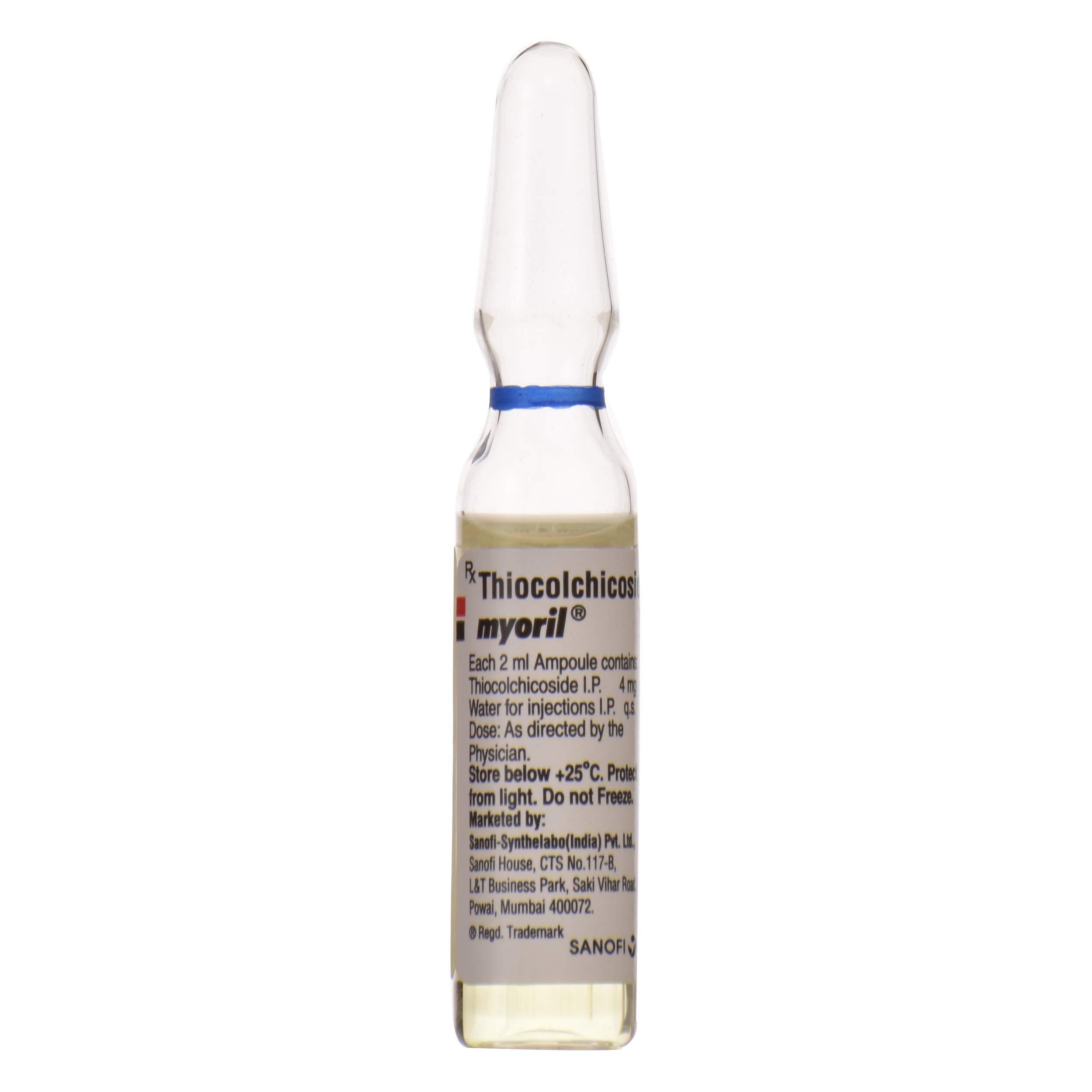
MYOril Injection contains Thiocolchicoside 4mg, a muscle relaxant used to relieve acute muscle spasms, stiffness, and pain associated with musculoskeletal conditions. It is often prescribed for severe back pain, neck pain, or post-injury muscle spasm that cannot be managed with oral therapy alone. Thiocolchicoside works by acting on the central nervous system to relax skeletal muscles, improve mobility, and reduce discomfort.
Dosage:
The dosage and frequency of MYOril Injection depend on the patient’s condition, age, and response to treatment. It is typically administered intramuscularly (IM) or intravenously (IV) by a healthcare professional. Standard practice often involves 1–2 injections per day, but your doctor will adjust the dose as needed. Do not self-administer.
Precautions:
-
Do not use if allergic to Thiocolchicoside or similar drugs.
-
Inform your doctor if you have liver, kidney, or heart problems.
-
Use with caution in elderly patients or those with neurological conditions.
-
Avoid driving or operating machinery immediately after administration, as drowsiness or dizziness may occur.
-
Not recommended for use during pregnancy or breastfeeding unless prescribed by a doctor.
How to Use:
-
Administered only by a healthcare professional via intramuscular or slow intravenous injection.
-
Follow the doctor’s instructions regarding the injection site and speed of administration.
-
Observe the patient for any adverse reactions during and after injection.
Side Effects:
Common side effects may include:
-
Drowsiness, dizziness, or mild headache
-
Nausea or gastrointestinal discomfort
-
Local pain, redness, or swelling at the injection site
Rare but serious reactions may include:
-
Allergic reactions such as rash, itching, swelling, or difficulty breathing
-
Muscle weakness or neurological symptoms in sensitive individuals
If any severe side effects occur, seek immediate medical attention. MYOril Injection should only be used under medical supervision to ensure safety and effectiveness.
Nudiclo 75mg Injection is a non-steroidal anti-inflammatory drug (NSAID) used for the short-term management of pain, inflammation, stiffness, and swelling. It is particularly helpful in conditions such as rheumatoid arthritis, osteoarthritis, acute musculoskeletal injuries, and post-operative pain. This injection is usually given when oral medicines are not effective or cannot be taken.
Key Benefits:
-
Provides fast and effective pain relief.
-
Reduces inflammation and swelling in joints and muscles.
-
Useful in treating arthritis-related pain and acute injuries.
-
Helps improve mobility and quality of life in painful conditions.
Possible Side Effects:
Most side effects are mild and improve as your body adjusts. Common ones include:
-
Nausea or vomiting
-
Headache
-
Dizziness
-
Injection site reactions (pain, swelling, redness)
-
Flatulence
-
Trouble sleeping (insomnia)
Long-term or high-dose use may increase the risk of stomach bleeding, kidney issues, or liver problems, so regular monitoring may be advised if used for extended periods.
Safety Advice:
-
Alcohol: Avoid or limit use; may worsen side effects.
-
Pregnancy: Unsafe; should not be used unless absolutely necessary under doctor’s advice.
-
Breastfeeding: Likely unsafe, as the medicine may pass into breast milk.
-
Driving: Avoid driving if you feel dizzy, weak, or unwell after injection.
-
Kidney/Liver Disease: Use with caution. Dose adjustments may be required.
How to Use:
Nudiclo 75mg Injection should be given only by a doctor or nurse. Do not attempt to self-administer at home. The dose and frequency depend on your condition and medical history. Always use the lowest effective dose for the shortest possible time.
Missed Dose:
If you miss a scheduled dose, contact your doctor. Do not take double doses to make up for it.
Storage: Store in a cool, dry place below 30°C, away from direct heat and light.
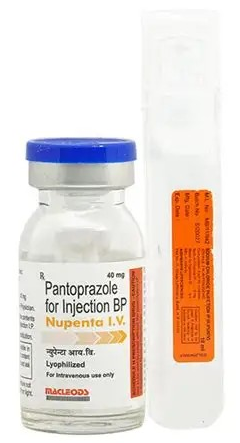
Nupenta 40mg Injection contains Pantoprazole, a proton pump inhibitor (PPI) that helps reduce excess stomach acid. It is prescribed for the treatment of acid reflux (GERD), peptic ulcers, Zollinger-Ellison syndrome, and other acid-related disorders. It also provides relief from symptoms like heartburn, acidity, indigestion, and stomach pain, while promoting healing of the stomach and intestinal lining.
In critically ill patients, Nupenta Injection may be given to prevent stress ulcers and is also used before surgery to reduce acid aspiration risks.
How it works:
Pantoprazole works by blocking acid-producing pumps in the stomach, thereby reducing acid secretion and providing lasting relief from acid-related discomfort.
Key Benefits:
-
Relieves heartburn, indigestion, and acidity
-
Heals peptic ulcers and acid-related damage
-
Prevents stress ulcers in hospitalized patients
-
Improves quality of life in chronic acid reflux conditions
Usage:
-
Administered intravenously (IV) by a doctor or nurse only.
-
The dose and duration depend on your condition and response to treatment.
-
Not meant for self-administration.
Common Side Effects:
-
Nausea, vomiting, headache, dizziness
-
Diarrhea, flatulence, stomach pain
-
Thrombophlebitis (vein inflammation at injection site)
-
Injection site reaction
Safety Advice:
-
Alcohol: Avoid alcohol, as it may worsen acidity.
-
Pregnancy: Use only if prescribed by a doctor.
-
Breastfeeding: Probably safe if prescribed.
-
Liver Disease: Use with caution in severe cases.
-
Kidney Disease: Generally safe without dose adjustment.
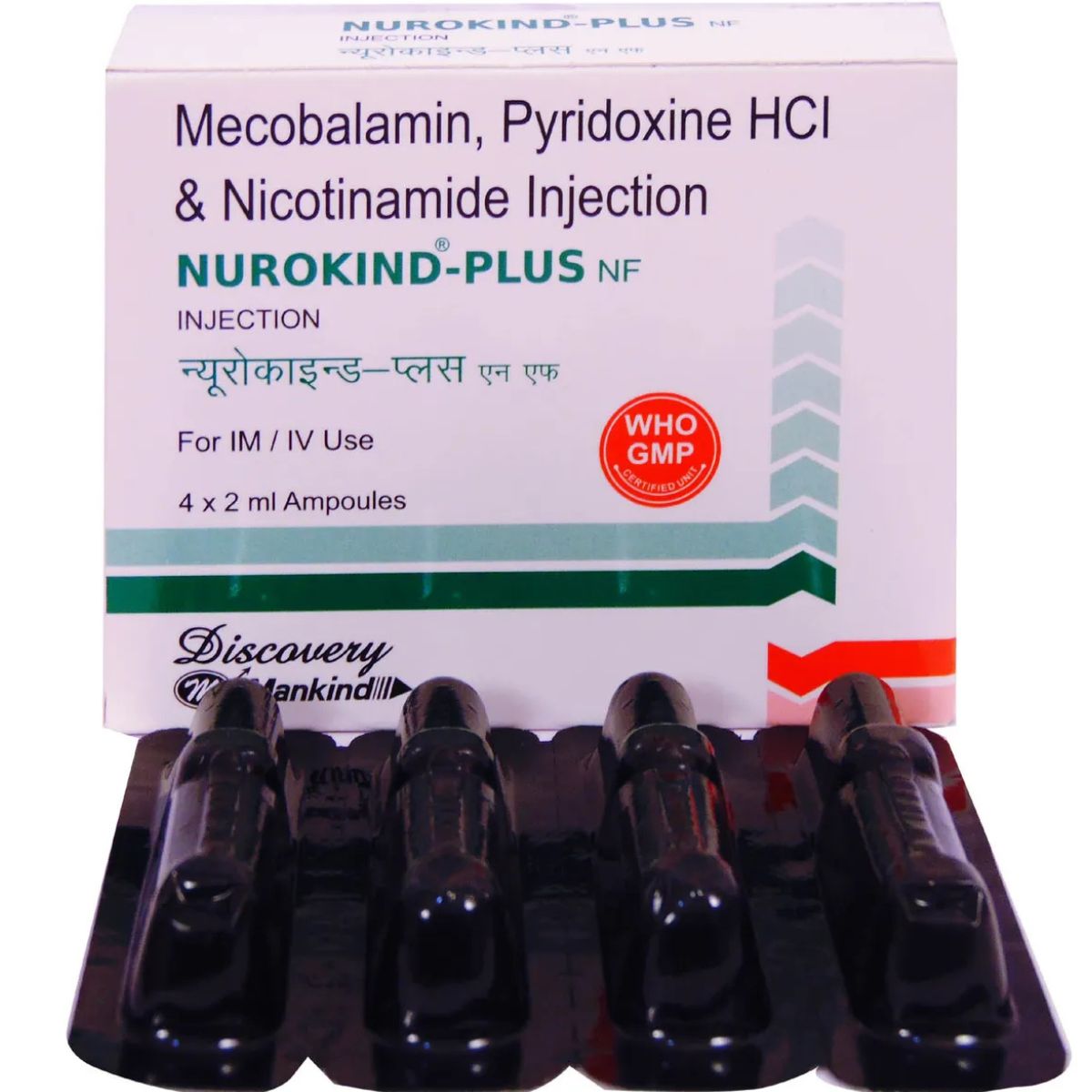
Nurokind-Plus NF Injection is a prescription medicine that combines Methylcobalamin (Vitamin B12), Niacinamide (Vitamin B3), and Vitamin B6 (Pyridoxine). This combination is commonly prescribed to manage nerve-related disorders, restore Vitamin B levels, and support nerve regeneration.
Methylcobalamin helps repair damaged nerves, Pyridoxine supports normal nerve function and metabolism, while Niacinamide plays an important role in energy production and healthy cell function. Together, these vitamins help relieve symptoms such as numbness, tingling, burning sensations, and nerve pain.
Uses of Nurokind-Plus NF Injection
- Vitamin B-complex deficiency
- Peripheral neuropathy
- Diabetic neuropathy
- Nerve pain (Neuropathic pain)
- Megaloblastic anemia
- Nutritional deficiencies affecting nerve health
Benefits of Nurokind-Plus NF Injection
- Replenishes essential B vitamins
- Promotes nerve repair and regeneration
- Reduces numbness, tingling, and burning sensations
- Supports healthy red blood cell production
- Improves nerve function and overall neurological health
How Nurokind-Plus NF Injection Works
- Methylcobalamin repairs damaged nerves and supports red blood cell formation.
- Niacinamide helps convert food into energy and supports healthy cell function.
- Vitamin B6 (Pyridoxine) is essential for normal nerve function and neurotransmitter production.
Together, these ingredients help restore vitamin levels and improve nerve health.
Dosage
- Nurokind-Plus NF Injection should be administered only by a doctor or qualified healthcare professional.
- The dosage and duration depend on your medical condition and response to treatment.
How to Use
- Administer as an intramuscular (IM) or intravenous (IV) injection as directed by your doctor.
- Do not self-administer unless instructed by a healthcare professional.
- Complete the prescribed course for the best results.
Side Effects
Common side effects include:
- Pain or redness at the injection site
- Nausea
- Headache
- Dizziness
- Mild skin rash
- Itching
Seek immediate medical attention if you develop severe allergic reactions, swelling, or difficulty breathing.
Precautions
- Inform your doctor if you have allergies to any B vitamins.
- Use with caution if you have kidney or liver disease.
- Inform your doctor if you are pregnant or breastfeeding.
- Regular follow-up may be required during prolonged treatment.
Drug Interactions
Nurokind-Plus NF Injection may interact with:
- Levodopa
- Chloramphenicol
- Metformin
- Isoniazid
- Certain anticonvulsants (e.g., Phenytoin, Phenobarbital)
Inform your doctor about all medicines, supplements, and herbal products you are taking.
Storage
- Store below 25°C.
- Protect from direct sunlight and moisture.
- Do not freeze.
- Keep out of reach of children.

Omnicef 250mg Injection is a third-generation cephalosporin antibiotic containing Cefotaxime. It is used to treat mild to moderate bacterial infections. Cefotaxime works by inhibiting bacterial cell wall synthesis, leading to bacterial death. This injection is NPPA regulated and administered under medical supervision.
The 250mg dose is commonly used in children or patients requiring lower antibiotic doses.
Uses
-
Respiratory tract infections – bronchitis, pneumonia, sinusitis, tonsillitis
-
Urinary tract infections (UTIs)
-
Skin and soft tissue infections
-
Bone and joint infections
-
Intra-abdominal infections (peritonitis, post-surgical infections)
-
Septicemia (bloodstream infections)
-
Meningitis (in certain pediatric cases)
-
Other mild to moderate bacterial infections
How It Works
Cefotaxime binds to penicillin-binding proteins (PBPs) in bacterial cell walls, preventing their formation. This weakens the bacterial cell wall and causes bacterial death, effectively treating infections.
Side Effects
Common:
-
Pain, redness, or swelling at injection site
-
Nausea, vomiting, diarrhea
-
Mild rash, headache, or fever
Serious (rare):
-
Severe allergic reactions (anaphylaxis, swelling, difficulty breathing)
-
Blood disorders (low platelets, anemia, leukopenia)
-
Liver enzyme elevation or jaundice
-
Clostridium difficile-associated diarrhea
Precautions
-
Avoid in patients allergic to cephalosporins or penicillins
-
Use with caution in renal or hepatic impairment (dose adjustment may be necessary)
-
Not recommended for neonates with hyperbilirubinemia
-
Use in pregnancy and breastfeeding only if prescribed by a doctor
Administration
-
Given via intravenous (IV) or intramuscular (IM) injection
-
Dosage depends on age, weight, and severity of infection
-
The 250mg dose is commonly prescribed for pediatric patients or low-dose requirements

Omnicef 500mg Injection is a third-generation cephalosporin antibiotic containing Cefotaxime. It is used to treat a broad range of moderate to severe bacterial infections. Cefotaxime works by inhibiting bacterial cell wall synthesis, leading to bacterial death. This injection is NPPA regulated and should be administered under medical supervision.
The 500mg dose is commonly prescribed for adults and older children with moderate infections.
Uses
-
Lower and upper respiratory tract infections – pneumonia, bronchitis, sinusitis, tonsillitis
-
Urinary tract infections (UTIs)
-
Skin and soft tissue infections
-
Bone and joint infections
-
Intra-abdominal infections (peritonitis, post-surgical infections)
-
Septicemia (bloodstream infections)
-
Meningitis (bacterial infection of the CNS)
-
Gynecological infections
How It Works
Cefotaxime binds to penicillin-binding proteins (PBPs) in bacterial cell walls, inhibiting cell wall synthesis. This weakens the bacterial cell wall and leads to bacterial death, effectively treating the infection.
Side Effects
Common:
-
Pain, redness, or swelling at injection site
-
Nausea, vomiting, diarrhea
-
Mild rash, headache, or fever
Serious (rare):
-
Severe allergic reactions (anaphylaxis, swelling, difficulty breathing)
-
Blood disorders (low platelets, anemia, leukopenia)
-
Liver enzyme elevation or jaundice
-
Clostridium difficile-associated diarrhea
Precautions
-
Avoid in patients allergic to cephalosporins or penicillins
-
Use with caution in renal or hepatic impairment (dose adjustment may be needed)
-
Not recommended for neonates with hyperbilirubinemia
-
Use in pregnancy and breastfeeding only if prescribed by a doctor
Administration
-
Administered via intravenous (IV) or intramuscular (IM) injection by a healthcare professional
-
Dosage depends on age, weight, infection type, and severity
-
The 500mg dose is typically used for adults and older children with moderate infections

Overview:
Osta D3 300000IU Injection contains Calcitriol, the active form of Vitamin D3. It is a high-potency vitamin D preparation used in the treatment of severe vitamin D deficiency and conditions where calcium absorption from the gut is impaired.
Uses:
-
Treatment and prevention of severe Vitamin D3 deficiency
-
Helps in proper calcium absorption and maintains healthy bones
-
Supportive therapy in osteoporosis, osteomalacia, and rickets
-
Used in patients with chronic kidney disease where Vitamin D activation is reduced
-
May be prescribed in certain cases of hypoparathyroidism
Dosage:
-
Given as a deep intramuscular injection by a healthcare professional only
-
Dosage frequency depends on the severity of deficiency and the doctor’s advice
-
Not to be self-administered
Side Effects:
Possible side effects may include:
-
Pain, redness, or swelling at the injection site
-
Nausea, vomiting, or constipation
-
Loss of appetite or metallic taste in mouth
-
High calcium levels (hypercalcemia), leading to weakness, confusion, or irregular heartbeat (in rare cases)
Precautions:
-
Avoid use if you have high calcium levels, kidney stones, or severe kidney problems
-
Should not be used without medical supervision in children or pregnant women
-
Inform your doctor if you are on calcium supplements, other vitamin D products, or heart medications (like digoxin)
-
Regular monitoring of serum calcium and vitamin D levels is recommended during treatment
Safety Advice:
-
Alcohol: No known major interactions, but moderation advised
-
Driving: Safe unless dizziness or weakness occurs
-
Kidney/Liver Patients: Use with caution; dose adjustment may be required
-
Overdose Risk: High doses can cause Vitamin D toxicity, so avoid taking additional Vitamin D without doctor’s approval
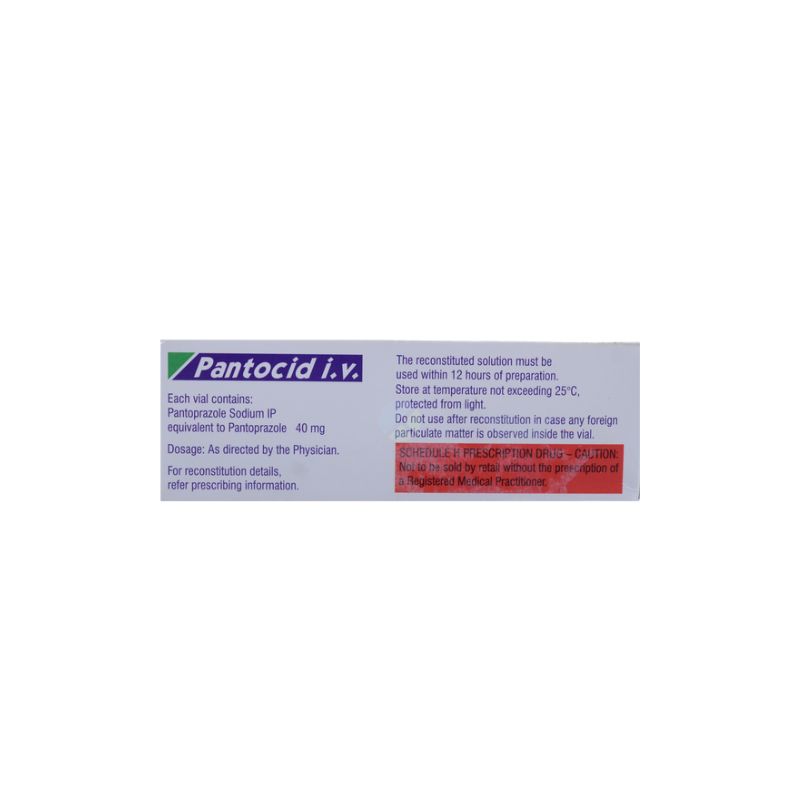
Pantocip IV is an intravenous formulation of pantoprazole sodium 40mg manufactured by Cipla Ltd. Pantoprazole is a proton pump inhibitor (PPI) used primarily for the treatment of acid-related disorders of the stomach and intestine, including gastroesophageal reflux disease (GERD), erosive esophagitis, peptic ulcer disease, Zollinger-Ellison syndrome, and the prevention of stress ulcers in critically ill patients. This medication is indicated when oral administration is not feasible or rapid acid control is required.
How it Works:
Pantoprazole acts by selectively blocking the proton pumps (H+/K+ ATPase) in the gastric parietal cells, the final step in gastric acid secretion. This results in marked reduction of gastric acid production, promoting relief of acid-related symptoms and healing of ulcers or erosions.
Uses of Pantocip IV:
-
Management of acid reflux and GERD unresponsive to oral therapy
-
Treatment of peptic and duodenal ulcers (especially when bleeding or severe)
-
Zollinger-Ellison syndrome and other pathological hypersecretory states
-
Prevention and treatment of stress ulcers in critically ill or preoperative patients
-
Pre-anesthetic prophylaxis to reduce risk of aspiration
Key Benefits:
-
Provides rapid and potent acid suppression
-
Useful for patients unable to take oral medication
-
Promotes healing of ulcers and erosions
-
Reduces the risk of gastrointestinal bleeding in high-risk situations
Dosage & Administration:
-
Typical regimen: 40mg as a slow intravenous injection or infusion once daily
-
Dose may be increased (such as in Zollinger-Ellison syndrome); some protocols use 80mg every 12 hours in severe cases
-
Switch to oral medication when possible and as soon as the patient can tolerate it
-
Administered only by healthcare professionals in a medical setting
Safety & Precautions:
-
Not for self-administration
-
Prolonged use (>1 year) may increase the risk of bone fractures, vitamin B12 deficiency, and infections (e.g., gut bacteria)
-
Generally safe for use in renal impairment, caution advised in severe liver disease (may require dose adjustment)
-
Common side effects: headache, dizziness, diarrhea, nausea, stomach pain, thrombophlebitis at the injection site
-
Alcohol should be avoided during therapy
-
Use in pregnancy only if clearly needed and prescribed
-
Safe for breastfeeding mothers under medical supervision
Note:
Always follow the specific dosing instructions and precautions provided by your doctor. Do not use Pantocip IV without medical advice or outside of a hospital/clinic setting.
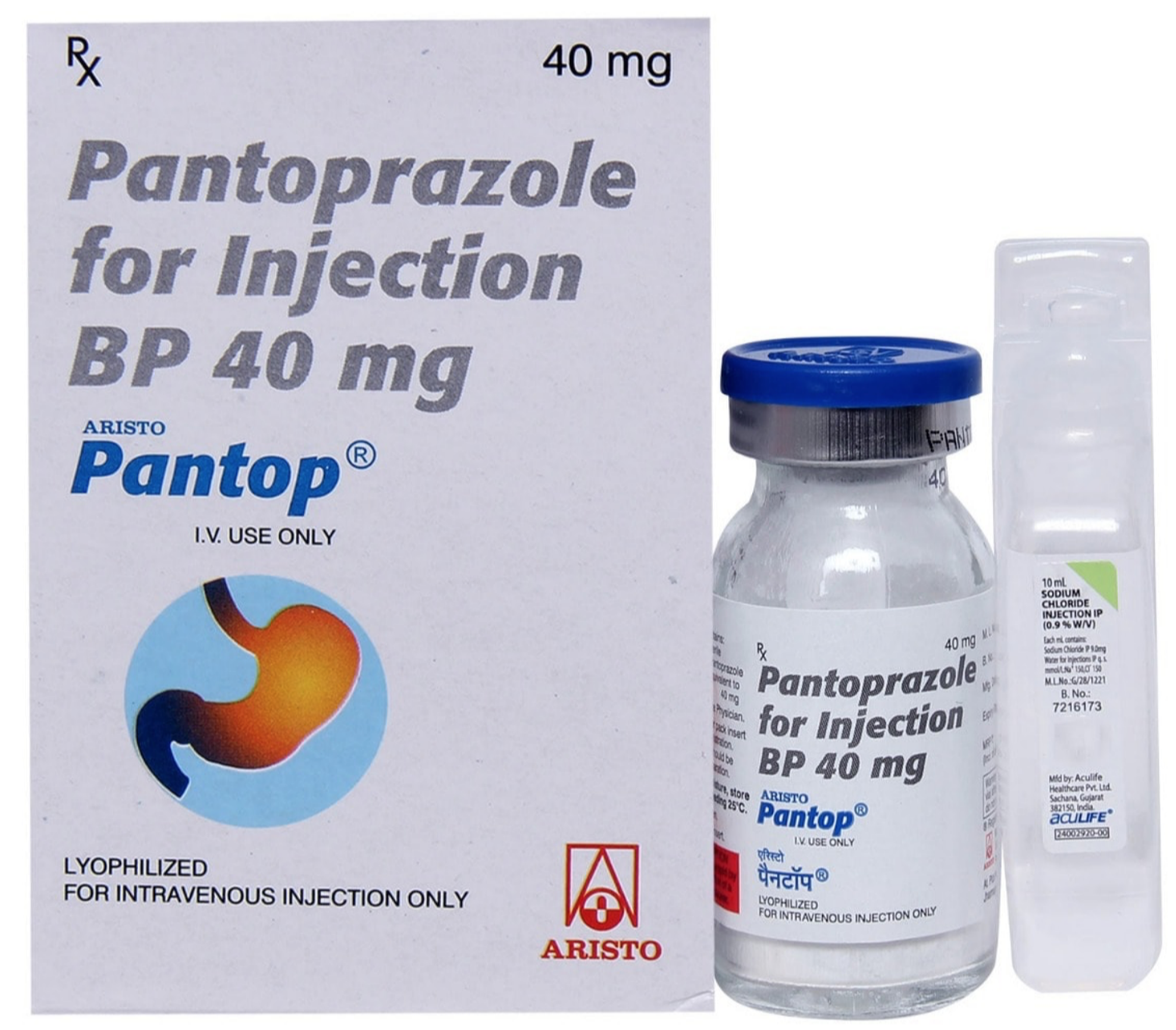
Pantop Injection contains Pantoprazole, a proton pump inhibitor (PPI), used to reduce gastric acid secretion in patients who cannot take oral medications or require rapid acid suppression. This formulation is NPPA regulated and typically used in hospital settings for conditions like severe GERD, erosive esophagitis, or Zollinger-Ellison syndrome.
Uses
-
Severe gastroesophageal reflux disease (GERD)
-
Erosive esophagitis
-
Peptic ulcers – gastric and duodenal ulcers
-
Zollinger-Ellison syndrome – pathological acid overproduction
-
Prevention of stress ulcers in critically ill patients
-
When oral administration is not possible due to vomiting or surgery
How It Works
Pantoprazole inhibits proton pumps (H⁺/K⁺-ATPase) in the stomach lining, reducing gastric acid production. This promotes healing of ulcers, prevents acid-related damage, and relieves symptoms.
Side Effects
Common:
Serious (rare):
-
Severe allergic reactions (rash, swelling, difficulty breathing)
-
Low magnesium levels (hypomagnesemia) with prolonged use
-
Liver enzyme elevation
-
Clostridium difficile-associated diarrhea
Precautions
-
Avoid in patients allergic to Pantoprazole or other PPIs
-
Use cautiously in liver disease
-
Monitor in pregnant or breastfeeding women; use only if prescribed
-
Long-term use may lead to vitamin B12 deficiency or increased fracture risk
Administration
-
Administered via intravenous (IV) infusion
-
Usually 40mg diluted in 100ml of suitable IV fluid, infused over 15–30 minutes
-
Frequency and duration depend on condition severity and doctor’s prescription
-
Monitor patient for allergic reactions or infusion site complications