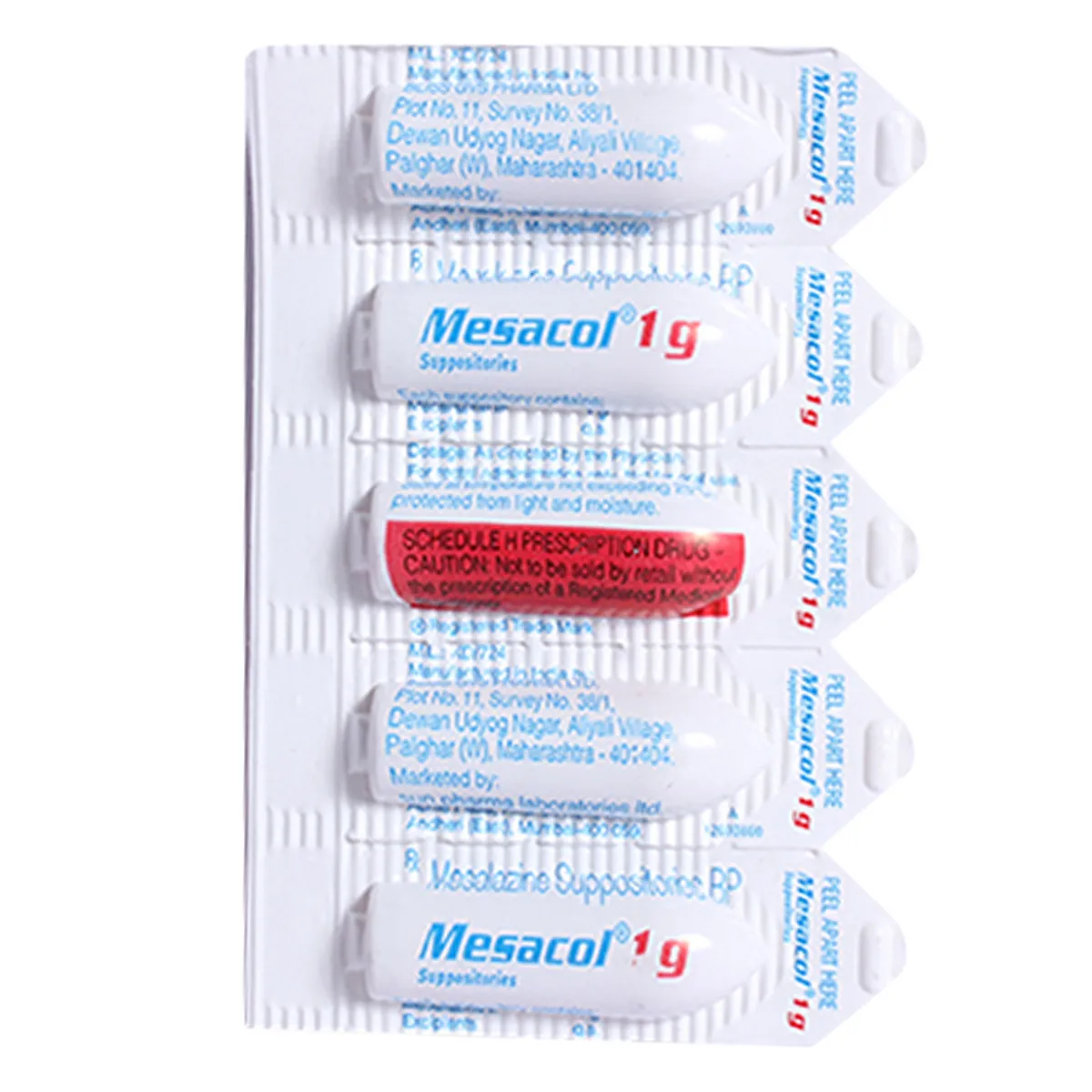
Uses:
Mesacol 1g Suppository is used to treat ulcerative colitis and other inflammatory bowel conditions, especially when inflammation affects the lower rectum. Mesalazine (5-aminosalicylic acid) helps reduce inflammation, relieve rectal bleeding, and improve bowel function.
Dosage:
The dosage is prescribed by a doctor based on the condition. Typically, one suppository daily or as directed.
How to Use:
-
Wash hands thoroughly before use.
-
Remove the suppository from its wrapper.
-
Lie on your side with the lower leg straight and upper leg bent toward the chest.
-
Gently insert the suppository into the rectum.
-
Remain lying down for a few minutes to ensure it stays in place.
Precautions:
-
Inform your doctor if you have kidney, liver, or heart problems.
-
Do not use if allergic to Mesalazine or related drugs.
-
Consult your doctor if symptoms persist or worsen.
-
Use during pregnancy or breastfeeding only if clearly prescribed.
Side Effects:
-
Common: Mild rectal discomfort, nausea
-
Moderate: Diarrhea, abdominal pain, headache
-
Rare: Severe allergic reactions, kidney or liver problems
Storage:
-
Store in a cool, dry place below 30°C.
-
Keep the suppositories in their original packaging until use.
-
Keep out of reach of children.

Metadec 25 Injection is a prescription medicine containing Nandrolone Decanoate 25mg, an anabolic steroid that helps improve bone density and stimulate red blood cell production. It is prescribed for conditions such as osteoporosis, selected cases of anemia, and certain muscle-wasting conditions when recommended by a doctor.
The injection should be administered only by a qualified healthcare professional.
Uses of Metadec 25 Injection
- Osteoporosis
- Certain types of anemia
- Muscle wasting associated with specific medical conditions
- Conditions requiring increased red blood cell production (as advised by a doctor)
Benefits of Metadec 25 Injection
- Improves bone strength and density
- Stimulates red blood cell production
- Helps improve muscle mass in selected medical conditions
- Supports recovery in appropriate patients under medical supervision
How Metadec 25 Injection Works
Nandrolone Decanoate is an anabolic steroid that promotes protein synthesis, increases bone mineral density, and stimulates the production of red blood cells. These actions help strengthen bones and improve anemia in selected patients.
Dosage
- Use only as prescribed by your doctor.
- Administered as an intramuscular (IM) injection by a qualified healthcare professional.
- The dose and treatment duration depend on your medical condition and response to therapy.
How to Use
- The injection should only be administered by a doctor or trained healthcare professional.
- Do not self-inject unless specifically instructed.
- Follow the prescribed treatment schedule.
Side Effects
Common side effects include:
- Pain at the injection site
- Acne or oily skin
- Fluid retention
- Weight gain
- Mood changes
- Increased body hair growth
- Menstrual irregularities in women
- Voice deepening in women
Seek immediate medical attention if you experience chest pain, severe swelling, jaundice, breathing difficulty, or signs of an allergic reaction.
Precautions
- Inform your doctor if you have liver disease, kidney disease, heart disease, high blood pressure, prostate disorders, or diabetes.
- Not recommended during pregnancy or breastfeeding.
- Regular monitoring of liver function, blood counts, and lipid profile may be required.
- Misuse of anabolic steroids can lead to serious health complications.

Uses:
Metrogyl Injection is mainly used in hospitals for moderate to severe infections, including:
-
Anaerobic bacterial infections
-
Severe intestinal infections (amoebiasis)
-
Liver abscess
-
Brain infections (brain abscess, meningitis caused by anaerobes)
-
Abdominal infections (peritonitis)
-
Lung infections
-
Pelvic and genital tract infections
-
Post-operative infections
-
Sepsis caused by susceptible organisms
How it Works:
Metronidazole kills anaerobic bacteria and parasites by damaging their DNA, preventing them from multiplying.
Dosage:
-
Given intravenously (IV) in a hospital/clinical setting.
-
Dose generally 500mg infused over 20–60 minutes, repeated every 8 hours, based on infection severity.
-
Dose adjustments may be needed in patients with liver or kidney problems.
-
Only a healthcare professional should administer it.
How to Use:
Precautions:
-
Strictly avoid alcohol during treatment and 48 hours after stopping.
-
Inform doctor if you have liver disease, kidney disease, seizures, or blood disorders.
-
Monitor for neurological symptoms if used for long duration.
-
Use with caution in pregnancy; avoid in first trimester unless necessary.
-
Small amounts may pass into breast milk — doctor will decide if safe.
Side Effects:
Common:
Serious (rare):
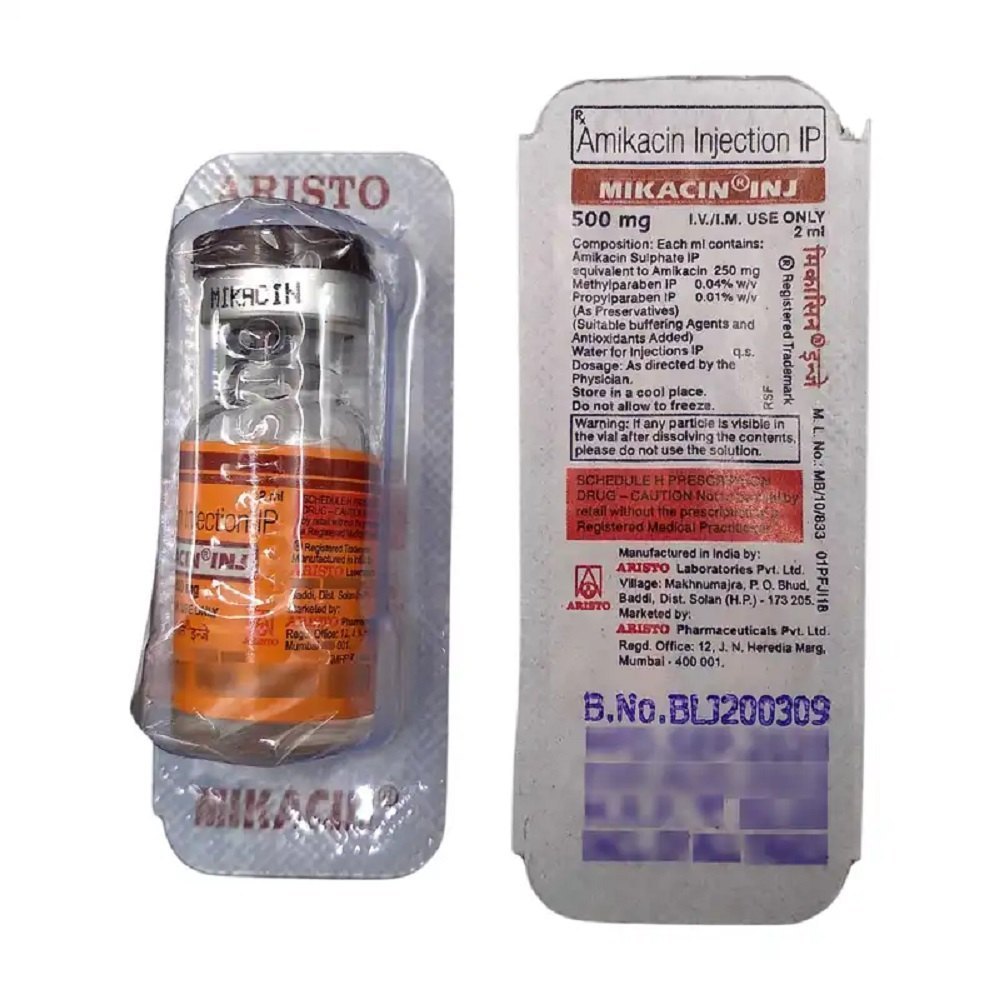
Mikacin 500mg Injection contains Amikacin, a broad-spectrum aminoglycoside antibiotic. It is used to treat serious bacterial infections that are resistant to other antibiotics. This strength (500mg) is commonly prescribed for adult patients with moderate to severe infections and is administered only under medical supervision.
Uses
-
Respiratory tract infections (pneumonia, bronchitis)
-
Urinary tract infections (UTIs)
-
Intra-abdominal infections
-
Septicemia (blood infections)
-
Skin and soft tissue infections
-
Bone and joint infections
-
Hospital-acquired infections (including multidrug-resistant bacteria)
How It Works
Amikacin works by binding to the 30S subunit of bacterial ribosomes, interfering with protein synthesis. This prevents bacteria from growing and leads to their death. It is particularly effective against Gram-negative organisms, including strains resistant to other aminoglycosides.
Side Effects
Common:
Serious (dose-related/rare):
-
Kidney toxicity (nephrotoxicity)
-
Hearing loss or ear ringing (ototoxicity)
-
Balance problems (vestibular toxicity)
-
Allergic reactions (rash, swelling, difficulty breathing)
Precautions
-
Use with caution in patients with kidney problems or hearing disorders
-
Dose adjustments required in renal impairment
-
Avoid prolonged use without monitoring kidney function and hearing
-
Avoid concurrent use with other nephrotoxic/ototoxic drugs unless prescribed
-
Use during pregnancy and breastfeeding only if prescribed by a doctor
Administration
-
Given intravenously (IV) or intramuscularly (IM) by a healthcare professional
-
Dosage depends on age, body weight, kidney function, and severity of infection

Mikacin Injection (750mg/ml) contains Amikacin, a potent aminoglycoside antibiotic. It is used for the treatment of serious, hospital-acquired, and multidrug-resistant bacterial infections. This higher concentration is usually prescribed for adult patients requiring larger doses in a single injection, often in severe or complicated infections.
Uses
-
Severe respiratory tract infections (such as pneumonia, hospital-acquired lung infections)
-
Urinary tract infections (UTIs) resistant to other antibiotics
-
Septicemia (bloodstream infections)
-
Intra-abdominal infections (peritonitis, post-surgical infections)
-
Bone and joint infections
-
Skin and soft tissue infections
-
Complicated hospital-acquired infections due to multidrug-resistant Gram-negative bacteria
How It Works
Amikacin binds to the 30S ribosomal subunit of bacteria, blocking protein synthesis and causing bacterial cell death. It is effective against a wide range of Gram-negative bacteria, including resistant strains like Pseudomonas aeruginosa and Klebsiella pneumoniae.
Side Effects
Common:
Serious (dose-dependent/rare):
-
Nephrotoxicity (kidney damage)
-
Ototoxicity (hearing loss, ringing in ears, balance issues)
-
Neuromuscular weakness (rare)
-
Allergic reactions (rash, itching, swelling, breathing difficulty)
Precautions
-
Requires dose adjustment in patients with kidney impairment
-
Monitor renal function and hearing ability during therapy
-
Avoid prolonged use and concurrent nephrotoxic/ototoxic medications unless prescribed
-
Elderly patients and neonates are at higher risk of toxicity
-
Use in pregnancy and breastfeeding only if clearly necessary and under medical advice
Administration
-
Administered intravenously (IV) or intramuscularly (IM) by a healthcare professional
-
Dosage is individualized based on patient weight, age, kidney function, and infection severity

Overview:
Modest Injection is a hormonal preparation that combines estradiol (a form of estrogen) with multiple forms of testosterone (short-acting and long-acting esters). It is prescribed under medical supervision to manage specific hormonal deficiencies in women and men.
Uses:
-
Hormone replacement therapy (HRT) in women with estrogen deficiency (e.g., after menopause or surgical removal of ovaries).
-
Treatment of certain menstrual irregularities or infertility related to hormonal imbalance.
-
In men, sometimes used for testosterone deficiency when combination therapy is advised.
-
May be prescribed for supportive therapy in certain gynecological disorders.
Dosage:
-
The exact dosage is determined only by a doctor depending on the patient’s condition, hormone levels, and response.
-
It is usually given as an intramuscular injection at specific intervals (weekly or monthly).
-
Self-administration is not recommended; it should always be given by a healthcare professional.
Side Effects:
Like all hormonal injections, Modest Injection may cause some side effects such as:
-
Pain or redness at injection site
-
Headache, nausea, or bloating
-
Breast tenderness or swelling
-
Mood changes or irritability
-
Irregular bleeding (in women)
-
Increased hair growth, oily skin, or acne (due to testosterone)
Precautions:
-
Should not be used in pregnancy or breastfeeding.
-
Not recommended for patients with liver disease, breast cancer, prostate cancer, or a history of blood clots.
-
Regular monitoring of hormone levels, liver function, and blood pressure is advised during therapy.
-
Inform your doctor about any other ongoing medicines (especially blood thinners, steroids, or thyroid medications).
Safety Advice:
-
Alcohol: Limited information; consult your doctor before use.
-
Driving: Usually safe, but if dizziness occurs, avoid driving.
-
Kidney/Liver Patients: Dose adjustments may be required; use with caution.
-
Long-Term Use: May increase risk of cardiovascular issues, so periodic medical check-ups are essential.

Monocef 1 g Injection contains Ceftriaxone, a third-generation cephalosporin antibiotic. It is widely used for the treatment of severe bacterial infections affecting various parts of the body. This injection is given only under the supervision of healthcare professionals, usually in hospitals or clinics.
Uses
-
Respiratory tract infections (pneumonia, bronchitis)
-
Urinary tract infections (UTIs)
-
Skin and soft tissue infections
-
Bone and joint infections
-
Septicemia (blood infections)
-
Intra-abdominal infections (peritonitis)
-
Meningitis (brain and spinal cord infections)
-
Gonorrhea and other sexually transmitted infections
-
Post-surgical infections
How It Works
Ceftriaxone works by inhibiting bacterial cell wall synthesis, which weakens the bacterial cell wall and causes cell death. It is effective against a broad range of Gram-positive and Gram-negative organisms, making it useful in both community-acquired and hospital-acquired infections.
Side Effects
Common:
Serious (rare):
-
Severe allergic reactions (swelling, breathing difficulty, shock)
-
Blood disorders (low white cells, anemia)
-
Severe diarrhea due to Clostridium difficile infection
-
Liver enzyme elevation or jaundice
Precautions
-
Dose adjustment may be required in patients with liver or kidney impairment
-
Use cautiously in patients with a history of penicillin or cephalosporin allergy
-
Avoid mixing with calcium-containing IV solutions in neonates due to risk of precipitation
-
Should be used in pregnancy and breastfeeding only if prescribed by a doctor
Administration
-
Administered intravenously (IV) or intramuscularly (IM) by a healthcare professional
-
Dosage depends on age, body weight, infection type, and severity

Monocef 2 g Injection contains Ceftriaxone, a broad-spectrum third-generation cephalosporin antibiotic. It is used to treat severe bacterial infections that require higher doses, typically in adults or critically ill patients. It is administered only under the supervision of trained healthcare professionals in hospitals or clinics.
Uses
-
Severe respiratory tract infections (such as pneumonia, hospital-acquired infections)
-
Urinary tract infections (UTIs)
-
Intra-abdominal infections (including peritonitis)
-
Skin, soft tissue, bone, and joint infections
-
Septicemia (blood infections)
-
Bacterial meningitis
-
Sexually transmitted infections (e.g., gonorrhea)
-
Post-operative infections
-
Infections caused by Gram-positive and Gram-negative bacteria
How It Works
Ceftriaxone works by blocking bacterial cell wall synthesis, leading to cell lysis and death. It is effective against a wide variety of Gram-positive and Gram-negative organisms, including many resistant strains.
Side Effects
Common:
-
Injection site pain, redness, or swelling
-
Diarrhea
-
Nausea, vomiting
-
Mild skin rash or itching
Serious (rare):
-
Severe allergic reactions (anaphylaxis, swelling, breathing difficulty)
-
Blood disorders (low platelets, anemia, leukopenia)
-
Severe diarrhea due to Clostridium difficile infection
-
Increased liver enzymes, jaundice
Precautions
-
Use with caution in patients with liver or kidney impairment
-
Not recommended in patients with known cephalosporin or penicillin allergy
-
Avoid mixing with calcium-containing IV solutions in neonates
-
Can be used in pregnancy and breastfeeding only if clearly prescribed by the doctor
Administration
-
Administered by intravenous (IV) infusion or intramuscular (IM) injection
-
Dosage depends on age, body weight, severity of infection, and renal/hepatic function
-
2 g strength is usually reserved for severe or systemic infections
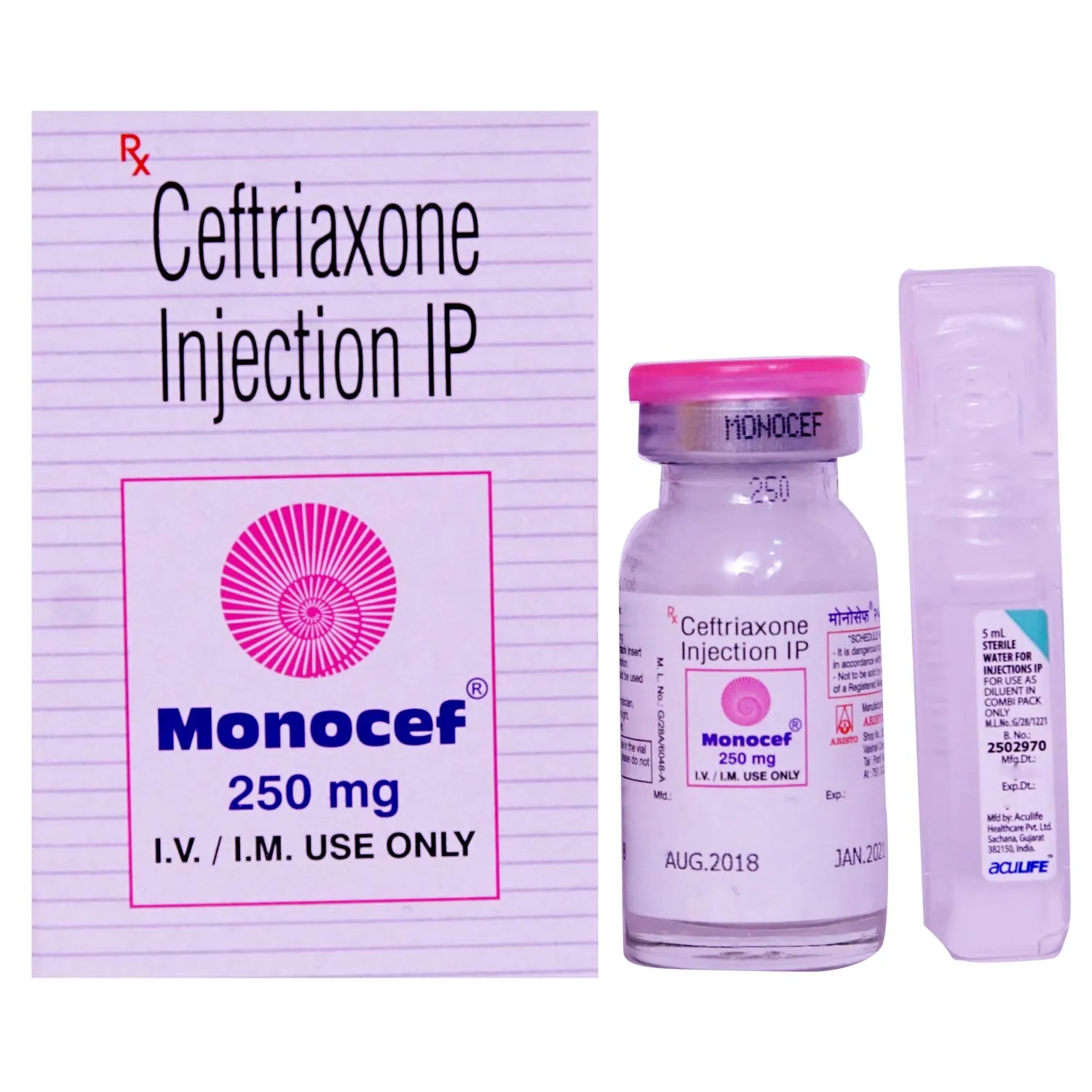
Monocef 250mg Injection contains Ceftriaxone, a third-generation cephalosporin antibiotic. It is widely prescribed for the treatment of bacterial infections ranging from mild to moderately severe cases. The 250mg strength is typically used in pediatric patients or for lower-dose requirements as determined by the doctor.
Uses
-
Respiratory tract infections (pneumonia, bronchitis, sinusitis)
-
Urinary tract infections (UTIs)
-
Skin and soft tissue infections
-
Bone and joint infections
-
Septicemia (bloodstream infections)
-
Intra-abdominal infections
-
Meningitis (in children and adults)
-
Gonorrhea and other STIs
-
Prevention of infections before and after surgery
How It Works
Ceftriaxone works by inhibiting bacterial cell wall synthesis, which weakens the bacteria and leads to their death. It has broad-spectrum activity against Gram-positive and Gram-negative organisms, making it effective in many serious infections.
Side Effects
Common:
-
Pain, swelling, or redness at the injection site
-
Nausea, vomiting, diarrhea
-
Mild skin rash or itching
Serious (rare):
-
Severe allergic reactions (swelling, difficulty breathing, anaphylaxis)
-
Blood abnormalities (low platelets, anemia, leukopenia)
-
Severe diarrhea due to Clostridium difficile infection
-
Liver-related issues (elevated enzymes, jaundice)
Precautions
-
Use with caution in patients with kidney or liver impairment
-
Not suitable for patients allergic to penicillins or cephalosporins
-
Avoid in neonates if calcium-containing IV solutions are required
-
Can be used in pregnancy and breastfeeding only if prescribed by a doctor
Administration
-
Administered intravenously (IV) or intramuscularly (IM) by a healthcare professional
-
Dosage depends on patient age, body weight, type, and severity of infection
-
The 250mg strength is usually reserved for children or cases requiring lower dosage adjustments

Monocef 500mg Injection contains Ceftriaxone, a third-generation cephalosporin antibiotic. It is commonly used to treat a wide variety of moderate to severe bacterial infections. The 500mg strength is typically prescribed for adults and older children, depending on infection type and dosage requirements.
Uses
-
Respiratory tract infections (pneumonia, bronchitis, sinus infections)
-
Urinary tract infections (UTIs)
-
Skin and soft tissue infections
-
Bone and joint infections
-
Septicemia (blood infections)
-
Intra-abdominal infections
-
Meningitis (in both adults and children)
-
Sexually transmitted infections (e.g., gonorrhea)
-
Prevention of infections in surgical procedures
How It Works
Ceftriaxone works by inhibiting bacterial cell wall synthesis, making the bacterial cell fragile and leading to its death. It covers a broad spectrum of Gram-positive and Gram-negative organisms, which makes it useful against many resistant infections.
Side Effects
Common:
-
Pain, swelling, or redness at the injection site
-
Diarrhea, nausea, vomiting
-
Mild skin rash or itching
Serious (rare):
-
Severe allergic reactions (anaphylaxis, swelling, breathing difficulty)
-
Blood disorders (anemia, low white blood cells, thrombocytopenia)
-
Severe diarrhea due to Clostridium difficile infection
-
Liver enzyme elevation or jaundice
Precautions
-
Requires caution in patients with kidney or liver disease
-
Should not be given to patients with a history of cephalosporin or penicillin allergy
-
In neonates, avoid mixing with calcium-containing IV fluids (risk of precipitation)
-
Can be used in pregnancy and breastfeeding only under medical advice
Administration
-
Given intravenously (IV) or intramuscularly (IM) by a healthcare professional
-
Dosage is adjusted based on age, weight, severity of infection, and organ function
-
The 500mg dose is generally used for moderate infections or as part of a divided dosing schedule

Monocef-SB 1g Injection is a combination antibiotic containing Ceftriaxone (a third-generation cephalosporin) and Sulbactam (a beta-lactamase inhibitor). Ceftriaxone fights a wide range of bacterial infections, while Sulbactam protects Ceftriaxone from being broken down by beta-lactamase enzymes, thereby extending its spectrum of action.
This injection is used for severe and resistant bacterial infections and is administered only under medical supervision in hospitals or clinics.
Uses
-
Respiratory tract infections (pneumonia, bronchitis)
-
Urinary tract infections (UTIs)
-
Intra-abdominal infections (peritonitis, post-surgical infections)
-
Skin and soft tissue infections
-
Bone and joint infections
-
Septicemia (bloodstream infections)
-
Gynecological infections (pelvic inflammatory disease, post-partum infections)
-
Meningitis (in adults and children)
-
Hospital-acquired infections caused by resistant bacteria
How It Works
-
Ceftriaxone: Inhibits bacterial cell wall synthesis, leading to bacterial cell death.
-
Sulbactam: Inhibits beta-lactamase enzymes produced by resistant bacteria, which would otherwise inactivate Ceftriaxone.
Together, they provide enhanced antibacterial activity against both Gram-positive and Gram-negative organisms, including resistant strains.
Side Effects
Common:
-
Pain, redness, or swelling at injection site
-
Diarrhea, nausea, vomiting
-
Rash, itching, mild fever
Serious (rare):
-
Severe allergic reactions (swelling, breathing difficulty, anaphylaxis)
-
Blood abnormalities (low platelets, anemia, leukopenia)
-
Severe diarrhea due to Clostridium difficile infection
-
Liver enzyme elevation, jaundice
Precautions
-
Use cautiously in patients with kidney or liver impairment (dose adjustments may be needed)
-
Avoid if allergic to penicillins or cephalosporins
-
Not to be mixed with calcium-containing IV solutions in neonates
-
Safe in pregnancy and breastfeeding only if clearly prescribed by the doctor
Administration
-
Given intravenously (IV) or intramuscularly (IM) by a healthcare professional
-
Dosage depends on patient age, weight, severity of infection, and renal/hepatic function
-
The 1g strength is commonly used for adults with moderate to severe infections
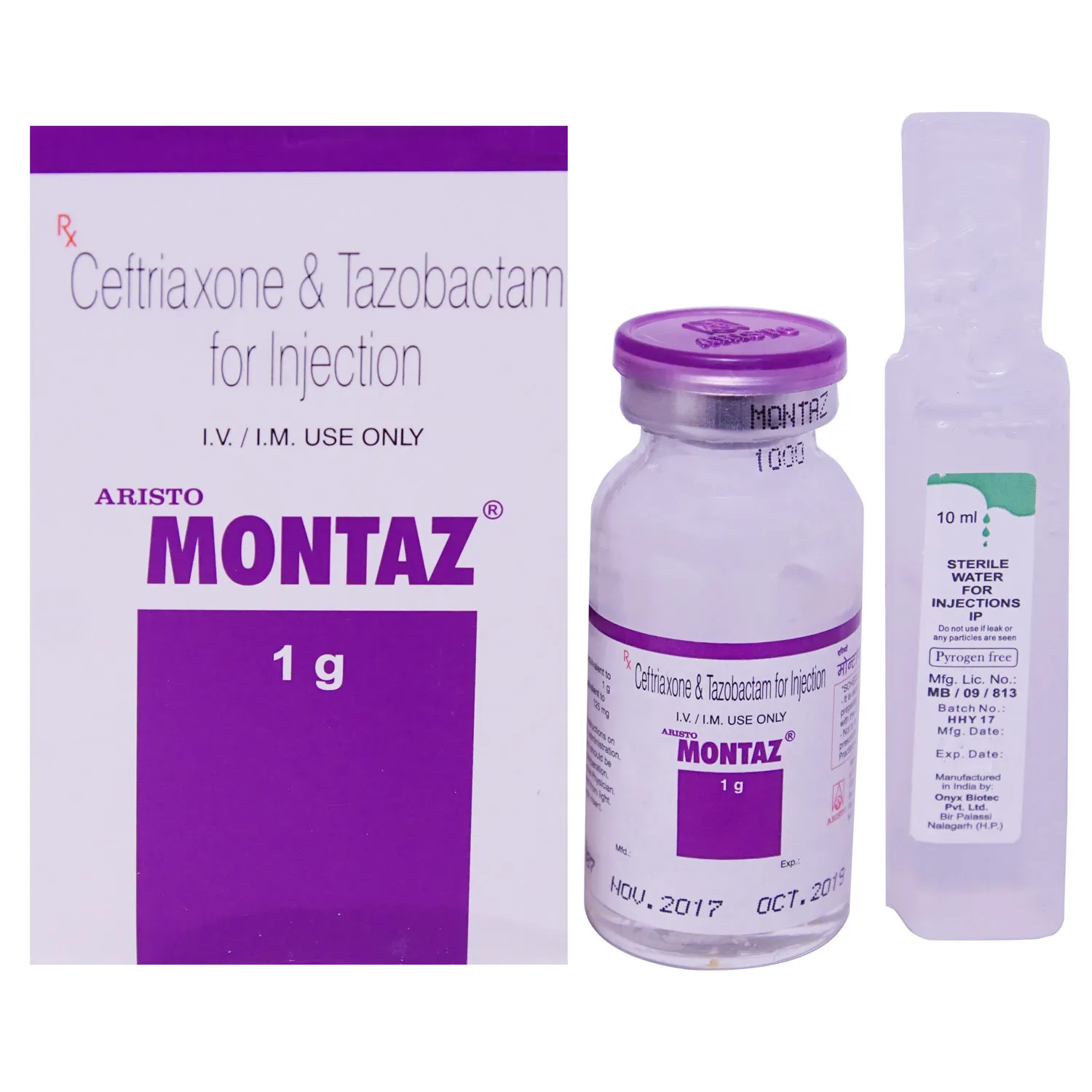
Montaz 1g Injection is a broad-spectrum antibiotic combination containing Ceftriaxone (a third-generation cephalosporin) and Tazobactam (a beta-lactamase inhibitor). Ceftriaxone kills bacteria by preventing cell wall formation, while Tazobactam prevents bacterial resistance by blocking beta-lactamase enzymes. This synergistic effect makes Montaz effective against a wide range of Gram-positive and Gram-negative infections, including resistant strains.
The 1g strength is widely used in adult patients with moderate to severe infections.
Uses
-
Lower respiratory tract infections (pneumonia, bronchitis)
-
Urinary tract infections (UTIs)
-
Intra-abdominal infections (peritonitis, post-surgical infections)
-
Skin and soft tissue infections
-
Bone and joint infections
-
Septicemia (bloodstream infections)
-
Meningitis (in adults and children)
-
Gynecological infections (pelvic inflammatory disease, post-partum infections)
-
Hospital-acquired infections caused by resistant organisms
How It Works
-
Ceftriaxone: Inhibits bacterial cell wall synthesis, leading to bacterial death.
-
Tazobactam: Inactivates beta-lactamase enzymes, which would otherwise destroy Ceftriaxone.
Together, they provide enhanced antibacterial activity and prevent treatment failure due to resistance.
Side Effects
Common:
-
Pain, swelling, or redness at injection site
-
Diarrhea, nausea, vomiting
-
Headache, mild fever, rash
Serious (rare):
-
Severe allergic reactions (anaphylaxis, swelling, difficulty breathing)
-
Persistent or bloody diarrhea (Clostridium difficile infection)
-
Abnormal liver function or jaundice
-
Blood count changes (low platelets, anemia, leukopenia)
Precautions
-
Avoid in patients allergic to cephalosporins or penicillins
-
Dose adjustment may be required in kidney or liver impairment
-
Neonates with hyperbilirubinemia should not receive Ceftriaxone
-
Use in pregnancy and breastfeeding only under medical supervision
Administration
-
Given by a healthcare professional via intravenous (IV) or intramuscular (IM) route
-
Dosage depends on patient’s age, weight, and severity of infection
-
The 1g injection is generally prescribed for adults and sometimes older children in severe infections