


PRULOFORD-1

PRULOFORD-1 contains prucalopride, a selective serotonin 5-HT4 receptor agonist prescribed for the treatment of chronic idiopathic constipation (CIC)—long-term constipation with no identifiable cause—in adults. It is supplied as a film-coated tablet in a strip for oral use.

Clinical Uses

  • Chronic idiopathic constipation in adults, especially when other laxatives have failed or provided inadequate relief.

  • Can alleviate symptoms such as infrequent bowel movements, difficult evacuation, and persistent incomplete emptying.

  • Occasionally used in irritable bowel syndrome with predominant constipation (IBS-C).

Mechanism of Action

Prucalopride acts as a selective and high-activity serotonin 5-HT4 receptor agonist in the colon, stimulating the release of acetylcholine and increasing bowel motility. This helps restore the normal frequency and efficiency of bowel movements.

Dosage & Administration

  • The usual dose is 1 mg once daily, as prescribed by the physician.

  • May be taken with or without food, at any time of day.

  • Do not use in children under 18 years; not recommended during pregnancy/breastfeeding unless advised by the doctor.

Common Side Effects

  • Headache, stomach pain, nausea, diarrhea, dizziness, fatigue, decreased appetite, or abnormal gastrointestinal sounds.

  • Most side effects are mild and resolve as the body adjusts; inform the doctor if they persist or worsen.

Precautions & Safety Advice

  • Not suitable for patients with severe kidney, liver, or heart problems.

  • Tell your doctor about all medications and conditions before starting; inform if constipation hasn’t improved after 4 weeks of therapy.

  • May cause mild dizziness—use caution while driving or operating machinery.

PRULOFORD-1 is a prescription prokinetic tablet for safe, targeted management of chronic, treatment-resistant constipation.

PRULOFORD-2

PRULOFORD-2 contains prucalopride 2 mg, a selective serotonin 5-HT4 receptor agonist, used for the management of chronic idiopathic constipation (CIC) in adults when laxatives have failed. The medicine comes in film-coated tablet form and is supplied in convenient strips.

Clinical Uses

  • Indicated for chronic idiopathic constipation in adults, especially when conventional laxatives do not provide adequate relief.

  • Improves bowel movement frequency and completeness.

  • Sometimes prescribed in irritable bowel syndrome with constipation (IBS-C), as directed by a physician.

Mechanism of Action

Prucalopride selectively stimulates 5-HT4 receptors in the gut, enhancing peristalsis (bowel muscle contractions), resulting in increased gut motility and bowel evacuation. It acts by promoting the release of acetylcholine in intestinal nerves.

Dosage & Administration

  • Usual adult dose: 2 mg once daily, with or without food, preferably at the same time each day.

  • Swallow whole with water; do not crush/chew.

  • Duration: Continue for as long as advised; do not exceed dose or stop abruptly without medical guidance.

Common Side Effects

  • Headache, abdominal pain, nausea, diarrhea, decreased appetite, dizziness, or indigestion.

  • Most side effects lessen with continued use, but medical advice is needed if they persist or become severe.

Precautions & Safety Advice

  • Use cautiously in severe liver or kidney disease—requires dose adjustment.

  • Not for use during pregnancy/breastfeeding unless advised by a doctor.

  • Do not use in children under 18 years.

  • If constipation remains unimproved after 4 weeks, consult your doctor for reassessment.

PRULOFORD-2 is a targeted, prescription prokinetic for adults with tough-to-manage chronic constipation.

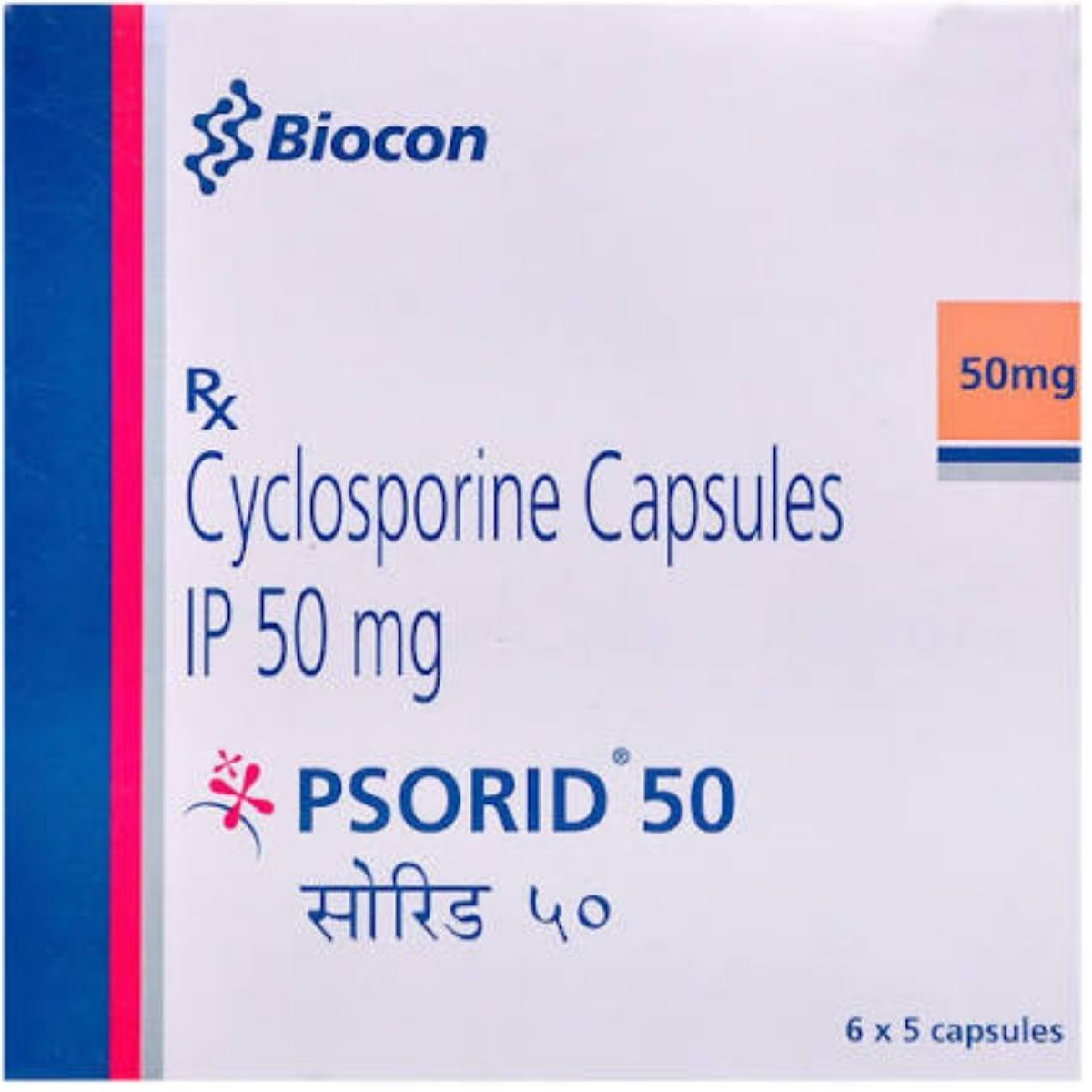
Psorid 50 Capsule

Uses

  • Severe psoriasis
  • Certain autoimmune or immune-mediated conditions
  • Prevention of organ rejection after transplantation
  • Other conditions requiring immunosuppressive treatment, as prescribed by a specialist

Key Benefits

  • Suppresses excessive immune system activity
  • Helps reduce immune-mediated inflammation
  • May help control severe psoriasis when prescribed
  • Helps prevent rejection of transplanted organs when used for this purpose

How Psorid 50 Works

Ciclosporin is an immunosuppressant. It reduces the activity of certain immune cells, particularly T-lymphocytes, thereby lowering the immune response.

This action can help control diseases in which an overactive immune system causes inflammation or tissue damage.

How to Use

Take Psorid 50 Capsule exactly as prescribed by your doctor.

  • Swallow the capsule whole with water.
  • Take it at the same time each day as advised.
  • Do not crush or chew the capsule.
  • Follow the prescribed dose carefully.
  • Do not stop treatment suddenly without medical advice.
  • Avoid grapefruit or grapefruit juice unless your doctor specifically permits it, as it can affect Ciclosporin levels.

Your doctor may regularly monitor blood pressure, kidney function, liver function, and Ciclosporin levels during treatment.

Side Effects

Possible side effects include:

  • Headache
  • High blood pressure
  • Increased hair growth
  • Trembling or shakiness
  • Nausea
  • Diarrhea
  • Gum overgrowth
  • Increased risk of infections
  • Changes in kidney function

Ciclosporin can cause serious kidney problems and other complications, particularly with prolonged use or inappropriate dosing.

Seek medical attention if you develop severe weakness, reduced urine output, swelling, unusual bruising, persistent fever, or signs of a serious infection.

Precautions

  • Use only under specialist medical supervision.
  • Regular monitoring of kidney function and blood pressure may be required.
  • Tell your doctor if you have kidney disease, uncontrolled high blood pressure, or an active infection.
  • Avoid unnecessary exposure to people with serious infections.
  • Avoid live vaccines unless specifically approved by your doctor.
  • Protect your skin from excessive sunlight and UV exposure because immunosuppressive treatment can increase the risk of certain skin cancers.
  • Inform your doctor if you are pregnant, planning pregnancy, or breastfeeding.
  • Do not take over-the-counter medicines or herbal supplements without checking with your doctor or pharmacist.

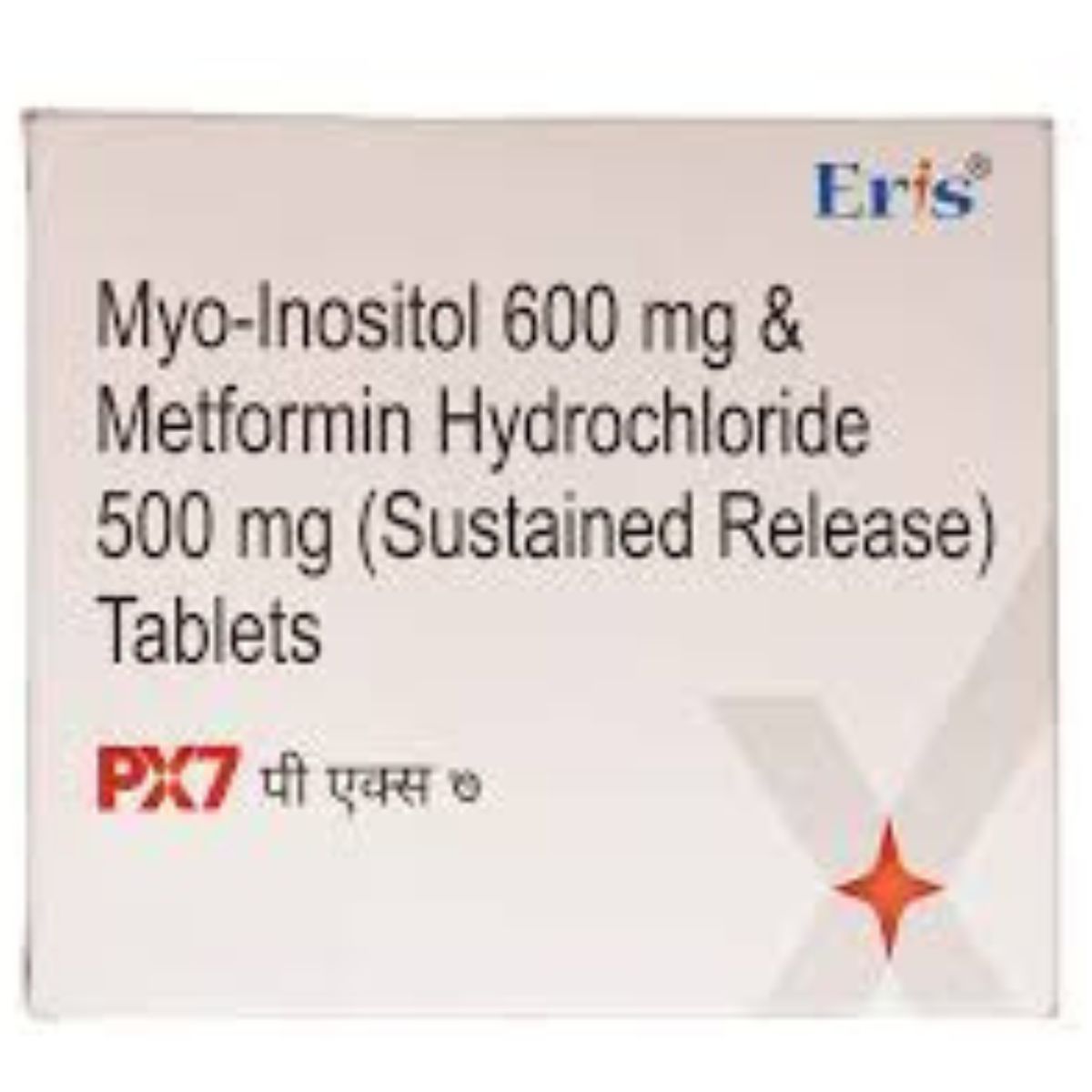
Px7 500mg/600mg Tablet SR

Px7 500mg/600mg Tablet SR is a combination medicine containing Metformin 500mg and Myo-Inositol 600mg. It is prescribed mainly for the management of polycystic ovary syndrome (PCOS), particularly when insulin resistance is associated with the condition.

PCOS can be associated with irregular menstrual cycles, difficulty with ovulation, hormonal imbalance and insulin resistance. Px7 may help improve insulin sensitivity and support hormonal and reproductive function when used as part of an overall PCOS management plan.

Uses of Px7 Tablet

Px7 may be prescribed for:

  • Management of PCOS
  • Insulin resistance associated with PCOS
  • Supporting regular menstrual cycles
  • Supporting ovulation and ovarian function
  • Improving insulin sensitivity

Treatment should be combined with appropriate diet, physical activity and weight-management measures when recommended by the healthcare professional.

How Px7 Works

Metformin improves the body’s sensitivity to insulin and helps reduce excessive glucose production by the liver.

Myo-Inositol supports insulin-signalling pathways and may help improve ovarian function in women with PCOS.

Together, these ingredients can help address insulin resistance and associated hormonal disturbances in PCOS.

Dosage

Take Px7 exactly as prescribed by your doctor. It is generally taken with or immediately after food and should be swallowed whole with water. Do not crush, chew or break the sustained-release tablet.

Do not change the dose or stop treatment without consulting your doctor. Improvement in menstrual regularity may take several months of continuous treatment.

How to Take Px7

  1. Take the tablet as directed by your doctor.
  2. Take it with or immediately after food.
  3. Swallow the tablet whole with a glass of water.
  4. Do not crush, chew or break the tablet.
  5. Try to take it at the same time each day.
  6. Continue treatment for the duration recommended by your doctor.

Side Effects

Common side effects may include:

  • Nausea
  • Vomiting
  • Diarrhoea
  • Abdominal discomfort or pain
  • Bloating or gas
  • Loss of appetite
  • Metallic or bitter taste in the mouth
  • Constipation

These effects are often more noticeable when treatment is started and may improve as the body adjusts. Taking the medicine with food may help reduce stomach-related discomfort.

Precautions and Warnings

Inform your doctor before taking Px7 if you have:

  • Kidney disease or reduced kidney function
  • Liver disease
  • Heart failure or a recent heart attack
  • A serious infection or severe dehydration
  • A history of problems related to lactic acidosis
  • Diabetes or other metabolic conditions
  • Thyroid problems
  • Any known allergy to metformin or myo-inositol

Tell your doctor if you are scheduled for surgery or an imaging procedure involving iodinated contrast dye, as metformin may need to be temporarily stopped in certain situations.

Quik Kool Gel

Overview and Uses:
Quik Kool Gel is a topical cooling gel designed to provide instant relief from muscle pain, minor burns, insect bites, and skin irritation. Its cooling agents, including Menthol and Aloe Vera, soothe the skin, reduce redness, and give a refreshing sensation.

It is commonly used for:

  • Muscle aches and pains

  • Minor burns or sunburns

  • Insect bites and stings

  • Skin irritation, redness, or itching

  • Providing instant cooling and soothing effect

Dosage and Administration:

  • Apply a thin layer to the affected area

  • Gently massage until absorbed

  • Can be used 2–3 times daily or as needed

  • Avoid covering with tight bandages immediately after application

Precautions and Safety Advice:

  • For external use only

  • Avoid contact with eyes, mouth, and mucous membranes

  • Discontinue if irritation, rash, or allergic reaction occurs

  • Not suitable for broken skin, deep wounds, or severe burns

  • Store in a cool, dry place, away from direct sunlight

Possible Side Effects:

  • Mild skin irritation or tingling at the application site

  • Rare allergic reactions such as rash or redness

Conclusion:
Quik Kool Gel provides fast-acting relief from minor pain, burns, and skin irritation. Its combination of Menthol, Aloe Vera, and cooling agents delivers a soothing and refreshing effect, making it ideal for everyday use in households and for sports or outdoor activities.

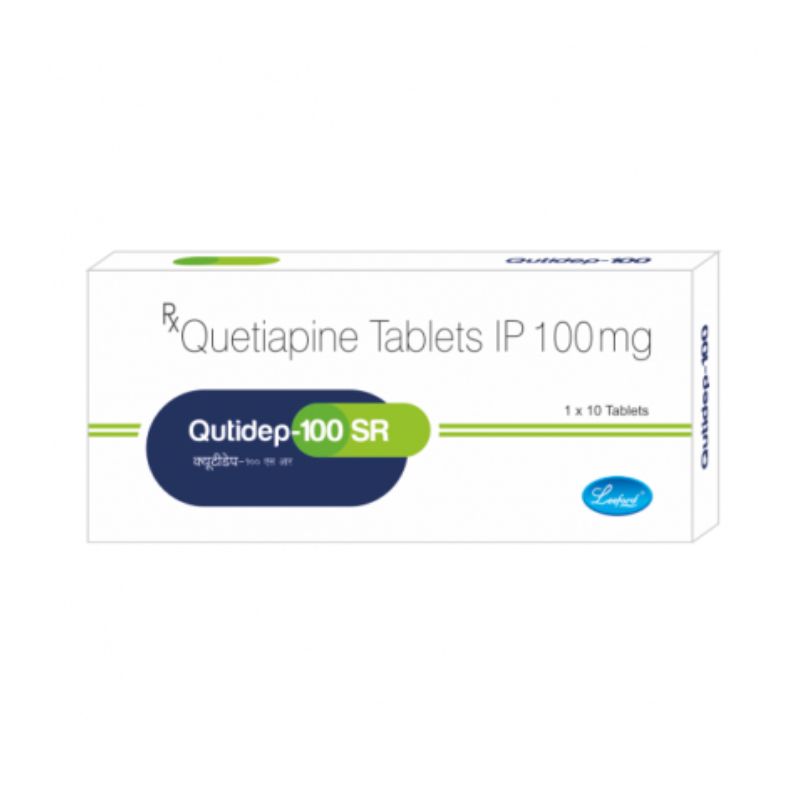
QUTIDEP-100 SR

QUTIDEP-100 SR contains quetiapine 100 mg in a sustained release (SR) formulation—an atypical antipsychotic used for prolonged, steady effect in various psychiatric disorders. It is supplied in a blister pack for once- or twice-daily oral dosing.

Clinical Uses

  • Schizophrenia: Treatment of delusions, auditory/visual hallucinations, disorganized thoughts, and social withdrawal.

  • Bipolar disorder: Control of mania, hypomania, depressive episodes, and as a mood stabilizer for long-term prevention of recurrence.

  • Mania: Used in acute episodes and for maintenance.

  • Adjunctive therapy in major depressive disorder (in select cases).

Mechanism of Action

Quetiapine works as a dopamine and serotonin receptor antagonist, rebalancing neurotransmitters in the brain. This leads to improvements in psychosis, mood fluctuation, and behavioral disturbances.

Dosage & Administration

  • Usually started at 50–100 mg daily with slow dose titration based on response and side effects.

  • SR (sustained release) formulation is generally taken once daily, in the evening or as advised; swallow whole, do not crush or chew.

  • Dose adjustments are made by the psychiatrist, with higher maintenance doses for severe illness (up to 800 mg/day).

Common Side Effects

  • Drowsiness, dizziness, dry mouth, constipation, increased appetite, weight gain, orthostatic hypotension (drop in BP with standing), fatigue.

  • Monitor for metabolic changes: increases in cholesterol, triglycerides, blood sugar.

  • Rare: abnormal movements (tardive dyskinesia), severe mood changes, neuroleptic malignant syndrome.

Precautions & Safety Advice

  • Use caution in elderly, diabetes, heart disease, and those with liver impairment.

  • May cause sedation—avoid hazardous activity until effects are known.

  • Regular follow-up for metabolic, heart, and blood profile monitoring is recommended for long-term therapy.

QUTIDEP-100 SR is a prescription sustained-release antipsychotic tablet for round-the-clock management of schizophrenia, bipolar disorder, and mania.

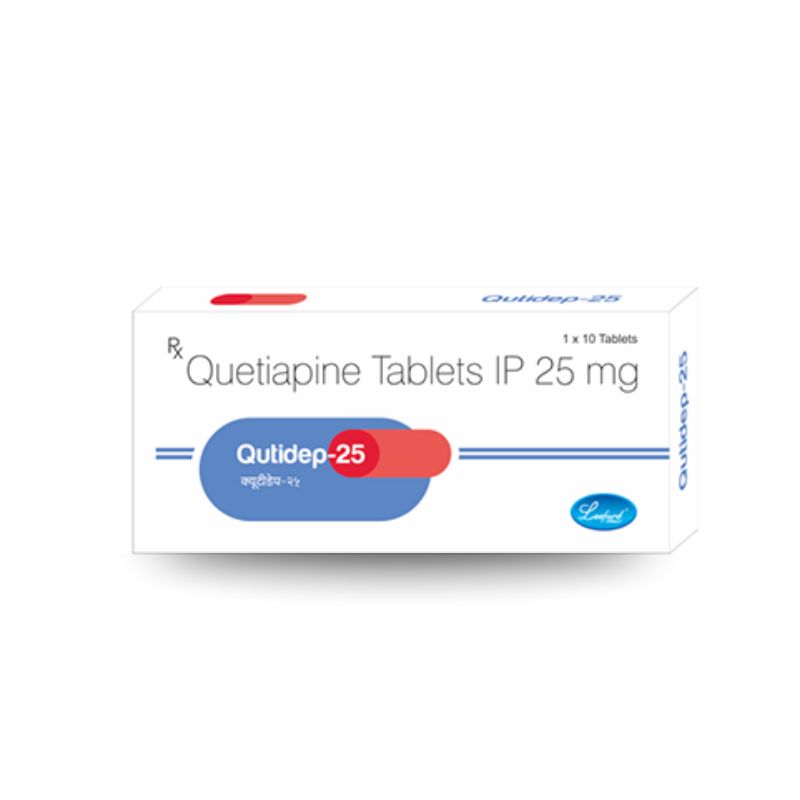
QUTIDEP-25

QUTIDEP-25 contains quetiapine 25 mg, an atypical antipsychotic medication used mainly in psychiatric and neurological conditions. It is supplied in a convenient blister pack for oral administration.

Clinical Uses

  • Treatment of schizophrenia (delusions, hallucinations, disorganized thinking).

  • Acute and maintenance therapy in bipolar disorder (manic and depressive episodes, mood stabilization).

  • Adjunctive therapy in major depressive disorder (in combination with antidepressants, if prescribed by doctor).

Mechanism of Action

Quetiapine works by balancing neurotransmitters (dopamine and serotonin) in the brain. This effect relieves psychosis, stabilizes mood swings, and decreases agitation or anxiety in psychiatric conditions.

Dosage & Administration

  • Initial adult dose is typically 25 mg once or twice daily; the dose is gradually increased per clinical need and response.

  • Can be taken with or without food; swallow whole with water.

  • Dose adjustments are made by the physician depending on indication—maintenance doses usually much higher than 25 mg (often 150–800 mg/day in divided doses for schizophrenia/bipolar disorder).

  • Elderly and those with liver impairment may start at a lower dose.

Common Side Effects

  • Drowsiness, dry mouth, dizziness, weakness, orthostatic hypotension (drop in blood pressure on standing), constipation, increased appetite, weight gain.

  • Rare but serious: movement disorders (tardive dyskinesia), high blood sugar, cholesterol abnormality, altered heart rhythm.

Precautions & Safety Advice

  • Use with caution in elderly, diabetics, and those with heart or liver disease.

  • May impair alertness—do not drive or operate machinery until familiar with effects.

  • Regular monitoring advised for prolonged use—blood sugar, cholesterol, heart function.

QUTIDEP-25 is a prescription antipsychotic for psychiatric stabilization in schizophrenia, bipolar disorder, and adjunct in depression.

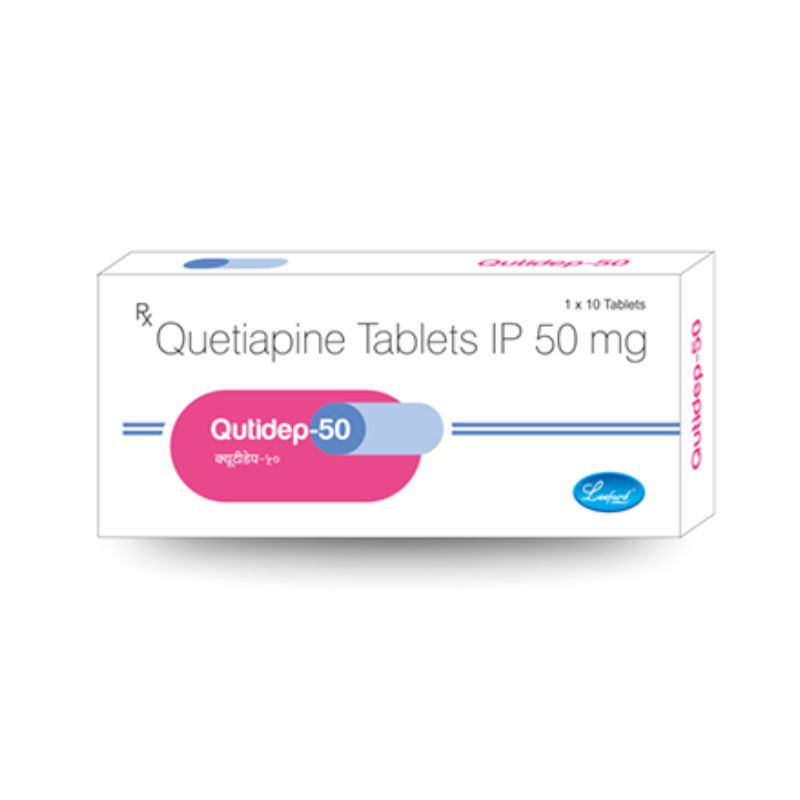
QUTIDEP-50

QUTIDEP-50 contains quetiapine 50 mg, an atypical antipsychotic used to treat a variety of psychiatric conditions. It is supplied in a blister pack for oral use.

Clinical Uses

  • Schizophrenia: For management of delusions, hallucinations, and disordered thought.

  • Bipolar disorder: Used for both manic and depressive episodes and as a long-term mood stabilizer.

  • Adjunct in major depressive disorder (in combination with antidepressants, if prescribed by your psychiatrist).

Mechanism of Action

Quetiapine balances dopamine and serotonin activity in the brain, reducing psychosis, stabilizing mood, and lessening agitation or anxiety.

Dosage & Administration

  • Initial dose for adults often starts at 50 mg, with gradual increases based on clinical response.

  • Dose adjustments are made by the physician. Maintenance doses for serious illness (schizophrenia, bipolar) are usually much higher than 50 mg (commonly 150–800 mg per day in divided doses).

  • Swallow whole, with or without food.

  • Elderly and patients with liver disease may require lower starting doses.

Common Side Effects

  • Drowsiness, dry mouth, weight gain, dizziness, constipation, low blood pressure.

  • Less common but serious: movement disorders (tardive dyskinesia), blood sugar or cholesterol changes, abnormal heart rhythm, mood or behavioral changes.

Precautions & Safety Advice

  • Use with caution in elderly, diabetics, or those with cardiovascular/liver issues.

  • May impair alertness—do not drive or operate machinery until personal response is known.

  • Regular monitoring of weight, blood sugar, and cholesterol is advised for long-term therapy.

QUTIDEP-50 is a prescription tablet for the management of major psychiatric disorders, including schizophrenia, bipolar disorder, and adjunctive use in depression.

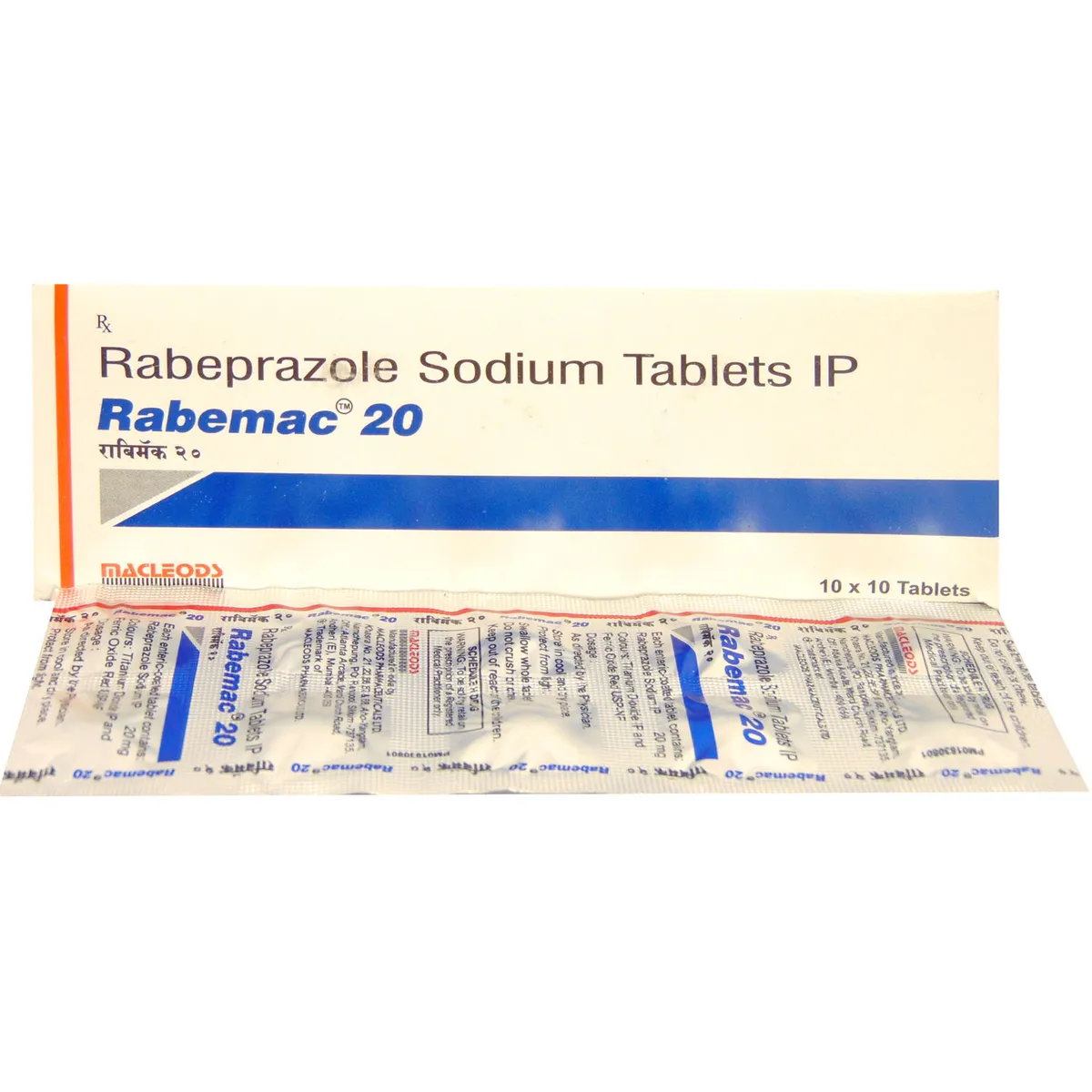
Rabemac 20 Tablet

Rabemac 20 Tablet contains Rabeprazole (20mg), a medicine that belongs to the class of proton pump inhibitors (PPIs). It works by reducing the amount of acid produced in the stomach, providing relief from acid-related conditions.

It is commonly prescribed for acid reflux, heartburn, ulcers, and gastroesophageal reflux disease (GERD). By lowering stomach acid, Rabemac not only relieves discomfort but also helps the healing of ulcers and prevents further damage to the food pipe (esophagus).


Uses

Rabemac 20 Tablet is prescribed for:

  • Gastroesophageal reflux disease (GERD)

  • Acid reflux and heartburn

  • Stomach and duodenal ulcers

  • Zollinger–Ellison syndrome (rare condition with excessive stomach acid)

  • Prevention of ulcers caused by long-term NSAID (painkiller) use


Advantages

  • Provides fast and effective relief from acidity and heartburn.

  • Promotes healing of ulcers in the stomach and intestine.

  • Protects the esophagus from acid-related damage.

  • Effective with once-daily dosing in most patients.

  • Well-tolerated compared to older acid-reducing medicines.


Possible Side Effects

Common and usually mild side effects include:

  • Headache

  • Nausea, vomiting, diarrhea

  • Stomach pain, gas, constipation

  • Dizziness

👉 Rare but serious side effects (need medical attention):

  • Severe allergic reactions (rash, swelling, difficulty breathing)

  • Low magnesium levels (muscle cramps, irregular heartbeat) with long-term use

  • Vitamin B12 deficiency or bone weakness (osteoporosis) if used for prolonged periods


Precautions

  • Take the tablet before meals (preferably in the morning) for best results.

  • Inform your doctor if you have liver disease or are taking other medicines for HIV, fungal infections, or blood thinning.

  • Avoid long-term or unnecessary use unless prescribed, as it may increase the risk of infections, fractures, or nutrient deficiencies.

  • Not recommended for immediate relief of acute heartburn; it works gradually.

  • Safe in pregnancy and breastfeeding only if clearly prescribed by the doctor.

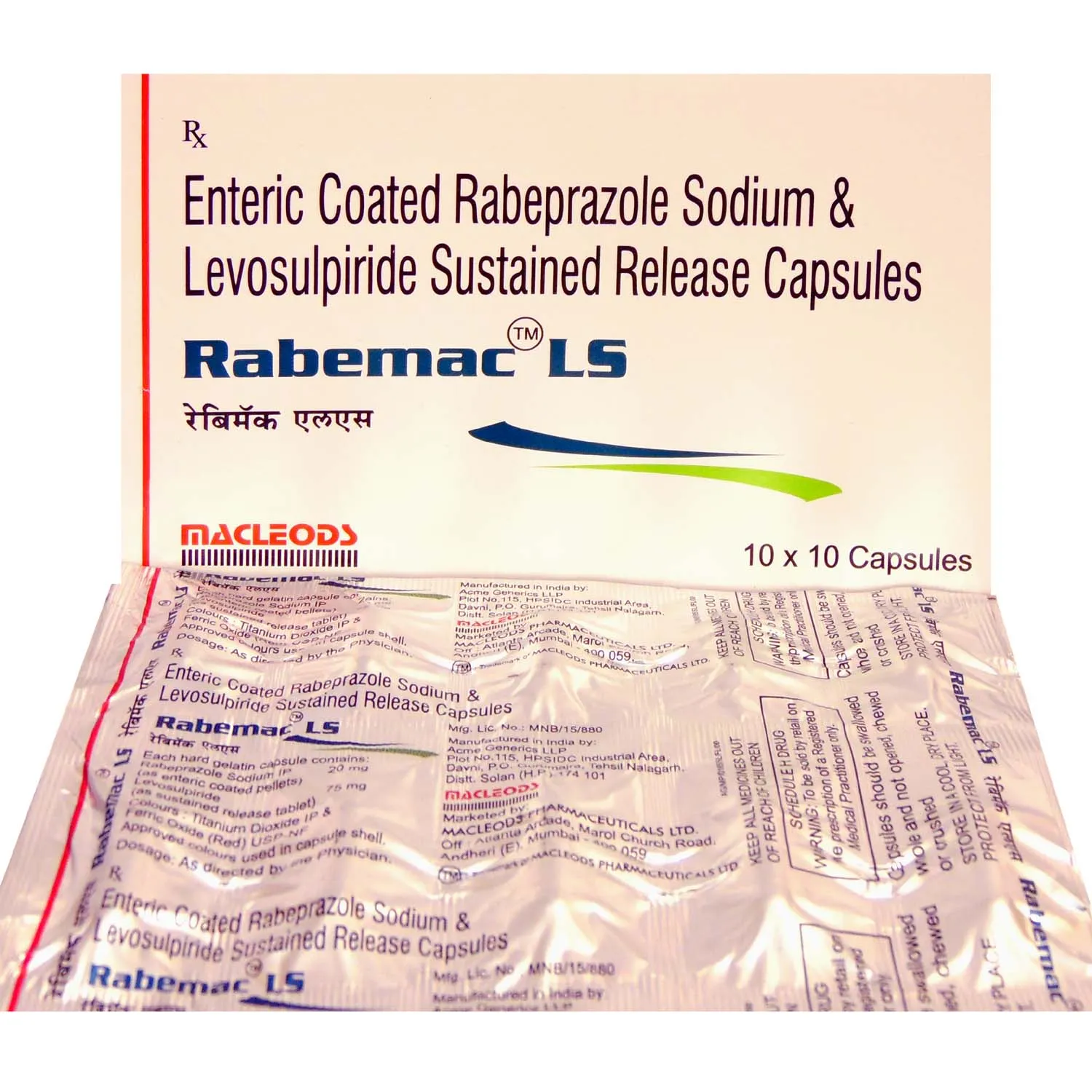
Rabemac LS Capsule SR

Rabemac LS Capsule SR is a dual-action medicine that combines Levosulpiride (75mg) and Rabeprazole (20mg).

  • Rabeprazole is a proton pump inhibitor (PPI) that reduces excess stomach acid and helps heal acid-related damage to the stomach and esophagus.

  • Levosulpiride is a prokinetic agent that enhances stomach and intestinal movement, helping in faster gastric emptying and relieving symptoms like bloating, fullness, and reflux.

This combination is highly effective in patients with acid reflux, GERD (gastroesophageal reflux disease), dyspepsia (indigestion), and related conditions.


Uses

Rabemac LS Capsule SR is commonly prescribed for:

  • Gastroesophageal reflux disease (GERD)

  • Acid reflux and persistent heartburn

  • Functional dyspepsia (indigestion, bloating, upper abdominal discomfort)

  • Nausea and vomiting associated with acidity

  • Delayed gastric emptying and reflux-related disorders


Advantages

  • Dual benefit: Reduces acid secretion and improves gut motility.

  • Provides faster and long-lasting relief from acidity, reflux, and indigestion.

  • Prevents regurgitation, bloating, and fullness after meals.

  • Promotes healing of stomach and esophageal lining.


Possible Side Effects

Most side effects are mild and temporary, but may include:

  • Headache, dizziness

  • Nausea, diarrhea, constipation, or abdominal discomfort

  • Mild sleep disturbances or restlessness (due to levosulpiride)

  • Increased prolactin levels (may rarely cause breast enlargement, milk secretion, or menstrual irregularities)

👉 Rare but serious side effects:

  • Severe allergic reactions (rash, swelling, difficulty breathing)

  • Irregular heartbeat or muscle stiffness

  • Low magnesium or vitamin B12 levels with prolonged use


Precautions

  • Take the capsule before meals, preferably in the morning.

  • Use with caution in patients with liver, kidney, or heart conditions.

  • Avoid long-term or unnecessary use unless prescribed, as prolonged levosulpiride may cause hormonal effects.

  • Inform your doctor if you are taking medicines for depression, fungal infections, or heart rhythm problems.

  • Not recommended in pregnancy or breastfeeding unless clearly advised by a doctor.

  • Lifestyle modifications (avoiding spicy food, alcohol, smoking, late-night meals) enhance treatment effectiveness.

Rabemac-DSR Capsule

Rabemac-DSR Capsule is a combination medicine containing Domperidone (30mg) and Rabeprazole (20mg).

  • Rabeprazole is a proton pump inhibitor (PPI) that reduces excess stomach acid.

  • Domperidone is a prokinetic agent that improves stomach emptying and prevents nausea, bloating, and vomiting.

Together, they provide effective relief from acid reflux, GERD (gastroesophageal reflux disease), heartburn, indigestion, and regurgitation. The dual action not only controls acidity but also relieves associated symptoms like nausea, bloating, and discomfort.


Uses

Rabemac-DSR Capsule is commonly prescribed for:

  • Gastroesophageal reflux disease (GERD)

  • Acid reflux and heartburn

  • Indigestion with nausea or bloating

  • Regurgitation (food coming back into the mouth)

  • Stomach discomfort caused by delayed gastric emptying


Advantages

  • Dual-action relief: Controls acidity and reduces nausea/vomiting.

  • Provides faster symptom control compared to Rabeprazole alone.

  • Improves digestion and stomach emptying.

  • Reduces complications of long-term acidity such as esophagitis (inflammation of the food pipe).


Possible Side Effects

Common side effects may include:

  • Headache

  • Diarrhea or constipation

  • Dry mouth, stomach cramps, flatulence

  • Dizziness or sleepiness

👉 Rare but serious side effects:

  • Irregular heartbeat or palpitations (due to Domperidone)

  • Low magnesium or vitamin B12 with prolonged use

  • Severe allergic reactions (rash, swelling, breathing difficulty)


Precautions

  • Take the capsule before meals, preferably in the morning.

  • Avoid use if you have a history of heart problems, liver disease, or stomach bleeding.

  • Should not be taken with certain medicines (like ketoconazole, erythromycin, or antifungals) that may increase Domperidone side effects.

  • Long-term use should be monitored to avoid risks like bone fractures, low magnesium, or vitamin B12 deficiency.

  • Pregnant and breastfeeding women should take only if prescribed by a doctor.

RABESEC 20

Rabesec 20 Tablet is a proton pump inhibitor (PPI) used to treat conditions caused by excess stomach acid. It works by blocking the proton pumps in the stomach lining, thereby reducing acid secretion and providing relief from symptoms such as heartburn, acidity, indigestion, and acid reflux.

It is commonly prescribed for Gastroesophageal Reflux Disease (GERD), peptic ulcers, and erosive esophagitis. By lowering stomach acid levels, it also helps in preventing damage to the food pipe (esophagus) caused by acid reflux and promotes healing of ulcers.


Uses

  • Gastroesophageal reflux disease (GERD)

  • Zollinger–Ellison syndrome (excess acid production)

  • Peptic and duodenal ulcers

  • Erosive esophagitis

  • Acid-related indigestion and heartburn


How It Works

  • Rabeprazole (20 mg): Belongs to the PPI class of medicines. It irreversibly inhibits the H+/K+ ATPase enzyme (proton pump) in the stomach lining, which is responsible for acid secretion. This results in long-lasting reduction of stomach acid and relief from acidity and reflux symptoms.


Side Effects

Common side effects may include:

  • Headache, dizziness

  • Diarrhea, constipation, flatulence

  • Abdominal pain, nausea, vomiting

  • Rash or allergic reactions (rare)

  • Long-term use may cause vitamin B12 deficiency, low magnesium levels, or bone weakness


Precautions & Warnings

  • Avoid if allergic to Rabeprazole or other PPIs.

  • Use cautiously in patients with liver disease or osteoporosis.

  • Long-term or high-dose use should be monitored by a doctor.

  • Pregnant and breastfeeding women should use only under medical advice.

  • Avoid alcohol and smoking as they can worsen acid reflux.


Dosage & Administration

  • Usual dose: 20 mg once daily before meals, or as directed by the physician.

  • Tablet should be swallowed whole, not crushed or chewed.

  • Duration of therapy varies depending on the medical condition.