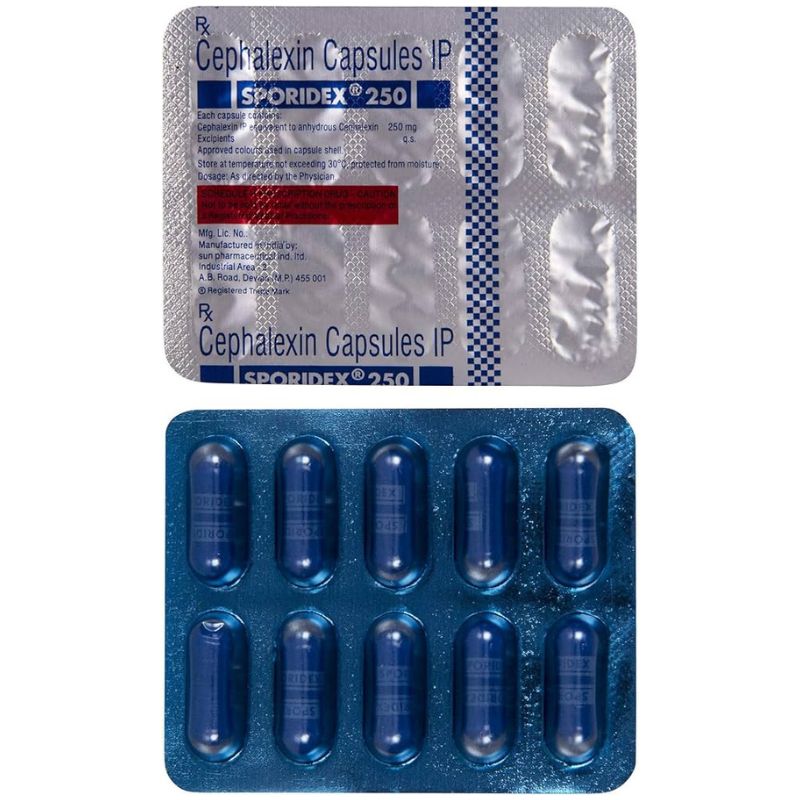
Sompraz D 40 Capsule SR is a combination medication used to manage acid-related gastrointestinal disorders. Esomeprazole reduces stomach acid production, helping heal ulcers and relieve reflux symptoms, while Domperidone improves gastrointestinal motility and alleviates nausea. The sustained-release formulation ensures longer-lasting relief.
Uses:
-
Treats gastroesophageal reflux disease (GERD)
-
Reduces heartburn, acid reflux, and regurgitation
-
Relieves nausea and vomiting associated with acid disorders
-
Supports gastric emptying and reduces bloating
Dosage & How to Use:
-
Usually taken once daily, 30–60 minutes before a meal, as prescribed by a doctor
-
Swallow whole; do not crush or chew
-
Follow your doctor’s instructions for proper timing and duration
Precautions:
-
Inform your doctor if you have liver, kidney, or heart problems
-
Avoid alcohol while taking this medicine
-
Consult your doctor if symptoms persist or worsen
Side Effects:
-
Headache, dizziness, or stomach discomfort
-
Dry mouth, diarrhea, or constipation
-
Rarely, irregular heartbeat or allergic reactions
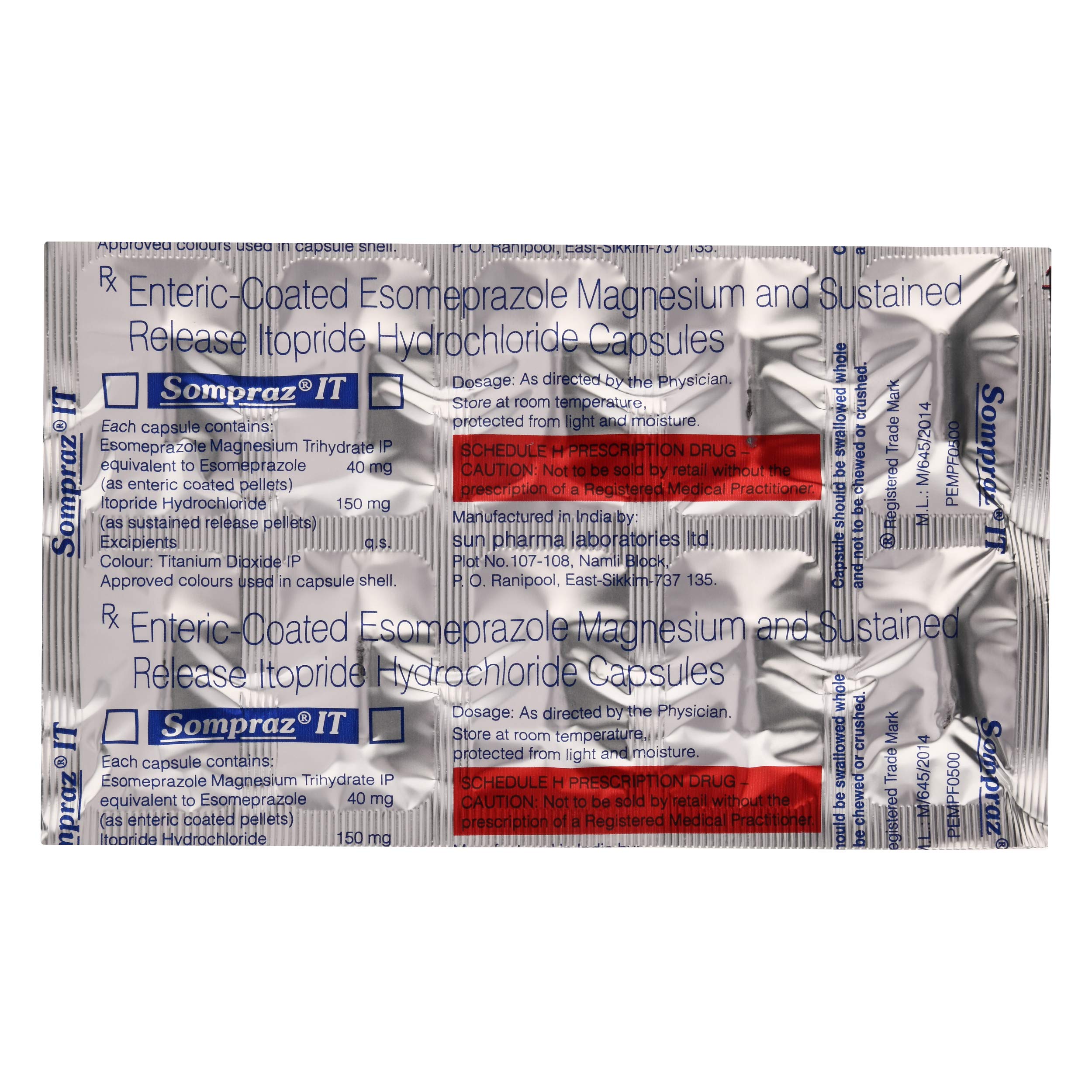
Sompraz IT Capsule SR is a combination medication used to treat acid-related gastrointestinal disorders with delayed gastric emptying. Esomeprazole reduces stomach acid production, aiding in the healing of ulcers and relieving reflux symptoms, while Itopride enhances gastrointestinal motility, helping relieve bloating, fullness, and nausea. The sustained-release formulation ensures prolonged therapeutic effect.
Uses:
-
Treats gastroesophageal reflux disease (GERD)
-
Reduces heartburn, acid reflux, and regurgitation
-
Improves gastric motility and relieves bloating and fullness
-
Supports healing of stomach and duodenal ulcers
Dosage & How to Use:
-
Typically taken once daily, 30–60 minutes before a meal, or as prescribed by a doctor
-
Swallow whole; do not crush or chew
-
Follow your doctor’s instructions for duration and timing
Precautions:
-
Inform your doctor if you have liver, kidney, or heart issues
-
Avoid alcohol and other gastrointestinal medications unless approved by your doctor
-
Consult a doctor if symptoms persist or worsen
Side Effects:
-
Headache, dizziness, or mild stomach discomfort
-
Diarrhea, constipation, or dry mouth
-
Rarely, allergic reactions, irregular heartbeat, or severe abdominal symptoms
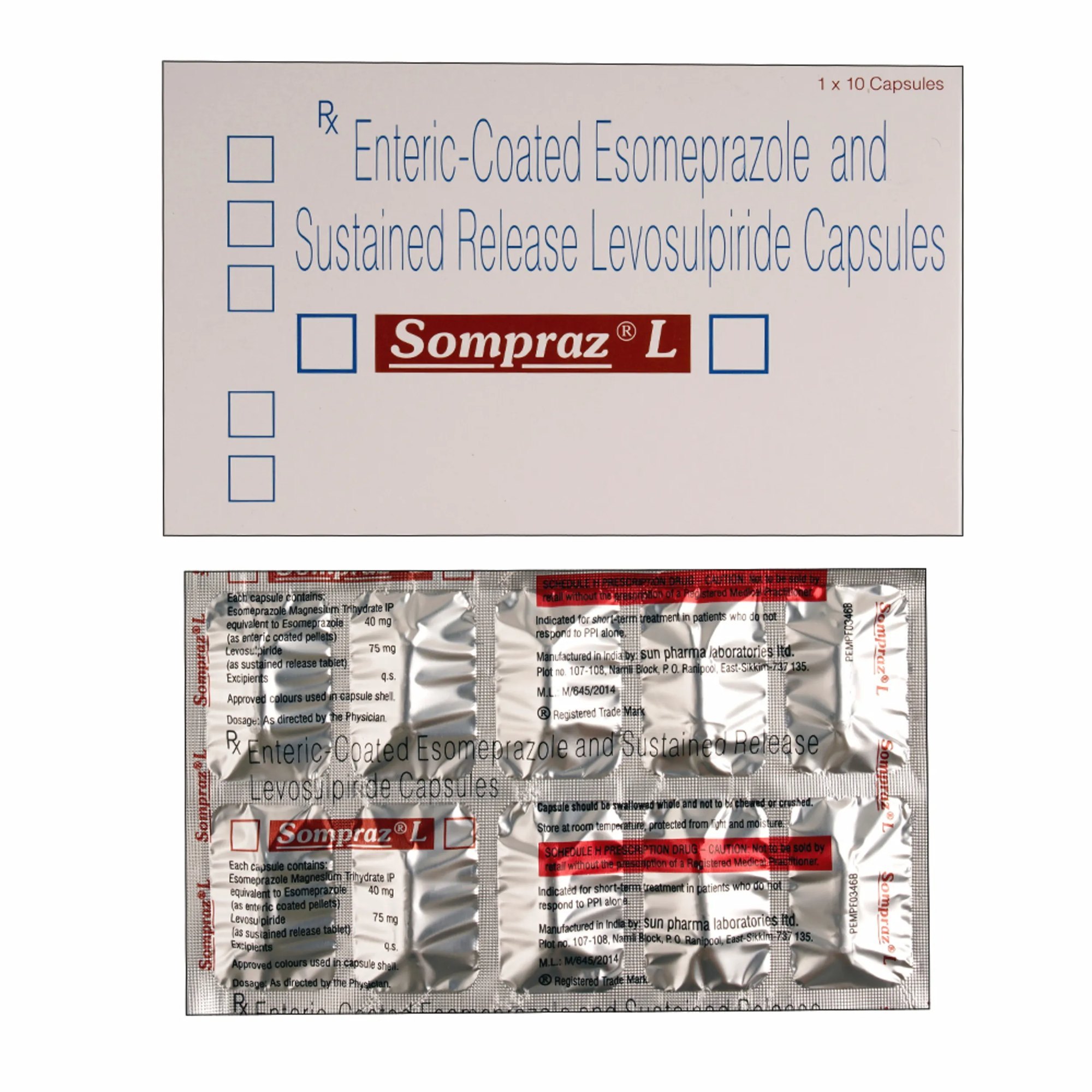
Sompraz L Capsule SR is a combination medication used to manage acid-related gastrointestinal disorders along with delayed gastric emptying and functional dyspepsia. Esomeprazole reduces stomach acid production, helping heal ulcers and relieve heartburn, while Levosulpiride improves gastrointestinal motility, alleviating bloating, fullness, and nausea. The sustained-release formulation ensures prolonged therapeutic effect.
Uses:
-
Treats gastroesophageal reflux disease (GERD)
-
Reduces heartburn, acid reflux, and regurgitation
-
Improves gastric motility and relieves bloating, fullness, and nausea
-
Supports healing of stomach and duodenal ulcers
Dosage & How to Use:
-
Usually taken once daily, 30–60 minutes before a meal, as prescribed by a doctor
-
Swallow whole; do not crush or chew
-
Follow the doctor’s instructions regarding duration and timing
Precautions:
-
Inform your doctor if you have liver, kidney, or heart issues
-
Avoid alcohol and other medications unless approved by your doctor
-
Consult a doctor if symptoms persist or worsen
Side Effects:
-
Headache, dizziness, or mild stomach discomfort
-
Diarrhea, constipation, or dry mouth
-
Rarely, allergic reactions, irregular heartbeat, or severe abdominal symptoms

Sonata LR Capsule is a probiotic supplement designed to support gut health and maintain a balanced intestinal microflora. It contains beneficial bacteria that help improve digestion, enhance nutrient absorption, and strengthen the body’s natural immunity. Regular use promotes overall gastrointestinal well-being.
Uses:
-
Supports healthy gut microflora
-
Improves digestion and nutrient absorption
-
Helps prevent and manage diarrhea or constipation
-
Boosts immunity and overall gastrointestinal health
Dosage & How to Use:
-
Typically 1–2 capsules daily, or as recommended by a healthcare professional
-
Swallow whole with water, preferably before or after meals
-
Store in a cool, dry place to maintain probiotic efficacy
Precautions:
-
Consult a doctor before use in immunocompromised patients or those with severe illnesses
-
Not a substitute for a balanced diet
-
Discontinue if allergic reactions occur
Side Effects:
-
Rarely, mild bloating, gas, or abdominal discomfort
-
Allergic reactions are uncommon
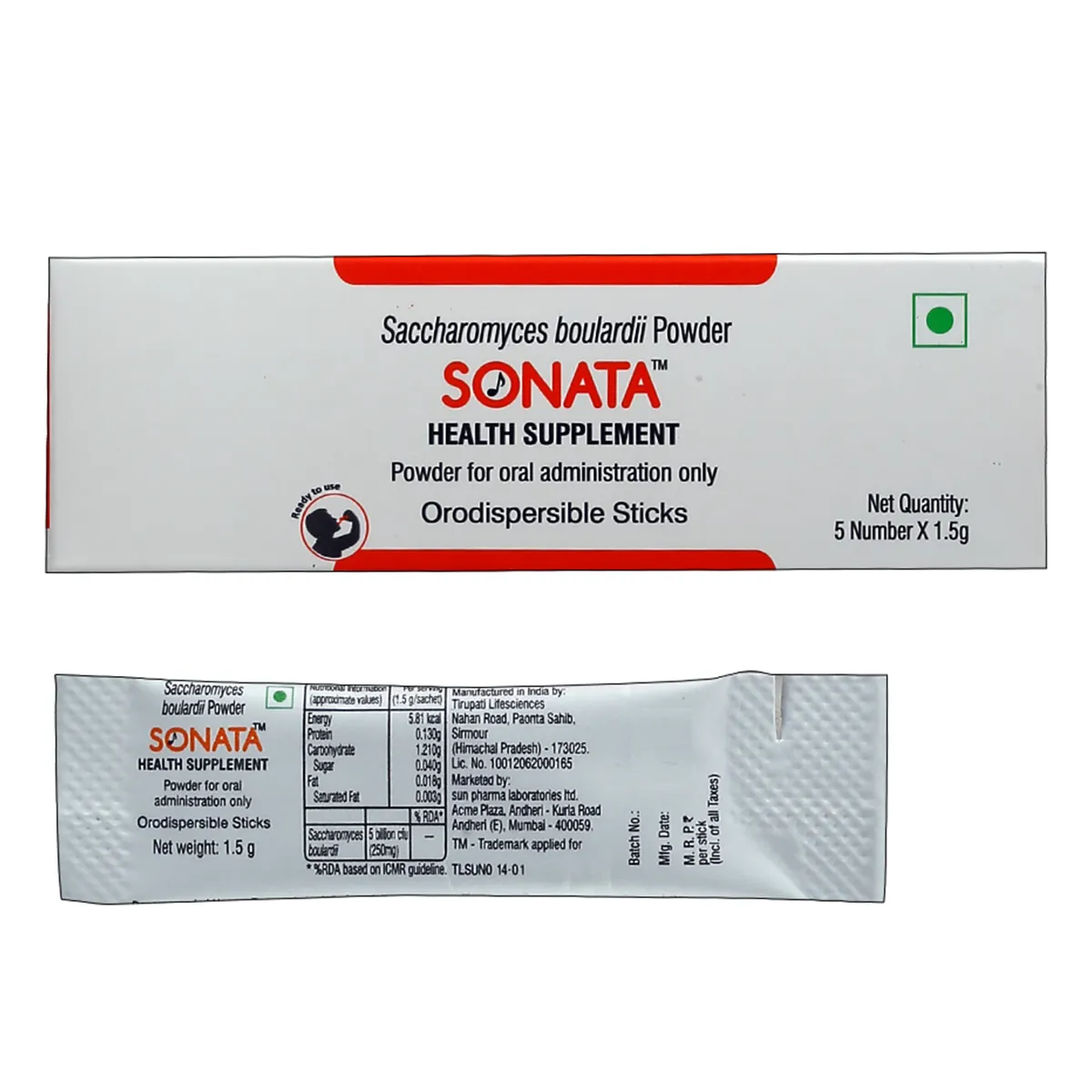
Sonata Oral Disintegrating Sticks are designed to deliver zolpidem, a sedative-hypnotic, in a convenient oral disintegrating form for the short-term treatment of insomnia. The sticks dissolve quickly in the mouth without the need for water, helping patients fall asleep faster and maintain sleep throughout the night.
Uses:
-
Short-term management of insomnia
-
Helps reduce the time taken to fall asleep
-
Improves sleep quality and duration
Dosage & How to Use:
-
Usually taken once daily, just before bedtime
-
Place the stick in the mouth; it will dissolve rapidly
-
Avoid eating or drinking immediately before or after use
-
Follow the doctor’s prescription strictly
Precautions:
-
Do not use if you have severe liver disease, sleep apnea, or respiratory problems
-
Avoid alcohol and other sedatives while taking this medication
-
May cause dependence if used long-term; use only as prescribed
-
Avoid driving or operating machinery after use
Side Effects:
-
Drowsiness, dizziness, or headache
-
Dry mouth or mild gastrointestinal upset
-
Rarely, memory disturbances, hallucinations, or allergic reactions
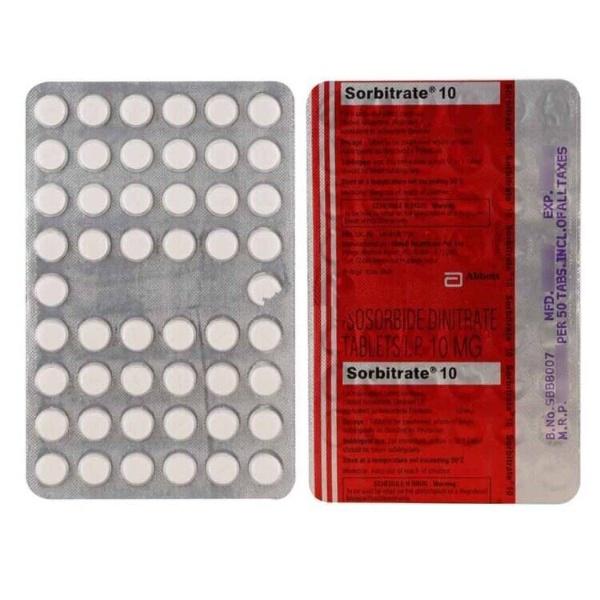
Sorbitrate 10 Tablet contains Isosorbide Dinitrate (10mg), a medicine that belongs to the class of nitrates. It is primarily used for the prevention and treatment of angina pectoris (chest pain due to reduced blood flow to the heart).
It works by relaxing and widening the blood vessels, which reduces the heart’s workload and improves the supply of oxygen-rich blood to the heart muscle. This helps in relieving chest pain, preventing angina attacks, and improving exercise tolerance in patients with coronary artery disease.
Uses
-
Prevention and treatment of angina pectoris (chest pain)
-
Management of coronary artery disease
-
Sometimes used in heart failure, as prescribed by a doctor
How to Use
-
Take the tablet by mouth with water, as directed by your doctor.
-
It may be placed under the tongue (sublingual use) for faster relief during angina attacks.
-
Do not chew or swallow if prescribed for sublingual use.
-
Use it at the same time daily if prescribed for long-term prevention.
Side Effects
Common side effects:
-
Headache (very common, due to vessel relaxation)
-
Dizziness or lightheadedness
-
Flushing (warmth, redness of skin)
-
Low blood pressure
Serious but rare side effects:
Precautions
-
Do not use together with medicines for erectile dysfunction (sildenafil, tadalafil, vardenafil) as it can cause dangerous drop in blood pressure.
-
Inform your doctor if you have low blood pressure, anemia, glaucoma, or recent head injury.
-
Avoid alcohol as it may increase dizziness or fainting risk.
-
Use with caution in elderly patients.
-
Not recommended during pregnancy or breastfeeding unless clearly prescribed.
Key Ingredient Recap
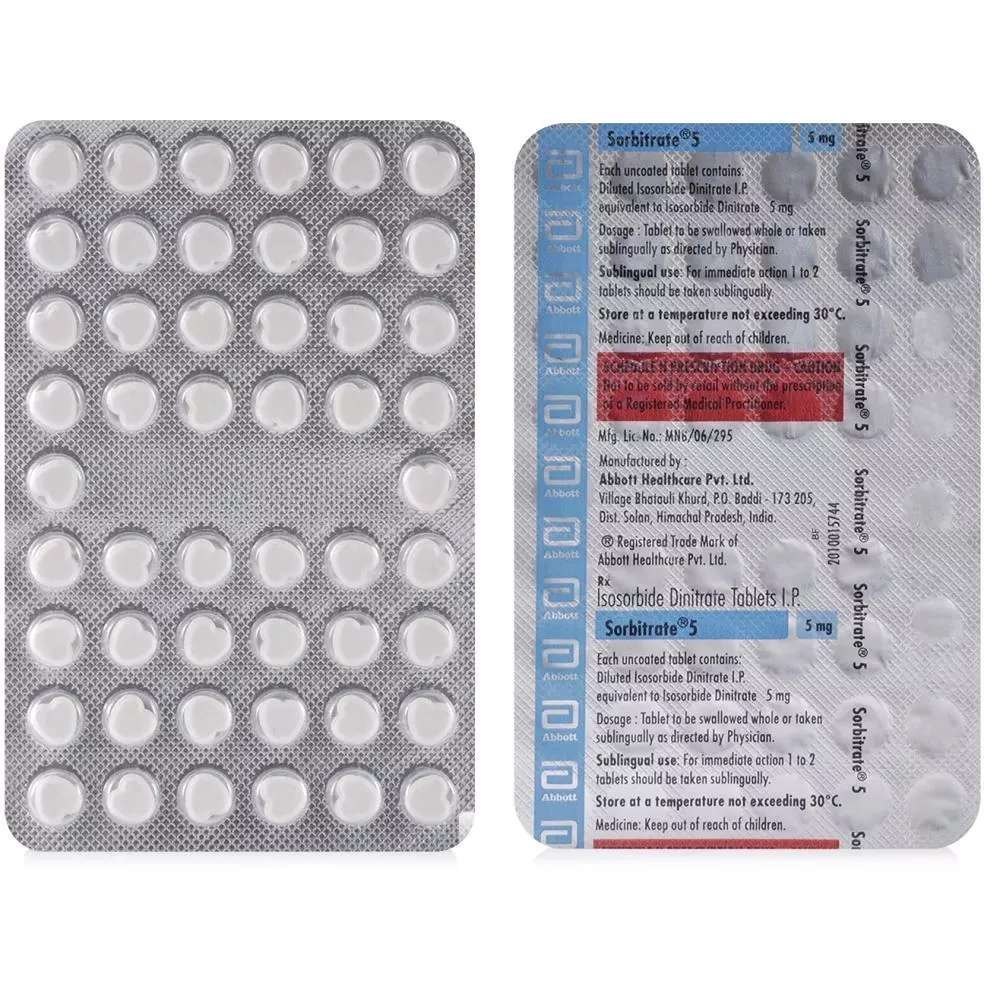
Sorbitrate 5 Tablet contains Isosorbide Dinitrate (5mg), a nitrate medicine widely used in the prevention and treatment of angina pectoris (chest pain caused by reduced blood flow to the heart).
It works by relaxing and widening the blood vessels, which reduces the workload on the heart and improves oxygen supply to heart muscles. The 5mg dose is often prescribed for quick relief of angina attacks and sometimes for dose adjustment in patients starting nitrate therapy.
Uses
-
Prevention and treatment of angina pectoris (chest pain)
-
Management of coronary artery disease
-
May be used in certain cases of heart failure, as prescribed by a doctor
How to Use
-
Take the tablet exactly as directed by your doctor.
-
It may be taken under the tongue (sublingual route) for faster action during angina pain.
-
Do not chew or swallow if prescribed for sublingual use.
-
For preventive use, take at the same time every day.
Side Effects
Common side effects:
-
Headache (very common)
-
Dizziness, lightheadedness, or fainting
-
Flushing (warmth, redness of skin)
-
Low blood pressure
Serious but rare side effects:
-
Severe dizziness or fainting
-
Fast or irregular heartbeat
-
Allergic reactions (swelling, rash, breathing difficulty)
Precautions
-
Avoid taking with erectile dysfunction medicines (like sildenafil, tadalafil, vardenafil) – may cause dangerously low blood pressure.
-
Inform your doctor if you have very low blood pressure, severe anemia, glaucoma, or recent head injury.
-
Alcohol should be avoided as it increases dizziness and fainting risk.
-
Use with caution in elderly patients.
-
Not recommended in pregnancy or breastfeeding unless prescribed.
Key Ingredient Recap

Sorvate C Ointment is a topical medication used in the treatment of psoriasis and certain inflammatory skin conditions. It combines two active ingredients:
-
Calcitriol (0.0003% w/w): A form of Vitamin D3 that helps regulate skin cell growth and reduces excessive cell proliferation seen in psoriasis.
-
Clobetasol (0.05% w/w): A potent corticosteroid that reduces redness, swelling, itching, and inflammation of the skin.
This dual action helps relieve scaling, itching, redness, and irritation, promoting smoother and healthier skin.
Uses of Sorvate C Ointment
-
Treatment of psoriasis (especially plaque psoriasis)
-
Reduces skin inflammation, redness, and itching
-
Helps control abnormal skin cell growth
-
Relief from scaly and thickened skin patches
How to Use
-
Apply a thin layer of ointment to the affected area, usually once or twice daily, as directed by your doctor.
-
Gently rub in until absorbed.
-
Wash hands before and after application (unless treating hands).
-
Do not use on face, groin, or underarms unless prescribed.
Side Effects
Common:
-
Burning, stinging, or itching at the application site
-
Dryness or redness of skin
-
Skin irritation
Serious (rare):
-
Thinning of the skin (with prolonged use)
-
Stretch marks or pigmentation changes
-
Allergic reactions (rash, swelling)
Precautions & Warnings
-
Prescription Required – use only as directed by a dermatologist.
-
Avoid long-term use without medical supervision.
-
Not for use in children below 12 years unless prescribed.
-
Do not apply to broken skin, face, or mucous membranes.
-
Use with caution in patients with calcium metabolism disorders.
-
Pregnant and breastfeeding women should consult their doctor before use.
Conclusion
Sorvate C Ointment provides effective relief from psoriasis and inflammatory skin conditions by combining the skin cell–regulating action of Calcitriol with the anti-inflammatory benefits of Clobetasol. When used as prescribed, it helps reduce redness, scaling, and itching, thereby improving skin texture and quality of life for patients with chronic skin disorders.
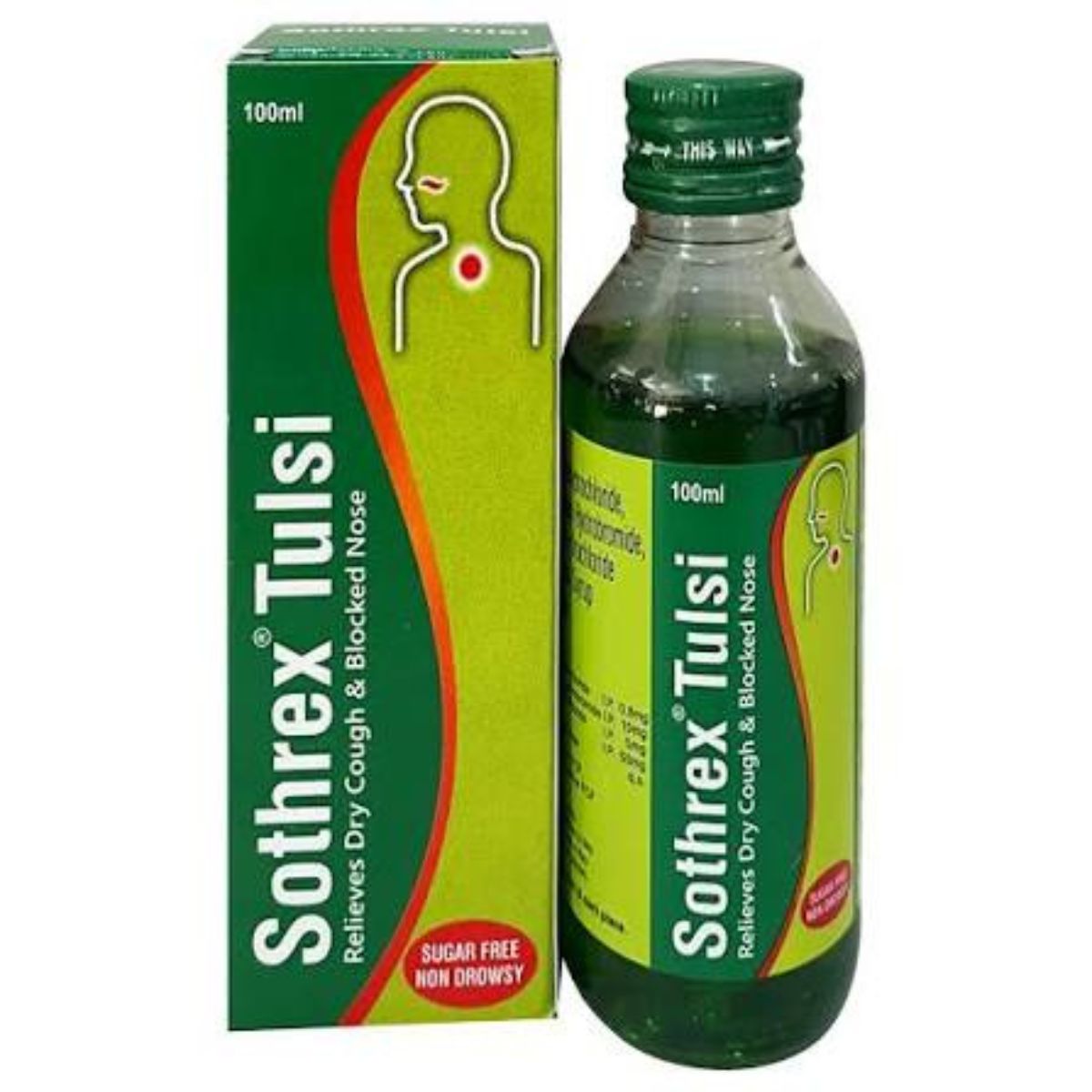
Sothrex Tulsi Syrup is an Ayurvedic herbal formulation developed to provide natural relief from cough, throat irritation, and seasonal respiratory discomfort. It contains Tulsi (Holy Basil), a well-known medicinal herb in Ayurveda, along with other herbal ingredients that help soothe the throat, support healthy breathing, and strengthen the immune system.
Tulsi is traditionally valued for its antioxidant, antimicrobial, and anti-inflammatory properties. Regular use of Sothrex Tulsi Syrup may help reduce throat discomfort, loosen mucus, and provide relief from dry or productive cough associated with seasonal changes.
This herbal syrup is suitable for adults and children (as advised by a healthcare professional) and should be used according to the recommended dosage.
Uses of Sothrex Tulsi Syrup
- Dry cough
- Productive (wet) cough
- Sore throat
- Throat irritation
- Seasonal cough and cold
- Respiratory health support
- Immune system support
Benefits of Sothrex Tulsi Syrup
- Helps relieve cough naturally
- Soothes sore throat and throat irritation
- Supports respiratory health
- Helps loosen mucus
- Supports the body’s natural immunity
- Provides antioxidant benefits
How Sothrex Tulsi Syrup Works
Sothrex Tulsi Syrup contains Tulsi (Holy Basil) and other Ayurvedic herbs that help soothe the respiratory tract, reduce throat irritation, support mucus clearance, and promote healthy immune function. The herbal ingredients work together to provide symptomatic relief from cough and throat discomfort.
Dosage & Administration
Take Sothrex Tulsi Syrup as directed by your doctor or according to the product label.
Typical dosage:
- Adults: 10 ml, 2–3 times daily.
- Children: 5 ml, 2–3 times daily or as advised by a doctor.
How to Use
- Shake the bottle well before use.
- Measure the dose using the provided measuring cup.
- Take after meals or as directed by your doctor.
- Follow the recommended dosage.
Possible Side Effects
Sothrex Tulsi Syrup is generally well tolerated.
Rare side effects may include:
- Mild stomach discomfort
- Nausea
- Allergic reactions to herbal ingredients
Stop use and consult your doctor if any unusual symptoms occur.
Precautions & Warnings
Before using Sothrex Tulsi Syrup, consult your doctor if you:
- Are pregnant or breastfeeding
- Have diabetes (the syrup may contain sugar)
- Are allergic to any herbal ingredients
- Have a chronic respiratory condition
Additional precautions:
- Do not exceed the recommended dosage.
- If cough persists for more than one week, consult a doctor.
- Seek medical attention if cough is accompanied by high fever, difficulty breathing, or blood in sputum.

Sovihep 400mg Tablet is an antiviral medicine used to treat chronic Hepatitis C infection. It contains Sofosbuvir, which works by inhibiting the viral RNA polymerase, preventing the Hepatitis C virus from replicating and helping the liver recover.
How it Works:
Dosage:
Take as prescribed by your doctor, usually once daily with or without food. Complete the full course even if you feel better.
Side Effects:
-
Fatigue
-
Headache
-
Nausea
-
Insomnia (rare)
Precautions:
-
Not recommended for patients with severe liver or kidney disease without medical supervision.
-
Inform your doctor about all medications to avoid interactions.
-
Pregnant or breastfeeding women should use only under doctor guidance.
Storage:
Store in a cool, dry place below 25°C, away from sunlight and moisture. Keep out of reach of children.
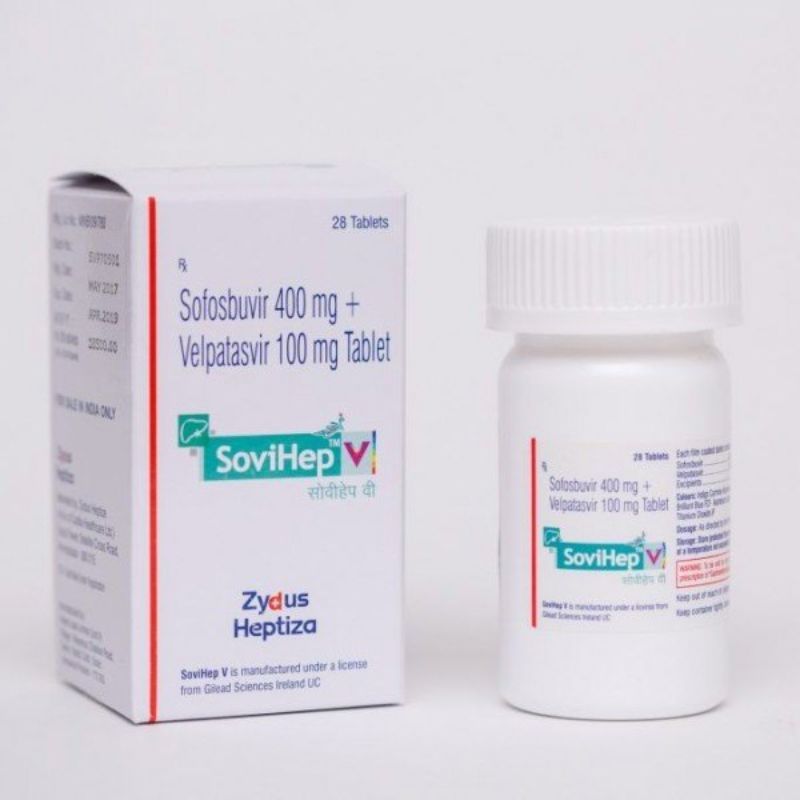
Sovihep V Tablet is an antiviral medication used for the treatment of chronic Hepatitis C infection. It contains Sofosbuvir, which inhibits the viral RNA polymerase, and Velpatasvir, which blocks the viral protein NS5A, preventing the hepatitis C virus from multiplying. This combination is effective against all major genotypes of Hepatitis C, helping achieve sustained virologic response (SVR) and reducing liver damage.
How it Works:
-
Sofosbuvir stops the virus from replicating by targeting its RNA polymerase.
-
Velpatasvir inhibits NS5A, a protein essential for viral replication and assembly.
-
Together, they suppress the Hepatitis C virus effectively, allowing the liver to heal.
Dosage:
Take Sovihep V Tablet as prescribed by your doctor, usually once daily, with or without food. Complete the full course even if symptoms improve.
Side Effects:
Precautions:
-
Not recommended for patients with severe liver or kidney disease without doctor supervision.
-
Inform your doctor about other medications to avoid drug interactions.
-
Pregnant or breastfeeding women should use only under medical advice.
-
Do not stop the medication early to prevent viral resistance.
Storage:
Store in a cool, dry place below 25°C, away from sunlight and moisture. Keep out of reach of children.