Axcer 90mg Tablet

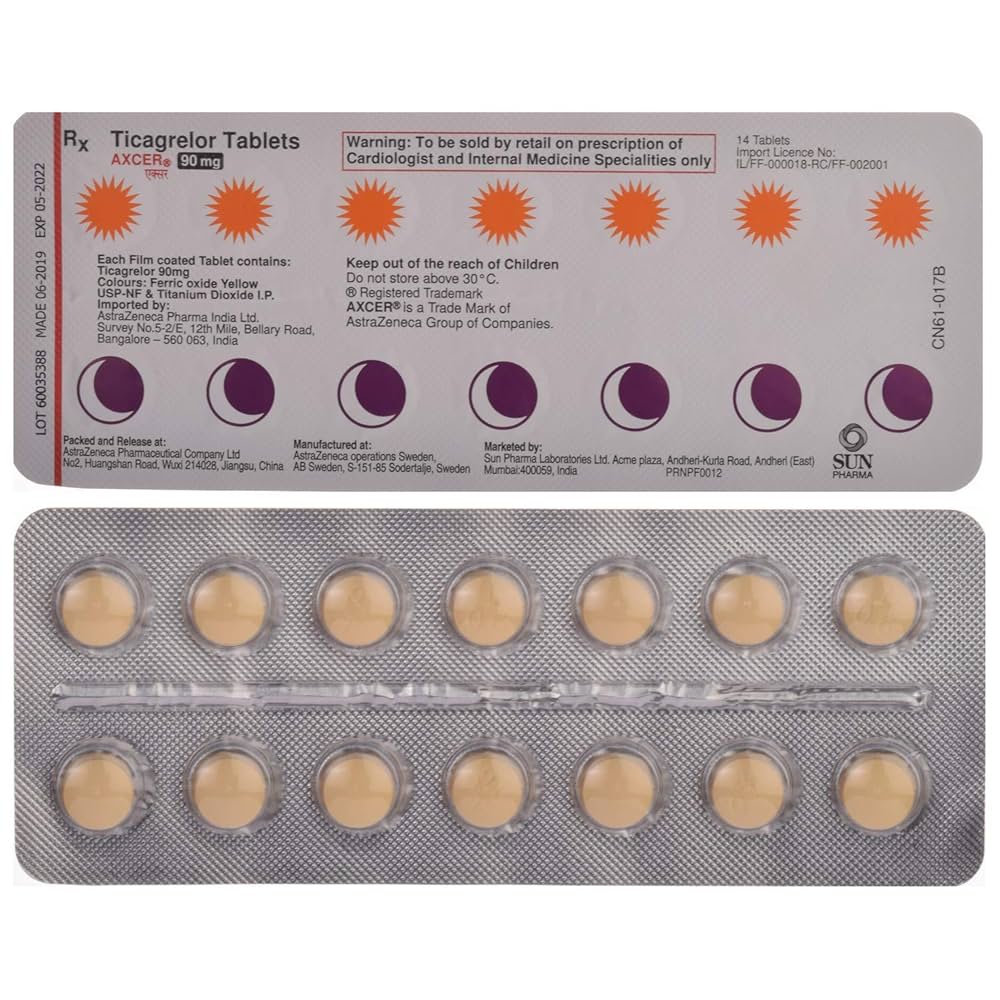
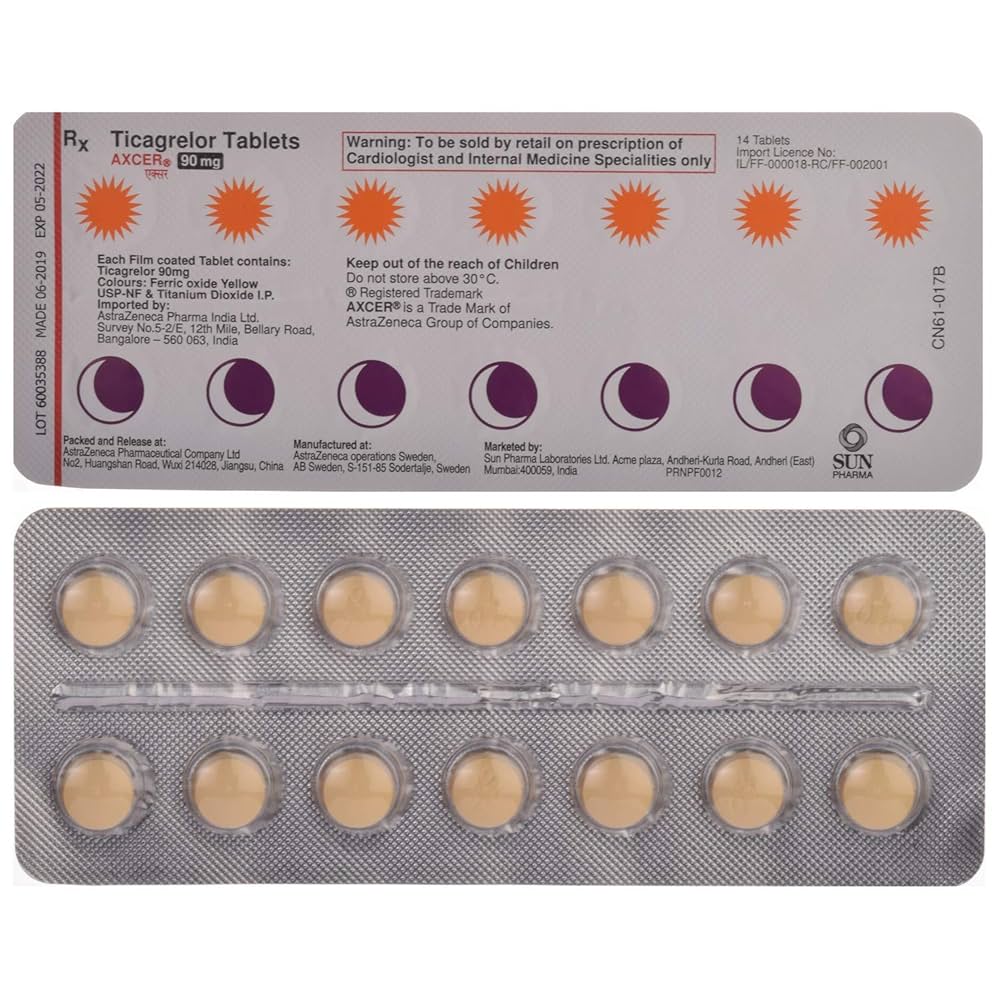
Axcer 90mg Tablet is a prescription medicine manufactured by Sun Pharmaceutical Industries Ltd. It contains Ticagrelor (90mg), an antiplatelet agent that helps prevent platelets in the blood from sticking together and forming clots.

This medicine is commonly prescribed for patients with acute coronary syndrome (ACS) or those who have had a heart attack to reduce the risk of further cardiovascular events such as stroke, heart attack, or death.

Uses

  • Prevention of blood clots in patients with ACS

  • Reduces risk of heart attack, stroke, and cardiovascular death

  • Helps maintain healthy blood flow in coronary arteries

Dosage

  • Take as prescribed by your doctor

  • Usually taken twice daily

  • Swallow the tablet whole; do not crush or chew

  • Take consistently at the same times each day for best effect

Side Effects

  • Shortness of breath

  • Nosebleeds or minor bleeding

  • Dizziness or headache

  • Rare: severe bleeding, allergic reactions, or low platelet count

Precautions

  • Use cautiously in patients with bleeding disorders, liver problems, or history of stroke

  • Inform the doctor about other medications, especially blood thinners or NSAIDs

  • Not recommended during pregnancy or breastfeeding unless prescribed

  • Avoid activities that increase risk of bleeding while taking this medicine

Storage

  • Store in a cool, dry place away from direct sunlight

  • Keep out of reach of children

Axcer 90mg Tablet

Axcer 90mg Tablet is a prescription medicine manufactured by Sun Pharmaceutical Industries Ltd. It contains Ticagrelor (90mg), an antiplatelet agent that works by preventing platelets in the blood from clumping together, reducing the risk of clot formation.

This medicine is used in patients with acute coronary syndrome (ACS) or those with a history of heart attack to prevent further cardiovascular events such as heart attack, stroke, or death.

Uses

  • Prevents blood clots in patients with ACS

  • Reduces risk of heart attack, stroke, or cardiovascular death

  • Maintains healthy blood flow in coronary arteries

Dosage

  • Take as prescribed by your doctor

  • Usually taken twice daily

  • Swallow the tablet whole; do not crush or chew

  • Take consistently at the same times each day for optimal effect

Side Effects

  • Shortness of breath

  • Nosebleeds or minor bleeding

  • Dizziness or headache

  • Rare: severe bleeding, allergic reactions, or low platelet count

Precautions

  • Use cautiously in patients with bleeding disorders, liver problems, or history of stroke

  • Inform your doctor about other medications, especially blood thinners or NSAIDs

  • Not recommended during pregnancy or breastfeeding unless prescribed

  • Avoid activities that increase risk of bleeding while taking this medicine

Storage

  • Store in a cool, dry place away from sunlight

Azibact 500 Tablet

Uses

  • Throat infections (tonsillitis, pharyngitis)

  • Ear infections

  • Sinus infections

  • Lung infections (bronchitis, pneumonia)

  • Skin & soft tissue infections

  • Certain sexually transmitted infections

  • Typhoid fever (in some cases)


Dosage

  • Common adult dose: 1 tablet once daily for 3–5 days, depending on infection.

  • Some infections may require a single high dose (as per doctor’s advice).

  • Take with or without food, but with food if stomach upset occurs.


How to Use

  • Swallow whole with water.

  • Take at the same time each day for best results.

  • Do not skip doses; complete the full course even after feeling better.


Precautions

  • Avoid if allergic to macrolide antibiotics (e.g., erythromycin).

  • Inform doctor if you have liver problems, heart rhythm issues, or are taking antacids.

  • Do not take antacids containing aluminum or magnesium within 2 hours of the dose.

  • Use with caution in pregnancy and breastfeeding.


Side Effects

  • Nausea, vomiting

  • Diarrhea

  • Stomach pain

  • Headache

  • Dizziness

  • Mild rash

  • Rare: irregular heartbeat, liver issues (seek immediate care)

AZICIP 100 ORAL SUSPN

Azicip 100 Oral Suspension is an antibiotic medication primarily used in children for the treatment of various bacterial infections.
Company and composition
Azicip 100 Oral Suspension is manufactured by Cipla Ltd., a leading pharmaceutical company in India. The active ingredient in Azicip 100 Oral Suspension is Azithromycin, a macrolide antibiotic. It works by inhibiting the growth and spread of bacteria by disrupting their protein synthesis, which is essential for their survival.
Uses
Azicip 100 Oral Suspension is used to treat a variety of bacterial infections in children, including respiratory tract infections (like bronchitis and pneumonia), ear infections, skin and soft tissue infections, and certain sexually transmitted diseases. It can also be used for enteric or typhoid fever and community-acquired pneumonia.
Benefits
This medication is effective against a broad spectrum of bacterial infections. It is an easy-to-administer liquid for children, requires fewer doses due to its long-lasting action, and provides rapid symptom relief. It is generally well-tolerated and can be an option for those with penicillin allergies.
Dosage and administration
Before use, shake the bottle well and use the provided measuring device to ensure the correct dose. It can be given with or without food, though taking it with food may help with stomach discomfort. It is crucial to complete the full course of medication as prescribed by the doctor, even if symptoms improve, to ensure the infection is fully treated and prevent resistance.
Side effects
Common side effects can include stomach issues such as cramps, nausea, diarrhea, and flatulence, as well as dizziness and headache. Other potential side effects are numbness, taste disturbances, vision problems, hearing loss, skin rash, itching, joint pain, tiredness, and weakness.
Seek immediate medical attention if the child experiences difficulty breathing, swelling of the face or body, severe or prolonged diarrhea, or signs of jaundice (yellowing of the skin and eyes).
Warnings and precautions
Inform the doctor about any pre-existing health conditions in the child, such as diabetes, myasthenia gravis, heart, liver, or kidney problems. This medication is not recommended for pregnant or breastfeeding women or elderly patients as it is specifically for children. Exercise caution in children with a history of liver disease or certain heart conditions. Do not use if the child is allergic to azithromycin or other macrolide antibiotics. It is important to inform the doctor about all other medications being taken to avoid interactions. If the child vomits within 30 minutes of taking the dose, repeat the dose. If a dose is missed, give it as soon as remembered, maintaining at least a 12-hour gap before the next dose. Avoid prolonged sun exposure during treatment as it can increase sunburn sensitivity.
Interactions
Azicip 100 Oral Suspension can interact with certain medications. Antacids containing aluminum or magnesium should be taken at least an hour apart. It may increase the effects of blood thinners like warfarin and heart medications like digoxin. Concurrent use with ergot alkaloids (for migraines) can lead to ergotism. Interactions can also occur with immunosuppressants like cyclosporin and anti-gout medicines like colchicine.
This information is for general knowledge only and not a substitute for medical advice. Always consult a healthcare provider for health concerns or treatment decisions.


AZICIP 200 ORAL SUSPN

AZICIP 200 Oral Suspension contains Azithromycin 200mg per 5ml. It is a broad-spectrum macrolide antibiotic, widely used in children to treat bacterial infections affecting various body parts including the respiratory tract, ear, skin, and soft tissues.

Composition

Ingredient Strength
Azithromycin 200mg/5ml

Uses

  • Respiratory tract infections (throat, tonsils, bronchitis, pneumonia, sinusitis)
  • Ear infections (acute otitis media)
  • Skin and soft tissue infections
  • Gastrointestinal tract infections
  • Some sexually transmitted diseases in pediatric patients

How It Works

Azithromycin acts by inhibiting bacterial protein synthesis, which stops the growth and multiplication of bacteria, thereby treating and preventing the spread of infection.

Instructions

  • Dosing: Determined by doctor based on the child’s age, weight, and type of infection.
  • Administration: Once daily, preferably at the same time each day. Best taken with food to minimize stomach upset.
  • Course Completion: Continue the full course even if symptoms improve early, to prevent resistance and relapse.
  • Measuring: Shake the bottle well. Use a proper measuring device for accurate dosing.
  • Vomiting: If the child vomits within 30 minutes, the same dose may be re-administered after consulting your doctor.

Common Side Effects

  • Nausea
  • Vomiting
  • Diarrhea
  • Stomach pain
  • Headache
  • Dizziness

These effects are typically mild and temporary. Inform your doctor if they persist or are bothersome.

Precautions

  • Disclose allergies, heart, liver, or kidney issues to the doctor before starting.
  • Report any other medications being taken due to potential drug interactions.
  • Use only as prescribed; not for infants unless specifically directed by a doctor.

Storage

  • Store below 30°C, away from direct sunlight and moisture.
  • Keep out of reach of children.

Note

  • Intended for pediatric use under medical supervision only.
  • Do not use antibiotics without a doctor’s prescription.

Only a healthcare professional can determine the suitability and correct dosing for AZICIP 200 Oral Suspension for your child’s condition.

AZICIP 250 TAB

AZICIP 250 is an oral antibiotic tablet containing Azithromycin 250mg as its active ingredient. Belonging to the macrolide class of antibiotics, it is used to treat a broad range of bacterial infections in adults and children.

Composition

Component Strength
Azithromycin 250mg

Uses

  • Respiratory tract infections (bronchitis, pneumonia, tonsillitis, pharyngitis, sinusitis)
  • Ear infections (otitis media)
  • Skin and soft tissue infections
  • Infections of the nose and throat
  • Eye infections
  • Sexually transmitted infections (e.g., chlamydia, gonorrhea)
  • Typhoid fever

How It Works

Azithromycin inhibits bacterial protein synthesis, preventing bacteria from multiplying, which helps to eliminate infection from the body.

Dosage and Administration

  • Dosage: As prescribed by your healthcare provider, based on your condition, age, and response.
  • How to take: Swallow the tablet whole with water. It can be taken with or without food; taking it with food may reduce stomach upset.
  • Frequency: Typically once daily.
  • Course completion: Complete the entire course even if symptoms improve, to prevent recurrence and resistance.

Precautions

  • Inform your doctor about allergies, heart or liver problems, or muscle disorders (myasthenia gravis).
  • Use with caution if pregnant or breastfeeding—consult your doctor before use.
  • Report persistent diarrhea, severe side effects, or allergic reactions immediately.

Side Effects

  • Nausea, vomiting
  • Diarrhea
  • Stomach pain, flatulence
  • Headache, dizziness
  • Skin rash (rare)

Storage

  • Store below 30°C, away from direct sunlight and moisture.
  • Keep out of reach of children.

Note

  • Intended for use only under medical supervision.
  • Inform your healthcare provider of all medications you are taking to avoid interactions.
  • Not suitable for viral infections such as the common cold or flu.

Always take AZICIP 250 exactly as your doctor prescribes for the safest and most effective results.

AZICIP 500

AZICIP 500 Tablet is an antibiotic medicine from Cipla Ltd., containing Azithromycin 500 mg. It belongs to the macrolide class of antibiotics and is widely prescribed for the treatment of bacterial infections. This medicine is highly effective against infections of the respiratory tract (such as pneumonia, bronchitis, tonsillitis, sinusitis, pharyngitis), ear and throat infections, skin and soft tissue infections, and certain sexually transmitted diseases.

Azithromycin works by inhibiting bacterial protein synthesis, thereby stopping the growth and multiplication of harmful bacteria. This helps in relieving infection-related symptoms such as fever, sore throat, cough, breathing difficulty, pain, and pus formation.

Key Benefits of AZICIP 500 Tablet:

  • Treats a wide range of bacterial infections.

  • Generally prescribed once daily, making it convenient to use.

  • Effective against both upper and lower respiratory tract infections.

  • Useful in skin, ear, and throat infections.

  • Helps prevent complications if taken as prescribed.

How to Take:

  • Take the tablet with a full glass of water, with or without food.

  • Preferably take it at the same time each day.

  • Do not skip doses, and complete the full course even if you feel better early.

Precautions:

  • Inform your doctor if you have liver, kidney, or heart-related issues.

  • Not recommended for viral infections like cold and flu.

  • Avoid alcohol during treatment as it may increase side effects.

  • Use in pregnancy and breastfeeding should be strictly as per medical advice.

Possible Side Effects:
Some patients may experience nausea, vomiting, abdominal discomfort, diarrhea, headache, or skin rash. These are usually mild and temporary. Seek medical attention if side effects persist or worsen.

Storage:
Keep in a cool, dry place, away from sunlight and moisture. Store out of reach of children.

AZIMAX 200 DRY SYRUP

Azimax 200 Dry Syrup is a pediatric antibiotic formulation containing Azithromycin 200 mg, designed to treat a wide range of bacterial infections in children. Azithromycin belongs to the macrolide class of antibiotics, which work by inhibiting bacterial protein synthesis, thereby stopping bacteria from growing and multiplying. This action helps the body fight off infections effectively.

This syrup is commonly prescribed for infections such as ear infections, throat infections (including tonsillitis and pharyngitis), lung infections (such as pneumonia and bronchitis), sinusitis, skin and soft tissue infections, gastrointestinal infections, and urinary tract infections. It is especially suitable for children who may have difficulty swallowing tablets, as it comes in a sweet, palatable dry syrup form that can be reconstituted easily.

Dosage and Administration:
Azimax 200 Dry Syrup should be administered exactly as prescribed by the doctor. Shake the bottle well before each use and measure the dose using the provided measuring cup. The syrup can be taken with or without food, though taking it with food may help minimize stomach upset. It is crucial to complete the full course of treatment, even if the child starts feeling better before finishing the medication, to prevent the infection from returning or bacteria developing resistance.

Common Side Effects:
While generally well tolerated, some children may experience mild side effects, including nausea, vomiting, diarrhea, abdominal discomfort, or mild skin rashes. Most side effects are temporary and subside as the body adjusts to the medicine. If severe or persistent symptoms occur, consult a healthcare professional immediately.

Precautions and Warnings:

  • Use with caution in children with liver or kidney disorders, as dose adjustments may be necessary.

  • Avoid giving antacids containing aluminum or magnesium close to the time of administration, as they may reduce the effectiveness of the medicine.

  • Limit sun exposure while taking this antibiotic, as it may increase sensitivity to sunlight.

  • Inform the doctor of any other medications your child is taking to avoid potential drug interactions.

Benefits:
Azimax 200 Dry Syrup is effective, fast-acting, and convenient for children. Its palatable taste encourages compliance, and it helps treat bacterial infections effectively while minimizing the discomfort of oral administration.

Substitutes:
If Azimax 200 Dry Syrup is unavailable, alternative azithromycin formulations include Azibact LR 200 mg Readymix, Azithral 200 mg Syrup, and Zithromax 200 mg Syrup. Any substitution should be done under medical supervision.

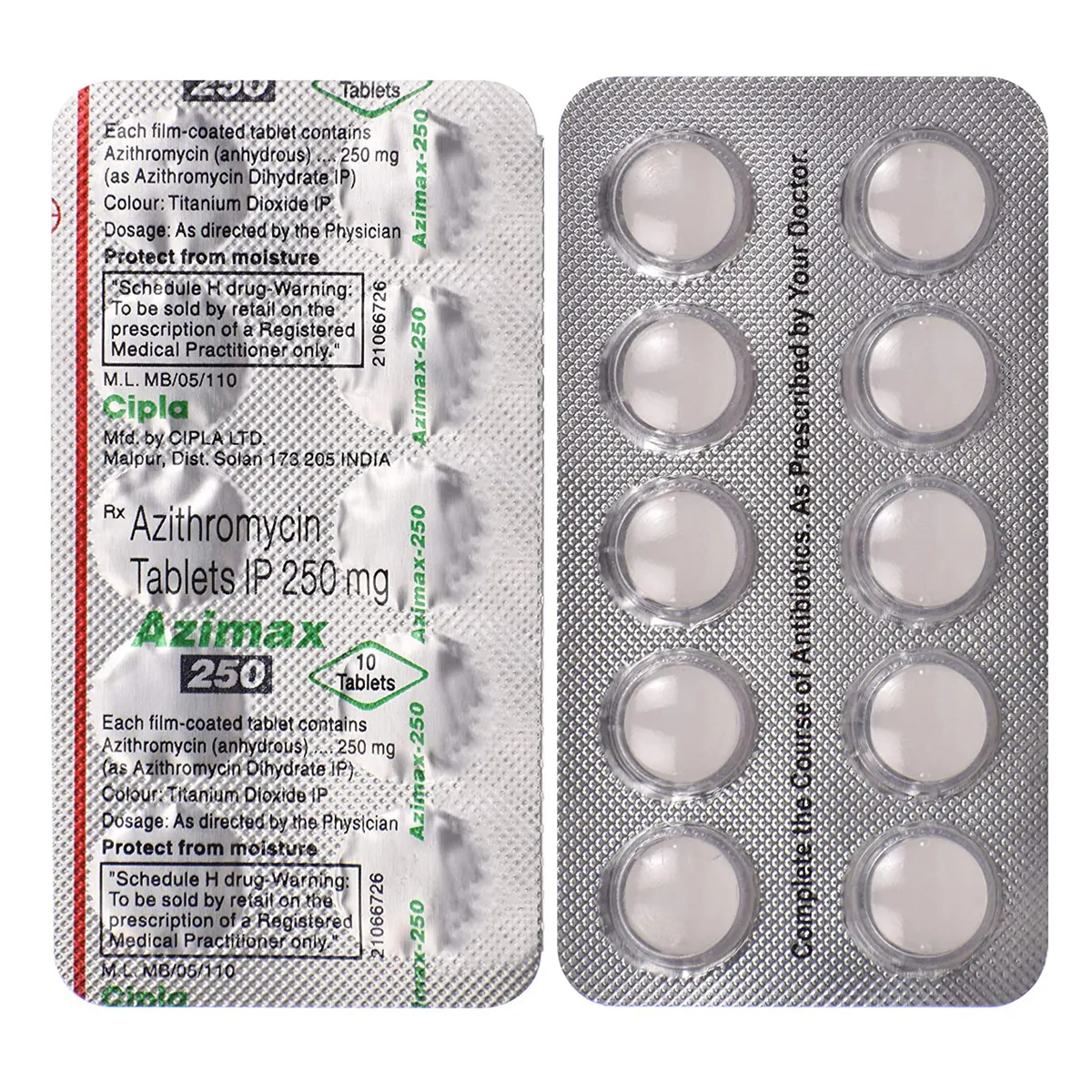
AZIMAX 250

Azimax 250 Tablet is a macrolide antibiotic containing Azithromycin 250 mg, used to treat a wide range of bacterial infections in adults and children. It works by inhibiting bacterial protein synthesis, which prevents bacteria from multiplying and spreading, allowing the body to overcome the infection.

This tablet is effective for treating respiratory tract infections like pneumonia, bronchitis, tonsillitis, pharyngitis, and sinusitis; ear infections such as otitis media; skin and soft tissue infections including cellulitis; certain sexually transmitted infections like chlamydia and gonorrhea; and other bacterial infections such as typhoid fever and specific eye infections.

Dosage and Administration:
Azimax 250 Tablet should be taken exactly as prescribed by a doctor. It is taken orally, preferably one hour before or two hours after a meal. Do not skip doses, and complete the full prescribed course even if symptoms improve to prevent recurrence or bacterial resistance.

Common Side Effects:
Some mild side effects may occur, including nausea, vomiting, diarrhea, stomach pain, loss of appetite, bloating, and indigestion. Most side effects are temporary and subside as the body adjusts. If any symptoms persist or worsen, consult a healthcare professional.

Precautions:

  • Avoid if allergic to azithromycin or other macrolide antibiotics.

  • Inform the doctor about any history of liver or kidney disease, heart rhythm disorders, or myasthenia gravis.

  • Avoid taking antacids containing aluminum or magnesium within two hours before or after taking this medicine.

  • Consult a doctor before use during pregnancy or breastfeeding.

Benefits:
Azimax 250 Tablet is fast-acting, convenient, and effective in treating bacterial infections, improving recovery and reducing complications.

Substitutes:
Other azithromycin tablets like Azithral 250 mg, Azro 250 mg, and Zithromax 250 mg can be used if Azimax is unavailable, under medical supervision.

AZIMAX 500 TABLETS

Azimax 500 Tablet is a potent macrolide antibiotic containing Azithromycin 500 mg, prescribed for the treatment of various bacterial infections in adults and children. It works by inhibiting bacterial protein synthesis, preventing bacteria from growing and multiplying, which helps the body fight infections effectively.

This tablet is commonly used to treat:

  • Respiratory tract infections: Pneumonia, bronchitis, tonsillitis, pharyngitis, and sinusitis.

  • Skin and soft tissue infections: Cellulitis and other bacterial skin infections.

  • Sexually transmitted infections (STIs): Chlamydia and gonorrhea.

  • Ear infections: Otitis media.

  • Other bacterial infections: Typhoid fever, certain gastrointestinal and eye infections.

Dosage and Administration:
Take Azimax 500 Tablet exactly as prescribed by your doctor. It should be taken orally, preferably one hour before or two hours after meals. Do not skip doses, and complete the full prescribed course to ensure the infection is fully treated and to prevent bacterial resistance.

Common Side Effects:
Some patients may experience mild side effects including nausea, vomiting, diarrhea, stomach pain, loss of appetite, or bloating. These side effects are generally temporary and subside as the body adjusts to the medication. Consult a doctor if symptoms persist or worsen.

Precautions:

  • Avoid if allergic to azithromycin or other macrolide antibiotics.

  • Inform your doctor of any history of liver or kidney disease, heart rhythm disorders, or myasthenia gravis.

  • Avoid antacids containing aluminum or magnesium within two hours of taking the tablet, as they may reduce its effectiveness.

  • Consult your doctor before use during pregnancy or breastfeeding.

Benefits:
Azimax 500 Tablet provides fast and effective relief from bacterial infections, supporting recovery and reducing the risk of complications. Its higher dosage is suitable for more severe infections requiring stronger antibiotic therapy.

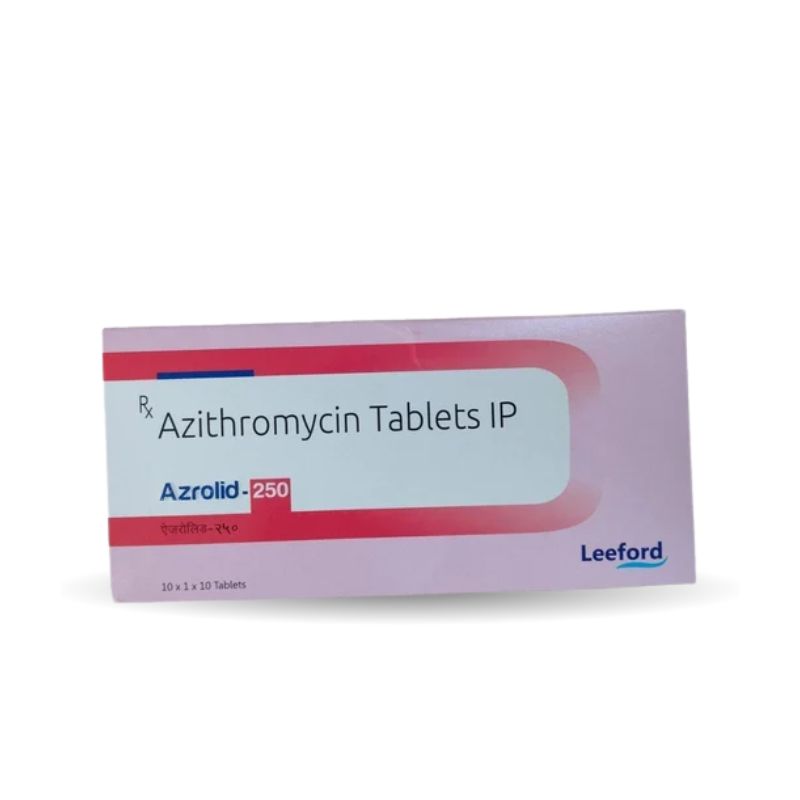
AZROLID-250

Azrolid-250 Tablet contains azithromycin, a broad-spectrum macrolide antibiotic used to treat a wide range of bacterial infections. It is commonly prescribed for both adults and children for its effectiveness and convenient dosing schedule.

Uses / Indications

  • Respiratory tract infections: sinusitis, pharyngitis, tonsillitis, bronchitis, pneumonia

  • Ear, nose, and throat infections (otitis media, sore throat)

  • Skin and soft tissue infections

  • Sexually transmitted infections (including chlamydia and gonorrhea)

  • Certain gastrointestinal infections and typhoid fever

  • Eye infections like conjunctivitis

Mechanism of Action

  • Azithromycin prevents bacteria from synthesizing proteins essential for their growth and survival, thereby stopping the spread of infection.

  • Works against both gram-positive and gram-negative bacteria and provides a long duration of effect due to its high tissue penetration and slow elimination.

Dosage & Administration

  • Typical dose: One tablet (250 mg) once daily, as prescribed—course and duration differ based on infection and severity.

  • Take at the same time each day, one hour before or two hours after a meal; swallow whole with water.

  • Always complete the full course, even if symptoms improve early.

Safety & Precautions

  • Common side effects: nausea, vomiting, diarrhea, abdominal pain, headache.

  • Rare but serious: allergic reactions (rash, swelling, breathlessness), liver injury, palpitations or arrhythmia.

  • Contraindicated in patients with a history of azithromycin-induced liver problems, severe allergy, or cholestatic jaundice.

  • Safe in pregnancy only if prescribed and not recommended in severe liver or kidney disease; consult your doctor if breastfeeding.

  • Inform your doctor about any other medications before starting (possible interactions).

  • Avoid alcohol and tobacco for best results.

Note:
Azrolid-250 is an effective and well-tolerated antibiotic when used as prescribed, with adherence to the full course essential for preventing recurrence and resistance.

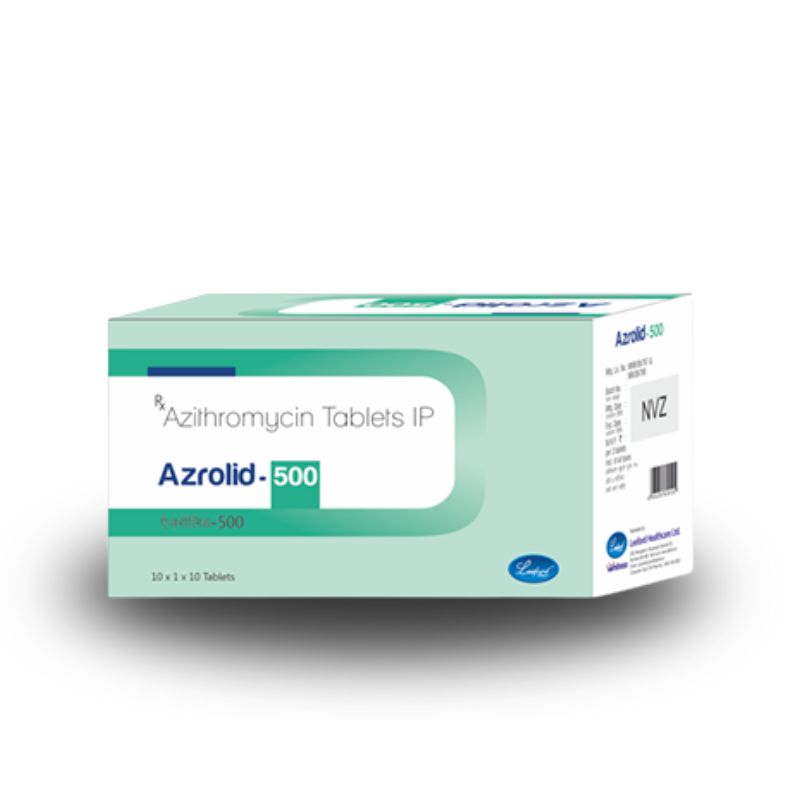
AZROLID-500

Azrolid-500 Tablet contains azithromycin, a broad-spectrum macrolide antibiotic used to treat a wide range of bacterial infections in adults and children.

Uses / Indications

  • Respiratory tract infections: pneumonia, bronchitis, sinusitis, pharyngitis, tonsillitis

  • Ear, nose, and throat infections (otitis media, sore throat)

  • Skin and soft tissue infections

  • Sexually transmitted diseases (chlamydia, gonorrhea)

  • Urogenital infections (urethritis, cervicitis)

  • Certain gastrointestinal infections and typhoid fever

  • Eye infections (conjunctivitis), and prevention/treatment of Mycobacterium avium complex (MAC) in immunocompromised patients.

Mechanism of Action

  • Azithromycin inhibits the 50S ribosomal subunit in bacteria, blocking protein synthesis, thereby stopping bacterial growth and infection spread.

Dosage & Administration

  • Typical dose: One 500 mg tablet once daily—course and duration depend on infection and severity; usually for 3–5 days.

  • Take at the same time each day, at least 1 hour before or 2 hours after food, with water; do not skip doses and complete the entire course.

Safety & Precautions

  • Common side effects: nausea, vomiting, diarrhea, abdominal pain, headache.

  • Rare but serious: allergic reactions (swelling, rash, breathing difficulty), liver injury, palpitations/arrhythmias, severe diarrhea (colitis).

  • Contraindicated in those with history of azithromycin allergy, cholestatic jaundice, or severe liver disease.

  • Use in pregnancy and breastfeeding only if prescribed by doctor; caution in severe renal or hepatic impairment.

  • Inform your doctor about all other medications (may interact with antacids, warfarin, some heart and seizure drugs).

Note:
Strictly follow your doctor’s instructions regarding dosage and course. Do not self-medicate; misuse increases risk of resistance and recurrence.