GABIPENTA-NT 400 is a combination tablet used primarily for the management of chronic nerve-related pain. It contains Gabapentin (an anticonvulsant and neuropathic pain reliever) and Nortriptyline (a tricyclic antidepressant with pain-relieving effects).
Uses
-
Neuropathic pain: Relief for chronic pain due to diabetes (diabetic neuropathy), post-herpetic neuralgia (shingles), spinal cord injury, or other nerve compression/damage.
-
May be used for other chronic pain conditions involving nerves when recommended by physician.
-
Adjunct in treatment-resistant pain which is not responsive to single-drug therapy.
How GABIPENTA-NT 400 Works
-
Gabapentin: Modulates calcium channels in nerve cells, reducing abnormal pain signal transmission from damaged nerves.
-
Nortriptyline: Increases availability of serotonin and norepinephrine in the nervous system, blocks pain signals in the brain and spinal cord, and improves mood/emotional resilience—especially helpful in pain with emotional burden.
Dosage & Administration
-
Usually taken once daily at night or as directed, with or without food; exact regimen depends on patient’s age, weight, and severity of condition.
-
Pills should be swallowed whole and taken at the same time daily for best results
-
Do not stop abruptly—consult doctor before discontinuing, as withdrawal/depression/irritability and pain flare is possible.
Common Side Effects
-
Drowsiness, dizziness, dry mouth, constipation, weakness, sleepiness, weight gain, blurred vision, headache, orthostatic hypotension, indigestion, decrease in alertness, difficulty urinating.
-
May be unsafe in severe liver/kidney disease, pregnancy, or if prone to mood disorders.
-
Alcohol increases risk of sedation—should generally be avoided
Safety Notes
-
Inform physician about any other medicines, supplements, or heart/liver/kidney conditions before starting
-
Monitor for mood changes or suicidal thoughts (rare, but possible with nortriptyline)
-
Wear sunscreen and full clothing if sensitive to sunlight when taking this medicine
GABIPENTA-NT 400 is a widely available prescription drug for nerve pain, not banned in India, and is regularly used for diabetic and chronic neuropathic pain in adults.
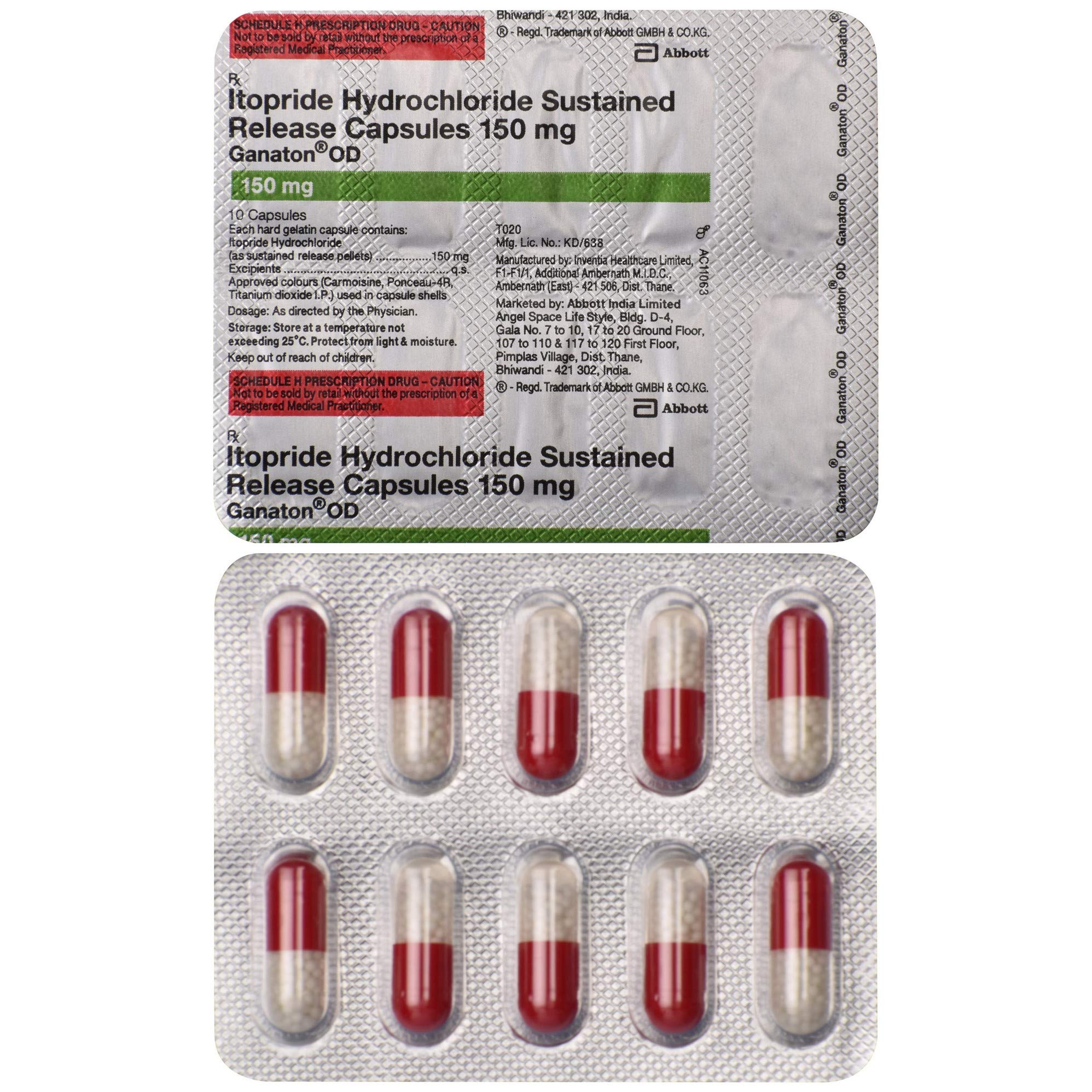
Ganaton OD Capsule SR is a prokinetic medicine containing Itopride (150mg), used to improve stomach motility and treat digestive disorders. It helps relieve bloating, nausea, early satiety, and abdominal discomfort, and is commonly prescribed in functional dyspepsia, GERD, and gastroparesis.
Uses
-
Functional dyspepsia (indigestion)
-
Gastroparesis (delayed gastric emptying)
-
Relief from bloating, nausea, and abdominal discomfort
-
Supportive therapy in GERD (acid reflux)
How It Works
-
Increases acetylcholine release and blocks dopamine receptors in the gut
-
Enhances stomach and intestinal movement
-
Helps food pass smoothly, reducing reflux and discomfort
Side Effects
Precautions
-
Caution in patients with liver or kidney problems
-
Not advised during pregnancy or breastfeeding unless prescribed
-
Avoid alcohol and smoking as they worsen gastric issues
Storage
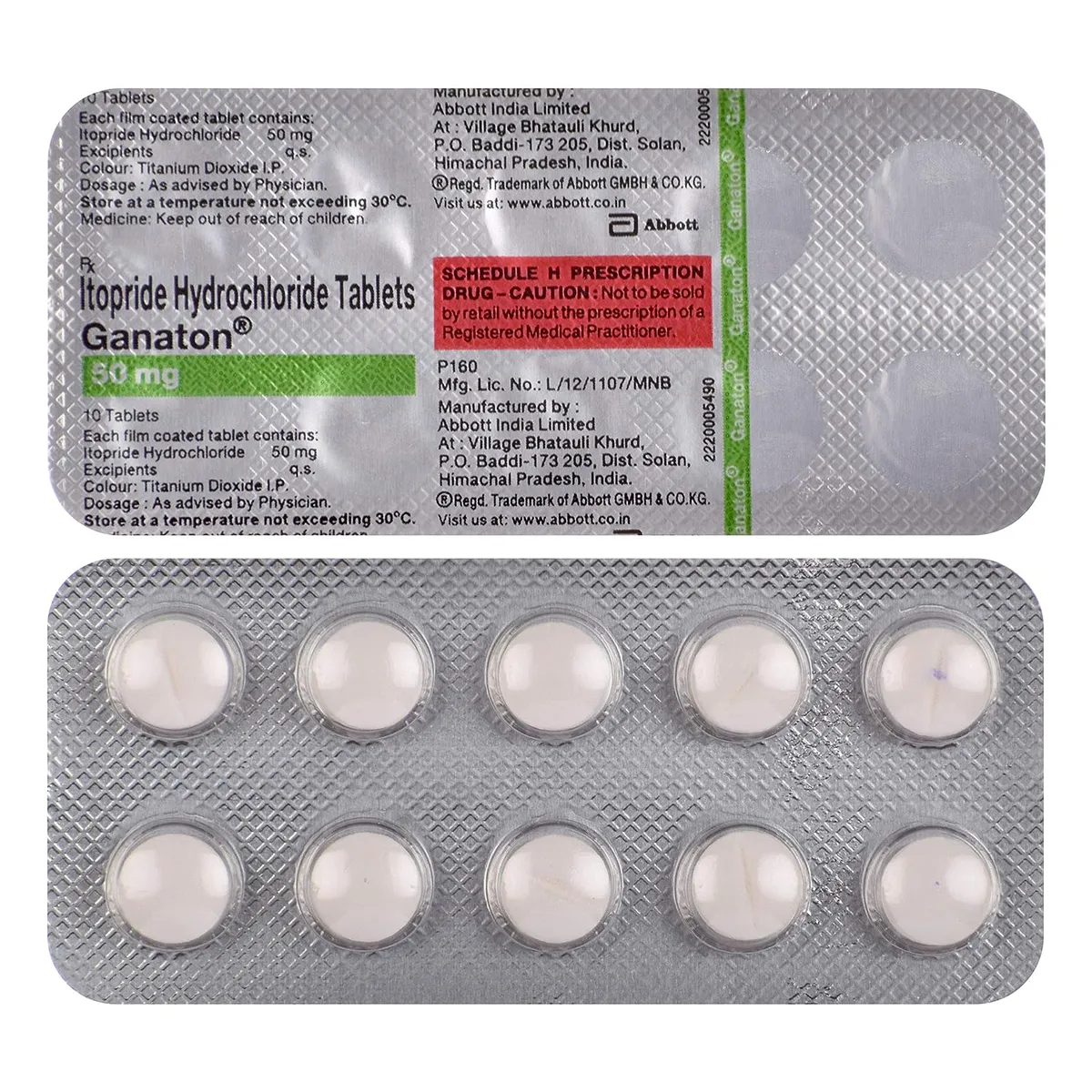
Description
Ganaton Tablet contains Itopride (50mg), a prokinetic agent used to improve gastric motility. It is commonly prescribed to treat functional dyspepsia, bloating, nausea, early satiety, and abdominal discomfort. By enhancing the movement of the stomach and intestines, it helps in faster digestion and relieves related symptoms.
Uses
-
Functional dyspepsia (chronic indigestion)
-
Gastroparesis (delayed stomach emptying)
-
Relief from bloating, nausea, and abdominal discomfort
-
Supportive treatment in GERD (acid reflux)
How It Works
-
Stimulates the release of acetylcholine, a chemical that enhances stomach contractions
-
Blocks dopamine receptors in the gut, further improving gastric motility
-
Promotes faster emptying of stomach contents into the intestines
Side Effects
Precautions
-
Use with caution in patients with liver or kidney disorders
-
Not recommended during pregnancy or breastfeeding unless advised by a doctor
-
Avoid alcohol and smoking, as they may worsen gastric issues
Storage
-
Store in a cool, dry place, away from sunlight
-
Keep out of reach of children
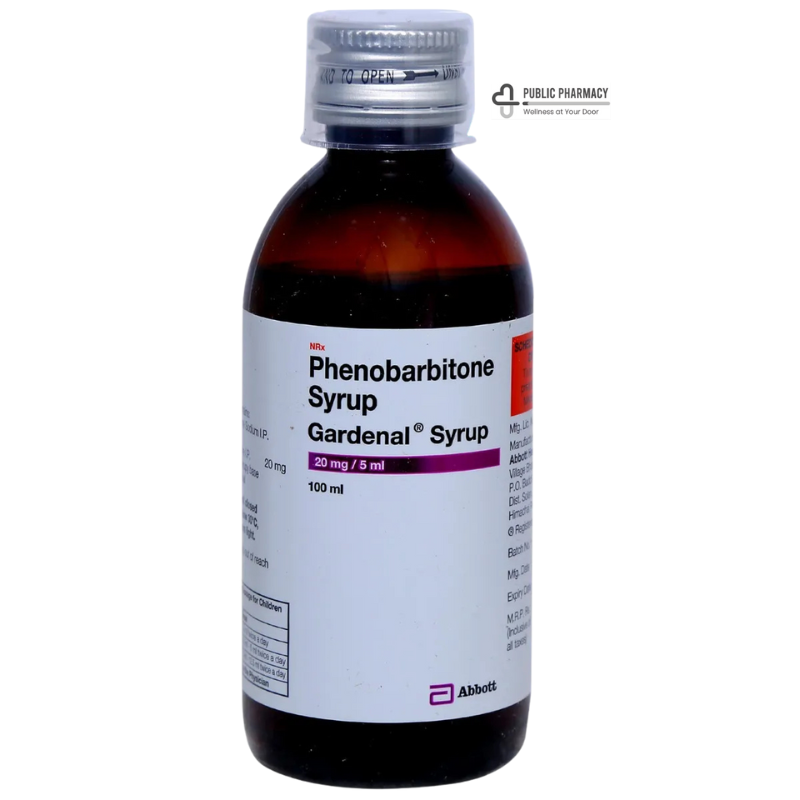
Gardenal 20mg/5ml Syrup contains Phenobarbitone, a barbiturate class medicine widely used for the treatment of seizures (epilepsy), anxiety, and certain sleep disorders. It acts as a central nervous system (CNS) depressant by enhancing the activity of the neurotransmitter GABA, thereby calming abnormal electrical activity in the brain.
Uses
-
Management of epilepsy (generalized and partial seizures)
-
Control of febrile seizures in children
-
Treatment of anxiety and insomnia (short-term use)
-
Sedation before medical procedures
-
Sometimes used in the management of alcohol withdrawal symptoms
How It Works
Phenobarbitone increases the effect of GABA (gamma-aminobutyric acid), an inhibitory neurotransmitter in the brain.
Dosage & Administration
-
Dosage should be strictly as prescribed by the doctor.
-
Given orally in syrup form, usually in children or patients who have difficulty swallowing tablets.
-
Shake well before use.
-
Use a proper measuring cup/dropper for accurate dosing.
-
Do not stop suddenly, as it may cause withdrawal seizures.
Side Effects
Common:
Serious (seek medical help if these occur):
-
Breathing difficulties
-
Severe allergic reactions (rash, swelling)
-
Confusion, depression, mood changes
-
Liver dysfunction
-
Dependence with long-term use
Precautions
-
Avoid alcohol and other sedatives as they increase drowsiness.
-
Caution in patients with liver disease, kidney disease, or respiratory disorders.
-
Not safe during pregnancy and breastfeeding unless prescribed.
-
May cause habit formation with prolonged use.
-
Regular monitoring of blood counts, liver, and kidney function may be needed during long-term therapy.
Storage
-
Store in a cool, dry place away from direct sunlight.
-
Keep tightly closed and out of reach of children.

Uses:
Gas-O-Fast Jeera Active Sachet is a herbal digestive aid designed to relieve:
It is suitable for adults and children (as per recommended dosage) seeking quick relief from digestive discomfort.
Key Ingredients & Action:
-
Jeera (Cumin) Extract: Supports digestion, reduces gas formation, and soothes stomach discomfort.
-
Herbal actives and natural ingredients: Help maintain acid-base balance in the stomach and enhance digestion.
How to Use:
-
Dissolve one sachet in a glass of warm water.
-
Stir well and drink after meals or as recommended by a healthcare professional.
-
Can be used 1–2 times daily depending on symptoms.
Side Effects:
-
Generally well tolerated.
-
Rarely, mild stomach upset or nausea may occur.
-
Discontinue use if allergic reactions appear.
Precautions & Warnings:
-
For oral use only.
-
Consult a doctor if symptoms persist for more than a few days.
-
Not a substitute for prescribed medications for serious gastrointestinal conditions.
-
Pregnancy & breastfeeding: Use only if approved by a doctor.
-
Keep out of reach of children.
Storage:
-
Store in a cool, dry place, away from direct sunlight and moisture.
-
Keep sachets tightly closed until use.

Uses:
Gas-O-Fast Plus Tablet is a digestive aid designed to relieve:
-
Acidity and heartburn
-
Bloating and gas formation
-
Indigestion or stomach discomfort after meals
-
Maintains overall digestive comfort
It is suitable for adults and children (as per recommended dosage) looking for quick relief from digestive issues.
Key Ingredients & Action:
-
Herbal and natural digestive agents: Help reduce excess gas, neutralize stomach acid, and promote smooth digestion.
-
Sugar-free formulation: Suitable for diabetics or individuals avoiding sugar.
-
Orange flavour: Makes it pleasant and easy to consume.
How to Use:
-
Chew one tablet after meals or as recommended by a healthcare professional.
-
Can be taken 1–3 times daily depending on symptoms.
-
Do not exceed the recommended dosage.
Side Effects:
-
Generally well tolerated.
-
Rarely, mild stomach upset or nausea may occur.
-
Discontinue use if allergic reactions appear.
Precautions & Warnings:
-
For oral use only.
-
Consult a doctor if symptoms persist or worsen.
-
Not a substitute for prescribed medications for serious gastrointestinal conditions.
-
Pregnancy & breastfeeding: Use only if approved by a doctor.
-
Keep out of reach of children.
Storage:
-
Store in a cool, dry place, away from sunlight and moisture.
-
Keep the container tightly closed after use.

Uses:
Gas-O-Fast Sachet Lemon is a herbal digestive aid formulated to relieve:
-
Acidity and heartburn
-
Bloating and gas formation
-
Indigestion or stomach discomfort after meals
-
Supports overall digestive health
It is suitable for adults and children (as per recommended dosage) seeking fast relief from digestive discomfort.
Key Ingredients & Action:
-
Herbal and natural digestive agents: Help neutralize stomach acid, reduce gas, and improve digestion.
-
Lemon flavour: Makes it pleasant and refreshing to consume.
How to Use:
-
Dissolve one sachet in a glass of warm water.
-
Stir well and drink after meals or as advised by a healthcare professional.
-
Can be taken 1–2 times daily depending on symptoms.
Side Effects:
-
Generally well tolerated.
-
Rarely, mild stomach upset or nausea may occur.
-
Discontinue use if allergic reactions appear.
Precautions & Warnings:
-
For oral use only.
-
Consult a doctor if symptoms persist or worsen.
-
Not a substitute for prescribed medications for serious gastrointestinal conditions.
-
Pregnancy & breastfeeding: Use only if approved by a doctor.
-
Keep out of reach of children.
Storage:
-
Store in a cool, dry place, away from direct sunlight and moisture.
-
Keep sachets tightly closed until use.

Overview:
Gee-X Pain Relieving Gel is a topical oral gel containing Benzocaine, a local anesthetic, and Chlorhexidine Gluconate, an antiseptic. It provides quick relief from oral pain, ulcers, and inflammation while preventing bacterial infections.
Uses:
-
Relief from oral pain, mouth ulcers, and gingival irritation
-
Prevents secondary bacterial infection in inflamed oral tissues
-
Used in temporary dental discomfort, sore gums, or minor injuries
-
Suitable as a short-term adjunct to oral hygiene
Dosage / How to Use:
-
Apply a small amount directly to the affected area 2–3 times daily or as prescribed
-
Avoid eating or drinking immediately after application for best effect
-
Use only on intact oral mucosa; avoid swallowing large amounts
Side Effects:
-
Mild burning or irritation at application site
-
Temporary numbness of the mouth or tongue
-
Rare: Allergic reactions such as rash or swelling
Precautions:
-
Not for use in patients allergic to Benzocaine or Chlorhexidine
-
Avoid use in children under 2 years without medical advice
-
Consult a dentist before use if you are pregnant, breastfeeding, or on other medications
Safety Advice:
-
Alcohol: Avoid alcohol-based mouth rinses concurrently
-
Driving: Safe, no systemic effect
-
Storage: Store in a cool, dry place away from direct sunlight
-
Keep out of reach of children
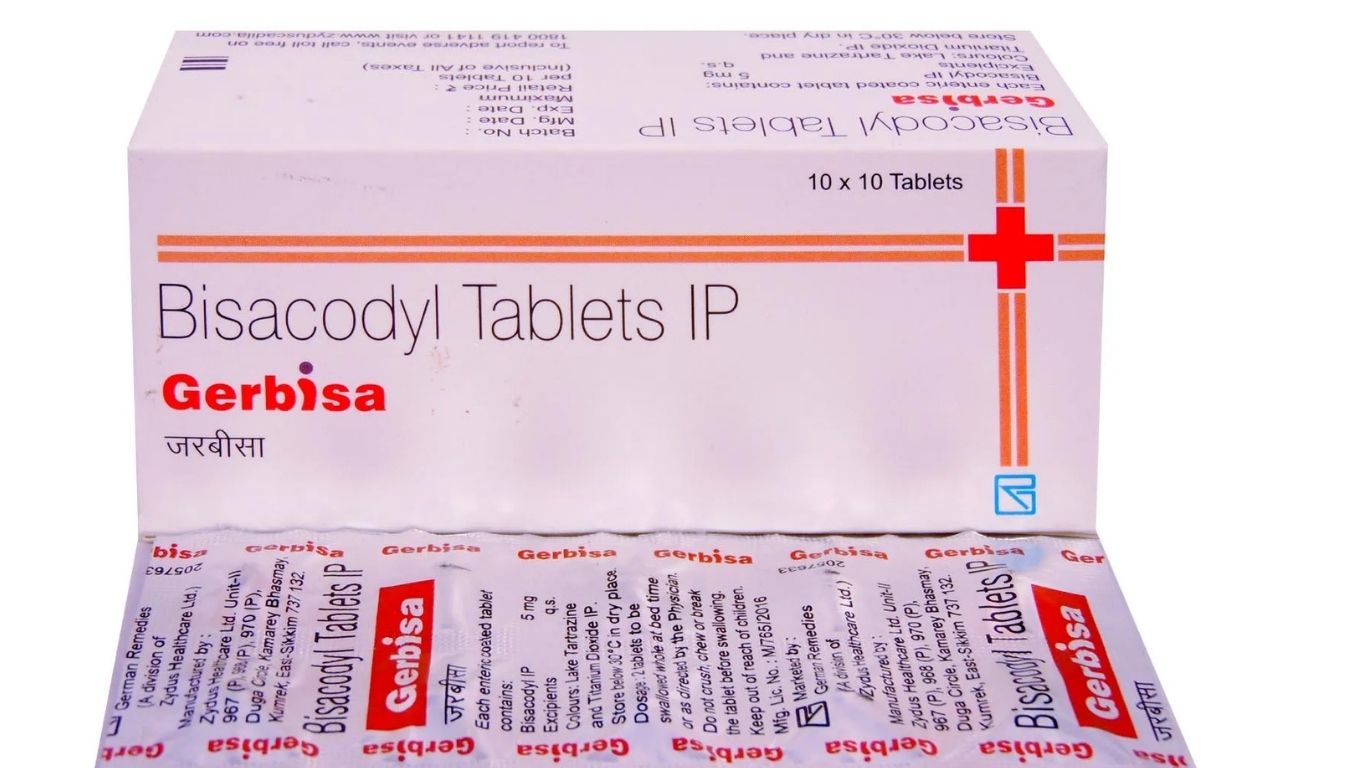
Gerbisa Tablet is a medicine that helps to relieve constipation and restore regular bowel movement It contains Bisacodyl which is a stimulant laxative that works by gently activating the muscles of the intestines to promote natural bowel activity and make stool passage easier This medicine is widely used for short term treatment of constipation and for cleaning the bowel before certain medical tests or surgeries as advised by a doctor Gerbisa Tablet provides effective relief by helping the intestines move waste through the colon more quickly and easily
Uses
Gerbisa Tablet is mainly used to relieve constipation and promote regular bowel movement It may also be used for bowel cleansing before medical examinations or surgical procedures when instructed by a healthcare professional The main goal of this medicine is to make the stool softer and ensure complete evacuation of the bowels
How to Use
Gerbisa Tablet should be taken as directed by your doctor or pharmacist The usual recommended dose for adults is one tablet taken at bedtime with a full glass of water The tablet should be swallowed whole without crushing or chewing to ensure proper release of the medicine It is best to avoid taking it with milk or antacids as these may interfere with the medicine’s action The effect generally begins within six to twelve hours after taking the tablet
Precautions
Gerbisa Tablet should be used only for short term relief of constipation Prolonged or excessive use may lead to dependence on laxatives and loss of normal bowel function People who experience abdominal pain nausea vomiting or intestinal obstruction should avoid using this medicine unless advised by a doctor Pregnant or breastfeeding women should consult a healthcare provider before use It is also important to maintain good hydration by drinking plenty of water while using this medicine
Side Effects
Some people may experience mild side effects after taking Gerbisa Tablet These may include abdominal cramps loose stools nausea or dizziness Overuse may sometimes lead to dehydration or electrolyte imbalance which can cause weakness or fatigue These effects are usually mild and go away once the medicine is stopped However if discomfort persists medical advice should be sought
Regulatory Information
Gerbisa Tablet is regulated by the National Pharmaceutical Pricing Authority under the Government of India which ensures that the medicine is sold at a fair and affordable price while maintaining quality and safety standards
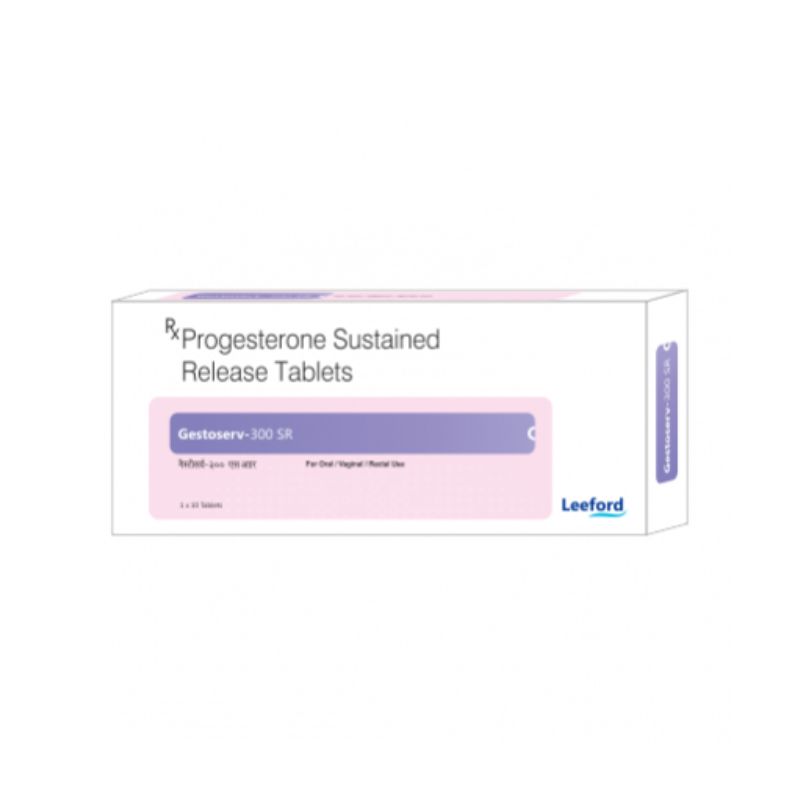
GESTOSERV-300 SR contains a high-dose, sustained-release bioidentical progesterone. It is prescribed for hormone replacement therapy, infertility, and menstrual-related disorders requiring prolonged progesterone support.
Uses
-
Support for luteal phase in infertility and IVF cycles
-
Maintenance of pregnancy (especially in high-risk cases)
-
Hormone replacement therapy (HRT) in postmenopausal women
-
Treatment of disorders like amenorrhea, abnormal uterine bleeding, or premenstrual syndrome.
Common Side Effects
-
Headache, dizziness, drowsiness, nausea, vomiting, bloating, abdominal cramps
-
Breast pain/tenderness, hair loss, acne, increased or irregular vaginal discharge, yeast infection
-
Mood changes (including depression), sleep disturbance, hot flashes, joint pain
-
Fluid retention/edema, weight gain, and possible constipation or diarrhea
-
Rare: visual changes, allergy, changes in menstrual bleeding pattern, skin rash, allergic reactions, and thromboembolic risks
Safety & Precautions
-
Avoid if history of breast/gynecologic cancer, unexplained vaginal bleeding, severe liver disease, or known allergy to progesterone.
-
May cause drowsiness or dizziness—avoid driving or machinery until response known.
-
Alcohol may enhance side effects; avoid concurrent use.
-
Monitor for mood changes, severe headaches, visual symptoms, or sudden swelling—report immediately
-
Drug interactions: Caution with anticonvulsants, antibiotics, antidepressants, and herbal supplements.
Ban Status in India
Natural micronised progesterone sustained release (300 mg) is not banned in India; it is widely prescribed and recognized for fertility, HRT, and menstrual disorders. Only use under medical supervision.
GESTOSERV-300 SR is a prescription, sustained-release progesterone tablet for female hormone support, safe for approved indications under healthcare guidance.
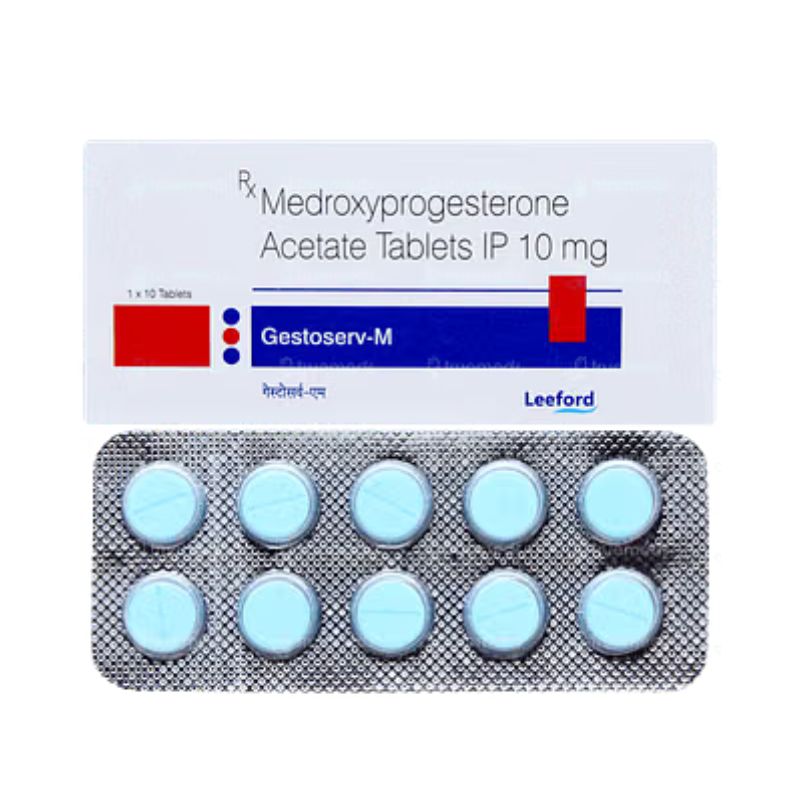
GESTOSERV-M contains medroxyprogesterone acetate, a synthetic progestin. It is used for menstrual disorders, certain hormonal therapies, and as a part of fertility treatments.
Uses
-
Menstrual disorders: Regulation of heavy, painful, irregular, or absent periods (amenorrhea), abnormal uterine bleeding, and premenstrual syndrome.
-
Endometriosis: Manages pain and controls excessive menstrual bleeding.
-
Hormone replacement therapy (HRT): Given with estrogen in postmenopausal women to lower the risk of endometrial cancer.
-
Contraception (in higher doses or injectable forms): Not a primary use for the 10 mg tablet.
How GESTOSERV-M Works
Medroxyprogesterone acetate mimics the action of natural progesterone, stabilizing the lining of the uterus, regulating periods, and counteracting estrogen effects in HRT.
Dosage & Directions
-
Take with or without food as prescribed; dosing depends on indication and individual medical history.
-
Swallow whole; do not chew or crush.
-
Duration and timing depend on the reason for use and physician advice.
Common Side Effects
-
Irregular vaginal bleeding or spotting, headache, nausea, bloating, stomach/abdominal cramps, breast tenderness or pain, mood changes (nervousness, depression), dizziness, and weight gain.
-
Acne, hair loss, vaginal discharge, sleep disturbances, tiredness, changes in sex drive, and premenstrual-type symptoms.
-
Most side effects improve as the body adjusts; consult a doctor if severe/persistent.
Serious Side Effects (Rare)
-
Signs of blood clot (pain/swelling/redness in leg, chest pain, shortness of breath, vision changes)
-
Severe allergic reaction (swelling of lips, tongue, or throat, trouble breathing)
-
Liver damage (yellowing of eyes or skin, severe fatigue, dark urine, stomach pain)
-
Sudden mood changes, depression, or suicidal thoughts.
Contraindications & Warnings
-
Do NOT use if pregnant, breastfeeding, with history of breast/genital cancer, unexplained vaginal bleeding, active liver disease, or blood clots.
-
Tell doctor about other medicines, supplements, and health conditions before starting.
-
Be cautious while driving if experiencing dizziness.
Ban Status in India
Medroxyprogesterone acetate (GESTOSERV-M) is not banned in India and is freely available via prescription for cycle regulation, HRT, and endometrial protection.
GESTOSERV-M is a prescription hormone tablet for menstrual and menopausal disorders and should be used only under medical guidance.

Getlite Cream is a dermatological formulation that combines a skin-lightening agent (Hydroquinone), a corticosteroid (Mometasone), and a retinoid (Tretinoin). This triple-action cream is widely prescribed for the management of melasma, hyperpigmentation, and dark spots.
-
Hydroquinone (2%): Reduces melanin production, helping lighten dark patches and pigmentation.
-
Mometasone (0.1%): A medium-potency corticosteroid that decreases redness, itching, and inflammation.
-
Tretinoin (0.025%): Increases skin cell turnover, helping exfoliate and improve skin texture.
This combination provides rapid and effective results but requires careful use due to possible side effects from long-term or unsupervised application.
Uses
-
Treatment of melasma (dark patches on the face, especially in women)
-
Management of post-inflammatory hyperpigmentation (after acne, eczema, or injury)
-
Lightening of freckles and age spots
-
Improvement of skin texture and tone
Dosage & Directions for Use
-
Apply a thin layer to the affected area once daily at night or as directed by a dermatologist
-
Wash and dry the face before application
-
Avoid applying near eyes, nostrils, or mouth
-
Use sunscreen during the day to prevent worsening pigmentation
-
Treatment is usually recommended for short-term use (up to 8 weeks), not for continuous long-term application
Possible Side Effects
Common:
-
Redness, dryness, or burning sensation
-
Mild peeling of the skin
-
Itching or irritation at the site of application
Serious (with prolonged or unsupervised use):
-
Thinning of the skin
-
Steroid-induced acne or perioral dermatitis
-
Increased sensitivity to sunlight
-
Permanent skin discoloration (if overused)