GLINIL Tablet is an oral antidiabetic medicine manufactured by Cipla Ltd, containing Glibenclamide (5mg) as its active ingredient. It belongs to the sulfonylurea class of medicines and is prescribed for the management of type 2 diabetes mellitus.
How it works:
Glibenclamide lowers blood glucose levels by stimulating the pancreas to release more insulin. The increased insulin secretion helps the body utilize glucose more effectively, thereby reducing high blood sugar.
Key Benefits:
-
Effective in lowering blood sugar in type 2 diabetes.
-
Helps reduce the risk of diabetes-related complications such as kidney damage, nerve problems, and vision impairment.
-
Can be prescribed alone or in combination with other antidiabetic medicines.
Usage & Dosage:
-
Taken orally, usually once or twice daily before meals.
-
Dosage is individualized by the doctor based on the patient’s blood sugar levels and response.
-
Regular use with proper diet and exercise ensures better diabetes control.
Safety Advice:
-
Not suitable for type 1 diabetes or diabetic ketoacidosis.
-
May cause hypoglycemia if meals are missed, after excessive exercise, or with alcohol consumption.
-
Caution required in patients with kidney, liver, or heart conditions.
-
Blood sugar levels should be monitored regularly during treatment.
Possible Side Effects:
-
Low blood sugar (shakiness, sweating, hunger, palpitations)
-
Headache, dizziness
-
Nausea, stomach upset
-
Weight gain in some patients
-
Rarely, skin rash or allergic reaction
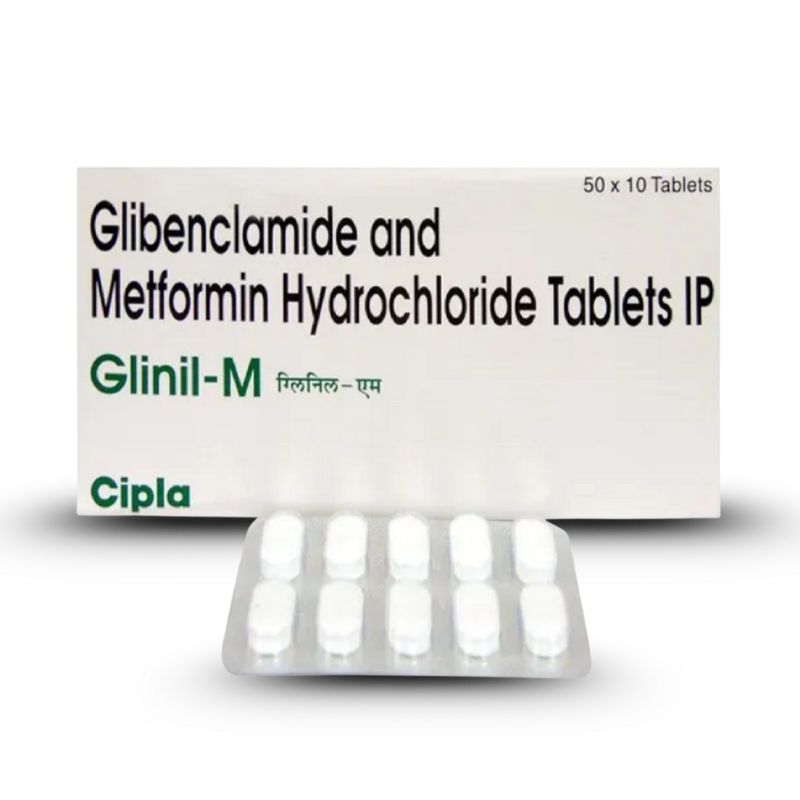
Glinil-M Tablet is a combination oral anti-diabetic medication manufactured by Cipla Ltd, containing Glibenclamide 5mg and Metformin Hydrochloride 500mg per tablet. This medicine is specifically designed for the management of type 2 diabetes mellitus in adults, particularly when diet, exercise, and single-drug therapy are inadequate for controlling blood sugar.
How it Works:
-
Glibenclamide is a sulfonylurea that stimulates the pancreas to release more insulin, helping to lower blood sugar by increasing glucose uptake in cells and reducing glucose production by the liver.
-
Metformin is a biguanide that works by decreasing glucose production in the liver, delaying the absorption of glucose from the intestines, and improving the body’s sensitivity to insulin.
Together, these medicines target different pathways to control both fasting and postprandial (after-meal) blood sugar, providing robust glycemic control and helping reduce the risk of diabetes-related complications such as retinopathy, nephropathy, neuropathy, and cardiovascular issues.
Uses of Glinil-M:
-
Management of type 2 diabetes mellitus (non-insulin dependent diabetes)
-
Suitable for adults when single-agent therapy is insufficient
Key Benefits:
-
Targets both fasting and postprandial blood sugar
-
Combines two complementary mechanisms for optimal glycemic control
-
Reduces risk of diabetes complications and supports long-term disease management
-
Often leads to fewer pills compared to using the two drugs separately
Dosage & Administration:
-
Usual dosage: One tablet once or twice daily, with meals to minimize gastrointestinal side effects
-
Swallow whole with a glass of water, do not crush or chew
-
Take at the same time each day for consistent effect
-
Dosage and frequency must be determined by your physician based on your blood glucose response
-
Do not stop or change the dose without consulting your doctor
Safety & Precautions:
-
Use under strict medical guidance only
-
Not suitable for type 1 diabetes, diabetic ketoacidosis, severe kidney/liver impairment, or during pregnancy and breastfeeding
-
Common side effects: low blood sugar (hypoglycemia), nausea, diarrhea, stomach pain, dizziness, headache, upper respiratory tract infection
-
Risk of lactic acidosis (a rare but serious side effect from metformin) increases with excessive alcohol or in patients with kidney problems—seek immediate medical help for unexplained fatigue, muscle cramps, or breathing difficulties
-
Regular blood glucose and kidney function monitoring is important
-
Avoid missing meals and always carry a sugar source to manage hypoglycemia
Note:
Incorporate a balanced diet, regular exercise, and weight management for best results with Glinil-M Tablet. Inform your doctor about all medications and supplements before starting this medicine.

Gluformin G 1 Forte New Tablet PR is an oral anti-diabetic medicine used for the effective management of Type 2 Diabetes Mellitus. It combines two powerful anti-diabetic agents: Glimepiride, a sulfonylurea that stimulates the pancreas to release more insulin, and Metformin, a biguanide that reduces glucose production in the liver and improves the body’s sensitivity to insulin. The “PR” in the name indicates prolonged release, which ensures a gradual release of medicine for better blood sugar control throughout the day.
This dual-action therapy is particularly useful in patients where blood sugar is not adequately controlled with Metformin or Glimepiride alone. By targeting different mechanisms, it helps lower fasting and post-meal glucose levels and prevents complications of diabetes.
Uses:
-
Management of Type 2 Diabetes Mellitus (T2DM)
-
Helps in controlling high blood sugar levels
-
Reduces risk of diabetes-related complications such as kidney damage, vision problems, nerve damage, heart disease, and stroke
-
Often prescribed when diet, exercise, and single-drug therapy are insufficient
Dosage & Administration:
-
Taken orally with food, usually once daily or as prescribed by the doctor.
-
Dose may vary depending on blood sugar levels and medical condition.
-
Swallow the tablet whole; do not crush or chew (as it is prolonged release).
-
Regular blood sugar monitoring is recommended during treatment.
Mechanism of Action:
-
Glimepiride (1mg): Stimulates pancreatic beta cells to release more insulin, lowering blood glucose.
-
Metformin (1000mg): Decreases glucose production in the liver, delays glucose absorption from the intestines, and improves insulin sensitivity.
Together, they provide complementary control of blood sugar.
Side Effects:
Like all medicines, it may cause some side effects, although not everyone gets them.
-
Common: Nausea, diarrhea, stomach upset, headache, weakness, dizziness.
-
Moderate: Weight gain, low blood sugar (hypoglycemia) with symptoms like sweating, tremors, hunger, blurred vision.
-
Serious (rare):
-
Lactic acidosis (due to Metformin) – symptoms include severe weakness, muscle pain, irregular heartbeat, difficulty breathing.
-
Severe hypoglycemia.
-
Liver dysfunction or jaundice.
Precautions:
-
Not suitable for Type 1 Diabetes or patients with diabetic ketoacidosis.
-
Use with caution in patients with kidney or liver disease.
-
Avoid excessive alcohol consumption, as it increases the risk of lactic acidosis.
-
Pregnant or breastfeeding women should use only if clearly advised by a doctor.
-
Inform your doctor if taking other anti-diabetic medicines, blood pressure medicines, or steroids.
Storage:
-
Store in a cool, dry place below 25°C.
-
Keep away from direct sunlight and moisture.
-
Keep out of reach of children.
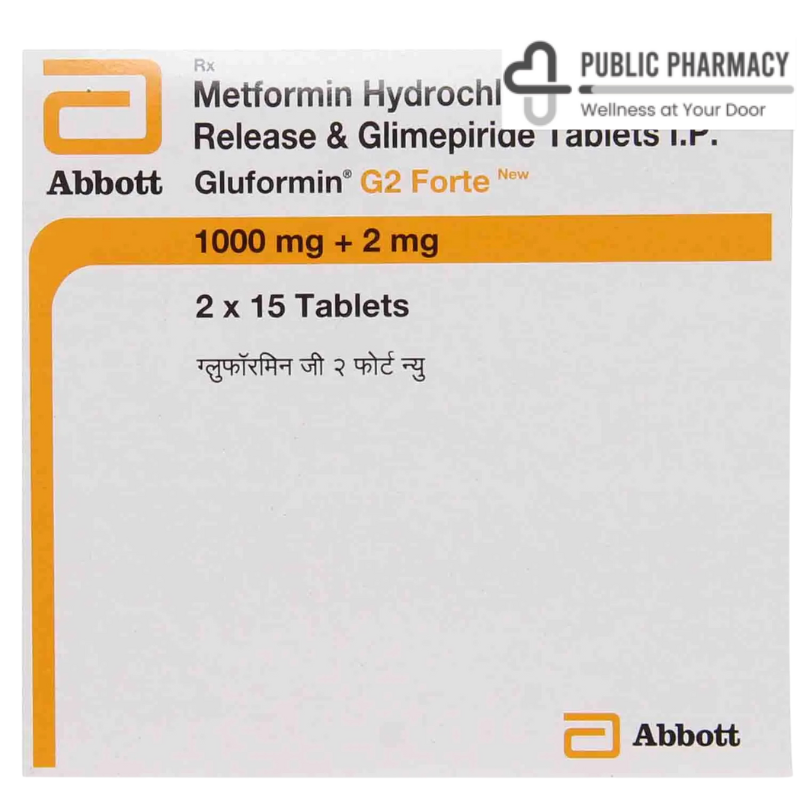
Gluformin G2 Forte New Tablet PR is an oral anti-diabetic medicine designed for the treatment of Type 2 Diabetes Mellitus. It contains two well-established anti-diabetic agents: Glimepiride (2mg) and Metformin (1000mg) in a prolonged-release (PR) formulation, ensuring sustained action and effective blood sugar control throughout the day.
-
Glimepiride belongs to the class of sulfonylureas, which work by stimulating the pancreas to secrete more insulin.
-
Metformin is a biguanide, which reduces excess glucose production in the liver, slows intestinal absorption of glucose, and increases insulin sensitivity in the body.
Together, these actions provide comprehensive glycemic control, especially useful in patients where single-drug therapy has failed to maintain optimal blood glucose levels.
Uses:
-
Effective in the management of Type 2 Diabetes Mellitus (T2DM).
-
Helps lower both fasting blood sugar (FBS) and postprandial blood sugar (PPBS).
-
Reduces long-term risk of diabetes complications such as kidney damage, neuropathy, retinopathy, heart disease, and stroke.
-
Prescribed when diet, exercise, and monotherapy with either Metformin or Glimepiride are inadequate.
Dosage & Administration:
-
Administered orally with meals to minimize stomach upset.
-
Usually taken once daily, or as advised by the physician.
-
Swallow whole without crushing or chewing, as it is a prolonged-release formulation.
-
Blood glucose monitoring and periodic HbA1c checks are recommended to assess effectiveness.
Mechanism of Action:
-
Glimepiride (2mg): Enhances insulin secretion from pancreatic beta cells, thereby lowering blood sugar.
-
Metformin (1000mg): Suppresses hepatic glucose output, delays intestinal glucose absorption, and increases peripheral glucose utilization.
The combination addresses insulin secretion and insulin sensitivity for balanced blood sugar regulation.
Side Effects:
-
Common: Stomach discomfort, nausea, diarrhea, metallic taste, dizziness, headache.
-
Moderate: Hypoglycemia (low blood sugar) – sweating, trembling, blurred vision, extreme hunger.
-
Serious (rare):
-
Lactic acidosis (from Metformin), with symptoms such as extreme weakness, muscle pain, irregular heartbeat, or difficulty breathing.
-
Severe allergic reaction or liver dysfunction.
Precautions:
-
Not indicated for Type 1 Diabetes or diabetic ketoacidosis.
-
Use cautiously in patients with kidney or liver impairment.
-
Avoid alcohol as it increases the risk of lactic acidosis and hypoglycemia.
-
Pregnant and breastfeeding women should take only if advised by a healthcare provider.
-
Inform your doctor about other ongoing medications, especially insulin, other oral anti-diabetics, steroids, or antihypertensives.
Storage:
-
Store in a cool, dry place, below 25°C.
-
Protect from direct sunlight and excess moisture.
-
Keep out of reach of children.
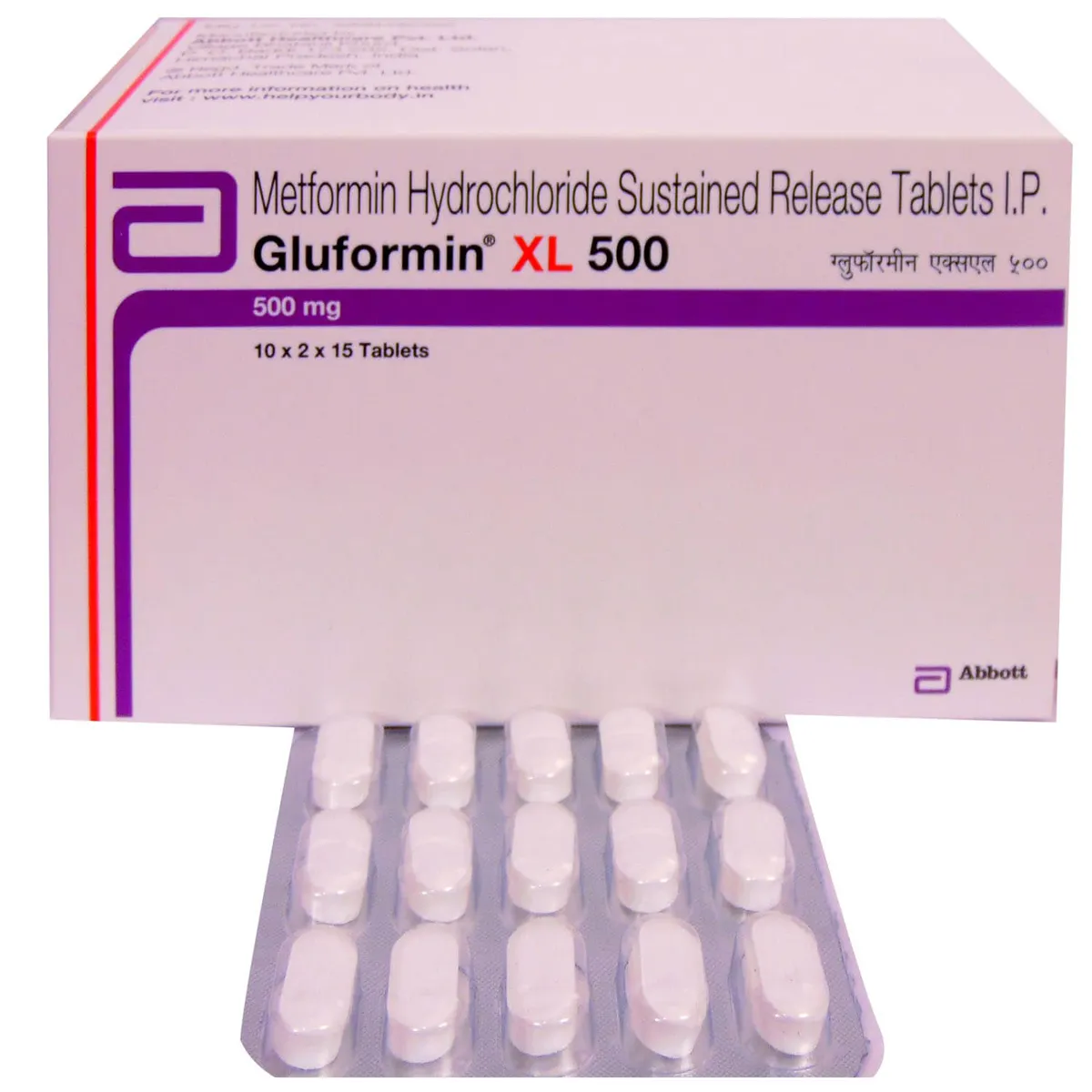
Gluformin XL 500 Tablet is an extended-release formulation of Metformin Hydrochloride (500mg), belonging to the biguanide class of oral antidiabetic medicines. It is primarily prescribed for the management of Type 2 Diabetes Mellitus (T2DM), especially in patients who cannot control blood sugar levels through diet and exercise alone.
The XL (extended-release) formulation allows the medicine to release gradually in the body, ensuring sustained blood sugar control throughout the day and reducing gastrointestinal side effects compared to conventional Metformin tablets.
Metformin works by reducing glucose production in the liver, slowing down glucose absorption in the intestine, and enhancing insulin sensitivity in body tissues, thereby helping to maintain stable blood glucose levels.
Uses:
-
Management of Type 2 Diabetes Mellitus (T2DM).
-
Helps lower fasting blood sugar (FBS) and postprandial blood sugar (PPBS).
-
Improves glycemic control and assists in reducing HbA1c levels.
-
Lowers the risk of long-term diabetes-related complications (neuropathy, nephropathy, retinopathy, cardiovascular disease).
-
May aid in weight management and improve lipid profile in some patients.
Dosage & Administration:
-
Generally prescribed once daily with meals, preferably in the evening.
-
Tablets should be swallowed whole with water; do not crush, chew, or split.
-
Dose may be adjusted gradually by the physician depending on blood sugar response and tolerance.
Mechanism of Action:
-
Reduces hepatic glucose production (suppresses gluconeogenesis).
-
Slows glucose absorption from the intestine.
-
Increases insulin sensitivity in peripheral tissues, enhancing glucose uptake and utilization.
This combined effect results in improved blood glucose control without causing excessive insulin release.
Side Effects:
-
Common: Nausea, stomach upset, diarrhea, bloating, abdominal discomfort.
-
Less common: Metallic taste, loss of appetite, mild weakness.
-
Rare but serious:
-
Lactic acidosis (very rare but potentially life-threatening). Warning signs include extreme tiredness, breathing difficulty, muscle cramps, irregular heartbeat.
-
Long-term use may lead to Vitamin B12 deficiency.
Precautions:
-
Not suitable for patients with Type 1 Diabetes or diabetic ketoacidosis.
-
Contraindicated in patients with severe kidney disease (eGFR <30 ml/min/1.73 m²).
-
Use with caution in patients with liver disease, alcohol abuse, or heart failure.
-
Avoid excessive alcohol consumption to reduce the risk of lactic acidosis.
-
Pregnant and breastfeeding women should use only under medical supervision.
-
Regular monitoring of blood sugar, kidney function, and Vitamin B12 levels is recommended during long-term therapy.
Storage:
-
Store in a cool, dry place, below 25°C.
-
Keep away from light and moisture.
-
Keep out of reach of children.
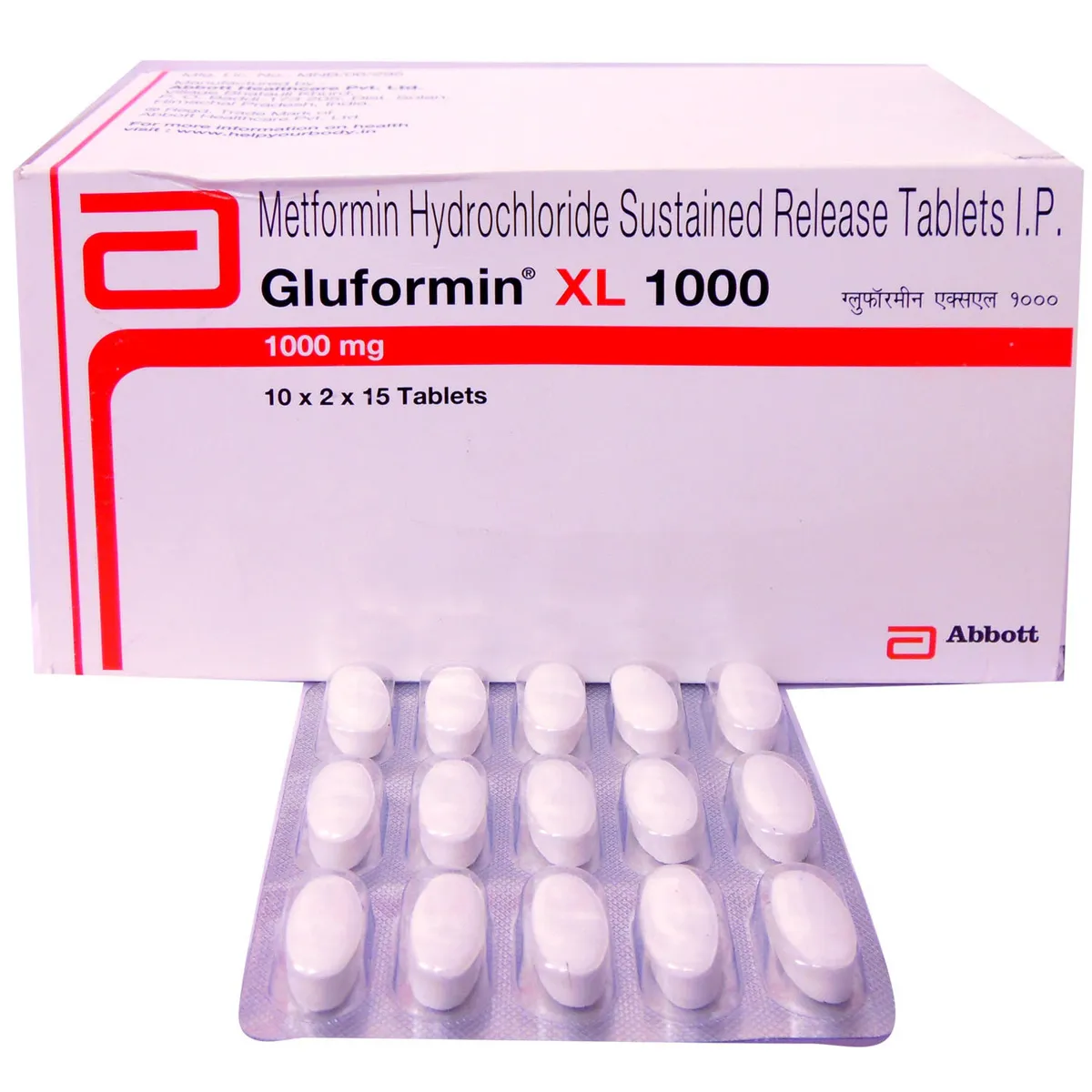
Gluformin XL New 1000 Tablet is an extended-release oral antidiabetic medicine containing Metformin Hydrochloride (1000mg). It belongs to the class of biguanides and is primarily prescribed for the management of Type 2 Diabetes Mellitus (T2DM).
The XL (extended-release) formulation ensures a slow and steady release of Metformin into the bloodstream, providing prolonged blood glucose control and minimizing gastrointestinal side effects compared to immediate-release tablets.
Metformin acts by reducing excess glucose production in the liver (hepatic gluconeogenesis), slowing the absorption of glucose from the intestines, and improving insulin sensitivity in muscle and fat cells. It helps maintain normal blood sugar levels and lowers the risk of long-term diabetes-related complications.
Uses:
-
First-line treatment for Type 2 Diabetes Mellitus (T2DM).
-
Helps in lowering fasting plasma glucose (FPG) and postprandial glucose (PPG) levels.
-
Improves overall glycemic control and aids in HbA1c reduction.
-
Reduces the risk of macrovascular and microvascular complications (heart attack, stroke, neuropathy, nephropathy, and retinopathy).
-
May assist in weight management and improving lipid profile in some patients.
Dosage & Administration:
-
Typically prescribed once daily with an evening meal or as advised by the physician.
-
Should be swallowed whole without crushing or chewing to maintain the extended-release property.
-
Dose adjustment is based on blood glucose monitoring, HbA1c levels, and patient tolerance.
Mechanism of Action:
-
Reduces hepatic glucose output: Inhibits gluconeogenesis in the liver.
-
Delays intestinal glucose absorption: Slows down uptake of sugar from food.
-
Increases insulin sensitivity: Enhances peripheral glucose uptake and utilization.
This multi-target action helps in achieving stable blood sugar control without causing excessive insulin secretion.
Side Effects:
-
Common: Nausea, vomiting, abdominal discomfort, diarrhea, metallic taste.
-
Less common: Loss of appetite, mild weakness, dizziness.
-
Rare but serious:
-
Lactic acidosis (life-threatening but very rare) – symptoms include extreme tiredness, irregular heartbeat, muscle pain, or breathing difficulty.
-
Vitamin B12 deficiency with long-term use.
Precautions:
-
Not recommended in Type 1 Diabetes or diabetic ketoacidosis.
-
Contraindicated in patients with severe kidney disease (eGFR <30 ml/min/1.73 m²).
-
Should be used cautiously in patients with liver disease, heart failure, or alcohol dependency.
-
Avoid alcohol intake to reduce the risk of lactic acidosis.
-
Pregnant and breastfeeding women should take only if advised by a doctor.
-
Regular monitoring of kidney function, liver function, and Vitamin B12 levels is recommended during long-term use.
Storage:
-
Store in a cool, dry place, below 25°C.
-
Protect from light and moisture.
-
Keep out of reach of children.

GLYCELIPTIN-M FORTE is an oral antidiabetic combination tablet containing teneligliptin (DPP-4 inhibitor) and metformin (sustained release). It is used to treat type 2 diabetes mellitus, particularly in patients whose blood sugar is inadequately controlled by metformin alone or as an initial dual therapy.
How GLYCELIPTIN-M FORTE Works
-
Metformin (1000 mg SR): Lowers glucose production in the liver, increases insulin sensitivity, and improves peripheral glucose uptake.
-
Teneligliptin (20 mg): Increases incretin hormone levels, which stimulate insulin release and suppress glucagon after meals, resulting in improved blood sugar control, especially postprandially.
Uses
-
Type 2 diabetes mellitus: For adults as part of a comprehensive diabetes management plan (alongside diet and exercise) to control blood glucose and reduce the risk of complications.
-
Used as monotherapy when dual action is needed or as step-up/add-on therapy to existing antidiabetic regimens.
Benefits
-
Provides more effective HbA1c and blood sugar reduction compared to monotherapy.
-
Convenient once-daily dosing with sustained-release metformin for prolonged glucose control
-
Lower risk of hypoglycemia and weight gain versus many older antidiabetics.
Common Side Effects
-
Nausea, diarrhea, upset stomach, headache, and vomiting.
-
Low blood sugar (more likely if used with sulfonylureas or insulin)
-
Rare: Lactic acidosis (in severe kidney/liver/heart disease), vitamin B12 deficiency, allergic rash
Directions & Safety Advice
-
Take with meals to reduce GI side effects; do not chew or crush sustained-release tablets.
-
Not for use in type 1 diabetes, pregnancy/breastfeeding without physician advice, or people with severe renal/hepatic impairment.
-
Continue diet, exercise, and regular blood sugar monitoring for best results
-
Avoid alcohol and inform your doctor about any other medications and health conditions
GLYCELIPTIN-M FORTE is a prescription combination for type 2 diabetes that is widely available in India and is not subject to any bans or restrictions.

Glycigon-M SR Tablet is a combination oral antidiabetic medicine that contains Gliclazide (80 mg) and Metformin (500 mg) in a sustained-release (SR) formulation. It is prescribed for the treatment of type 2 diabetes mellitus (T2DM) when blood sugar levels cannot be managed effectively with diet, exercise, or single-drug therapy. The sustained-release form ensures gradual release of the medicine, helping maintain more stable blood sugar levels with fewer gastrointestinal side effects compared to immediate-release formulations.
Uses / Indications
-
Treatment and management of type 2 diabetes mellitus
-
Helps control both fasting and post-meal blood glucose levels
-
Reduces the risk of long-term complications like heart disease, kidney damage, neuropathy, and retinopathy
How It Works (Mechanism of Action)
-
Gliclazide (80 mg): A sulfonylurea that increases insulin secretion from pancreatic beta cells.
-
Metformin (500 mg): A biguanide that reduces glucose production in the liver, decreases absorption of glucose in the intestines, and improves insulin sensitivity in the body.
-
Sustained-release (SR): Provides slower and steady release, improving tolerability and maintaining stable blood sugar control.
Dosage & Administration
-
Usually taken once or twice daily with meals, as prescribed by the doctor.
-
Dose depends on blood sugar levels, HbA1c, and patient response.
-
Must be taken consistently, at the same time each day.
-
Do not skip meals after taking this medicine, as it may lead to hypoglycemia.
Side Effects
Common:
-
Hypoglycemia (sweating, dizziness, hunger, tremors, palpitations)
-
Nausea, vomiting, diarrhea, abdominal discomfort
-
Headache, weakness
-
Weight gain (due to Gliclazide)
Less common:
Serious (rare):
-
Lactic acidosis (a rare but serious Metformin side effect; symptoms include severe weakness, muscle pain, trouble breathing)
-
Severe allergic reaction
-
Liver or kidney dysfunction
Precautions & Warnings
-
Not recommended for type 1 diabetes or diabetic ketoacidosis.
-
Use cautiously in patients with kidney, liver, or heart problems.
-
Avoid alcohol intake to prevent hypoglycemia and lactic acidosis.
-
Not recommended in pregnancy or breastfeeding unless prescribed by a doctor.
-
Regular monitoring of blood glucose and HbA1c is necessary.
Summary
Glycigon-M SR Tablet (Gliclazide 80 mg + Metformin 500 mg SR) is an effective dual-action antidiabetic combination that helps control blood sugar in type 2 diabetes mellitus. The sustained-release form provides steady glucose control with better tolerability, but patients must take it with meals and monitor for hypoglycemia or lactic acidosis.
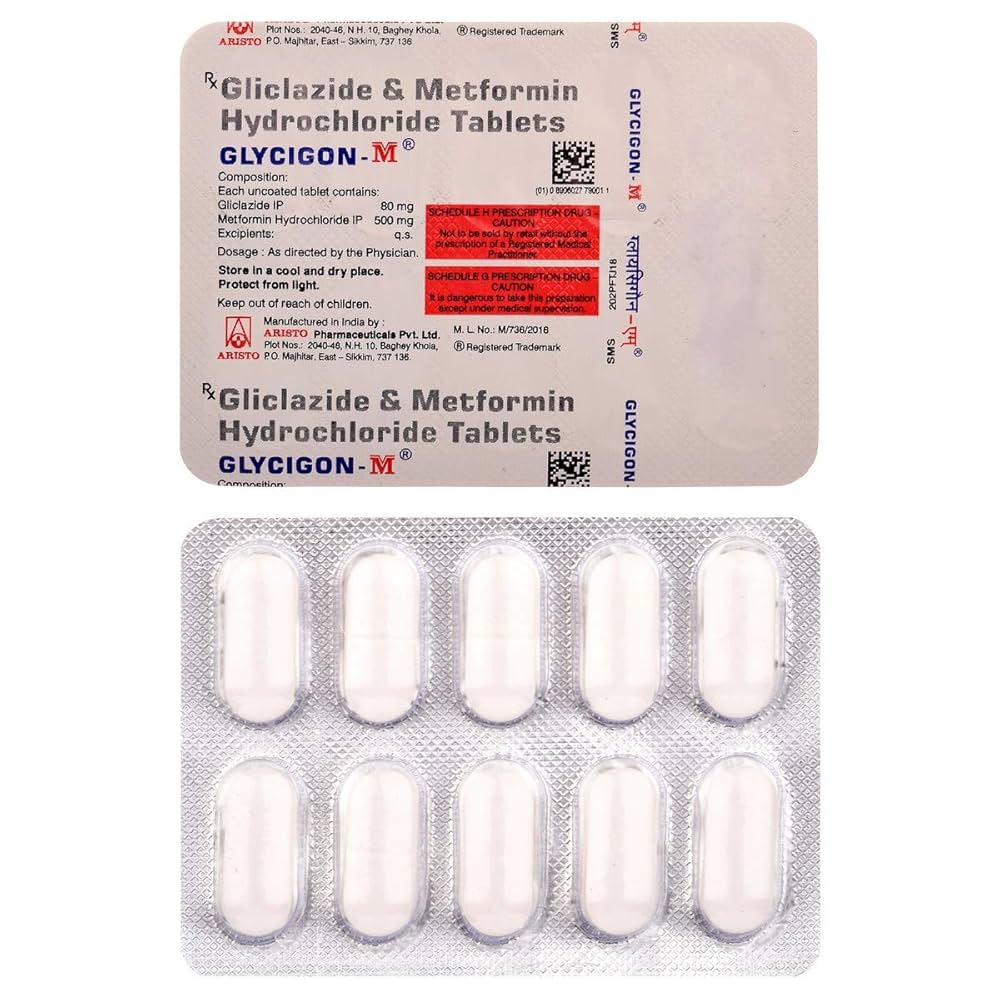
Glycigon-M Tablet is a combination oral antidiabetic medicine that contains Gliclazide (80 mg) and Metformin (500 mg). It is used in the management of type 2 diabetes mellitus (T2DM) when blood sugar cannot be controlled by lifestyle changes or a single medicine alone. The dual action of Gliclazide and Metformin helps achieve better blood sugar control and reduces the risk of long-term diabetes complications such as heart disease, nerve problems, kidney damage, and vision issues.
Uses / Indications
-
Management of type 2 diabetes mellitus
-
Improves overall glycemic control when monotherapy (single drug) is inadequate
-
Helps lower the risk of macrovascular and microvascular complications of diabetes
How It Works (Mechanism of Action)
-
Gliclazide (80 mg): A sulfonylurea that stimulates the pancreas to release more insulin, thereby lowering blood glucose levels.
-
Metformin (500 mg): A biguanide that reduces glucose production in the liver, decreases intestinal absorption of sugar, and improves insulin sensitivity in muscles.
-
Together, they provide synergistic control of blood sugar by acting on different mechanisms.
Dosage & Administration
-
Usually taken once or twice daily with meals, as prescribed.
-
The dose depends on the patient’s blood sugar levels and response to therapy.
-
Regular monitoring of blood glucose and HbA1c is essential.
-
Do not skip meals after taking the tablet, as it increases the risk of hypoglycemia.
Side Effects
Common:
-
Hypoglycemia (sweating, dizziness, shakiness, hunger, palpitations)
-
Nausea, vomiting, stomach upset, diarrhea
-
Headache, weakness
-
Weight gain (due to Gliclazide)
Less common:
Serious (rare):
-
Lactic acidosis (very rare but life-threatening side effect of Metformin; symptoms: muscle pain, fatigue, difficulty breathing)
-
Severe allergic reaction
-
Liver or kidney dysfunction
Precautions & Warnings
-
Not suitable for type 1 diabetes or diabetic ketoacidosis.
-
Use with caution in patients with kidney, liver, or heart problems.
-
Avoid alcohol as it increases the risk of hypoglycemia and lactic acidosis.
-
Pregnant or breastfeeding women should use it only if prescribed by a doctor.
-
Regular monitoring of blood sugar is essential to avoid fluctuations.
Summary
Glycigon-M Tablet (Gliclazide 80 mg + Metformin 500 mg) is an effective combination antidiabetic medicine used in the treatment of type 2 diabetes mellitus. It helps regulate blood sugar by increasing insulin release and reducing glucose production, but requires careful monitoring to prevent hypoglycemia and lactic acidosis.
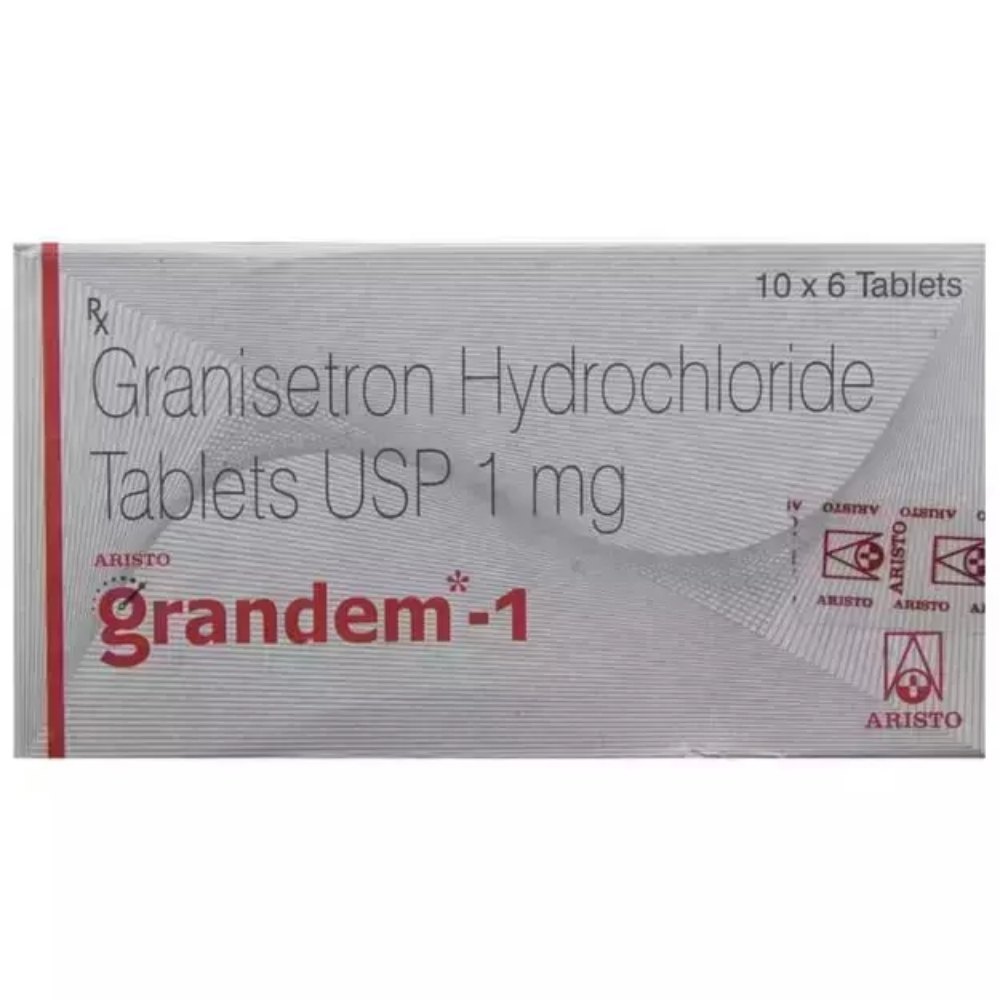
Grandem 1 Tablet contains Granisetron (1mg), a selective 5-HT3 receptor antagonist used to prevent and treat nausea and vomiting. These symptoms are often associated with chemotherapy, radiotherapy, and surgical procedures. By blocking serotonin activity in the gut and brain, it effectively reduces the vomiting reflex.
Uses / Indications
-
Chemotherapy-induced nausea and vomiting (CINV)
-
Radiotherapy-induced nausea and vomiting (RINV)
-
Post-operative nausea and vomiting (PONV)
How It Works
-
During cancer treatments or surgery, the body releases serotonin in the gut.
-
Serotonin activates 5-HT3 receptors, which send signals to the brain to induce vomiting.
-
Granisetron blocks these receptors, thereby preventing and controlling nausea and vomiting.
Dosage & Administration
-
Adults (oral use): Usually 1mg tablet taken 1 hour before chemotherapy or radiotherapy, may be repeated as advised.
-
Can also be given before and after surgery to prevent post-operative vomiting.
-
Swallow the tablet with water, with or without food.
-
The exact dosage and duration should be decided by the doctor based on treatment type, patient’s age, and body weight.
Note:
Side Effects
Common:
-
Headache
-
Constipation
-
Diarrhea
-
Fatigue or drowsiness
Less common:
Serious (rare):
-
Allergic reaction (rash, swelling, breathing difficulty)
-
Irregular heart rhythm (QT prolongation)
-
Severe constipation
Precautions & Warnings
-
Not to be used if allergic to Granisetron or similar medicines like Ondansetron.
-
Caution in patients with heart problems, electrolyte imbalance, or liver disease.
-
Pregnant or breastfeeding women should use only if prescribed.
-
May cause drowsiness or dizziness – avoid driving or operating heavy machinery until effects are known.
Summary
Grandem 1 Tablet (Granisetron 1mg) is a reliable antiemetic for preventing and treating nausea and vomiting caused by chemotherapy, radiation therapy, or surgery. It is generally well tolerated and effective when taken as prescribed by a healthcare professional.
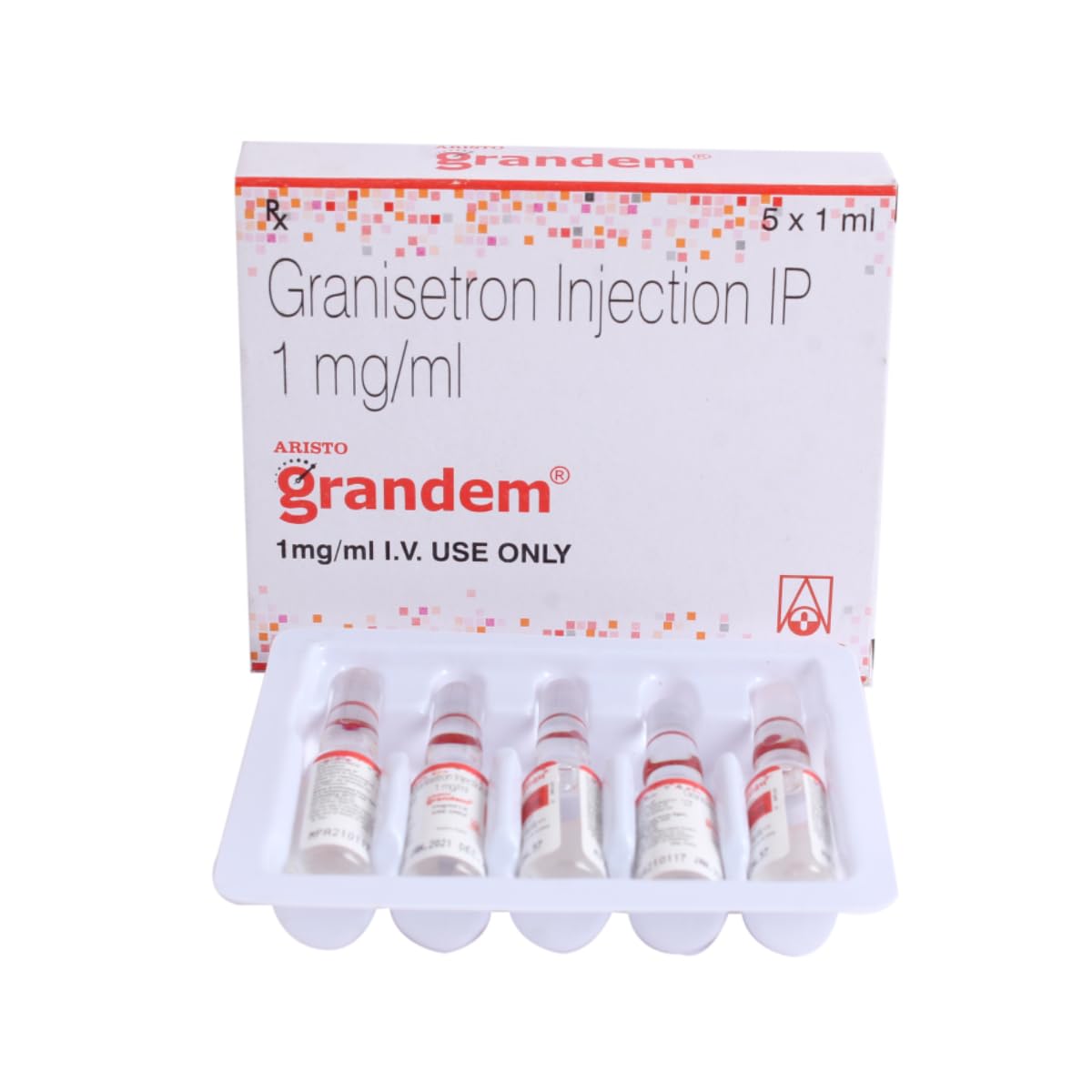
Grandem Injection contains Granisetron (1 mg), a serotonin 5-HT3 receptor antagonist used to prevent and treat nausea and vomiting caused by chemotherapy, radiotherapy, or surgery. It works by blocking serotonin, a natural substance in the body that triggers the vomiting reflex. This medicine is usually administered in a hospital or clinical setting under medical supervision.
Uses / Indications
-
Prevention and treatment of chemotherapy-induced nausea and vomiting (CINV)
-
Prevention and treatment of radiotherapy-induced nausea and vomiting
-
Prevention and treatment of post-operative nausea and vomiting (PONV)
How It Works (Mechanism of Action)
-
Granisetron (1 mg): Selectively blocks 5-HT3 receptors located in the brain and gastrointestinal tract.
-
Prevents serotonin from binding to these receptors, thereby suppressing the vomiting reflex.
-
Provides effective relief from nausea and vomiting associated with cancer treatments and surgical procedures.
Dosage & Administration
-
Given intravenously (IV) by a doctor or nurse.
-
Chemotherapy-induced nausea/vomiting: Usually administered before and/or after chemotherapy.
-
Surgery-related nausea/vomiting: Administered before induction of anesthesia or after surgery if nausea occurs.
-
Dose and frequency are determined by the doctor depending on the patient’s condition, type of chemotherapy/surgery, and response.
Side Effects
Common:
-
Headache
-
Constipation
-
Diarrhea
-
Weakness or fatigue
Less common:
Serious (rare):
-
Allergic reactions (rash, itching, swelling of face/lips, difficulty breathing)
-
Heart rhythm disturbances (QT prolongation, palpitations)
-
Severe abdominal pain or persistent constipation
Precautions & Warnings
-
Should only be administered under medical supervision.
-
Caution in patients with heart disease or arrhythmias.
-
Inform doctor if taking other medicines that affect heart rhythm (e.g., antiarrhythmics, antidepressants).
-
Safe use in pregnancy and breastfeeding has not been fully established – use only if prescribed.
-
Not recommended for patients with known hypersensitivity to Granisetron or other 5-HT3 antagonists.
Summary
Grandem Injection (Granisetron 1 mg) is an effective anti-nausea medicine used to prevent and manage nausea and vomiting associated with chemotherapy, radiotherapy, and surgical procedures. It is generally well-tolerated, but requires hospital/clinical administration and monitoring for possible side effects like headache, constipation, or heart rhythm changes.

Grandem MD Tablet contains Granisetron (1mg), a 5-HT3 receptor antagonist widely prescribed to prevent and treat nausea and vomiting associated with chemotherapy, radiotherapy, and post-operative recovery.
The MD (Mouth Dissolving) form allows the tablet to dissolve quickly on the tongue without the need for water, making it convenient for patients who experience nausea and difficulty swallowing.
Uses / Indications
-
Chemotherapy-induced nausea and vomiting (CINV)
-
Radiotherapy-induced nausea and vomiting (RINV)
-
Post-operative nausea and vomiting (PONV)
How It Works
-
Chemotherapy, radiotherapy, or surgery can trigger serotonin release in the gut.
-
Serotonin binds to 5-HT3 receptors in the brain and gut, causing vomiting.
-
Granisetron blocks these receptors, preventing nausea and vomiting signals from reaching the brain.
Dosage & Administration
-
Usually 1 tablet (1mg) is taken 1 hour before chemotherapy/radiotherapy.
-
Can also be given before and after surgery.
-
The MD formulation dissolves on the tongue; no water is needed.
-
Exact dosage and schedule should be determined by the doctor based on treatment and patient condition.
Side Effects
Common:
-
Headache
-
Constipation
-
Diarrhea
-
Fatigue or drowsiness
Less Common:
-
Dizziness
-
Abdominal discomfort
-
Sleep disturbances
Serious (rare):
-
Allergic reactions (rash, swelling, difficulty breathing)
-
Irregular heartbeat (QT prolongation)
-
Severe constipation
Precautions & Warnings
-
Avoid use if allergic to Granisetron or other 5-HT3 antagonists.
-
Caution in patients with heart disease, electrolyte imbalance, or liver impairment.
-
Pregnant or breastfeeding women should use only if prescribed.
-
May cause mild drowsiness – avoid driving until you know how it affects you.
Summary
Grandem MD Tablet (Granisetron 1mg) is a fast-dissolving antiemetic that provides convenient relief from nausea and vomiting caused by cancer treatments or surgery. Its mouth-dissolving form makes it especially useful for patients who cannot swallow conventional tablets due to ongoing nausea.