



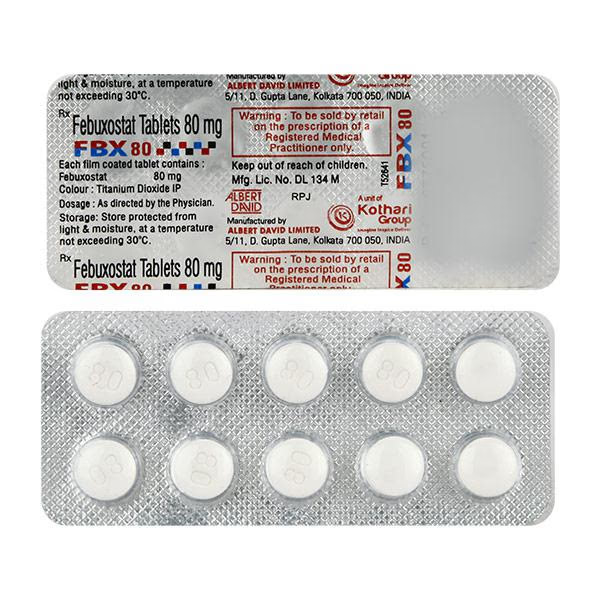
Description
FBX 80 Tablet contains Febuxostat (80mg), a uric acid–lowering medicine used in the treatment of gout and chronic hyperuricemia.
-
Febuxostat belongs to the class of xanthine oxidase inhibitors.
-
It works by blocking the enzyme xanthine oxidase, which produces uric acid.
-
By lowering uric acid levels, it helps prevent gout attacks, joint inflammation, kidney stone formation, and long-term joint damage.
Uses
FBX 80 Tablet is prescribed for:
-
Treatment of gout (joint pain, swelling, redness due to uric acid crystal buildup)
-
Management of chronic hyperuricemia (long-term high uric acid levels)
-
Prevention of uric acid kidney stones
-
Long-term control of uric acid in patients not responding to or intolerant of allopurinol
Benefits
-
Maintains low uric acid levels effectively
-
Prevents recurrent gout attacks and joint swelling
-
Reduces the risk of permanent joint damage in chronic gout
-
Protects kidneys by reducing uric acid stone formation
-
Provides a stronger dose option (compared to FBX 40) for patients with higher uric acid levels
Side Effects
Possible side effects include:
-
Headache or dizziness
-
Nausea, stomach pain, or diarrhea
-
Skin rash or itching
-
Mild increase in liver enzymes
-
Rare but serious: chest pain, irregular heartbeat, severe allergic reactions
Precautions
-
Cardiac risk: Febuxostat may slightly increase the risk of heart-related problems; use with caution if you have heart disease.
-
Liver/kidney disease: Dose adjustment or monitoring may be required.
-
Pregnancy & breastfeeding: Use only if prescribed by a doctor.
-
Hydration: Drink plenty of fluids to reduce kidney stone risk.
-
Drug interactions: Avoid with azathioprine, mercaptopurine, or theophylline unless advised by a doctor.
-
Monitoring: Regular uric acid and liver function tests are recommended.
Dosage & Administration
-
Usual dose: One tablet daily, or as prescribed.
-
Can be taken with or without food.
-
Continue the medicine regularly for best results; stopping abruptly may raise uric acid levels.
-
Regular monitoring is important during therapy.



Leave a Reply