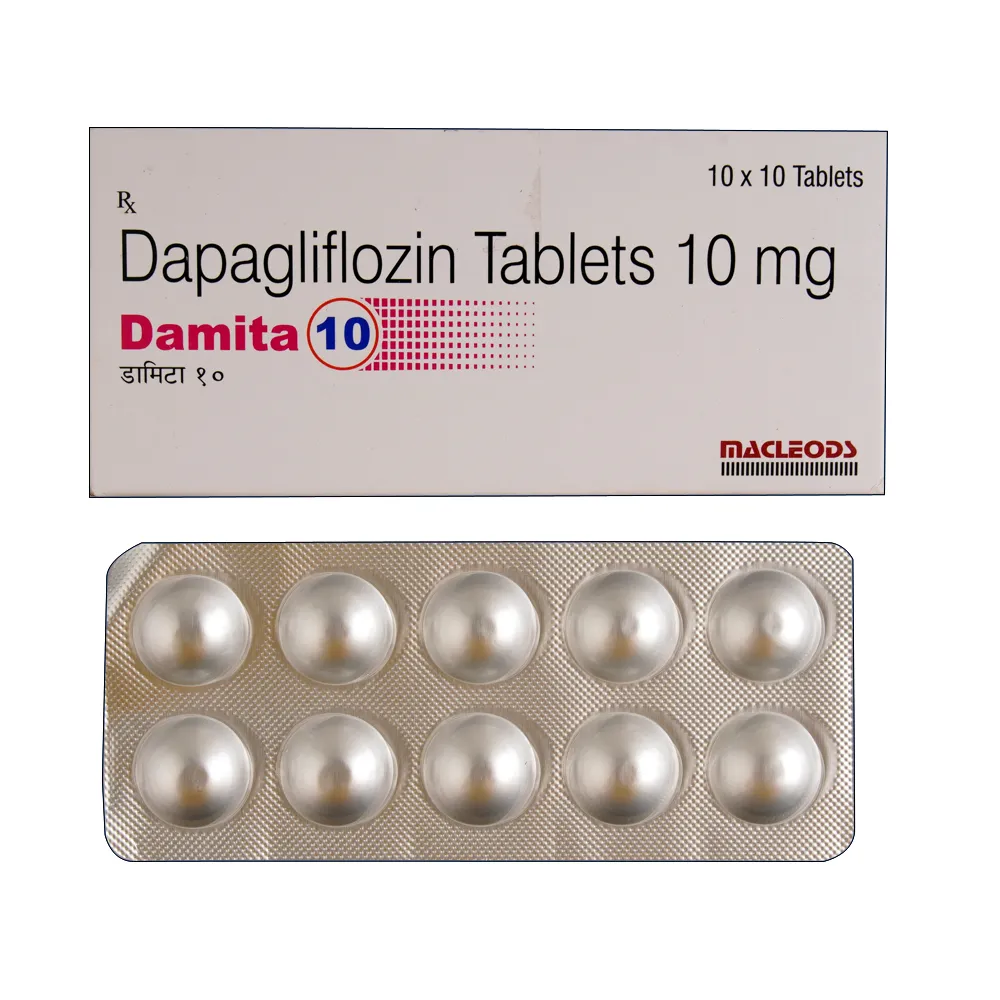
Damita 10mg Tablet contains Dapagliflozin, which belongs to the class of medicines called SGLT2 (sodium-glucose co-transporter-2) inhibitors. It helps lower blood sugar levels by preventing glucose reabsorption in the kidneys and promoting its excretion through urine. Apart from controlling diabetes, dapagliflozin also offers cardiovascular and kidney protective benefits in certain patients.
Uses / Indications:
-
Type 2 Diabetes Mellitus (as monotherapy or in combination with other antidiabetics)
-
Reducing risk of hospitalization in patients with heart failure (with reduced ejection fraction)
-
Delaying progression of chronic kidney disease (CKD)
Benefits:
-
Improves blood sugar control without causing weight gain
-
Helps reduce body weight and blood pressure in some patients
-
Provides proven benefits for heart and kidney health in addition to glucose control
How to Use:
-
Take once daily, with or without food, at the same time each day.
-
Swallow whole with water; do not crush or chew.
-
Follow the dosage as prescribed by your doctor—do not self-adjust or skip doses.
Precautions:
-
Not recommended in patients with type 1 diabetes or diabetic ketoacidosis (DKA).
-
Use with caution in patients with kidney or liver impairment.
-
Inform your doctor if you are taking diuretics or blood pressure medicines, as there may be a risk of dehydration or low blood pressure.
-
Maintain adequate hydration to avoid urinary and genital infections.
-
Pregnant or breastfeeding women should use only if prescribed by the doctor.
Possible Side Effects:
-
Common: urinary tract infection, genital fungal infection, frequent urination, thirst
-
Moderate: dehydration, dizziness, low blood pressure
-
Rare but serious: diabetic ketoacidosis (DKA), severe urinary infection
Storage:
-
Store at room temperature in a dry place, away from direct sunlight.
-
Keep out of the reach of children.
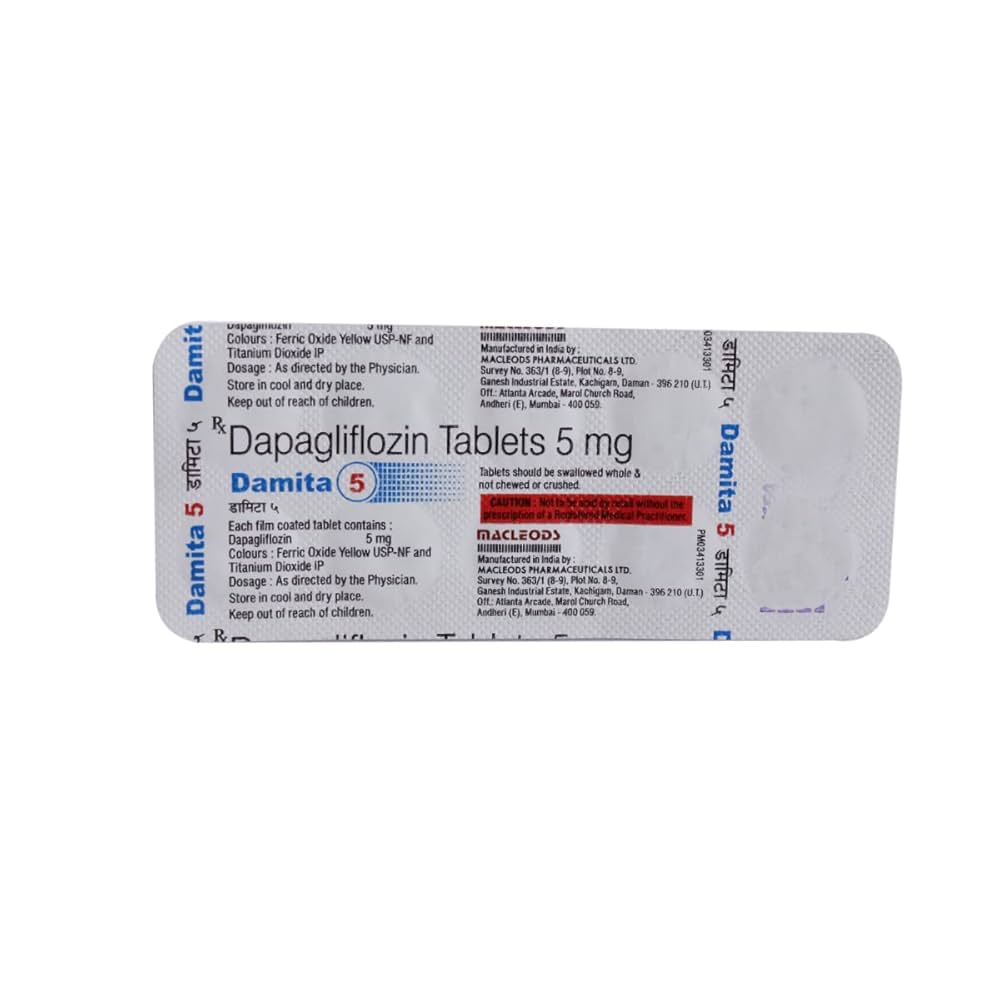
Damita 5mg Tablet contains Dapagliflozin, an SGLT2 (sodium-glucose co-transporter-2) inhibitor. It lowers blood sugar levels by blocking glucose reabsorption in the kidneys, leading to its excretion in urine. The 5mg strength is often prescribed as a starting dose, in patients with mild to moderate kidney issues, or when used in combination therapy.
Uses / Indications:
-
Type 2 Diabetes Mellitus (alone or with other antidiabetic medicines like metformin, sulfonylureas, or insulin)
-
Reducing risk of hospitalization in patients with heart failure (reduced ejection fraction)
-
Helping delay progression of chronic kidney disease (CKD)
Benefits:
-
Provides effective blood sugar control without weight gain
-
May help in weight reduction and lowering blood pressure
-
Offers protective benefits for the heart and kidneys
How to Use:
-
Usually taken once daily, with or without food, as directed by the doctor.
-
Swallow whole with water; do not crush or chew.
-
Stick to the prescribed dose; do not skip or double the dose.
Precautions:
-
Not suitable for type 1 diabetes or patients with diabetic ketoacidosis (DKA).
-
Use cautiously in patients with kidney or liver impairment.
-
May increase risk of dehydration, especially if taken with diuretics or blood pressure medicines.
-
Stay well-hydrated to lower risk of urinary or genital infections.
-
Pregnant or breastfeeding women should use only under medical advice.
Possible Side Effects:
-
Common: increased urination, urinary tract infection, genital yeast infection, thirst
-
Moderate: dehydration, low blood pressure, dizziness
-
Rare but serious: diabetic ketoacidosis, severe urinary infection, kidney function changes
Storage:
-
Store in a cool, dry place, protected from direct sunlight and moisture.
-
Keep out of reach of children.
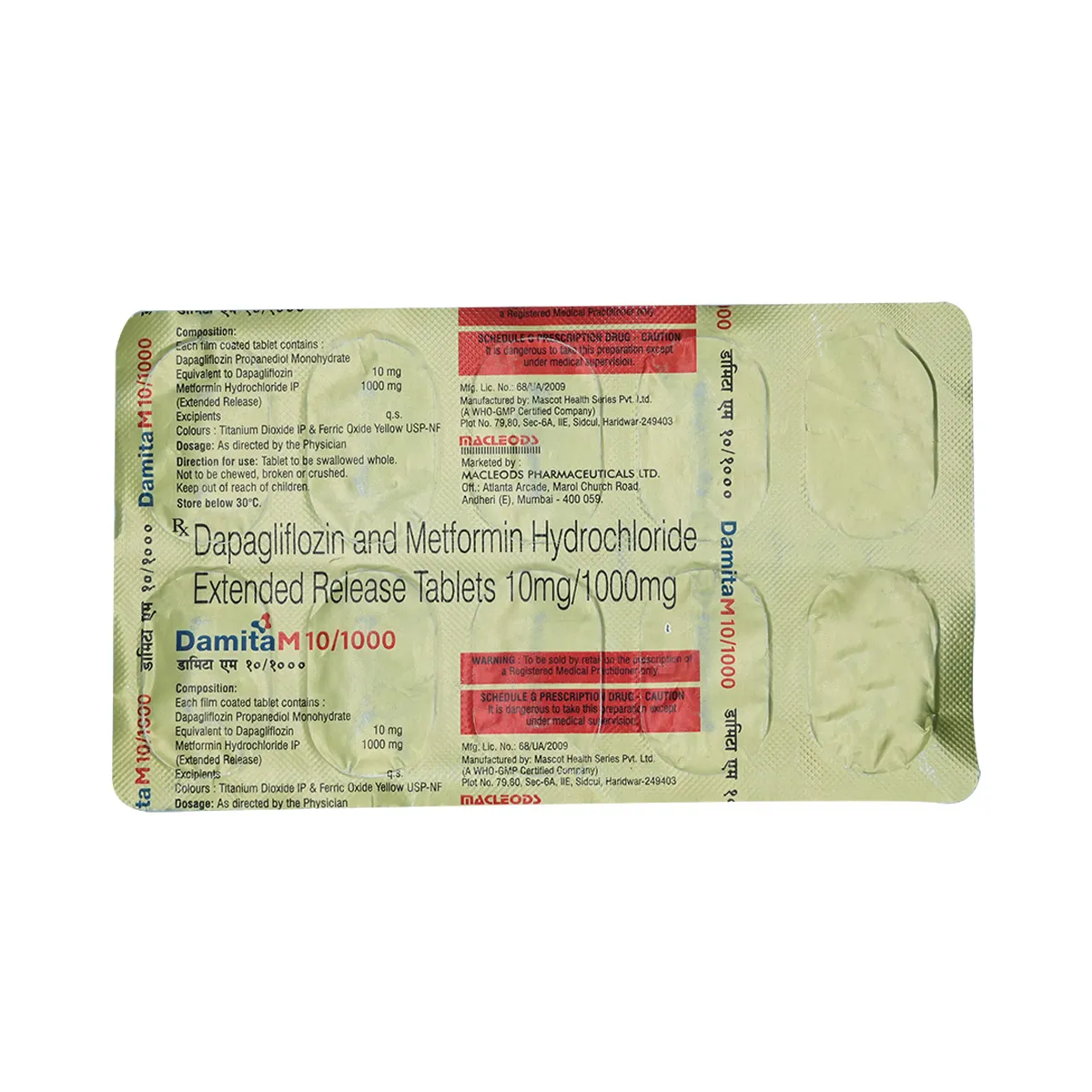
Damita M 10/1000 Tablet ER is a combination of Dapagliflozin (an SGLT2 inhibitor) and Metformin (a biguanide). It is used for the management of type 2 diabetes mellitus in adults. Dapagliflozin lowers blood glucose by increasing glucose excretion through urine, while Metformin reduces glucose production in the liver and improves insulin sensitivity. Together, they provide better glycemic control than either drug alone.
Uses / Indications:
-
Type 2 Diabetes Mellitus (when diet, exercise, and monotherapy with metformin or dapagliflozin alone are not sufficient)
-
Helps reduce the risk of diabetes-related complications (kidney damage, nerve problems, blindness, heart attack, and stroke)
-
May also provide cardiovascular and renal protection in suitable patients
Benefits:
-
Dual mechanism of action for improved blood sugar control
-
Extended-release (ER) form allows once-daily dosing with fewer gastrointestinal side effects from metformin
-
May help with weight loss and blood pressure reduction
How to Use:
-
Take the tablet once daily with the evening meal, or as advised by your doctor.
-
Swallow whole with water; do not crush, chew, or split.
-
Follow dietary and lifestyle modifications for maximum benefit.
Precautions:
-
Not recommended in type 1 diabetes or diabetic ketoacidosis (DKA).
-
Patients with kidney or liver impairment need close monitoring; dose adjustments may be required.
-
May increase the risk of dehydration and urinary/genital infections (due to dapagliflozin).
-
Metformin component may rarely cause lactic acidosis—report symptoms like unexplained fatigue, abdominal pain, or breathing difficulty immediately.
-
Avoid excessive alcohol intake.
-
Pregnant and breastfeeding women should take only if prescribed by a doctor.
Possible Side Effects:
-
Common: nausea, diarrhea, stomach upset, increased urination, genital fungal infection
-
Moderate: dehydration, low blood pressure, headache, dizziness
-
Rare: lactic acidosis (serious), severe urinary tract infection, allergic reactions
Storage:
-
Store in a cool, dry place, away from direct sunlight and moisture.
-
Keep out of reach of children.
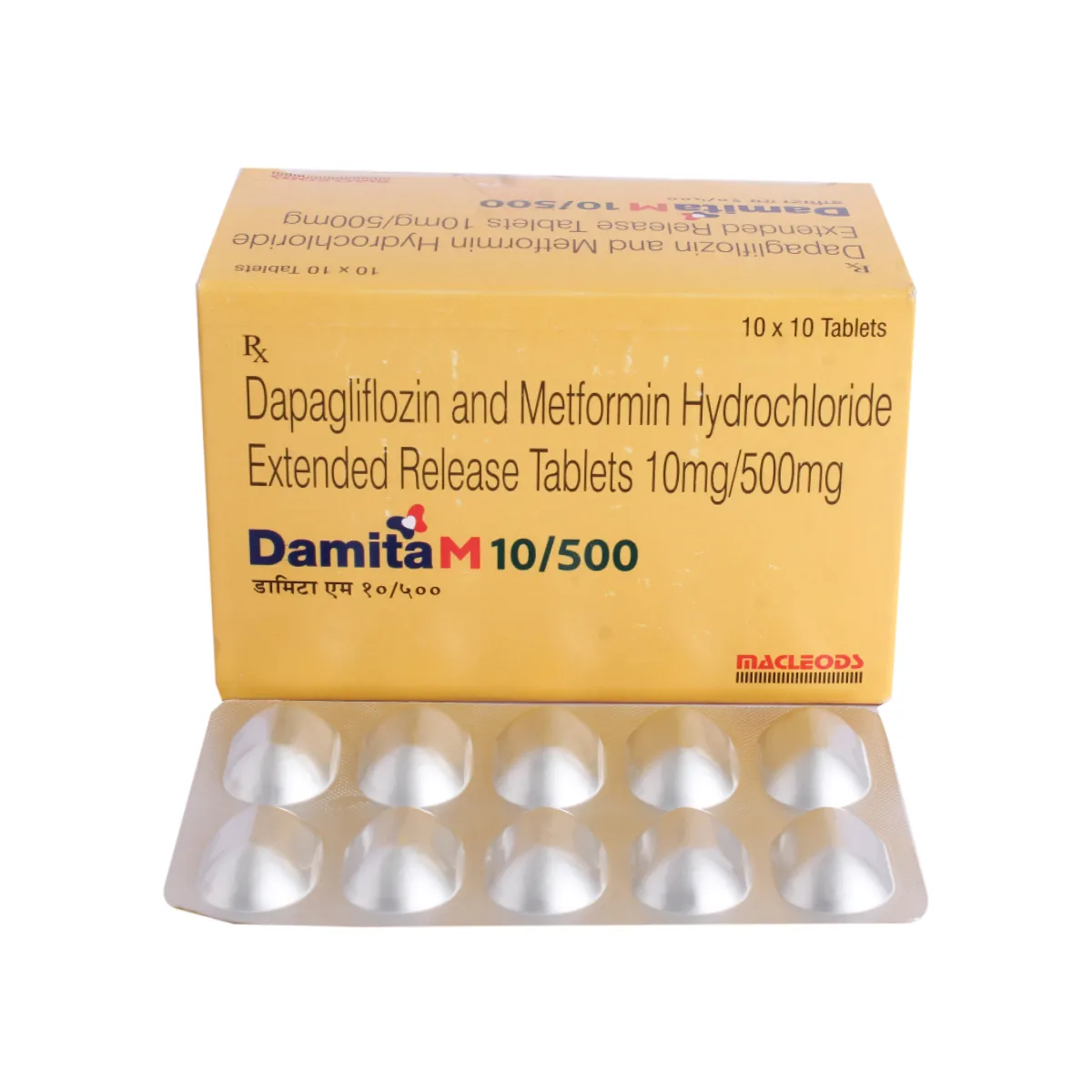
Damita M 10/500 Tablet ER combines Dapagliflozin (an SGLT2 inhibitor) with Metformin (a biguanide). This fixed-dose combination is prescribed for type 2 diabetes mellitus when diet, exercise, and monotherapy are insufficient. Dapagliflozin lowers blood sugar by increasing urinary glucose excretion, while Metformin decreases glucose production in the liver and enhances insulin sensitivity. The extended-release (ER) form ensures better gastrointestinal tolerance and allows once-daily dosing.
Uses / Indications:
-
Management of type 2 diabetes mellitus
-
Reduces risk of long-term diabetes complications such as neuropathy, nephropathy, retinopathy, heart attack, and stroke
-
Provides additional benefits for heart failure and kidney function in suitable patients
Benefits:
-
Two complementary mechanisms for more effective blood sugar control
-
Extended-release formulation minimizes gastric irritation from metformin
-
May support weight loss and blood pressure reduction
-
Lower metformin dose (500mg) suitable for initiating therapy or patients with intolerance to higher doses
How to Use:
-
Take once daily with food (preferably evening meal) to reduce stomach upset.
-
Swallow whole with water; do not chew or crush.
-
Do not skip doses; complete therapy as prescribed.
Precautions:
-
Not for type 1 diabetes or diabetic ketoacidosis (DKA).
-
Caution in patients with kidney or liver impairment. Dose adjustment or monitoring may be required.
-
May increase risk of urinary tract infections and genital fungal infections due to dapagliflozin.
-
Metformin may very rarely cause lactic acidosis; report symptoms like extreme tiredness, shortness of breath, or abdominal pain immediately.
-
Avoid excessive alcohol use.
-
Pregnant or breastfeeding women should consult their doctor before use.
Possible Side Effects:
-
Common: stomach upset, nausea, diarrhea, headache, increased urination
-
Moderate: dehydration, dizziness, low blood pressure, genital infections
-
Rare: lactic acidosis (serious), severe urinary tract infection, allergic reaction
Storage:
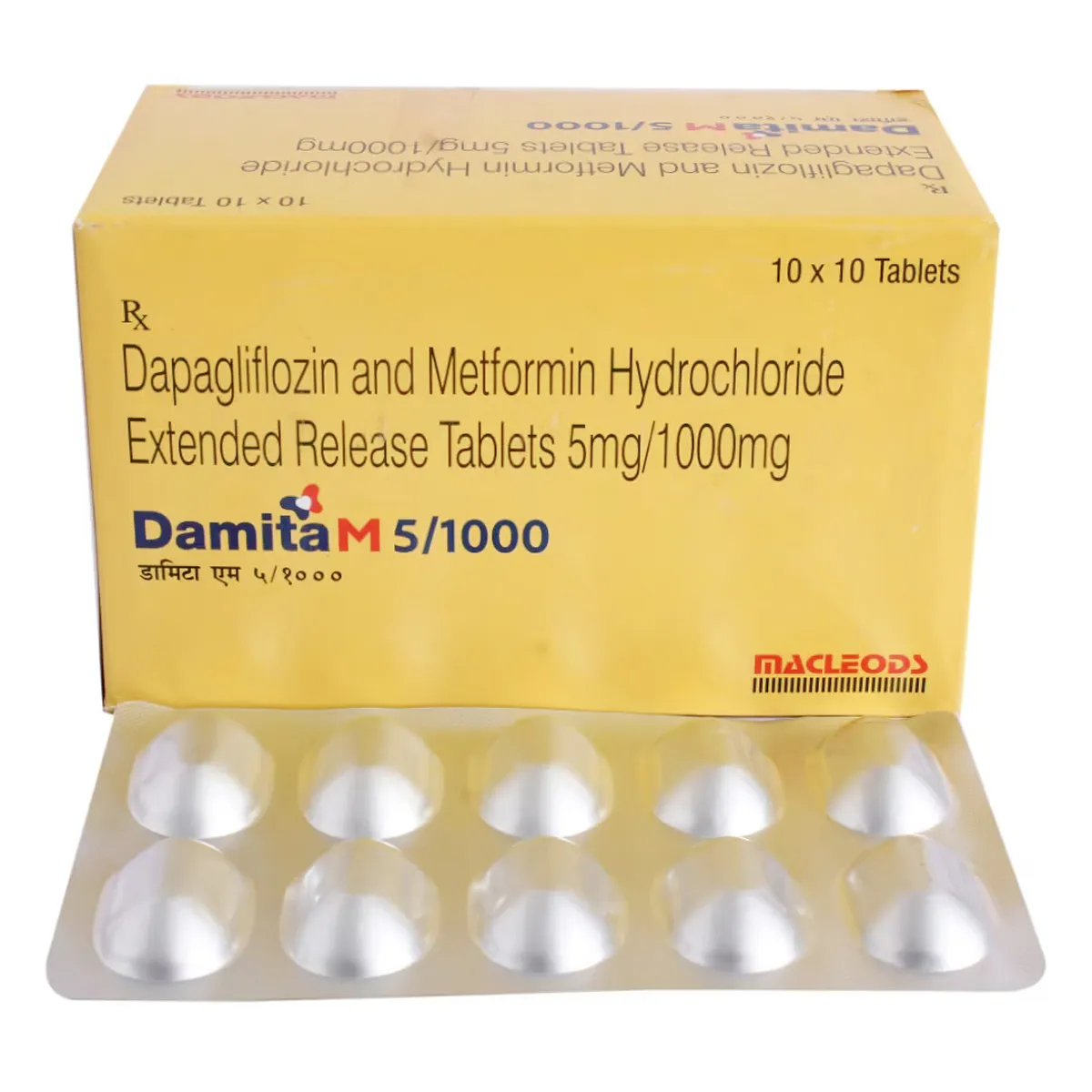
Damita M 5/1000 Tablet ER is a fixed-dose combination of Dapagliflozin (an SGLT2 inhibitor) and Metformin (a biguanide). It is used in the treatment of type 2 diabetes mellitus when diet, exercise, and monotherapy are not enough. Dapagliflozin lowers blood glucose by helping the kidneys eliminate excess sugar through urine, while Metformin decreases glucose production in the liver and improves insulin sensitivity. The extended-release (ER) formulation helps in once-daily dosing with better gastrointestinal tolerance.
Uses / Indications:
-
Management of type 2 diabetes mellitus (alone or in combination with other antidiabetic drugs)
-
Reduces risk of complications such as heart disease, kidney problems, nerve damage, and vision loss
-
Provides cardio-renal protection in eligible patients
Benefits:
-
Dual action for effective blood sugar control
-
Extended-release (ER) metformin reduces gastric side effects
-
Lower dapagliflozin dose (5mg) is suitable for patients who require a gentler initiation of therapy or those with certain health conditions
-
May support weight reduction and lower blood pressure
How to Use:
-
Take once daily with meals (preferably the evening meal).
-
Swallow the tablet whole with water; do not chew, crush, or split.
-
Follow your doctor’s prescribed dosage and lifestyle recommendations.
Precautions:
-
Not recommended for type 1 diabetes or diabetic ketoacidosis (DKA).
-
Use with caution in patients with kidney or liver impairment; dose adjustment may be required.
-
May increase risk of urinary tract infections and genital fungal infections due to dapagliflozin.
-
Metformin may rarely cause lactic acidosis; report symptoms like weakness, muscle pain, difficulty breathing, or abdominal pain immediately.
-
Avoid alcohol while on this medicine.
-
Use during pregnancy or breastfeeding only under medical supervision.
Possible Side Effects:
-
Common: diarrhea, nausea, stomach upset, frequent urination, genital fungal infections
-
Moderate: dehydration, dizziness, low blood pressure, headache
-
Rare but serious: lactic acidosis, severe urinary infection, allergic reaction
Storage:
Damita M 5mg/500mg Tablet ER is a combination medicine used to manage type 2 diabetes mellitus. It contains Dapagliflozin (5mg), an SGLT2 inhibitor, and Metformin (500mg), a biguanide. Together, they help regulate blood sugar levels by complementary mechanisms: dapagliflozin removes excess glucose via urine, while metformin lowers glucose production in the liver and improves insulin utilization by the body. The extended-release (ER) formulation ensures a steady release of the drug, minimizing gastric discomfort often associated with metformin.
Uses / Indications:
-
Control of type 2 diabetes mellitus when diet, exercise, and monotherapy are not enough
-
Helps reduce risk of cardiovascular disease and kidney-related complications in diabetic patients
-
May also aid in weight reduction and blood pressure control in certain patients
Benefits:
-
Dual mechanism ensures effective and sustained glucose control
-
Lower dose of metformin (500mg) is well-suited for patients just starting therapy or those requiring a lower strength
-
Extended-release technology improves tolerability and convenience with once-daily dosing
-
May support weight management and metabolic health
How to Use:
-
Take once daily with meals (preferably the evening meal).
-
Swallow the tablet whole with a glass of water; do not chew, crush, or break.
-
Always follow the dosage as directed by your doctor.
Precautions:
-
Not to be used in type 1 diabetes or diabetic ketoacidosis (DKA).
-
Caution in patients with renal or hepatic impairment; dose adjustments may be necessary.
-
Increased risk of urinary tract infections and genital fungal infections due to dapagliflozin.
-
Rare risk of lactic acidosis with metformin – report unusual weakness, abdominal pain, or breathing difficulty immediately.
-
Avoid alcohol intake during treatment.
-
Use in pregnancy or breastfeeding only under medical advice.
Possible Side Effects:
-
Common: nausea, diarrhea, frequent urination, genital infections, headache
-
Moderate: dehydration, low blood pressure, dizziness
-
Rare but serious: lactic acidosis, severe allergic reaction, serious urinary infection
Storage:
-
Keep in a cool, dry place, protected from direct sunlight and moisture.
-
Store out of reach of children.
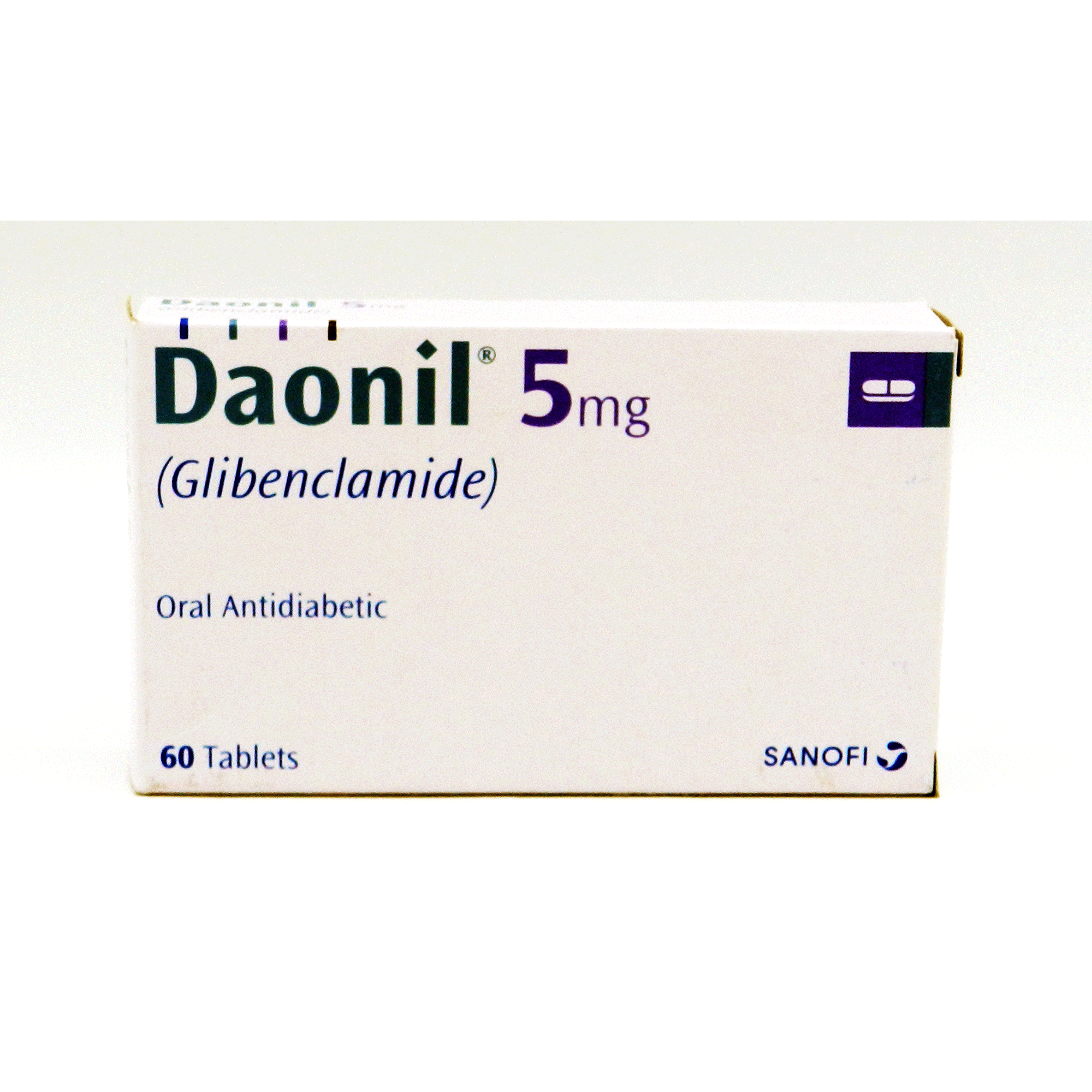
Daonil Tablet is an anti-diabetic medicine manufactured by Sanofi India Ltd. It contains Glibenclamide (5mg), which belongs to the class of medicines known as sulfonylureas. This medicine works by stimulating the pancreas to release more insulin, which helps lower blood glucose levels. It is commonly prescribed for patients with type 2 diabetes mellitus (non-insulin-dependent diabetes) when diet and exercise alone are not enough to control blood sugar.
By keeping blood sugar levels under control, Daonil Tablet helps prevent or reduce the risk of serious long-term complications of diabetes, such as kidney damage, eye problems, nerve damage, heart disease, and stroke. For best results, it should be taken in combination with a proper diet, regular exercise, and lifestyle modifications as advised by the doctor.
Uses
-
Controls high blood sugar levels in type 2 diabetes mellitus
-
Helps in preventing diabetes-related complications like kidney damage, blindness, nerve problems, and heart disease
-
Can be used alone or with other anti-diabetic medicines to achieve better blood sugar control
Dosage
-
The dose should be taken exactly as prescribed by the doctor
-
Usually taken once daily with breakfast or the first main meal of the day
-
Do not skip meals while taking this medicine, as it can cause low blood sugar (hypoglycemia)
-
The dose may be adjusted based on blood sugar monitoring and individual response
Side Effects
-
Low blood sugar (hypoglycemia): sweating, dizziness, hunger, shakiness
-
Nausea, stomach upset
-
Weight gain
-
Allergic skin reactions (rare)
Precautions
-
Regular monitoring of blood glucose is necessary
-
Avoid alcohol as it can increase the risk of hypoglycemia
-
Not suitable for patients with type 1 diabetes or diabetic ketoacidosis
-
Use with caution in patients with kidney or liver disease
-
Pregnant or breastfeeding women should consult a doctor before taking this medicine
-
Always inform your doctor about other medicines being used to avoid harmful drug interactions
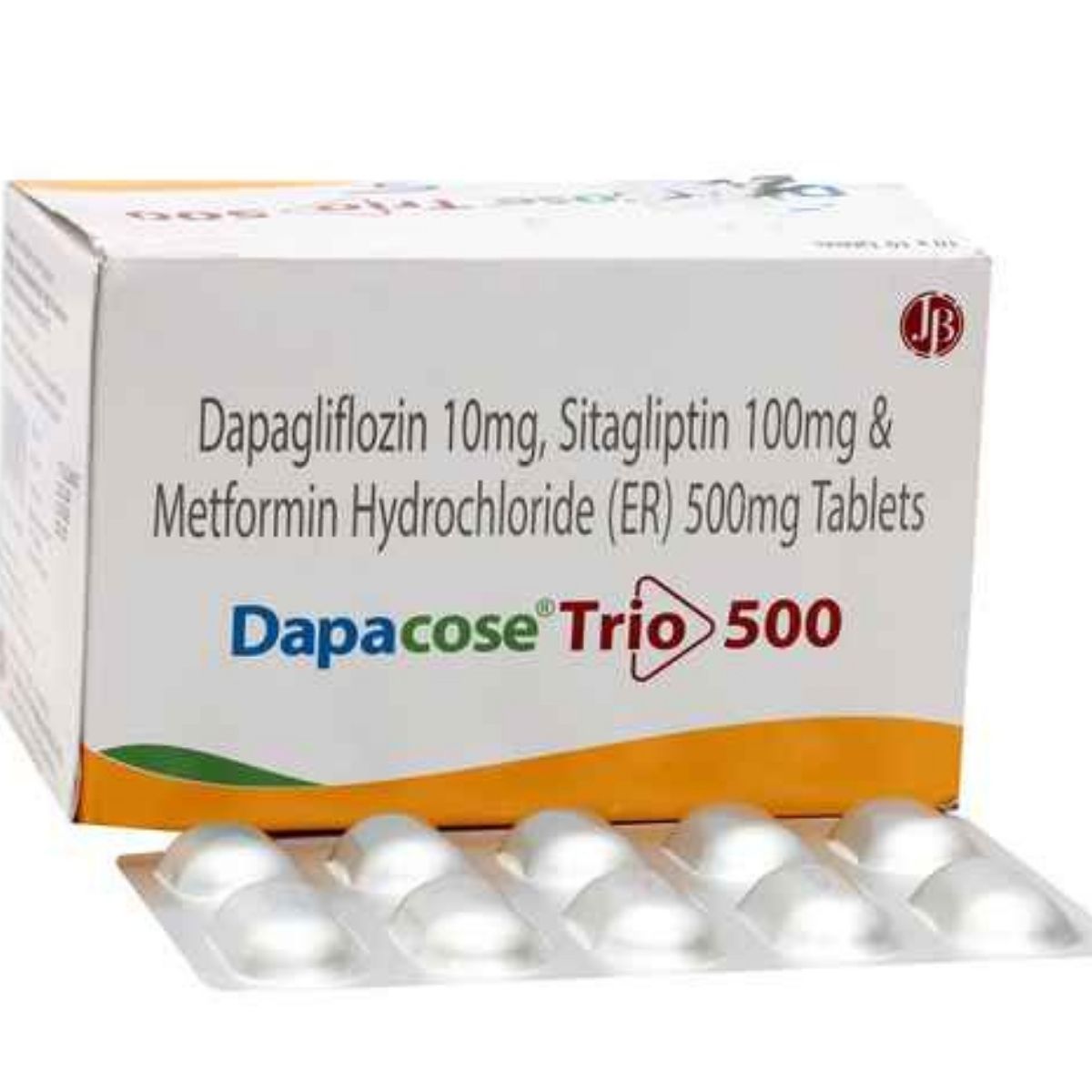
Uses
- Type 2 diabetes mellitus
- Helps control high blood sugar levels
- May be prescribed when combination therapy is required
- Helps improve overall glycemic control along with diet and exercise
Key Benefits
- Helps lower blood glucose levels
- Dapagliflozin promotes removal of excess glucose through urine
- Metformin reduces glucose production by the liver and improves insulin sensitivity
- Sitagliptin helps increase insulin release when blood sugar is high
- Provides complementary blood-sugar-lowering effects through three different mechanisms
How Dapacose Trio Works
Dapagliflozin blocks SGLT2 in the kidneys, increasing the amount of glucose removed through urine.
Metformin reduces glucose production by the liver and improves the body’s response to insulin.
Sitagliptin is a DPP-4 inhibitor that increases the activity of incretin hormones, helping the pancreas release more insulin when blood sugar is elevated and reducing excess glucagon release.
Together, these medicines help maintain better blood glucose control.
Dosage & How to Use
Take Dapacose Trio exactly as prescribed by your doctor.
- Swallow the tablet whole with water.
- Take it with food if advised, particularly because Metformin may cause stomach upset.
- Take it at the same time each day.
- Maintain adequate fluid intake unless your doctor has advised fluid restriction.
- Continue your recommended diet and exercise program.
- Do not change the dose or stop treatment without medical advice.
Side Effects
Possible side effects include:
- Nausea
- Diarrhea
- Stomach discomfort
- Increased urination
- Genital fungal infections
- Urinary tract infections
- Headache
- Thirst
- Dizziness
Rare but serious problems can include lactic acidosis, diabetic ketoacidosis, pancreatitis, severe dehydration, and kidney problems.
Seek urgent medical attention for severe weakness, persistent vomiting, abdominal pain, difficulty breathing, confusion, or unusual genital pain/swelling.
Precautions
Tell your doctor if you have:
- Kidney disease
- Liver disease
- Heart failure
- Recurrent urinary or genital infections
- Dehydration
- A history of pancreatitis
- A history of diabetic ketoacidosis
- Type 1 diabetes
- Heavy alcohol consumption
Dapagliflozin may need to be temporarily stopped during major surgery, prolonged fasting, or serious acute illness.
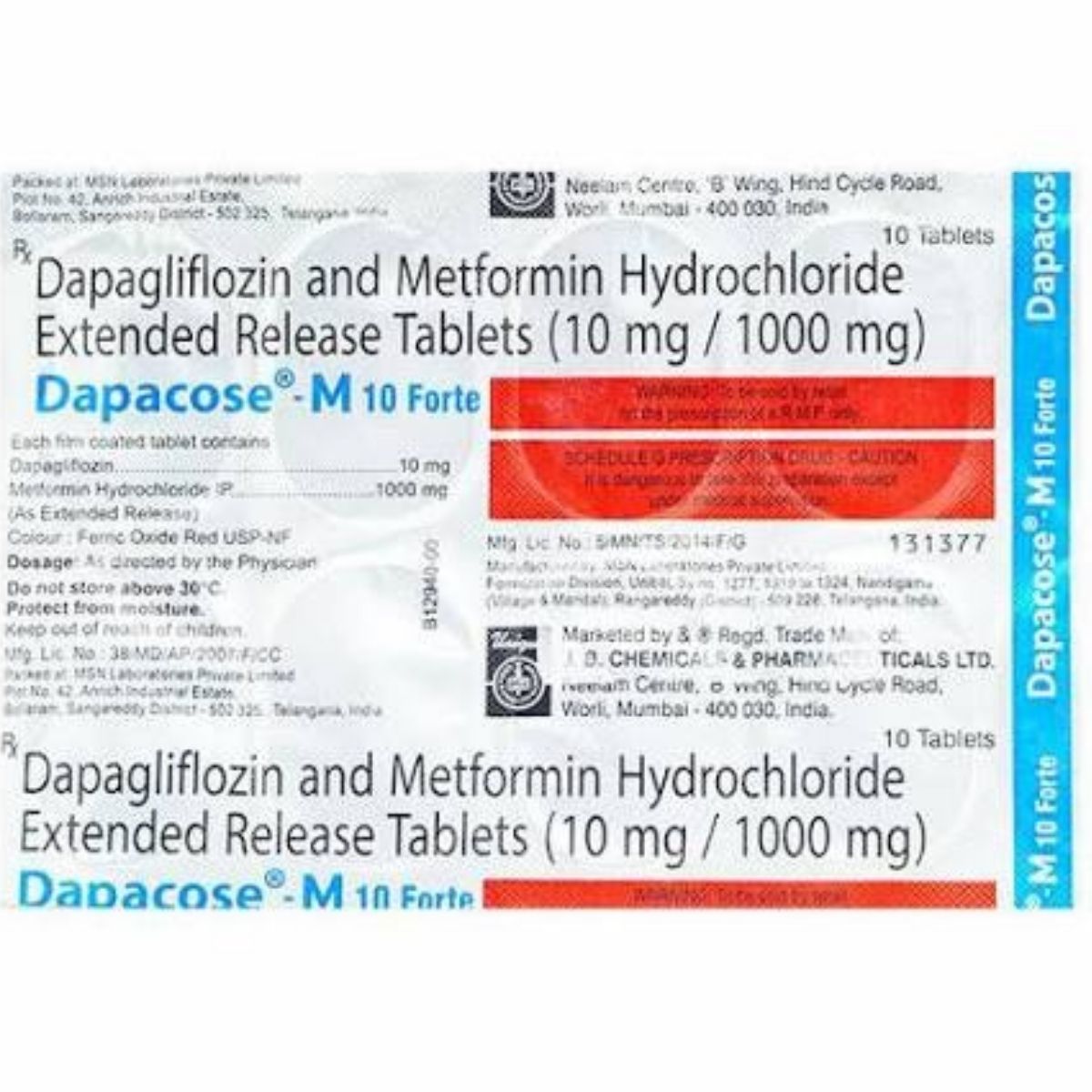
Uses
- Type 2 diabetes mellitus
- Helps control high blood sugar
- Improves blood glucose control along with diet and exercise
- May be prescribed when Metformin alone does not provide adequate control
Key Benefits
- Helps lower blood glucose levels
- Dapagliflozin increases glucose removal through urine
- Metformin reduces glucose production by the liver
- Improves the body’s sensitivity to insulin
- Provides complementary blood-sugar-lowering action
How Dapacose-M 10 Forte Works
Dapagliflozin blocks SGLT2 in the kidneys, causing excess glucose to be removed from the body through urine.
Metformin reduces glucose production by the liver and improves insulin sensitivity, helping the body use glucose more effectively.
Together, these medicines provide better blood glucose control through two different mechanisms.
Dosage & How to Use
Take Dapacose-M 10 Forte Tablet ER exactly as prescribed by your doctor.
- Swallow the tablet whole with water.
- Do not crush, chew, or break the extended-release tablet.
- It is generally taken with food to reduce stomach-related side effects.
- Take it at approximately the same time each day.
- Maintain adequate fluid intake unless your doctor has advised fluid restriction.
- Continue your recommended diet and exercise.
- Do not change the dose without medical advice.
Side Effects
Common side effects may include:
- Nausea
- Diarrhea
- Stomach discomfort
- Increased urination
- Genital fungal infections
- Urinary tract infections
- Thirst
- Dizziness
Rare but serious side effects include:
- Diabetic ketoacidosis
- Lactic acidosis
- Severe dehydration
- Kidney problems
- Serious genital infections
Seek urgent medical attention for severe weakness, persistent vomiting, abdominal pain, difficulty breathing, confusion, or unusual genital pain or swelling.
Precautions
Tell your doctor if you have:
- Kidney disease
- Liver disease
- Heart failure
- Recurrent urinary or genital infections
- Severe dehydration
- A history of diabetic ketoacidosis
- Type 1 diabetes
- Heavy alcohol consumption
Dapagliflozin may need to be temporarily stopped during major surgery, prolonged fasting, or serious acute illness.
Metformin may also need to be temporarily stopped around certain contrast-dye procedures depending on kidney function and your doctor’s advice.
Drug Interactions
Dapacose-M 10 Forte may interact with:
- Insulin
- Sulfonylureas and other diabetes medicines
- Diuretics
- Blood-pressure medicines
- Medicines affecting kidney function
- Alcohol
- Certain medicines affecting blood glucose
Tell your doctor about all prescription medicines, OTC medicines, vitamins, and supplements you take.
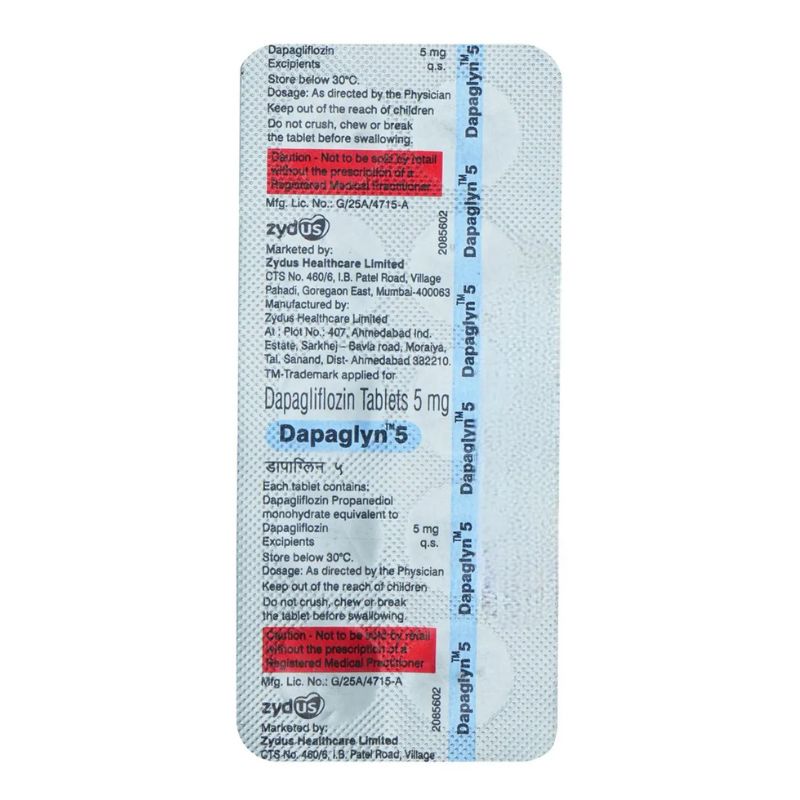
DAPAglyn 5 Tablet is an oral antidiabetic medication containing Dapagliflozin (5mg), which belongs to the class of drugs known as SGLT2 inhibitors (Sodium-Glucose Co-Transporter 2 inhibitors). It is used for the management of Type 2 Diabetes Mellitus to help control blood sugar levels in adults.
Dapagliflozin works by promoting the elimination of excess glucose through urine, thereby reducing blood glucose levels and improving overall glycemic control. In addition to lowering blood sugar, it may also contribute to weight loss and reduced blood pressure, offering added benefits for diabetic patients with cardiovascular risks.
Uses of DAPAglyn 5 Tablet
DAPAglyn 5 Tablet is prescribed for:
-
Type 2 Diabetes Mellitus (T2DM): To control elevated blood sugar levels when diet and exercise alone are insufficient.
-
Heart Failure: Helps reduce the risk of hospitalization due to heart failure in diabetic and non-diabetic patients.
-
Chronic Kidney Disease (CKD): Slows down kidney function decline in patients with Type 2 diabetes and kidney problems.
How DAPAglyn 5 Tablet Works
Dapagliflozin acts by blocking the SGLT2 protein in the kidneys, which is responsible for reabsorbing glucose back into the bloodstream. By inhibiting this protein, the medicine causes the kidneys to excrete glucose through urine, thereby lowering blood sugar levels naturally.
This mechanism not only helps maintain healthy glucose levels but also provides cardio-renal protection, making DAPAglyn a preferred choice for long-term diabetic management.
Dosage and Administration
-
The usual recommended dose is 5 mg once daily, taken orally with or without food, preferably in the morning.
-
Your doctor may adjust the dose based on blood sugar response and kidney function.
-
Continue to follow a proper diet and exercise plan along with medication for best results.
-
Take it regularly at the same time each day for optimal blood sugar control.
Do not stop the medication without consulting your doctor, even if you feel well, as diabetes requires continuous management.
Side Effects
Common side effects include:
-
Increased urination frequency
-
Urinary tract infections (UTIs)
-
Genital fungal infections (itching, irritation, or discharge)
-
Dehydration or dizziness
-
Low blood pressure (hypotension)
-
Mild thirst or fatigue
Seek medical help if you experience severe symptoms like persistent fever, pain during urination, or swelling in legs.
Precautions and Warnings
-
Inform your doctor if you have kidney or liver problems before starting DAPAglyn.
-
Not recommended for Type 1 Diabetes Mellitus or diabetic ketoacidosis (DKA).
-
Maintain adequate hydration to prevent dehydration and dizziness.
-
Monitor your blood sugar and kidney function regularly.
-
Use cautiously in elderly patients or those taking diuretics.
-
Pregnant or breastfeeding women should use it only if prescribed.
Storage Instructions
-
Store at a temperature below 30°C, away from moisture and direct sunlight.
-
Keep out of reach of children.
-
Do not use after the expiry date mentioned on the package.
Key Benefits of DAPAglyn 5 Tablet
-
Effectively lowers blood glucose levels.
-
Supports weight management.
-
Reduces risk of heart failure hospitalization.
-
Provides kidney protection in diabetic patients.
-
Can be used as monotherapy or with other antidiabetic drugs (like Metformin, Insulin, etc.).
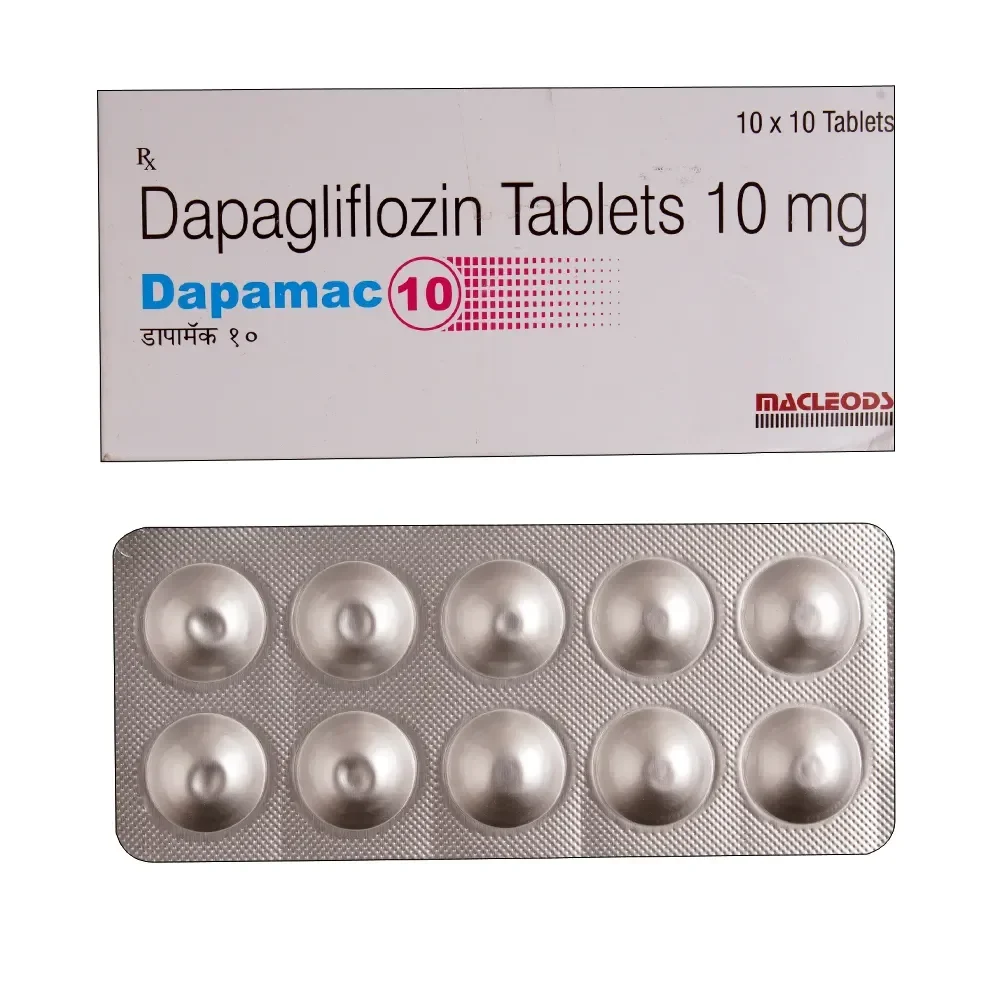
Dapamac 10mg Tablet contains Dapagliflozin, an SGLT2 (sodium-glucose co-transporter-2) inhibitor used in the treatment of type 2 diabetes mellitus. It helps lower blood sugar levels by promoting the excretion of excess glucose through urine. This unique mechanism works independently of insulin and may also provide benefits in patients with heart failure and chronic kidney disease (CKD), beyond just glucose control.
Uses / Indications:
-
Management of type 2 diabetes mellitus in adults
-
May be used alone or in combination with other antidiabetic drugs
-
Helps reduce risk of hospitalization due to heart failure
-
Slows the progression of kidney disease in diabetic patients
Benefits:
-
Effective in reducing blood sugar levels
-
Supports weight loss by lowering excess glucose in the body
-
Can help reduce blood pressure slightly, which benefits cardiovascular health
-
Provides cardio-renal protection, making it useful in patients with diabetes and kidney/heart complications
How to Use:
-
Take once daily, with or without food.
-
Swallow whole with water, preferably at the same time each day.
-
Follow your doctor’s prescribed dosage strictly.
Precautions:
-
Not suitable for type 1 diabetes or diabetic ketoacidosis (DKA).
-
Caution in patients with kidney or liver impairment.
-
Increased risk of urinary tract infections (UTIs) and genital fungal infections.
-
May cause dehydration; drink enough fluids during therapy.
-
Use with caution in elderly patients or those on diuretics.
-
Pregnant and breastfeeding women should use only if clearly prescribed.
Possible Side Effects:
-
Common: frequent urination, urinary tract infection, genital infections, thirst
-
Moderate: dizziness, dehydration, low blood pressure
-
Rare but serious: diabetic ketoacidosis, severe urinary infection
Storage:
-
Store in a cool and dry place, away from direct sunlight and moisture.
-
Keep out of reach of children.
Dapamac 5 Tablet contains Dapagliflozin, an SGLT2 (sodium-glucose co-transporter-2) inhibitor. It is used in the management of type 2 diabetes mellitus to help control blood sugar levels. By preventing the reabsorption of glucose in the kidneys, it increases glucose excretion through urine, thereby lowering blood glucose. Beyond glycemic control, it also offers cardio-renal protective benefits in patients with heart disease or kidney impairment.
Uses / Indications:
-
Treatment of type 2 diabetes mellitus (alone or with other antidiabetic medicines)
-
Helps reduce the risk of heart failure hospitalization in diabetic patients
-
Slows the progression of chronic kidney disease (CKD) in some patients
Benefits:
-
Lowers blood glucose levels effectively
-
Aids in weight loss by eliminating excess glucose
-
May reduce blood pressure slightly, supporting cardiovascular health
-
Provides heart and kidney protection, especially beneficial in high-risk patients
How to Use:
-
Usually taken once daily, with or without food.
-
Swallow whole with a glass of water at the same time each day.
-
Follow your doctor’s prescribed dosage — do not self-adjust.
Precautions:
-
Not indicated for type 1 diabetes or diabetic ketoacidosis (DKA).
-
Use cautiously in patients with kidney or liver impairment.
-
May increase the risk of urinary tract infections (UTIs) and genital fungal infections.
-
Can cause dehydration — adequate fluid intake is recommended.
-
Elderly patients or those on diuretics should be monitored for low blood pressure.
-
Pregnant or breastfeeding women should only use under strict medical supervision.
Possible Side Effects:
-
Common: increased urination, urinary tract infections, genital yeast infections, thirst
-
Moderate: dizziness, dehydration, low blood pressure
-
Rare but serious: diabetic ketoacidosis, severe urinary infections
Storage:
-
Store in a cool, dry place, away from heat and direct sunlight.
-
Keep out of reach of children.