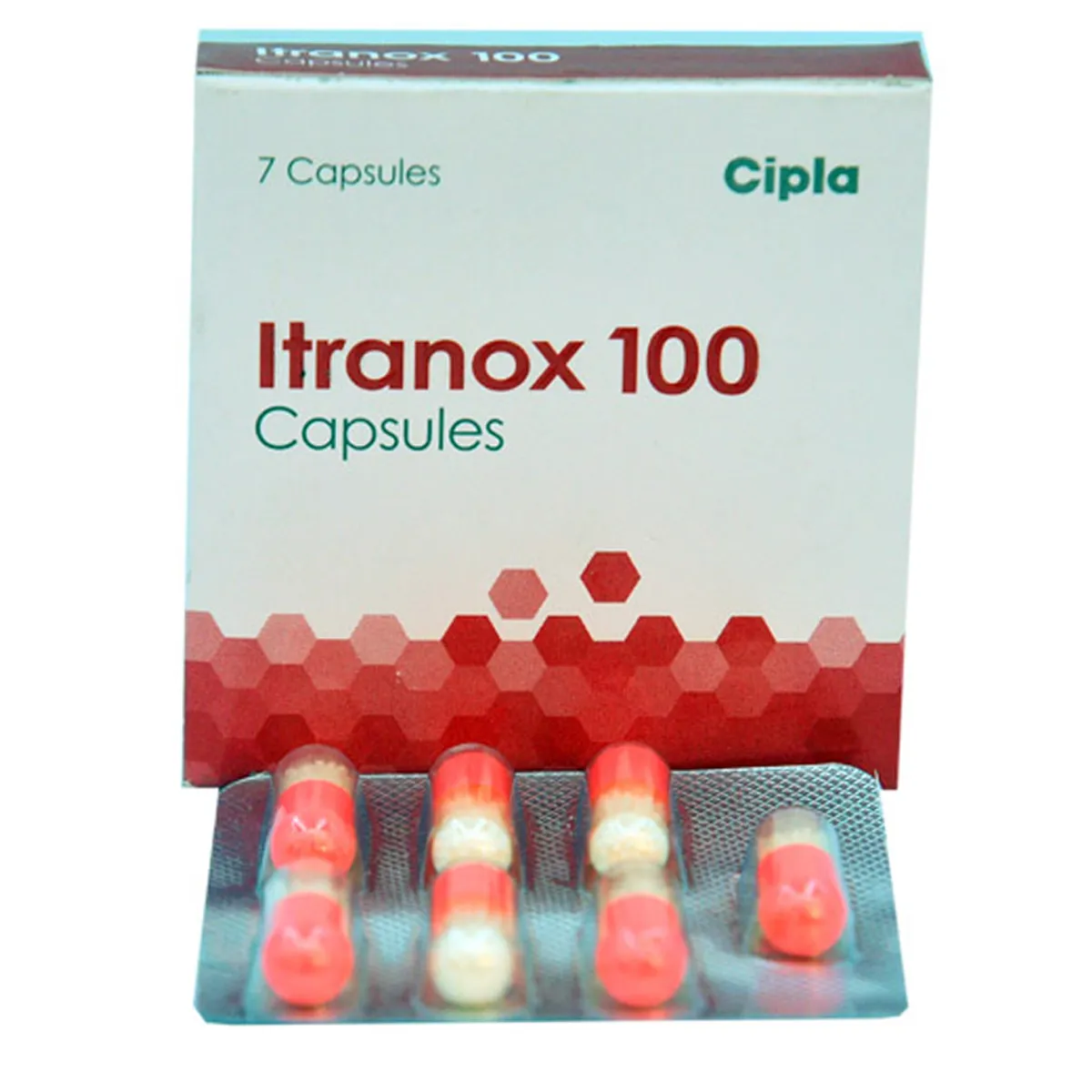
Itranox 100 Capsule is an oral antifungal medication used to treat a wide range of fungal infections, both systemic and superficial. The active ingredient, Itraconazole (100 mg), is a triazole antifungal that works by inhibiting the synthesis of ergosterol, an essential component of fungal cell membranes. This disruption weakens fungal cells, stopping their growth and allowing the body to eliminate the infection effectively.
Itranox 100 is commonly prescribed for infections like candidiasis, dermatophytosis (skin, hair, and nail infections), and aspergillosis. It is suitable for patients requiring treatment for mild to moderate fungal infections and is often chosen for its proven efficacy and tolerability.
Uses:
-
Treats fungal infections such as candidiasis, aspergillosis, and dermatophytosis.
-
Effective for skin, hair, and nail fungal infections.
-
Prevents the spread of fungal infections in immunocompromised patients.
-
Relieves symptoms like itching, redness, scaling, and discomfort caused by fungal infections.
Dosage / How to Use:
-
Take Itranox 100 Capsule orally, preferably after food, or as prescribed by your doctor.
-
Dosage depends on the type and severity of the infection.
-
Swallow the capsule whole; do not crush or chew.
-
Complete the full course even if symptoms improve earlier.
Benefits:
-
Broad-spectrum antifungal effective against multiple types of fungal infections.
-
Provides rapid relief from itching, redness, and discomfort.
-
Suitable for both superficial and systemic fungal infections.
-
Convenient oral dosage ensures proper absorption and efficacy.
Side Effects:
-
Common side effects may include nausea, vomiting, abdominal discomfort, headache, or dizziness.
-
Prolonged or high-dose use may affect liver function; monitoring may be required.
-
Not recommended for patients with severe liver disease or known allergy to Itraconazole.
-
Pregnant or breastfeeding women should consult a doctor before use.
-
Rarely, may cause heart-related side effects; inform your doctor if you have heart conditions.
Precautions:
-
Use only under medical supervision.
-
Avoid self-medication or sharing with others.
-
Inform your doctor about all other medications, as Itraconazole may interact with many drugs.
-
Store in a cool, dry place away from sunlight and moisture.
-
Keep out of reach of children.
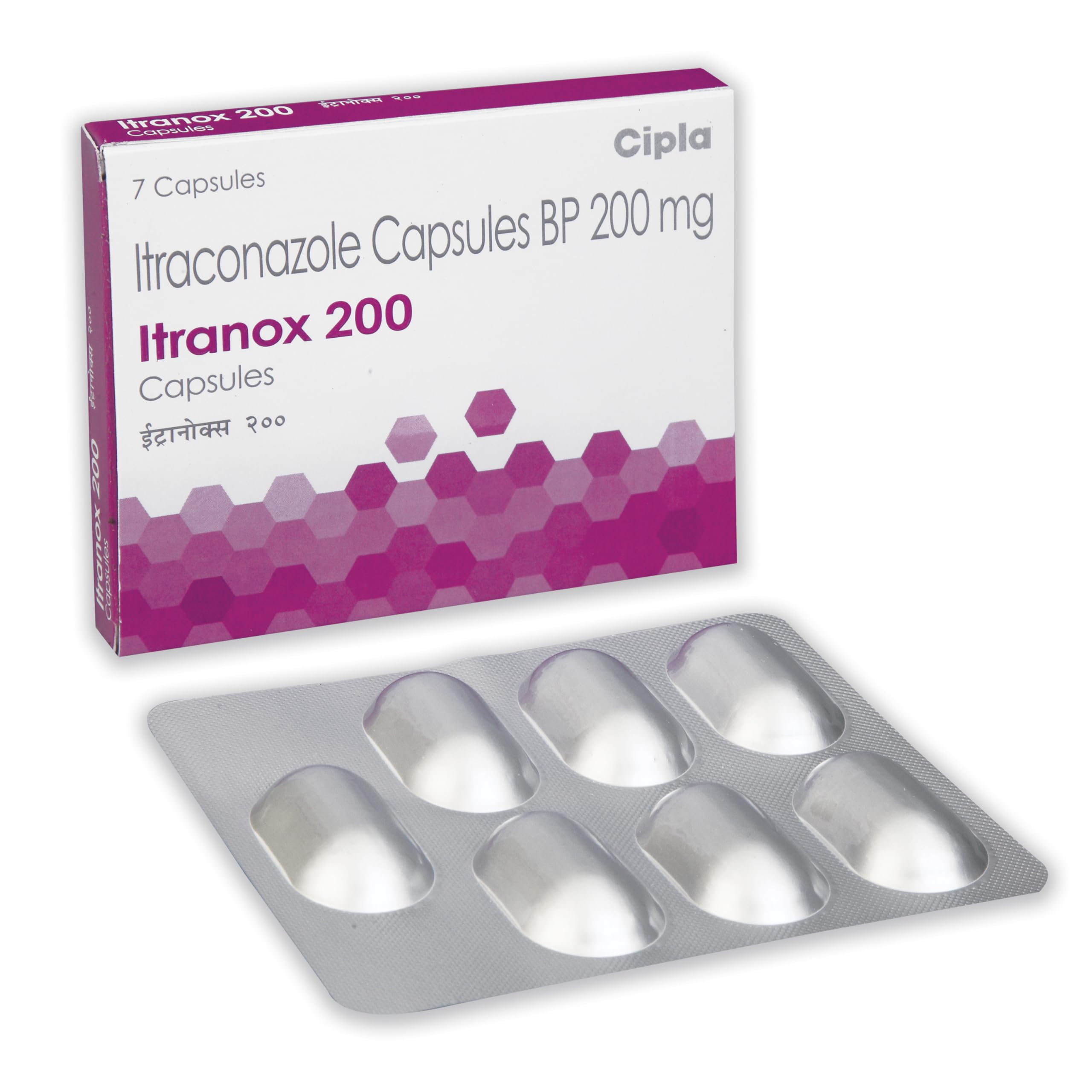
Itranox 200 Capsule is a powerful oral antifungal medication used to treat severe and persistent fungal infections. Its active ingredient, Itraconazole (200 mg), belongs to the triazole class of antifungals and works by inhibiting the synthesis of ergosterol, a critical component of fungal cell membranes. This action weakens the fungal cells, stopping their growth and aiding the body in eliminating the infection.
Itraconazole 200 mg is commonly prescribed for systemic fungal infections such as aspergillosis, histoplasmosis, and candidiasis, as well as for stubborn skin, nail, and hair fungal infections. The higher dosage ensures effective treatment for more resistant or extensive infections.
Uses:
-
Treats systemic fungal infections like aspergillosis, histoplasmosis, and candidiasis.
-
Effective for nail, skin, and hair fungal infections (onychomycosis, dermatophytosis).
-
Prevents the spread of fungal infections in immunocompromised patients.
-
Reduces symptoms like itching, redness, scaling, and discomfort caused by fungal infections.
Dosage / How to Use:
-
Take Itranox 200 Capsule orally, preferably after food, or as prescribed by a doctor.
-
Dosage and duration depend on the type and severity of the infection.
-
Swallow the capsule whole; do not crush or chew.
-
Complete the full course even if symptoms improve earlier.
Benefits:
-
Broad-spectrum antifungal effective against severe and resistant fungal infections.
-
Provides rapid relief from itching, redness, scaling, and discomfort.
-
Suitable for both systemic and localized fungal infections.
-
Convenient oral form ensures optimal absorption and efficacy.
Risks / Side Effects:
-
Common side effects may include nausea, vomiting, abdominal discomfort, headache, or dizziness.
-
Prolonged or high-dose use may affect liver function; regular monitoring may be required.
-
Not recommended for patients with severe liver disease or known allergy to Itraconazole.
-
Pregnant or breastfeeding women should consult a doctor before use.
-
Rarely, may cause heart-related side effects; inform your doctor if you have heart conditions.
Precautions:
-
Use only under medical supervision.
-
Avoid self-medication or sharing the medicine.
-
Inform your doctor about all other medications, as Itraconazole may interact with several drugs.
-
Store in a cool, dry place away from sunlight and moisture.
-
Keep out of reach of children.
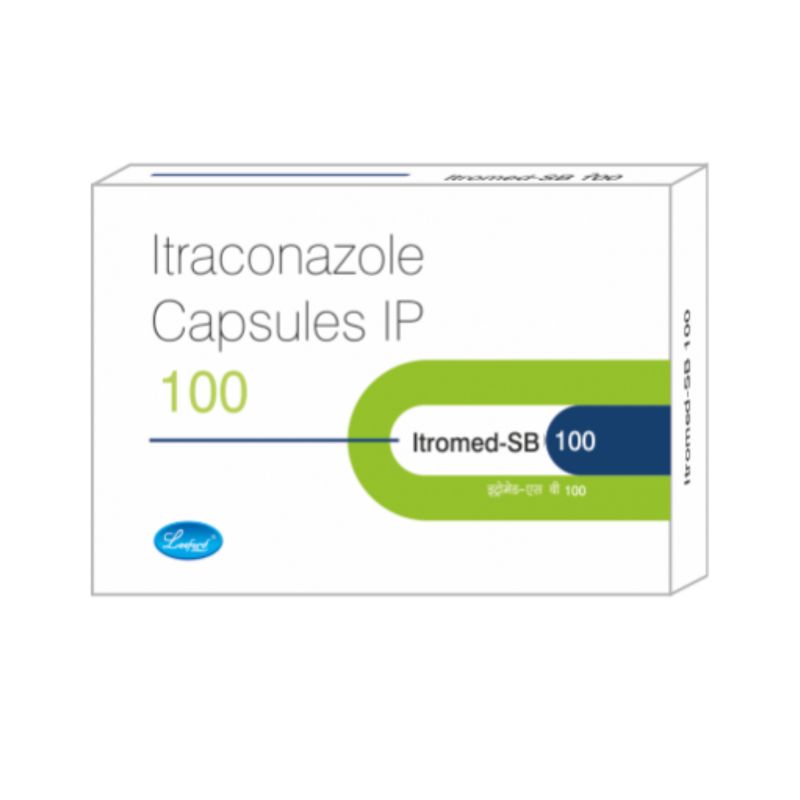
ITROMED-SB 100 contains itraconazole 100 mg refined with SUBA (SUper-BioAvailable) technology for antifungal therapy. This advanced solid dispersion formula results in higher oral absorption and more consistent blood levels than standard crystalline itraconazole, allowing for lower doses and better tolerability.
SUBA Technology Features
-
Enhanced and consistent bioavailability regardless of food, acid, or patient differences
-
Therapeutically effective at lower dosages
-
Suitable for use in patients with variable GI pH or on acid-reducing medications.
Clinical Uses
-
Treatment of fungal infections of skin, oral mucosa (thrush), vagina, nails (onychomycosis), and internal organs.
-
Active against dermatophytes, yeasts (Candida), and molds
-
Also used for persistent or recurrent fungal infections not responding to conventional therapy
Dosage & Directions
-
Take as prescribed, usually with food for optimal absorption; swallow whole.
-
Full course should be completed to prevent recurrence
-
Not recommended in pregnancy, severe liver disease, heart failure, or with drugs that prolong QT interval
Common Side Effects
-
Nausea, vomiting, abdominal pain, headache, dizziness, diarrhea
-
Rare: liver toxicity (jaundice), heart rhythm disturbances, allergic reaction
Precautions
-
Monitor liver function for long courses
-
Avoid antacids within 2 hours of dosing or take with acidic beverages if needed
-
Discuss all medications and supplements with healthcare provider
ITROMED-SB 100 is a prescription antifungal with advanced bioavailability, used for a wide range of fungal infections.

ITROMED-SB 130 contains itraconazole 130 mg formulated with SUBA (super-bioavailable) technology to enhance absorption, consistency, and clinical efficacy over conventional itraconazole. The capsule delivers improved blood levels and greater antifungal effect at prescribed dosages.
Clinical Uses
-
Treatment of fungal infections of the skin, nails (onychomycosis), mouth, vagina, and internal organs including lungs (histoplasmosis, aspergillosis, cryptococcosis, blastomycosis).
-
Used for dermatophyte infections, candidiasis (yeast), and for management/prevention of recurrence in immunocompromised patients.
Mechanism
Itraconazole inhibits ergosterol synthesis, damaging fungal cell membranes and causing cell death, effectively treating and preventing fungal spread.
Dosage & Administration
-
As prescribed, with food for better absorption; swallow whole, do not open or break the capsule.
-
Take at regular intervals for full course—even if symptoms resolve early—to prevent recurrence.
-
Duration and dose depend on infection type and clinical response
Common Side Effects
-
Nausea, vomiting, diarrhea, headache, stomach upset, dizziness, skin rash
-
Rare: liver toxicity, severe allergy, heart rhythm disturbance.
Safety & Precautions
-
Not recommended in pregnancy, breastfeeding, or severe liver/heart/kidney disease
-
Alcohol increases risk of liver damage; caution advised
-
Discuss all medicines and conditions with doctor before starting
ITROMED-SB 130 is a prescription antifungal with advanced bioavailability, for a wide range of fungal infections.
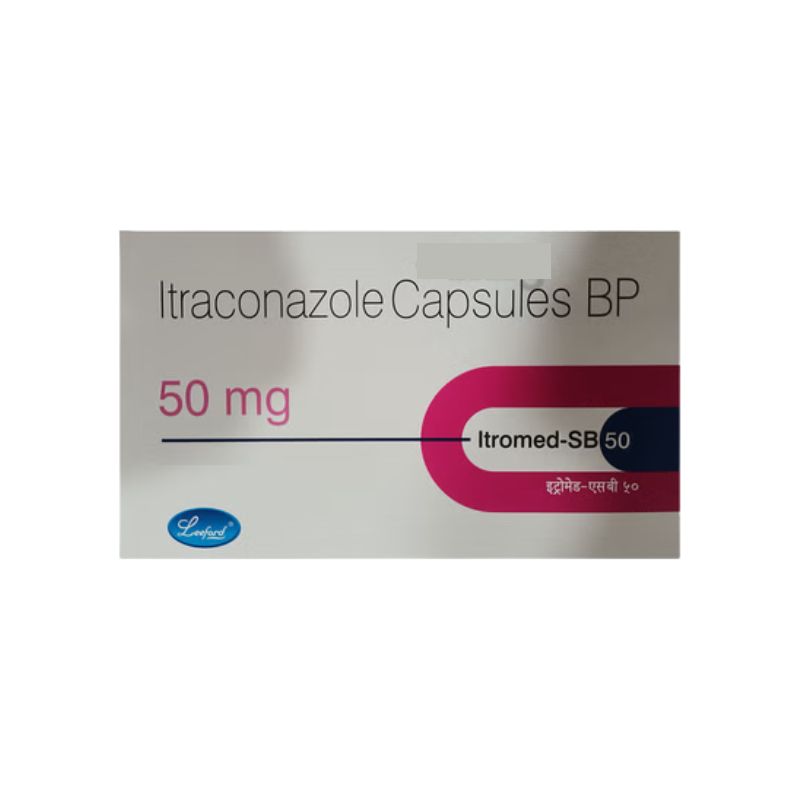
ITROMED-SB 50 is a novel prescription antifungal tablet containing itraconazole 50 mg processed with SUBA (SUper-BioAvailable) technology. The SUBA formulation employs a solid dispersion of itraconazole in a pH-dependent polymer matrix, resulting in “super bioavailability”—about 90–173% higher oral absorption and better therapeutic blood levels than conventional crystalline itraconazole tablets or capsules.
What Is SUBA Technology?
-
SUBA uses a spray-drying process to disperse itraconazole in a polymer matrix (such as hypromellose phthalate), creating an amorphous solid nanoparticle powder.
-
This improves dissolution and absorption in the higher pH of the small intestine (rather than relying on stomach acid solubility), leading to consistent absorption and plasma levels regardless of food intake or acid suppressant use.
-
50 mg SUBA-itraconazole is considered therapeutically equivalent to 100 mg conventional itraconazole; lower doses can be titrated for effective antifungal coverage.
Key Advantages
-
Dramatically increased and stabilized bioavailability
-
Therapeutic effect reliably achieved at lower doses; less dose-to-dose and patient-to-patient variability
-
Lower risk of gastrointestinal side effects; less dependent on fat-rich meals for absorption
-
Effective against resistant/recalcitrant superficial and systemic mycoses (fungal infections).
Indications
-
Dermatophytosis (skin and nail fungal infections resistant to conventional therapy)
-
Systemic mycoses: histoplasmosis, aspergillosis, blastomycosis, cryptococcosis
-
Onychomycosis, candidiasis, and other severe or chronic fungal infections
Safety & Precautions
-
Do not use with drugs causing QT prolongation or strong CYP3A4 inhibitors
-
Renal and hepatic monitoring advised during therapy
-
Not recommended in pregnancy or lactation except in life-threatening mycoses
ITROMED-SB 50 (SUBA technology) is a next-gen itraconazole formulation for superior and predictable antifungal therapy, widely available in India.
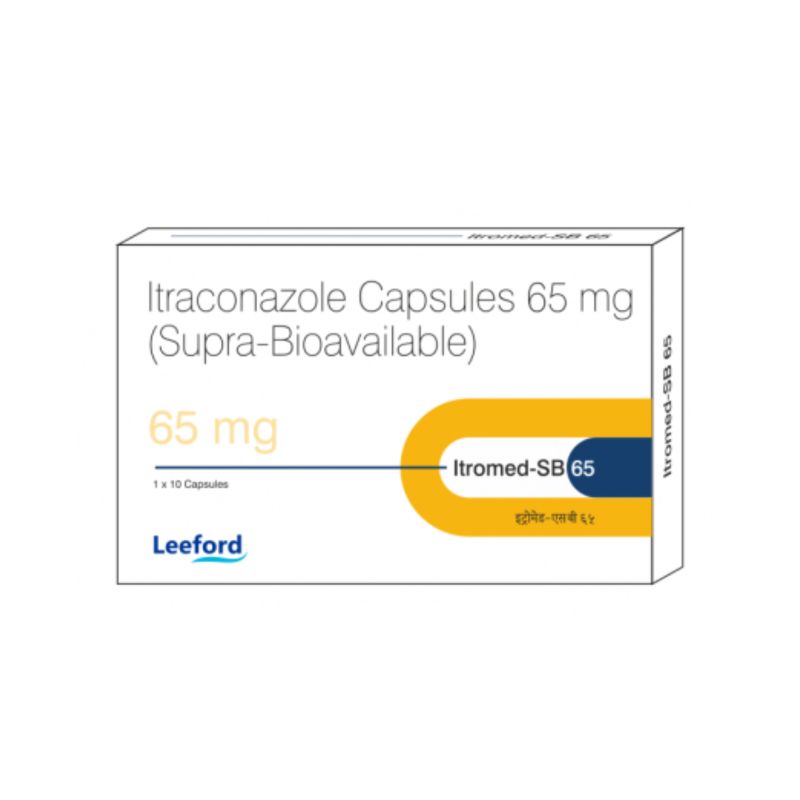
ITROMED-SB 65 contains itraconazole 65 mg formulated using SUBA (SUper-BioAvailable) technology. This special pharmaceutical technology enhances bioavailability by using a solid dispersion of itraconazole in a polymer matrix, resulting in superior absorption compared to conventional crystalline itraconazole capsules.
SUBA Technology Benefits
-
Enhanced bioavailability: The 65 mg SUBA formulation provides equivalent therapeutic effect to higher doses of conventional itraconazole.
-
Consistent absorption: Less dependent on stomach acid and food intake for absorption.
-
Reduced variability: More predictable plasma levels between patients and doses.
Uses
-
Superficial fungal infections: Ringworm, athlete’s foot, jock itch caused by Trichophyton, Microsporum, and Epidermophyton species.
-
Nail infections (onychomycosis): Persistent fungal infections of fingernails and toenails.
-
Mucosal candidiasis: Vaginal yeast infections, oral/throat thrush, especially in immunocompromised patients.
-
Systemic mycoses: Cryptococcal infections, histoplasmosis, aspergillosis, blastomycosis.
Mechanism of Action
Itraconazole blocks ergosterol synthesis by inhibiting the fungal enzyme lanosterol 14α-demethylase, disrupting the fungal cell membrane and causing cell death.
Common Side Effects
-
Nausea, vomiting, diarrhea, abdominal pain, headache, dizziness, constipation, dyspepsia.
-
Rare but serious: severe skin reactions, liver toxicity, heart rhythm abnormalities.
Directions & Precautions
-
Take with food for optimal absorption.
-
Avoid antacids for 2 hours after dosing (or take with cola if antacids necessary).
-
Complete full course even if symptoms improve early.
-
Monitor liver function for treatments longer than one month.
-
Not recommended in pregnancy, heart failure, or severe liver/kidney disease.
ITROMED-SB 65 is a prescription antifungal with enhanced bioavailability technology, widely available in India.
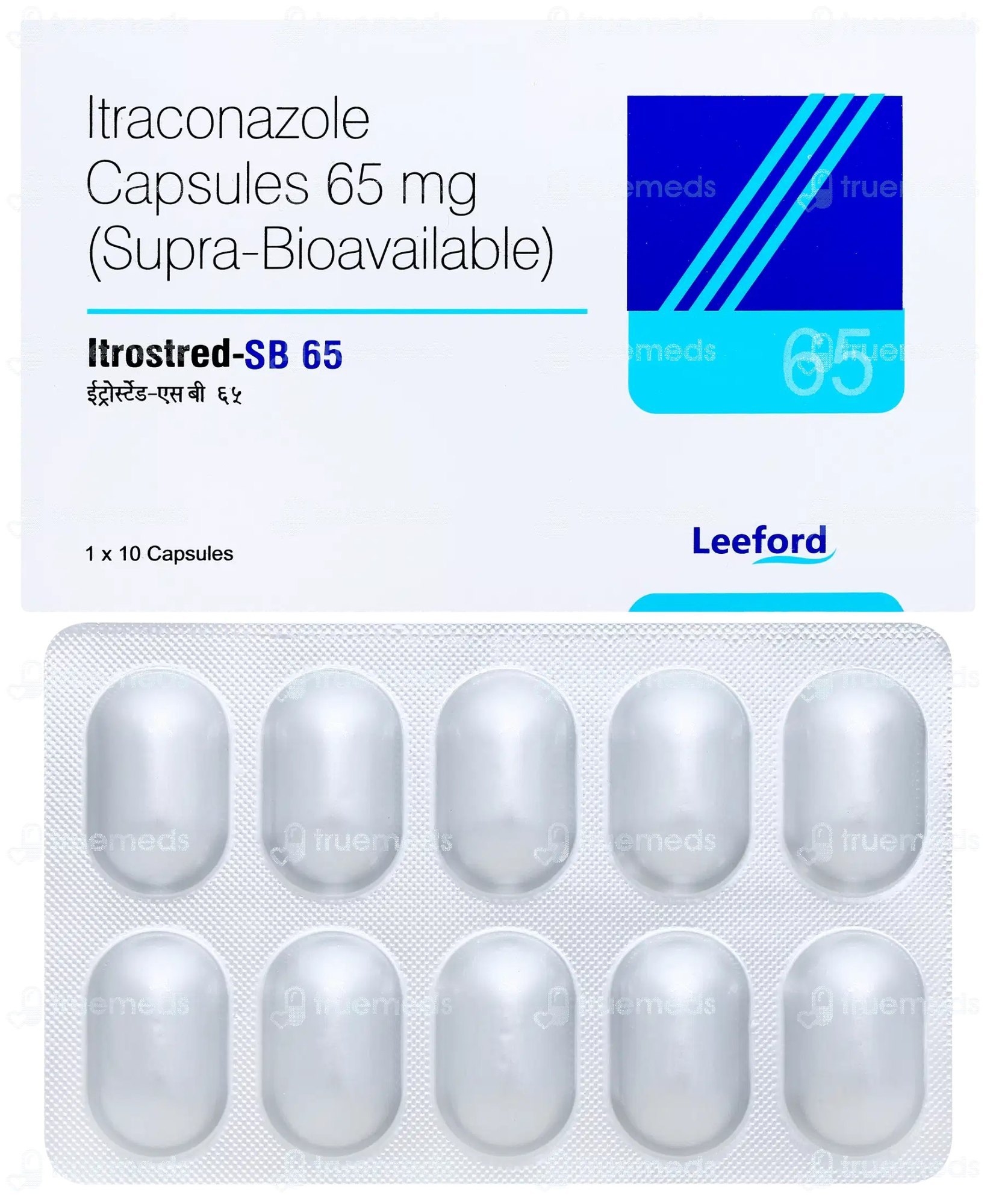
Itrostred SB 65mg Capsule is an antifungal medication used to treat various fungal infections, including skin, nail, and systemic infections. It contains Itraconazole (65mg), which works by inhibiting the synthesis of ergosterol, a vital component of fungal cell membranes. This action weakens fungal cells, preventing their growth and helping eliminate infections effectively.
This low-dose formulation is particularly suitable for mild to moderate fungal infections, such as dermatophytic skin infections and nail infections, or for patients requiring long-term maintenance therapy.
Uses:
-
Treatment of mild to moderate skin fungal infections (tinea, ringworm, athlete’s foot)
-
Nail fungal infections (onychomycosis)
-
Systemic fungal infections in lower doses
-
Prevention of fungal infections in immunocompromised patients
-
Supportive therapy for chronic dermatophytic infections
Key Benefits:
-
Effective against superficial and mild systemic fungal infections
-
Helps clear skin and nail infections
-
Reduces recurrence and supports long-term fungal control
-
Convenient low-dose option for maintenance therapy
Directions for Use:
Take Itrostred SB 65mg Capsule orally with a full glass of water, preferably after meals. Swallow the capsule whole; do not crush or chew. Follow your doctor’s dosage and schedule carefully, and complete the full course even if symptoms improve early.
Safety Advice:
-
Alcohol: Limit intake to avoid liver strain.
-
Pregnancy & Breastfeeding: Consult your doctor before use.
-
Liver Disorders: Use with caution; regular liver function monitoring is recommended.
-
Drug Interactions: Inform your doctor about all medications to prevent interactions.

Ivabid 5 Tablet contains Ivabradine (5mg), a medicine used in the management of chronic heart failure and chronic stable angina (chest pain due to reduced blood supply to the heart). Ivabradine works by selectively inhibiting the “funny current” (If) channels in the sinoatrial node (natural pacemaker of the heart). This reduces the heart rate without affecting the strength of heart contractions or blood pressure, thereby improving oxygen supply to the heart muscles and reducing workload.
This unique mechanism makes Ivabid 5 Tablet highly effective for patients who cannot tolerate or are not responding well to beta-blockers.
Uses
-
Chronic stable angina pectoris (chest pain due to reduced blood flow)
-
Chronic heart failure (especially with reduced left ventricular ejection fraction)
-
Helps improve exercise tolerance and reduce symptoms of angina
-
Prevents hospitalization in heart failure patients
How It Works
Ivabradine acts on the sinoatrial node (heart’s pacemaker) by selectively inhibiting If channels, slowing the heart rate (bradycardic effect). By lowering heart rate:
-
Oxygen demand of the heart is reduced
-
Blood supply to the heart muscle improves
-
Angina symptoms decrease
-
Heart failure symptoms improve
Unlike beta-blockers, it does not affect heart contractility or blood pressure, making it suitable for specific patients.
Benefits
-
Reduces frequency and severity of angina attacks
-
Improves quality of life in heart failure patients
-
Can be used in patients intolerant to beta-blockers
-
Helps maintain exercise capacity
-
Proven to reduce hospitalization risk in heart failure
Directions for Use
-
Take the tablet exactly as prescribed by the doctor.
-
Usually taken twice daily with meals.
-
Swallow whole with water; do not crush or chew.
-
Dosage may be adjusted based on heart rate response.
-
Regular heart rate monitoring is essential.
Safety Information
-
Common side effects: temporary visual brightness (phosphenes), dizziness, headache, slow heart rate (bradycardia), high blood pressure.
-
Use with caution in patients with low resting heart rate, conduction disturbances, or atrial fibrillation.
-
Not recommended in severe liver disease.
-
Avoid grapefruit juice as it may increase drug levels.
-
Not safe during pregnancy and breastfeeding.
-
May interact with medicines like diltiazem, verapamil, strong antifungals, macrolide antibiotics, and anti-HIV drugs.
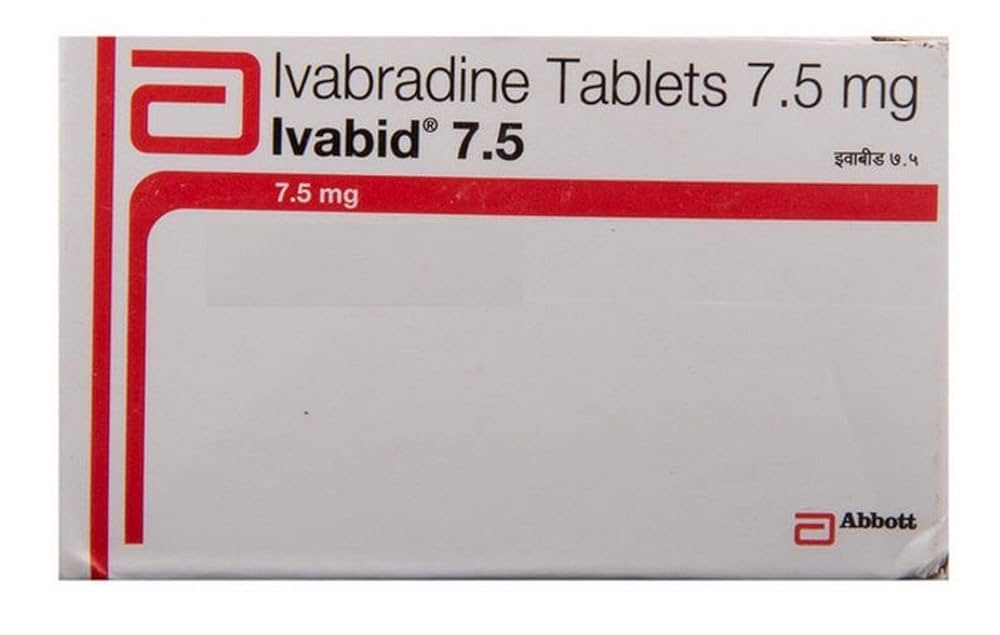
Ivabid 7.5 Tablet contains Ivabradine (7.5mg), a heart rate–lowering medicine used in the treatment of chronic heart failure and chronic stable angina pectoris (chest pain caused by reduced blood supply to the heart). It works by selectively inhibiting the If (“funny”) channels in the sinoatrial node, the natural pacemaker of the heart. This action slows the heart rate without reducing the strength of contraction or significantly lowering blood pressure.
The 7.5mg strength is typically prescribed for patients who require a higher dose after starting with 5mg, based on their heart rate and clinical response.
Uses
-
Management of chronic stable angina (reduces frequency of chest pain episodes)
-
Treatment of chronic heart failure with reduced ejection fraction
-
Improves exercise tolerance in patients with angina
-
Reduces risk of hospitalization in patients with symptomatic heart failure
How It Works
Ivabradine slows the heart rate by blocking the If channels in the sinoatrial node:
-
Decreases the oxygen demand of the heart
-
Improves oxygen delivery to the heart muscle
-
Relieves angina symptoms
-
Improves cardiac efficiency in heart failure patients
Unlike beta-blockers, it does not reduce cardiac contractility or blood pressure, making it suitable for certain patients who cannot tolerate beta-blockers.
Benefits
-
Fewer angina attacks and reduced need for rescue medication
-
Improves symptoms and quality of life in heart failure patients
-
Can be safely used in patients who cannot tolerate beta-blockers
-
Helps prevent hospitalizations due to worsening heart failure
Directions for Use
-
Take exactly as prescribed by the physician.
-
Usually taken twice daily with meals.
-
Do not crush or chew; swallow whole with water.
-
Dose may be adjusted based on heart rate monitoring (goal: usually 50–60 bpm at rest).
-
Regular ECG and heart rate checks are recommended.
Safety Information
-
Common side effects: temporary visual brightness (phosphenes), slow heart rate (bradycardia), dizziness, headache, high blood pressure.
-
Avoid if you have severe liver disease, sick sinus syndrome, conduction defects, or resting heart rate < 60 bpm before treatment.
-
Not recommended during pregnancy or breastfeeding.
-
Avoid grapefruit juice (increases Ivabradine levels).
-
Can interact with medicines such as diltiazem, verapamil, antifungals, macrolide antibiotics, and HIV medicines.
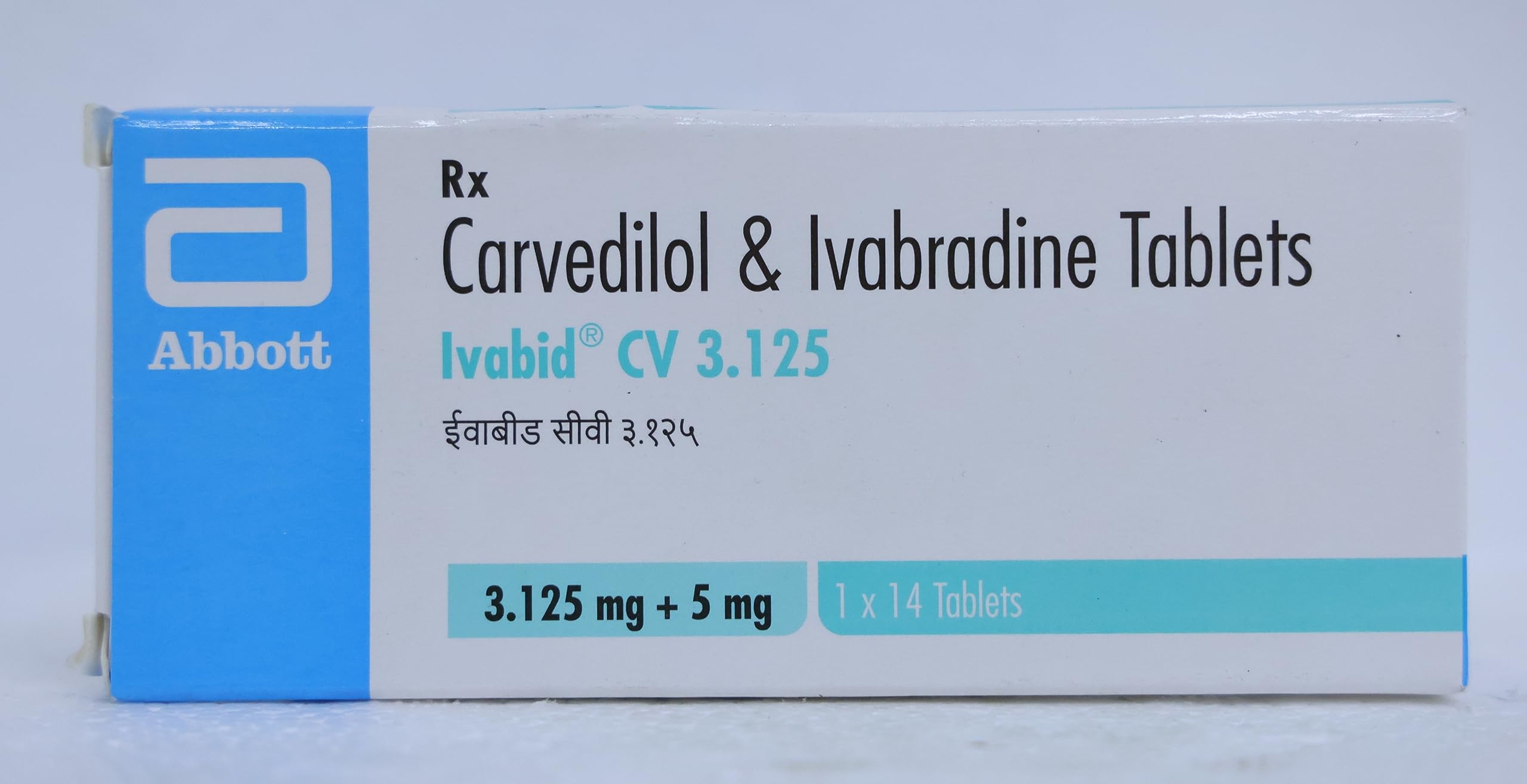
Ivabid CV 3.125 Tablet is a fixed-dose combination medicine that contains Carvedilol (3.125mg) and Ivabradine (5mg). It is primarily prescribed for the treatment of chronic heart failure and in some cases for chronic stable angina (chest pain due to reduced blood supply to the heart).
This unique combination brings together the benefits of two different heart medicines:
-
Carvedilol: A non-selective beta-blocker with alpha-blocking activity that reduces heart rate, decreases blood pressure, and lowers the heart’s oxygen demand. It also protects the heart from the harmful effects of stress hormones.
-
Ivabradine: A selective If (“funny”) channel inhibitor that slows the heart rate by acting directly on the sinoatrial node, without affecting blood pressure or cardiac contractility.
Together, they help the heart work more efficiently, relieve symptoms like shortness of breath and chest pain, and improve long-term outcomes in heart failure.
Uses
-
Management of chronic heart failure with reduced ejection fraction
-
Treatment of stable angina pectoris (to reduce frequency of angina episodes)
-
Reduces risk of hospitalization in patients with symptomatic heart failure
How It Works
-
Carvedilol lowers blood pressure and heart rate, reduces the workload on the heart, and protects the heart muscle.
-
Ivabradine further reduces the heart rate by selectively inhibiting the If channels in the sinoatrial node.
The dual action ensures better control of symptoms, improved oxygen efficiency, and protection against progression of heart failure.
Benefits
-
Provides better heart rate control than either medicine alone
-
Reduces the frequency of angina attacks
-
Improves exercise capacity and quality of life
-
Lowers risk of hospital admission in heart failure patients
-
Combination helps in optimizing heart performance with lower doses of each drug, potentially reducing side effects
Directions for Use
-
Take the tablet exactly as prescribed by your doctor.
-
Usually taken twice daily with food to reduce the risk of dizziness.
-
Swallow whole with water; do not crush or chew.
-
Regular monitoring of heart rate, blood pressure, and ECG is essential during therapy.
Safety Information
-
Common side effects: slow heart rate (bradycardia), dizziness, tiredness, headache, low blood pressure, visual brightness (phosphenes).
-
Avoid if you have severe heart block, severe asthma/COPD, very low blood pressure, sick sinus syndrome, or acute heart failure.
-
Not recommended in pregnancy or breastfeeding unless advised by the doctor.
-
Avoid sudden stopping of the medicine, as it can worsen heart failure or angina.
-
Use caution with medicines such as diltiazem, verapamil, antifungals, macrolide antibiotics, and HIV medicines, which may interact with Ivabradine or Carvedilol.
-
Limit alcohol and avoid grapefruit juice during therapy.

Ivabid OD 10 Tablet contains Ivabradine 10mg, a medicine used for managing chronic heart failure and chronic stable angina (chest pain due to reduced blood flow to the heart). The “OD” indicates once daily sustained release formulation, designed to provide prolonged effect with a single daily dose.
Ivabradine acts by selectively inhibiting the If (“funny”) current channels in the sinoatrial node (the natural pacemaker of the heart). This leads to a controlled reduction in heart rate without affecting blood pressure or the strength of heart contractions.
By lowering the heart rate, Ivabid OD 10 helps reduce oxygen demand, relieves angina episodes, improves exercise capacity, and lowers the risk of hospitalization in heart failure patients.
Uses
-
Chronic stable angina (to reduce frequency of chest pain episodes)
-
Chronic heart failure with reduced ejection fraction (HFrEF)
-
Improves exercise tolerance and quality of life
-
Helps in reducing risk of worsening heart failure
How It Works
-
Ivabradine directly acts on the pacemaker cells of the heart.
-
Slows down the heart rate without reducing blood pressure or contractility.
-
Improves efficiency of oxygen utilization by the heart.
-
Provides symptom relief and reduces risk of hospitalization in long-term heart failure management.
Benefits
-
Once-daily dosing for better patient convenience and adherence
-
Controls angina and reduces chest pain frequency
-
Improves exercise performance
-
Lowers risk of heart failure progression and hospitalization
-
Safer for patients who cannot tolerate high doses of beta-blockers
Directions for Use
-
Take the tablet once daily as prescribed by your doctor, usually with meals.
-
Swallow whole with water; do not crush or chew.
-
Heart rate and ECG monitoring is recommended during treatment.
Safety Information
-
Common side effects: bradycardia (slow heartbeat), dizziness, fatigue, headache, visual disturbances (phosphenes – seeing flashes of light).
-
Avoid in patients with severe liver impairment, acute decompensated heart failure, sick sinus syndrome, sinoatrial block, or pacemaker dependency.
-
Not recommended during pregnancy or breastfeeding.
-
Avoid grapefruit juice and alcohol, as they may increase side effects.
-
Inform your doctor if you are taking other medicines like diltiazem, verapamil, antifungals, macrolide antibiotics, or HIV antivirals.
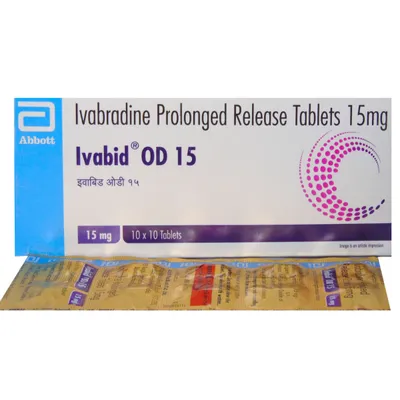
Ivabid OD 15mg Tablet contains Ivabradine 15mg, a once-daily extended-release heart medicine used for managing chronic stable angina and chronic heart failure with reduced ejection fraction (HFrEF). The OD (once daily) formulation provides a sustained therapeutic effect throughout the day with a single dose.
Ivabradine selectively inhibits the If (“funny”) channels in the sinoatrial node, which is the natural pacemaker of the heart. This action slows the heart rate without affecting the strength of heart contraction or blood pressure, improving oxygen supply to the heart and reducing symptoms of angina and heart failure.
The 15mg strength is typically prescribed for patients who require higher heart rate control after lower doses (5mg or 10mg) are not sufficient.
Uses
-
Management of chronic stable angina pectoris
-
Treatment of chronic heart failure with reduced ejection fraction
-
Improves exercise tolerance and daily activity capacity
-
Helps reduce hospitalization risk in heart failure patients
How It Works
-
Ivabradine slows heart rate by selectively blocking If channels in the sinoatrial node.
-
Reduces oxygen demand of the heart while maintaining cardiac output.
-
Relieves angina symptoms and prevents progression of heart failure.
-
Extended-release formulation ensures steady therapeutic effect for 24 hours.
Benefits
-
Once-daily dosing for convenience and adherence
-
Reduces frequency and severity of angina attacks
-
Improves exercise capacity and heart efficiency
-
Reduces hospitalization risk in chronic heart failure
-
Suitable for patients who require stronger heart rate reduction
Directions for Use
-
Take the tablet once daily, preferably with food.
-
Swallow whole; do not crush or chew.
-
Heart rate and ECG monitoring recommended during treatment.
-
Dose adjustments may be required based on clinical response and heart rate.
Safety Information
-
Common side effects: bradycardia (slow heart rate), dizziness, fatigue, headache, visual disturbances (phosphenes).
-
Avoid in patients with severe liver impairment, sick sinus syndrome, acute decompensated heart failure, or pacemaker dependency.
-
Not recommended during pregnancy or breastfeeding unless prescribed.
-
Avoid grapefruit juice and alcohol, which may increase drug levels.
-
Possible interactions with diltiazem, verapamil, antifungals, macrolide antibiotics, and HIV antivirals.